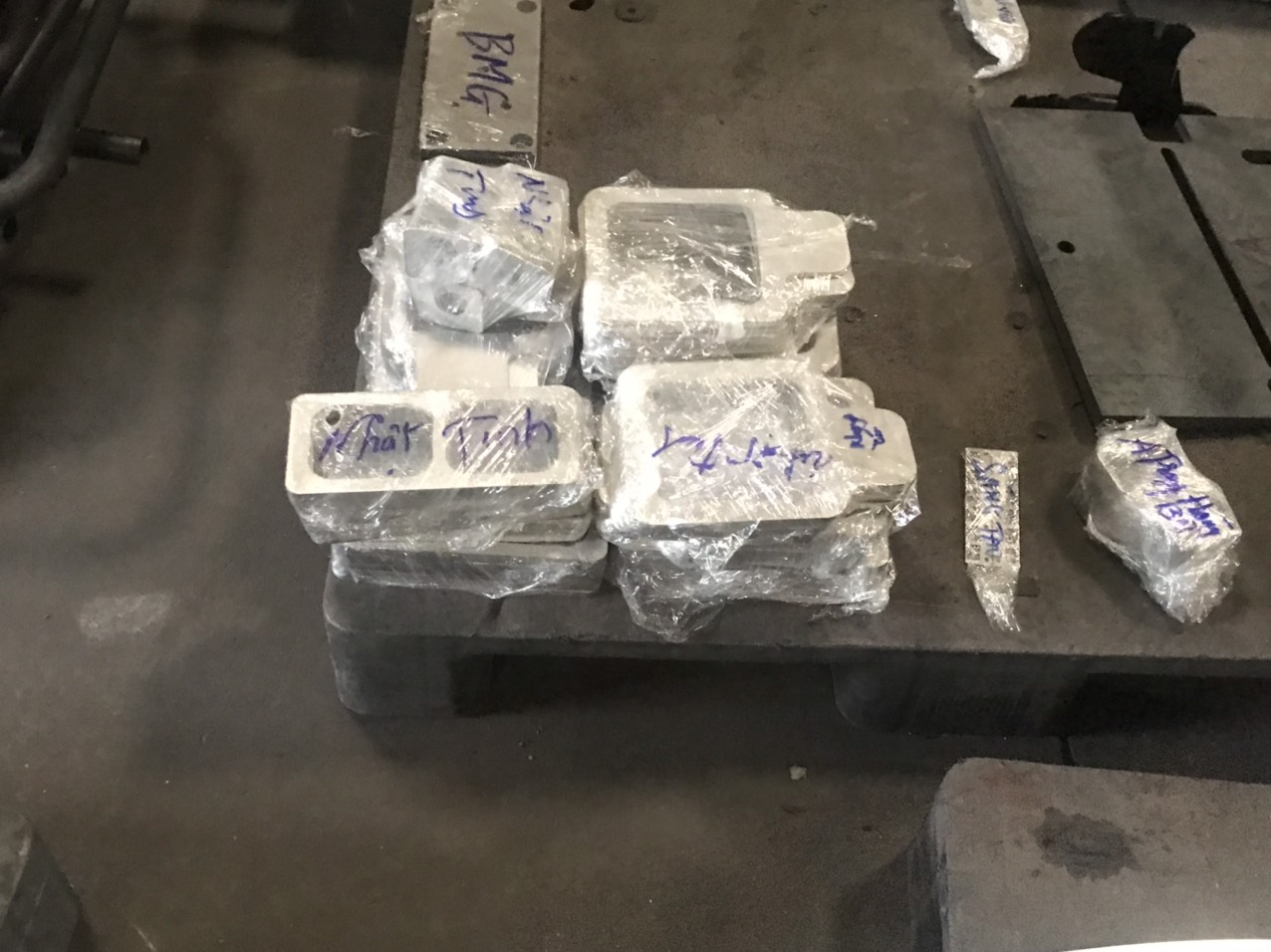

Sourcing sheet metal fabrication 1 from overseas sounds straightforward — until the parts arrive and something is wrong. I’ve watched buyers lose weeks of production time because their supplier had no clear defect resolution process 2, no warranty terms worth the paper they were printed on, and no willingness to take ownership of quality failures.
To evaluate after-sales support when sourcing sheet metal fabrication, assess your supplier’s rework and replacement policies, communication responsiveness after delivery, logistics cost-sharing for returns, and warranty agreements that protect you against long-term defects. These factors separate reliable partners from risky vendors.
In this article, I will walk through each of these critical areas AS9100 certifications 3. Every section draws on real scenarios our team has handled across projects sourced from Vietnam, China, Taiwan, and India for U.S. buyers. Let’s dig in.
How will my supplier handle rework or replacements if the sheet metal parts don't meet my drawing specifications?
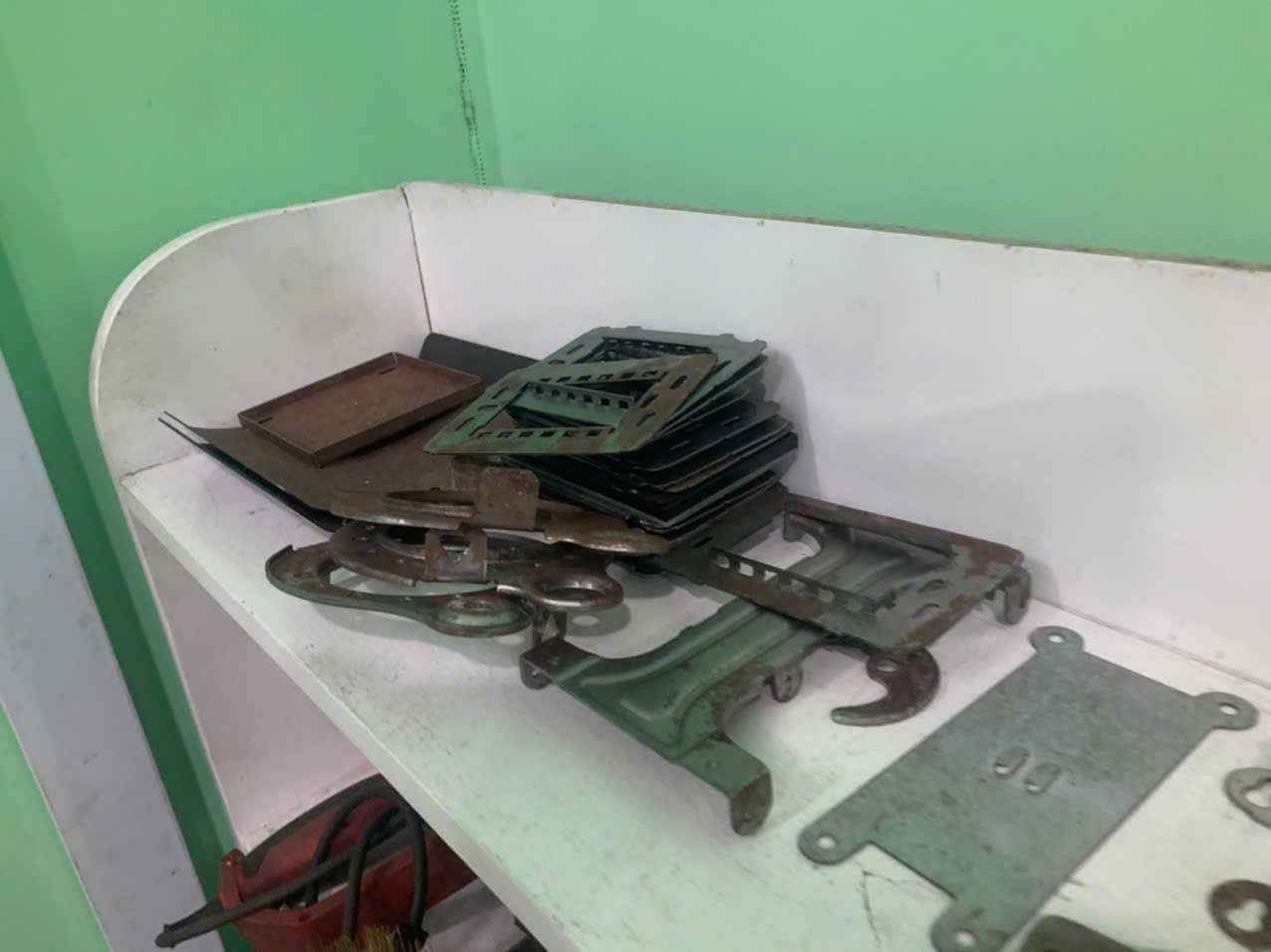
A few months ago, a batch of custom mounting brackets — similar to the angular, multi-bend components with pre-drilled holes and weld joints we regularly manage — arrived at a client's warehouse with critical dimensions out of tolerance. The supplier's first instinct was to push back and blame the drawing. That response told us everything about their after-sales readiness.
A reliable supplier should acknowledge specification failures promptly, perform root cause analysis, and provide rework or replacement parts at no extra cost within an agreed lead time. Clear documentation of corrective actions and prevention measures must be part of the process.
What Does a Good Rework Policy Look Like?
Not every defect is the same. A scratch on a non-critical surface is different from a hole pattern that's 2 mm off position. The supplier's rework policy should account for severity levels. In our supply chain management work, we categorize defects into three tiers and define response expectations for each.
| Defect Severity | Examples | Expected Supplier Response | Typical Resolution Time |
|---|---|---|---|
| Critical | Dimensional failure, wrong material, structural weakness | Full replacement at supplier's cost; root cause report within 48 hours | 10–15 business days |
| Major | Surface finish defects, minor tolerance deviation outside spec | Rework or partial replacement; corrective action plan | 7–10 business days |
| Minor | Cosmetic scratches, packaging damage | Credit note or rework on next order; documented acknowledgment | Next shipment cycle |
Root Cause Analysis Is Non-Negotiable
When parts fail to meet drawing specs, the fix is only half the job. The other half is understanding why it happened. Did the CNC program reference an outdated revision? Was the press brake tooling worn? Did an operator skip a quality control checkpoint?
Our team in Vietnam and China requires every partner factory to submit a formal corrective action report — often called an 8D report 4 — for any critical or major defect. This report must identify the root cause, the immediate containment action, and the long-term preventive measure. Suppliers who resist this process are suppliers who will repeat the same mistakes.
Spare Parts Availability and Replacement Lead Times
For custom sheet metal parts like precision brackets with complex bends and multiple mounting holes, spare parts availability matters. If a batch of 500 brackets has 30 pieces that fail inspection, can the supplier produce and ship those 30 replacements quickly? Or does the entire order need to restart from scratch?
We evaluate whether the supplier retains tooling, fixtures, and CNC programs for repeat production. A supplier with good practices keeps these on file for at least 12 months after delivery. This cuts replacement lead times dramatically — sometimes from four weeks down to ten days.
What communication protocols can I expect if I encounter a quality issue after the shipment arrives?
One lesson I keep relearning in this business: the speed and clarity of post-delivery communication reveals more about a supplier than any sales pitch ever could. When a U.S. purchasing manager opens a container and finds problems, every hour of silence from the supplier compounds the frustration.
After a quality issue surfaces post-shipment, you should expect an initial acknowledgment within 24 hours, a dedicated point of contact, a structured escalation path, and regular status updates until the issue is fully resolved. Professional suppliers document every step.

Setting Expectations Before the First Order Ships
Communication protocols should not be invented during a crisis. They should be agreed upon during supplier evaluation, before the first purchase order is placed. At DEWIN, we establish a communication framework with every factory partner that covers post-delivery scenarios explicitly.
Here is what a solid post-delivery communication protocol includes:
| Protocol Element | What to Look For | Red Flag |
|---|---|---|
| Initial response time | Written commitment to respond within 24 hours | No stated response time; vague promises |
| Dedicated contact person | Named individual with direct phone and email | Generic sales inbox only |
| Escalation path | Clear levels: QC engineer → QC manager → general manager | No escalation structure |
| Documentation format | Standardized complaint forms, photo/evidence requirements | Ad hoc, inconsistent documentation |
| Update frequency | Regular updates (at minimum every 48 hours during open issues) | Goes silent after initial response |
| Language and time zone | Fluent English communication; overlap with U.S. business hours | Responses delayed by days due to time zone gaps |
Why Technical Support After Delivery Matters
Post-delivery customer service is not just about filing complaints. Sometimes the issue is not a defect at all — it's a fit-up question, a material question, or a design for manufacturability concern that only surfaces during assembly. A good supplier provides technical support after delivery, not just order-taking.
Our engineering team regularly fields calls from clients who need help understanding how a bracket's bend radius interacts with their assembly process, or whether a weld joint can handle a load they didn't originally specify. These conversations build trust and often lead to design improvements on future orders.
Digital Tools and Customer Portals
Some suppliers now offer customer portals where buyers can track complaints, view inspection reports, and monitor the status of replacement shipments. While this is still emerging in the sheet metal fabrication space, it is a strong indicator of a supplier's commitment to transparency. Even without a portal, shared online folders with inspection photos, dimensional reports, and shipping documents show professionalism.
Who covers the logistics costs and duties if I need to return defective custom fabrications?
I recall a situation where a buyer needed to return 200 defective laser-cut panels to a factory in Asia. The freight cost alone was $3,800. The supplier insisted returns were the buyer's responsibility. There was no written agreement covering this scenario. The buyer absorbed the loss. That experience reshaped how we structure contracts for our clients.
Logistics costs and duties for returning defective custom fabrications should be clearly defined in the purchase agreement. In most cases, the supplier bears return shipping and duty costs when the defect is attributable to manufacturing errors, not buyer-specified design issues.
Why Return Logistics Is a Sourcing Blind Spot
Most buyers focus on inbound shipping costs when sourcing custom parts. They negotiate CIF or DDP terms and feel protected. But return logistics — shipping defective parts back for rework or sending replacements outbound again — is rarely discussed upfront. This gap creates expensive surprises.
International returns involve several cost components:
- Freight charges (air or sea, depending on urgency)
- Export/import duties and taxes
- Customs clearance fees
- Insurance
- Re-inspection costs upon receipt at the factory
How to Structure Return Cost Agreements
The best approach is to define return cost responsibilities in the purchase order or supply agreement before production begins. Here is how we typically structure this for our U.S. clients:
| Scenario | Who Pays Logistics | Who Pays Duties/Taxes | Notes |
|---|---|---|---|
| Defect caused by manufacturing error | Supplier | Supplier | Supplier must also cover re-inspection and re-shipment |
| Defect caused by incorrect buyer drawing | Buyer | Buyer | Supplier should still flag drawing concerns during DFM review |
| Defect caused by shipping damage | Insurance claim / freight forwarder | Depends on Incoterms | Proper packaging standards should be agreed in advance |
| Partial defect batch (mixed good/bad parts) | Supplier covers defective portion | Shared or supplier-covered | Sorting costs at destination may also apply |
Practical Alternatives to Physical Returns
Shipping heavy sheet metal parts across the Pacific twice is expensive and slow. In many cases, physical returns are not practical. Instead, we negotiate alternative solutions:
- Credit notes — The supplier issues a credit for the defective parts, applied to the next order.
- Local rework — The supplier pays for a local machine shop near the buyer to fix minor issues.
- Replacement shipment — The supplier produces and ships new parts at their cost without requiring the defective parts back. The buyer provides photo and dimensional evidence of the defect.
These alternatives save time, reduce material quality waste, and keep production schedules on track. However, they only work when both parties trust each other — and that trust is built through clear contracts and consistent follow-through.
How do my payment terms and warranty agreements protect me against long-term product defects?
During a recent negotiation with a factory producing heavy-duty mounting brackets — the kind with precise folds, sharp bends, and powder-coated finishes — the buyer asked a question that too few buyers ask early enough: "What happens if these parts fail six months after installation?" The factory had no answer. That gap nearly killed the deal.
Payment terms and warranty agreements protect you by retaining financial leverage — such as holdback payments or retention clauses — and by defining the supplier's obligations for defects discovered within a specified warranty period, typically 12 to 24 months after delivery.
Using Payment Terms as a Quality Lever
Payment terms 8 are not just about cash flow convenience. They are a quality enforcement tool. When we set up open account terms of 60 to 90 days for our clients, there is an inherent protection built in: if defective parts arrive, the buyer still holds the payment and has leverage to negotiate a resolution before releasing funds.
Here are common payment structures and their quality protection implications:
| Payment Structure | Quality Protection Level | Notes |
|---|---|---|
| 100% prepayment | Very low | Buyer has no leverage after payment; not recommended for new suppliers |
| 30% deposit, 70% before shipment | Low to moderate | Buyer can withhold final payment pending inspection, but pressure to release is high |
| 30% deposit, 70% net 30 after delivery | Moderate to high | Buyer can inspect goods and raise issues before full payment clears |
| Open account, net 60–90 days | High | Full inspection and even initial use period before payment; requires trust and credit terms |
| Retention clause (e.g., 10% held for 90 days) | High | Specifically designed to cover post-delivery defect claims |
What Should a Warranty Agreement Include?
A warranty agreement for custom sheet metal fabrication should be specific, not generic. Vague language like "we guarantee quality" means nothing in practice. The warranty should spell out:
- Duration — How long after delivery the warranty applies. Twelve months is standard; 24 months is better for structural components.
- Scope — What types of defects are covered. Material defects? Manufacturing defects? Finish degradation?
- Exclusions — What is not covered. Buyer misuse, improper installation, and normal wear are typical exclusions.
- Claim process — How to file a claim, what evidence is required, and the timeline for resolution.
- Remedy options — Replacement, rework, credit, or refund.
Certifications as Warranty Confidence Indicators
When a supplier holds certifications like ISO 9001 or AS9100, it signals that their quality management system has been independently audited. This does not guarantee zero defects, but it does mean the supplier has documented procedures for handling nonconformances, conducting supplier evaluation internally, and implementing corrective actions. These certifications make warranty claims easier to process because the systems for tracking and resolving issues already exist.
Continuous Improvement and Long-Term Reliability
The best warranty is one you never need to use. Suppliers committed to continuous improvement — those who analyze every defect, update their processes, and proactively suggest design for manufacturability improvements — are the ones whose parts last. When we audit factories in Vietnam and China, we look for evidence of this mindset: updated control plans, regular tooling maintenance logs, and documented lessons learned from past projects.
Conclusion
Evaluating after-sales support when sourcing sheet metal fabrication is not optional — it is essential. Demand clear rework policies, fast communication, fair return logistics terms, and enforceable warranty agreements 9. These safeguards protect your production, your budget, and your reputation.
Frequently Asked Questions
What Does a Good Rework Policy Look Like?
Not every defect is the same. A scratch on a non-critical surface is different from a hole pattern that's 2 mm off position. The supplier's rework policy should account for severity levels. In our supply chain management work, we categorize defects into three tiers and define response expectations for each.
What Should a Warranty Agreement Include?
A warranty agreement for custom sheet metal fabrication should be specific, not generic. Vague language like "we guarantee quality" means nothing in practice. The warranty should spell out:
How will my supplier handle rework or replacements if the sheet metal parts don't meet my drawing specifications?
A few months ago, a batch of custom mounting brackets — similar to the angular, multi-bend components with pre-drilled holes and weld joints we regularly manage — arrived at a client's warehouse with critical dimensions out of tolerance. The supplier's first instinct was to push back and blame the drawing. That response told us everything about their after-sales readiness.
Footnotes
1. Found a working, authoritative URL from a manufacturing company. ↩︎
2. Explains systematic identification, documentation, analysis, and resolution of defects. ↩︎
3. Official standard for quality management systems in aviation, space, and defense. ↩︎
4. Explains the 8D problem-solving approach for identifying and eliminating problems. ↩︎
5. Official source for the internationally recognized standard for quality management systems. ↩︎
6. Found a working, authoritative .gov URL. ↩︎
7. Defines QMS as a framework for achieving quality policies and objectives. ↩︎
8. Explains payment terms as conditions for how and when a buyer pays a seller. ↩︎
9. Defines warranty as a legally binding commitment regarding product or service quality. ↩︎