Evaluating Vietnamese sheet metal fabrication quotes used to consume weeks of our team’s time—cross-referencing prices, verifying factories, and questioning whether a low number meant savings or hidden trouble.
To evaluate Vietnamese sheet metal fabrication quotes competitively, verify the supplier is an actual factory, demand transparent cost breakdowns covering material, labor, tooling, and finishing, compare total landed costs including tariffs and logistics, and confirm quality certifications like ISO 9001 alongside proven export experience.
This article walks through the exact process we use at DEWIN when helping U.S. buyers source custom sheet metal parts from Vietnam ISO 9001 certification 1. With our own team of seven people on the ground in Vietnam and years of hands-on supplier vetting, we have learned where the real value hides—and where the pitfalls wait. Let me break it down section by section so you can confidently compare quotes and make the right sourcing decision.
How do I determine if a low Vietnamese fabrication quote compromises my quality standards?
A buyer we work with once received a quote from Vietnam that was 40% below every other bid first-article inspection reports 2. His first reaction was excitement. His second was suspicion. That instinct saved him from a trading company masquerading as a factory DFM (Design for Manufacturability) review 3.
A low Vietnamese fabrication quote does not automatically mean poor quality. Determine if it compromises your standards by verifying the supplier is a real factory with in-house equipment, requesting first-article inspection reports, confirming ISO 9001 certification, and comparing the quoted tolerances against your engineering specifications.
Verify Supplier Authenticity First
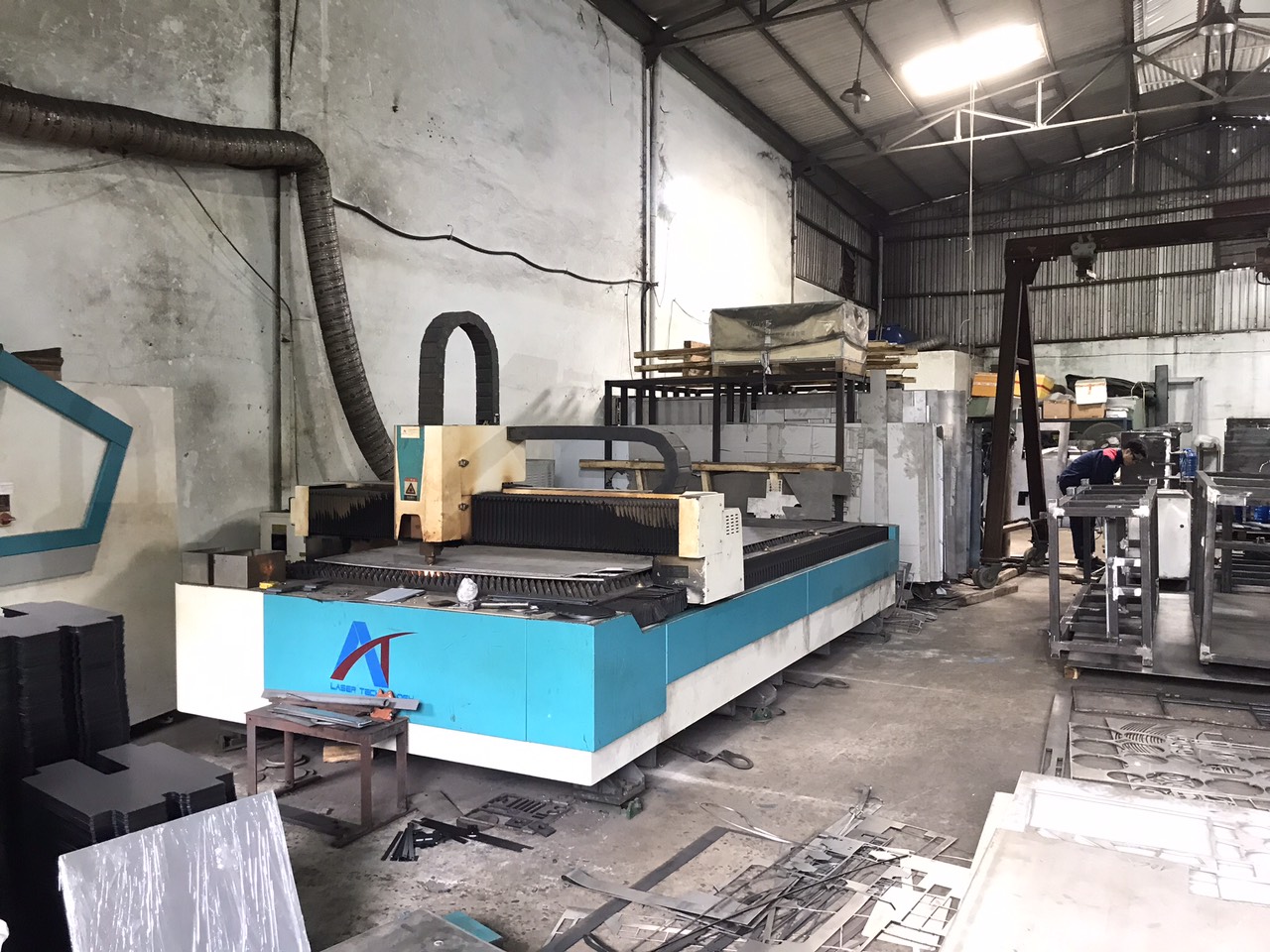
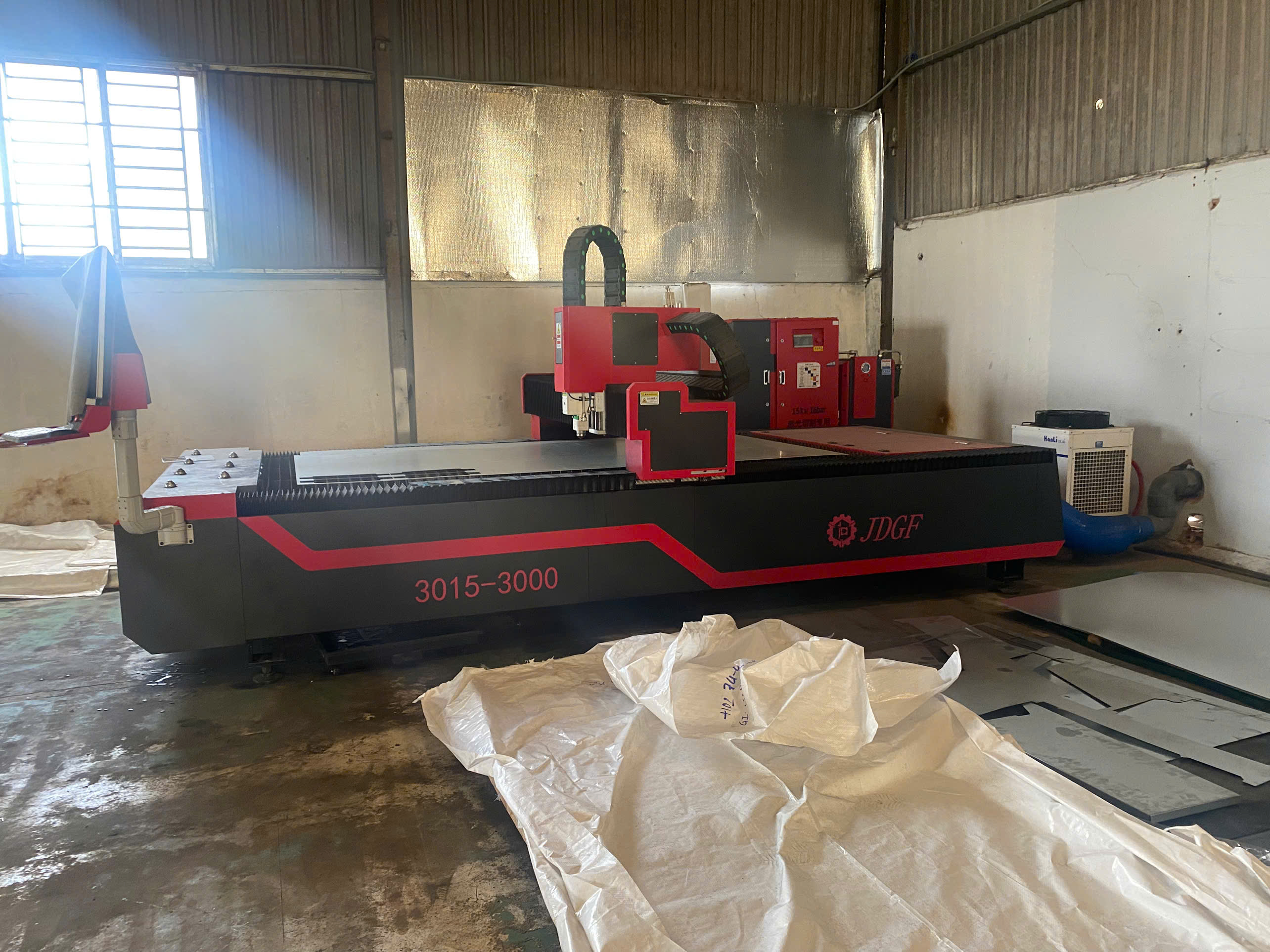
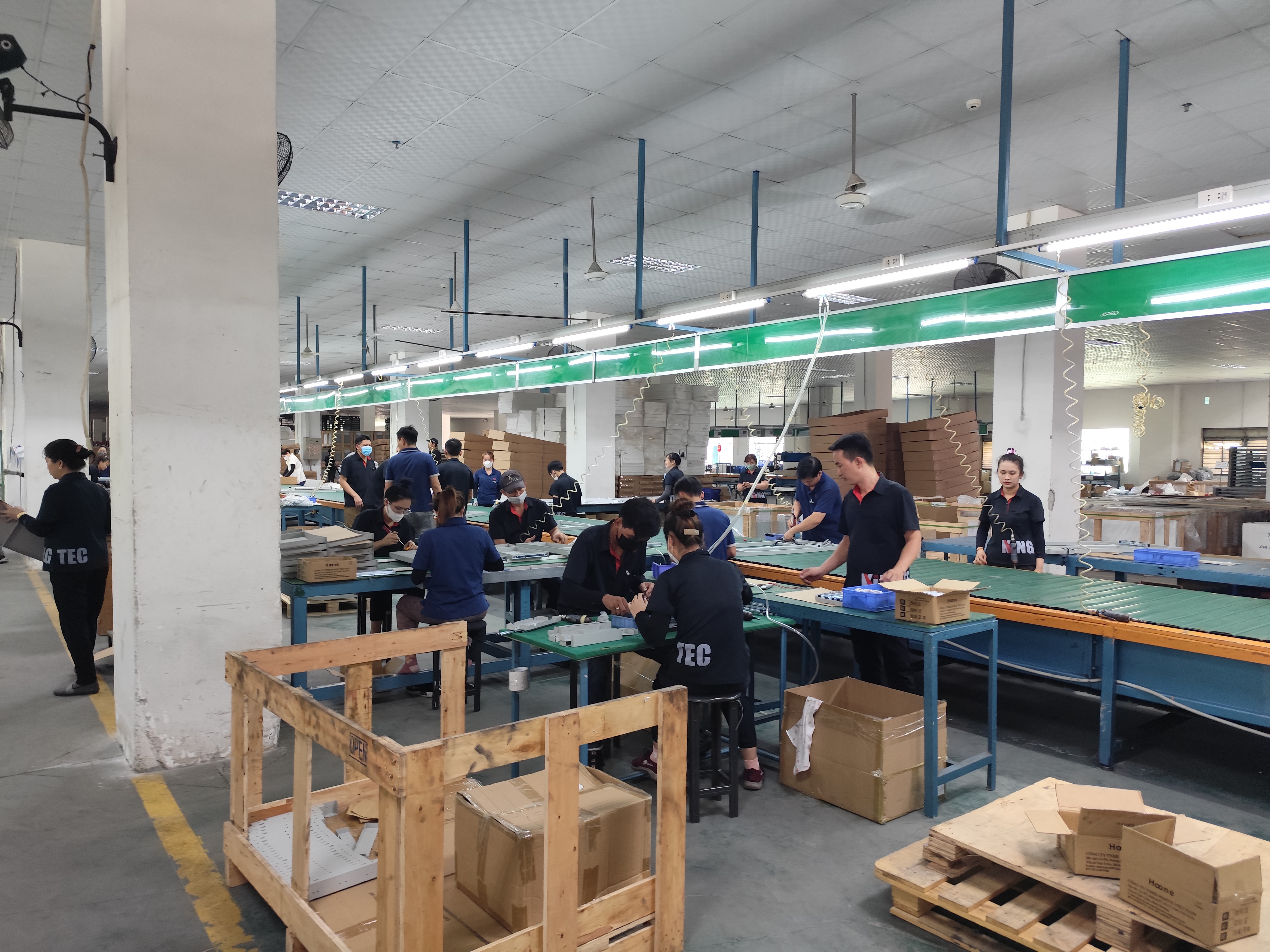
The single biggest risk in evaluating a low quote is that you are not dealing with a factory at all T/T (wire transfer) 4. Many companies quoting sheet metal work in Vietnam are trading agents. They add a margin, relay your drawings to an unknown workshop, and have zero control over quality open account payment terms 5. Our supplier vetting process in Vietnam always starts with a physical verification. We ask for equipment lists, factory floor photos, and video walkthroughs. We also check business registration documents against the actual facility address.
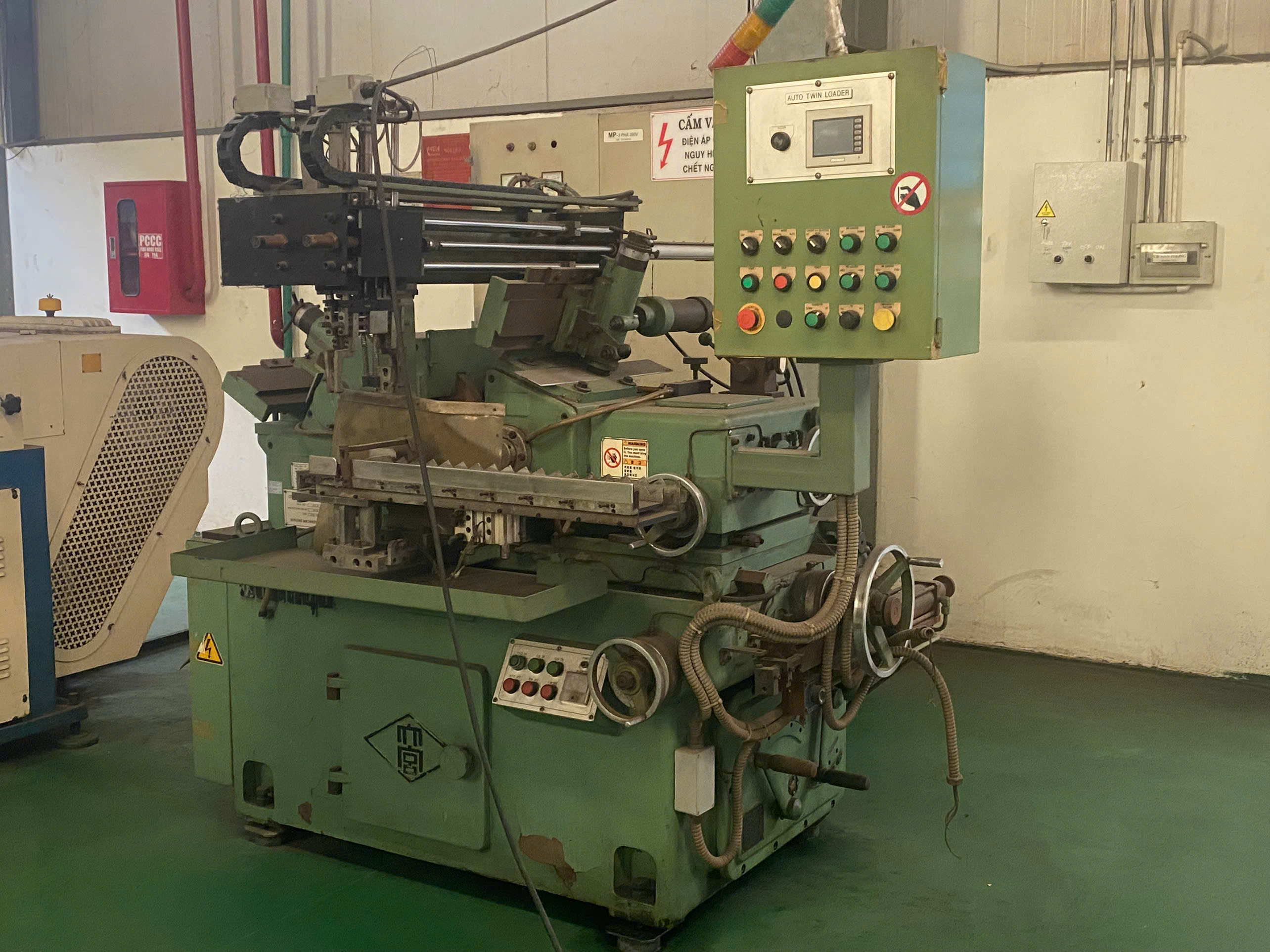
A real sheet metal factory will have in-house laser cutting machines, CNC press brakes 6, welding stations, and surface treatment lines. If the supplier cannot show you these, that is a red flag.
Understand Why Vietnam Can Quote Lower
Labor costs in Vietnam are genuinely lower. The average monthly wage for a manufacturing worker in Vietnam is roughly $280, compared to about $4,000 in the United States. That is not a quality compromise—it is an economic reality. Vietnam also benefits from 0% Section 301 tariffs 7 on fabricated metal parts exported to the U.S., while identical parts from China face 25% or more. These structural advantages allow a legitimate Vietnamese factory to quote lower without cutting corners on material or process.
| Cost Factor | Vietnam | China | United States |
|---|---|---|---|
| Avg. Monthly Manufacturing Wage | ~$280 | ~$500–$800 | ~$4,000 |
| Section 301 Tariff to U.S. | 0% | 25%+ | N/A |
| Transit Time to U.S. West Coast | 14–18 days | 14–20 days | Domestic |
| ISO 9001 Adoption Rate (Export Factories) | Growing rapidly | Well-established | Standard |
Check Quality Control Systems
A low price only becomes a problem when the factory lacks quality control systems. We always ask for documented QC procedures: incoming material inspection, in-process checks, and final inspection with dimensional reports. Measurement tools like calipers, CMM devices, and go/no-go gauges should be standard. If a supplier cannot produce a sample inspection report from a previous project, walk away.
When we onboard a new Vietnamese sheet metal supplier, our local team conducts an initial factory audit. We look at how they handle non-conforming material, whether operators follow work instructions, and if they have traceability for raw material batches. These details separate a factory that can hold ±0.1mm tolerances from one that cannot.
Red Flags in Suspiciously Low Quotes
Watch for these warning signs:
- No itemized cost breakdown—just a single lump-sum price
- Unwillingness to share factory photos or accept a third-party audit
- Vague answers about equipment brand, model, or age
- No mention of surface finish standards or material grade
- Promises of unrealistically short lead times
A competitive quote should be low because of structural cost advantages, not because the supplier is hiding something.
What factors should I include in my total cost analysis when comparing Vietnam to other Asian sources?
One lesson we learned early in our sourcing operations was that the quoted unit price is never the real cost. A client once chose a supplier with the lowest per-piece price, only to discover that tooling fees, packaging charges, and a complicated freight route added 22% on top. The total landed cost told a completely different story.
Your total cost analysis must include unit price, tooling and setup fees, surface finishing costs, packaging, inland freight, ocean shipping under clear Incoterms 2020, import duties, customs brokerage, and inventory carrying costs. Only the total landed cost—not the piece price—reveals true competitiveness.
Building a Complete Cost Model
When our team compares Vietnamese quotes against alternatives from China, Taiwan, or India, we build a standardized cost model. This ensures apples-to-apples comparison regardless of how each supplier structures their pricing. Here is the framework we use:
| Cost Component | What to Look For | Common Pitfalls |
|---|---|---|
| Material Cost | Grade specified (e.g., SUS304, A36), thickness, weight | Supplier substituting cheaper grade without disclosure |
| Labor & Fabrication | Laser cutting, bending, welding, assembly hours | Bundled pricing hides inefficiencies |
| Tooling & Setup | One-time die costs, fixture costs, programming fees | Not amortized clearly across order quantity |
| Surface Finishing | Powder coating, zinc plating, anodizing | Finish spec omitted; rework cost hidden |
| Packaging | Export-grade crating, foam inserts, VCI wrap | Inadequate packaging leads to transit damage |
| Inland Freight (Vietnam) | Factory to port (HCMC or Hai Phong) | Long distances from rural factories to port |
| Ocean Freight | FCL vs. LCL, Incoterms 2020 8 (FOB vs. CIF vs. DDP) | LCL consolidation delays; unclear Incoterms |
| Import Duties & Tariffs | HTS classification, Section 301 status | Misclassification triggering unexpected duties |
| Customs Brokerage & Fees | Broker fees, FDA/EPA holds if applicable | Unanticipated inspection or hold costs |
| Inventory Carrying Cost | Warehousing, insurance, capital tie-up | Ignored in analysis but real for long lead times |
Tariff Advantage Is a Game-Changer
The tariff differential between Vietnam and China deserves its own emphasis. Parts fabricated in China currently face Section 301 tariffs of 25% or more when entering the United States. The same parts made in Vietnam carry 0% Section 301 tariffs. For a $100,000 annual spend on sheet metal components, that is $25,000 in savings from tariffs alone—before you even factor in lower labor costs. For a deeper dive into this comparison, see our guide on how to compare cost-effectiveness when sourcing Vietnam vs. China sheet metal fabrication.
Trade agreements Vietnam has signed, including the CPTPP, further strengthen its position as an export hub. These agreements reduce or eliminate duties for shipments to multiple markets, giving your supply chain flexibility beyond just the U.S.
Logistics and Lead Time Considerations
Transit time from Ho Chi Minh City to the U.S. West Coast averages 14–18 days. That is comparable to shipping from major Chinese ports like Shenzhen or Shanghai. However, inland logistics within Vietnam can vary. Factories located near HCMC or in established industrial parks enjoy faster and cheaper trucking to port. Rural factories may add 1–2 days of inland transit. For a detailed framework on managing these variables, read our article on how to balance logistics cost and time when sourcing sheet metal fabrication from Vietnam.
Lead time for fabrication itself depends on order complexity, volume, and factory capacity. For standard sheet metal brackets or enclosures, expect 3–5 weeks from order confirmation to shipment. Complex multi-stage assemblies with custom tooling may need 6–8 weeks. Always confirm whether the quoted lead time includes tooling fabrication or assumes tooling is already available.
Material Sourcing Transparency
Vietnam ranks 13th globally in crude steel production and 5th in overall steel industry output. Common grades like CRS, HRS, aluminum 5052/6061, and stainless steel 304/316 are competitively priced and readily available domestically. However, specialized alloys or proprietary components may still require imports, which could add cost and time. We always ask our Vietnamese suppliers to disclose where they source raw materials. This material sourcing transparency helps us assess supply chain risks and anticipate potential disruptions.
How can I assess if a Vietnamese supplier truly understands my complex engineering drawings?
Last year, a client forwarded us a set of drawings for a pair of mirrored mounting brackets—angular geometry, multiple precise bends, strategic cutout patterns, and tight positional tolerances on mounting holes. The kind of part where a single misread dimension cascades into an unusable assembly. We needed to know, fast, whether the Vietnamese factory on our shortlist could actually interpret every detail.
Assess a Vietnamese supplier's drawing comprehension by requesting a DFM (Design for Manufacturability) review, asking them to identify critical dimensions and GD&T callouts independently, evaluating their questions about your drawings, and requiring a first-article inspection report with full dimensional data before production.
The DFM Review Test
The most revealing step in our evaluation is asking the supplier to provide a DFM review before quoting. A factory that truly understands your drawings will come back with specific observations: bend radius feasibility, grain direction concerns, suggestions for reducing tooling cost, or callouts where tolerances may be tighter than their equipment can reliably hold. If a supplier simply says "no problem, we can do it," that is often the biggest problem.
Our engineering team in Vietnam walks through this process with each candidate factory. We present the drawings and note which questions they ask. A competent shop will flag things like:
- Minimum flange length relative to material thickness
- Whether a cutout near a bend line could cause deformation
- Surface finish compatibility with the chosen material grade
- Weld symbol interpretation and joint preparation requirements
Communication Quality Matters
Manufacturing capabilities alone are not enough. The supplier needs English-speaking technical staff who can discuss tolerances, GD&T symbols, and material specifications without confusion. In our experience, communication breakdowns cause more quality failures than equipment limitations. We test this during the quoting phase by sending clarification questions and measuring response accuracy and speed.
Factories experienced in exporting to the U.S. and Europe tend to understand global drawing standards (ASME Y14.5 9, ISO 2768) and packaging requirements. They know what a PPAP submission 10 looks like and can prepare the documentation your quality team expects. To learn more about confirming this kind of track record, see our guide on how to verify US OEM experience when sourcing Vietnam sheet metal fabrication.
First-Article Inspection as Proof
Never skip the first-article inspection (FAI). This is where the supplier proves they can translate your 2D or 3D data into a physical part that meets every specification. Our process requires the factory to measure all critical dimensions using calibrated instruments—CMM for complex geometries, optical comparators for profiles, and standard gauges for holes and bends. The FAI report must reference each drawing dimension with the measured value and pass/fail status.
| Assessment Step | What It Reveals | Red Flag If Missing |
|---|---|---|
| DFM Review | Drawing comprehension, process knowledge | Supplier says "no problem" with no feedback |
| Technical Q&A | GD&T understanding, English proficiency | Vague or irrelevant questions |
| Sample Production | Actual manufacturing capabilities | Refuses to make a sample before bulk order |
| FAI Report | Dimensional accuracy, measurement capability | No report or incomplete data |
| Weld Quality Check | Joint integrity, visual/structural standards | No weld procedure specification (WPS) |
Handling Design Changes Mid-Project
Complex projects rarely go from drawing to production without changes. Assess whether the supplier has a formal engineering change order (ECO) process. Can they update drawings, re-quote tooling, and adjust production without losing weeks? Flexibility and support for rapid prototyping and design iteration are critical, especially for new product development programs where our clients are still refining geometry and fit.
We have found that factories investing in modern CAD/CAM software—SolidWorks, AutoCAD, or similar—respond faster to design changes because they can import your files directly, simulate bending sequences, and generate updated CNC programs without manual re-entry.
Will my Vietnamese partner offer the 60-day payment terms I need to manage my project cash flow?
Cash flow pressure is real. When you are a sourcing company importing custom parts, you often do not get paid by your end customer until weeks after delivery. If your Vietnamese supplier demands 100% payment before shipment, you are financing the entire supply chain out of pocket. This tension comes up in nearly every onboarding conversation we have with new clients.
Many Vietnamese factories default to T/T (wire transfer) with 30% deposit and 70% before shipment, but experienced export-oriented suppliers and supply chain partners like DEWIN can offer 60-day or even 90-day open account payment terms to qualified buyers, easing project cash flow significantly.
Why Payment Terms Are Hard to Get Directly
Most Vietnamese sheet metal factories are small to mid-sized operations. They lack the working capital to extend credit to overseas buyers they have never met. From their perspective, the risk is straightforward: if the buyer does not pay, they have no practical way to collect across international borders. This is why the standard payment structure in Vietnam remains heavily front-loaded—30% deposit with the order, 70% against copy of bill of lading or before shipment.
For buyers who need 60-day or 90-day terms, this creates a mismatch. Your project may require you to receive goods, inspect them, deliver to your customer, and invoice before you see cash. Paying the factory upfront squeezes your working capital and increases your financial exposure if something goes wrong.
How a Supply Chain Partner Changes the Equation
This is exactly the gap our business model at DEWIN addresses. Because we maintain long-term relationships with vetted Vietnamese factories—and because we handle the entire process from order placement through final inspection and logistics—we can offer open account terms to qualified U.S. and European clients. We absorb the payment timing risk because we know the factories, we control quality at the source, and we have the financial structure to bridge the gap.
When a client like a purchasing manager at a U.S. distribution company needs Net 60, we make that possible. The factory gets paid on their normal terms. The client gets breathing room. Everyone's cash flow works.
Negotiation Leverage Points
If you are negotiating directly with a Vietnamese factory, here are practical approaches to improve payment terms:
- Start small. Place a few orders on standard terms to build trust, then negotiate extended terms after a track record is established.
- Offer a larger annual volume commitment. Factories are more willing to extend credit when they see long-term revenue potential.
- Use trade credit insurance. Some export credit agencies offer programs that protect the supplier, making them more comfortable with deferred payment.
- Engage a third-party supply chain manager. Partners with local presence and financial capability can bridge the payment gap.
Payment Terms Comparison
| Payment Structure | Typical Availability | Cash Flow Impact on Buyer |
|---|---|---|
| 100% T/T in Advance | Common with new/small factories | Maximum cash flow pressure |
| 30/70 T/T (Deposit + Before Shipment) | Standard in Vietnam export trade | Moderate pressure; full payment before receipt |
| L/C at Sight | Available with banking setup | Moderate; tied to document presentation |
| Net 30 Open Account | Rare direct; available via partners | Improved; pay after receipt |
| Net 60 Open Account | Very rare direct; available via DEWIN | Significant relief; aligns with client billing cycle |
| Net 90 Open Account | Almost never direct; selective partners | Maximum flexibility for large projects |
The availability of favorable payment terms is often the deciding factor for purchasing managers managing multiple concurrent projects. It is not just about the quote—it is about whether the financial structure supports your business model.
Conclusion
Evaluating Vietnamese sheet metal fabrication quotes requires looking beyond the unit price. Verify factory authenticity, demand transparent cost breakdowns, test engineering comprehension, and secure payment terms that protect your cash flow. The right partner makes every step easier.
Frequently Asked Questions
How do I determine if a low Vietnamese fabrication quote compromises my quality standards?
A buyer we work with once received a quote from Vietnam that was 40% below every other bid first-article inspection reports 2 . His first reaction was excitement. His second was suspicion. That instinct saved him from a trading company masquerading as a factory DFM (Design for Manufacturability) review 3 .
What factors should I include in my total cost analysis when comparing Vietnam to other Asian sources?
One lesson we learned early in our sourcing operations was that the quoted unit price is never the real cost. A client once chose a supplier with the lowest per-piece price, only to discover that tooling fees, packaging charges, and a complicated freight route added 22% on top. The total landed cost told a completely different story.
How can I assess if a Vietnamese supplier truly understands my complex engineering drawings?
Last year, a client forwarded us a set of drawings for a pair of mirrored mounting brackets—angular geometry, multiple precise bends, strategic cutout patterns, and tight positional tolerances on mounting holes. The kind of part where a single misread dimension cascades into an unusable assembly. We needed to know, fast, whether the Vietnamese factory on our shortlist could actually interpret every detail.
Footnotes
1. Explains the international standard for quality management systems. ↩︎
2. Defines the purpose and content of a first-article inspection report in manufacturing. ↩︎
3. Explains the principles and benefits of Design for Manufacturability in product development. ↩︎
4. Explains Telegraphic Transfer as a common method for international payments. ↩︎
5. Defines open account as a trade payment method where goods are shipped before payment. ↩︎
6. Explains the function and importance of CNC press brakes in sheet metal fabrication. ↩︎
7. Provides official information on U.S. trade tariffs under Section 301. ↩︎
8. Provides official definitions and guidelines for international trade terms. ↩︎
9. Details the standard for dimensioning and tolerancing in engineering drawings. ↩︎
10. Describes the Production Part Approval Process for validating manufacturing processes. ↩︎