
When we first started helping U.S. buyers source stamping parts from Asia, environmental compliance was rarely discussed — now it’s the first question on every RFQ.
To evaluate environmental compliance and sustainability when sourcing stamping parts, procurement teams must verify ISO 14001 and RoHS/REACH certifications, audit waste management practices and material traceability, assess energy efficiency in manufacturing, and implement supplier sustainability assessment scorecards that track ESG criteria and Scope 3 emissions.
This article walks through the exact steps our team uses during supplier audits, factory evaluations, and ongoing performance tracking. Whether you source from Vietnam, Taiwan, or India, these principles apply.
What certifications should I look for to verify the environmental compliance of my stamping supplier?
A lesson we learned early in our sourcing work: a supplier who claims to be "green" but cannot show a single valid certificate is a red flag you cannot ignore.
Look for ISO 14001:2015 for environmental management systems, IATF 16949:2016 for automotive-grade quality with environmental focus, and product-level compliance certificates for RoHS and REACH. These third-party certifications are the minimum baseline for any serious stamping supplier.

Why ISO 14001 Is the Gold Standard
ISO 14001:2015 1 is the internationally recognized standard for environmental management systems 2. A supplier holding this certification has been independently audited to prove they manage waste, emissions, and resource consumption reduction in a structured way. This is not a one-time achievement. The supplier must pass surveillance audits every year and full recertification every three years. In our experience evaluating stamping factories across Southeast Asia, fewer than half of the suppliers we visit hold a current ISO 14001 certificate. Many have expired versions or none at all.
IATF 16949 and Its Environmental Dimension
If your stamped parts go into automotive applications, IATF 16949:2016 3 is critical. This standard goes beyond quality. It requires suppliers to track defect rates, process efficiency, and material waste — all of which tie directly into green manufacturing practices. When we conduct supplier audits in Vietnam, we always check whether the IATF certificate scope covers the specific stamping processes being quoted, not just assembly or secondary operations.
Product-Level Compliance: RoHS and REACH
Certifications at the factory level tell you the system is in place. But product-level compliance tells you the actual parts are safe. RoHS restricts ten hazardous substances in electrical and electronic equipment. REACH covers a much broader list of chemicals used in the EU market. We always request material test reports from accredited labs, not just self-declarations.
| Certification | What It Covers | Audit Frequency | Why It Matters for Stamping |
|---|---|---|---|
| ISO 14001:2015 | Environmental management system | Annual surveillance, 3-year recertification | Proves structured waste and emissions control |
| IATF 16949:2016 | Automotive quality + environmental efficiency | Annual surveillance | Tracks OEE, scrap rates, process waste |
| RoHS | Restriction of 10 hazardous substances | Per product/material batch | Required for EU/US electronics supply chains |
| REACH | Chemical substance registration and restriction | Per product/material batch | Mandatory for products sold in the EU |
| ISO 9001:2015 | Quality management system | Annual surveillance | Foundation for all process controls |
Beyond the Certificate: Verify Authenticity
I always advise our clients to verify certificates directly with the issuing body. We have encountered cases where suppliers present expired or forged certificates. A quick check on the certification body's website confirms validity. This step takes five minutes and can save months of regulatory trouble.
How can I assess if my supplier's metal stamping processes are truly sustainable and waste-efficient?
During a recent factory visit in Vietnam, we watched a stamping line run 500,000 brackets in a single shift — and the scrap bin told us more about that supplier's sustainability than any brochure ever could.
Assess sustainability by examining the supplier's scrap-to-input ratio, strip layout efficiency, lubricant choices (bio-based vs. petroleum), closed-loop recycling programs, Overall Equipment Efficiency metrics, and energy consumption data. Truly sustainable stamping suppliers design processes to minimize waste at every stage.

Material Efficiency: Where the Real Impact Lives
Raw metal is the single most valuable resource in stamping. Every kilogram of wasted stainless steel or aluminum is both a cost loss and an environmental burden. We evaluate suppliers by asking for their strip layout designs. A well-optimized progressive die layout can reduce scrap by 10–20% compared to a poorly nested one. We look at whether the supplier uses simulation software to optimize blank shapes before cutting tooling steel.
Aluminum, stainless steel, and copper are all highly recyclable. Parts designed for a closed-loop lifecycle — where scrap is collected, sorted, and reintroduced into the material supply — represent the best practice. We ask every supplier whether they sell scrap to certified recyclers or simply dump mixed metals.
Tracking OEE as an Environmental Metric
Overall Equipment Efficiency 4 is traditionally a productivity metric. But it doubles as a sustainability indicator. High OEE means fewer rejected parts, less rework energy, and lower material waste. We request OEE data as part of our supplier sustainability assessment process. Suppliers who track and share this data openly tend to be the ones with genuine commitment to carbon footprint reduction.
| Sustainability Indicator | What to Look For | Red Flag |
|---|---|---|
| Scrap-to-input ratio | Below 15% for progressive die stamping | No tracking or ratios above 25% |
| Strip layout optimization | CAD/CAE simulation used before tooling | Manual layout with no analysis |
| Lubricant type | Bio-based or low-residue lubricants | Petroleum-based with no treatment plan |
| Scrap recycling program | Sorted by alloy, sold to certified recyclers | Mixed scrap, unsorted, landfilled |
| OEE tracking | Shared with customers, above 75% | No measurement or unwillingness to share |
| Energy monitoring | Per-machine or per-line metering | Only facility-level billing data |
Lubricants and Chemical Management
The shift from petroleum-based stamping oils to bio-based and low-residue lubricants is a meaningful trend. These alternatives reduce the cleaning burden on finished parts, lower VOC emissions, and are safer to dispose of. We ask suppliers to provide safety data sheets 5 for every chemical used in the stamping and cleaning process. Responsible wastewater handling is equally important. Factories must treat cleaning wastewater before discharge, in compliance with local and national regulations. During audits, we check whether the supplier has a wastewater treatment system and whether discharge permits are current.
Energy Efficiency in the Press Shop
Stamping presses consume significant energy. Servo-driven presses use far less electricity than traditional flywheel-driven machines, especially during idle cycles. We note what type of presses a supplier operates. Suppliers investing in energy-efficient equipment signal long-term commitment to resource consumption reduction. Some factories we work with in Vietnam have installed solar panels to offset a portion of their grid electricity, which contributes to measurable carbon footprint reduction.
What questions should I ask during a factory audit to evaluate a supplier's commitment to green manufacturing?
The best audit questions are the ones the supplier does not expect. When our team walks a stamping floor, we follow the material from coil rack to shipping dock — and the questions flow naturally from what we observe.
During a factory audit, ask about environmental certifications and their validity, chemical storage and disposal procedures, scrap segregation practices, energy metering per production line, wastewater treatment systems, and whether the supplier tracks and reports Scope 3 emissions. These questions reveal genuine commitment versus surface-level claims.

A Practical Audit Question Framework
I have conducted over a hundred factory audits across China, Vietnam, and Taiwan. The questions below are the ones that consistently separate committed suppliers from those who simply talk about sustainability. I organize them into five categories for a structured regulatory compliance audit.
Environmental Management System Questions
Start by asking to see the supplier's environmental policy document. Then ask how it is communicated to floor workers. A policy that sits in a binder in the front office means nothing if press operators do not know it exists. Ask who the environmental management representative is and whether they report directly to senior management. This tells you how seriously the company takes it.
Waste and Chemical Handling Questions
Ask to see the chemical storage area. Are containers labeled? Are safety data sheets accessible? Walk to the scrap collection point. Is metal sorted by alloy type, or is it all mixed together? Ask where wastewater goes after part cleaning. Request to see discharge permits and recent test results. These are concrete, observable indicators that are difficult to fake.
Energy and Resource Questions
Ask whether the factory tracks electricity usage per machine or per production line. Most suppliers only track total facility bills. Line-level metering shows a higher level of commitment to energy efficiency in manufacturing. Ask whether any renewable energy sources are used. Ask about packaging — does the supplier use recyclable or reusable packaging for finished stamped parts?
Supply Chain Transparency Questions
Ask whether the supplier can provide material traceability 6 back to the mill for the steel or aluminum coil stock. Ask whether they track their own Scope 3 emissions 7 or participate in any industry sustainability programs. Ask if they have ever completed a Lifecycle Assessment for any of their products. These questions probe deeper than most auditors go, and the answers are very revealing.
| Audit Category | Key Question | What a Good Answer Looks Like |
|---|---|---|
| Environmental policy | How is your environmental policy communicated to shop floor staff? | Posted in work areas, included in onboarding training |
| Waste management | How do you segregate metal scrap? | Sorted by alloy in labeled bins, sold to certified recyclers |
| Chemical safety | Can I see your SDS files and chemical storage area? | Organized cabinet, current SDS, spill containment visible |
| Energy tracking | Do you monitor energy usage per production line? | Line-level or machine-level smart meters installed |
| Supply chain | Can you trace raw material back to the mill? | Mill certificates on file, matched to incoming coil lots |
| Emissions | Do you track or report Scope 3 emissions? | Working with customers on joint reduction targets |
The Importance of Unscripted Observations
Beyond formal questions, I pay attention to what I see on the floor. Are there oil spills near presses? Is the ventilation adequate? Are workers wearing PPE when handling chemicals? These observations are part of any thorough supplier sustainability assessment. A factory that keeps a clean, well-organized floor is almost always the one that takes waste management practices seriously.
How do I ensure my custom stamped parts meet international environmental standards like RoHS and REACH when sourcing from Asia?
One of our U.S. clients once had an entire container of stamped connectors rejected at EU customs because the plating contained cadmium above the RoHS limit — a problem that could have been caught with a single material test before shipment.
Ensure RoHS and REACH compliance by specifying restricted substance requirements in your purchase order, requiring third-party lab test reports for every material and finish, conducting periodic verification testing, and building compliance checkpoints into your PPAP and first-article inspection process before mass production begins.
Understanding the Regulatory Landscape
RoHS and REACH 8 are distinct regulations with different scopes. RoHS restricts ten specific hazardous substances in electrical and electronic equipment sold in the EU. REACH is broader — it requires registration and restriction of thousands of chemical substances used in products sold in Europe. When sourcing stamped parts from Asia, compliance is your responsibility as the importer. The supplier must provide evidence, but the legal liability sits with the company placing the product on the EU market.
Building Compliance Into Your Sourcing Process
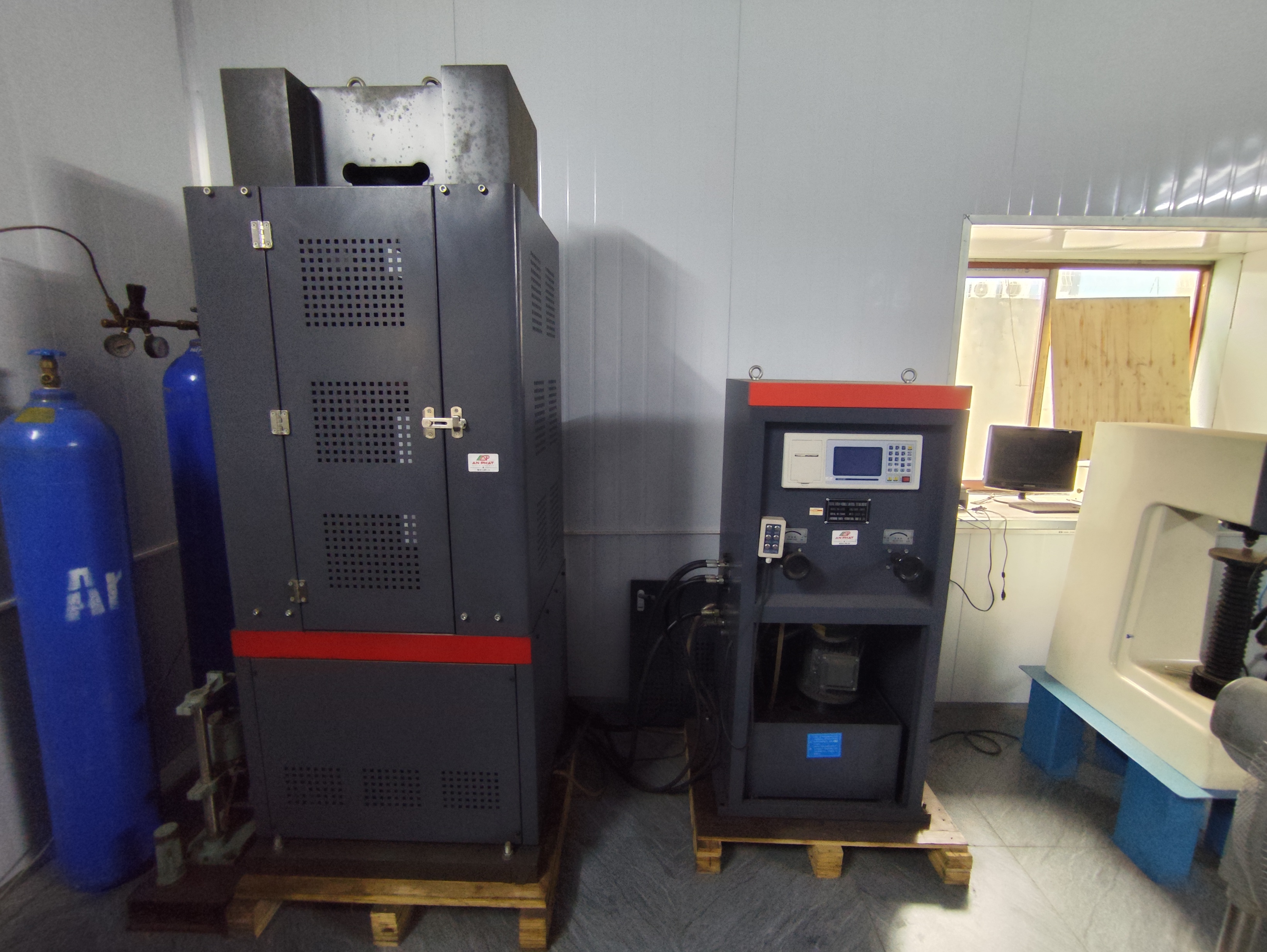
We build regulatory compliance into every stage of our sourcing workflow. At the quoting stage, we specify material grade and any restricted substance limits. At the PPAP stage, we require material certificates from the steel mill and, where plating or coating is involved, third-party XRF or ICP-OES test reports from accredited labs. We do not accept supplier self-declarations as sufficient proof.
The Role of Material Traceability
Material traceability is the backbone of compliance. Every coil of stainless steel or copper strip should have a mill certificate that lists chemical composition. We match these certificates to incoming material lots and keep them on file. If a plating process is involved — such as nickel, tin, or zinc plating — we require separate compliance testing on the finished part, because the plating process can introduce restricted substances that were not in the base metal.
Ongoing Monitoring and Testing
Compliance is not a one-time event. We recommend periodic verification testing, especially when a supplier changes material sources or sub-suppliers. A sustainable supply chain management approach includes building these checkpoints into your quality agreement with the supplier. Some of our clients require annual retesting as part of their ESG criteria for approved vendor lists.
Common Pitfalls When Sourcing From Asia
Many Asian suppliers are unfamiliar with the specific requirements of REACH, particularly the Substances of Very High Concern 9 (SVHC) candidate list, which is updated twice a year. We keep our supplier partners informed about updates and require them to re-verify compliance when the list changes. Another common pitfall is assuming that a "RoHS-compliant" stamp on a packing list is sufficient. It is not. Without a lab report, that stamp is meaningless.
Digital tools help here. We use shared document systems to store and track compliance records for every part number. This level of transparency supports both regulatory compliance audits and sustainable supply chain management goals.
Conclusion
Evaluating environmental compliance when sourcing stamping parts requires verifying certifications, auditing waste and energy practices, asking tough questions on-site, and building RoHS/REACH compliance into every process step — it is a strategic imperative, not optional.
Frequently Asked Questions
What certifications should I look for to verify the environmental compliance of my stamping supplier?
A lesson we learned early in our sourcing work: a supplier who claims to be "green" but cannot show a single valid certificate is a red flag you cannot ignore.
How can I assess if my supplier's metal stamping processes are truly sustainable and waste-efficient?
During a recent factory visit in Vietnam, we watched a stamping line run 500,000 brackets in a single shift — and the scrap bin told us more about that supplier's sustainability than any brochure ever could.
What questions should I ask during a factory audit to evaluate a supplier's commitment to green manufacturing?
The best audit questions are the ones the supplier does not expect. When our team walks a stamping floor, we follow the material from coil rack to shipping dock — and the questions flow naturally from what we observe.
Footnotes
1. Explains the international standard for environmental management systems. ↩︎
2. Defines structured approaches for managing environmental impacts. ↩︎
3. Official source (AIAG) for the IATF 16949:2016 automotive quality management standard. ↩︎
4. Describes a key metric for productivity and sustainability in manufacturing. ↩︎
5. Provides information on chemical hazards and safe handling. ↩︎
6. Explains the importance of tracking materials through the supply chain. ↩︎
7. Explains indirect emissions in a company’s value chain. ↩︎
8. Clarifies two key EU regulations for chemical substance restriction. ↩︎
9. Defines critical chemicals under REACH regulation. ↩︎