
When our Vietnam office began vetting sheet metal suppliers for U.S. clients, we quickly discovered that environmental and social compliance gaps could derail an entire sourcing project overnight.
Evaluating environmental and social compliance for Vietnam sheet metal fabrication requires verifying ISO 14001 and ISO 45001 certifications, auditing high-risk processes like welding and spray painting for hazardous emissions, confirming adherence to Vietnam’s Labor Code 2019, and conducting structured on-site factory audits that cover waste management, occupational health and safety, and responsible sourcing practices.
This guide walks you through the exact steps we use when performing supply chain due diligence on Vietnamese fabrication partners ISO 14001 certifications 1. Each section covers a specific compliance dimension so you can build a reliable, ethical supply chain.
How can I verify that my Vietnam sheet metal supplier meets international environmental regulations?
One lesson we learned early in our supplier qualification process is that a certificate hanging on a factory wall does not guarantee real compliance ISO 45001 certifications 2. We had to develop a verification method that goes deeper than surface-level documentation.
To verify your Vietnam sheet metal supplier meets international environmental regulations, request current ISO 14001 certificates, review their Environmental Impact Assessment reports, audit hazardous air pollutant controls on welding and grinding lines, and cross-check their standing with provincial environmental authorities in regions like Dong Nai or Binh Duong.
Understanding Vietnam's Regulatory Landscape
Vietnam's Law on Environmental Protection 2020 3 introduced stricter requirements for industrial facilities. Every sheet metal fabrication shop must now obtain an environmental license. This license covers air emissions, wastewater discharge, noise levels, and solid waste disposal. Facilities in major industrial zones face regular inspections from provincial authorities.
For our U.S.-bound projects, we always check whether a supplier has completed the required Environmental Impact Assessment 4. This document outlines the environmental risks of the facility and the mitigation measures in place. Without it, the supplier is operating outside the law.
Key Environmental Certifications to Request
Not all certifications carry equal weight. Here is a quick reference:
| Certification | What It Covers | Why It Matters |
|---|---|---|
| ISO 14001 | Environmental Management System | Demonstrates systematic pollution prevention and continuous improvement |
| LEED Gold/Silver | Sustainable building and operations | Signals investment in green manufacturing infrastructure |
| ISO 50001 | Energy Management | Shows commitment to reducing energy consumption and carbon footprint |
| Vietnam Environmental License | Legal operating permit | Mandatory under Vietnamese law; absence means illegal operation |
Auditing High-Risk Processes for Hazardous Air Pollutants
Sheet metal fabrication involves several processes that generate hazardous air pollutants 5. The five regulated processes we always examine are dry abrasive blasting, dry grinding and polishing, machining, spray painting, and welding. Each can release cadmium, chromium, lead, manganese, and nickel compounds into the air.
We classify a facility as an "area source" if it emits less than 10 tons of a single hazardous air pollutant or less than 25 tons of combined pollutants annually. Even area sources must follow strict control measures. During our audits, we check ventilation systems, filter maintenance logs, and emission monitoring records.
Free Trade Agreements and Environmental Clauses
Vietnam's free trade agreements 6, including EVFTA, CPTPP, and RCEP, contain enforceable environmental provisions. Suppliers that fail to meet environmental regulations in Vietnam risk losing preferential tariff access. This directly impacts your landed cost. We always verify that a supplier's environmental standing will not create trade barriers for our clients' imports.
What specific social compliance standards should I require from a Vietnamese fabrication partner?
A buyer we work with in the Midwest once asked us a blunt question: "How do I know the workers making my brackets are treated fairly?" That conversation pushed us to formalize the social compliance requirements we now include in every supplier qualification.
You should require Vietnamese fabrication partners to demonstrate compliance with SA8000, SMETA, or BSCI audit standards, adhere to Vietnam's Labor Code 2019 on wages, working hours, and social insurance, maintain documented occupational health and safety programs, and provide evidence of worker grievance mechanisms and freedom of association.
Core Social Compliance Frameworks
Several internationally recognized audit frameworks apply to Vietnam's manufacturing sector. Each has a different focus and depth. Here is how they compare:
| Standard | Focus Area | Audit Type | Recognized By |
|---|---|---|---|
| SA8000 7 | Comprehensive labor rights, health, safety | Third-party certification | Global brands, NGOs |
| SMETA (Sedex) | Labor, health & safety, environment, ethics | Second-party audit | European and U.S. retailers |
| BSCI | Working conditions, management systems | Third-party audit | European importers |
| WRAP | Lawful, humane, ethical manufacturing | Third-party certification | Apparel and consumer goods |
| ISO 45001 | Occupational health and safety management | Third-party certification | Cross-industry global standard |
We typically recommend SMETA or SA8000 for our clients sourcing custom sheet metal parts. Both cover the critical areas that U.S. and European buyers care about.
Vietnam's Labor Code 2019: What Matters Most
Vietnam's labor laws set specific requirements that directly affect your risk exposure. Key provisions include:
- Minimum wage: Varies by region (Region I through Region IV). Industrial hubs like Ho Chi Minh City fall under Region I with the highest minimum wage.
- Working hours: Standard is 8 hours per day, 48 hours per week. Overtime cannot exceed 40 hours per month under normal circumstances.
- Social insurance: Employers must contribute to social insurance, health insurance, and unemployment insurance for all workers.
- Child labor prohibition: Workers must be at least 15 years old. Workers aged 15–18 face restrictions on hazardous work.
When our Vietnam team visits a factory, we cross-check payroll records against these thresholds. We also verify social insurance registration with the local authority. Gaps in these areas represent serious red flags for human rights due diligence.
Addressing Skilled Labor Shortages and Safety Risks
Vietnam's sheet metal sector faces a shortage of skilled welders, CNC operators, and quality inspectors. This shortage creates pressure. Factories may overwork existing staff or skip safety training for new hires. Both situations increase the risk of workplace accidents.
We look for suppliers that invest in formal training programs. A well-run facility will have documented training records, competency assessments, and refresher courses on occupational health and safety. These indicators tell us the supplier takes long-term workforce development seriously, rather than cutting corners under production pressure.
How do I conduct an effective on-site audit to ensure my supplier follows ethical labor practices?
The first time our team walked a sheet metal factory floor in Binh Duong, we realized that paper-based audits miss critical details. You need to see the welding stations, smell the ventilation, and talk to the workers directly.
To conduct an effective on-site audit, prepare a structured checklist covering working conditions, safety equipment, wage records, and environmental controls. Interview workers privately, inspect dormitories if applicable, verify fire safety systems, review accident logs, and compare actual practices against documented policies across all production shifts.
Pre-Audit Preparation
Before you set foot in the factory, gather the supplier's certifications, previous audit reports, and corrective action records. We create a tailored audit plan for each supplier based on their specific processes. A shop that does heavy welding and spray painting will get different scrutiny than one focused on laser cutting and bending.
Request access to at least two production shifts. Some compliance issues only appear during night shifts or overtime periods. Make it clear that the audit will include unannounced floor walks and private worker interviews.
The Audit Day: What to Check
We break the on-site audit into five zones. Each zone targets a different compliance dimension.
| Audit Zone | What to Inspect | Red Flags |
|---|---|---|
| Production Floor | PPE usage, machine guarding, ventilation, noise levels | Workers without safety glasses near grinders; blocked exhaust ducts |
| Chemical Storage | Labeling, containment, Material Safety Data Sheets | Unlabeled drums, missing spill kits, no MSDS binder |
| Worker Records Office | Payroll, time cards, social insurance receipts, training logs | Discrepancies between time cards and payroll; missing insurance records |
| Dormitories (if any) | Living conditions, fire exits, sanitation | Overcrowding, locked fire exits, no hot water |
| Waste Management Area | Waste segregation, hazardous waste manifests, recycling bins | Mixed hazardous and general waste; no manifest for waste haulers |
Conducting Worker Interviews
Worker interviews are the most revealing part of any factory audit. We always conduct them away from management, in a private area. We use a local Vietnamese-speaking team member to reduce the language barrier and build trust.
Key questions include: How many hours do you work per week? Do you receive overtime pay? Have you received safety training? Do you know how to report a safety concern? The answers often differ from what management presents in documents.
Post-Audit Follow-Up
An audit without follow-up is just tourism. After each visit, our team issues a corrective action report with clear deadlines. We categorize findings into critical, major, and minor. Critical findings, such as blocked fire exits or child labor, require immediate resolution. Major findings get a 30-day window. Minor findings get 90 days.
We then schedule a re-audit to verify corrective actions. This cycle of audit, correct, and verify is how responsible sourcing actually works in practice. It is not a one-time event. It is an ongoing process that builds trust between buyer and supplier.
Why is environmental and social compliance critical for the long-term stability of my Vietnam supply chain?
A trade-off we constantly weigh for our clients is short-term cost savings versus long-term supply chain resilience. We have seen firsthand how a supplier's compliance failure can halt shipments, trigger customs holds, and damage a buyer's reputation with their own customers.
Environmental and social compliance is critical because non-compliant suppliers face regulatory shutdowns, lose access to preferential tariffs under Vietnam's free trade agreements, create reputational risk for buyers, and cannot sustain consistent quality. Compliance is the foundation of a stable, predictable, and competitive Vietnam supply chain.
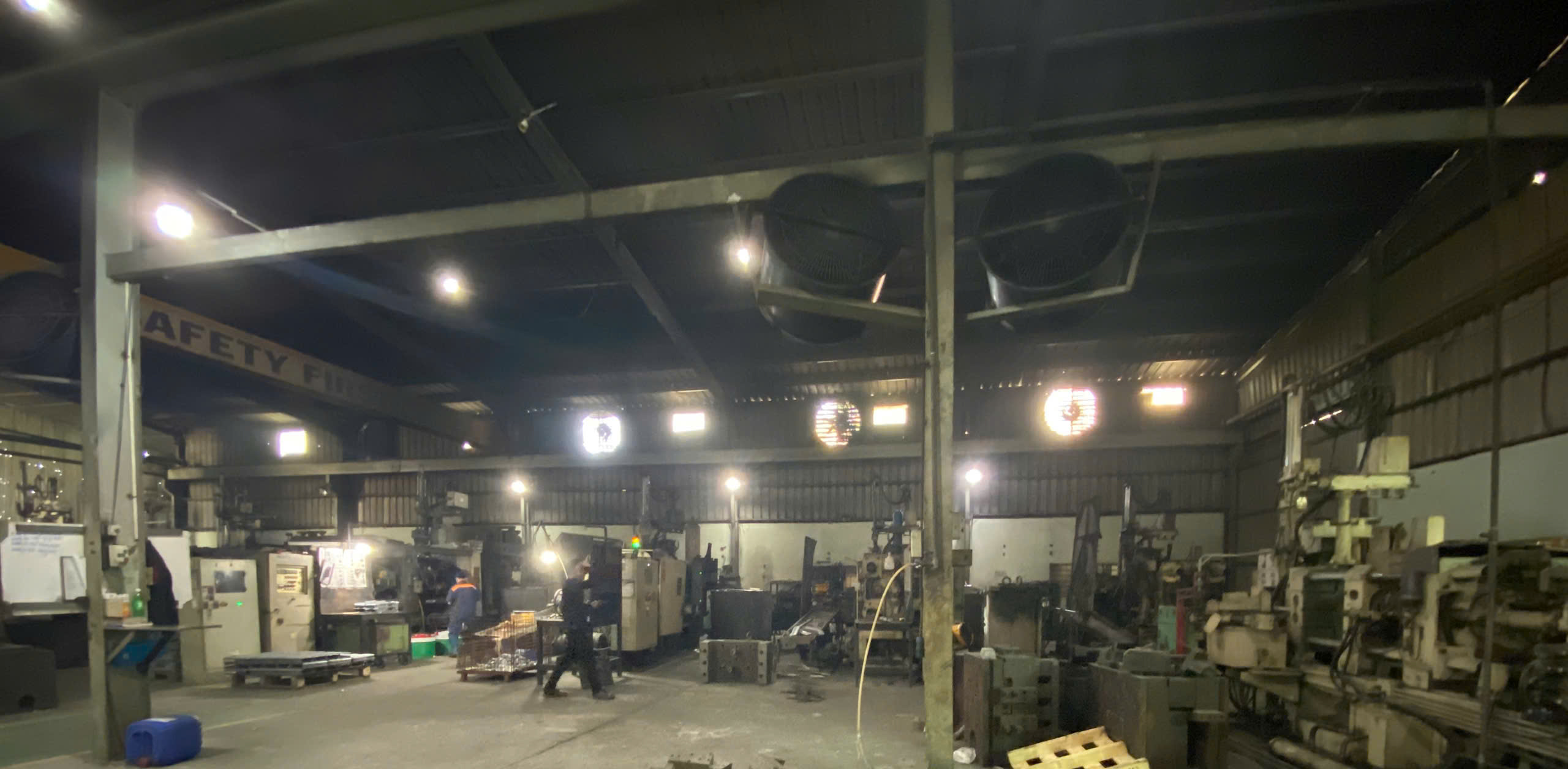
The Business Case for Compliance
Compliance is not charity. It is risk management. When a Vietnamese sheet metal supplier gets shut down by provincial environmental authorities for illegal waste dumping, every buyer in their order book suffers. Lead times blow up. Alternative sourcing takes weeks or months. Rush orders cost premium rates.
ESG audits have moved from "nice to have" to "must have" for global supply chains. Major U.S. and European buyers now require documented ESG performance from every tier of their supply chain. If your Vietnamese supplier cannot demonstrate compliance, you cannot sell to your own customers.
How Compliance Protects Tariff Benefits
Vietnam's participation in EVFTA, CPTPP, and RCEP gives exporters preferential tariff rates. But these agreements include enforceable provisions on labor rights and environmental protection. A supplier that violates these provisions can lose their eligibility for preferential treatment. This directly increases your import costs.
We track our suppliers' compliance standing as part of our ongoing supply chain management 9. If a supplier's environmental license lapses or a labor violation surfaces, we flag it immediately. This proactive approach protects our clients from unexpected cost increases at the border.
Emerging Trends That Raise the Stakes
Several trends are making compliance even more important:
- Human rights due diligence legislation in the EU and proposed in the U.S. is shifting liability onto importers for conditions in their overseas supply chains.
- Digital monitoring tools, including IoT sensors and AI-powered platforms, are enabling real-time tracking of emissions and working conditions. Buyers are beginning to expect this level of transparency.
- Circular economy practices, such as comprehensive scrap metal recycling and design for recyclability, are becoming competitive differentiators. Suppliers that adopt these practices reduce waste and lower material costs.
- Climate resilience planning is gaining attention. Factories in flood-prone areas of Vietnam need documented adaptation strategies to assure buyers of uninterrupted supply.
Best Environmental Management Practices That Signal a Top-Tier Supplier
We look for suppliers that go beyond minimum compliance and adopt Best Environmental Management Practices. These include chemical leasing arrangements that reduce chemical waste, lean manufacturing principles extended to energy and material consumption, and active collaboration across the value chain to lower environmental impact.
A supplier that embraces green manufacturing is not just reducing their environmental footprint. They are demonstrating the operational discipline that correlates with consistent quality, on-time delivery, and professional project management — the exact traits our U.S. clients demand.
Raw material traceability is another emerging requirement. Buyers increasingly want to know where the steel or aluminum in their sheet metal components originated. Suppliers that can document the full chain of custody from mill to finished part have a significant competitive advantage.
Conclusion
Building a compliant Vietnam sheet metal supply chain requires verified certifications, structured factory audits, and ongoing monitoring. The effort protects your costs, your reputation, and your long-term sourcing stability.
Frequently Asked Questions
How can I verify that my Vietnam sheet metal supplier meets international environmental regulations?
One lesson we learned early in our supplier qualification process is that a certificate hanging on a factory wall does not guarantee real compliance ISO 45001 certifications 2 . We had to develop a verification method that goes deeper than surface-level documentation.
What specific social compliance standards should I require from a Vietnamese fabrication partner?
A buyer we work with in the Midwest once asked us a blunt question: "How do I know the workers making my brackets are treated fairly?" That conversation pushed us to formalize the social compliance requirements we now include in every supplier qualification .
How do I conduct an effective on-site audit to ensure my supplier follows ethical labor practices?
The first time our team walked a sheet metal factory floor in Binh Duong, we realized that paper-based audits miss critical details. You need to see the welding stations, smell the ventilation, and talk to the workers directly.
Footnotes
1. BSI is an authoritative certification body, and the page provides a comprehensive overview of the ISO 14001 standard and its importance, which leads to certification. ↩︎
2. BSI is an authoritative certification body, and the page offers a detailed explanation of the ISO 45001 standard and its relevance to occupational health and safety, including certification. ↩︎
3. Outlines Vietnam’s comprehensive legal framework for environmental protection activities. ↩︎
4. Defines the process of evaluating potential environmental effects of proposed projects. ↩︎
5. Explains what hazardous air pollutants are and their regulation by the EPA. ↩︎
6. Lists and describes Vietnam’s various bilateral and multilateral free trade agreements. ↩︎
7. Introduces SA8000, a leading international standard for social accountability and ethical labor practices. ↩︎
8. LuatVietnam.vn is a reputable Vietnamese legal information portal that provides details and summaries of the Labor Code 2019 (Law No. 45/2019/QH14). ↩︎
9. Defines supply chain management as the coordination of product flow from raw materials to customer. ↩︎