When our Vietnam office began vetting welding part suppliers for a U.S. client last year, we discovered that nearly half the shortlisted factories lacked basic environmental permits — a problem that could expose buyers to serious supply chain due diligence risks and reputational damage.
To evaluate environmental and social compliance of Vietnam welding part suppliers, verify their adherence to Vietnamese environmental laws, confirm ISO 14001 and social compliance certifications like SA8000 or SMETA, conduct independent ESG audits covering labor practices and waste management, and check Vietnam RoHS compliance where applicable to electrical or electronic equipment.
This guide breaks the process into four practical questions that every purchasing manager should ask before committing to a Vietnamese welding supplier. Each section includes verification steps, certification checklists, and audit frameworks drawn from real sourcing projects.
How can I verify that my Vietnam welding supplier actually follows local environmental regulations?
A lesson we learned early in our Vietnam operations: a supplier's claim of "full compliance" means nothing without documentation. During one factory visit outside Ho Chi Minh City, we found a welding shop dumping slag and coolant runoff into an open drain — despite assuring us they met all local standards.
Verify compliance by requesting valid environmental permits, reviewing waste disposal records, confirming emissions monitoring reports, checking for past violations with local authorities, and commissioning an independent third-party environmental audit against Vietnam's Law on Environmental Protection 2020.
Vietnam's Environmental Legal Framework for Welding Factories
Vietnam's Law on Environmental Protection 2020 1 is the backbone of environmental regulation. It requires all manufacturing facilities — including welding and metal fabrication shops — to conduct an environmental impact assessment 2 before starting operations. Factories must obtain permits for waste disposal, air emissions, and wastewater discharge.
For welding operations specifically, the key concerns are:
- Air emissions: Welding fumes contain manganese, chromium, and other heavy metals. Factories must meet industrial emissions limits set by national technical regulations (QCVN).
- Hazardous waste: Welding slag, used grinding discs, and spent chemicals are classified as hazardous. Suppliers must contract licensed waste haulers and maintain manifest records.
- Wastewater: Metal fabrication processes often use cutting fluids and cleaning chemicals. Discharge must meet QCVN standards for industrial wastewater.
- Noise: Grinding, hammering, and welding generate noise that must stay within occupational safety standards and community limits.
What Documents Should You Request?
| Document | What It Proves | Red Flag If Missing |
|---|---|---|
| Environmental Impact Assessment (EIA) report | Factory was legally assessed before operation | Likely operating without proper authorization |
| Waste disposal contracts and manifests | Hazardous waste is handled by licensed contractors | Risk of illegal dumping |
| Air emissions monitoring reports | Compliance with QCVN emission standards | Potential violations affecting worker and community health |
| Wastewater discharge permit | Legal discharge into municipal or industrial systems | Contamination risk |
| ISO 14001 3 certificate | Systematic environmental management system in place | No structured approach to environmental management |
| Environmental violation history | Clean record or corrective actions taken | Repeat offenders signal systemic problems |
Vietnam RoHS — Does It Apply to Your Welding Parts?
This is a common point of confusion. Vietnam has adopted substance restriction frameworks modeled on EU RoHS, but the scope is limited to Electrical and Electronic Equipment 4 (EEE). If your welded parts are structural frames, brackets, or mounting hardware with no electronic function, Vietnam RoHS does not apply. However, if the welding assembly integrates EEE components — such as sensor housings or control enclosures — then substance restrictions on lead, mercury, cadmium, and other hazardous substances become relevant. Always clarify the end-use application with your supplier and confirm whether RoHS testing is needed.
Third-Party Environmental Audits
We strongly recommend commissioning an independent environmental audit rather than relying solely on supplier-provided documents. A qualified audit firm will inspect pollution control equipment, verify waste management regulations compliance, sample air and water quality, and review training records. This is especially important for first-time suppliers or factories located outside major industrial zones where regulatory enforcement may be less consistent.
What social compliance certifications should I require from my Vietnamese metal fabrication partners?
A trade-off we weigh on every project is whether to accept a supplier's self-declared labor policies or to insist on third-party social compliance certifications. In our experience exporting welding assemblies and custom parts to U.S. and European clients, the answer is clear: certified suppliers save you from hidden risk.
Require at minimum SA8000, SMETA (Sedex Members Ethical Trade Audit), or BSCI certification from Vietnamese metal fabrication partners. These certifications validate labor practices, occupational health and safety, working hours, fair wages, and prohibition of child and forced labor through independent audits.
Key Social Compliance Certifications Explained
Not all certifications are equal. Some are globally recognized and audited by accredited bodies, while others are industry-specific or self-assessed. Here is a comparison of the most relevant certifications for welding and metal fabrication suppliers in Vietnam:
| Certification | Scope | Audit Type | Recognized By |
|---|---|---|---|
| SA8000 5 | Labor rights, health & safety, management systems | Third-party (accredited) | Global buyers, NGOs, EU importers |
| SMETA 6 (Sedex) | Labor standards, health & safety, environment, business ethics | Third-party (approved auditors) | Major retailers, OEMs, EU/US importers |
| BSCI (amfori) | Labor rights across 11 performance areas | Third-party | European importers and brands |
| WRAP | Lawful, humane, ethical manufacturing | Third-party | Apparel and sewn products (less common for metal) |
| ISO 45001 | Occupational health and safety 7 management | Third-party (accredited) | Cross-industry, global |
Why Certifications Matter for Welding Suppliers Specifically
Welding is inherently hazardous. Workers face exposure to UV radiation, toxic fumes, burns, and noise. A factory that lacks proper welding safety regulations compliance puts workers at risk and exposes buyers to human rights due diligence liabilities — especially under frameworks like the EU's Corporate Sustainability Due Diligence Directive (CSDDD) 8.
When we assess a new welding factory for a client, we look beyond the certificate itself. We check the audit date (certifications older than 12 months may not reflect current conditions), the scope of the audit (did it cover all production areas or just the front office?), and whether corrective actions from previous audits were closed out.
Vietnam's Labor Regulations: The Baseline
Even without international certifications, Vietnamese law sets minimum standards that every supplier must meet:
- Minimum wage: Varies by region (Region I through Region IV). As of recent updates, Region I (Hanoi, HCMC) has the highest minimum wage.
- Working hours: Maximum 8 hours per day, 48 hours per week. Overtime is capped at 40 hours per month.
- Child labor: Prohibited for children under 15. Workers aged 15–18 have restricted duties and hours.
- Freedom of association: Workers have the right to form representative organizations under the 2019 Labor Code.
- Safety equipment: Employers must provide personal protective equipment (PPE) appropriate to the hazard — critical for welding operations.
Our Vietnam office checks these baseline requirements during every factory visit. Certifications build on top of this legal minimum, providing structured management systems and external accountability.
How do I assess the labor practices of a welding factory in Vietnam without being there in person?
One of our U.S. clients once asked us this exact question after travel restrictions made factory visits impossible. The concern was real — how do you evaluate labor practices Vietnam factories follow when you cannot walk the production floor yourself? We developed a remote assessment protocol that has since become part of our standard supplier audit services.
Assess labor practices remotely by commissioning third-party ESG audits from firms operating in Vietnam, requesting video walkthroughs of the factory floor, reviewing payroll and attendance records, verifying social compliance certifications, and conducting confidential worker interviews via phone or video call.
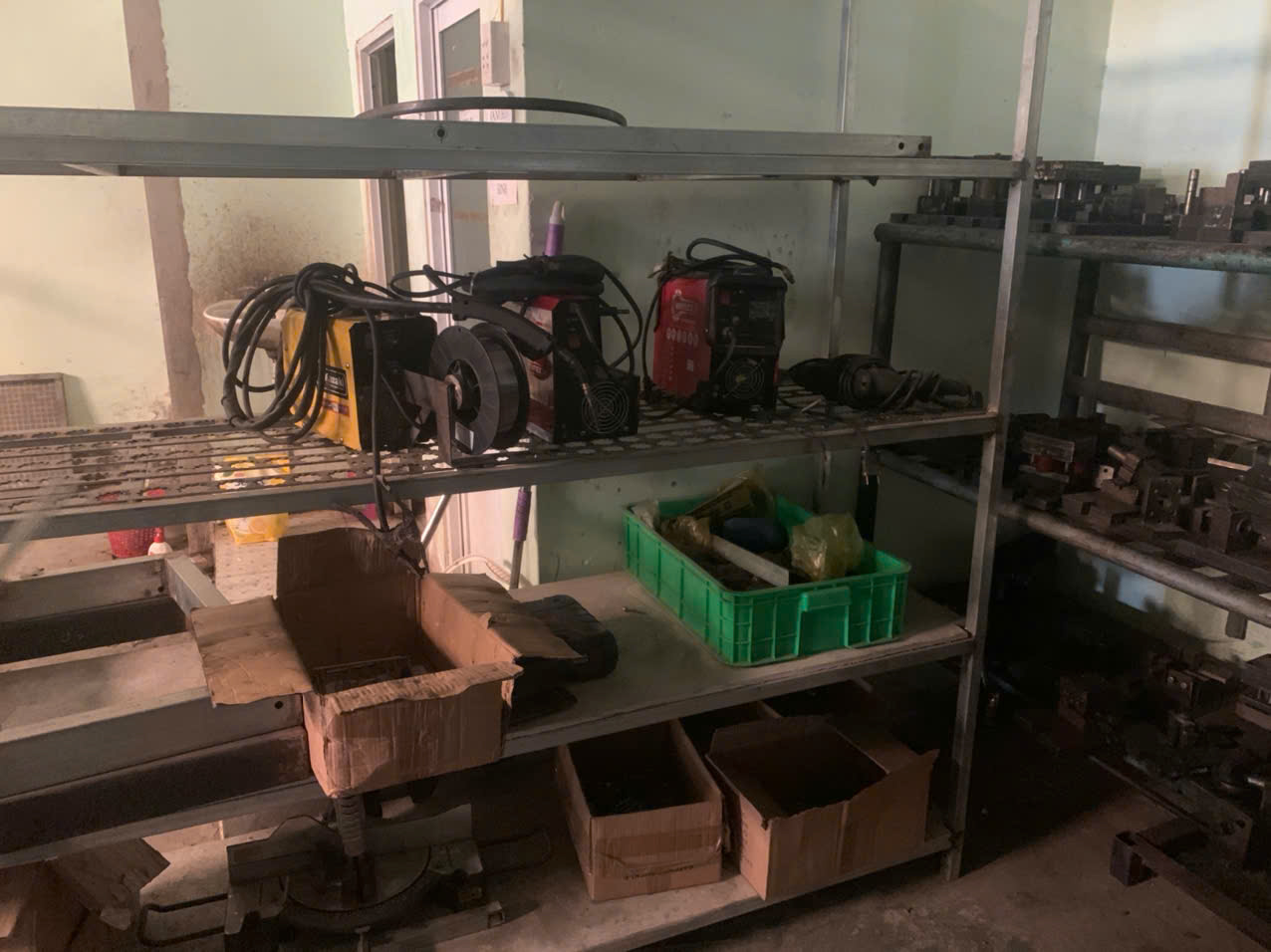
A Step-by-Step Remote Assessment Process
Remote assessment is not ideal, but it can be effective when structured properly. Here is the process we follow:
Step 1: Document Review
Request copies of labor contracts, payroll summaries (anonymized), overtime records, PPE distribution logs, and incident reports. A supplier that hesitates to share these documents is sending a warning signal.
Step 2: Third-Party Audit
Engage audit firms with local presence in Vietnam. Firms specializing in ESG criteria assessments can conduct on-site inspections on your behalf. They check working conditions, interview workers, and review management systems. We have worked with audit providers who deliver detailed reports within two to three weeks of engagement.
Step 3: Video Factory Tour
Ask the supplier to conduct a live video walkthrough. Focus on welding stations, ventilation systems, PPE usage, housekeeping, and fire safety equipment. Watch for signs of overcrowding, blocked exits, or missing safety guards on grinding equipment.
Step 4: Worker Feedback Channels
Some audit firms offer anonymous worker hotlines or digital feedback platforms. These tools let workers report concerns without fear of retaliation. This is an increasingly important element of human rights due diligence.
Step 5: Ongoing Monitoring
A single audit is a snapshot. We recommend scheduling follow-up audits every 6 to 12 months. Digital traceability systems can also help monitor production conditions in near real-time, though adoption among Vietnamese SMEs is still limited.
Common Red Flags in Remote Assessments
| Red Flag | What It May Indicate |
|---|---|
| Supplier refuses to share payroll or overtime records | Possible wage violations or excessive overtime |
| No incident reports on file | Underreporting of workplace injuries |
| Workers appear to give scripted answers during video interviews | Coaching by management, hiding real conditions |
| PPE is visible but not worn during live video tour | PPE provided for audits only, not daily use |
| No fire extinguishers or emergency exit signs visible | Basic occupational safety standards not met |
| Supplier has no grievance mechanism for workers | No channel for workers to report issues safely |
The Role of Local Teams
Having our own seven-person team in Vietnam gives us a significant advantage. They can visit factories on short notice, verify documents in Vietnamese, and build relationships with factory managers that encourage transparency rather than defensiveness. For buyers who do not have local staff, partnering with a sourcing agent that has boots on the ground is the next best option. Responsible sourcing requires local knowledge and ongoing engagement — not just periodic check-ins.
What steps can I take to ensure my Vietnam-sourced parts meet my company's global ESG standards?
A buyer interaction that shaped our approach happened two years ago. A European client told us their procurement team had been burned by a supplier in Southeast Asia who passed the initial audit but gradually let standards slip. They needed a system — not a one-time check. That conversation pushed us to build a continuous compliance framework into our supply chain management process.
Ensure Vietnam-sourced welding parts meet global ESG standards by mapping your ESG criteria to supplier capabilities, embedding compliance requirements in contracts, conducting regular third-party audits, tracking environmental and social KPIs, and building capacity through collaborative improvement programs with your suppliers.
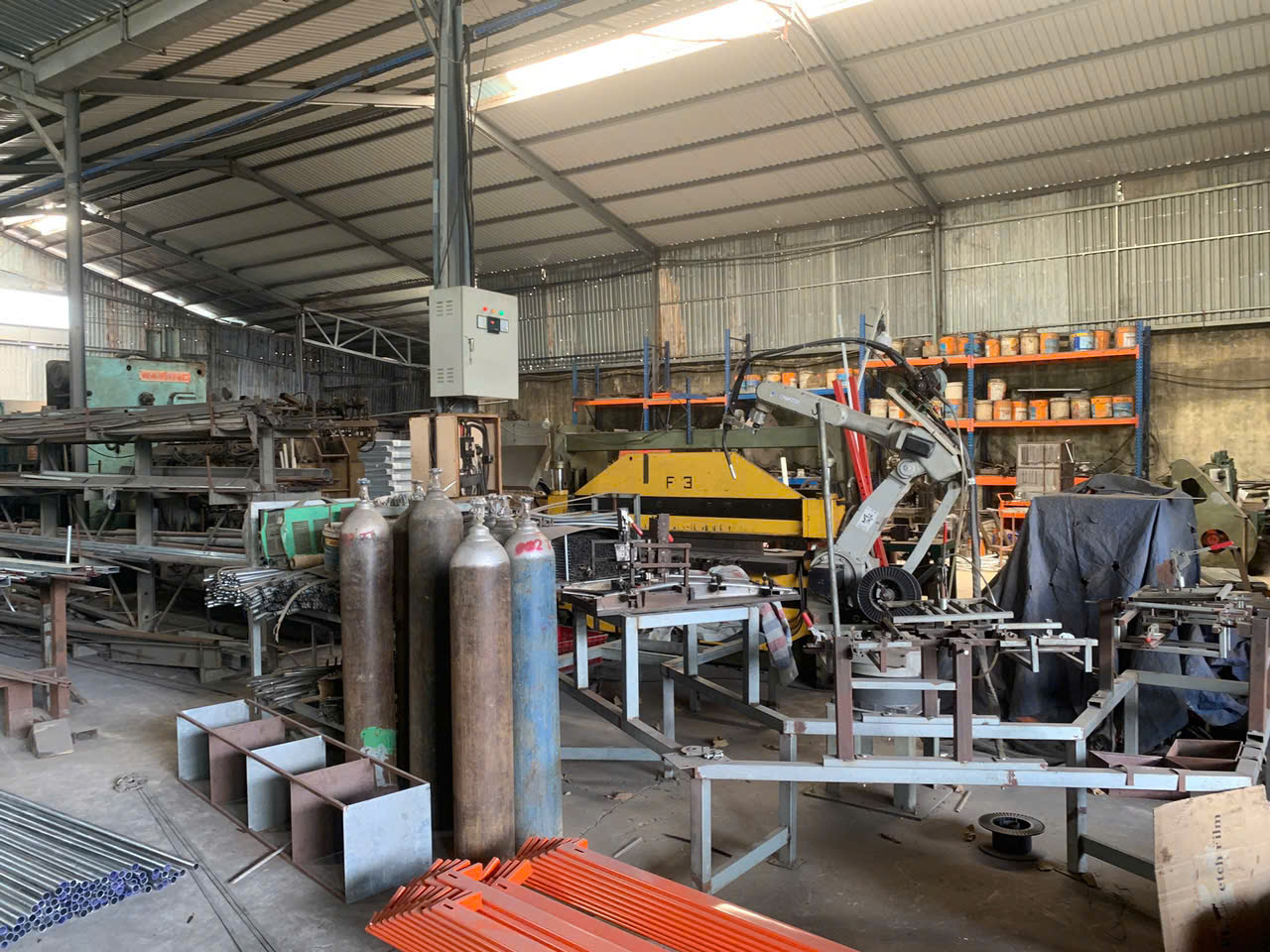
Mapping Your ESG Requirements to Supplier Capabilities
Start by listing your company's specific ESG requirements. These typically span three pillars:
- Environmental: Waste management regulations compliance, emissions controls, energy efficiency, use of recycled materials, circular economy practices.
- Social: Fair wages, safe working conditions, no child or forced labor, community engagement, worker well-being programs.
- Governance: Anti-corruption policies, transparent reporting, IP protection, data security, management accountability.
Once listed, map each requirement to the supplier's current capabilities. Identify gaps. Prioritize the gaps by risk level. Some gaps — like lack of fire safety equipment — are deal-breakers. Others — like absence of a formal energy reduction plan — may be addressable through capacity building.
Integrating ESG Into Supplier Contracts
Too many buyers treat ESG as a side conversation. We recommend embedding ESG obligations directly into the purchase agreement. Include clauses covering:
- Right to audit (announced and unannounced)
- Specific certification requirements (ISO 14001, SA8000, ISO 45001)
- Corrective action timelines for non-conformances
- Termination rights for serious violations (e.g., child labor, illegal waste dumping)
- Reporting obligations for environmental incidents
Industry-Specific Quality and Compliance Standards for Welding
Beyond ESG, welding parts must meet technical and quality standards. These overlap with compliance in important ways — a factory that cannot maintain welding quality consistently is unlikely to maintain environmental or social standards consistently either.
| Standard | Focus Area | Why It Matters for ESG |
|---|---|---|
| ISO 9001 9 | Quality management system | Systematic processes reduce waste and rework |
| ISO 14001 | Environmental management system | Direct environmental compliance framework |
| AWS D1.1 | Structural welding code (steel) | Ensures weld integrity, reducing material waste from failures |
| ASME Section IX | Welding and brazing qualifications | Qualified welders produce fewer defects, less scrap |
| IATF 16949 | Automotive quality management | Includes process control that aligns with environmental discipline |
| ISO 13485 | Medical device quality management | Strict traceability supports responsible sourcing documentation |
When we evaluate welding suppliers for our clients, we check for in-house capabilities like CMM machines, material testing labs, and non-destructive testing (NDT) methods such as ultrasonic and radiographic inspection. These capabilities signal a factory that invests in doing things right — which correlates strongly with compliance culture.
Addressing the Cost vs. Compliance Tension
Some buyers and suppliers push back on strict ESG requirements because they increase costs and complexity. This tension is real. SMEs in Vietnam may argue that compliance investments cut into thin margins and make them less competitive against less scrupulous competitors.
Our response: the cost of non-compliance is higher. Supply chain disruptions from regulatory shutdowns, reputational damage from labor scandals, and loss of contracts from buyers who tighten ESG criteria all outweigh the upfront investment in proper environmental and social management. The EU's CSDDD and Carbon Border Adjustment Mechanism (CBAM) 10 are accelerating this shift. Companies that source from Vietnam must increasingly demonstrate supply chain due diligence across their entire supplier base.
Building Supplier Capacity Over Time
The best results come from treating suppliers as long-term partners, not audit subjects. We work with our Vietnam suppliers on improvement roadmaps. This might include helping a factory set up a proper waste segregation system, connecting them with energy audit services, or sharing best practices for welding fume extraction. Suppliers who demonstrate willingness to improve — even if they are not yet perfect — are often better long-term partners than factories that present a polished audit front but resist genuine change.
Scalability also matters. We assess production utilization rates, lead time reliability, and the financial and operational status of suppliers. A supplier running at 95% capacity with no expansion plan will struggle to maintain quality and compliance standards under pressure.
Conclusion
Evaluating Vietnam welding part suppliers for environmental and social compliance requires systematic verification — permits, certifications, third-party audits, and ongoing monitoring. Build compliance into contracts and treat suppliers as improvement partners, not just vendors to police.
Frequently Asked Questions
What Documents Should You Request? Document What It Proves Red Flag If Missing Environmental Impact Assessment (EIA) report Factory was legally assessed before operation Likely operating without proper authorization Waste disposal contracts and manifests Hazardous waste is handled by licensed contractors Risk of illegal dumping Air emissions monitoring reports Compliance with QCVN emission standards Potential violations affecting worker and community health Wastewater discharge permit Legal discharge into municipal or industrial systems Contamination risk ISO 14001 3 certificate Systematic environmental management system in place No structured approach to environmental management Environmental violation history Clean record or corrective actions taken Repeat offenders signal systemic problems Vietnam RoHS — Does It Apply to Your Welding Parts?
This is a common point of confusion. Vietnam has adopted substance restriction frameworks modeled on EU RoHS, but the scope is limited to Electrical and Electronic Equipment 4 (EEE). If your welded parts are structural frames, brackets, or mounting hardware with no electronic function, Vietnam RoHS does not apply. However, if the welding assembly integrates EEE components — such as sensor housings or control enclosures — then substance restrictions on lead, mercury, cadmium, and other hazardous substances become relevant. Always clarify the end-use application with your supplier and confirm whether RoHS testing is needed.
How can I verify that my Vietnam welding supplier actually follows local environmental regulations?
A lesson we learned early in our Vietnam operations: a supplier's claim of "full compliance" means nothing without documentation. During one factory visit outside Ho Chi Minh City, we found a welding shop dumping slag and coolant runoff into an open drain — despite assuring us they met all local standards.
What social compliance certifications should I require from my Vietnamese metal fabrication partners?
A trade-off we weigh on every project is whether to accept a supplier's self-declared labor policies or to insist on third-party social compliance certifications. In our experience exporting welding assemblies and custom parts to U.S. and European clients, the answer is clear: certified suppliers save you from hidden risk.
Footnotes
1. Official Vietnamese legal framework for environmental protection. ↩︎
2. Explains the process of evaluating environmental consequences of projects. ↩︎
3. Official standard for environmental management systems. ↩︎
4. Defines EEE, crucial for understanding RoHS scope. ↩︎
5. Leading global standard for social accountability and ethical labor practices. ↩︎
6. Widely used social audit methodology for ethical trade. ↩︎
7. US federal agency ensuring safe and healthy working conditions. ↩︎
8. EU directive mandating human rights and environmental due diligence in value chains. ↩︎
9. International standard for quality management systems. ↩︎
10. EU tool to put a fair price on carbon emissions of imported goods. ↩︎