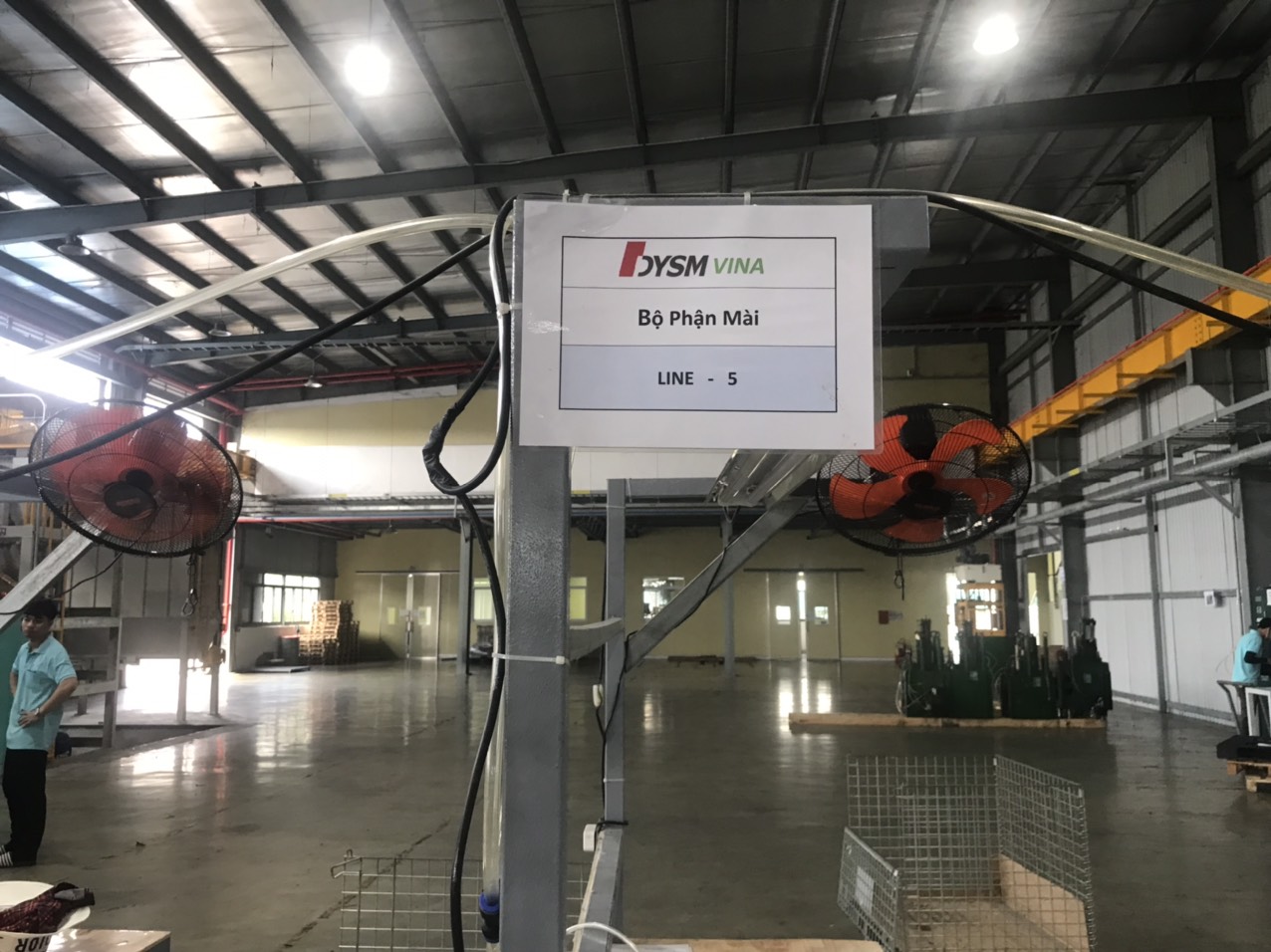

When we started helping U.S. clients source custom sheet metal parts from Vietnam and other Asian suppliers, ESG performance 1 was rarely part of the conversation — now it’s the first thing procurement managers ask about.
To evaluate ESG performance when sourcing sheet metal fabrication, buyers must verify measurable environmental metrics like carbon footprint and energy efficiency, enforce fair labor practices, demand supply chain transparency through recognized frameworks such as SASB or EcoVadis, and require documented proof of responsible sourcing and ethical governance from every supplier in the chain.
This guide breaks down each ESG pillar into concrete steps you can use right now Scope 1, 2, and 3 emissions 2. Whether you are a purchasing manager or a CXO, the sections below will help you build a sustainable supply chain without sacrificing quality or delivery timelines.
How do I evaluate the carbon footprint and energy use of my sheet metal fabrication partner?
A lesson we learned early in our Vietnam operations: a fabricator can quote a great price, but if they cannot tell you their energy consumption per part, they are hiding more than just inefficiency fair labor practices 3.
Evaluate a fabricator's carbon footprint by requesting a complete greenhouse gas inventory covering Scope 1, 2, and 3 emissions, tracking energy consumption per part produced, verifying adoption of clean technologies like electric arc furnaces, and confirming science-based reduction targets aligned with limiting global warming to below 2°C.
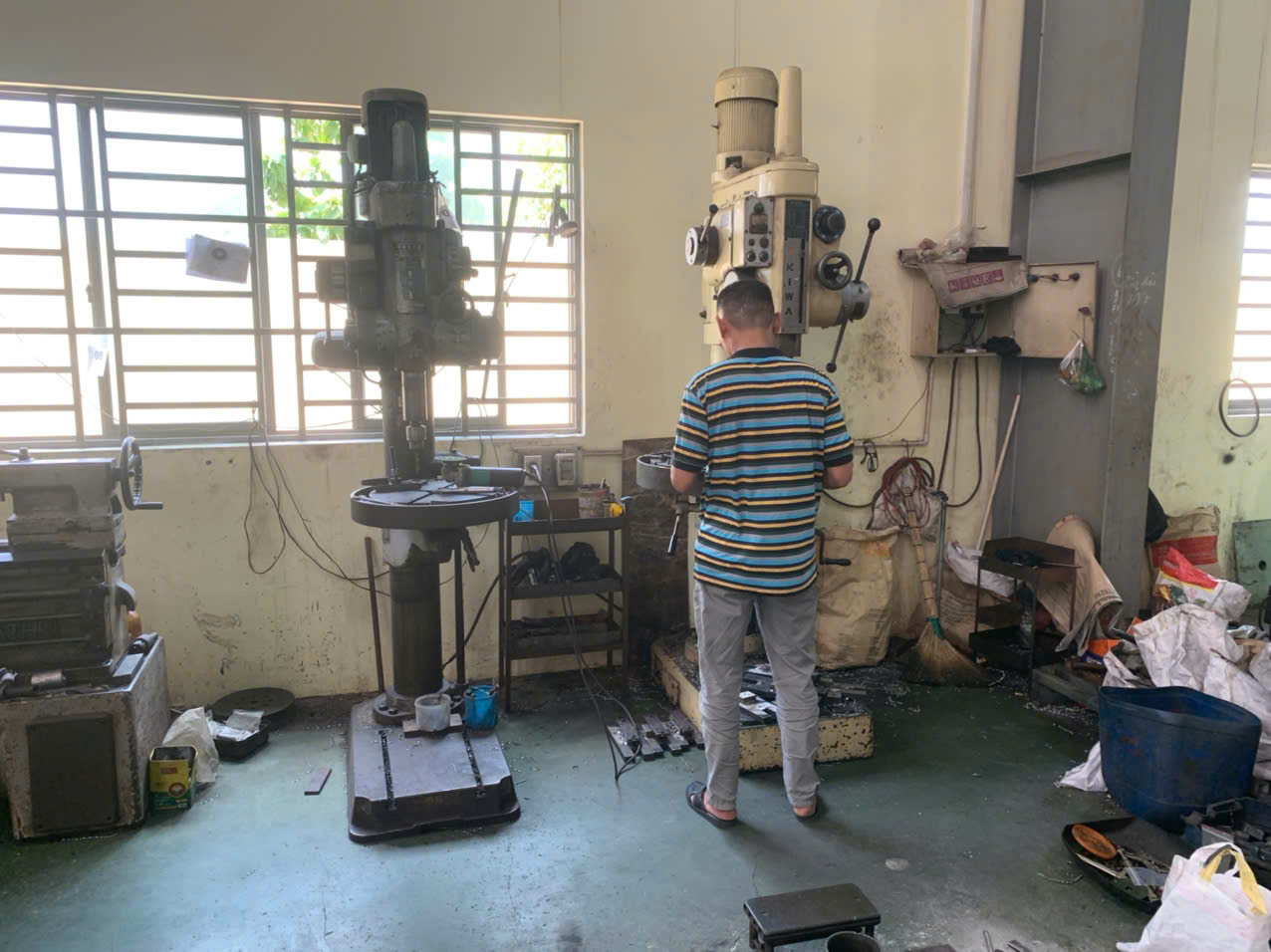
Why Carbon and Energy Data Matter Now
Major OEMs in the United States and Europe now include carbon footprint 4 requirements directly in procurement specifications. This is not a future trend. It is happening today. If your sheet metal supplier cannot provide this data, you risk losing contracts with your own customers living wages 5.
Environmental responsibility has shifted from a regulatory checkbox to a strategic imperative. Fabricators that treat energy efficiency as a core operational metric are winning business. Those that do not are falling behind.
What to Request From Your Supplier
Start with the basics. Ask for the following data points:
| Metric | What It Measures | Why It Matters |
|---|---|---|
| Scope 1 Emissions | Direct emissions from owned equipment (furnaces, welders, vehicles) | Shows the fabricator's direct environmental impact |
| Scope 2 Emissions | Indirect emissions from purchased electricity and heat | Reveals reliance on fossil-fuel-based power grids |
| Scope 3 Emissions | Upstream and downstream emissions (raw material extraction, shipping) | Captures the full supply chain footprint |
| Energy per Part (kWh) | Energy consumed to produce one finished component | Enables apple-to-apple comparison between suppliers |
| Renewable Energy % | Share of total energy from solar, wind, or other renewables | Indicates long-term commitment to decarbonization |
When we audit sheet metal suppliers in Vietnam on behalf of our clients, we check utility bills, review equipment specifications, and compare energy per part across similar jobs. A supplier that tracks these ESG metrics seriously will have them ready. One that scrambles to gather the data is a red flag.
Clean Technology Adoption
Look for suppliers investing in modern equipment. Electric arc furnaces use significantly less energy than traditional blast furnaces. Laser cutting machines with servo-electric drives consume less power than older hydraulic models. Powder coating lines with reclaim booths reduce waste and energy use at the same time.
We have seen firsthand how digital technology improves outcomes. Software-optimized nesting layouts reduce scrap. IoT sensors on press brakes track energy draw in real time. These are not luxuries. They are practical tools that lower both costs and carbon output.
Recycled Materials as a Lever
One of the fastest ways to reduce a product’s carbon footprint is to use recycled metals 6. Recycled steel requires roughly a fraction of the energy needed to produce virgin steel. Ask your fabricator what percentage of their sheet metal input is recycled content. This single number tells you a lot about their commitment to waste management and responsible sourcing.
What social responsibility standards should I look for when auditing my sheet metal suppliers?
During a recent supplier audit in Southeast Asia, our team discovered that one facility had excellent machinery but no documented safety training program for workers operating press brakes — a high-risk operation. That single finding changed the entire supplier evaluation outcome for our client.
When auditing sheet metal suppliers, look for verified fair labor standards including documented working hours, living wages, anti-discrimination policies, robust workplace safety programs with incident tracking, employee welfare benefits, and evidence of community engagement — all validated through third-party audits rather than self-reported claims alone.

The Social Pillar in Sheet Metal Fabrication
Sheet metal fabrication is physically demanding work. Workers operate heavy presses, laser cutters, welding stations, and grinding equipment. The social pillar of ESG is not abstract here. It is about real people in real danger if standards are not met.
Your supplier due diligence must go beyond asking "Do you follow local labor laws?" Local laws vary widely across Asian manufacturing countries. What meets the legal minimum in one country may fall far below the expectations of a U.S.-based OEM or end customer.
Key Social Metrics to Evaluate
| Social Factor | What to Verify | How to Verify |
|---|---|---|
| Working Hours | Compliance with ILO standards (max 48 regular hours/week) | Payroll records, time-clock data |
| Wages | Fair wages above local minimum, ideally approaching living wage | Payslips, third-party wage benchmarking |
| Safety Training | Documented training for all equipment operators | Training records, certificates, observation |
| Incident Rate | Lost-time injury frequency rate (LTIFR) | Safety logs, insurance claims |
| Anti-Discrimination | Written policies on gender, ethnicity, religion, age | Policy documents, employee interviews |
| Child Labor | Zero tolerance, with age verification systems | ID records, third-party audit reports |
| Employee Benefits | Health insurance, paid leave, retirement contributions | HR records, employee surveys |
Beyond the Factory Floor
Social responsibility extends beyond labor practices inside the factory. We also assess community engagement. Does the fabricator contribute to local development? Do they source materials and services from local businesses? These factors signal a company that sees itself as part of a broader ecosystem, not just a profit center.
Customer satisfaction scores matter too. A fabricator that treats its own employees well tends to produce better quality work and communicate more effectively. In our experience managing supply chains for U.S. clients, the correlation between employee welfare and on-time delivery is strong. Happy, well-trained workers make fewer mistakes. That means fewer reworks, fewer returns, and a more reliable supply chain overall.
Third-Party Verification Is Essential
Self-reported social data is a starting point, but it is not enough. We recommend cross-checking supplier claims with external sources. Third-party audit firms, NGO reports, and independent labor monitoring organizations all provide valuable perspective. When 78% of investors say sustainability metrics directly improve their confidence in a company, the pressure on suppliers to provide credible, verified data will only increase.
How can I ensure my sheet metal sourcing strategy meets my company's ESG compliance goals?
One trade-off we weigh constantly is speed versus thoroughness. A client needs parts fast. A new supplier offers a competitive quote. But without a structured supplier sustainability assessment, rushing the decision can create regulatory compliance problems that cost far more than any savings.
Ensure your sheet metal sourcing strategy meets ESG compliance goals by mapping your company's specific ESG requirements to recognized frameworks like SASB, TCFD, or GRI, then embedding those requirements into supplier qualification criteria, purchase orders, and ongoing performance reviews — treating ESG as a core procurement metric alongside quality, cost, and delivery.
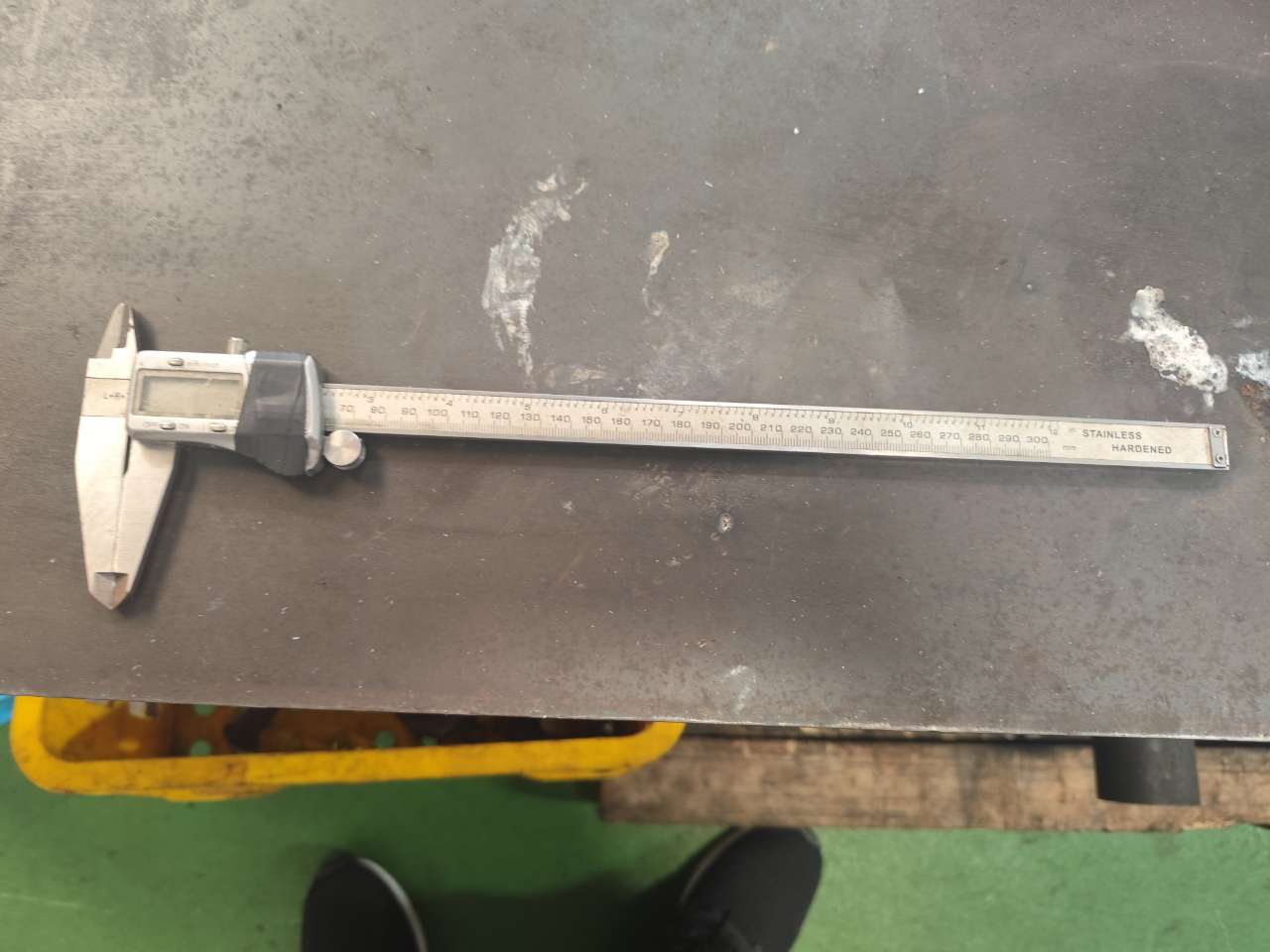
Aligning Internal Goals With Supplier Capabilities
The first step is clarity on your own requirements. Different industries, customers, and regions have different ESG priorities. A medical device company may prioritize traceability and hazardous substance controls. An automotive OEM may focus heavily on carbon reduction targets. Your sourcing strategy must reflect these specific needs.
We help our clients define these requirements before we even begin supplier searches. This prevents wasted time evaluating fabricators who cannot meet the baseline.
A Five-Step Evaluation Process
Here is the process we follow when onboarding a new sheet metal fabrication supplier for ESG-conscious clients:
Step 1: Identify Relevant Factors. Determine which ESG aspects — carbon, waste, labor, governance — are most critical to your business and your customers' expectations. Not every factor carries equal weight for every buyer.
Step 2: Collect and Verify Data. Request company-provided data including policies, GHG inventories, safety records, and governance documents. Then cross-check with external sources such as regulatory filings, news reports, and third-party rating agencies.
Step 3: Benchmark and Compare. Analyze data against industry standards. If a fabricator's energy per part is significantly higher than the industry average, that is a quantifiable gap. If their waste recycling rate is best-in-class, that is a competitive advantage.
Step 4: Require Improvement Roadmaps. A static ESG score is not enough. Ask suppliers for a clear plan to improve across all three pillars over the next 12 to 24 months. Rising minimum standards mean what passes today may not pass next year.
Step 5: Continuous Monitoring. Track ESG performance with the same rigor as quality and delivery. Include ESG KPIs in quarterly business reviews. Make them part of the supplier scorecard.
Frameworks and Certifications to Reference
| Framework / Certification | Focus Area | Best For |
|---|---|---|
| SASB 7 | Industry-specific sustainability metrics | Aligning disclosures with investor expectations |
| TCFD 8 | Climate-related financial risks | Assessing transition and physical climate risks |
| GRI | Broad sustainability reporting | Comprehensive ESG disclosure |
| EcoVadis | Supplier ESG scoring (0–100 scale) | Benchmarking suppliers against peers |
| BCorp | Holistic social and environmental performance | Identifying values-aligned partners |
| CDP | Carbon and water disclosure | Deep-dive on environmental data |
| ISO 14001 9 | Environmental management systems | Verifying systematic environmental controls |
When we conduct supplier audits, we look for at least one recognized certification or rating. A fabricator with an EcoVadis score or ISO 14001 certification has already submitted to external scrutiny. That is a meaningful signal of commitment to regulatory compliance and supply chain transparency.
Life Cycle Assessment as a Differentiator
Some of the most progressive fabricators now offer Life Cycle Assessment data for their products. This covers environmental impact from raw material extraction through manufacturing, use, and end-of-life. If your company reports Scope 3 emissions, having LCA data from your sheet metal supplier makes that reporting dramatically easier and more accurate.
Digital twin technology is emerging as another proactive indicator. Suppliers using simulation tools to optimize bending sequences, nesting layouts, and welding parameters can predict and minimize waste before production even starts. We have seen this reduce material scrap by meaningful margins on complex bracket assemblies like the ones we produce for industrial mounting applications.
What documentation do I need to prove my custom sheet metal parts are ethically manufactured?
A buyer interaction that stuck with me: a purchasing manager asked us for "ESG proof" for a set of custom mounting brackets, but could not define what that meant. The problem was not a lack of available documentation — it was not knowing what to ask for.
To prove custom sheet metal parts are ethically manufactured, collect material certificates of origin, supplier GHG inventories, third-party audit reports covering labor and safety, waste and recycling records, governance and anti-corruption policies, and chain-of-custody documentation — organized into a traceable ESG compliance file for each part number or project.
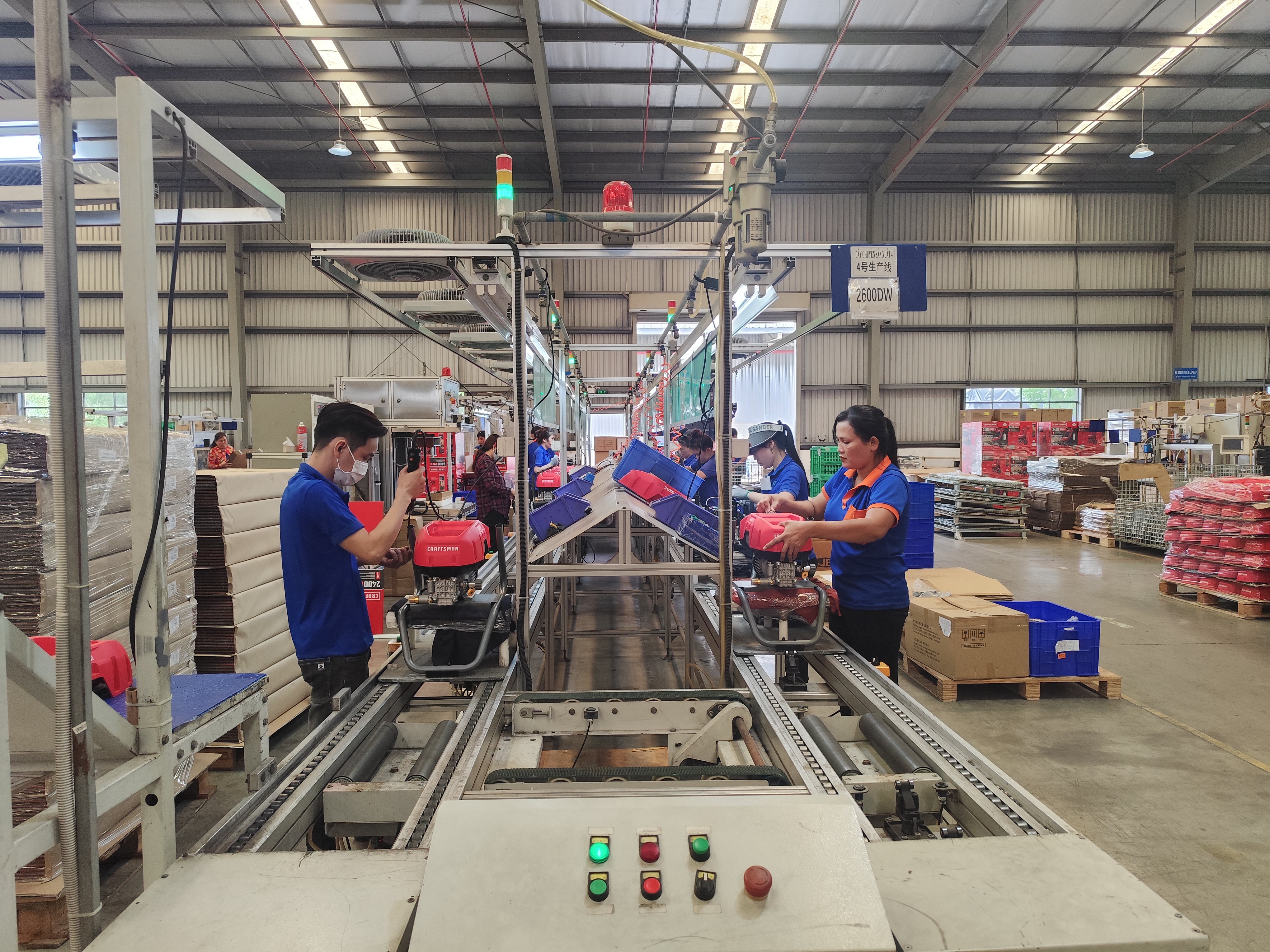
Building Your ESG Documentation Package
Documentation is where ESG intentions become verifiable facts. Without it, any claim of responsible sourcing is just marketing. Here is what a complete documentation package looks like for custom sheet metal fabrication.
Material Traceability
Every sheet of steel or aluminum that enters the fabrication process should have a material test certificate (MTC) that traces it back to the mill. This certificate confirms the alloy grade, mechanical properties, and — increasingly — the origin of the raw material. For buyers concerned about conflict minerals or sanctioned sources, this traceability is non-negotiable.
We maintain material traceability as part of our standard PPAP process. Each lot of incoming material is logged, and the MTC is linked to the production order. When a client needs to prove where their parts came from, we can provide that chain of custody quickly.
Environmental Documentation
Request these documents from your fabricator:
- Annual or project-specific GHG inventory (Scope 1, 2, and ideally 3)
- Energy consumption reports (total and per-part if available)
- Waste disposal and recycling records, including hazardous waste manifests
- Water consumption data and wastewater treatment records
- Certifications such as ISO 14001 or EcoVadis scorecards
Social and Governance Documentation
- Third-party social audit reports (SA8000, SMETA, or equivalent)
- Employee safety training records and incident logs
- Anti-corruption and ethics policies
- Board diversity and governance structure disclosures
- Community engagement summaries
Organizing It All
We recommend creating a standardized ESG compliance file for each supplier or project. Here is a simple structure:
| Document Category | Specific Documents | Update Frequency |
|---|---|---|
| Material Origin | Mill test certificates, chain-of-custody records | Per shipment |
| Environmental | GHG inventory, energy reports, waste records, water data | Annually or per project |
| Social | Audit reports, safety logs, training records, wage data | Annually |
| Governance | Ethics policies, anti-corruption statements, board disclosures | Annually or upon change |
| Certifications | ISO 14001, EcoVadis, BCorp, SA8000 | Upon renewal |
The Role of Your Supply Chain Partner
If you work with a sourcing partner — as many of our U.S. clients do — that partner should be gathering and organizing this documentation on your behalf. This is part of the value of a comprehensive supply chain service. Our team in Vietnam and China collects these documents during supplier qualification and keeps them updated through regular audits. When your customer or internal compliance team asks for proof, the file is already built.
The documentation burden is real, but it is manageable with the right systems. And the cost of not having it — lost contracts, regulatory penalties, reputational damage — is far higher than the effort of maintaining it.
Conclusion
Evaluating ESG performance in sheet metal fabrication is now a procurement requirement, not an option. Build your sustainable supply chain by demanding measurable data, verified documentation, and continuous improvement from every supplier partner. For further guidance, learn how sheet metal fabrication suppliers meet environmental and green manufacturing standards and explore whether sheet metal fabrication materials are recyclable for sustainable sourcing.
Frequently Asked Questions
How do I evaluate the carbon footprint and energy use of my sheet metal fabrication partner?
A lesson we learned early in our Vietnam operations: a fabricator can quote a great price, but if they cannot tell you their energy consumption per part, they are hiding more than just inefficiency fair labor practices 3 .
What social responsibility standards should I look for when auditing my sheet metal suppliers?
During a recent supplier audit in Southeast Asia, our team discovered that one facility had excellent machinery but no documented safety training program for workers operating press brakes — a high-risk operation. That single finding changed the entire supplier evaluation outcome for our client.
How can I ensure my sheet metal sourcing strategy meets my company's ESG compliance goals?
One trade-off we weigh constantly is speed versus thoroughness. A client needs parts fast. A new supplier offers a competitive quote. But without a structured supplier sustainability assessment, rushing the decision can create regulatory compliance problems that cost far more than any savings.
Footnotes
1. Investopedia provides a clear definition and explanation of ESG performance. ↩︎
2. The GHG Protocol is the primary source for defining and categorizing Scope 1, 2, and 3 emissions. ↩︎
3. The U.S. Department of Labor provides official information on fair labor standards and practices. ↩︎
4. The EPA offers authoritative information on greenhouse gases and carbon footprints. ↩︎
5. The MIT Living Wage Calculator is a widely recognized source for living wage data and methodology. ↩︎
6. ISRI, an industry leader, provides facts and benefits of recycling metals. ↩︎
7. The IFRS Foundation now oversees SASB, making it an authoritative source for its standards. ↩︎
8. The IFRS Foundation now oversees TCFD, providing official information on its recommendations. ↩︎
9. The official ISO website is the definitive source for information on the ISO 14001 standard. ↩︎