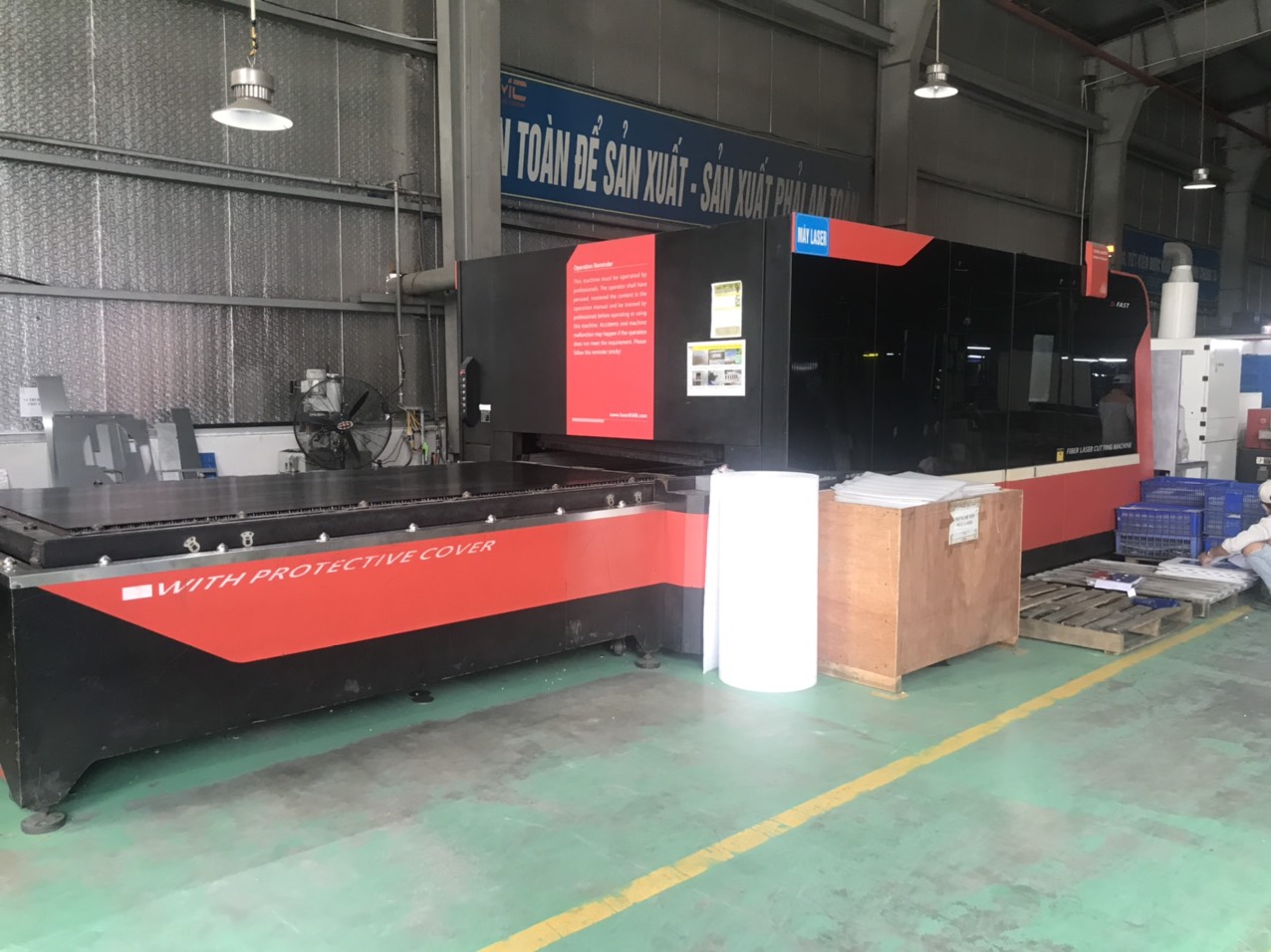
I learned the hard way that a supplier’s low quote means nothing if they shut down mid-production Current Ratio 1. Last year, one of our clients lost three months of lead time when their Vietnamese sheet metal partner ran out of working capital. The problem is real: Vietnam’s fabrication market 2 is booming toward USD 1.84 billion by 2032, but rising raw material costs, environmental compliance burdens, and labor shortages are squeezing smaller shops out of existence. If you do not evaluate financial health before committing, you risk supply chain disruption 3 at the worst possible time.
To evaluate the financial health of Vietnamese sheet metal fabrication suppliers, review audited financial statements, calculate liquidity and solvency ratios, verify physical plant ownership, confirm ISO certifications, and assess hedging capability against raw material volatility — then validate findings through on-site supplier audits.
This guide walks through the exact framework our team in Vietnam uses when vetting fabrication partners Debt-to-Equity Ratio 4. Each section addresses a specific concern purchasing managers raise with us every week.
How can I verify the financial solvency of a Vietnamese sheet metal factory before placing a large order?
A client once asked us to rush-qualify a supplier in Hai Phong for a USD 200K bracket order capital expenditure history 5. We pulled their financials and discovered liabilities exceeding assets by 40%. That order would have been a disaster.
Verify financial solvency by requesting three years of audited balance sheets, income statements, and cash flow statements. Calculate the current ratio, debt-to-equity ratio, and net profit margin. Cross-check with Vietnam's National Enterprise Registration Portal and confirm the factory's tax compliance status.
Start with the Right Documents
You need three core financial statements. Do not accept summaries or unaudited reports. In Vietnam, companies registered under the Enterprise Law must file annual financial reports with provincial tax authorities. You can request these directly from the supplier and cross-reference key figures with publicly available data on the National Business Registration Portal. National Enterprise Registration Portal 6
Our Vietnam office always requests the following:
| Document | What It Reveals | Why It Matters |
|---|---|---|
| Balance Sheet | Assets vs. liabilities, equity position | Shows whether the company owns more than it owes |
| Income Statement | Revenue trends, gross margin, net profit | Reveals profitability and whether the business is growing or shrinking |
| Cash Flow Statement | Operating cash flow, investment activity | Tells you if the company generates enough cash to sustain operations |
Calculate Key Financial Ratios
Raw numbers alone are not enough. You need ratios to benchmark the supplier against industry norms. Here is what we focus on:
- Current Ratio (Current Assets ÷ Current Liabilities): A ratio below 1.0 means the supplier cannot cover short-term debts. We look for at least 1.2 for sheet metal shops.
- Debt-to-Equity Ratio (Total Debt ÷ Total Equity): Above 2.0 is a warning sign. Many smaller Vietnamese fabricators operate on thin equity, which makes them vulnerable to input price spikes. Hot-rolled coil prices surged 34% in late 2024, and overleveraged shops simply could not absorb the hit.
- Net Profit Margin: Consistent margins above 5% are healthy for this industry. If margins are declining year over year, the supplier may be cutting corners on quality control systems or deferring equipment maintenance.
Validate Beyond the Spreadsheet
Financial statements in Vietnam can sometimes be unreliable, especially for privately held companies. Our due diligence Vietnam process includes checking the supplier's tax payment records, verifying that social insurance contributions are current (which confirms they actually employ the workforce they claim), and reviewing bank reference letters.
We also look at whether the supplier has received any foreign direct investment Vietnam incentives. Qualifying projects can receive a four-year corporate income tax exemption plus a 50% reduction for nine subsequent years. Suppliers with these incentives tend to have stronger cash positions and more stable operations.
One more step: confirm the factory is a real factory and not a trading company. Many Vietnamese "manufacturers" are actually intermediaries who subcontract to unvetted shops. We always verify physical plant ownership through land-use certificates and business registration documents before recommending a supplier to any client.
What financial red flags should I look for during my on-site audit of a Vietnam-based supplier?
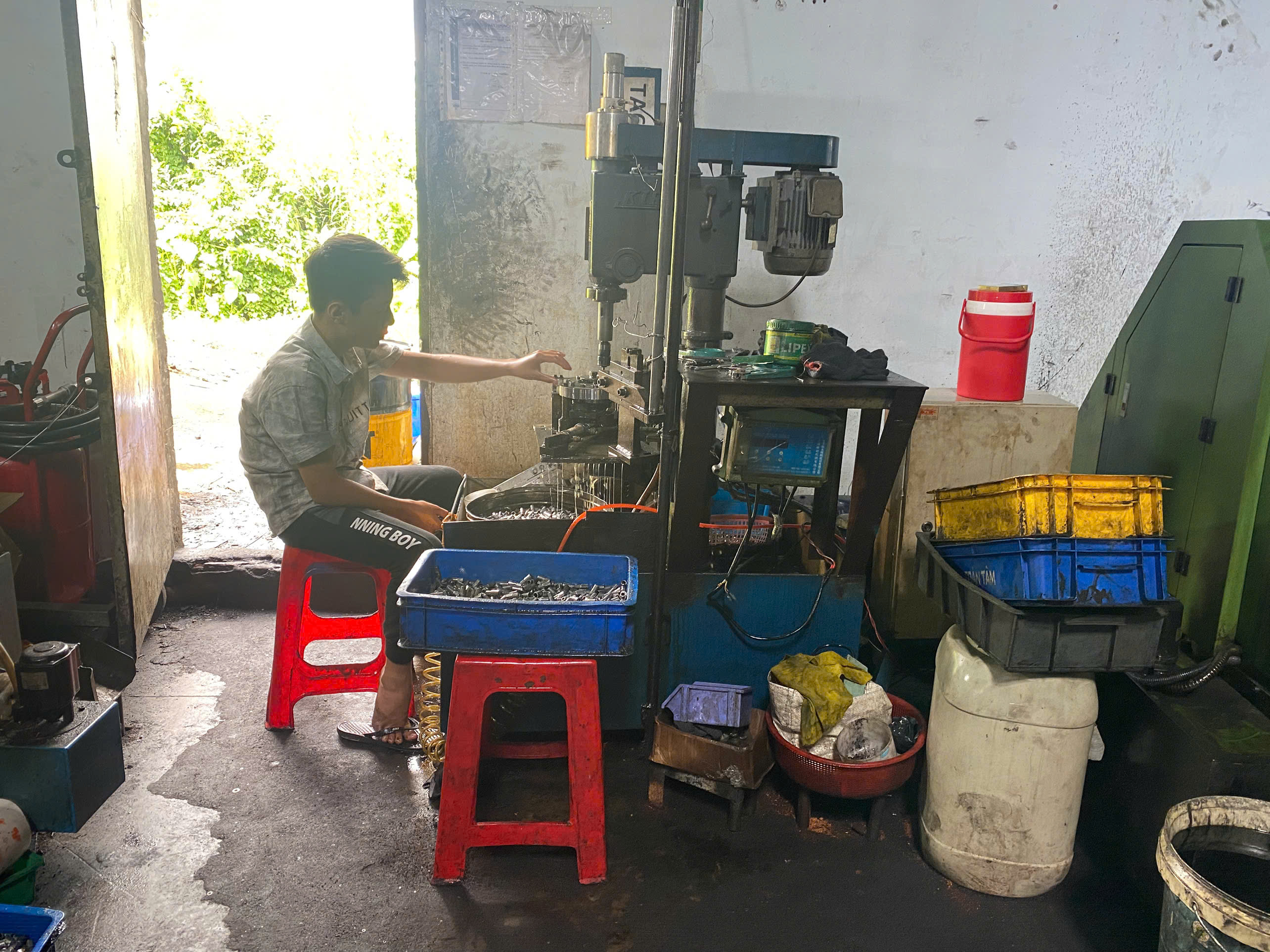
During a factory visit in Binh Duong last year, our team noticed half the CNC machines were idle and the raw material yard was nearly empty. The supplier's financials had looked acceptable on paper. The on-site reality told a different story.
Key financial red flags during on-site audits include idle or outdated machinery, depleted raw material inventory, visible deferred maintenance, high employee turnover, missing ISO certifications, excessive reliance on a single customer, and an inability to produce purchase orders for current projects.
What the Shop Floor Tells You About Cash Flow
Numbers on a balance sheet are one thing. Walking the factory floor gives you financial performance indicators you cannot get from documents. Here is what our audit team looks for:
| Red Flag | What It Signals | Severity |
|---|---|---|
| Idle machines (>30% of capacity) | Insufficient orders or inability to afford raw materials | High |
| No raw material buffer stock | Cash flow too tight to pre-purchase materials | High |
| Deferred maintenance (leaking hydraulics, worn tooling) | Cutting costs to survive, not investing | Medium-High |
| High worker turnover / empty stations | Payroll issues or poor working conditions | Medium |
| Missing or expired ISO certifications 7 | Cannot meet regulatory compliance Vietnam standards | High |
| Single-customer dependency (>50% revenue) | One lost contract could collapse the business | High |
| No environmental controls (extractors, baghouses) | Facing USD 5 million compliance investment or permit suspension | High |
Operational Signals That Precede Financial Collapse
From our experience managing supply chains across Vietnam and China, there are behavioral patterns that show up before a supplier's finances visibly deteriorate. Sudden leadership changes — especially the departure of a CFO or operations director — are an early warning. So is a shift in core business focus. We once worked with a fabricator who quietly reduced their welding workforce by 50% and pivoted toward simpler laser-cutting jobs. Within six months, they could no longer support complex assemblies.
Another signal: the supplier stops investing in training. Certified welder and NDT technician shortages are severe in Hanoi and Ho Chi Minh City. Suppliers with strong working capital management invest in workforce development. Those in financial distress do not.
The Environmental Compliance Test
Vietnam's Circular 45/2024/TT-BTNMT 8 requires plasma cutting shops to invest approximately USD 500,000 in fume extractors and up to USD 5 million in baghouse systems by July 2025. Annual MRV audit costs run USD 50,000 to USD 100,000. During your on-site visit, ask to see the supplier's environmental compliance documentation and emission control equipment. If they have not started this investment, they face either massive capital expenditure or permit suspension. Both scenarios threaten your supply chain resilience.
We always check for ISO 14001 certification 9 as a baseline proxy for environmental readiness. But certification alone is not enough. A firm can hold ISO 14001 and still lack the liquidity to fund the new equipment mandated by updated regulations. You need to see both the certificate and the capital expenditure plan.
Talk to the Workers
This is something many auditors skip. When our team visits a factory, we talk to line operators and supervisors. We ask about payment timing — are wages paid on time? We ask about material availability — do they ever stop work because materials have not arrived? These conversations reveal cash flow problems faster than any financial ratio. For a detailed walkthrough of what to cover during these visits, see our guide on how to arrange a factory audit when sourcing sheet metal fabrication from Vietnam.
Can my Vietnamese fabrication partner support the 60-90 day payment terms my business requires?
One of the most common requests we hear from U.S. purchasing managers is for open account payment terms 10 — NET 60 or NET 90. For many American buyers, this is non-negotiable. It is also where many supplier relationships break down.
Most small-to-mid-sized Vietnamese sheet metal fabricators cannot sustain 60–90 day payment terms without external financing. Only suppliers with strong working capital, banking credit lines, or milestone billing structures can absorb extended terms without compromising material procurement or production quality.
Why Extended Payment Terms Stress Vietnamese Suppliers
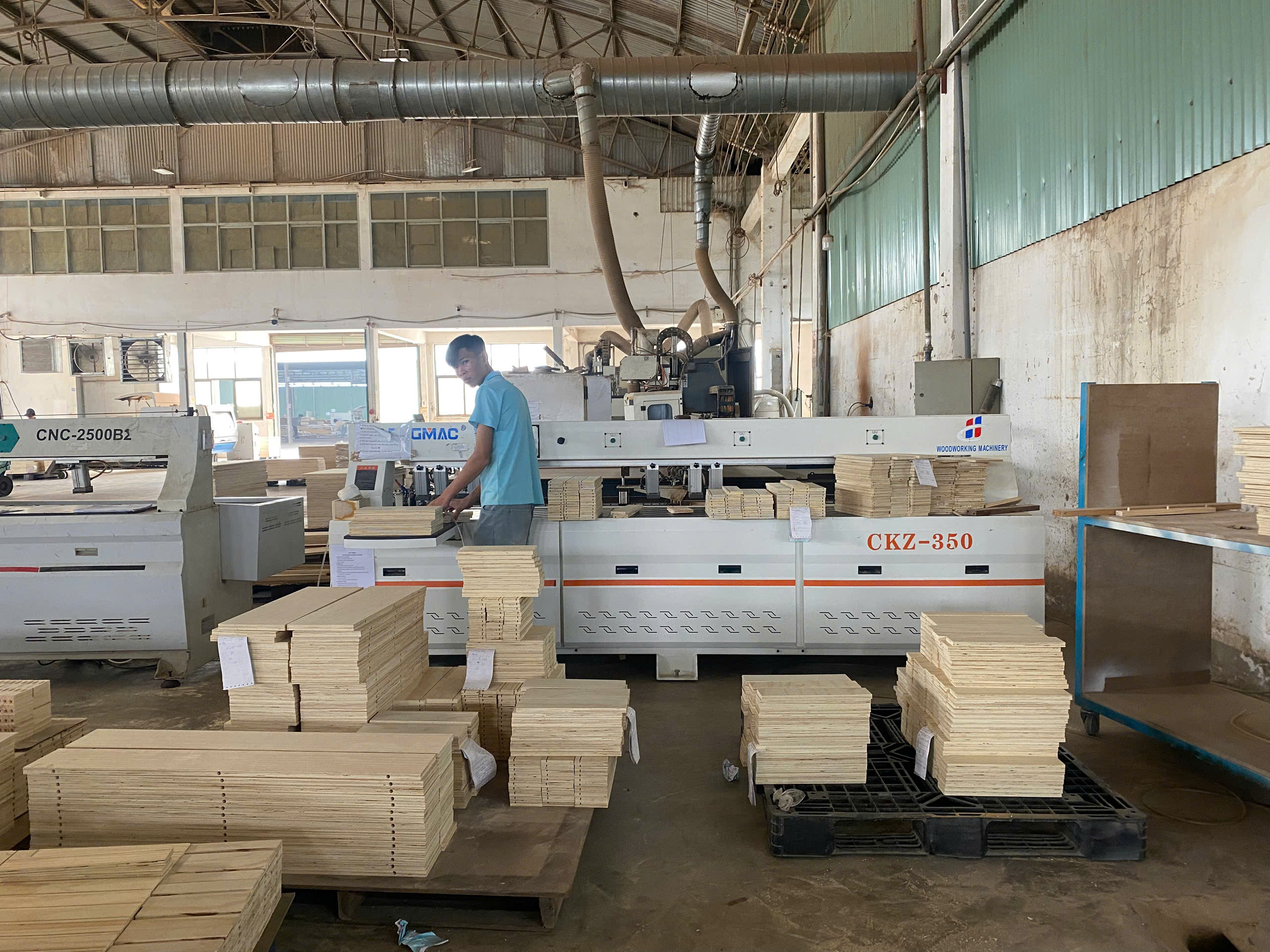
The economics are straightforward. A typical sheet metal project requires raw material procurement upfront. Hot-rolled coil, stainless steel plate, and aluminum sheet are not purchased on credit from mills — Vietnamese fabricators pay cash or use short-term letters of credit. If your order requires $500,000 in raw materials and you pay NET 90, the supplier must finance that material for three months out of their own pocket.
Vietnamese manufacturing workers earn approximately $280 per month. Labor is cheap. But raw materials are not. Imported HRC prices are volatile — Chinese HRC undercuts domestic prices by $30–70 per ton, creating pricing uncertainty. A supplier who agrees to NET 90 without adequate reserves is gambling on material costs staying flat. Understanding how to manage exchange rate fluctuations for Vietnam sheet metal fabrication costs is equally critical when evaluating whether a supplier can weather extended payment cycles.
How to Assess Payment Term Capability
Here is the framework we use when evaluating whether a supplier can handle extended terms:
| Assessment Criteria | What to Look For | Acceptable Threshold |
|---|---|---|
| Working capital ratio | Current assets minus current liabilities | Positive and growing over 3 years |
| Banking credit lines | Confirmed revolving credit facility | At least 50% of a typical order value |
| Milestone billing practice | Invoices tied to material procurement, fabrication milestones | Standard practice for orders above $100K |
| Accounts receivable aging | How long their other customers take to pay | No more than 30% of receivables past 90 days |
| Revenue concentration | Percentage of revenue from top 3 clients | Below 60% to ensure diversified cash flow |
Milestone Billing as a Risk Mitigation Strategy
Financially secure fabricators often propose milestone billing. For example, on a $500K order, they might invoice 30% when raw materials are purchased, 40% at fabrication completion, and 30% upon delivery. This approach protects both parties. The supplier covers material costs early. The buyer retains leverage through the final payment.
Our team in Vietnam negotiates milestone structures as a standard risk mitigation strategy. We find that suppliers who refuse milestone billing and insist on full prepayment often lack the production capacity or financial depth to manage complex projects. Conversely, suppliers who casually agree to NET 90 with no discussion of cash flow mechanics may not understand the financial strain they are accepting — which is its own red flag.
The DEWIN Approach to Payment Flexibility
We offer open account credit terms to our U.S. and European clients because we manage the supplier payment relationship separately. Our clients get their NET 60 or NET 90. We pay the Vietnamese fabricator on terms they can sustain. This buffer protects supply chain resilience on both sides. Not every sourcing partner can offer this — it requires capitalization and trust built over years of export experience.
How do I assess if a supplier has enough capital to invest in the tooling and machinery needed for my project?
A precision bracket project came to us last quarter — the kind with complex angular folds, tight-tolerance mounting holes, and powder-coated finish requirements. The client had already been quoted by three Vietnamese shops. Two quoted low but admitted they would need to purchase new press brake tooling. Neither could explain how they would fund it.
Assess capital investment capability by reviewing the supplier's recent capital expenditure history, equipment age and condition, depreciation schedules on their balance sheet, and their access to financing for new tooling. Suppliers who regularly reinvest in CNC equipment, laser cutters, and press brakes demonstrate the financial depth your project demands.
Equipment Investment as a Financial Health Proxy
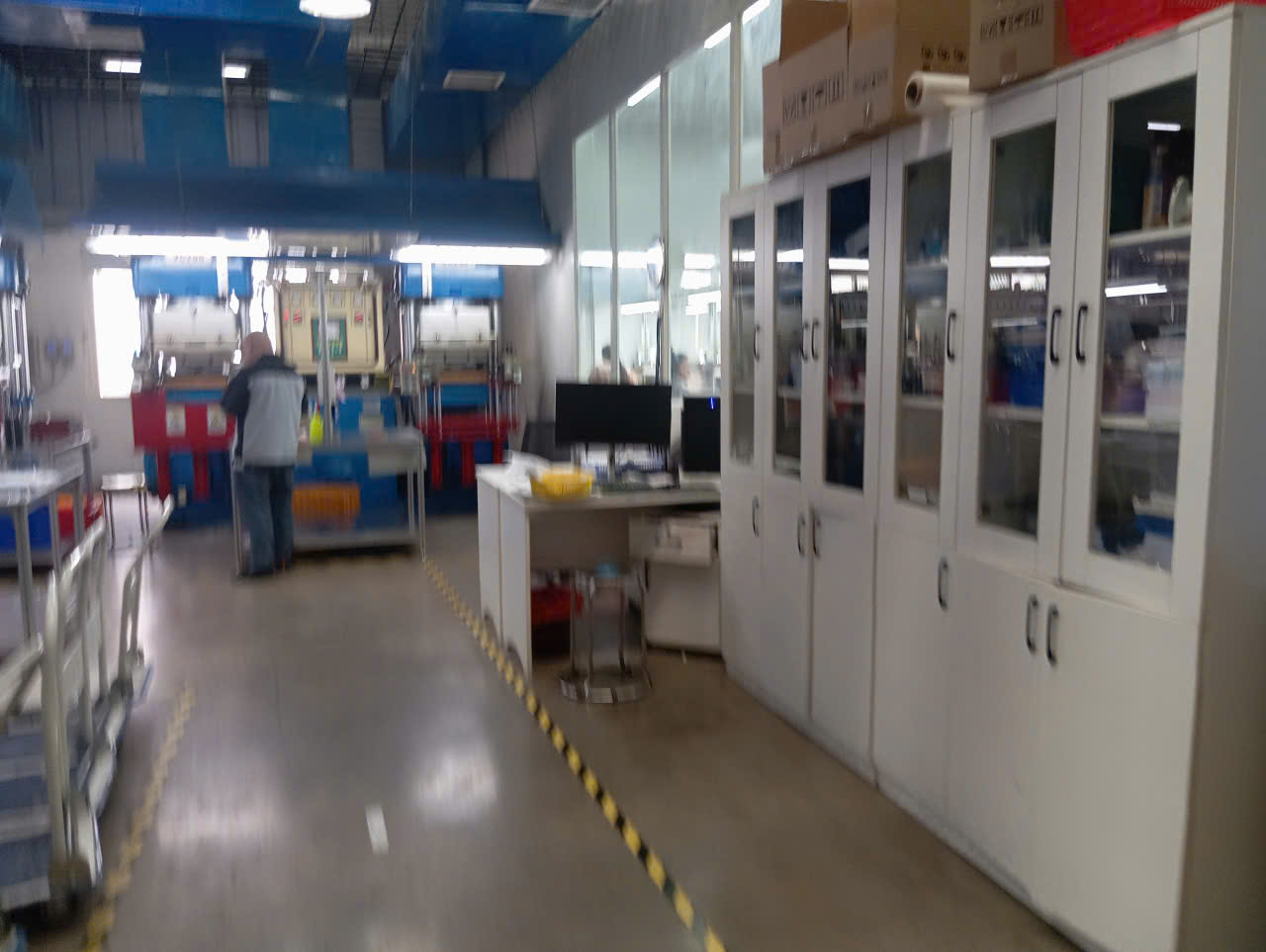
In sheet metal fabrication, the machinery tells the story. A supplier running 15-year-old hydraulic press brakes and manual plasma cutters is either not generating enough profit to reinvest or is choosing not to. Either answer matters.
When we audit factories for our clients, we photograph every major piece of equipment and record the manufacturer, model, and approximate age. We compare this against the supplier's depreciation schedule on their balance sheet. If the books show fully depreciated assets and no recent capital additions, the supplier is coasting on old equipment. That is a risk for manufacturing precision on complex parts like mirrored mounting brackets with multiple pre-drilled holes and tight bend tolerances.
What Healthy Investment Looks Like
The best Vietnamese fabricators we work with reinvest 8–15% of annual revenue into equipment and tooling. Here is a benchmark we use internally:
| Investment Category | Minimum Expected Spend | Frequency |
|---|---|---|
| CNC press brake tooling | $20,000–$50,000 | Every 2–3 years |
| Fiber laser cutter upgrade | $150,000–$500,000 | Every 5–7 years |
| Welding automation (robotic cells) | $100,000–$300,000 | As volume justifies |
| Quality inspection equipment (CMM, gauges) | $30,000–$80,000 | Every 3–5 years |
| Environmental compliance (extractors, baghouses) | $500,000–$5,000,000 | Regulatory-driven |
Integrated Players vs. Small Shops
Larger integrated firms like Hoa Phat can secure hedging lines on raw material purchases and self-fund capital expenditure from retained earnings. Smaller fabricators — those with annual revenues below USD 2 million — often rely on bank loans for any significant equipment purchase. In Vietnam's current environment, where compliance costs alone can reach $5.5 million, the gap between well-capitalized and undercapitalized suppliers is widening rapidly.
This does not mean small suppliers are automatically disqualified. Some niche shops with strong export experience and loyal customer bases maintain excellent financial health. But you need to verify it. Ask for bank statements. Ask for loan repayment schedules. Ask whether the supplier has applied for any foreign direct investment Vietnam incentives or government-supported technology upgrade programs. Understanding what supplier capacity metrics ensure on-time delivery can further help you gauge whether a fabricator's investment levels match their production commitments.
Tooling Ownership and Project-Specific Risk
For custom parts like the precision-engineered brackets and angular mounting components our clients order, project-specific tooling is often required. Who pays for it? Who owns it? A financially healthy supplier will propose a clear tooling amortization plan — perhaps absorbing the cost across the first 5,000 units. A supplier struggling for cash will ask for full tooling payment upfront with no amortization.
We always negotiate tooling ownership clauses into our manufacturing agreements. If the supplier goes under, we need to retrieve that tooling and move production. This is a contractual protection that directly ties to the supplier's financial stability. Healthy suppliers understand and accept this. Desperate ones resist it.
Conclusion
Evaluating the financial health of Vietnamese sheet metal fabrication suppliers protects your supply chain from hidden risks. Use audited financials, on-site verification, payment term analysis, and capital investment assessment together — not in isolation — to build genuine supply chain resilience.
Frequently Asked Questions
How can I verify the financial solvency of a Vietnamese sheet metal factory before placing a large order?
A client once asked us to rush-qualify a supplier in Hai Phong for a USD 200K bracket order capital expenditure history 5 . We pulled their financials and discovered liabilities exceeding assets by 40%. That order would have been a disaster.
What financial red flags should I look for during my on-site audit of a Vietnam-based supplier?
During a factory visit in Binh Duong last year, our team noticed half the CNC machines were idle and the raw material yard was nearly empty. The supplier's financials had looked acceptable on paper. The on-site reality told a different story.
Can my Vietnamese fabrication partner support the 60-90 day payment terms my business requires?
One of the most common requests we hear from U.S. purchasing managers is for open account payment terms 10 — NET 60 or NET 90. For many American buyers, this is non-negotiable. It is also where many supplier relationships break down.
Footnotes
1. Explains the current ratio, its calculation, and importance in financial health assessment. ↩︎
2. Provides current data and outlook on Vietnam’s manufacturing and industrial sector growth. ↩︎
3. Defines supply chain disruption and its causes and impacts on businesses. ↩︎
4. Defines the debt-to-equity ratio, its formula, and what it indicates about financial risk. ↩︎
5. Defines capital expenditure (CapEx) and its importance in financial analysis. ↩︎
6. Official portal for business registration in Vietnam, crucial for verification. ↩︎
7. Official ISO website explaining certifications and how to verify them. ↩︎
8. Provides details on Vietnam’s new national technical regulation on industrial emissions. ↩︎
9. Official ISO page detailing the ISO 14001 standard for environmental management systems. ↩︎
10. Explains open account transactions in international trade, their benefits, and risks. ↩︎