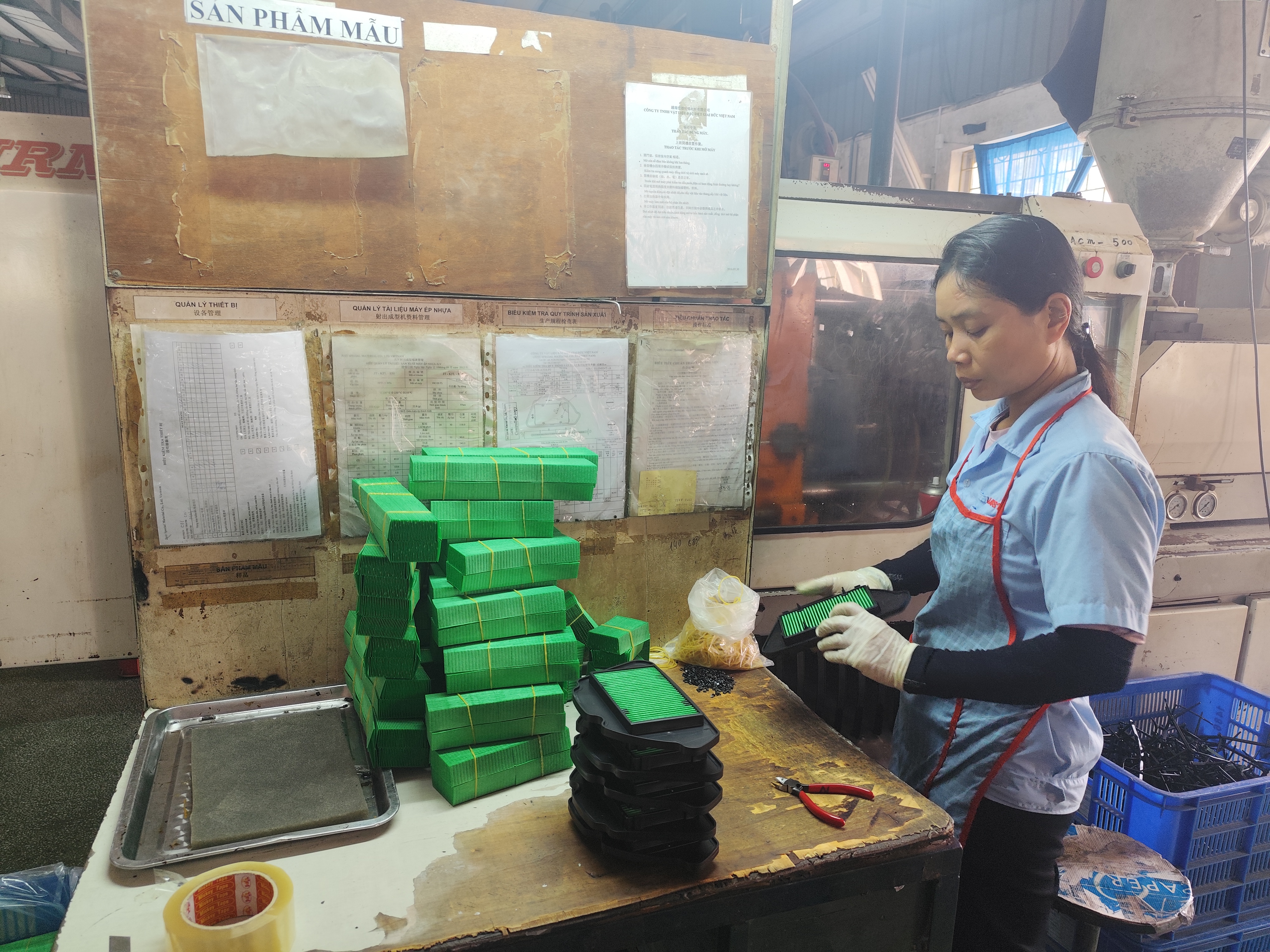

Finding the right welding parts supplier for OEM customization is a problem we help U.S. buyers solve every week from our offices in Singapore and Vietnam.
To evaluate if a welding parts supplier can meet OEM customization needs, verify their welding certifications, process capabilities, quality management system, raw material traceability, project management discipline, and supply chain reliability through factory audits, PPAP documentation, and proven experience with similar OEM projects.
This guide breaks down the exact steps we use when vetting welding suppliers across Asia for our American clients welding certifications 1. Each section targets a specific evaluation area so you can build a complete picture before committing to a partnership.
How can I verify if a supplier's welding equipment and certifications are capable of meeting my specific OEM drawings?
A recent project taught our team a hard lesson: a supplier claimed TIG capability on aluminum, but their oldest machine could not hold the arc stability the drawing demanded AWS D1.1 2.
Verify a supplier's welding capability by requesting their certified equipment list, welder qualification records per AWS D1.1 or equivalent standards, documented process capabilities for each welding method, and sample runs on your actual material and joint configurations before placing any production order.
When we receive a set of OEM drawings from a U.S. client, the first thing our engineers do is map every weld callout to a specific process full PPAP process 3. A drawing might call for MIG on mild steel frames and TIG on aluminum brackets—all within the same assembly. If the supplier cannot demonstrate both processes under controlled conditions, we stop the evaluation right there project management skills 4.
Match Welding Processes to Drawing Requirements
Start with a simple matrix. List every weld joint on the drawing. Note the base material, thickness, joint type, and weld class. Then compare this against what the supplier actually has on their floor.
| Drawing Requirement | What to Verify at the Supplier | Red Flag |
|---|---|---|
| MIG on carbon steel (3–12 mm) | Wire feeder condition, shielding gas setup, WPS on file | No documented WPS for the thickness range |
| TIG on aluminum (1.5–6 mm) | AC/DC TIG machine, argon purity, welder cert for aluminum | Only DC TIG available; no aluminum experience |
| Robotic welding for repeatable joints | Robot brand, fixture design, program backup system | Manual-only shop claiming "semi-automatic" capability |
| Post-weld grinding or finishing | Grinding tools, surface finish standards, inspection gauges | No defined finish standard or inspection criteria |
Robotic welding matters most when your drawing demands high-volume repeatability with tight dimensional accuracy. But do not assume a robot alone guarantees quality. The fixture design and programming skill matter just as much.
Check Welder and Operator Certifications
Every welder working on your parts should hold a valid qualification for the specific process, material, and position your drawing requires. Ask for copies. A welder certified for flat-position MIG on steel is not automatically qualified for overhead TIG on stainless steel. We have seen suppliers send a single welder's certificate for the entire shop. That is a red flag.
Evaluate Material Compatibility
Material compatibility goes beyond "we can weld aluminum." It means the supplier understands pre-weld cleaning, filler metal selection, heat input limits, and distortion control for your specific alloy. When we source complex welded frames—like the multi-level tubular steel assemblies our clients use in industrial equipment—we insist on a test coupon welded from the same material batch. This simple step reveals whether the supplier truly understands design for manufacturability or is just guessing.
Request a Trial Run
Before committing to a production order, ask for a trial run on your actual geometry. We typically request three to five pieces. We measure every critical dimension, inspect every weld visually and with NDT if the drawing requires it, and compare results against the tolerance band. This single step has saved our clients thousands of dollars in rework costs.
What quality control and PPAP processes should I expect to ensure my custom parts are right the first time?
One of the most common complaints we hear from buyers in the U.S. is this: "The supplier said they have QC, but the first shipment was full of rejects."
Expect a supplier to run a full PPAP process—including control plans, process flow diagrams, FMEA, dimensional reports, material certifications, and capability studies—before first-article approval. A robust quality management system with incoming, in-process, and final post-weld inspection stages is non-negotiable for OEM custom welding.

Getting it right the first time is not luck. It is the result of a disciplined system. When we manage a custom welding project, we embed our quality engineers at the supplier's facility during the PPAP phase. Here is what that process looks like in practice.
The PPAP Checklist for Custom Welding
PPAP—Production Part Approval Process—originated in the automotive industry but applies perfectly to any OEM custom part. Below is the core documentation package we require from every welding supplier.
| PPAP Element | Purpose | What We Look For |
|---|---|---|
| Process Flow Diagram | Maps every step from raw material to shipping | Every welding, grinding, and inspection step documented |
| Control Plan | Defines what is checked, how often, and by whom | Critical-to-quality dimensions explicitly called out |
| PFMEA 5 | Identifies potential failure modes and their controls | Weld porosity, distortion, and dimensional drift addressed |
| Dimensional Report (FAI) | Proves the first articles meet drawing specs | Balloon drawing with CMM or manual measurement data |
| Material Certifications | Confirms raw material traceability 6 | Mill certs matching the drawing's material callout |
| Capability Study (Cpk) | Shows the process is stable and capable | Cpk ≥ 1.33 for critical dimensions |
| Appearance Approval | Confirms surface finish and visual standards | Sample approved and sealed as a reference standard |
Raw Material Traceability
Every weld starts with base material. If the material is wrong, no amount of welding skill can save the part. We require suppliers to provide mill certificates that trace each plate or tube back to its heat number. For the heavy-duty steel frames and brackets our clients order, we cross-check the cert against the drawing's material specification before any cutting begins.
In-Process and Post-Weld Inspection
A good quality management system 7 does not wait until the end to find problems. In-process checks at key stages—after tack welding, after full welding, after grinding—catch issues when they are cheap to fix. Post-weld inspection includes visual examination per AWS standards, dimensional checks on fixtures or CMMs, and NDT methods like ultrasonic or dye penetrant testing when the weld class demands it.
Why "Right First Time" Matters Financially
Rework on welded assemblies is expensive. You cannot simply re-machine a bad weld the way you might re-cut a turned part. Often, rework means grinding out the defective weld, re-welding, re-inspecting, and sometimes scrapping the entire assembly if distortion has gone too far. Our experience managing projects across Vietnam and other Asian manufacturing hubs shows that investing time in a thorough PPAP upfront reduces first-shipment rejection rates dramatically compared to suppliers who skip this step.
How do I measure a supplier's project management skills to ensure my custom development stays on schedule?
Delivery delays are the number-one pain point our U.S. clients report when working with Asian welding suppliers, and the root cause is almost always poor project management—not production speed.
Measure a supplier's project management skills by evaluating their use of structured timelines, milestone-based progress reporting, proactive communication on risks, documented change-order processes, and their track record of lead time reliability on previous OEM development projects with verifiable references.
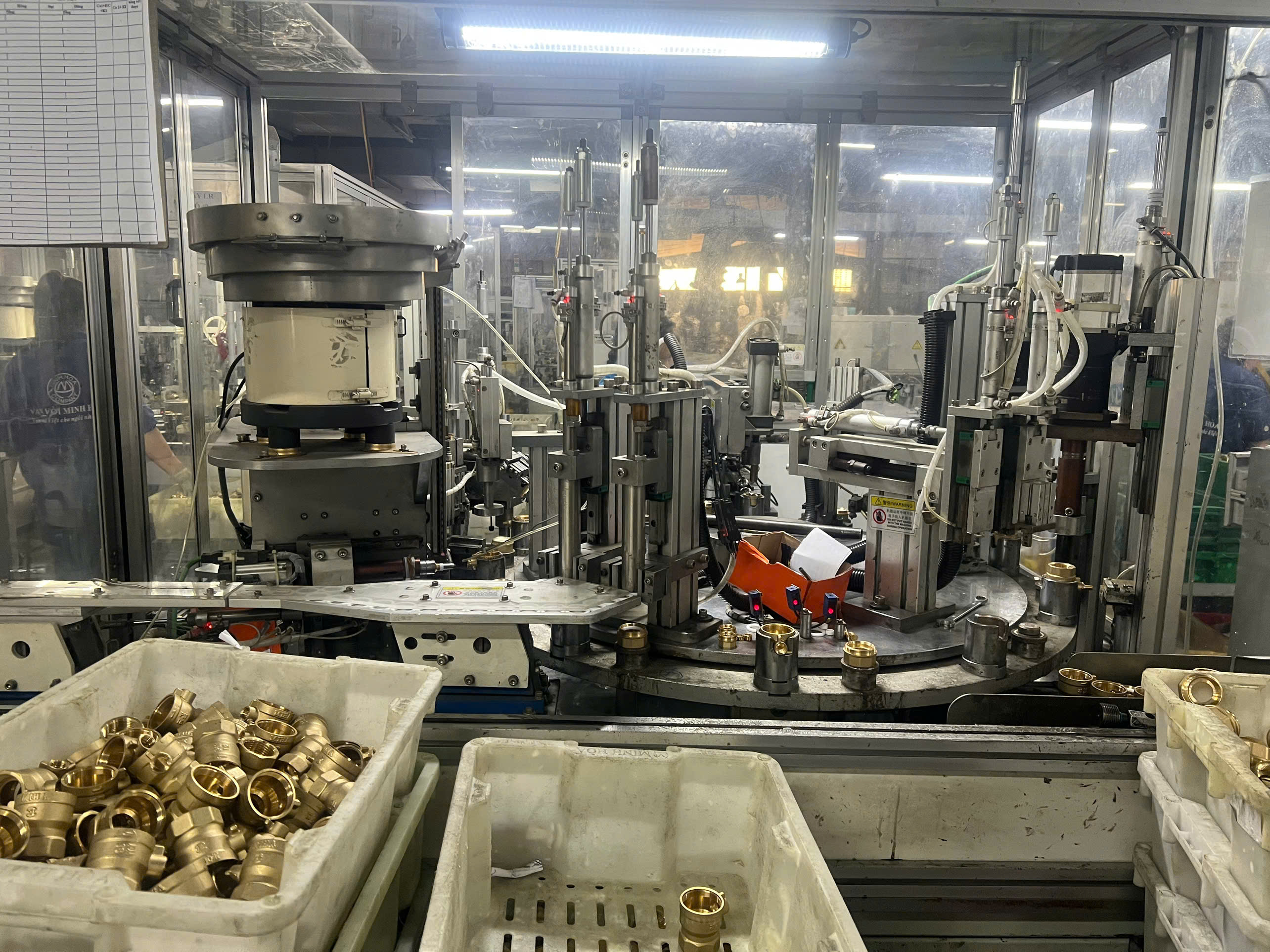
A supplier can have world-class welding equipment and still miss every deadline if they lack the discipline to manage a project from drawing receipt through first-article approval to mass production. Here is how we assess this capability—and what you should look for.
The Development Timeline Breakdown
Custom welding projects follow a predictable sequence. The question is whether the supplier can manage each phase with clear ownership and deadlines.
- Drawing review and DFM feedback — The supplier should return a detailed design for manufacturability review within three to five business days. This review should flag tolerance issues, material availability concerns, and weld access problems.
- Tooling and fixture preparation — For welded assemblies like the complex tubular frames and mounting brackets we supply, fixtures are critical. The supplier needs a clear plan for fixture design, fabrication, and validation.
- Sample production and PPAP — First articles must be produced, inspected, and submitted with full documentation.
- Production ramp-up — After sample approval, the supplier transitions to volume production with confirmed production capacity and cycle times.
Communication as a Project Management Tool
We hold weekly status calls with every active supplier. Not monthly. Not "when there is an update." Weekly. During these calls, we review the timeline, identify blockers, and adjust priorities. A supplier who resists structured communication is a supplier who will surprise you with delays.
Look for these communication behaviors:
- They send progress photos and measurement data without being asked.
- They flag problems early, before they become crises.
- They maintain a shared project tracker—spreadsheet, ERP dashboard, or even a simple Gantt chart.
- They respond to emails within 24 hours on business days.
Change Order Discipline
OEM custom projects rarely proceed without changes. A drawing revision, a material substitution, a tolerance tightening—these happen routinely. The question is: does the supplier have a formal change-order process? Or do they just absorb changes verbally and hope for the best?
We require every change to be documented with a revised drawing, a cost and timeline impact assessment, and written approval before implementation. This protects both sides.
Red Flags in Project Management
| Red Flag | What It Tells You |
|---|---|
| No written timeline provided | The supplier has no internal scheduling discipline |
| "We will try our best" instead of committed dates | They are hedging because they overcommit capacity |
| Single point of contact who is always unavailable | The project has no backup and no internal priority |
| No escalation path when problems arise | Issues will fester until they become shipment-stopping crises |
| Resistance to milestone-based payments | They may not be confident in their ability to meet milestones |
Our team in Vietnam works on-site with suppliers precisely because project management gaps are easier to close when someone is physically present to review the production floor, check fixture progress, and verify that the timeline is real—not aspirational.
What should I look for during a factory audit to confirm a welding partner can handle my complex supply chain needs?
Walking a supplier's factory floor tells you more in two hours than six months of email exchanges ever will—this is a lesson we learned early when building our audit team across Asia.
During a factory audit, look for organized material storage with traceable lot control, well-maintained welding equipment with current calibration records, clean and logical production flow, trained operators with visible work instructions, documented quality management system records, adequate production capacity for your volumes, and evidence of successful OEM projects similar to yours.

A supplier audit is not a social visit. It is a structured evaluation. When our team conducts audits for U.S. clients sourcing welded assemblies—everything from heavy-duty steel frames with complex multi-level geometries to precision-drilled mounting brackets—we follow a systematic protocol that covers technical capability, quality systems, supply chain management 8, and organizational health. For a detailed guide on building your own evaluation protocol, see our resource on how to create a supplier audit checklist for sourcing sheet metal fabrication.
The Audit Walkthrough: What to Observe
Start at the receiving dock. How does raw material come in? Is it tagged with heat numbers? Is there an incoming inspection area with measurement tools? Follow the material through the factory in the same sequence it would travel during production.
At the welding stations, observe:
- Are work instructions posted and current?
- Are welding parameters (voltage, wire speed, gas flow) specified and monitored?
- Is the workspace clean and organized, or cluttered with scrap and debris?
- Are fixtures in good condition, or worn and loose?
Supply Chain Depth and Material Sourcing
A welding supplier's ability to handle your complex supply chain needs depends on more than just their welding skill. Can they source the specific steel grades, aluminum alloys, or specialty metals your drawings require? Do they have backup sources for critical materials?
| Supply Chain Factor | What to Ask | What Good Looks Like |
|---|---|---|
| Material sourcing | Where do you buy your steel and aluminum? | Multiple qualified vendors with documented approval |
| Lead time for raw materials | What is your typical material lead time? | 1–3 weeks for standard grades; contingency plan for specialty alloys |
| Inventory management | Do you stock common materials? | Safety stock maintained for repeat-order materials |
| Sub-supplier management | Do you outsource any processes? | Documented sub-supplier list with qualification records |
| Logistics capability | How do you handle export packing and shipping? | Experience with export-grade packaging; freight forwarder relationships |
Sustainability and Risk Management
More U.S. OEMs now ask about environmental and ethical practices. During the audit, check for waste management systems, energy-efficient equipment, and compliance with local labor laws. These are not just feel-good items. They signal organizational maturity and reduce your supply chain risk.
Also ask about contingency planning. What happens if their primary welding machine goes down? Do they have backup equipment? What if their main steel supplier faces a shortage? A mature supplier has answers to these questions—not blank stares.
Digital Integration and Data Exchange
Modern OEM partnerships require seamless data flow. Can the supplier receive and work from your CAD files directly? Do they use any form of ERP or MES 9 to track production status? Can they export inspection data in formats your quality team can import? These capabilities are increasingly important for maintaining revision control and real-time project visibility, especially when managing projects across time zones.
The Human Element
Finally, pay attention to the people. Are the shop floor workers engaged or disengaged? Does the quality manager speak confidently about their systems, or do they defer every question to the owner? Is there a dedicated project manager for OEM accounts, or does the sales rep double as the PM? The answers to these questions predict your day-to-day experience far more accurately than any brochure or website. Understanding how to evaluate supplier capabilities and qualifications holistically—including the human and organizational dimensions—is what separates a reliable partnership from a costly gamble.
Conclusion
Evaluating a welding parts supplier for OEM customization requires verifying technical equipment, quality systems, project management discipline, and supply chain depth through structured audits and documented evidence—not promises.
Frequently Asked Questions
How can I verify if a supplier's welding equipment and certifications are capable of meeting my specific OEM drawings?
A recent project taught our team a hard lesson: a supplier claimed TIG capability on aluminum, but their oldest machine could not hold the arc stability the drawing demanded AWS D1.1 2 .
What quality control and PPAP processes should I expect to ensure my custom parts are right the first time?
One of the most common complaints we hear from buyers in the U.S. is this: "The supplier said they have QC, but the first shipment was full of rejects."
How do I measure a supplier's project management skills to ensure my custom development stays on schedule?
Delivery delays are the number-one pain point our U.S. clients report when working with Asian welding suppliers, and the root cause is almost always poor project management—not production speed.
Footnotes
1. Provides information on welding certifications and their importance. ↩︎
2. Official standard for structural steel welding. ↩︎
3. Details the requirements and purpose of the Production Part Approval Process. ↩︎
4. Replaced HTTP unknown link with a working, authoritative academic source on essential project management skills. ↩︎
5. Explains Failure Mode and Effects Analysis as a risk analysis tool. ↩︎
6. Replaced HTTP unknown link with a working, authoritative GS1 page on traceability standards, a global standard-setting organization. ↩︎
7. Explains the concept and benefits of a quality management system. ↩︎
8. Replaced HTTP 404 link with a working, authoritative page from ASCM (formerly APICS), a leading organization in supply chain management. ↩︎
9. Compares ERP and MES systems in manufacturing operations. ↩︎
10. Provides a comprehensive checklist for conducting factory audits. ↩︎