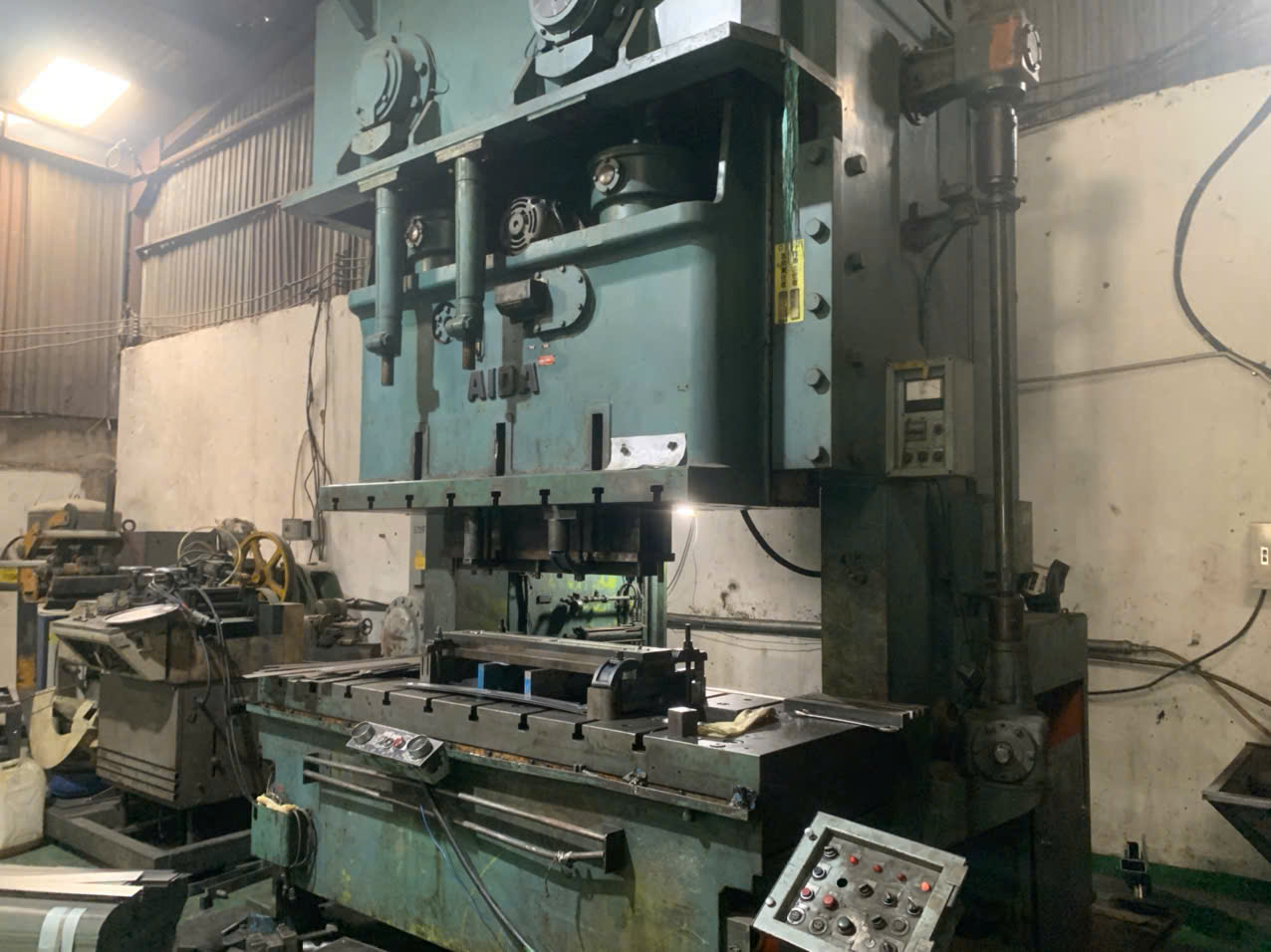

Evaluating industrial park infrastructure when sourcing stamping parts from Vietnam saved one of our projects from disaster. A supplier looked perfect on paper — until the power flickered.
To evaluate industrial park infrastructure when sourcing stamping parts from Vietnam, verify power capacity and outage history, water and centralized wastewater treatment, container-ready roads and port proximity, fiber connectivity, environmental compliance records, and nearby tooling and finishing vendors before qualifying any supplier inside the park.
Below, I break this into four practical checks. Each one comes from real audits our Vietnam team has run for U.S. buyers of stamped brackets, clips, and chassis components.
What infrastructure factors should I check before choosing a stamping supplier's industrial park in Vietnam?
A few years back, our Vietnam office audited two stamping suppliers with identical presses. One park had stable utilities. The other did not. The difference showed up in scrap rates within months.
Before choosing a stamping supplier's industrial park in Vietnam, check five factors: dedicated power capacity with expansion headroom, reliable water supply and wastewater treatment, internal roads rated for container traffic, fiber-optic telecom availability, and the depth of nearby tooling, die-making, and finishing vendors.

Stamping is not general assembly work. A press line pulls heavy, fluctuating electrical loads. Coil steel arrives on trucks that punish weak roads. Dies need local repair shops, or every tooling issue becomes an import delay. That is why I treat a supplier’s industrial park infrastructure as a supply-chain risk filter, not a real-estate detail.
Vietnam had 563 registered industrial parks across most provinces as of 2022, and roughly 300 were operating by 2025 with occupancy often around 80–85%. That sounds reassuring. But quality varies widely by province, park age, and operator. A brochure that says "modern infrastructure" tells you almost nothing about transformer capacity or effluent limits.
The core checklist we use on-site
| Factor | What "good" looks like | Why it matters for stamping |
|---|---|---|
| Power | Dedicated substation, expansion headroom, documented outage log | Press uptime, servo press stability, tool wear |
| Water & wastewater | Centralized treatment accepting industrial effluent | Cleaning, deburring, any plating or coating |
| Roads & logistics | Container-rated internal roads, near port/highway | Heavy coil inbound, finished parts outbound |
| Telecom | Fiber to each lot, redundancy | ERP, EDI, real-time quality data |
| Ecosystem | Die shops, heat treatment, finishing nearby | Faster tooling repair, shorter lead times |
Ready-built versus greenfield
Ready-built parks have prepared ground, installed roads, lighting, fire hydrants, and utility hookups at the fence line. Greenfield lots do not. If your supplier is relocating or expanding, a ready-built park can cut months off time-to-production. We always ask the park operator, not just the supplier, to confirm what is actually installed today versus what is "planned."
How do I verify power supply stability and utility reliability at a Vietnamese industrial park?
One trade-off I weigh constantly: a park with cheaper land but a shared, aging transformer versus a pricier park with dedicated capacity. For precision stamping, I almost always recommend the latter to our clients.
To verify power stability at a Vietnamese industrial park, request the park's outage history for the past two years, confirm current transformer capacity and load expansion room, check whether backup generation exists and its activation time, and confirm the supplier's peak press demand fits without curtailment.

Power is the single biggest infrastructure variable for stamping. A progressive die 1 running at speed cannot tolerate voltage sags. When power drops mid-cycle, you risk a stuck slug, a cracked punch, or a mis-hit that damages the die. Repairs take days. Delivery slips. Our team learned to ask for evidence, not assurances.
Questions we put in writing to the park operator
- What is the total installed transformer capacity, and how much is currently allocated?
- How many unplanned outages occurred in the last 24 months, and how long did each last?
- Is backup power available at park level, and how fast does it switch over?
- Can the grid support a new high-tonnage press line without a curtailment agreement?
- Are there scheduled maintenance blackouts, and how much notice is given?
Do not forget water
Water matters more than buyers assume. Stamping lines use water for die cooling, part washing, and deburring. If the supplier does any surface treatment, water quality and volume become critical. We check the park's supply capacity in cubic meters per day and whether pressure stays stable during peak hours. A supplier that trucks in water during dry season is a red flag we have seen more than once.
Finally, walk the site. During one audit, our engineer noticed diesel generators running at a neighboring plant at 2 p.m. on a weekday. The park's "99% uptime" claim did not survive that observation.
What logistics and transportation criteria should I use to assess an industrial park's export readiness?
A U.S. purchasing manager once asked me why two quotes for the same bracket differed by 8% in landed cost. The answer was not labor. It was the distance between each park and the port.
Assess export readiness by measuring distance and drive time to the nearest deep-sea port, confirming internal roads handle loaded containers, checking proximity to customs offices and bonded services, and verifying reliable trucking capacity for heavy steel coil deliveries inbound and container exports outbound.
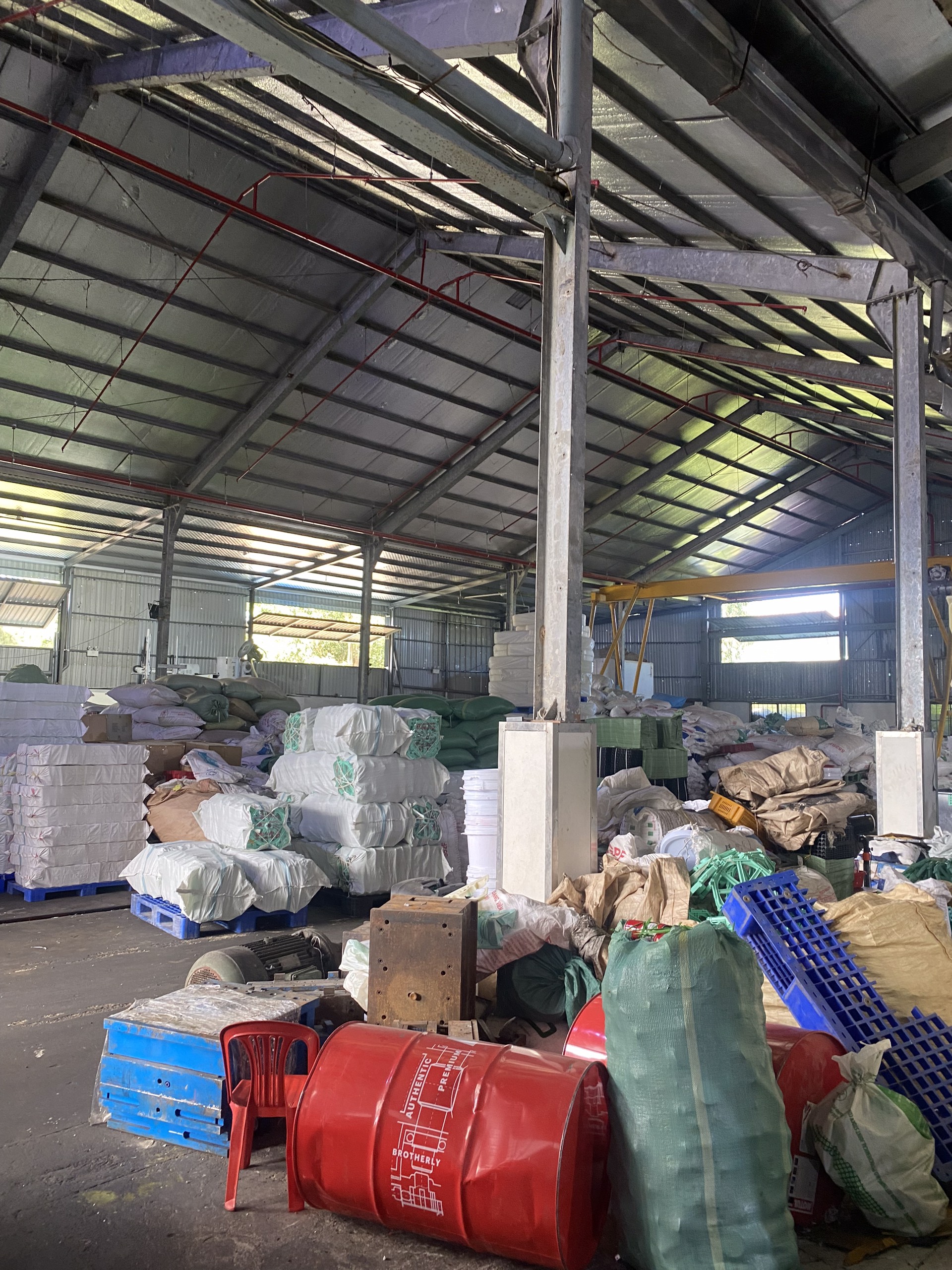
Stamped parts are dense and heavy. Inbound steel coils can weigh several tons each. Outbound shipments move in full containers. Every extra hour of inland trucking adds cost, transit risk, and scheduling complexity. So logistics is infrastructure, and I score it as strictly as power.
Comparing the three regions
| Region | Key ports | Strengths | Watch-outs |
|---|---|---|---|
| Northern Vietnam | Hai Phong 2 | Strong China connectivity for materials and tooling; dense electronics and components clusters | Setup bureaucracy can be slower; congestion near port corridors |
| Southern Vietnam | Cai Mep–Thi Vai, Ho Chi Minh City | Mature supply chains, deep vendor ecosystem | Higher land costs; some older parks with aging utilities |
| Central Vietnam | Da Nang area | Lower costs, improving connectivity | Thinner supplier ecosystem for tooling and finishing |
For stamping buyers who rely on upstream steel, coatings, or tooling flows from China, northern parks near Hai Phong often make practical sense. Our Vietnam team spends much of its time in this corridor for exactly that reason.
Practical checks beyond the map
Distance alone misleads. We time the actual truck route during business hours. We inspect whether internal park roads have turning radii for 40-foot containers. We ask if customs sealing can be done at the factory — some parks host customs services nearby, which speeds up export clearance 3 considerably. We also review flood-risk zoning, especially in delta areas, because a flooded access road stops shipments just as surely as a broken press.
One more criterion: parks with existing Tier-1 automotive or electronics OEM clusters 4. Shared supplier certifications in these clusters can reduce duplicate audits and shorten your qualification timeline.
How can I confirm an industrial park meets environmental and compliance standards for stamping production?
Early in our Vietnam operations, I assumed environmental compliance was the supplier's problem alone. A stalled permit application taught me otherwise — the park's infrastructure determines what processes your supplier is even allowed to run.
Confirm compliance by verifying the park has a centralized wastewater treatment system meeting national standards, checking which effluent categories it accepts, reviewing the park's environmental approval record, and confirming the supplier's intended processes — especially plating, coating, or heat treatment — are permitted on-site.

The good news: compliance maturity in Vietnam is improving fast. A 2025 update reported that 298 of 324 operational industrial parks had centralized wastewater treatment systems 5 meeting environmental standards — about 92% compliance. The caution: that still leaves parks without adequate treatment, and even compliant parks differ in what they accept.
Why this matters specifically for stamping
Pure stamping generates limited effluent. But real-world stamping suppliers often integrate finishing: zinc plating 6, passivation, powder coating, or washing lines. These generate metal-bearing wastewater. If the park's treatment plant cannot accept it, your supplier either cannot offer the process or handles it off the books. Neither outcome is acceptable for a U.S. or European buyer.
Our verification sequence
| Step | What we check | Evidence we request |
|---|---|---|
| 1 | Centralized treatment exists and operates | Discharge permit, monitoring reports |
| 2 | Accepted effluent categories | Park's tenant intake criteria |
| 3 | Supplier's process fit | Environmental approval for the specific plant |
| 4 | Track record | Any violation notices or corrective actions |
| 5 | Future headroom | Treatment capacity versus current load |
There is also a strategic angle. Vietnam's investment incentives 7 increasingly reward project quality, technology content, and environmental performance — not just location. Parks with strong compliance infrastructure tend to attract better-run suppliers and offer smoother paths for investment registration, construction permits, and environmental approvals. In our audit reports, we treat a park's compliance maturity as a proxy for how professionally the whole zone is managed. It correlates surprisingly well with supplier discipline on quality documentation, which our clients care about for PPAP and final inspection.
Conclusion
Weak park infrastructure quietly destroys stamping quality and delivery. Verify power, water, logistics, and compliance before qualifying any supplier — our Vietnam team does exactly that for every client project.
Frequently Asked Questions
What infrastructure factors should I check before choosing a stamping supplier's industrial park in Vietnam?
A few years back, our Vietnam office audited two stamping suppliers with identical presses. One park had stable utilities. The other did not. The difference showed up in scrap rates within months.
How do I verify power supply stability and utility reliability at a Vietnamese industrial park?
One trade-off I weigh constantly: a park with cheaper land but a shared, aging transformer versus a pricier park with dedicated capacity. For precision stamping, I almost always recommend the latter to our clients.
What logistics and transportation criteria should I use to assess an industrial park's export readiness?
A U.S. purchasing manager once asked me why two quotes for the same bracket differed by 8% in landed cost. The answer was not labor. It was the distance between each park and the port.
Footnotes
1. Background on the tooling type most vulnerable to voltage instability during stamping. ↩︎
2. Context on the major northern Vietnamese port city referenced for logistics. ↩︎