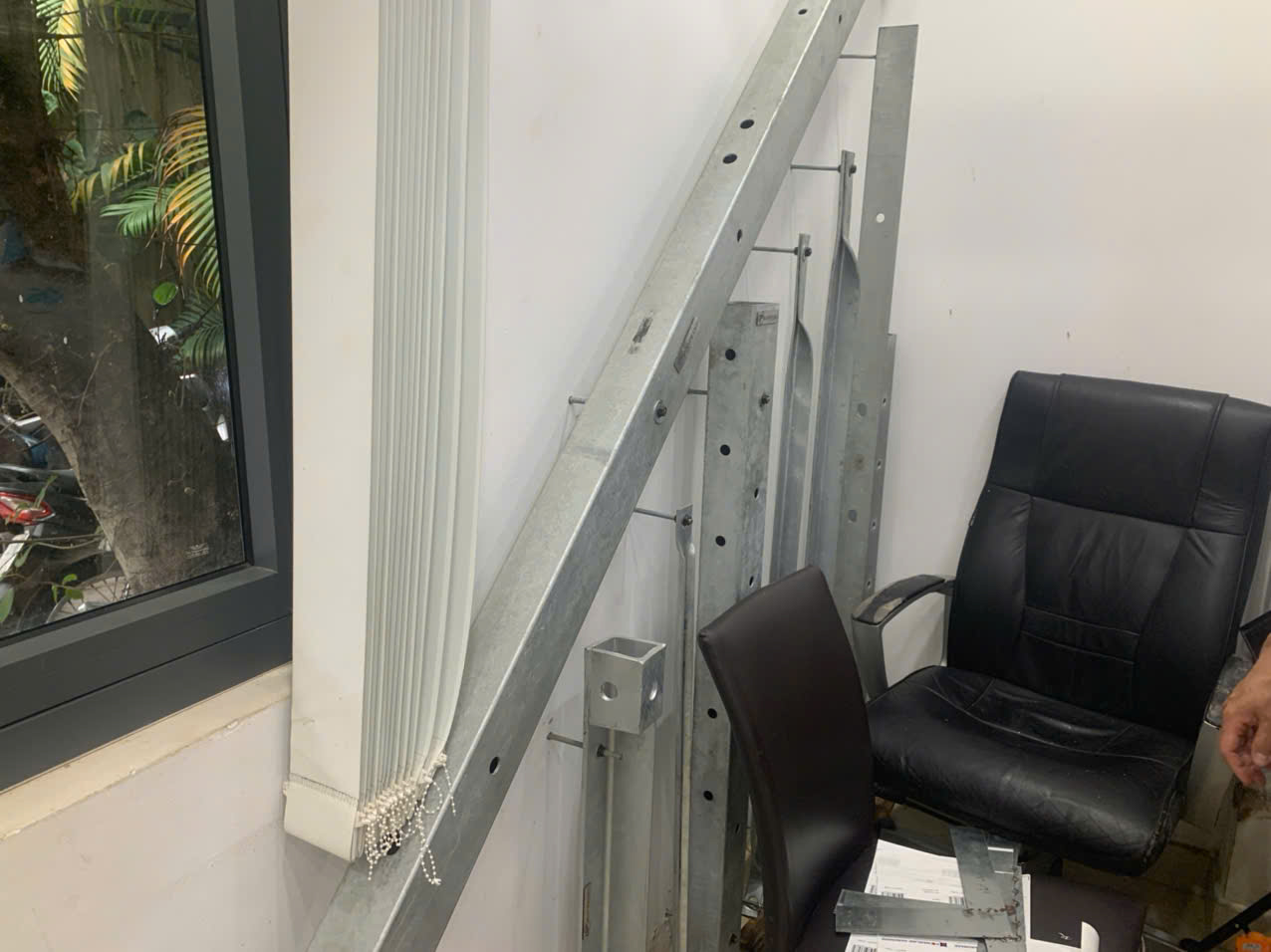
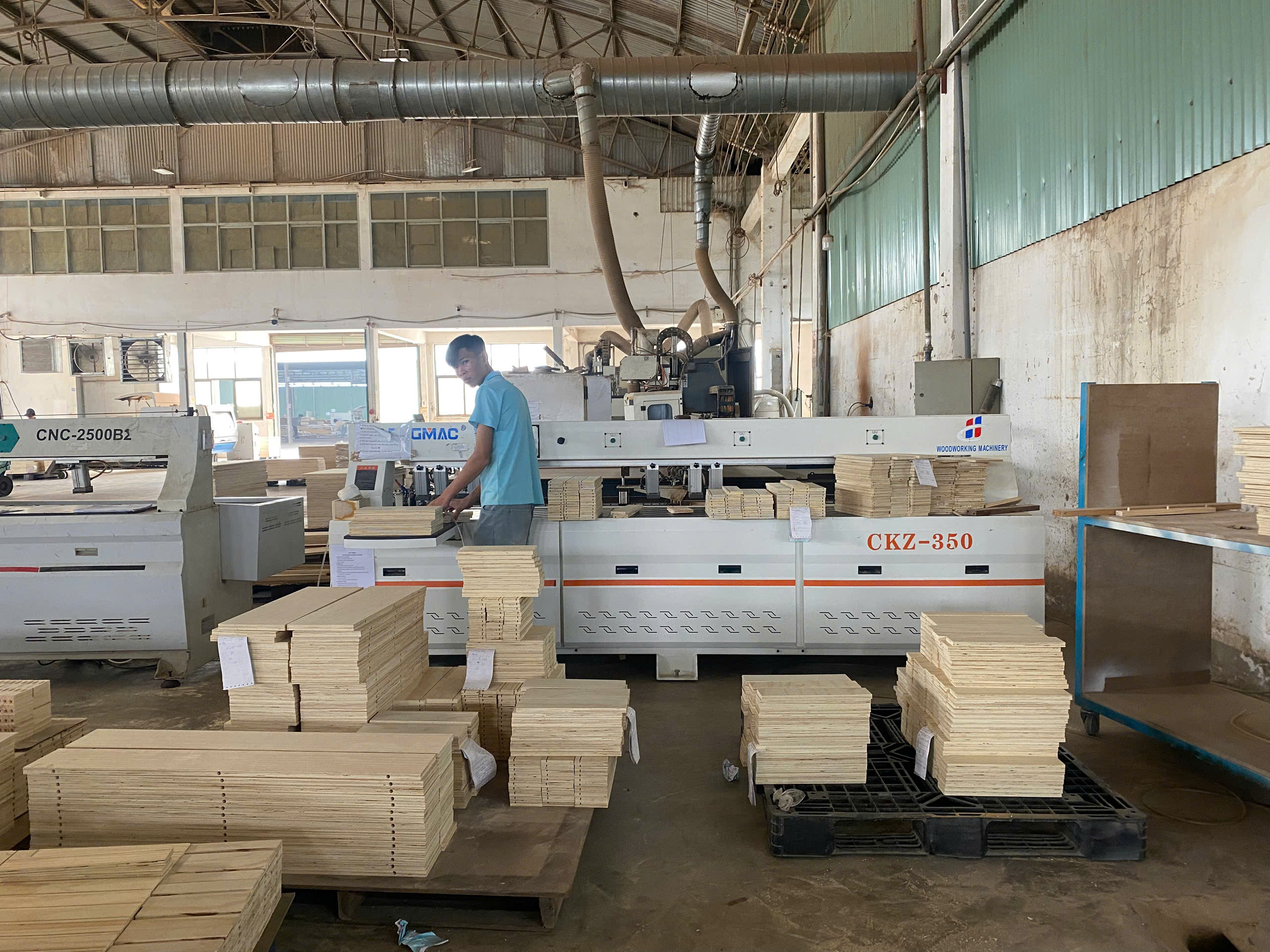
One rejected shipment of custom brackets nearly cost a longtime client their production schedule — that moment taught our team that risk resilience 1 in sheet metal fabrication suppliers is everything.
To evaluate risk resilience in sheet metal fabrication suppliers, assess their financial stability, quality management systems, operational redundancy, logistics capabilities, and engineering depth through continuous monitoring, not one-time audits, to ensure operational continuity and prevent costly supply chain disruptions.
This guide breaks down each critical dimension of supplier risk assessment. Whether you source custom parts from Vietnam, India, or Taiwan, these benchmarks will help you protect your supply chain and your bottom line.
How can I verify that my sheet metal supplier has the financial stability to support my credit payment terms?
A few years ago, we extended 60-day open account terms to a buyer whose previous supplier had just gone bankrupt mid-order. The buyer lost tooling, deposits, and three months of lead time. That story stays with me every time we onboard a new fabrication partner.
Verify a supplier's financial stability by reviewing audited financial statements, credit reports, debt-to-equity ratios, cash flow trends, and trade references. A financially healthy supplier can reliably support 60–90 day payment terms without compromising production quality or delivery timelines.
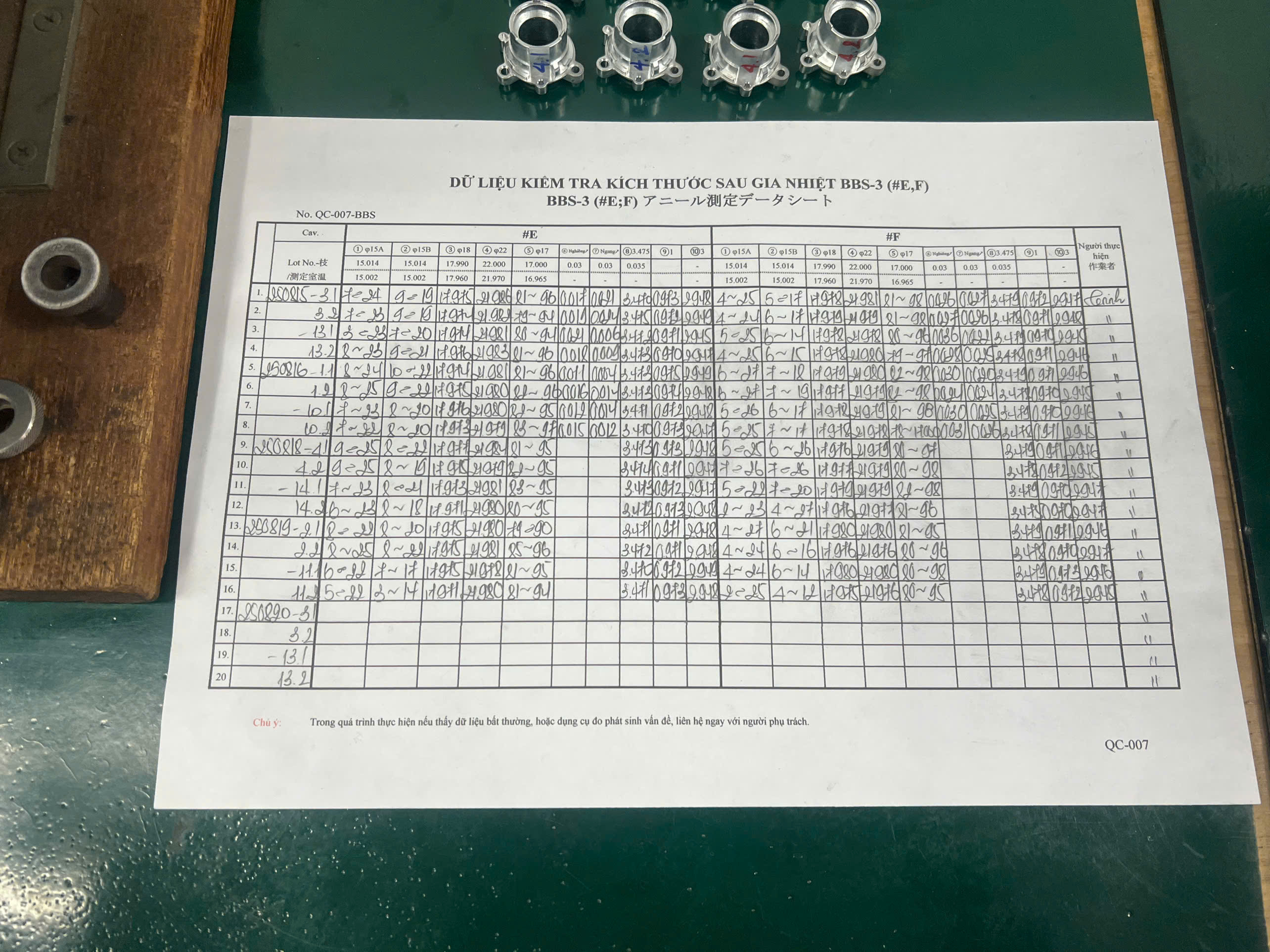
Why Financial Health Assessment Matters for Custom Parts Buyers
When you buy custom sheet metal parts on credit, you are lending money to your supplier. If that supplier runs out of cash, your order stalls. Tooling may disappear. Raw material availability drops because the supplier cannot pay its own vendors. I have seen this happen more than once with fabricators in Southeast Asia.
A proper financial health assessment goes beyond asking for a bank reference. You need to dig into the supplier's cash flow, not just its revenue. Revenue can look strong while the company bleeds cash. Our Singapore office routinely pulls credit reports from third-party agencies for every new fabrication partner we evaluate. We also request audited financials when the order value justifies it.
Key Financial Metrics to Review
Here is a practical table of the financial indicators we track:
| Financial Metric | What It Reveals | Red Flag Threshold |
|---|---|---|
| Current Ratio | Ability to cover short-term debts | Below 1.0 |
| Debt-to-Equity Ratio 2 | Leverage and financial risk | Above 3.0 |
| Cash Flow from Operations 3 | Real cash generation | Negative for 2+ quarters |
| Days Payable Outstanding | How quickly they pay their own suppliers | Over 90 days |
| Revenue Trend (3 years) | Growth or decline trajectory | Declining year-over-year |
| Credit Score (D&B or equivalent) | Overall creditworthiness | Score below 40 out of 100 |
Practical Steps We Take
First, we ask for at least two years of audited financial statements 4. If a fabricator refuses, that is a signal. Second, we run a Dun & Bradstreet or local equivalent credit check. Third, we contact trade references — specifically raw material suppliers — to see if the fabricator pays on time. A fabricator that delays payments to its steel or aluminum suppliers will eventually delay your order.
We also look at the supplier's customer concentration. If one client accounts for more than 50% of the fabricator's revenue, that is a risk. Losing that client could destabilize the entire operation.
For buyers who need 60–90 day payment terms, financial stability 5 is not optional. It is the foundation. Without it, every other evaluation — quality, logistics, engineering — becomes irrelevant.
What quality control benchmarks should I look for to ensure my custom fabrications are right the first time?
The most expensive bracket we ever handled was not the most complex one. It was a simple L-bracket that a previous fabricator produced with the wrong bend radius — three times. The rework cost exceeded the original order value, and the buyer's customer nearly pulled the contract.
Look for ISO 9001 certification, documented inspection plans, First Article Inspection (FAI) reports, in-process controls at every forming stage, and a formal PPAP process. These benchmarks ensure your custom sheet metal parts meet drawing requirements the first time, eliminating costly rework.
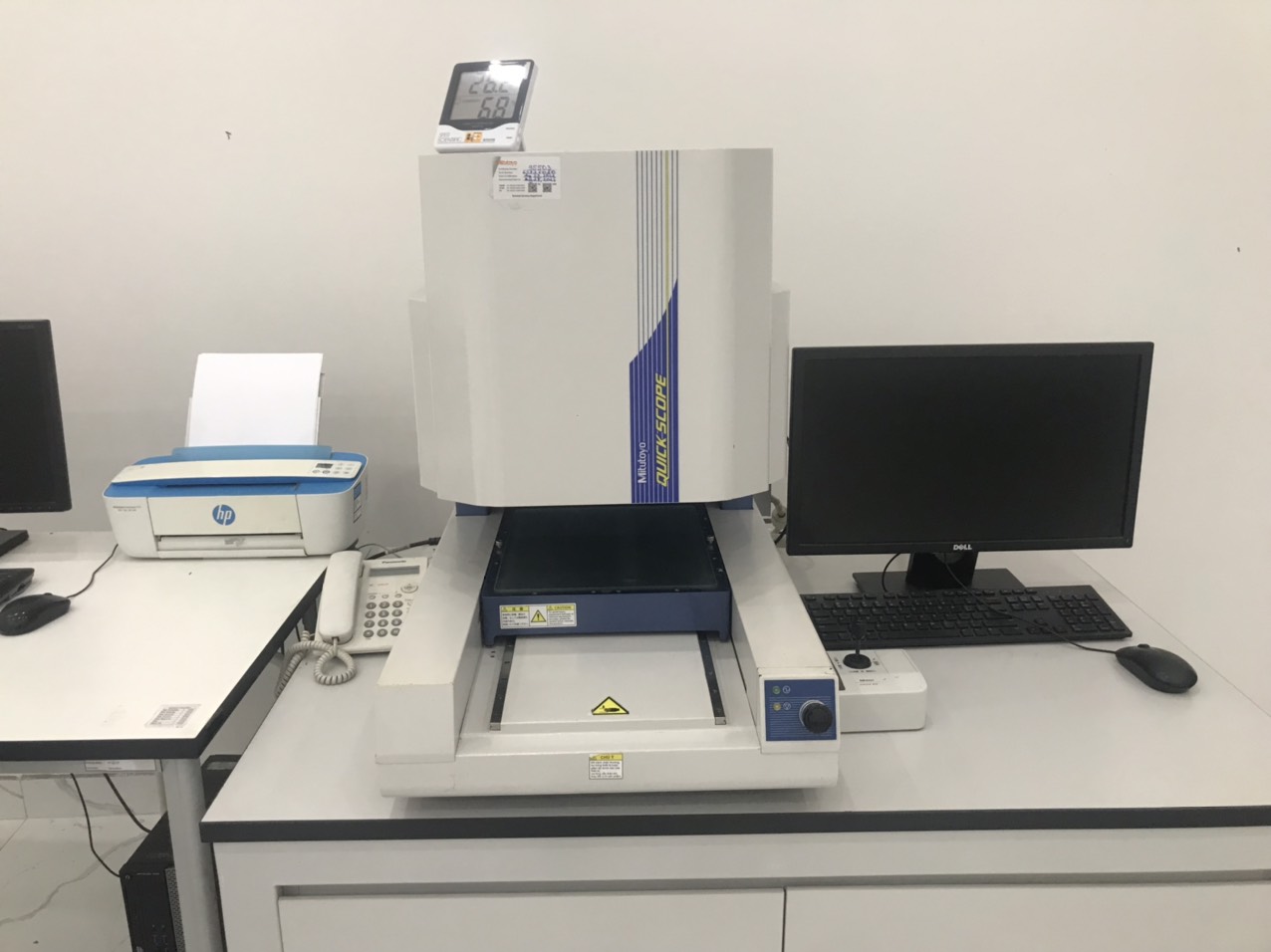
What "Right First Time" Actually Requires
Getting a custom fabrication right the first time is not about luck. It is about process. When our team in Vietnam manages a new sheet metal project, we break quality control into three stages: pre-production, in-process, and final inspection. Each stage has specific checkpoints tied directly to the customer's drawing.
Quality control issues in sheet metal fabrication usually fall into a few predictable categories: dimensional errors from incorrect tooling setup, surface finish defects from improper handling, and material mix-ups. A fabricator with strong process controls catches these before parts ship.
The Quality Benchmark Comparison
| Quality Benchmark | What It Covers | Why It Matters |
|---|---|---|
| ISO 9001 Certification 6 | Quality management system framework | Proves the supplier has documented, repeatable processes |
| First Article Inspection (FAI) 7 | Detailed measurement of first production part | Confirms tooling and setup produce conforming parts before full run |
| PPAP (Production Part Approval Process) | Formal approval of production process | Validates that the supplier can consistently reproduce the part |
| In-Process Inspection | Checks at cutting, bending, welding stages | Catches defects early, before value is added |
| Final Inspection Report | 100% or AQL sampling before shipment | Last gate to prevent non-conforming parts from shipping |
| Material Certification (Mill Cert) | Verifies raw material grade and properties | Ensures the correct alloy, thickness, and temper are used |
How We Manage This for Our Clients
Our approach starts before production. We review the customer's drawings with the fabricator's engineering team. We flag critical dimensions, GD&T callouts, and surface finish requirements. We create an inspection plan that lists every measurement, the instrument to be used, and the acceptance criteria.
During production, our team conducts in-process checks. For sheet metal, this means verifying bend angles after each forming operation, checking hole positions after punching or laser cutting, and confirming weld quality against AWS or equivalent standards. We use calibrated tools — CMMs, calipers, gauges — and record every measurement.
The PPAP process 8 is where many suppliers fall short. A proper PPAP includes a control plan, process flow diagram, measurement system analysis, and capability study. When a buyer asks us for PPAP documentation, we ensure the fabricator completes every element, not just the dimensional report.
Supplier performance metrics for quality should include defect rate (PPM), first-pass yield, and customer complaint frequency. We track these monthly. If a fabricator's defect rate rises above our threshold, we escalate immediately and implement corrective actions before the next shipment.
How do I evaluate a fabricator's ability to manage logistics and prevent delays in my international supply chain?
Last quarter, a container of custom steel housings sat at a Vietnamese port for eleven days because the fabricator submitted incorrect HS codes on the commercial invoice. The buyer's production line in Ohio ran out of parts. That single documentation error cascaded into a week of downtime and tens of thousands of dollars in lost output.
Evaluate a fabricator's logistics capability by examining their export documentation accuracy, freight forwarder relationships, average lead time variability, packaging standards, and contingency plans for port delays or shipping disruptions. Consistent on-time delivery requires end-to-end supply chain visibility, not just fast production.
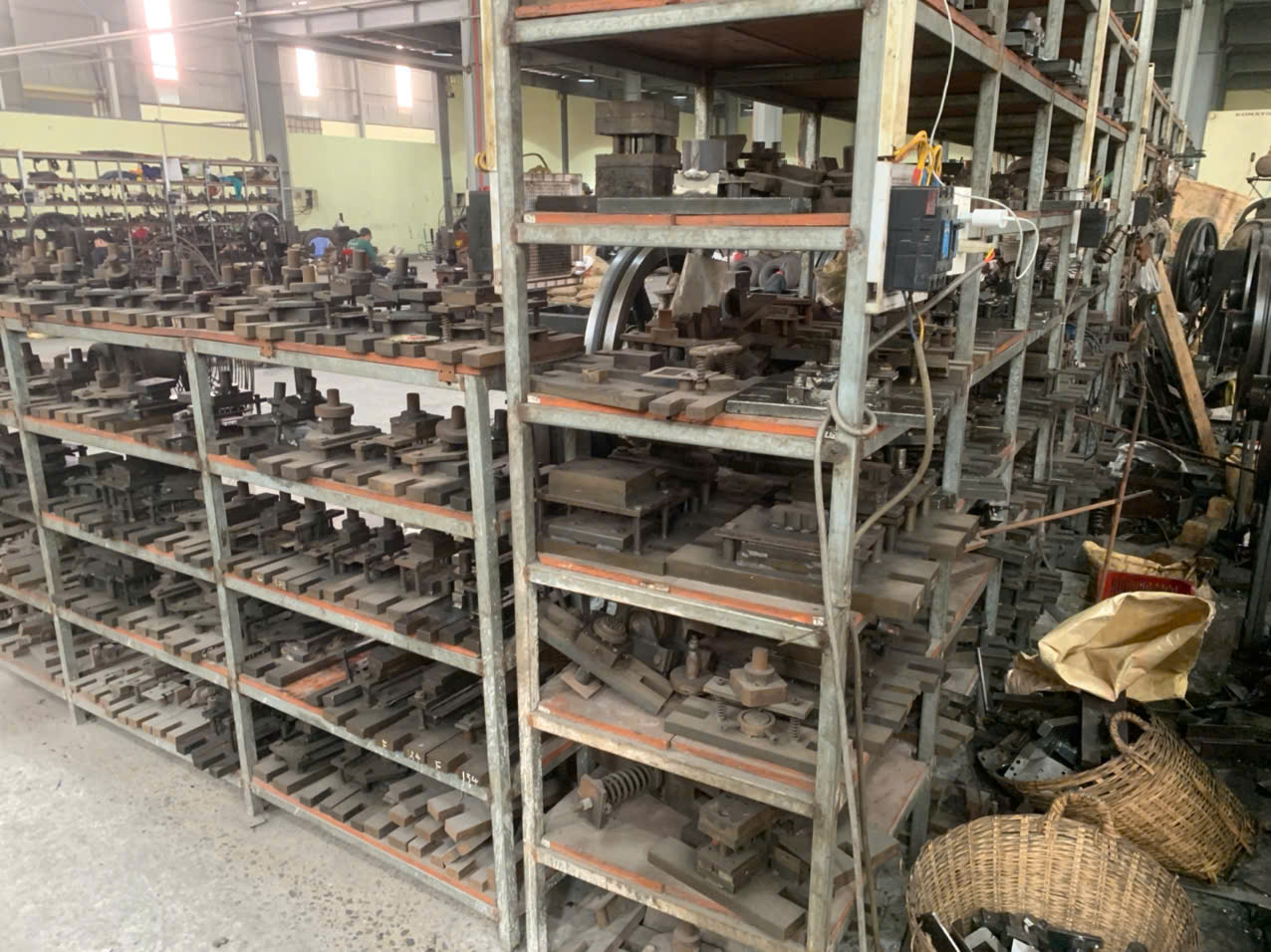
Breaking Down Logistics Risk in International Supply Chains
Lead time variability is one of the biggest pain points for U.S. buyers sourcing from Asia. Production might finish on schedule, but the part still arrives late. The gap between "production complete" and "delivered to your dock" is where most delays hide.
Our logistics team manages door-to-door delivery for every project. We coordinate with freight forwarders, handle export customs clearance, and track containers in real time. This gives our clients full supply chain visibility 9 from the factory floor to their receiving dock.
Here are the logistics risk factors we evaluate when qualifying a fabricator:
Logistics Risk Evaluation Framework
| Logistics Factor | Evaluation Method | What Good Looks Like |
|---|---|---|
| Export Documentation Accuracy 10 | Review past commercial invoices, packing lists, certificates of origin | Less than 1% error rate; dedicated export documentation staff |
| Average Lead Time (Order to Delivery) | Track historical data across 10+ shipments | Consistent within ±3 days of quoted lead time |
| Packaging Standards | Inspect packaging for transit damage prevention | Custom crating for heavy parts; rust inhibitors for steel; moisture barriers |
| Freight Forwarder Relationships | Ask about established partnerships | Long-term contracts with 2+ forwarders for redundancy |
| Port Proximity | Map factory location to nearest export port | Within 100 km for truck transit reliability |
| Contingency Plans for Disruptions | Request documented backup logistics plans | Alternative ports, air freight escalation protocols, safety stock options |
Why a Diversified Supplier Base Helps Logistics
When you rely on a single fabricator in a single country, one port closure or one trucking strike can halt your supply. We advise our clients to maintain a diversified supplier base across at least two countries. Our network spans Vietnam, Taiwan, India, and other Asian markets outside of China, which gives buyers geographic options if one corridor experiences disruption.
We also maintain higher safety stock recommendations for critical parts. This buffer absorbs lead time variability without forcing the buyer into emergency air freight, which can cost five to ten times more than ocean shipping.
Real-Time Tracking and Communication
A fabricator that cannot tell you where your parts are — at any given moment — is a risk. We provide weekly status updates during production and daily tracking updates once parts ship. Our clients access shipment tracking links and estimated arrival dates in real time. This level of communication prevents surprises and allows buyers to adjust their own production schedules proactively.
Manufacturing risk management in logistics also means planning for the unexpected. We build buffer days into every shipment timeline. We identify backup ports. We pre-clear documentation with customs brokers before the container even reaches the port. These steps are not glamorous, but they prevent the delays that cost real money.
Can I trust a supplier outside of China to meet my complex engineering requirements and material standards?
When we first set up our Vietnam office seven years ago, the most common question from U.S. buyers was exactly this: "Can anyone outside China actually make these parts?" The skepticism was fair. China had decades of manufacturing density and engineering talent. But the landscape has shifted, and the answer today is more nuanced than most buyers expect.
Yes, qualified suppliers in Vietnam, Taiwan, and India can meet complex engineering requirements and material standards when they have skilled engineering teams, advanced CNC and forming equipment, traceable material sourcing, and a rigorous co-development process that reviews every drawing detail before production begins.
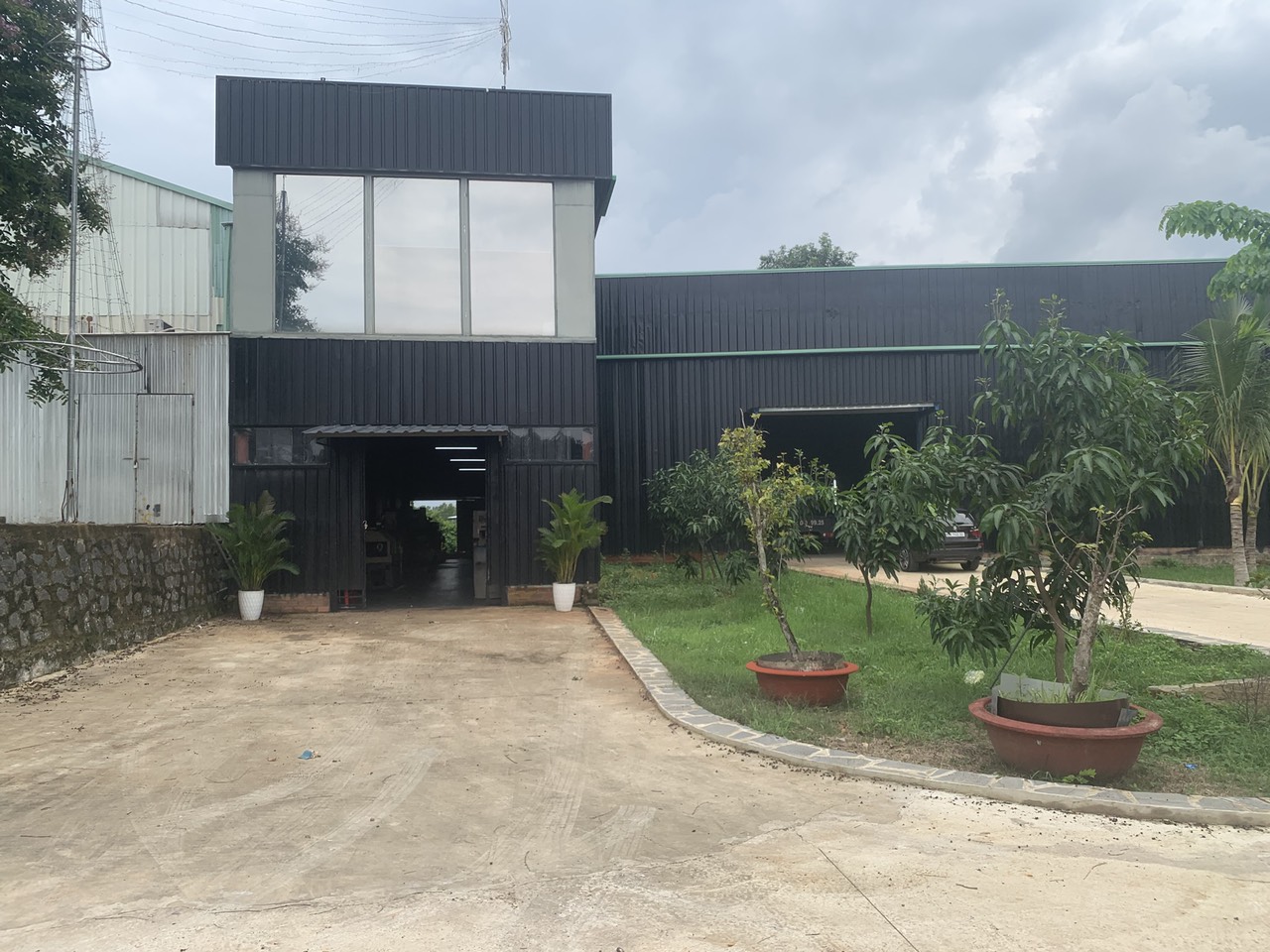
The Engineering Capability Question
Complex sheet metal fabrication involves tight tolerances, multi-step forming sequences, weld quality requirements, and specific material grades. A part like the mirrored mounting brackets we produce — with precise folds, sharp bends, irregular cutouts, and multiple mounting holes — demands engineering capability at every step.
The key is not geography. It is process. A fabricator in Vietnam with a strong engineering team, modern laser cutters, CNC press brakes, and welding-certified operators can produce the same part as a factory in Shenzhen. What matters is whether the supplier has the systems to translate a complex drawing into a repeatable production process.
How We Evaluate Engineering Depth
Our supplier audit process tests engineering capability directly. We do not just ask if a fabricator can read drawings. We give them a sample drawing and ask them to produce a process plan. We evaluate:
- Can they identify critical dimensions and GD&T callouts?
- Do they propose the correct forming sequence to avoid spring-back errors?
- Can they select the right tooling for the specified bend radii?
- Do they flag potential manufacturability issues before quoting?
A fabricator that raises questions about a drawing is often more capable than one that simply says "no problem." Our experience managing co-development projects has shown that early engineering dialogue prevents downstream quality control issues.
Material Standards and Traceability
Material traceability is non-negotiable. Every sheet of steel, aluminum, or stainless used in our projects comes with a mill certificate that verifies grade, thickness, chemical composition, and mechanical properties. We verify that the fabricator's incoming inspection process checks these certificates against the purchase order before material enters production.
For buyers in aerospace, defense, or automotive-adjacent industries, material standards like ASTM, JIS, or EN specifications are mandatory. We confirm that the fabricator sources from approved mills and maintains batch traceability through the entire production process. Raw material availability can fluctuate, so we also verify that the fabricator has relationships with multiple mills to avoid single-source dependency.
Comparing Capabilities Across Asian Markets
Buyers often ask us how Vietnam, Taiwan, and India compare for sheet metal fabrication. Here is a general comparison based on our direct experience:
| Capability Area | Vietnam | Taiwan | India |
|---|---|---|---|
| CNC Laser Cutting | Strong and growing | Excellent | Moderate to strong |
| Precision Bending (±0.1mm) | Available at top-tier shops | Widely available | Available at select shops |
| TIG/MIG Welding Quality | Good with certified operators | Excellent | Variable; audit-dependent |
| Material Traceability | Improving; requires verification | Strong systems in place | Improving; requires verification |
| Engineering Co-Development | Growing capability | Strong | Strong in select sectors |
| Cost Competitiveness | High | Moderate | High |
| Lead Time (to U.S. West Coast) | 25–35 days ocean | 18–25 days ocean | 30–40 days ocean |
No single country is perfect for every project. The right choice depends on part complexity, volume, material requirements, and delivery urgency. Our role is to match each project to the fabricator best suited for it — and then manage the process to ensure the result meets the buyer's standards.
Contingency plans should include pre-qualified backup fabricators in at least one alternative country. This is a core principle of manufacturing risk management. We maintain qualified suppliers in multiple markets so that if one fabricator faces disruption — whether from power outages, labor shortages, or raw material constraints — we can redirect production without starting the qualification process from scratch.
Conclusion
Evaluating risk resilience in sheet metal fabrication suppliers requires systematic assessment of financial health, quality systems, logistics capability, and engineering depth — backed by continuous monitoring and a diversified supplier base, not one-time audits.
Frequently Asked Questions
How can I verify that my sheet metal supplier has the financial stability to support my credit payment terms?
A few years ago, we extended 60-day open account terms to a buyer whose previous supplier had just gone bankrupt mid-order. The buyer lost tooling, deposits, and three months of lead time. That story stays with me every time we onboard a new fabrication partner.
What quality control benchmarks should I look for to ensure my custom fabrications are right the first time?
The most expensive bracket we ever handled was not the most complex one. It was a simple L-bracket that a previous fabricator produced with the wrong bend radius — three times. The rework cost exceeded the original order value, and the buyer's customer nearly pulled the contract.
How do I evaluate a fabricator's ability to manage logistics and prevent delays in my international supply chain?
Last quarter, a container of custom steel housings sat at a Vietnamese port for eleven days because the fabricator submitted incorrect HS codes on the commercial invoice. The buyer's production line in Ohio ran out of parts. That single documentation error cascaded into a week of downtime and tens of thousands of dollars in lost output.
Footnotes
1. Replaced HTTP 404 link with an authoritative article on supply chain resilience from IBM. ↩︎
2. Provides a clear definition and explanation of the Debt-to-Equity Ratio as a financial leverage metric. ↩︎
3. Replaced HTTP 404 link with an authoritative Wikipedia page defining Operating Cash Flow. ↩︎
4. Explains the importance and purpose of audited financial statements for accuracy and compliance. ↩︎
5. Defines financial stability for businesses and its role in a well-functioning economy. ↩︎
6. Official information on ISO certification, explaining its meaning and purpose. ↩︎
7. Explains what First Article Inspection (FAI) is and its importance in manufacturing quality control. ↩︎
8. Replaced HTTP 404 link with a detailed explanation of the PPAP process from Quality-One. ↩︎
9. Explains what supply chain visibility is and its importance for tracking goods in real-time. ↩︎
10. Replaced HTTP 404 link with an official U.S. government page on common export documents. ↩︎