

Evaluating sheet metal fabrication supplier capabilities is something our team handles weekly — and getting it wrong costs clients months of delays and thousands in scrap.
To evaluate sheet metal fabrication supplier capabilities, you must systematically assess their quality management system, manufacturing capabilities, industry certifications, production capacity, lead time reliability, workforce qualifications, communication practices, and financial stability — then validate everything through facility audits and pilot projects.
Below, I will walk you through the exact criteria and methods we use to vet fabrication partners across Vietnam and Asia. Each section covers a specific dimension of supplier evaluation so you can build your own supplier audit checklist.
How can I verify that a sheet metal supplier's quality control process will meet my strict engineering requirements?
A lesson we learned early: a supplier can show you a beautiful factory and still ship parts that fail incoming inspection. Quality control verification requires digging far deeper than a certificate on a wall.
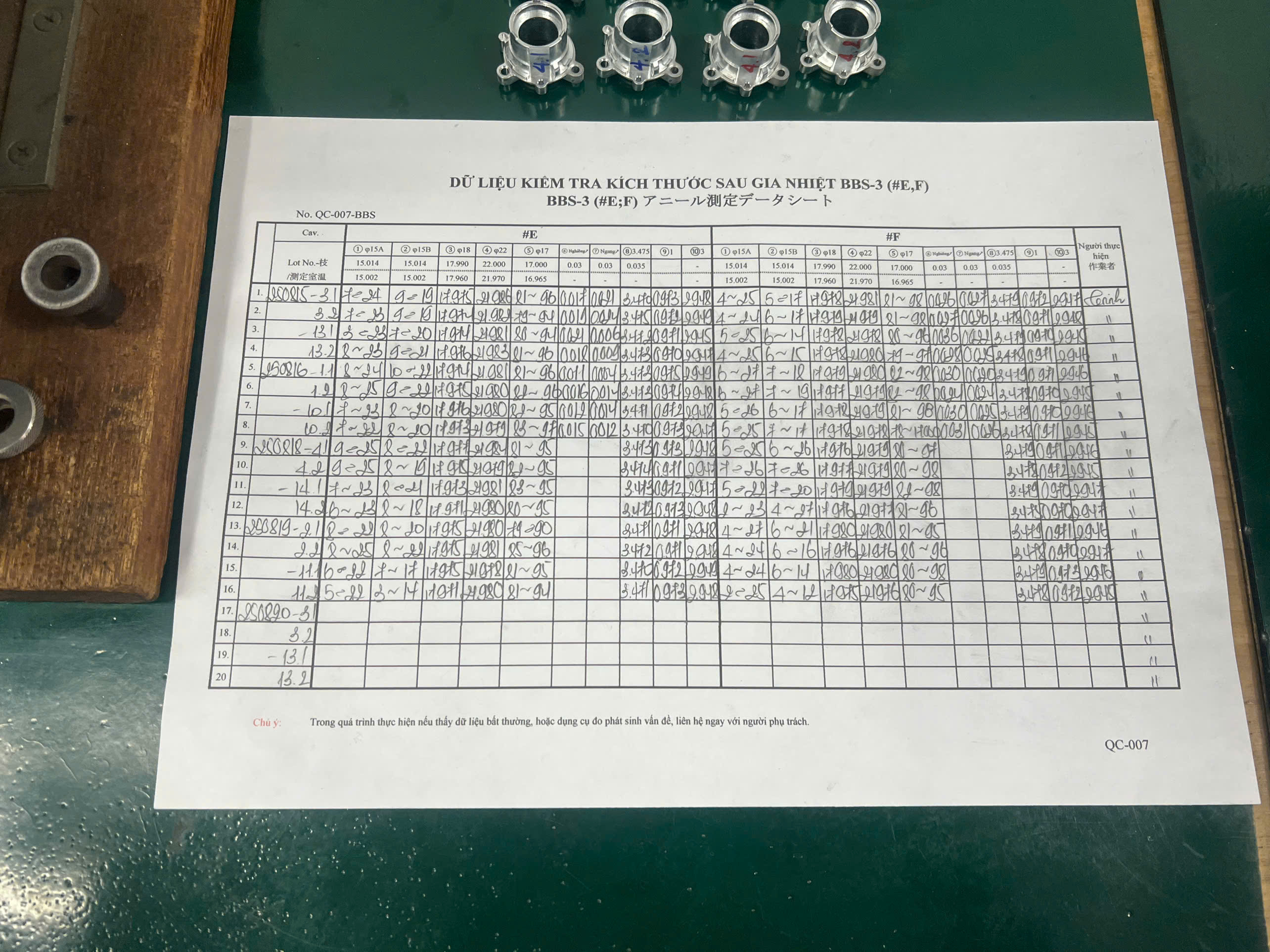
Verify a supplier's quality control by requesting their documented inspection protocols, confirming ISO 9001 or other industry certifications, reviewing their in-house inspection equipment list, asking for sample PPAP packages, and checking their defect rate history with customer references.
Start With Certifications — But Don't Stop There
Industry certifications tell you a supplier has built a quality management system 1. ISO 9001 is the baseline. For medical devices, look for ISO 13485. For automotive, IATF 16949 2 matters. But a certificate alone does not guarantee your parts will be right.
When our Vietnam office audits a sheet metal supplier, we look at how the system actually works on the shop floor. Are operators following work instructions? Are calibration records current? Is there a clear nonconformance process? These details reveal whether the certification is lived or just laminated.
What Inspection Equipment Should They Have?
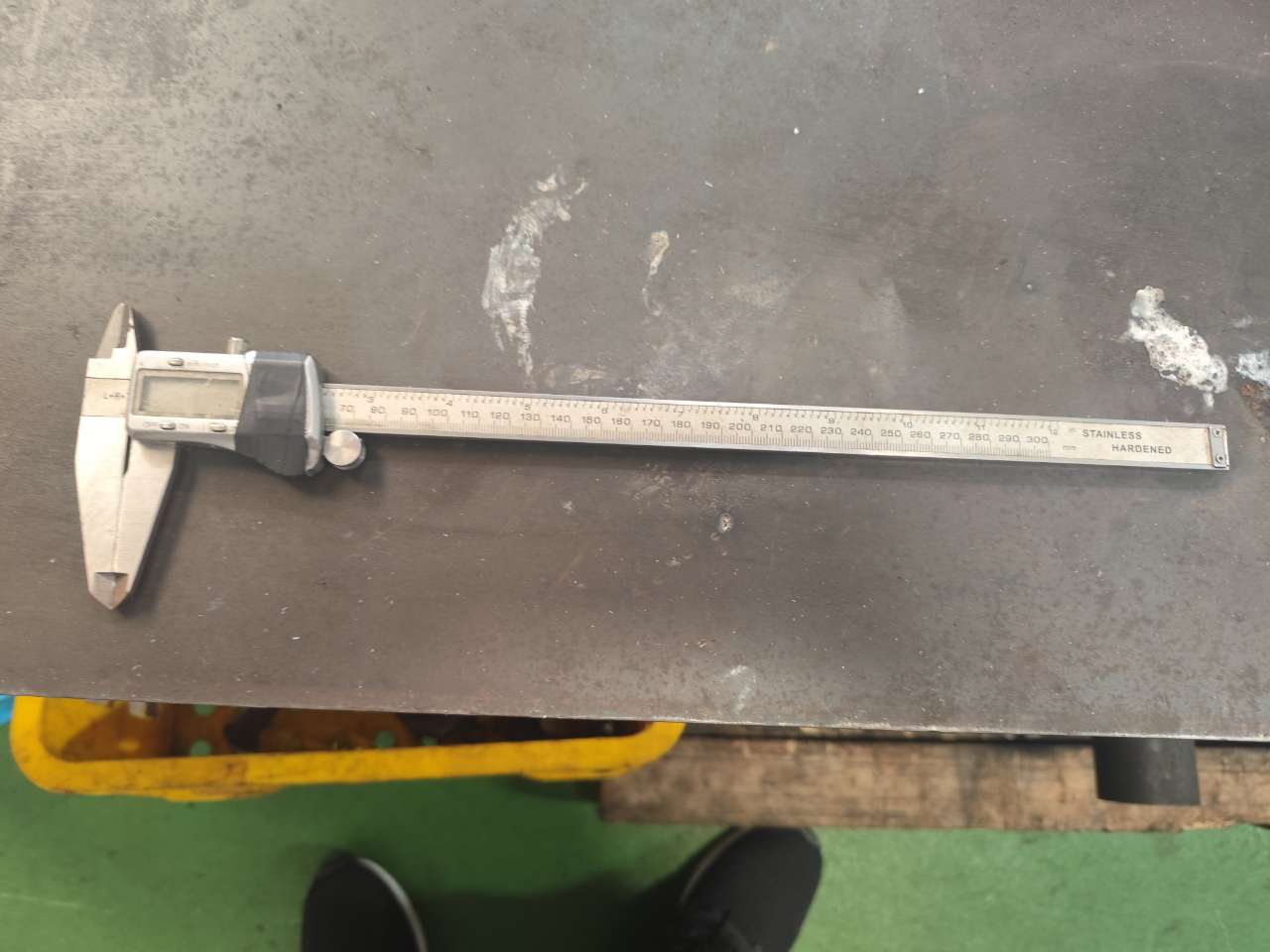
The right equipment depends on your tolerances. Typical sheet metal tolerances range from ±0.1 mm to ±0.5 mm depending on the process and material. Here is a quick reference:
| Tolerance Level | Typical Range | Required Inspection Tools |
|---|---|---|
| Standard | ±0.5 mm | Calipers, go/no-go gauges |
| Moderate | ±0.2 mm | Height gauges, optical comparators |
| Tight | ±0.1 mm | CMM (Coordinate Measuring Machine), laser scanners |
Ask your supplier for their equipment list. If they claim tight tolerances but lack a CMM, that is a red flag. For a deeper dive into what tolerances you should expect, see our guide on standard precision and tolerance ranges for sheet metal fabrication.
Request a Sample PPAP Package
A Production Part Approval Process 3 (PPAP) package shows you how a supplier documents their process. It includes control plans, measurement results, material certifications, and process flow diagrams. Any serious supplier will be familiar with PPAP. If they are not, consider it a warning sign.
In our experience, suppliers who embrace PPAP and process control rarely produce nonconforming parts. The discipline of documenting every step forces consistency. We routinely manage PPAP submissions for our U.S. clients because it is the fastest way to prove a supplier can deliver "right first time" results.
Check Defect Rate History
Ask potential suppliers for their internal defect rate and their customer return rate. A well-run shop tracks both. Compare these numbers across your shortlist. Also ask for customer references and actually call them. Ask those references specifically about quality consistency over time — not just the first shipment, but the tenth and the fiftieth.
What should I look for to ensure my fabrication partner has the technical expertise to handle my complex project drawings?
One of our engineers once spent three days reviewing a supplier's first article samples only to discover they had ignored a critical GD&T callout on the drawing. The parts looked fine visually but failed functionally. Technical expertise goes beyond owning machines.
Look for experienced engineers who can review your drawings for design for manufacturability, modern CNC and laser cutting equipment, proven welding capabilities, a track record with similar materials and complexities, and the ability to provide DFM feedback before production starts.
Evaluate Their Equipment and Processes
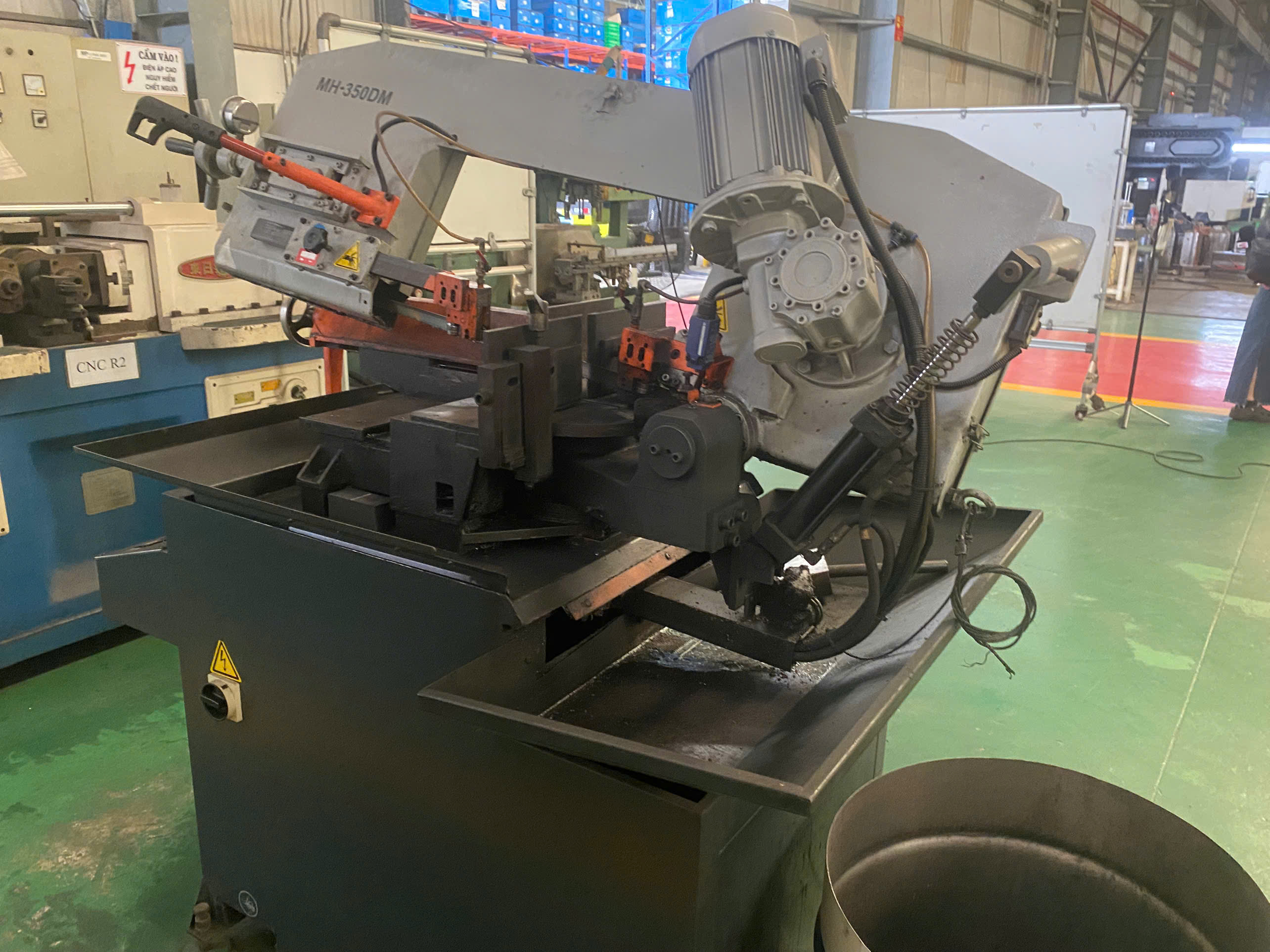
Sheet metal fabrication involves multiple processes. Your supplier needs the right machines for each step. Here is what to check:
| Process | Key Equipment | What to Verify |
|---|---|---|
| Cutting | Fiber laser cutter, turret punch | Max thickness capacity, cutting accuracy |
| Bending | CNC press brake (50–500+ tons) | Tonnage range, max bend length, angle accuracy |
| Welding | TIG, MIG, robotic welding cells | Certified welders, weld quality standards |
| Finishing | Powder coating line, plating facility | In-house vs. outsourced, finish options |
| Assembly | Riveting, hardware insertion | Tooling availability, assembly fixtures |
Press brake tonnage matters more than people realize. A 50-ton brake cannot handle a 3 mm stainless steel part that requires a long bend. Ask about their tonnage range and whether they have backup machines. Equipment redundancy prevents delays when a machine goes down.
DFM Capability Is Non-Negotiable
Design for manufacturability 5 feedback is where a good supplier separates itself from a mediocre one. Before cutting any metal, a qualified partner should review your drawings and flag potential issues: bend radii that are too tight for the material, features too close to bend lines, or tolerances that will drive cost without adding function.
Our project managers coordinate DFM reviews between the client's engineering team and the supplier's shop floor team. This step alone eliminates most first-article failures. It also builds trust — a supplier who proactively suggests improvements demonstrates genuine technical expertise.
Workforce Qualifications Matter
Machines do not run themselves. Ask about operator experience levels. Are their welders certified to AWS or equivalent standards? How long have their press brake operators been running parts? A clean, organized shop floor usually signals a disciplined workforce. When we visit factories in Vietnam, we look at how operators handle parts, how tooling is stored, and whether work instructions are posted at each station.
Digital manufacturing platforms are making it easier to get instant quotes and DFM feedback. Companies like RapidDirect operate 20,000 m² factories with 50+ partner facilities, offering lead times as short as 3 days. But for complex, high-tolerance custom parts, human expertise still matters more than automated quoting.
How do I evaluate the production capacity and lead time reliability of a sheet metal manufacturer in Vietnam?
A buyer we work with once told me his previous Vietnam supplier quoted 4-week lead times but delivered in 8. He lost a major contract because of it. Production capacity 6 and lead time reliability are not just operational details — they are business-critical.
Evaluate production capacity by reviewing equipment counts, shift schedules, and current utilization rates. Assess lead time reliability by requesting on-time delivery records, checking customer references, and starting with a pilot project to test real-world performance before committing to large orders.
Understanding Real Capacity vs. Claimed Capacity
Many suppliers quote their theoretical maximum capacity. Real capacity is different. It accounts for maintenance downtime, rework, material delays, and existing order backlogs. When our team in Vietnam conducts supplier audits, we ask three questions:
- How many shifts do you run?
- What is your current utilization rate?
- What is your largest order in the past 12 months, and did you deliver on time?
A factory running two shifts at 80% utilization has limited room for a large new order. A factory running one shift at 60% has growth potential. These numbers tell you more than any sales presentation.
Lead Time Benchmarks for Vietnam
Lead times in Vietnam vary based on part complexity, batch size, and material sourcing. Here is a general benchmark:
| Order Type | Typical Lead Time (Vietnam) | Factors That Extend It |
|---|---|---|
| Prototype (1–5 pieces) | 5–10 business days | Custom material procurement, complex geometry |
| Small batch (50–500 pieces) | 2–4 weeks | Surface finishing, tight tolerances |
| High volume (1,000+ pieces) | 4–8 weeks | Tooling fabrication, multi-process routing |
Material sourcing is a hidden variable. If your project requires a specific grade of stainless steel or aluminum alloy that is not commonly stocked in Vietnam, add 1–3 weeks for material procurement. Ask your supplier where they source raw materials and whether they maintain stock of common grades. Understanding how prototyping and mass production differ in sheet metal fabrication can also help you set realistic expectations for each order type.
How to Verify On-Time Delivery Claims
Do not take a supplier's word for their delivery record. Here is a simple verification process:
- Request their OTD metric. A good supplier tracks on-time delivery rate monthly. Look for 90% or higher.
- Call their customer references. Ask specifically: "Did they deliver on time? If not, how did they handle the delay?"
- Check their project management system. Do they use ERP software to track orders? Do they provide proactive status updates? A supplier who only communicates when you chase them is a supplier who will miss deadlines.
- Run a pilot project. Before placing a full production order, send a small batch to test their real performance. This is the single most reliable way to evaluate lead time reliability 7.
Our Vietnam office coordinates pilot projects as a standard step before onboarding any new supplier. It takes a few extra weeks upfront but prevents months of pain later.
The Local vs. Overseas Trade-Off
There is a real debate about sourcing locally versus overseas. A U.S. domestic supplier offers faster shipping and easier communication. A Vietnam supplier offers significantly lower production costs. The key is finding an overseas partner with strong local project management. That is exactly why we maintain a 7-person team on the ground in Vietnam — to bridge the timezone and language gap that causes so many sourcing failures. If you are new to overseas sourcing, our article on what to consider when sourcing sheet metal fabrication for the first time covers the fundamentals.
Hybrid "factory + network" models are gaining traction. These models combine a core in-house factory with a vetted network of partner facilities, offering cost savings of up to 30% compared to Western platforms while maintaining quality oversight. The model works well when there is a strong project management layer coordinating everything.
Can I find a custom fabrication supplier that offers the flexible credit payment terms my business requires?
During a recent conversation with a U.S. purchasing manager, he put it bluntly: "I need 60-day terms. If a supplier can't do that, they're not in the running." Cash flow is a real constraint for sourcing companies, and payment terms often determine which suppliers make the shortlist.
Yes, you can find custom fabrication suppliers offering flexible credit payment terms such as net 30, net 60, or even net 90 — but this typically requires establishing trust through initial orders, demonstrating creditworthiness, and working with suppliers who have the financial stability to extend open account terms.
Why Payment Terms Matter in Fabrication Sourcing
Most Asian suppliers default to T/T (wire transfer) payment — often 30% deposit before production and 70% before shipment. This ties up your cash for weeks or months before you can invoice your own customer. For sourcing companies and distributors, this mismatch creates serious cash flow pressure.
The ability to offer open account terms — where you receive goods and pay 30, 60, or 90 days later — is a significant competitive advantage. Not every supplier can do this. It requires financial stability 8 and a willingness to absorb risk. At DEWIN, we offer credit payment terms to qualified clients specifically because we understand this pain point. Our Singapore headquarters provides the financial backing to extend these terms while our Vietnam and China teams handle production oversight.
How to Assess a Supplier's Financial Stability
Before trusting a supplier with credit terms — or trusting that they will stay in business through your product lifecycle — do some basic financial due diligence:
- Company age and track record. A supplier that has been operating for 10+ years is more likely to be financially stable.
- Facility ownership vs. rental. Owned facilities signal long-term commitment.
- Customer concentration. A supplier dependent on one or two large customers is riskier than one with a diversified client base.
- Industry reputation. Check reviews, testimonials, case studies, and any industry awards. Ask for customer references and actually contact them.
- Business continuity planning. Does the supplier have backup plans for supply chain disruptions, equipment failures, or workforce shortages?
Structuring a Payment Terms Agreement
Here is how credit terms typically evolve in a supplier relationship:
| Stage | Typical Payment Terms | Trust Level |
|---|---|---|
| First order | 100% T/T before shipment or L/C | New relationship |
| After 2–3 successful orders | 30% deposit, 70% net 30 | Building trust |
| Established relationship | Net 60 or net 90 open account | Proven track record |
The key is to demonstrate reliability on both sides. Pay your initial invoices on time. Communicate clearly about order forecasts. As trust builds, most financially stable suppliers will move toward more flexible terms.
The Full-Service vs. Specialized Supplier Decision
Some buyers prefer a one-stop shop that handles everything from cutting to coating to assembly. Others prefer specialized suppliers who excel at one process. Full-service suppliers simplify your supply chain but may not be best-in-class at every process. Specialized suppliers deliver precision in their niche but require you to manage multiple vendors.
There is no universal right answer. It depends on your project complexity and your internal capacity for supplier management. What I can say from experience is that working with a supply chain partner — someone who manages the specialized suppliers on your behalf — gives you the best of both worlds. You get access to niche expertise without the overhead of managing five different factories yourself.
Cybersecurity and IP Protection
One often-overlooked factor is data security. When you share CAD files and proprietary designs with a supplier, you need confidence that your intellectual property 9 is protected. Ask about their cybersecurity protocols. Do they use secure file transfer? Do they have NDAs as standard practice? For high-value or proprietary designs, this is not optional — it is essential.
Sustainability is also becoming a factor in supplier selection. ISO 14001 certification indicates a supplier follows environmental management standards. ESG (Environmental, Social, and Governance) compliance is increasingly required by end customers, especially in Europe. If your supply chain needs to meet these standards, verify them during the evaluation phase, not after you have committed to a supplier.
Conclusion
Evaluating sheet metal fabrication supplier capabilities takes structured effort — but it protects your quality, timeline, and budget. Start with a pilot project, verify everything on the ground, and build trust before scaling up.
Frequently Asked Questions
What Inspection Equipment Should They Have?
The right equipment depends on your tolerances. Typical sheet metal tolerances range from ±0.1 mm to ±0.5 mm depending on the process and material. Here is a quick reference:
How can I verify that a sheet metal supplier's quality control process will meet my strict engineering requirements?
A lesson we learned early: a supplier can show you a beautiful factory and still ship parts that fail incoming inspection. Quality control verification requires digging far deeper than a certificate on a wall.
What should I look for to ensure my fabrication partner has the technical expertise to handle my complex project drawings?
One of our engineers once spent three days reviewing a supplier's first article samples only to discover they had ignored a critical GD&T callout on the drawing. The parts looked fine visually but failed functionally. Technical expertise goes beyond owning machines.
Footnotes
1. ASQ provides a clear, authoritative definition and benefits of a QMS. ↩︎
2. Replaced with a Wikipedia page providing a comprehensive overview of IATF 16949. ↩︎
3. Replaced with a Wikipedia page offering a detailed explanation of the Production Part Approval Process (PPAP). ↩︎
4. Official ISO page explaining the globally recognized ISO 9001 standard for quality management. ↩︎
5. Defines DFM as strategies to simplify product design for efficient, cost-effective manufacturing. ↩︎
6. Defines production capacity as the maximum output a company can produce with available resources. ↩︎
7. Explains lead time in supply chain management and its importance for efficiency and customer satisfaction. ↩︎
8. Outlines key indicators and importance of assessing a company’s financial health for sustainability. ↩︎
9. Replaced with an authoritative page from the World Intellectual Property Organization (WIPO) explaining intellectual property. ↩︎