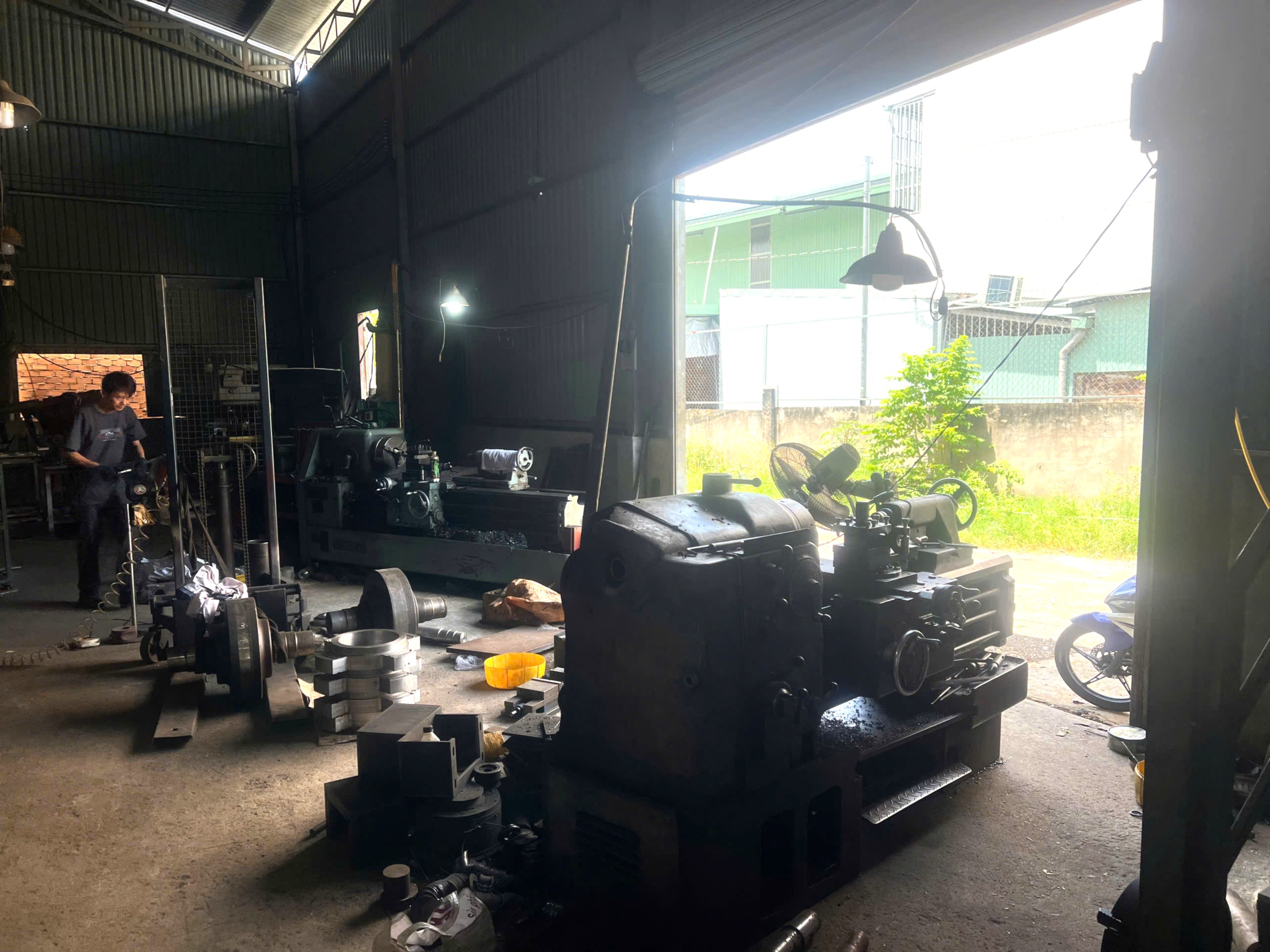

A rush order just landed on your desk, and your current sheet metal fabrication supplier says they need six weeks — when you need parts in ten days IATF 16949 1. I have watched this exact scenario unfold dozens of times while managing custom parts sourcing across Asia for U.S. buyers.
To evaluate sheet metal fabrication supplier flexibility for urgent orders, verify their capacity utilization (ideally 70–85%), confirm in-house capabilities across all critical processes, review their expedite fee structure (10–20% is standard), assess digital quoting speed, and validate quality certifications that hold firm under compressed timelines.
The difference between a supplier who can genuinely flex and one who just promises speed comes down to measurable indicators. Below, I break down exactly what to check — and the right questions to ask — before your next urgent order catches you off guard.
How can I verify if a sheet metal supplier has the actual machine capacity to handle my urgent production spikes?
A lesson we learned early in our Vietnam office: a supplier's sales team will almost always say "yes" to an urgent order. The real question is whether their shop floor can actually back up that promise without derailing other jobs.
Verify a supplier's true machine capacity by asking their current utilization rate (70–85% is ideal), touring their facility to count idle vs. running machines, reviewing their equipment list for redundancy, and requesting references from clients who have placed similar rush orders.
Why the 70–85% Utilization Range Matters
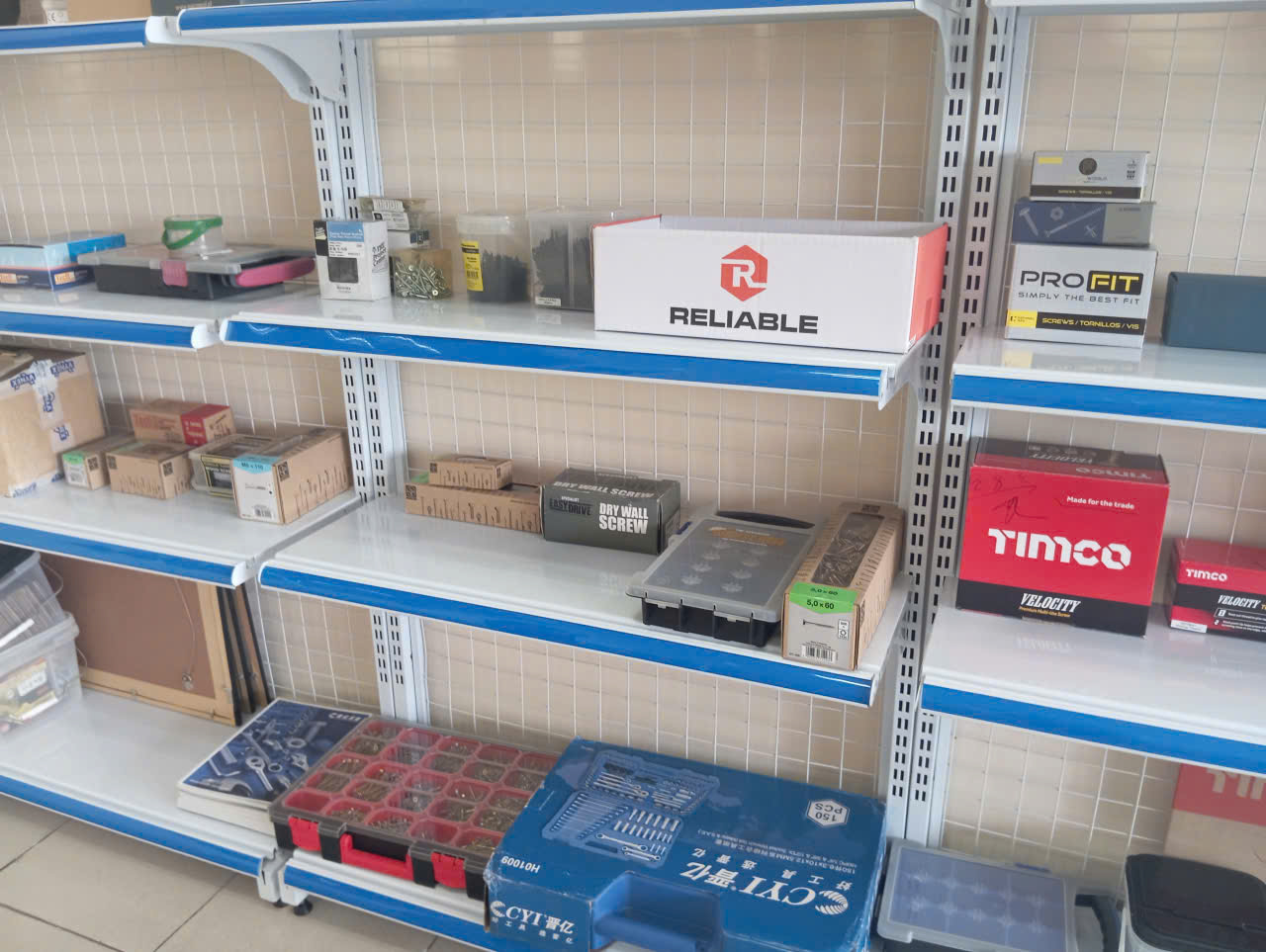
Capacity utilization 2 is the single most telling number a procurement team can request. A supplier running at 70–85% has enough buffer to absorb your urgent spike without pushing existing orders aside. At over 90%, there is almost no slack. Even a small disruption — a machine breakdown, a material delay — cascades into missed deadlines.
When our team audits sheet metal suppliers in Vietnam and across Asia, one of our first questions during a facility walkthrough is: "What percentage of your production capacity is currently committed?" If the answer is vague, that is a red flag.
| Utilization Range | Flexibility Level | What It Means for Your Rush Order |
|---|---|---|
| Below 70% | High buffer, but raises concerns | May indicate low demand; investigate financial stability |
| 70–85% | Ideal sweet spot | Enough buffer to absorb urgent spikes without quality risk |
| 85–90% | Limited flexibility | Can handle small rushes; large spikes will likely cause delays |
| Above 90% | Very low flexibility | High risk of missed deadlines; expedite requests may be declined |
Checking In-House Capabilities vs. Subcontracting
Production capacity is not just about machines sitting on the floor. It is about whether those machines cover the full process chain your parts need. For sheet metal fabrication, that typically includes laser cutting, bending/forming, welding, hardware insertion, surface finishing, and assembly.
I have seen situations where a supplier owns laser cutters and press brakes but subcontracts welding and powder coating. That subcontracting adds days — sometimes a full week — to lead times, and it removes your supplier's direct control over scheduling. For urgent orders, every handoff to an outside shop is a potential bottleneck.
Here is a practical question list we use during supplier evaluation:
- "What specific equipment and processes do you have in-house?"
- "Which processes, if any, are subcontracted?"
- "If we relax tolerances on non-critical features, can lead time be reduced?"
- "Do you have redundant machines for your most-used processes?"
Equipment Age and Agile Manufacturing Readiness
Modern CNC equipment with quick changeover capability is a hallmark of agile manufacturing 3. Older machines often require longer setup times, which eat into the time savings you need on a rush job. A cross-trained workforce that can operate multiple machines also matters — if one operator is absent, production should not stop.
During our supplier audits, we look for evidence of quick-changeover practices, documented setup procedures, and operators certified on multiple stations. These are concrete indicators that a supplier can reprioritize and execute an expedited order without a full day lost to tooling changes.
What indicators should I look for to ensure my supplier maintains strict QC standards during an expedited run?
One of the toughest trade-offs in our business is the tension between speed and quality. A U.S. client once told me: "I'd rather have parts two days late than spend three months sorting out a quality escape." That stuck with me, and it shapes how we vet suppliers for rush work.
Look for current ISO 9001 or industry-specific certifications (AS9100, IATF 16949), documented in-process inspection checkpoints that remain active during rush runs, calibrated inspection equipment such as CMMs, and a revision control system that ensures only the latest drawing is used — regardless of timeline pressure.

Certifications Are Non-Negotiable — Even Under Time Pressure
Quality management systems like ISO 9001 4 exist precisely for moments of stress. A certified supplier has documented procedures for every production step, and those procedures should not change just because a deadline moves up. When evaluating a supplier, ask to see their internal work instructions for expedited orders specifically. Some well-run shops have a separate expedite workflow that includes additional sign-off gates to prevent shortcuts.
For aerospace or medical custom parts, certifications like AS9100 5 or IATF 16949 add layers of traceability and process control that are critical. Skipping these for speed is not an option in regulated industries.
In-Process Inspection vs. End-of-Line Only
A common shortcut during rush production is to skip mid-process inspections and rely on a final check. This is dangerous. If a bending error occurs early in the run, an end-of-line inspection catches it only after dozens — sometimes hundreds — of parts are already wrong.
| Inspection Approach | Risk Level for Rush Orders | Recommended? |
|---|---|---|
| End-of-line inspection only | High — defects found too late | No |
| First-article + end-of-line | Moderate — catches setup errors early | Acceptable for simple parts |
| First-article + in-process + final | Low — issues caught at each stage | Yes, especially for complex parts |
| Automated optical / CMM at every stage | Lowest — data-driven, consistent | Ideal if supplier has the equipment |
In our quality control process, we insist on first-article inspection approval 6 before a full run starts, even on expedited orders. This single step has prevented countless reworks and returns for our clients.
Revision Control: The Silent Quality Killer
Here is a scenario I have seen more than once: an engineer updates a drawing, the buyer sends the new revision, but the shop floor is already running the old version. On a standard-timeline order, there is usually time to catch this. On a rush order, the parts ship before anyone notices.
Ask your supplier: "How do you manage drawing revisions? Do you use PLM or MRP software 7? Who is responsible for ensuring the shop floor has the current revision?" A strong supplier will have a digital system — not a manual folder of printed drawings — that locks in the correct revision before production begins.
Design for Manufacturability Reviews Under Time Constraints
Top-tier suppliers provide design for manufacturability feedback 8 even on rush jobs. A quick DFM review during quoting can flag issues like bend radii that require special tooling, tight tolerances that slow production, or material choices that extend procurement time. Addressing these upfront — even in a 30-minute call — can shave days off the total lead time.
How do I assess if a supplier's project management team will proactively communicate updates on my time-sensitive orders?
A buyer I work with in the Midwest once put it bluntly: "I don't mind problems. I mind finding out about them after it's too late to fix anything." That single sentence captures why proactive communication is the most underrated supplier evaluation criteria for urgent work.
Assess a supplier's communication capability by requesting a named project manager for your account, testing their response time during the RFQ phase (under 4 hours is a strong signal), asking for examples of how they have communicated delays or changes on past rush orders, and confirming they use structured communication channels like shared dashboards or scheduled status updates.
Response Time During RFQ Tells You Everything
The RFQ phase is your best preview of how a supplier will communicate once production starts. If a supplier takes three days to return a quote on a standard request, imagine what happens when you need a daily status update on a rush order. Industry benchmarks suggest that responsive suppliers return quotes within 4 hours for standard parts. Some digital platforms now offer instant quoting, which is useful for rapid prototyping and simple geometries.
At our company, we set an internal rule: initial response to any client inquiry within the same business day. For urgent projects, we escalate to hourly check-ins during critical milestones. This is not overhead — it is risk management.
What Proactive Communication Looks Like in Practice
There is a difference between a supplier who answers your emails and one who reaches out before you have to ask. Proactive communication means:
- Sending a production kickoff confirmation with timeline milestones
- Alerting you immediately when a material is backordered or a machine goes down
- Providing photo or video evidence of first-article inspections without being asked
- Flagging drawing ambiguities before cutting metal, not after
Evaluating Digital Readiness
Modern suppliers invest in digital tools that make communication automatic. Cloud-based order tracking, shared document repositories, and real-time production dashboards eliminate the "I'll check and get back to you" delay. When evaluating a supplier's digital integration capabilities, ask:
- "Can I track my order status online in real time?"
- "Do you use any ERP or MRP system that integrates with client portals?"
- "How do you share inspection reports — email attachments or a shared platform?"
On-demand manufacturing platforms have raised the bar here. Even traditional job shops are adopting digital workflows to stay competitive. If your supplier still relies on phone calls and email chains for status updates, that is a sign their project management may struggle under the pressure of a time-sensitive order.
The Value of a Dedicated Point of Contact
For urgent orders, insist on a single named project manager who owns your order from quote to delivery. Having to chase updates across sales, engineering, and production contacts wastes time and creates gaps where information falls through. A dedicated contact with authority to make scheduling decisions on the floor is worth more than any digital tool.
Can I rely on my supplier's material sourcing and logistics network to prevent delays on my rush custom parts?
When we first set up our supply chain operations spanning Singapore, Vietnam, and China, one thing became clear fast: the best production schedule in the world means nothing if the right material is not on the shelf when the job starts.
Evaluate your supplier's material sourcing reliability by confirming they stock common alloys and gauges, asking about their relationships with multiple material distributors, reviewing their logistics options (including expedited freight), and checking whether they have contingency plans for material shortages that could impact your rush custom parts.
Material Procurement: The Hidden Lead Time Killer
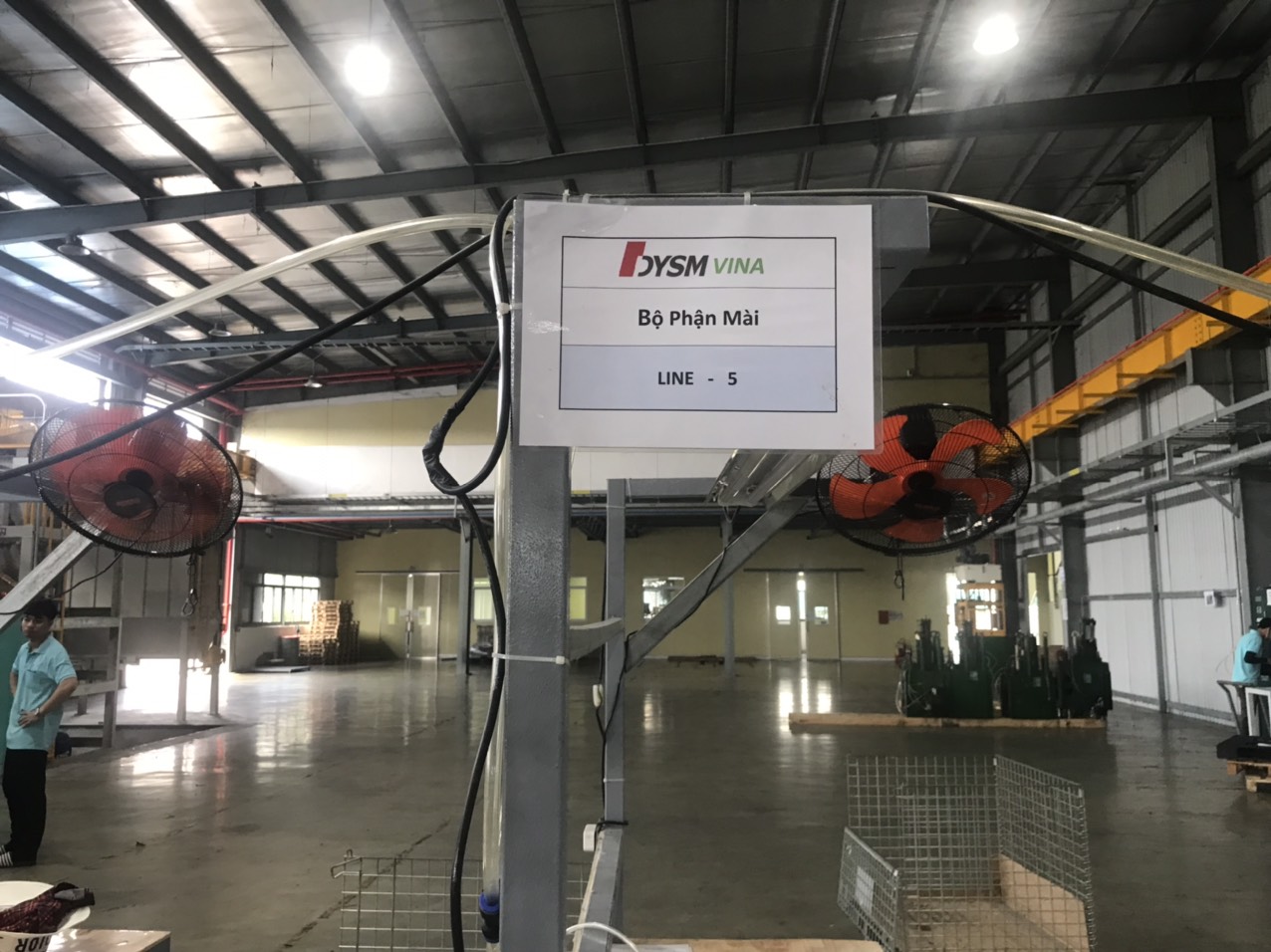
Standard sheet metal materials — mild steel, 304 stainless, 5052 aluminum in common gauges — are usually available from regional distributors within one to two days. But specialty alloys, unusual thicknesses, or materials with specific certifications (mill certs for aerospace, for example) can add one to three weeks to your timeline before a single cut is made.
| Material Type | Typical Availability | Impact on Rush Orders |
|---|---|---|
| Mild steel (common gauges) | 1–2 days from distributor | Minimal — easy to source quickly |
| 304/316 stainless (common gauges) | 1–3 days | Low impact if supplier has distributor relationships |
| 5052/6061 aluminum (common gauges) | 1–2 days | Low impact |
| Specialty alloys (Inconel, titanium) | 1–3 weeks or longer | High impact — can derail any rush timeline |
| Non-standard gauges or tempers | 3–10 days | Moderate to high — often requires special mill orders |
During supplier evaluation, I always ask: "Do you maintain safety stock of common materials, or do you order everything per-job?" A supplier with inventory management practices that include buffer stock of high-runner materials can start cutting the same day they receive your order.
Supply Chain Resilience Beyond the First Tier
A good supplier does not rely on a single material source. Supply chain resilience 9 means having relationships with multiple distributors and, ideally, direct mill contacts for high-volume or specialty materials. Ask about their backup sourcing plan: "What happens if your primary steel distributor is out of stock on the gauge I need?"
We have built our own sourcing network across multiple Asian countries specifically to mitigate this risk. When one region faces supply disruptions — whether from raw material shortages, port congestion, or tariff changes — we can pivot to an alternative source without starting from scratch.
Logistics and Last-Mile Delivery
Material is only half the equation. Once parts are produced, they need to reach your dock. Evaluate your supplier's shipping options:
- Do they offer expedited freight 10 (air vs. sea vs. ground)?
- Do they have established relationships with freight forwarders?
- Can they ship same-day or next-day for domestic orders?
- For international suppliers, what is their track record on customs documentation accuracy?
Some leading domestic suppliers now offer same-day delivery if orders are placed before 10 am. For international sourcing, air freight can compress a four-week sea shipment to under one week, though at a higher cost. The key is knowing these options exist and having them pre-negotiated before an emergency hits.
Expedite Fees: What Is Reasonable?
Expedite fees are a normal part of rush orders. The industry standard for sheet metal fabrication sits at a 10–20% premium over standard pricing. Anything significantly above that range deserves scrutiny — unless the job involves truly exotic materials or processes.
Here is how I frame this with clients: expedite fees are not a penalty. They compensate the supplier for rearranging their production schedule, potentially paying overtime, and expediting their own material purchases. A supplier with a clear, published expedite fee structure is more trustworthy than one that quotes an arbitrary premium on the spot.
Standard lead times for sheet metal parts run around 5 days. Expedited options from capable suppliers bring that down to 2–3 days. Some digital platforms even deliver prototypes in as little as 1 day. The right choice depends on your volume, complexity, and whether you are sourcing for rapid prototyping or full production.
Conclusion
Evaluating sheet metal fabrication supplier flexibility for urgent orders requires looking beyond promises. Verify capacity utilization, in-house capabilities, quality systems, communication practices, and material sourcing resilience. These concrete checks protect your timeline — and your reputation. For a deeper dive into supplier capacity metrics that ensure on-time delivery, and to understand common pitfalls in sheet metal fabrication procurement, explore our related guides.
Frequently Asked Questions
Expedite Fees: What Is Reasonable?
Expedite fees are a normal part of rush orders. The industry standard for sheet metal fabrication sits at a 10–20% premium over standard pricing. Anything significantly above that range deserves scrutiny — unless the job involves truly exotic materials or processes.
How can I verify if a sheet metal supplier has the actual machine capacity to handle my urgent production spikes?
A lesson we learned early in our Vietnam office: a supplier's sales team will almost always say "yes" to an urgent order. The real question is whether their shop floor can actually back up that promise without derailing other jobs.
What indicators should I look for to ensure my supplier maintains strict QC standards during an expedited run?
One of the toughest trade-offs in our business is the tension between speed and quality. A U.S. client once told me: "I'd rather have parts two days late than spend three months sorting out a quality escape." That stuck with me, and it shapes how we vet suppliers for rush work.
Footnotes
1. Details the IATF 16949 standard for quality management systems in the automotive sector. ↩︎
2. Defines capacity utilization in manufacturing and its optimal range. ↩︎
3. Explains agile manufacturing principles and its focus on flexibility and speed. ↩︎
4. Authoritative page from BSI Group explaining ISO 9001 quality management systems. ↩︎
5. Provides a comprehensive overview of the AS9100 standard for the aerospace industry. ↩︎
6. Explains what a First Article Inspection (FAI) is and its importance in manufacturing. ↩︎
7. Defines Product Lifecycle Management (PLM) and mentions MRP software in manufacturing context. ↩︎
8. Article explaining Design for Manufacturability (DFM) principles, which inherently involves feedback for design improvement. ↩︎
9. Explains supply chain resilience, its pillars, and benefits for businesses. ↩︎
10. Defines expedited freight shipping, its characteristics, and when it is used. ↩︎