
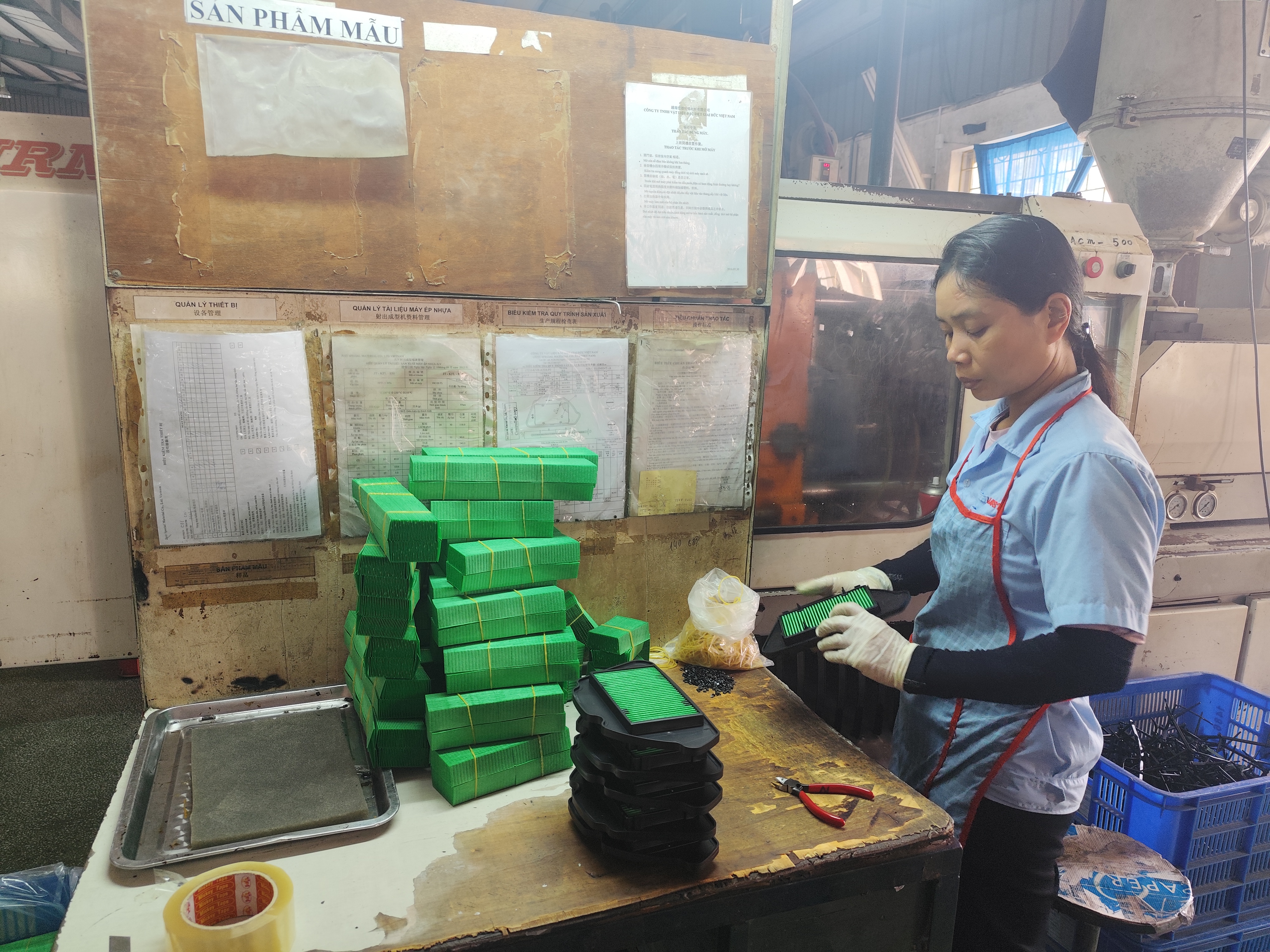
Sourcing sheet metal for new product development goes wrong fast when you pick a partner who can’t keep up with your R&D pace. I’ve watched projects stall for months because a supplier couldn’t read a drawing correctly, missed tolerance specifications, or took six weeks to deliver a simple prototype. On our side, coordinating fabrication across Vietnam and working with U.S. engineering teams daily, we’ve learned that evaluating R&D capability is the single biggest factor in whether a new product introduction 1 succeeds or fails.
To evaluate R&D when sourcing sheet metal for new product development, assess the supplier’s DFM feedback quality, prototype turnaround speed (5–12 days), in-house multi-process capability, low MOQ flexibility, engineering communication responsiveness, scalability from prototype to production, and quality certifications before committing to any partnership.
This article breaks down four critical questions you should ask — and how to find honest answers — before selecting a sheet metal partner for your next development project. Each section gives you practical criteria, checklists, and benchmarks drawn from real sourcing experience.
How can I assess if a sheet metal supplier's engineering team truly understands my technical drawing requirements?
A few months ago, one of our U.S. clients sent us a drawing set for a pair of mirrored mounting brackets — complex angular folds, multiple cutouts, and tight weld joint requirements. technical drawing requirements 2 The first supplier they had tried overseas returned parts with three critical dimensions out of spec. That experience is far too common.
Assess a supplier's engineering understanding by requesting a detailed DFM review of your drawings before placing any order. A capable team will flag tolerance conflicts, suggest bend radius adjustments, and ask clarifying questions within 24 hours — not just quote a price.
Why Drawing Interpretation Is the First Filter
The ability to read and interpret technical drawings is not the same as the ability to fabricate parts. Many shops can cut and bend sheet metal. Far fewer can look at your 2D drawing or 3D CAD model 3 and proactively identify issues before production starts. When we onboard a new project, our engineers in Vietnam and China review every drawing for potential problems: incorrect bend deduction values, interference between features after bending, weld accessibility issues, and tolerance stack-up risks that the designer may not have considered.
What to Look for in a DFM Review
A strong design for manufacturability review 4 should cover more than just "can we make this." It should tell you what to change to make the part better, cheaper, and more reliable. Here is what a thorough DFM review should include:
| DFM Review Element | What a Strong Supplier Provides | Red Flag |
|---|---|---|
| Bend radius analysis | Recommends minimum bend radius based on material type and gauge | Accepts any radius without comment |
| Tolerance feasibility | Flags tolerances tighter than ±0.1 mm on bends and suggests alternatives | Agrees to all tolerances without discussion |
| Material selection guidance | Suggests cold-rolled steel vs. stainless vs. aluminum based on function and cost | Never questions material choice |
| Weld accessibility | Notes where weld joints may be hard to reach or inspect | Ignores weld design entirely |
| Hole-to-edge and hole-to-bend distances | Flags features too close to bends that will deform | Doesn't mention feature proximity risks |
| Surface finish compatibility | Confirms if powder coating, sandblasting, or plating works with chosen material | No mention of finish process constraints |
The 24-Hour Response Test
One practical step I always recommend: send your drawing to the supplier and start a timer. If their engineering team responds within 24 hours with substantive technical questions or feedback, that is a strong signal. If they take three days and come back with only a price, they are treating your R&D project like a commodity order. Communication agility is not optional in new product development — it directly impacts your project velocity. Our team maintains English-fluent engineers specifically so that nothing gets lost in translation between the U.S. client's intent and the shop floor's execution.
Engineer-to-Engineer Communication Matters
The best results come when your design engineer can talk directly to the supplier's process engineer. Middlemen and sales-only contacts create information gaps. When we manage a sheet metal prototyping project, our engineers join calls, annotate drawings, and send back marked-up PDFs showing exactly what they recommend changing and why. That level of collaboration during the R&D phase prevents costly rework later.
What steps should I take to evaluate a supplier's ability to handle rapid prototyping for my new product development?
Last quarter, a client needed five prototype pieces of a custom housing base — the kind of precision-engineered bracket you see in industrial mounting applications — and their timeline was two weeks from drawing approval to parts on the table. That is the reality of new product introduction today.
Evaluate rapid prototyping ability by confirming in-house laser cutting, bending, welding, and finishing capabilities, verifying 5–12 business day turnaround for first articles, and testing with a small order of 1–5 pieces before committing to a larger partnership.
Why R&D Sourcing Is Not the Same as Production Sourcing
This is a distinction many purchasing managers overlook. When you source for production, you optimize for unit cost, capacity, and delivery consistency. When you source for R&D and new product development, speed, engineering support, MOQ flexibility, and communication quality outweigh raw capacity. A factory that makes 100,000 stampings a month may be terrible at making five prototypes in ten days. The priorities are fundamentally different. Understanding how new OEM buyers evaluate sheet metal fabrication sourcing requirements can help clarify these differences early in the process.
| Factor | R&D / Prototyping Priority | Production Priority |
|---|---|---|
| Lead time | 5–12 business days | 4–8 weeks acceptable |
| MOQ | 1–5 pieces, no penalty | 500–10,000+ pieces |
| Engineering support | Intensive, iterative DFM feedback | Minimal after process lock |
| Cost focus | Total project cost, speed premium OK | Per-unit cost optimization |
| Process flexibility | Frequent design changes expected | Locked process, minimal changes |
| Communication frequency | Daily or every-other-day updates | Weekly status reports |
The In-House Capability Check
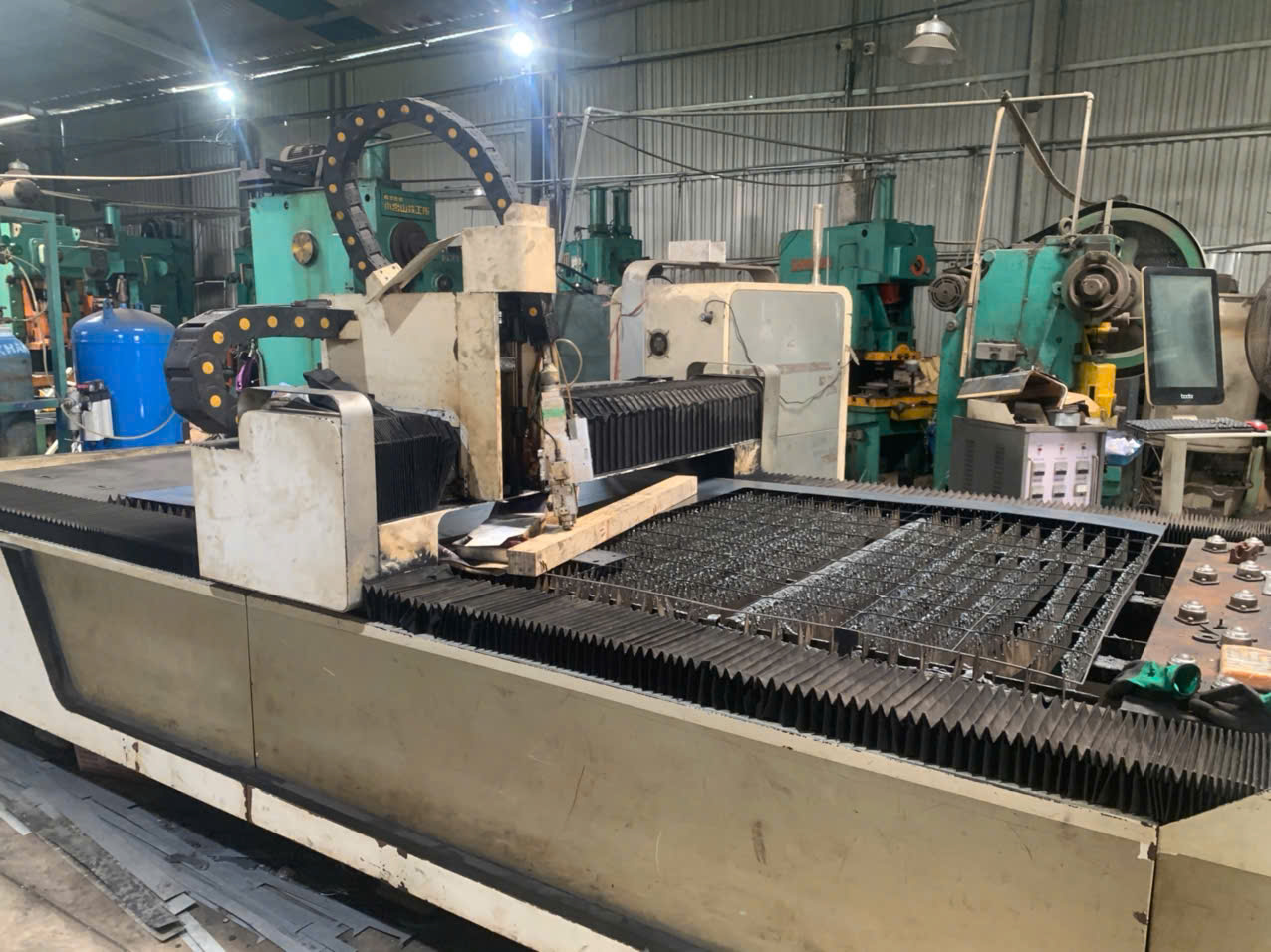
Subcontractor handoffs kill prototyping speed. If a supplier laser cuts in-house but outsources bending to one shop, welding to another, and finishing to a third, your two-week timeline becomes six weeks. When we set up our supply chain in Vietnam, we specifically vetted partners who keep laser cutting, CNC bending, TIG/MIG welding, and surface finishing — sandblasting, powder coating — all under one roof. This eliminates transit delays between facilities and keeps quality control under a single team.
Ask the supplier directly: "Which processes do you perform in-house, and which do you outsource?" If they hesitate or give vague answers, dig deeper.
The Small-Order Litmus Test
The best way to evaluate rapid prototyping capability is simple: place a small order. Request 1–5 pieces of a moderately complex part. Track everything. How fast did they respond to the RFQ? Did they provide a DFM review? How many days from order confirmation to shipment? Did the parts conform to your tolerance specification? Were the weld marks clean and consistent? Was the finish uniform?
Partners who accept low MOQ orders 5 of 1–5 pieces without penalty are signaling that they understand R&D workflows. If a supplier requires a minimum of 50 pieces for a prototype, they are not set up for new product development. Learning how to evaluate sheet metal fabrication MOQs for low-volume OEM sourcing is especially important at this stage.
NPD Timeline Reality and Bottleneck Mitigation
Research shows the "Develop" stage of new product development takes an average of 192 days, and total NPD lead time 6 is roughly 12 months. High-value projects can stretch to 21 months. Every week you save in prototyping compounds across the entire development cycle. Early sourcing — bringing your fabrication partner into the process during design, not after — shortens the bottleneck. Standardized and modular designs also help. When our engineering team can suggest a standard bend radius or a common gauge thickness that achieves the same function, it cuts days off the prototyping timeline without sacrificing performance.
How do I verify that a manufacturer has the R&D expertise to implement the strict quality controls my project needs?
One lesson we learned early in our Vietnam operations: a supplier can have modern equipment and still produce non-conforming parts if their quality control processes are weak. Our clients — especially those distributing to U.S. end-users — cannot afford field failures. Getting quality right the first time is not a luxury; it is a requirement.
Verify R&D quality expertise by reviewing the supplier's ISO certifications, inspecting their in-house measurement tools (CMM, calipers, gauges), requesting documented First Article Inspection (FAI) reports, and confirming they follow a structured PPAP process for new product launches.
Certifications Are the Starting Point, Not the Finish Line
ISO 9001 certification 7 tells you a supplier has a documented quality management system. That is necessary but not sufficient. What you really need to know is how they apply that system to R&D and low-volume production. Ask for examples of their inspection records. Ask to see their control plans for prototype runs. A supplier with genuine R&D expertise will have a defined process for First Article Inspection 8 — measuring and documenting every critical dimension on the first parts off the line before continuing production.
The PPAP Connection
For clients who need strict quality assurance — and nearly all of our U.S. clients do — we implement a Production Part Approval Process (PPAP) 9 framework even at the prototype stage. This includes dimensional reports, material certifications, process flow diagrams, and control plans. Not every sheet metal shop knows what PPAP is, let alone how to execute it. If your project demands production readiness from day one, verifying PPAP capability is essential.
What to Inspect During a Supplier Audit
When we audit a potential fabrication partner, we look at specific indicators of quality capability:
| Quality Indicator | What to Look For | Why It Matters |
|---|---|---|
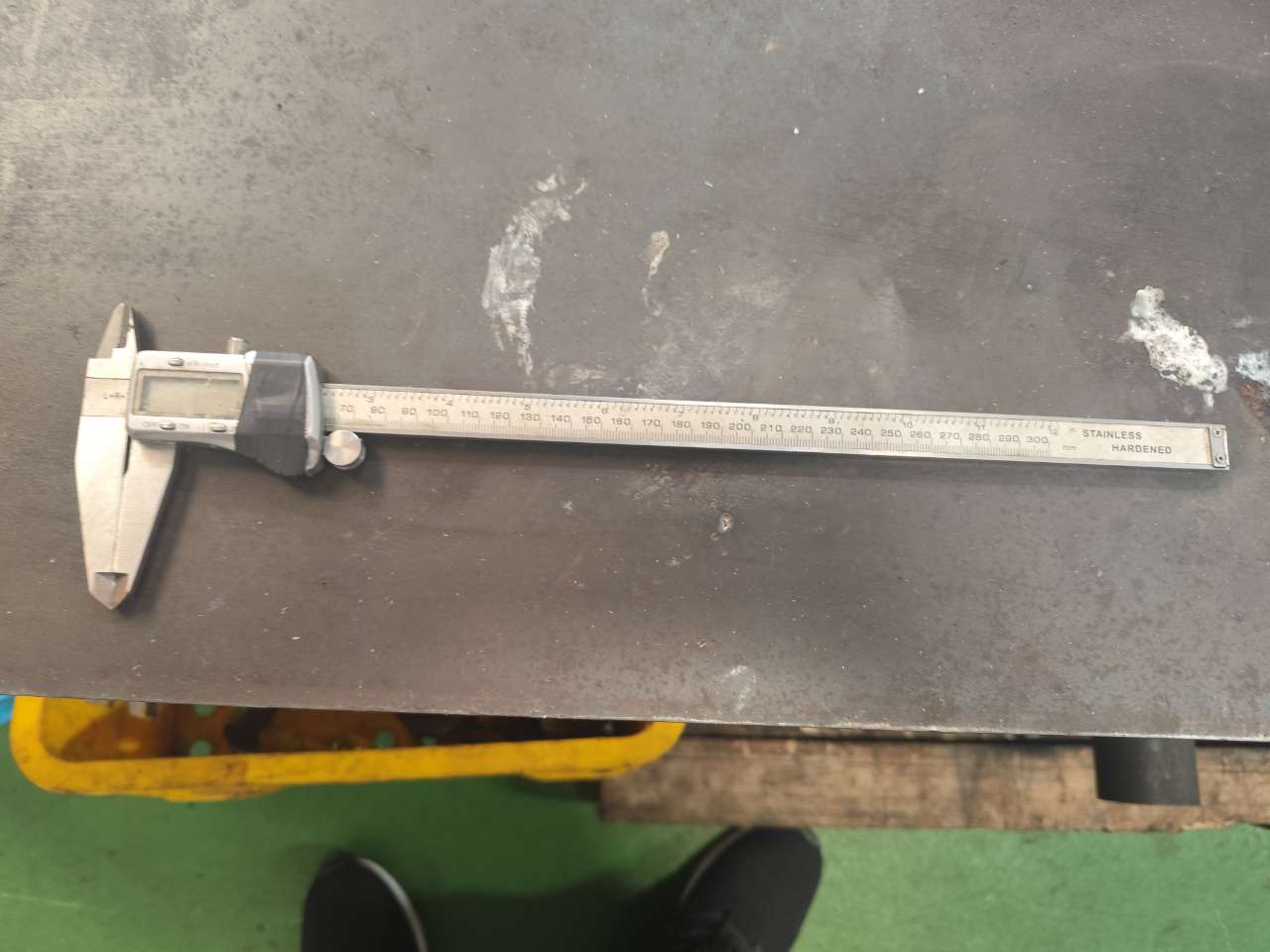
| Measuring equipment | CMM, digital calipers, height gauges, surface roughness testers | Confirms they can verify the tolerances you specify |
| Inspection frequency | In-process checks, not just final inspection | Catches defects early, reduces scrap and rework |
| Traceability | Material certs tied to specific batches and parts | Essential for warranty claims and regulatory compliance |
| Nonconformance handling | Documented NCR process with root cause analysis | Shows they learn from mistakes, not just repeat them |
| Operator training records | Documented welding certifications, machine training | Ensures the people making your parts are qualified |
| Environmental controls | Temperature-controlled storage for sensitive materials | Prevents material degradation before fabrication |
Continuous Monitoring, Not One-Time Checks
Verifying quality is not a one-time event. We track supplier performance continuously across on-time delivery, first-pass yield, and nonconformance rates. This data drives our decisions on which partners handle critical R&D projects and which are better suited for simpler production work. Integrating procurement into engineering change workflows — using PLM tools where appropriate — ensures that design revisions flow to the supplier cleanly and quality standards update in sync. For a structured approach to ongoing performance tracking, consider how to build a supplier evaluation system for sourcing sheet metal fabrication.
Supply chain resilience 10 also plays a role here. If your sole supplier has a quality failure, your entire development timeline is at risk. We often recommend diversifying the supply base for critical components, maintaining at least one qualified backup partner who has passed the same quality vetting process.
Can I trust this supplier to provide the DFM feedback necessary to optimize my custom sheet metal parts for production?
A trade-off we weigh on almost every project: do we prioritize the designer's original intent, or do we push back with fabrication-driven changes that save cost and improve reliability? The answer is both — but only if the supplier has the engineering depth to articulate the trade-offs clearly.
Trust a supplier's DFM feedback capability by evaluating whether they proactively suggest material alternatives, gauge reductions for cost optimization, bend sequence improvements, and weld design modifications — backed by technical reasoning, not just opinion.
What Genuine DFM Feedback Looks Like
Real DFM feedback is specific, actionable, and tied to fabrication methods. It is not "this looks hard to make." It is "this 0.5 mm internal bend radius on 2 mm stainless steel will crack; we recommend increasing to 2.0 mm radius and adjusting the adjacent feature by 1.5 mm to maintain your envelope dimensions." That kind of feedback requires deep knowledge of material behavior, tooling constraints, and process sequencing.
When our team reviews drawings for custom sheet metal parts — brackets, housings, enclosures, mounting components — we focus on several key areas:
Material Selection and Gauge Optimization
Choosing between cold-rolled steel, galvanized steel, stainless steel, and aluminum is not just a material science decision. It affects bend behavior, weld requirements, finishing options, and cost. A knowledgeable supplier will ask about the part's operating environment, load requirements, and cosmetic expectations before confirming material selection. They might suggest dropping from 14-gauge to 16-gauge if stress analysis supports it, saving 15–20% on material cost without compromising function. That is cost optimization driven by engineering knowledge, not guesswork.
Bend Sequence and Tooling Considerations
Complex parts like the mirrored mounting brackets we produce — with multiple angular folds, irregular cutouts, and protruding tabs — require careful bend sequencing. The order in which bends are made determines whether the part can physically fit in the press brake without interference. A supplier with R&D expertise will simulate the bend sequence in software before cutting the first blank. They will flag situations where a design requires custom tooling versus standard V-dies, and they will tell you the cost and time implications upfront.
The Scalability Question
One of the most overlooked supplier selection criteria in R&D is scalability. Can the supplier who makes your five prototypes also make your 5,000 production units using the same equipment, processes, and team? If they cannot, you face a painful re-qualification when you transition from prototype to production. Production readiness means the supplier has thought about fixturing, repeatability, and process control from the very first article — not just when volume ramps up.
Standardization Versus Customization
Some designers resist modularity and standardization because they feel it compromises their design. But from a fabrication standpoint, using standard hole sizes, common bend radii, and readily available material gauges shortens lead times and cuts engineering costs significantly. A good DFM partner will have this conversation with you honestly. They will show you where standardization helps and where custom features are genuinely necessary. That balance is where cost optimization and product performance meet.
Conclusion
Evaluating R&D capability when sourcing sheet metal for new product development comes down to seven non-negotiables: DFM feedback quality, prototype speed, in-house processes, low MOQ flexibility, engineering communication, scalability, and certified quality systems. Test before you trust.
Frequently Asked Questions
How can I assess if a sheet metal supplier's engineering team truly understands my technical drawing requirements?
A few months ago, one of our U.S. clients sent us a drawing set for a pair of mirrored mounting brackets — complex angular folds, multiple cutouts, and tight weld joint requirements. technical drawing requirements 2 The first supplier they had tried overseas returned parts with three critical dimensions out of spec. That experience is far too common.
What steps should I take to evaluate a supplier's ability to handle rapid prototyping for my new product development?
Last quarter, a client needed five prototype pieces of a custom housing base — the kind of precision-engineered bracket you see in industrial mounting applications — and their timeline was two weeks from drawing approval to parts on the table. That is the reality of new product introduction today.
How do I verify that a manufacturer has the R&D expertise to implement the strict quality controls my project needs?
One lesson we learned early in our Vietnam operations: a supplier can have modern equipment and still produce non-conforming parts if their quality control processes are weak. Our clients — especially those distributing to U.S. end-users — cannot afford field failures. Getting quality right the first time is not a luxury; it is a requirement.
Footnotes
1. Explains the process of bringing a new product to market. ↩︎
2. Wikipedia is an authoritative source, covers the topic comprehensively, and is accessible. ↩︎
3. Describes 3D CAD software for creating and optimizing designs. ↩︎
4. Defines Design for Manufacturability (DFM) and its core principles. ↩︎
5. Explains Minimum Order Quantity (MOQ) and its impact on sourcing. ↩︎
6. Discusses typical timelines and factors influencing new product development. ↩︎
7. Explains the globally recognized ISO 9001 standard for quality management systems. ↩︎
8. Defines First Article Inspection (FAI) as a production validation process. ↩︎
9. Describes the Production Part Approval Process (PPAP) for supplier confidence. ↩︎
10. Explains the ability of a supply chain to recover from disruptions. ↩︎