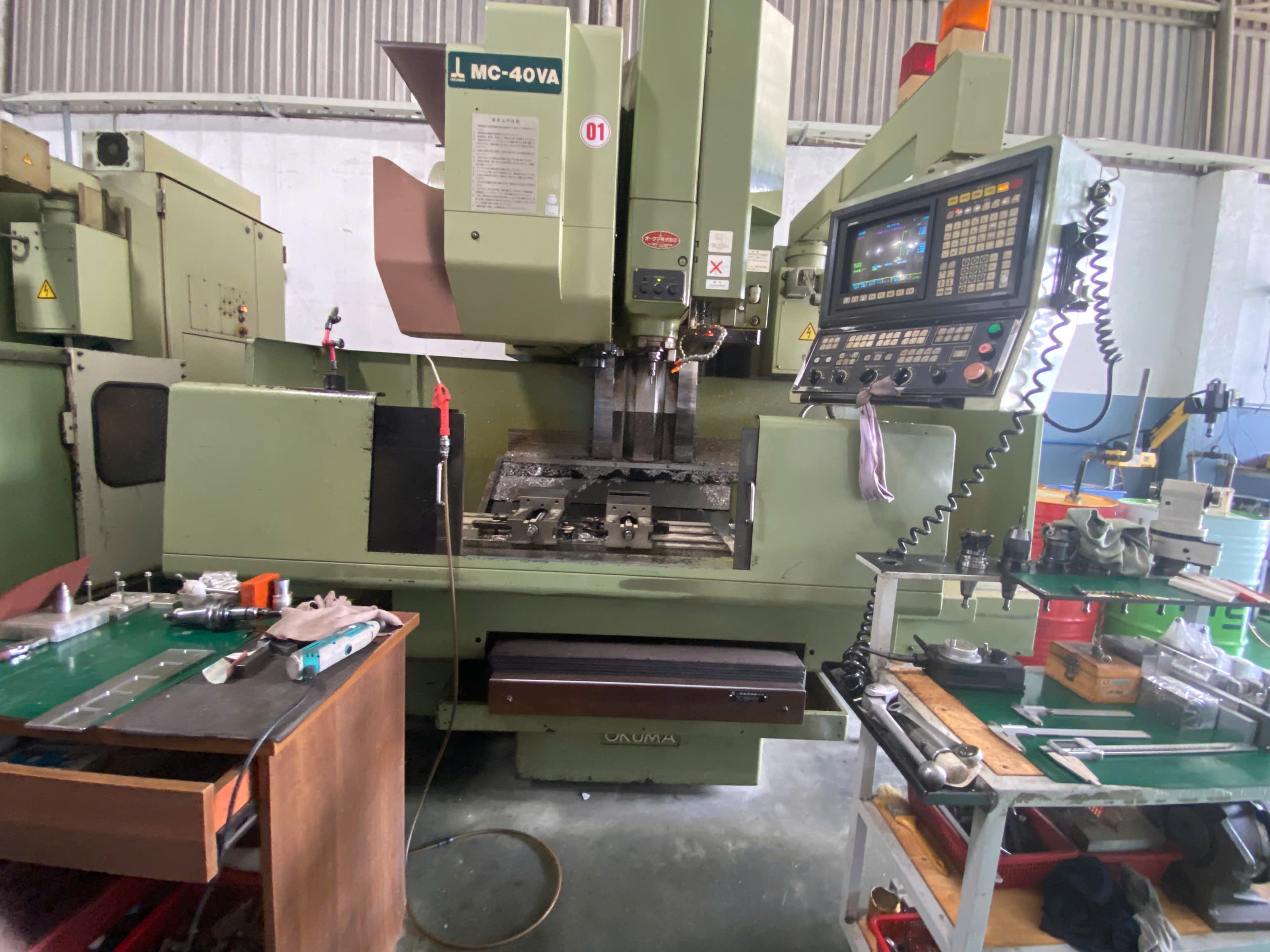
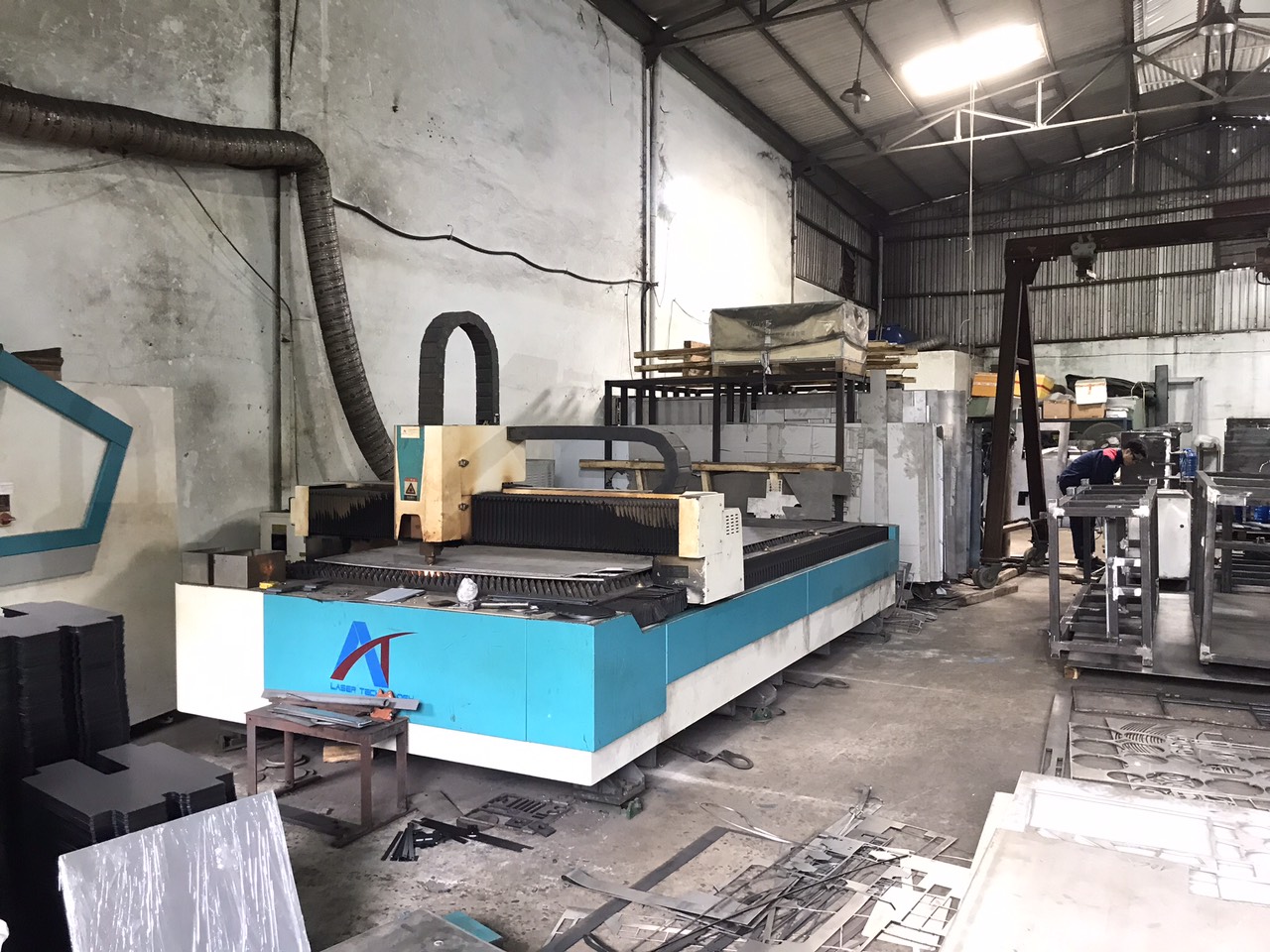
Evaluating stainless, aluminum, and carbon steel for infrastructure sheet metal sourcing is a challenge our team navigates on nearly every custom project we coordinate across Asian supply chains for U.S. buyers.
To evaluate stainless, aluminum, and carbon steel for infrastructure sheet metal sourcing, compare each material’s corrosion resistance, strength-to-weight ratio, life cycle cost, fabrication process complexity, and environmental suitability against your project’s specific structural, budgetary, and durability requirements before committing to production.
The sections below break down this evaluation into four practical questions ASTM B209 for aluminum 1. Each one tackles a real decision point that purchasing managers face when specifying custom sheet metal components for infrastructure use.
How do I determine which metal grade offers the best long-term durability for my specific infrastructure application?
A lesson we learned early in our supply chain work is that "durable" means different things depending on where a part lives — a mounting bracket inside a ventilation system faces a completely different world than one bolted to a coastal bridge AWS D1.2 (aluminum) 2.
Determine the best metal grade for long-term durability by mapping your application's environmental conditions — humidity, chemical exposure, temperature range, and cyclic loading — against each material's corrosion resistance, fatigue strength, and thermal stability, then selecting the grade that sustains structural integrity longest with minimal maintenance.
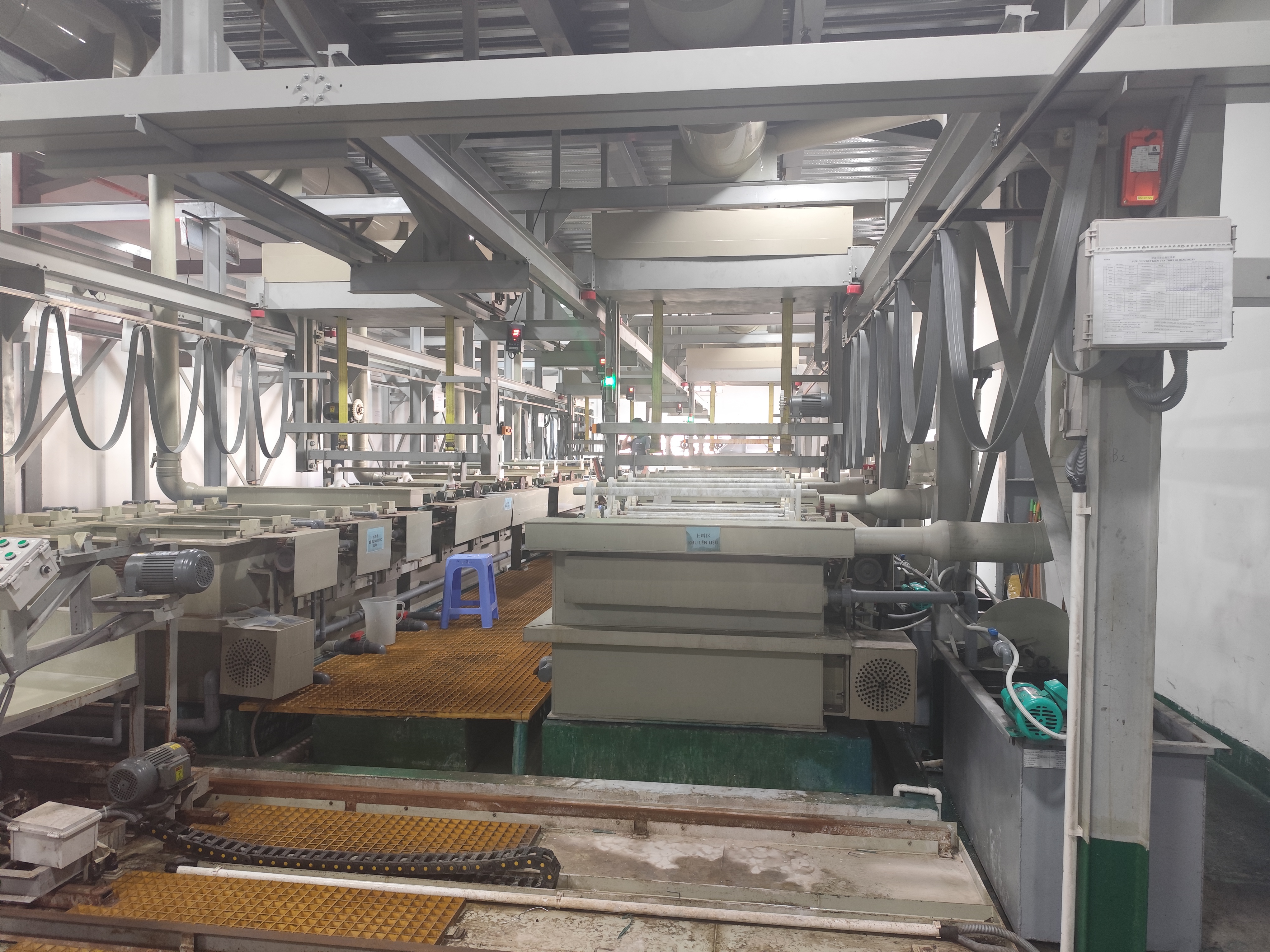
Start With the Environment, Not the Price Tag
Durability is not a single number. It is a combination of how a material resists corrosion, handles repeated stress, and behaves at extreme temperatures elastic modulus is roughly one-third that of steel 3. When we help U.S. clients source custom brackets or housings from our partner factories in Vietnam and across Asia, the first question we always ask is: "Where will this part operate?"
For indoor, climate-controlled settings, carbon steel is often the most practical choice. It delivers high tensile strength at the lowest raw material cost. But when moisture, salt air, or chemical vapors enter the picture, the calculus changes fast.
Corrosion Resistance by Material
| Factor | Aluminum (5052/6061) | Carbon Steel (1018/A36) | Stainless Steel (304/316) |
|---|---|---|---|
| Natural Oxide Layer | Yes — self-healing | No — requires protective coatings | Yes — passive chromium layer (≥10.5% Cr) |
| Marine / Coastal Use | Moderate (5052 preferred) | Poor without galvanization | Excellent (316 grade) |
| Chemical Exposure | Good for mild acids | Poor | Excellent |
| Humidity / Rain | Good | Rusts quickly uncoated | Excellent |
| Maintenance Need | Low | High (recoating, inspection) | Very low |
Fatigue and Temperature Limits
Durability also includes fatigue resistance under dynamic loading. Infrastructure components on bridges, rail systems, or HVAC supports experience vibration and cyclic stress. Stainless steel handles these repeated load cycles well and maintains mechanical properties above 150°C. Carbon steel is strong under static loads but can become brittle at low temperatures. Aluminum loses strength above roughly 150°C, which limits it in high-heat zones.
From our project management experience, I have seen clients initially specify aluminum for weight savings on an outdoor enclosure, only to discover later that the operating temperature near exhaust vents exceeded 200°C. We caught this during the co-development review and recommended 304 stainless instead. That simple material selection criteria check prevented a costly field failure.
Choosing the Right Grade
Not all stainless is the same. Grade 304 covers most general-purpose needs. Grade 316, with added molybdenum 4, is the go-to for saltwater or chloride-rich environments. For aluminum, 5052 outperforms 6061 in marine settings because of better corrosion resistance, even though 6061 is stronger and easier to machine. For carbon steel, A36 is the workhorse for structural shapes, while 1018 is common for machined parts.
The key takeaway: match the grade to your environment first, then optimize for cost and fabrication.
How can I balance the initial material costs against the long-term maintenance needs of my project?
One trade-off our team discusses with buyers almost weekly is the tension between a lower purchase order today and the total life cycle cost over the next 20 years.
Balance initial material costs against long-term maintenance by calculating a life cycle cost model that includes raw material price, fabrication expense, shipping weight, protective coatings, inspection cycles, repair frequency, and expected replacement intervals — carbon steel is cheapest upfront but stainless and aluminum often win over the project's full lifespan.
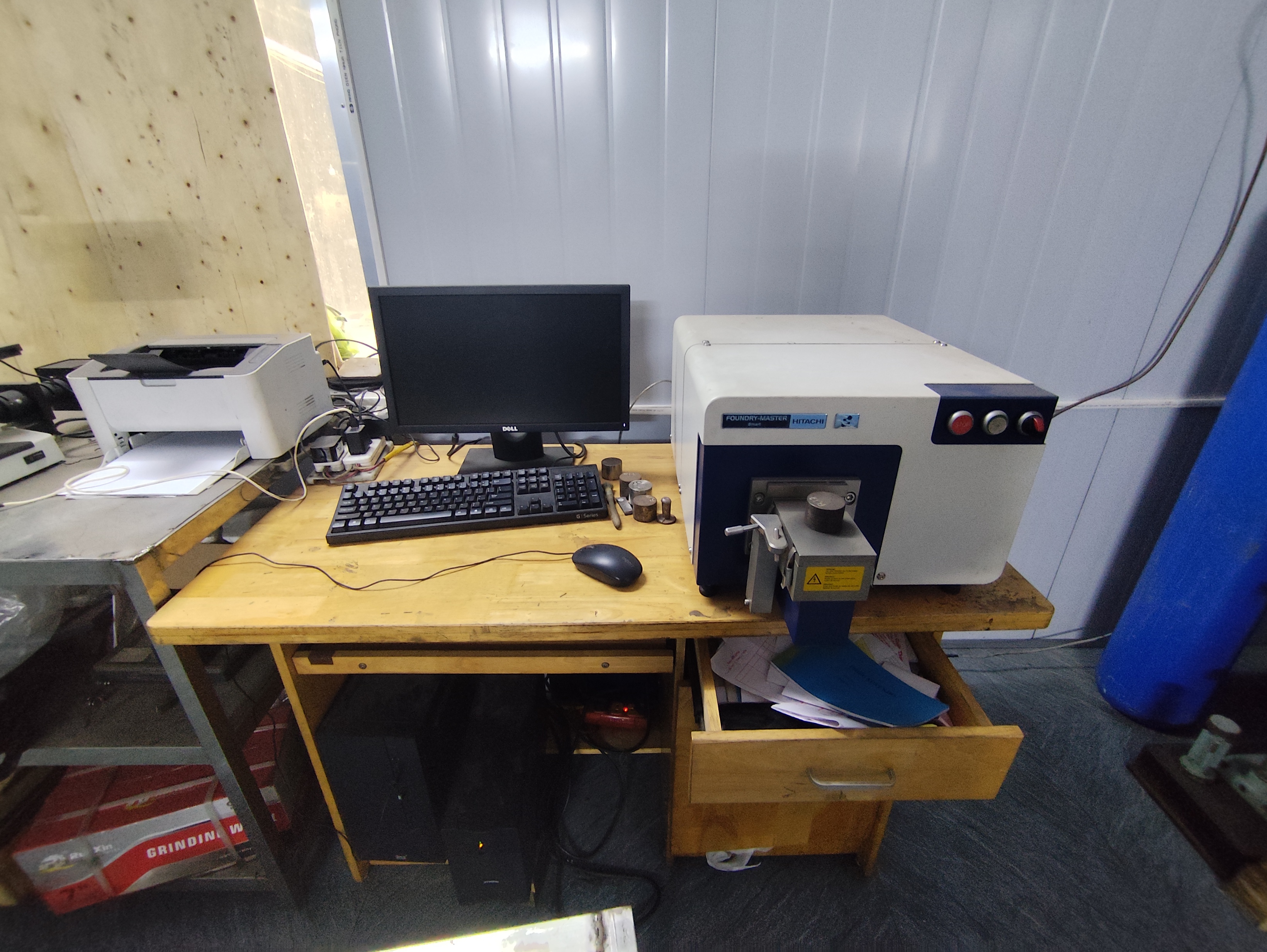
The Real Cost Is Not on the Invoice
Raw material price per kilogram is only one line in a much larger spreadsheet. When we manage sourcing for custom infrastructure parts, we walk clients through a simple framework that captures the total picture.
Life Cycle Cost Comparison (20-Year Horizon)
| Cost Category | Aluminum | Carbon Steel | Stainless Steel |
|---|---|---|---|
| Raw Material (relative) | Medium | Lowest | Highest (2–4× aluminum) |
| Fabrication Labor | Lower (cuts/forms easily) | Moderate | Higher (harder to machine) |
| Shipping / Handling | Lower (66% lighter) | Higher (heavy) | Higher (heavy) |
| Surface Treatment | Anodizing (optional) | Galvanizing + paint (required) | Passivation (minimal) |
| Maintenance Cycles (20 yr) | 1–2 inspections | 4–6 recoat/inspect cycles | 1 inspection |
| Replacement Likelihood | Low | Moderate to high (if coating fails) | Very low |
| Estimated 20-Year Total | Medium | Medium to high | Medium to high (but predictable) |
Why Carbon Steel's Low Price Can Be Misleading
Carbon steel costs roughly 30–50% less per kilogram than aluminum and far less than stainless. But that advantage erodes once you add galvanization, epoxy primers, periodic recoating, and inspection labor. In humid or coastal regions, a carbon steel bracket may need recoating every three to five years. Each cycle costs labor, downtime, and logistics coordination.
I recall a project where a U.S. buyer sourced carbon steel mounting plates for outdoor utility cabinets. The per-unit cost was attractive. Two years later, they were dealing with rust at weld joints where the galvanized layer had been burned off during welding. The rework and field touch-up cost more than the original savings. We now flag this risk early in the PPAP process and recommend post-weld protective coating specifications.
Where Aluminum Saves Money Indirectly
Aluminum's lower density — roughly 2.7 g/cm³ versus 7.8–8.0 g/cm³ for steel — means lighter crates, lower freight bills, and easier installation on-site. For large-volume orders shipped from Asia to the U.S., this weight difference translates to measurable cost efficiency on logistics alone. Fabrication is also faster. Aluminum cuts cleanly, forms complex shapes with less tool wear, and reduces labor hours on the production floor. These indirect savings matter, especially for recurring orders.
When Stainless Steel Justifies Its Premium
Stainless makes financial sense when the application demands decades of uninterrupted service with near-zero maintenance. Water treatment plants, food-processing facilities, and marine infrastructure are classic examples. The high upfront cost is offset by the near-elimination of coating, inspection, and replacement expenses. For critical structural components where failure is not an option, stainless delivers predictability.
What quality control benchmarks should I set for my Asian manufacturing partners to ensure my parts meet US standards?
When our Vietnam office onboards a new sheet metal supplier, the first deliverable is never a part — it is a quality plan. Without clear benchmarks, even a skilled factory will interpret drawings differently than a U.S. engineering team expects.
Set quality control benchmarks by requiring PPAP documentation, defining critical-to-quality dimensions with specific tolerances, mandating material certifications (mill test reports), specifying surface finish standards, establishing first-article inspection protocols, and requiring final inspection reports with measurement data before shipment — all aligned to ASTM or ASME standards your U.S. end-users expect.
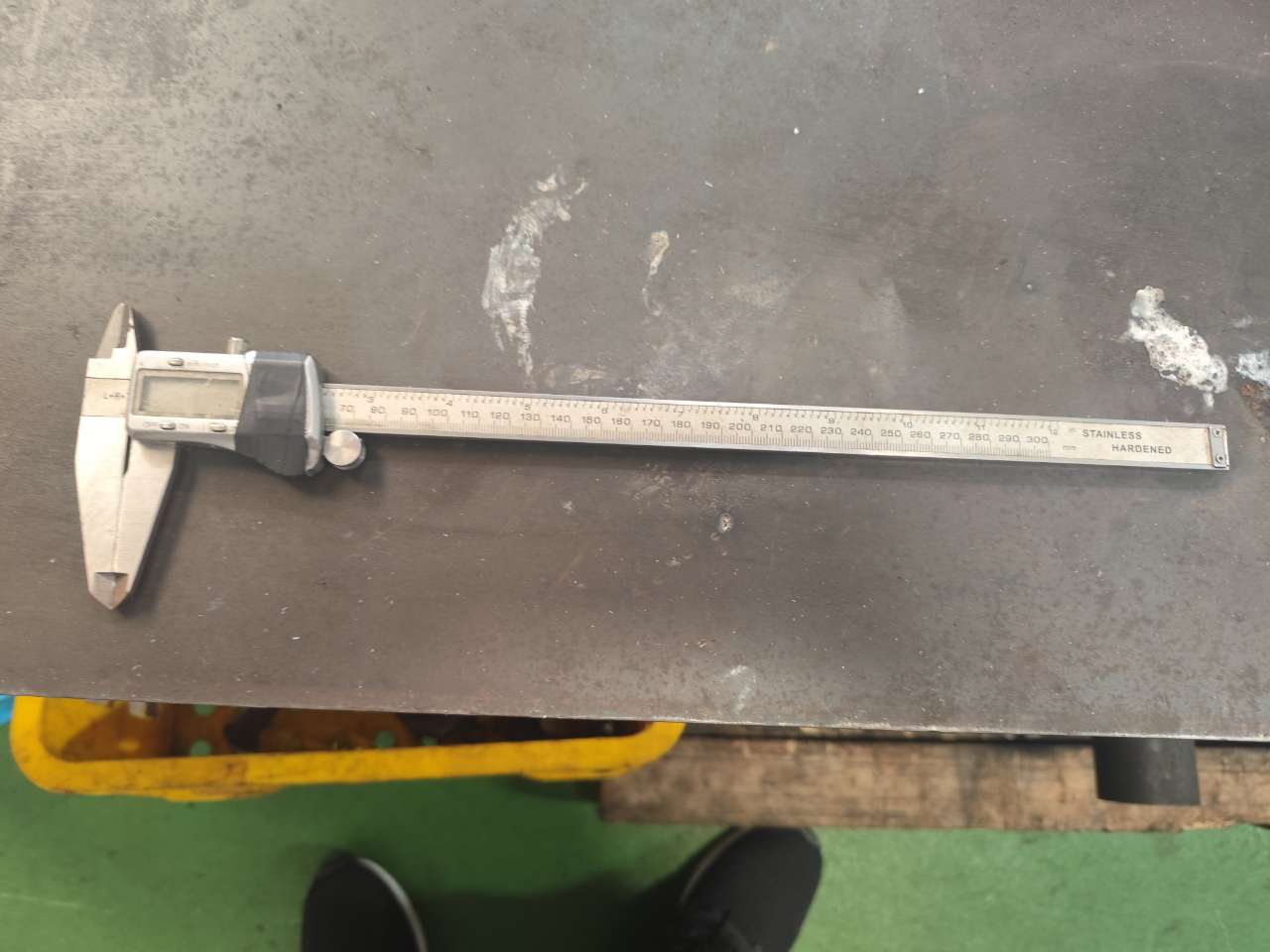
Define "Good Enough" Before Production Starts
The biggest quality failures we see are not caused by bad factories. They are caused by unclear specifications. A drawing that says "stainless steel" without specifying a grade, a tolerance callout that is ambiguous, or a surface finish requirement left to the supplier's discretion — these gaps create non-conforming parts.
Here is a practical checklist we use internally and recommend to our U.S. clients:
Quality Control Benchmark Checklist
| Benchmark | What to Specify | Why It Matters |
|---|---|---|
| Material Certification | Mill test report per ASTM standard (e.g., ASTM A240 for stainless 5, ASTM B209 for aluminum) | Confirms alloy chemistry, mechanical properties |
| Dimensional Tolerance | Per drawing, flag CTQ (Critical-to-Quality) dimensions | Prevents fit/assembly issues at end-user site |
| Surface Finish | Ra value (e.g., Ra 1.6 µm) or coating spec (powder coat thickness in mils) | Ensures aesthetics and protective coating performance |
| Weld Quality | AWS D1.1 (steel) 6 or AWS D1.2 (aluminum) visual + NDE criteria | Prevents weld failures under load |
| First Article Inspection (FAI) | Full dimensional report on first 3–5 pieces | Catches process errors before mass production |
| In-Process Inspection | Sampling plan (e.g., AQL 1.0 for critical, AQL 2.5 for major) | Maintains consistency across the production run |
| Final Inspection | 100% visual + dimensional sampling per agreed AQL | Last gate before shipping |
| Packaging & Labeling | Part number, lot traceability, protective wrapping | Prevents shipping damage and mix-ups |
The PPAP Approach
Production Part Approval Process 7, or PPAP, is standard in automotive but increasingly expected in infrastructure sourcing. We guide our supplier partners through a simplified PPAP that includes a process flow diagram, control plan, measurement system analysis, and initial sample inspection report. This ensures the fabrication process is locked down before full-rate production begins.
Weldability and Post-Weld Inspection
Each material demands different weld procedures. Carbon steel welds readily with MIG or stick processes but needs post-weld coating to prevent rust at the heat-affected zone. Aluminum requires TIG welding with proper shielding gas and filler wire selection — poor technique leads to porosity and cracking. Stainless steel welds cleanly but requires back-purging with argon to prevent oxidation on the inside surface.
We specify weld inspection criteria upfront: visual inspection per AWS standards, plus dye penetrant testing on critical joints. This level of process control is what separates a first-time-right outcome from a rework nightmare.
Avoiding Galvanic Corrosion in Mixed-Metal Assemblies
If your design combines different metals — say, an aluminum panel bolted to a stainless steel frame — galvanic corrosion becomes a real risk 8. We flag this during design review and recommend isolating dissimilar metals with nylon washers, rubber gaskets, or barrier coatings. This is a detail that many suppliers overlook unless it is explicitly called out in the quality plan.
How do I evaluate the structural trade-offs if I decide to switch from carbon steel to aluminum for my custom components?
A buyer we work with recently asked us to re-quote a set of heavy-duty mounting brackets — originally designed in A36 carbon steel — in 6061-T6 aluminum. The request seemed straightforward, but the engineering trade-offs were significant.
Evaluate carbon-steel-to-aluminum trade-offs by comparing tensile and yield strength, stiffness (elastic modulus), thermal expansion coefficients, fatigue behavior, and weldability — then redesign cross-sections or wall thicknesses to compensate for aluminum's lower absolute strength and modulus while leveraging its weight savings and corrosion resistance.
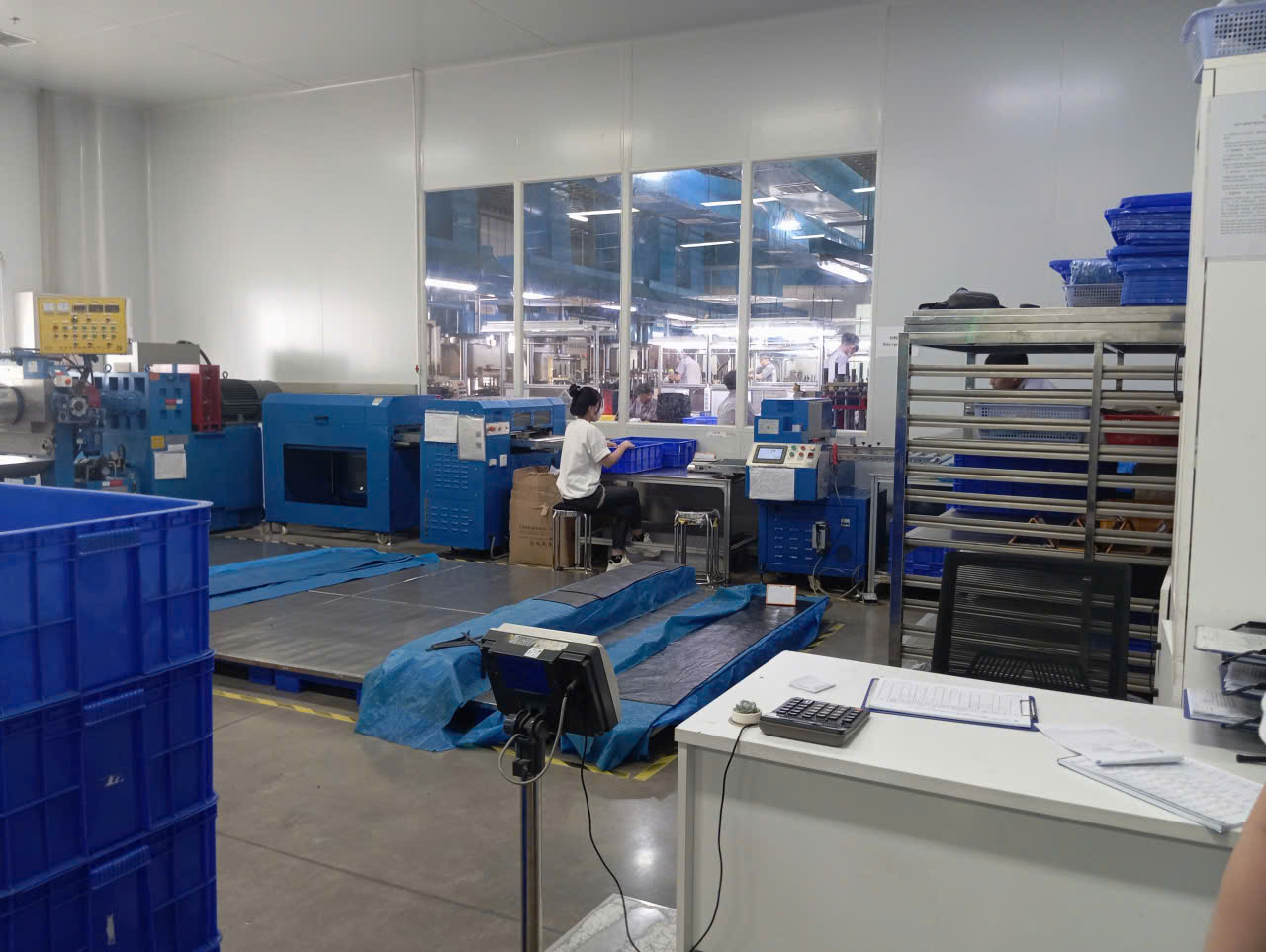
It Is Not a One-to-One Swap
Aluminum's elastic modulus is roughly one-third 9 that of steel (about 69 GPa versus 200 GPa). This means an aluminum part of the same dimensions will deflect about three times more under the same load. Simply replacing carbon steel with aluminum on the same drawing will likely produce a part that flexes too much or fails under load.
Mechanical Properties Side-by-Side
| Property | Carbon Steel (A36) | Aluminum (6061-T6) | Ratio (Steel : Aluminum) |
|---|---|---|---|
| Density | 7.85 g/cm³ | 2.70 g/cm³ | 2.9 : 1 |
| Tensile Strength | ~400–550 MPa | ~290–310 MPa | ~1.5 : 1 |
| Yield Strength | ~250 MPa | ~275 MPa | ~0.9 : 1 |
| Elastic Modulus | 200 GPa | 69 GPa | 2.9 : 1 |
| Coeff. of Thermal Expansion | 11.7 µm/m·°C | 23.6 µm/m·°C | 1 : 2 |
| Fatigue Endurance Limit | Defined (~50% of UTS) | No true endurance limit | Steel advantage |
| Weldability | Good (MIG, stick) | Requires TIG, specialized filler | More complex for aluminum |
Redesigning for Aluminum
To maintain equivalent structural integrity, engineers typically increase wall thickness or add ribs and gussets to aluminum parts. A common rule of thumb: if a steel bracket uses 3 mm sheet, the aluminum version may need 4–5 mm sheet to achieve similar stiffness. This partially offsets the weight savings but usually still results in a lighter final assembly.
Our engineering review process catches these issues before tooling begins. We work with the client's design team to run basic stress checks and confirm that the redesigned aluminum part meets the same deflection and load requirements as the original carbon steel version.
Thermal Expansion Matters at Scale
Aluminum expands about twice as much as carbon steel per degree of temperature change. For small brackets, this is rarely a problem. But for large panels, enclosures, or structural frames exposed to outdoor temperature swings, this expansion can cause buckling, joint stress, or fastener loosening. We flag thermal expansion early in the design review, especially for parts that will be assembled with mixed materials.
Fatigue: A Critical Difference
Carbon steel has a defined fatigue endurance limit 10 — below a certain stress level, it can theoretically endure infinite load cycles. Aluminum does not have this limit. Every load cycle contributes to fatigue damage in aluminum, even at low stress levels. For infrastructure components subject to vibration, wind loading, or traffic-induced stress, this difference is critical. Designers must either use thicker sections, reduce stress concentrations at corners and holes, or accept a finite service life and plan for replacement.
When the Switch Makes Sense
Switching to aluminum is smart when weight reduction is a primary requirement, when corrosion resistance without coatings is needed, or when the part operates in a moderate-temperature, low-fatigue environment. Mobile equipment, portable utility enclosures, and lightweight support frames are strong candidates. Heavy structural brackets under constant dynamic loading in high-heat environments are not. For a deeper dive into how these two metals compare in sheet metal fabrication performance, we have a dedicated breakdown that covers additional fabrication considerations.
Conclusion
Selecting the right material for infrastructure sheet metal sourcing requires matching environmental conditions, structural loads, and life cycle cost against each metal's real-world performance — not just its price per kilogram.
Frequently Asked Questions
How do I determine which metal grade offers the best long-term durability for my specific infrastructure application?
A lesson we learned early in our supply chain work is that "durable" means different things depending on where a part lives — a mounting bracket inside a ventilation system faces a completely different world than one bolted to a coastal bridge AWS D1.2 (aluminum) 2 .
How can I balance the initial material costs against the long-term maintenance needs of my project?
One trade-off our team discusses with buyers almost weekly is the tension between a lower purchase order today and the total life cycle cost over the next 20 years.
What quality control benchmarks should I set for my Asian manufacturing partners to ensure my parts meet US standards?
When our Vietnam office onboards a new sheet metal supplier, the first deliverable is never a part — it is a quality plan. Without clear benchmarks, even a skilled factory will interpret drawings differently than a U.S. engineering team expects.
Footnotes
1. Official ASTM standard for aluminum and aluminum-alloy sheet and plate. ↩︎
2. Official AWS standard for structural welding of aluminum. ↩︎
3. Compares the elastic modulus and other properties of aluminum and steel. ↩︎
4. Explains the composition and benefits of 316 stainless steel, especially molybdenum’s role. ↩︎
5. Official ASTM standard for stainless steel plates, sheets, and strips. ↩︎
6. Official AWS standard for structural welding of steel. ↩︎
7. Explains the PPAP process, its importance, and application in manufacturing. ↩︎
8. Details galvanic corrosion, its causes, and methods for prevention in mixed-metal assemblies. ↩︎
9. Replacement URL provides a clear comparison of the elastic modulus between aluminum and steel, explicitly stating the ‘one-third’ relationship. ↩︎
10. Clarifies the concept of fatigue endurance limit and its absence in aluminum. ↩︎