
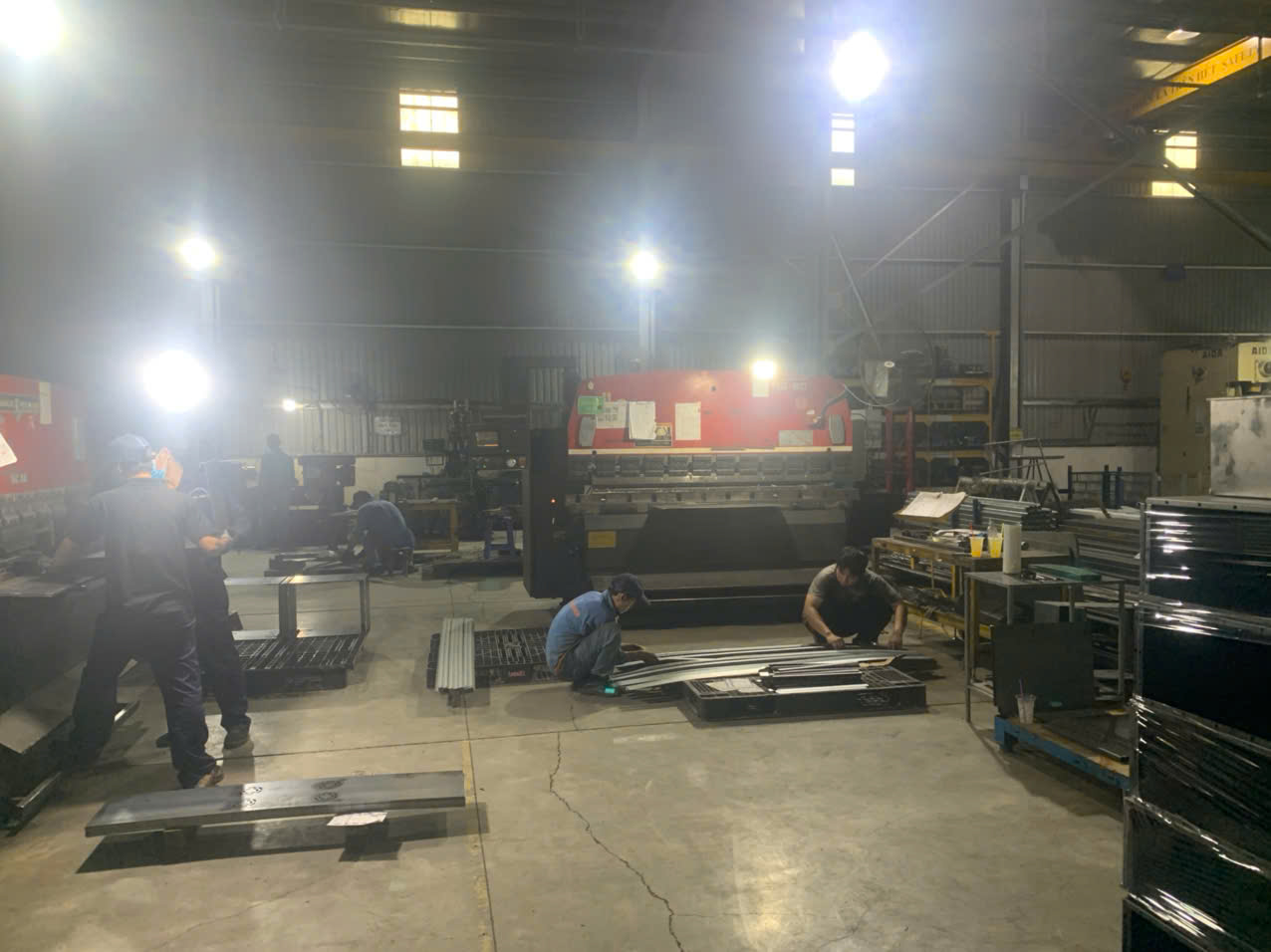
Evaluating a supplier’s ability to handle raw material price fluctuations became personal when a steel price spike nearly derailed a critical bracket project on our production line last year.
To evaluate a supplier’s ability to handle raw material price fluctuations, audit their inventory depth, upstream contract structures, financial stability, hedging strategies, and contractual price adjustment formulas. Verify their historical performance during past commodity price volatility events rather than relying on verbal promises of cost stability.
This article breaks down the exact questions, contract terms, and verification methods you need. Each section gives you practical tools to separate resilient suppliers from those who will pass every cost shock directly to your invoice.
What Questions Should I Ask Suppliers About Their Raw Material Sourcing Strategy?
When our team in Vietnam audits a new stamping supplier for custom brackets and mounting clips, the first meeting always centers on one thing: where does the metal come from, and how do they buy it?
Ask suppliers about their inventory levels, replenishment cycles, upstream contract durations, geographic diversification of sub-tier vendors, and whether they purchase raw materials on spot markets or through fixed-term agreements. These questions reveal their true supply chain resilience against commodity price volatility.
Start With Inventory Depth
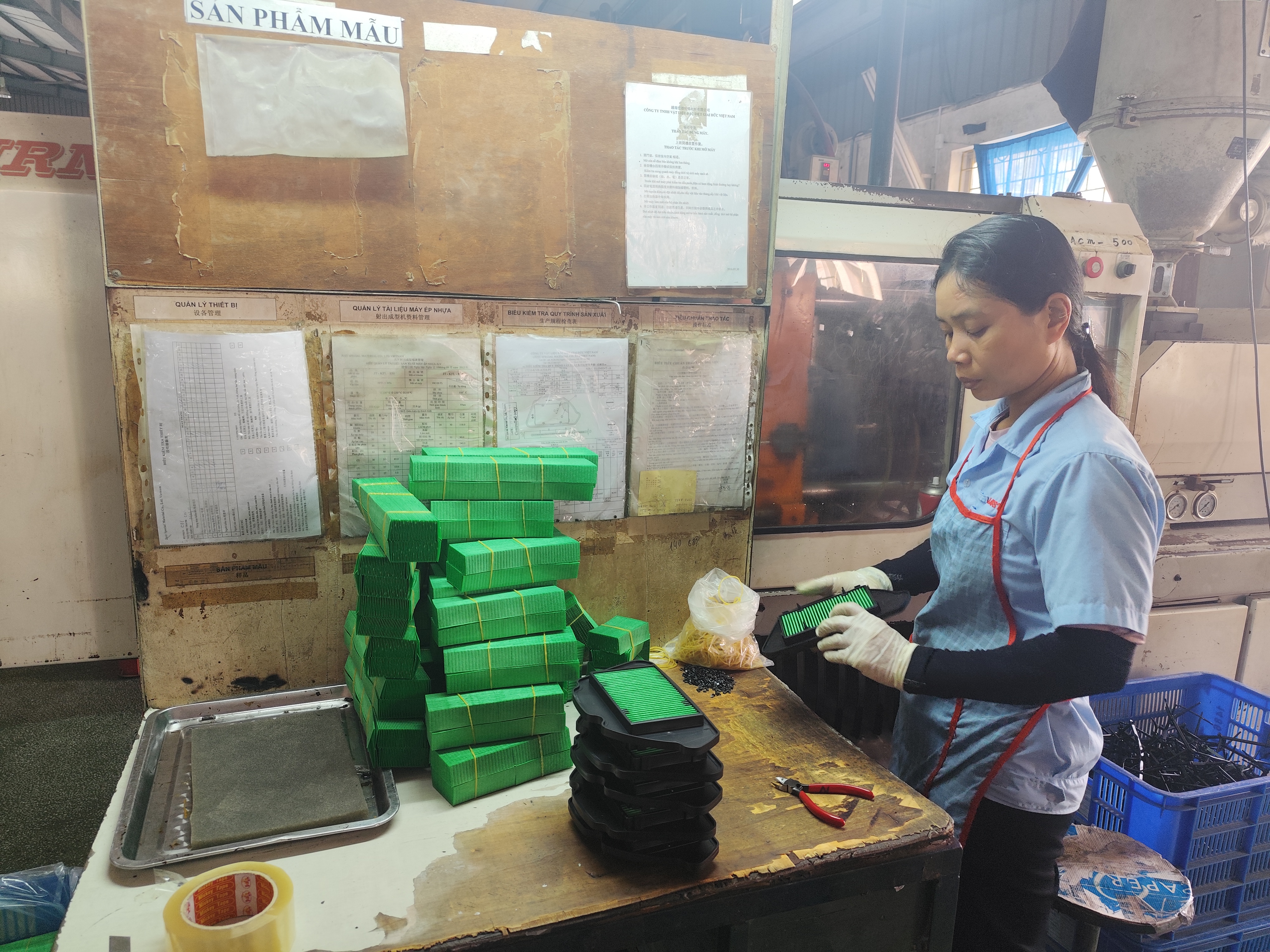
The single most telling question is simple: how many months of raw material inventory do you hold right now, and at what purchase price? A supplier stamping precision sheet-metal brackets 1 who holds less than one month of steel inventory is extremely vulnerable. When zinc or steel prices jump, they have no buffer. They will call you within weeks asking for a price increase.
Follow up by asking about their replenishment strategy. Do they buy on the spot market 2, or do they have 6-month or 12-month supply contracts? Spot-market purchasing is the most volatile approach. Fixed-term contracts provide predictability. The answer tells you how quickly a market spike will hit your invoice.
Map the Upstream Supply Chain
Many buyers stop at Tier 1. That is a mistake. Ask your supplier to identify their own key material vendors. Where are those vendors located? A stamping supplier who sources all galvanized steel 3 from a single mill in one country carries concentrated geographic risk. Export restrictions, port closures, or regional crises can shut down supply overnight.
I keep a checklist for every supplier audit. Here is a simplified version of the questions we use:
| Question Category | Specific Question | What a Good Answer Looks Like |
|---|---|---|
| Inventory Level | How many months of key raw material stock do you hold? | 2–4 months of stock at a known purchase price |
| Replenishment | Do you buy on spot markets or fixed-term contracts? | Mix of 6–12 month contracts with limited spot exposure |
| Geographic Spread | Where are your top 3 material sub-suppliers located? | At least 2 different countries or regions |
| Alternative Materials | Can you switch to substitute alloys or grades if prices spike? | Yes, with documented VA/VE alternatives tested |
| Market Monitoring | Do you track commodity indices like LME or Platts? | Yes, with regular internal reporting cycles |
Dig Into Energy-Intensity Risk
A question most buyers forget: how energy-intensive is your process? For stamped metal parts like the brackets and spring clamps we source, electricity and gas costs are a hidden driver. A supplier running large hydraulic presses 4 and heat-treatment ovens will see costs rise even if steel prices stay flat—simply because utility prices climbed. Ask them to break out energy as a percentage of their total cost of ownership.
How Can I Tell If a Supplier Has a Solid Price Risk Management Plan?
A lesson we learned during the 2021–2022 metals rally: promises are cheap, but data from past market shocks is priceless. Every supplier we spoke to said they could "manage costs." Only a handful actually proved it.
A solid price risk management plan includes documented hedging strategies such as futures or options, should-cost modeling tied to public benchmarks, a track record of price stability during previous spikes, advanced analytics for scenario planning, and regular early-warning market intelligence reports shared proactively with buyers.
Demand Historical Evidence, Not Promises
The most reliable indicator of future performance is past behavior. Ask the supplier: during the 2020–2022 commodity super-cycle, how many price adjustment requests did you issue to your customers? Can you provide references from clients who weathered a full price cycle with you?
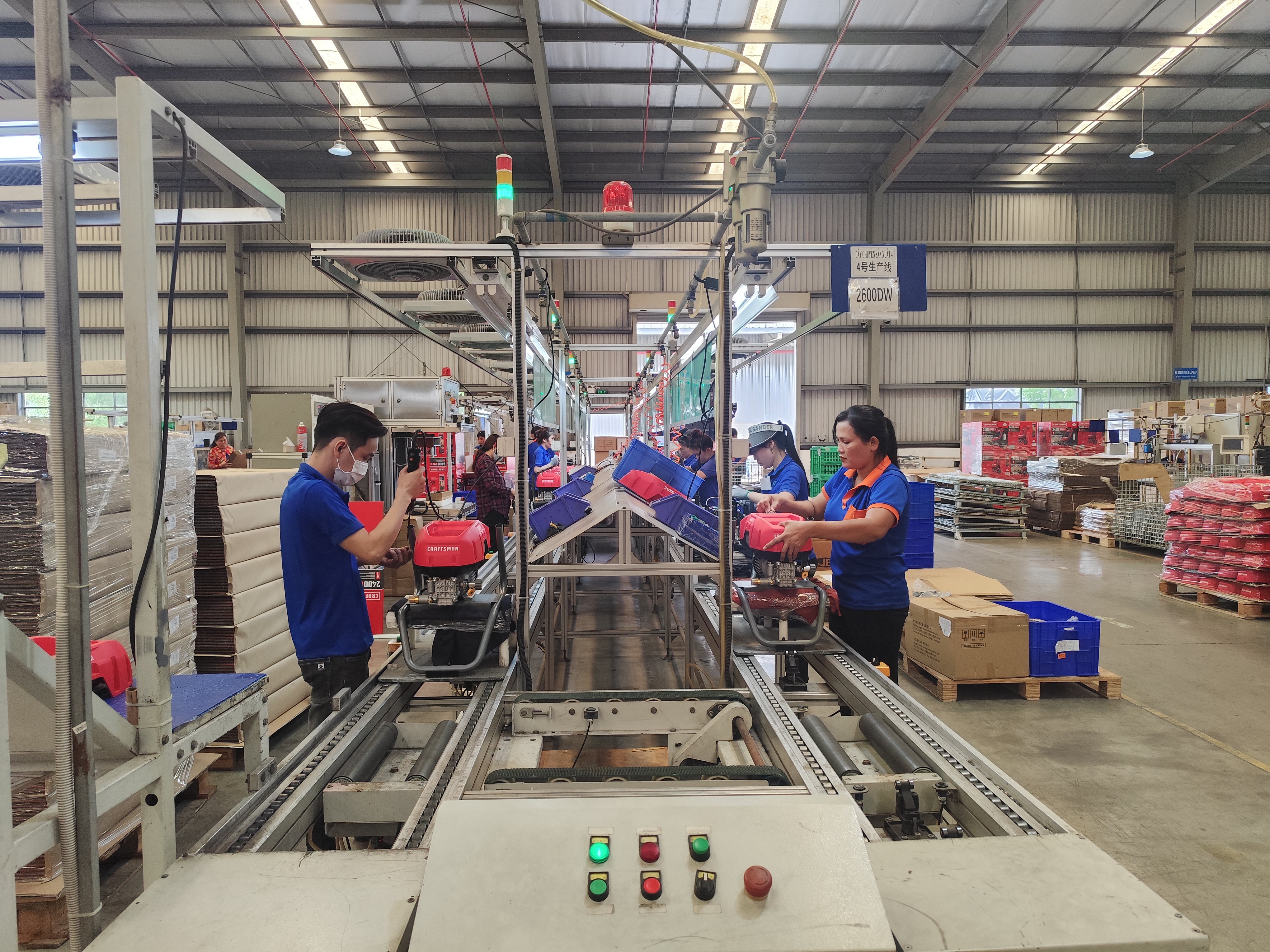
On our end, when we conduct supplier audits 5 across Vietnam and broader Asia, we request copies of historical price adjustment notices. We compare the timing and magnitude of those adjustments against public index movements. If a supplier raised prices by 30% when the LME index moved only 15%, that is a red flag. It suggests they used market volatility as cover to expand margins.
Evaluate Their Financial Stress Test Readiness
A supplier's financial health determines whether they can absorb temporary margin compression. Here is what to look for:
| Financial Indicator | What to Check | Risk Threshold |
|---|---|---|
| Debt-to-Equity Ratio | Balance sheet leverage | Above 2.0 signals high risk |
| Current Ratio (Liquidity) | Ability to cover short-term obligations | Below 1.0 is a warning sign |
| Credit Rating | Third-party credit assessments | Declining ratings over 2+ years |
| Lead-Time Stability | Consistency of delivery timelines over 12 months | Increasing lead times signal upstream stress |
| Gross Margin Trend | Whether margins are eroding quarter over quarter | Shrinking margins suggest inability to manage costs |
We run a simplified version of this financial risk assessment before committing to any long-term pricing agreement. A supplier with a healthy balance sheet can absorb a short-term spike. A leveraged one cannot.
Check for Digital Capabilities and Scenario Analytics
Modern price risk management is not a spreadsheet exercise. Ask your supplier: do you use any digital tools to model multiple demand and supply scenarios? Can you simulate what happens to your costs if steel prices rise 20% over three months?
Suppliers with advanced analytics capabilities 6 can identify bottlenecks before they impact pricing. They can also provide early-warning intelligence. In our experience coordinating supply chains between Asian factories and U.S. buyers, the suppliers who share monthly commodity outlook reports are consistently more stable partners than those who go silent until a crisis hits.
Should-Cost Modeling as a Litmus Test
One of the strongest signals of a mature supplier is their willingness to provide open-book should-cost models. A should-cost model breaks down the part price into raw material, labor, overhead, energy, and margin. The raw material portion is indexed to a public benchmark like LME for metals or Platts for specialty alloys.
When we work on custom stamped brackets—like the precision-punched mounting clips with zinc-galvanized finishes—we build a cost breakdown analysis alongside the supplier. If they resist transparency, it often means they are hiding margin within the material cost line. A supplier who embraces should-cost modeling is confident in their pricing and their ability to manage volatility. You can learn more about how to tell if sheet metal fabrication quotes account for material price fluctuations in our dedicated guide.
What Contract Terms Protect Me From Sudden Raw Material Price Increases?
Last quarter, a U.S. client asked us to renegotiate terms with a Vietnamese stamping factory after a sudden jump in stainless steel prices 7 caught both sides off guard. The contract had no price adjustment mechanism. It was a painful lesson in why contractual structure matters as much as the quoted price.
Protective contract terms include price escalation clauses tied to independent indices, neutral zone bands (typically ±5%) where prices remain fixed, clearly defined triggering conditions and adjustment frequencies, caps on maximum annual increases, and reversion clauses that require prices to decrease when commodity markets fall.
The Problem With Pure Fixed Pricing
Many buyers instinctively prefer fixed pricing for budget certainty. I understand why. But in volatile commodity markets, fixed pricing creates a dangerous dynamic. If raw material costs rise sharply, the supplier faces two choices: absorb the loss (risking quality or solvency) or break the contract. Neither outcome serves the buyer.
The smarter approach is indexed pricing with a neutral zone. Here is how it works in practice:
How Neutral Zone Pricing Works
A neutral zone defines a band—commonly ±5% from a baseline commodity index price—within which the contract price stays unchanged. Only when the index breaches this corridor do pre-agreed contractual price adjustment formulas kick in. This protects both sides. The buyer gets stability for minor fluctuations. The supplier does not absorb catastrophic losses during major spikes.
| Contract Element | Description | Example |
|---|---|---|
| Baseline Index | Public commodity benchmark used as reference | LME Zinc 3-Month Average |
| Neutral Zone | Band within which no price change occurs | ±5% from baseline |
| Adjustment Trigger | Condition that activates a price change | Index moves beyond ±5% for 2 consecutive months |
| Adjustment Formula | How the price change is calculated | 70% of index movement beyond neutral zone applied to material portion only |
| Adjustment Frequency | How often adjustments can occur | Quarterly review, maximum 2 adjustments per year |
| Reversion Clause | Requirement to reduce price when index falls | Mandatory price decrease using same formula when index drops below neutral zone |
| Cap | Maximum annual increase allowed | 8–10% annual cap on total price adjustment |
Key Clauses to Insist On
Beyond the neutral zone, several other terms strengthen your position:
Reversion clauses are critical. Many suppliers will happily accept escalation clauses that allow price increases but conveniently omit the mechanism for price decreases. Your contract must be symmetrical. If prices go up, you pay more. If prices come down, you pay less.
Material-only adjustments protect you from suppliers inflating labor and overhead costs under the cover of a commodity spike. The price escalation clause should apply only to the raw material component of the part cost. This is where a detailed cost breakdown analysis at the start of the relationship pays dividends.
Audit rights allow you to verify that the supplier's claimed cost increases are real. We have seen cases where suppliers cite a 20% steel increase, but their actual purchase contracts show only a 10% rise. The right to audit keeps everyone honest.
Volume commitment offsets can be negotiated so that if you commit to higher volumes, the supplier agrees to absorb a larger portion of material cost increases. This aligns incentives and supports strategic sourcing on both sides. For a deeper dive into this approach, see our guide on how to structure long-term sheet metal fabrication agreements for price and supply stability.
How Do I Verify a Supplier's Financial Stability Before Committing to Long-Term Pricing?
A client once asked me a blunt question during a project review: "How do I know this factory won't go bankrupt halfway through my contract?" It sounds extreme, but it happens more than people realize—especially with smaller stamping operations running on thin margins during periods of commodity price volatility.
Verify a supplier's financial stability by reviewing audited financial statements, checking debt-to-equity and liquidity ratios, monitoring third-party credit ratings, assessing their payment terms with sub-suppliers, evaluating lead-time consistency as a proxy for cash flow health, and conducting on-site audits of their operational capacity and inventory management strategies.

What Financial Documents to Request
Start with the basics. Request audited financial statements 8 for the past two to three years. Look at the trend, not just the snapshot. A supplier whose margins have been shrinking year over year is under stress—even if their current numbers look acceptable.
Our team uses a simplified financial checklist during supplier qualification:
- Audited P&L statement (2–3 years)
- Balance sheet showing assets, liabilities, and equity
- Cash flow statement showing operating cash flow trends
- Accounts payable aging (reveals how quickly they pay their own suppliers)
- Bank references or credit reports from services like Dun & Bradstreet
Operational Proxies for Financial Health
Sometimes, especially with privately held factories in Asia, getting clean financial data is difficult. In those cases, we rely on operational proxies. Lead-time stability is one of the best. A supplier whose lead times are stretching from 4 weeks to 7 weeks is likely experiencing cash flow issues—they cannot afford to buy materials until your payment arrives.
Another strong proxy is their inventory on the shop floor. During on-site audits of stamping facilities producing parts like the zinc-galvanized brackets and spring clamps we source, we physically inspect raw material storage areas. Full racks of steel coil and sheet stock signal a healthy operation. Empty racks with only one or two coils signal a supplier living hand-to-mouth.
The Role of Payment Terms as a Signal
Pay attention to what payment terms 9 the supplier offers—and what terms they receive from their own material vendors. If a supplier offers you 60–90 day payment terms but must pay their steel supplier on 30-day terms or even cash-on-delivery, they are financing a significant gap out of their own pocket. That gap creates fragility. Any disruption—a late payment from another customer, a sudden price spike—can cascade into your project.
At DEWIN, we offer open account payment terms to our U.S. clients specifically to reduce their cash flow pressure. But we also verify that the factories we work with have sustainable upstream payment structures. A supply chain is only as strong as its weakest financial link.
Cross-Referencing Multiple Signals
No single indicator tells the full story. The strongest financial risk assessment combines multiple data points:
- Declining credit rating + stretching lead times = high risk
- Stable margins + diversified customer base + healthy inventory = low risk
- New equipment investment + moderate leverage = acceptable risk with monitoring
The goal is not to find a perfect supplier. The goal is to understand the risk you are accepting and build appropriate contractual protections around it. If the supplier's financial position is moderate, your contract should include tighter neutral zones, more frequent price reviews, and potentially an inventory-as-a-service arrangement where the supplier holds dedicated material reserves on their balance sheet for your production.
Conclusion
Evaluating a supplier's ability to handle raw material price fluctuations requires forensic auditing of inventory, contracts, finances, and digital capabilities—not just trusting promises. Build partnerships grounded in transparency, indexed pricing, and verified resilience.
Frequently Asked Questions
What Questions Should I Ask Suppliers About Their Raw Material Sourcing Strategy?
When our team in Vietnam audits a new stamping supplier for custom brackets and mounting clips, the first meeting always centers on one thing: where does the metal come from, and how do they buy it?
How Can I Tell If a Supplier Has a Solid Price Risk Management Plan?
A lesson we learned during the 2021–2022 metals rally: promises are cheap, but data from past market shocks is priceless. Every supplier we spoke to said they could "manage costs." Only a handful actually proved it.
What Contract Terms Protect Me From Sudden Raw Material Price Increases?
Last quarter, a U.S. client asked us to renegotiate terms with a Vietnamese stamping factory after a sudden jump in stainless steel prices 7 caught both sides off guard. The contract had no price adjustment mechanism. It was a painful lesson in why contractual structure matters as much as the quoted price.
Footnotes
1. Technical overview of sheet metal forming processes used to create precision components for industrial applications. ↩︎
2. Reliable Wikipedia definition of markets for immediate delivery of commodities and securities. ↩︎
3. Industry resource providing technical standards and benefits of galvanized steel in manufacturing and construction. ↩︎
4. Technical explanation of hydraulic press machinery used in metal stamping and forming operations. ↩︎
5. Wikipedia entry explaining the systematic examination of a supplier’s quality management system and operational processes. ↩︎
6. Authoritative tech source defining complex data analysis and predictive modeling techniques. ↩︎
7. Authoritative source for global stainless steel price benchmarks and market intelligence for procurement professionals. ↩︎
8. Authoritative Wikipedia entry explaining the process and verification of financial statements. ↩︎
9. Clear Wikipedia section detailing standard commercial payment conditions and invoicing terms. ↩︎