Evaluating a supplier’s ability to handle raw material price fluctuations 1 became personal when a steel price spike nearly derailed a critical custom bracket order our team was managing for a U.S. client last year. The supplier promised stable pricing. Within weeks, they requested a 12% surcharge. That single event cost our client weeks of renegotiation, delayed shipments, and strained trust across the entire supply chain. The problem is widespread. The agitation is real: commodity price volatility is not going away, and most buyers lack a reliable method to stress-test their vendors before signing a contract.
To evaluate a supplier’s ability to handle raw material price fluctuations, you must audit their inventory depth, upstream contract structures, financial health, hedging strategies, and historical pricing behavior during past market cycles — not just accept their verbal promises of cost stability.
This guide walks through the specific contract terms, financial checks, sourcing questions, and warning signs you need to know. Every recommendation comes from real scenarios our team has encountered while managing custom parts sourcing across Vietnam, China, and other Asian markets for U.S. and European buyers.
What Contract Terms Should I Require to Protect Against Raw Material Price Volatility?
A lesson I learned early in our sourcing operations: the contract is your first and last line of defense against unexpected cost increases. When we help U.S. clients set up manufacturing agreements 2 in Vietnam or across Asia, we insist on spending extra time on pricing clauses before any production begins.
You should require index-linked pricing tied to public benchmarks like LME or Platts, price escalation clauses with defined neutral zones and triggers, explicit gross/net weight definitions, and scheduled review periods — all written into the contract before production starts.
Why Fixed-Price Contracts Fail in Volatile Markets
Many purchasing managers default to fixed-price contracts. It feels safe. But in reality, a fixed price 3 in a volatile raw material market creates hidden risk. If steel or aluminum prices spike 15% and your supplier has no margin buffer, one of two things happens: they cut quality corners, or they come back asking for a price adjustment you never planned for.
In our experience coordinating custom parts production — items like powder-coated steel brackets, post base mounts, and welded assemblies — the raw material 4 can represent 40–60% of the total part cost. A fixed price simply shifts the risk onto the supplier, who may not be financially equipped to absorb it.
Index-Linked Pricing: The Modern Standard
The better approach is index-linked pricing. This ties the material cost component of your part price to a recognized public benchmark. For steel parts, that might be a Platts HRC index. For copper or aluminum, it could be the London Metal Exchange (LME) daily settlement.
Here is how a typical indexed pricing structure works:
| Contract Element | What It Defines | Why It Matters |
|---|---|---|
| Cost Basis Index | The specific benchmark (e.g., LME Aluminum, Platts HRC) | Creates a neutral, verifiable reference point |
| Neutral Zone | A +/- 5% band around the baseline price | Prevents constant micro-adjustments for minor fluctuations |
| Trigger Threshold | The exact percentage breach that activates a price review | Ensures both parties know when adjustments kick in |
| Review Period | Monthly, quarterly, or per-shipment review schedule | Prevents surprise mid-production cost changes |
| Adjustment Formula | How the new price is calculated (e.g., material % × index change) | Removes subjective negotiation from the process |
Price Escalation Clauses Done Right
A price escalation clause 5 is not a blank check for the supplier. It must be bilateral — meaning it works in both directions. If the index drops, you pay less. If it rises beyond the neutral zone, you pay more.
When we draft manufacturing agreements for our clients, we always recommend specifying:
- The exact raw material indices referenced
- The percentage of the unit price tied to raw materials (via a cost breakdown analysis)
- A cap on maximum price increase per review period
- Advance notice requirements (typically 30–60 days)
Gross and Net Weight Definitions
This is a detail many buyers overlook. If your contract does not specify whether pricing is based on gross or net weight, a supplier can shift costs by changing packaging density, material thickness, or including scrap weight. For fabricated metal parts like mounting brackets or flanged connectors, this distinction matters. I have seen disputes arise simply because the contract said "per kilogram" without clarifying which kilogram.
How Can I Verify a Supplier's Financial Stability to Absorb Short-Term Cost Increases?
One interaction with a buyer in the Midwest taught me something I will not forget. He had been working with a Vietnamese supplier for two years — great quality, on-time delivery, fair pricing. Then nickel prices surged. Within six weeks, the supplier requested prepayment on all open orders. Their cash flow had dried up. They simply could not afford to buy raw material at the new market price and wait 60 days for payment. The relationship survived, but barely.
Verify a supplier’s financial stability by reviewing their credit ratings, analyzing liquidity ratios, assessing geographic concentration risk, checking payment term flexibility, and stress-testing their ability to maintain lead times during commodity price spikes.
The Financial Stress Test Framework
Vendor solvency is not just an accounting exercise. It is a direct predictor of whether your supplier can weather a three-month raw material price spike without passing costs to you, cutting corners, or going under.
Here is a practical framework our team uses when auditing suppliers for U.S. clients:
| Financial Metric | What to Look For | Red Flag |
|---|---|---|
| Current Ratio | Above 1.5 (assets vs. short-term liabilities) | Below 1.0 — supplier may struggle to pay bills |
| Cash Reserves | Enough to cover 2–3 months of raw material purchases | Reliance on customer prepayments for material buying |
| Credit Rating | Stable or improving over the last 2 years | Downgraded or unavailable rating |
| Payment Terms Offered | Willingness to offer 30–60 day terms | Demands full prepayment or cash on delivery |
| Revenue Concentration | No single client exceeds 30% of revenue | One client dominates — loss of that client could collapse operations |
| Geographic Sourcing Spread | Materials sourced from 2+ regions | 100% reliant on a single country for raw inputs |
How We Conduct Supplier Financial Audits
When our Singapore-based team evaluates a potential supplier — whether in Vietnam, China, or elsewhere in Asia — we go beyond the factory floor. We request audited financial statements 6 for the past two to three years. We cross-reference with third-party credit agencies. We also look at operational signals 7: Are they investing in new equipment? Are they hiring? Or are they shrinking headcount and deferring maintenance?
A supplier that cannot show you basic financial documents is a supplier you should not trust with a long-term contract. In our supply chain risk assessment process, financial transparency ranks alongside quality certifications in importance.
Geographic Concentration: A Hidden Vulnerability
If your supplier buys all their steel from a single mill in one province, they are exposed to localized disruptions — port closures, regional energy shortages, or trade restrictions. We always ask: Where do your raw materials come from? How many upstream sources do you have? Can you shift volume between them?
This kind of strategic sourcing visibility is essential. It tells you whether the supplier has built resilience into their own supply chain, or whether they are one disruption away from a crisis. For buyers sourcing from Vietnam specifically, understanding how to build a contingency supply chain plan can further mitigate geographic concentration risk.
What Questions Should I Ask About a Supplier's Raw Material Sourcing and Hedging Strategies?
The trade-off between cost and risk becomes most visible when you dig into how a supplier actually buys their raw materials. I have sat in meetings where a supplier confidently claimed they "lock in prices for the year." When we asked to see the upstream contract, it turned out they were buying on the spot market every two weeks. That gap between claim and reality is exactly what you need to close.
Ask suppliers to disclose their upstream contract durations, inventory levels and purchase prices, use of financial hedging strategies like futures or forward contracts, number of alternative material sources, and their ability to substitute materials when primary inputs become cost-prohibitive.
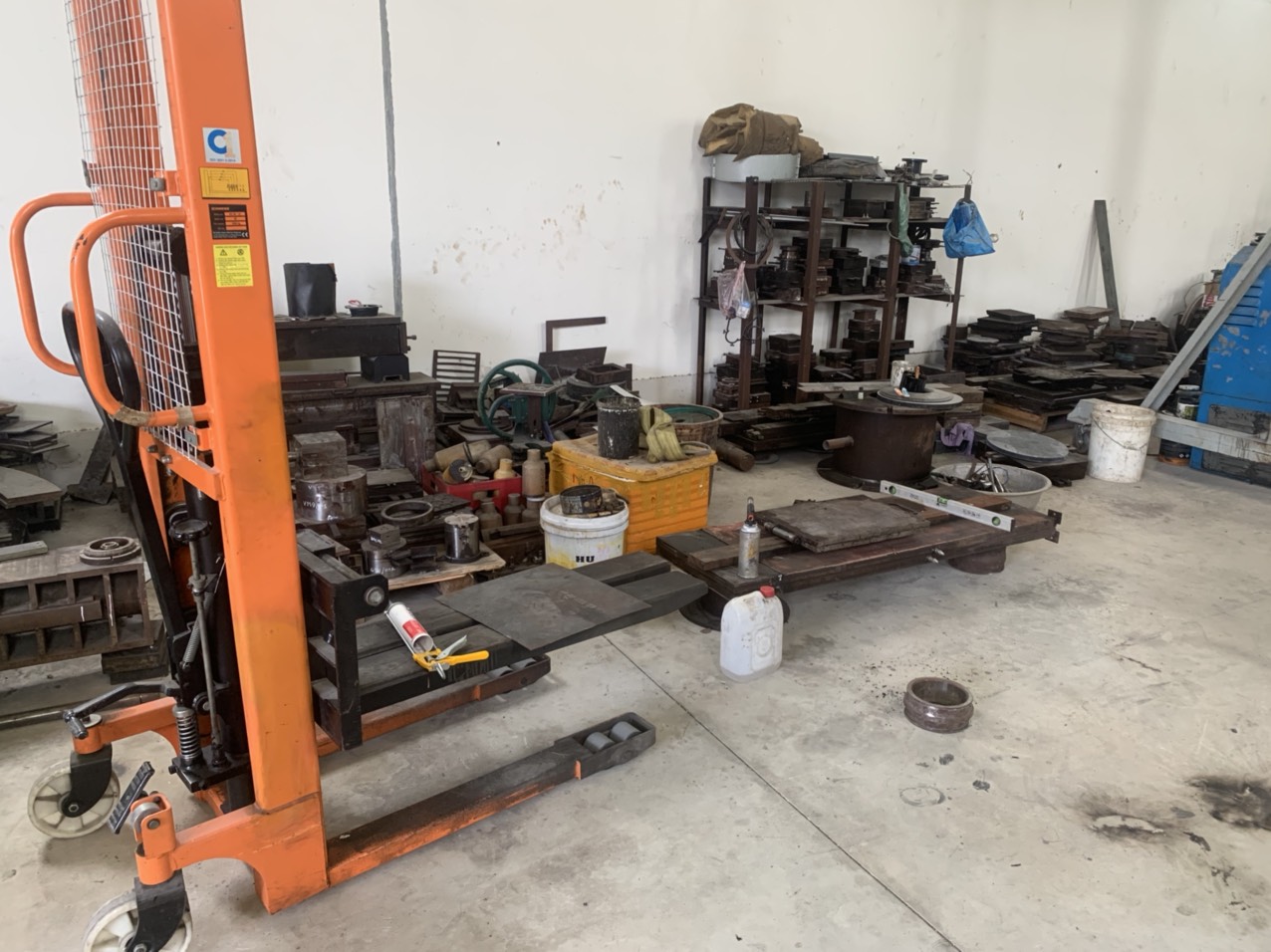
The Forensic Buyer's Question Checklist
Here is the specific list of questions I recommend asking any supplier before committing to a production contract for custom metal parts or similar fabricated components:
- What are your current inventory levels for the primary raw materials in my parts? Ask for specific quantities and how many months of production they cover.
- At what price did you purchase that inventory? This tells you whether their current quote is based on old, favorable prices that will expire soon.
- What is your replenishment strategy? When current stock runs out, are they buying spot, or do they have forward contracts in place?
- How long are your upstream contracts? Six-month agreements offer moderate protection. Twelve-month contracts are better. Spot-market purchasing offers no protection at all.
- Do you use any financial hedging instruments? Futures, options, or swaps on commodity exchanges like LME can stabilize a supplier's input costs significantly.
- How many alternative raw material suppliers do you work with? A single source is a single point of failure.
- Can your engineering team substitute materials if prices spike? For example, switching from one steel grade to a comparable alternative, or from copper to aluminum where feasible.
- What market intelligence tools or services do you use to forecast price trends? Sophisticated suppliers track indices, read market reports, and plan procurement cycles accordingly.
Financial Hedging vs. Operational Hedging
Not every supplier — especially smaller ones — can afford to trade futures on the LME. That is fine. But they should have some form of operational hedge in place. Here is how the two approaches compare:
| Strategy Type | Examples | Best For | Limitation |
|---|---|---|---|
| Financial Hedging | Futures contracts, options, swaps on commodity exchanges | Large suppliers with dedicated procurement teams | Requires financial sophistication and capital |
| Operational Hedging | Safety stock levels 8, dual sourcing, material substitution, design flexibility | Mid-size and smaller suppliers | May increase inventory carrying costs or require R&D investment |
| Contractual Hedging | Long-term agreements (LTAs) with upstream mills, volume commitments | All supplier sizes | Locks in prices but reduces flexibility if market drops |
When we evaluate suppliers on behalf of our clients, we look for at least two of these three strategies being actively used. A supplier relying on none of them is essentially gambling on market conditions staying favorable.
The Inventory Buffer Question
Safety stock levels are a straightforward indicator of resilience. A supplier sitting on three months of steel inventory purchased at last quarter's prices can absorb a short-term spike without blinking. A supplier running just-in-time with zero buffer will feel the impact of every price movement immediately.
However, there is a cost to holding inventory. It ties up working capital. So the question is not just "do you have stock?" but "how do you balance inventory cost against price risk?" The best suppliers have a clear, articulated answer to this question. If they cannot explain their inventory strategy, that tells you something important about their operational maturity.
How Do I Spot Warning Signs That a Supplier Might Pass Unexpected Costs Onto Me?
A client once called me frustrated because their supplier had requested a price increase for the third time in four months — each time blaming "raw material costs." The commodity indices 9 we tracked showed a total increase of about 6% over that period. The supplier's cumulative ask was 18%. Something was not adding up. That experience sharpened how our team monitors for cost pass-through signals.
Warning signs include price increase requests that exceed actual market index movements, vague justifications without supporting data, sudden changes to payment terms, declining quality or lead-time slippage, and a refusal to share raw material cost breakdowns or upstream contract details.
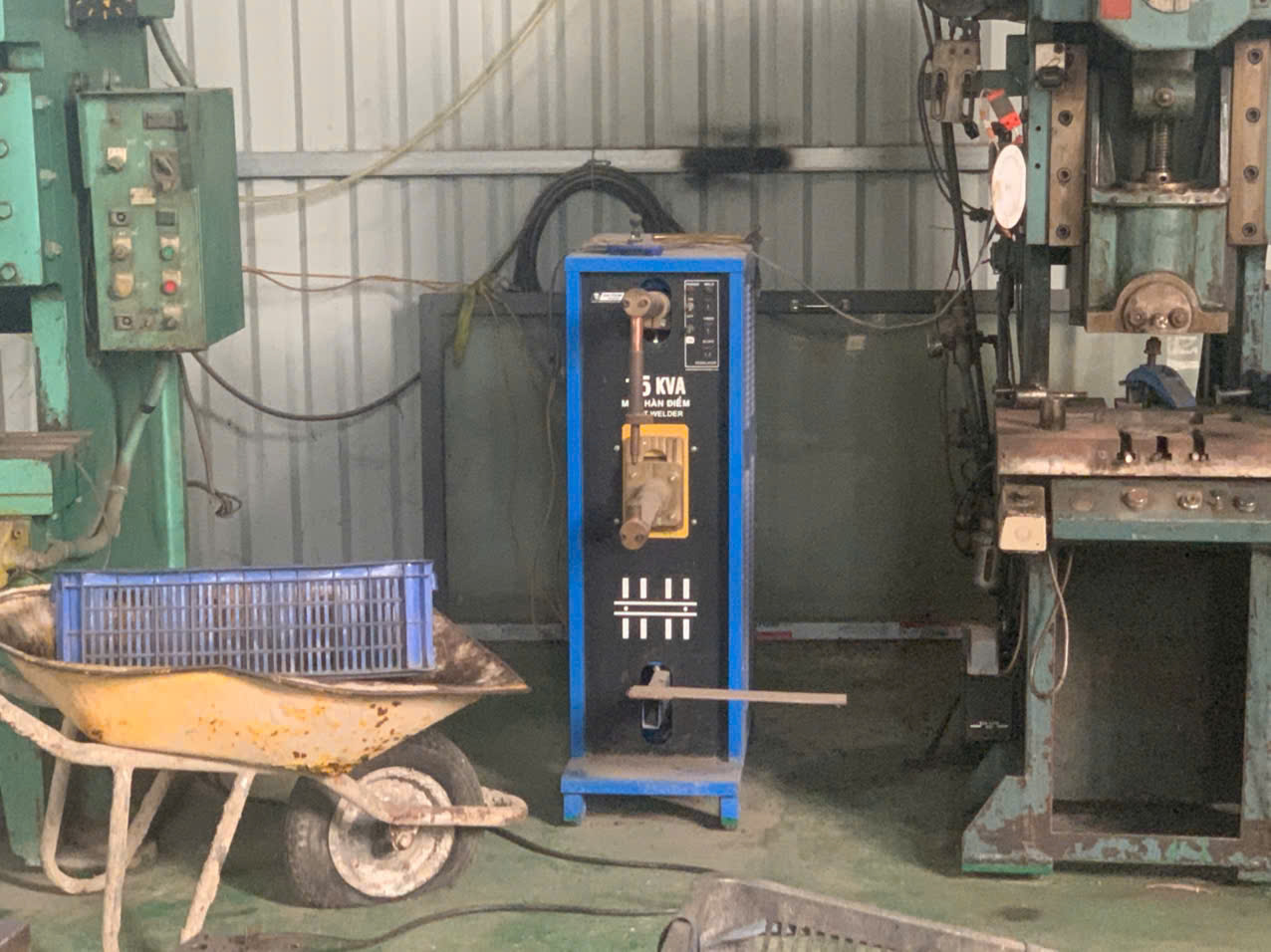
Early Warning Indicators
The key to spotting cost pass-through behavior is to track independently. You need your own market intelligence. If you do not know what steel or aluminum prices are doing, you have no basis to challenge a supplier's claim.
Here are the specific warning signs to watch for:
Mismatched Price Increase Requests
Compare every supplier price increase request against the relevant commodity index. If they claim a 10% material cost increase but the LME or Platts index only moved 4%, ask them to justify the gap with a detailed cost breakdown analysis. Legitimate suppliers will show you exactly which input costs changed and by how much. Learning how to tell if sheet metal fabrication quotes account for material price fluctuations can give you a stronger framework for this analysis.
Sudden Payment Term Changes
If a supplier that previously offered 60-day payment terms suddenly requests prepayment or cash on delivery, this is often a signal of cash flow stress. They may be unable to finance raw material purchases at current prices. This does not automatically mean they are being dishonest — but it does mean their financial buffer has eroded, and cost pass-throughs are likely coming.
Quality and Lead-Time Degradation
When a supplier is absorbing cost increases they cannot afford, the first things to suffer are usually quality and delivery. They may use cheaper substitute materials without telling you. They may delay orders to batch-purchase raw materials at better prices. If you notice weld quality declining on your fabricated brackets, or surface finish inconsistencies on powder-coated parts, investigate the root cause. It may be cost-driven.
Lack of Transparency
The single most reliable warning sign is a supplier who refuses to share data. If they will not disclose:
- Their raw material sources
- The percentage of your part cost attributable to material
- Their upstream contract structures
- Their inventory position
…then you have no way to verify whether a price increase is justified. In our PPAP and process control work, we build transparency requirements into the supplier qualification process 10 from day one. A supplier who resists this transparency is a supplier who may have something to hide.
Building Your Own Monitoring System
You do not need expensive software to track commodity trends. Start simple:
- Subscribe to free LME and Platts daily price summaries for your key materials
- Build a basic spreadsheet tracking the index price of steel, aluminum, copper, or whatever materials dominate your parts
- Compare your supplier's price adjustment requests against actual index movements on a quarterly basis
- Document every price change request with the date, amount, justification, and your own index data for that period
Over time, this creates a clear record. Patterns emerge. You will see which suppliers adjust fairly and which ones inflate. This kind of supply chain risk assessment does not require a dedicated team — it requires discipline and consistency. As your volumes grow, you may also want to explore how to negotiate tiered pricing with sheet metal fabrication suppliers to further stabilize costs over time.
Conclusion
Evaluating a supplier's ability to handle raw material price fluctuations demands forensic transparency — not promises. Audit contracts, finances, sourcing strategies, and pricing behavior against real market data. The suppliers worth keeping are the ones willing to open their books.
Frequently Asked Questions
What Contract Terms Should I Require to Protect Against Raw Material Price Volatility?
A lesson I learned early in our sourcing operations: the contract is your first and last line of defense against unexpected cost increases. When we help U.S. clients set up manufacturing agreements 2 in Vietnam or across Asia, we insist on spending extra time on pricing clauses before any production begins.
How Can I Verify a Supplier's Financial Stability to Absorb Short-Term Cost Increases?
One interaction with a buyer in the Midwest taught me something I will not forget. He had been working with a Vietnamese supplier for two years — great quality, on-time delivery, fair pricing. Then nickel prices surged. Within six weeks, the supplier requested prepayment on all open orders. Their cash flow had dried up. They simply could not afford to buy raw material at the new market price and wait 60 days for payment. The relationship survived, but barely.
What Questions Should I Ask About a Supplier's Raw Material Sourcing and Hedging Strategies?
The trade-off between cost and risk becomes most visible when you dig into how a supplier actually buys their raw materials. I have sat in meetings where a supplier confidently claimed they "lock in prices for the year." When we asked to see the upstream contract, it turned out they were buying on the spot market every two weeks. That gap between claim and reality is exactly what you need to close.
Footnotes
1. Authoritative Wikipedia entry explaining financial and price volatility. ↩︎
2. Official Trade.gov hub for advanced manufacturing and supply chain resources. ↩︎
3. Defines a contract type where the price is set and does not change. ↩︎
4. Comprehensive Wikipedia overview of raw materials and their role in supply chains. ↩︎
5. Defines how contracts adjust prices based on fluctuating market conditions. ↩︎
6. Explains the importance of verified financial records for assessing business health. ↩︎
7. Authoritative guide on identifying and mitigating risks within a supply chain. ↩︎
8. Authoritative Wikipedia entry defining safety stock and its importance in logistics. ↩︎
9. Wikipedia page explaining the function and types of commodity price indices. ↩︎
10. Reference to ISO standards for quality management and supplier evaluation. ↩︎