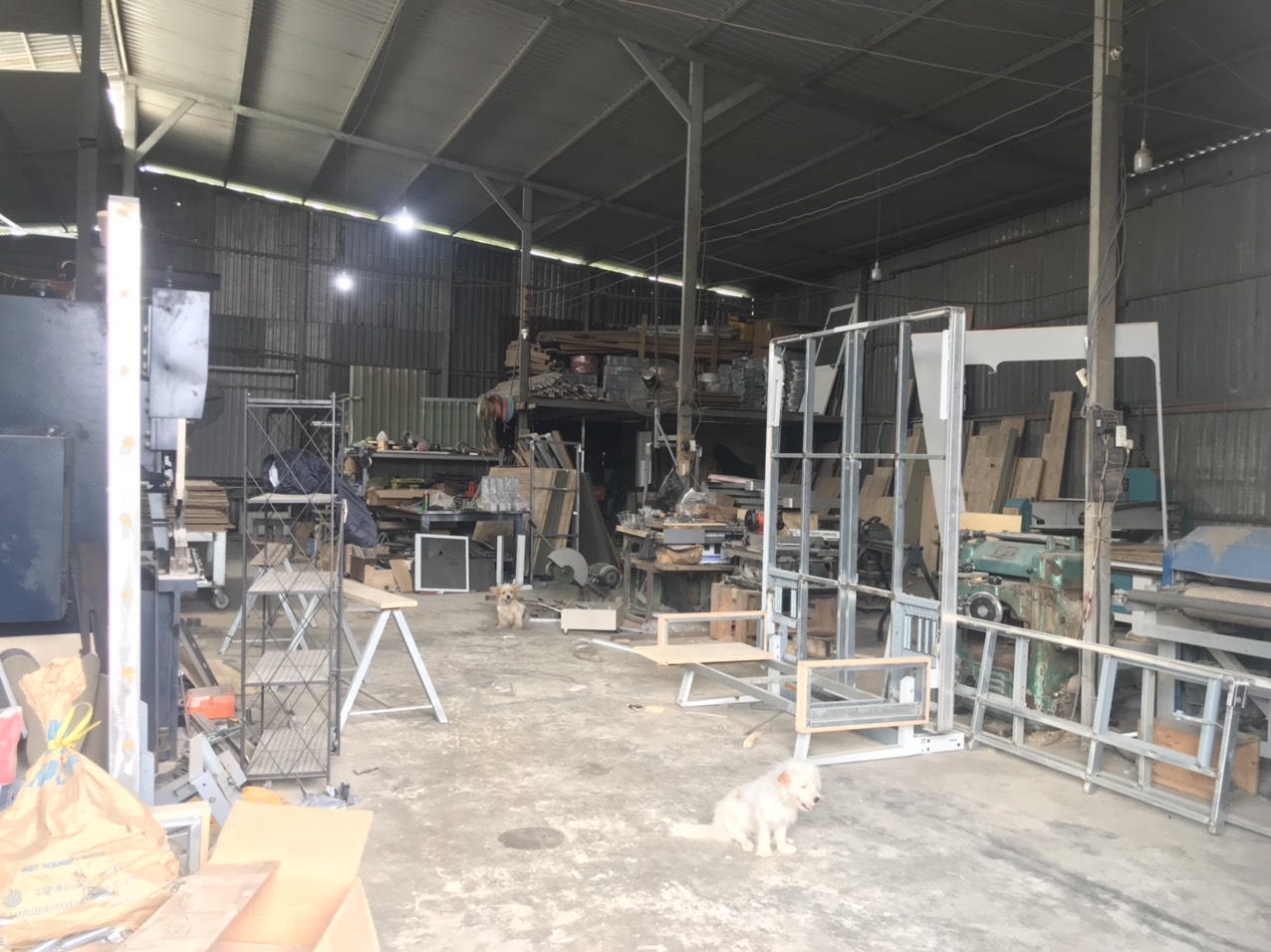

Evaluating supplier assembly and sub-assembly for sheet metal fabrication is something I think about every single week. Our team in Vietnam and China has managed dozens of custom part projects where a supplier’s assembly process made or broke the entire order. The problem is clear: too many buyers pick a fabricator based on price alone, only to receive parts with misaligned welds, wrong hardware, and blown tolerances. The agitation is real — rework costs pile up, delivery timelines collapse, and your own customer loses confidence. The solution starts with a structured evaluation that goes far beyond a factory tour.
To evaluate supplier assembly and sub-assembly for sheet metal fabrication, assess welding proficiency, precision bending capability, quality management systems including first article inspection and CMM equipment, design for manufacturability support, supply chain resilience, and financial stability before committing to production.
This guide breaks down each evaluation area into actionable steps. I will walk you through how to verify quality, protect your drawings, assess supply chains, and even negotiate better payment terms. Let us start with the most critical piece: quality and tolerance verification.
How do I verify that a supplier's assembly process meets my strict quality and tolerance requirements?
A lesson we learned early on was that a supplier's sample room can look perfect while their production floor tells a completely different story. Verifying assembly quality demands more than checking a certificate on the wall.
Verify a supplier’s assembly quality by auditing their quality management system, reviewing ISO certifications, requesting first article inspection reports with dimensional inspection data, confirming CMM calibration records, and evaluating their in-process quality checks and weld inspection procedures.

Start with Certifications and Systems
The first filter is simple. Does the supplier hold ISO 9001:2015 certification 1? This is the baseline for quality management system maturity. For aerospace parts, look for AS9100. For medical devices, ISO 13485 2. These certifications tell you the supplier has documented processes, internal audits, and corrective action procedures in place.
But a certificate alone is not enough. I always ask for the supplier's quality manual and review their control plans. A control plan should map every assembly step to specific inspection points. If the supplier cannot produce one, that is a red flag. You should also verify authenticity and validity of supplier certifications through independent checks rather than taking documents at face value.
Inspection Equipment and Calibration
Ask the supplier for a full list of their inspection equipment. At a minimum, they should have coordinate measuring machines 3 (CMMs), optical comparators, surface roughness testers, and calibrated hand tools like micrometers and calipers. CMMs are essential for dimensional inspection on complex sub-assemblies where tolerance stack-up across multiple bent and welded parts can cause fit issues downstream.
Check calibration records. Equipment should be calibrated on a documented schedule — typically every 6 to 12 months — traceable to national standards. Our team has rejected suppliers who could not produce current calibration certificates. It sounds basic, but it happens more often than you would expect.
First Article Inspection and In-Process Checks
First article inspection 4 is non-negotiable. The supplier should produce a detailed FAI report — including balloon drawings and measured values against nominal dimensions — for the first production part. This confirms they can hit your tolerances before they run the full batch. For a detailed walkthrough of how to structure this request, see our guide on how to request a First Article Inspection (FAI) report when sourcing sheet metal fabrication.
Beyond FAI, evaluate their in-process quality checks. Do they inspect after each critical operation — cutting, bending, welding, hardware insertion? Or do they only inspect at the end? End-of-line-only inspection is risky because it catches problems too late, leading to batch-wide rework.
Weld Inspection
For assemblies with welded joints, weld inspection 5 is critical. Ask what methods they use. Visual inspection is standard. Penetrant testing or ultrasonic testing may be needed for structural welds. Look for certified welders — AWS certifications are the benchmark. If they use robotic welding, verify their programming capability and fixture quality, since poor fixturing causes weld misalignment even with robots.
| Quality Verification Step | What to Request | Red Flag if Missing |
|---|---|---|
| ISO Certification | Current certificate and audit report | No third-party certification |
| Inspection Equipment | Equipment list with calibration records | No CMM or outdated calibration |
| First Article Inspection | FAI report with balloon drawing | Supplier resists providing FAI |
| In-Process Checks | Control plan with inspection points per operation | Inspection only at final stage |
| Weld Inspection | Welder certifications and NDE methods | No certified welders on staff |
| Material Certification 6 | Mill test reports for raw materials | Cannot trace material to source |
Material Certification and Traceability
Material certification ties directly to assembly quality. The supplier must provide mill test reports that trace raw sheet metal back to its source. This ensures the correct alloy and temper are used. I have seen cases where a supplier substituted a cheaper grade of stainless steel, and the parts failed in the field. A documented raw material traceability system prevents this.
What steps should I take to ensure my engineering drawings are correctly followed during sub-assembly?
One of the most frustrating conversations I have had with a U.S. client involved a set of mirrored mounting brackets — complex angular parts with multiple bends and pre-drilled mounting holes. The supplier missed a geometric dimensioning and tolerancing 7 callout on a critical datum, and the entire batch of left-hand brackets would not mate with the right-hand ones.
Ensure engineering drawings are correctly followed by requiring a formal design review before production, mandating design for manufacturability analysis, establishing clear geometric dimensioning and tolerancing standards, and implementing a structured PPAP process with documented sign-offs at each sub-assembly stage.
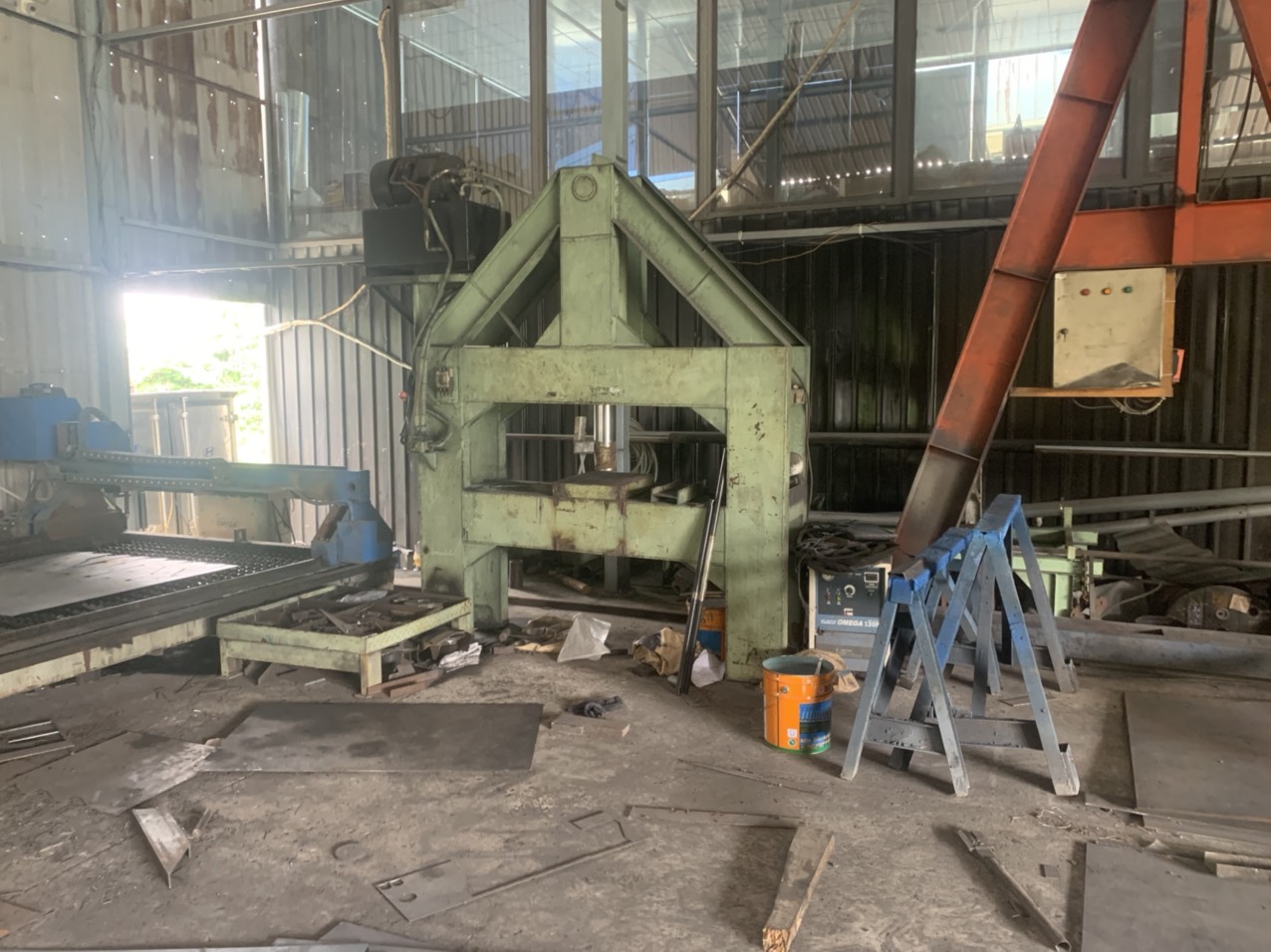
The Design Review Gate
Before any metal is cut, the supplier's engineering team must conduct a thorough drawing review. This is not optional. I insist on a formal kickoff meeting — even if remote — where the supplier walks through every critical dimension, tolerance, surface finish callout, and hardware specification on the drawing.
During this review, the supplier should flag anything they cannot achieve or anything that could cause problems during fabrication. For example, a bend radius that is too tight for the specified material thickness will crack. A hole placed too close to a bend line will deform. These are basic design for manufacturability issues that a competent supplier catches before quoting, not after production starts.
Design for Manufacturability in Practice
DFM analysis 8 is where the supplier adds real value. Their engineers should review the part geometry and recommend changes that reduce cost and improve quality without compromising function. Common DFM considerations for sheet metal include:
- Hole diameters should be at least equal to the sheet thickness to prevent punch breakage.
- Fillet sizes should match sheet thickness — for example, a 2mm fillet for 2mm sheet — to avoid stress concentrations.
- Minimize the number of welds by designing parts that can be formed from fewer pieces.
- Standardize material types and thicknesses across an assembly to simplify procurement.
A supplier with strong DFM capability can reduce your assembly complexity significantly. We have seen projects where a formability analysis showed a part could be bent from a single blank instead of welding two pieces together, cutting assembly time and eliminating a weld inspection step entirely.
GD&T and Tolerance Stack-Up
Geometric dimensioning and tolerancing is the language of precision. If your drawings use GD&T callouts, the supplier must demonstrate they understand and can measure to those standards. Ask them to explain how they interpret specific callouts. If they hesitate, that tells you something. For practical strategies on communicating OEM tolerance requirements to sheet metal fabrication suppliers, a structured approach makes a significant difference.
Tolerance stack-up analysis is equally important for multi-part sub-assemblies. When three or four bent and welded parts come together, individual tolerances accumulate. A ±0.2mm tolerance on five mating features can create a 1mm gap at the final assembly. The supplier should perform or at least understand stack-up analysis to ensure fit.
| DFM Guideline | Rule of Thumb | Why It Matters |
|---|---|---|
| Minimum hole diameter | ≥ sheet thickness | Prevents punch breakage and hole distortion |
| Minimum fillet radius | ≥ sheet thickness | Reduces stress concentration and cracking |
| Bend relief | Width ≥ sheet thickness | Prevents tearing at bend intersections |
| Edge-to-hole distance | ≥ 2× sheet thickness | Avoids deformation near bends |
| Weld joint design | Minimize number of welds | Reduces assembly time and inspection cost |
The PPAP Framework
Our team uses the Production Part Approval Process 9 to formalize drawing compliance. PPAP includes documented records such as the control plan, process flow diagram, measurement system analysis, and dimensional results. Each sub-assembly step is mapped, inspected, and signed off before moving to the next stage. This process discipline is what separates suppliers who get it right the first time from those who rely on sorting and rework.
How can I assess a supplier's ability to manage complex supply chains for my sheet metal parts?
A trade-off we weigh constantly is the balance between a supplier's fabrication skill and their ability to manage everything around it — raw material sourcing, hardware procurement, finish subcontracting, and logistics coordination. A shop can have the best press brake in the region but still fail if they cannot get the right stainless steel alloy delivered on time.
Assess a supplier’s supply chain management by evaluating their production capacity, equipment redundancy, material sourcing network, sub-tier supplier controls, financial stability, geographic proximity, and their track record of on-time delivery across multiple product lines and order volumes.
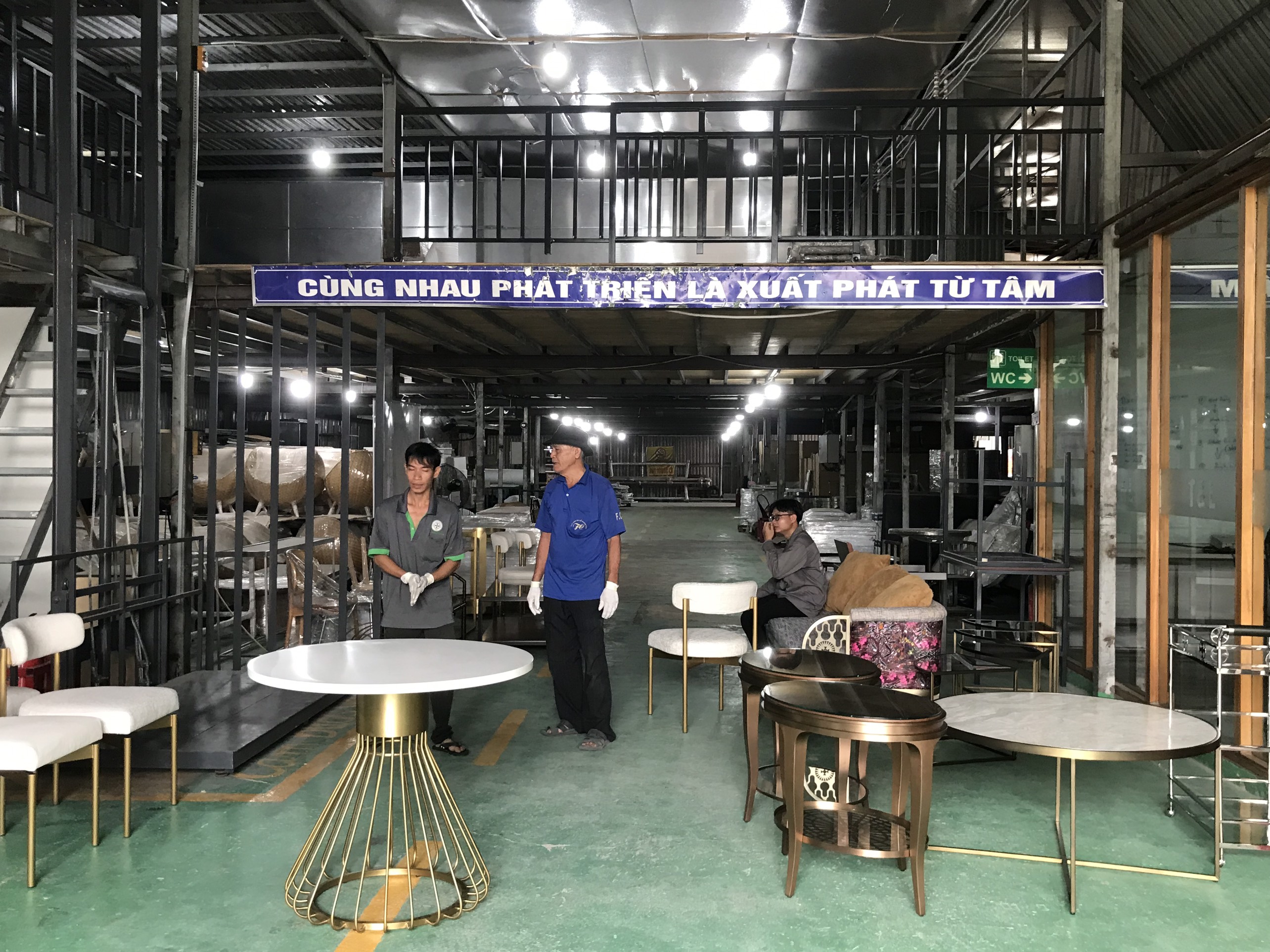
Production Capacity and Equipment Redundancy
Start by understanding what equipment the supplier has and whether they have backup. A single laser cutter or a single press brake creates a bottleneck. If that machine goes down for maintenance, your order stops. CNC press brakes with offline programming and automatic tool changers reduce setup time by 40 to 60 percent compared to manual systems. This directly impacts sub-assembly throughput.
Ask the supplier how many machines they have for each process step. Ask about their current utilization rate. If they are running at 95 percent capacity, there is no room for your order surge or for handling a rush request. I prefer suppliers running at 60 to 75 percent utilization — they have room to flex.
Sub-Tier Supplier Control
Most sheet metal fabricators do not do everything in-house. They subcontract finishing (powder coating, anodizing, plating), heat treatment, or specialty welding. You need to know who these sub-tier suppliers are and how the primary supplier controls them.
Ask these questions:
- Do you audit your subcontractors?
- How do you verify quality on outsourced processes?
- What is your backup plan if a subcontractor fails to deliver?
If the supplier cannot answer clearly, their supply chain has gaps. Supplier risk management starts with visibility into the full chain, not just the top level.
Financial Stability and Longevity
Suppliers that have operated for 20 or more years demonstrate sustained competitiveness. For large commitments, request financial references. A Dun & Bradstreet report or equivalent financial health check gives you insight into whether the supplier can sustain operations, invest in equipment, and absorb temporary cash flow pressures.
We have seen suppliers go bankrupt mid-order. The buyer loses their tooling, their work-in-progress inventory, and weeks of schedule. A quick financial health check is cheap insurance.
Geographic and Logistics Considerations
Proximity matters. A supplier close to your end market reduces shipping time and cost. It also makes supplier audits more practical. However, some buyers prioritize lower unit costs from distant suppliers, accepting longer lead times and higher logistics risk.
| Supply Chain Factor | What to Evaluate | Ideal Benchmark |
|---|---|---|
| Equipment redundancy | Number of machines per process | ≥ 2 machines for critical steps |
| Utilization rate | Current capacity usage | 60–75% for schedule flexibility |
| Sub-tier control | Audit records for subcontractors | Documented audit within last 12 months |
| Financial stability | Years in operation, credit report | 10+ years, positive credit rating |
| On-time delivery | Historical delivery performance | ≥ 95% on-time rate |
| Material sourcing | Number of approved material suppliers | ≥ 2 sources for each critical alloy |
Scaling from Prototype to Volume
A critical test is whether the supplier can scale. Some shops excel at prototypes but struggle with volume. Others are set up for high-volume runs and treat small orders as a nuisance. Ask for specific examples of projects where they scaled from prototype to production. Ask about their workflow for different batch sizes and the lead times they commit to at each stage.
Our experience managing projects across Vietnam and China has shown that the best suppliers plan for scalability from day one. They design fixtures, program CNC equipment, and set up inspection protocols with volume production in mind, even during the prototype phase.
Can I negotiate open account payment terms to reduce my financial risk on large fabrication projects?
A buyer interaction that comes up in almost every initial conversation with U.S. purchasing managers is the question of payment terms. Most Asian suppliers demand 30 percent upfront and 70 percent before shipment. For large fabrication projects with long lead times, this ties up significant working capital and creates cash flow pressure on the buyer.
Yes, you can negotiate open account payment terms — typically net 60 or net 90 days — with established supply chain partners who have built trust through consistent quality and delivery. These terms shift financial risk from the buyer to the supplier, significantly easing cash flow on large projects.
Why Payment Terms Matter for Large Projects
On a large sheet metal fabrication project, you might place orders worth $50,000 to $200,000 or more per shipment. If you must prepay a significant portion, that capital is locked up for weeks or months before you receive and sell the parts. For purchasing managers managing multiple projects, this adds up fast.
Open account terms 10 — where you pay 60 or 90 days after receiving the goods — let you inspect the parts, integrate them into your products, and even invoice your own customers before the supplier payment is due. This is standard practice in domestic U.S. supply chains, but it is rare in international trade with Asia.
How We Make It Work
At DEWIN, we offer open account payment terms to qualified clients. This is unusual for a supply chain partner sourcing from Asia. We can do it because our Singapore headquarters provides financial stability, and our long-term relationships with factories in Vietnam and China give us the leverage to manage cash flow across the chain.
Here is how the process typically works:
- We start with standard payment terms on the first one or two orders.
- As trust builds through on-time delivery and consistent quality, we discuss transitioning to open account.
- We agree on credit limits and payment windows — usually net 60 or net 90.
- The buyer receives goods, inspects them, and pays within the agreed window.
This approach aligns incentives. We are motivated to deliver quality and on-time because we have not been paid yet. The buyer is motivated to maintain the relationship because favorable terms are hard to find.
What to Watch For
Not every supplier can offer open account terms. A supplier with thin margins and weak cash reserves cannot absorb the float. If a supplier offers open account without any qualification process, be cautious — it could indicate desperation for business rather than financial strength.
When negotiating, clarify:
- What is the credit limit per order and per month?
- What happens if a quality dispute arises — is payment paused or does a separate claims process apply?
- Are there early payment discounts available?
These details prevent misunderstandings and protect both sides.
Conclusion
Evaluating supplier assembly and sub-assembly for sheet metal fabrication requires a disciplined, multi-dimensional approach. Verify quality systems, enforce drawing compliance through DFM and PPAP, assess supply chain depth, and negotiate payment terms that protect your cash flow. Start with a pilot project, measure results, and build from there.
Frequently Asked Questions
How do I verify that a supplier's assembly process meets my strict quality and tolerance requirements?
A lesson we learned early on was that a supplier's sample room can look perfect while their production floor tells a completely different story. Verifying assembly quality demands more than checking a certificate on the wall.
What steps should I take to ensure my engineering drawings are correctly followed during sub-assembly?
One of the most frustrating conversations I have had with a U.S. client involved a set of mirrored mounting brackets — complex angular parts with multiple bends and pre-drilled mounting holes. The supplier missed a geometric dimensioning and tolerancing 7 callout on a critical datum, and the entire batch of left-hand brackets would not mate with the right-hand ones.
How can I assess a supplier's ability to manage complex supply chains for my sheet metal parts?
A trade-off we weigh constantly is the balance between a supplier's fabrication skill and their ability to manage everything around it — raw material sourcing, hardware procurement, finish subcontracting, and logistics coordination. A shop can have the best press brake in the region but still fail if they cannot get the right stainless steel alloy delivered on time.
Footnotes
1. Explains the globally recognized standard for quality management systems. ↩︎
2. Specifies quality management system requirements for medical devices. ↩︎
3. Explains precision equipment used for measuring physical object geometries. ↩︎
4. Standardized process to verify manufactured parts meet design specifications. ↩︎
5. Replaced with the Wikipedia page on Welding Inspection, offering a broad and authoritative overview of various inspection methods. ↩︎
6. Documents material’s physical and chemical properties, ensuring compliance with standards. ↩︎
7. Standardized symbolic language for defining and communicating engineering tolerances. ↩︎
8. Engineering method to optimize product design for efficient, cost-effective manufacturing. ↩︎
9. Standardized quality assurance process to ensure consistent part production meeting requirements. ↩︎
10. Payment method in international trade where goods are shipped before payment is due. ↩︎