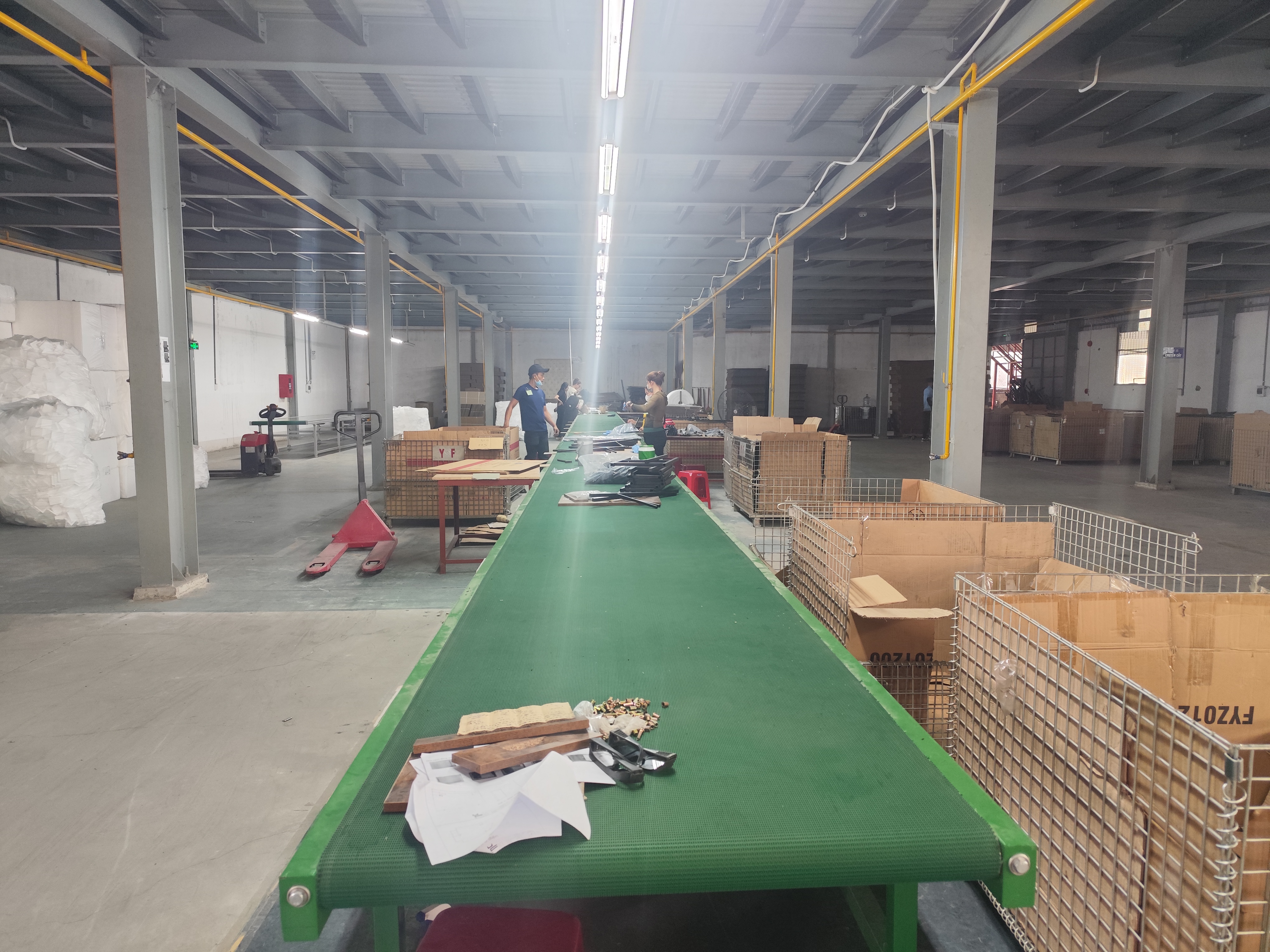

Evaluating a supplier’s cross-industry OEM experience for stamping parts is harder than it looks process capability index 1. When we audit stamping plants across Vietnam and Asia, glossy customer lists often hide weak process control.
Evaluate cross-industry OEM experience by verifying similar-part evidence, not customer logos. Check in-house tooling control, PPAP and FAI records, SPC data with Cpk of 1.33 or higher, industry-specific certifications, traceability systems, and references from OEM programs matching your part’s material, tolerance, and volume.
That is the short answer. Below, I break it into four practical steps, based on the supplier audits my team runs every month.
How can I verify a stamping supplier's OEM experience across different industries before signing a contract?
A buyer once sent me a supplier's brochure listing twelve industries. During our on-site audit, we found only two active OEM programs. Claims and reality often diverge in our sourcing work.
Verify cross-industry OEM experience by requesting anonymized case studies, sample parts with inspection reports, active customer references, and recent audit results. Then confirm claims on-site: check running dies, production travelers, and traceability records that link real parts to the industries the supplier names.

Verification is a process, not a phone call. I recommend buyers follow a clear sequence before any contract gets signed. Our team in Vietnam runs this sequence for U.S. clients who cannot fly over for every qualification.
Start With Documents, Finish On-Site
Ask for evidence in this order. Each step filters out weaker suppliers before you spend money on travel or third-party audits.
- Request the industry portfolio in writing. Ask which sectors they currently ship to, and what share of revenue each sector represents. Diversified revenue reduces your risk if one sector slumps.
- Ask for sample parts with data. A stamped bracket means little alone. A bracket plus its FAI report, material cert, and control plan proves discipline.
- Collect anonymized case studies. Good suppliers can describe a launch problem, the root cause, and the fix without naming the customer.
- Check references. Speak to at least one OEM customer in a sector similar to yours. Ask about delivery performance and quality escapes, not just satisfaction.
- Audit the floor. Look for running progressive dies 2, tool maintenance logs, and travelers that match the industries claimed. Paperwork that only exists in a binder is a warning sign.
What Distinguishes Real Experience From a Long Logo List
Breadth is not the same as relevance. A shop may serve appliance, hardware, and automotive customers, yet never have stamped a part with your thickness, tolerance stack, or plating requirement. When we qualify stamping suppliers for mounting clips and chassis brackets, we always map the supplier's past parts against the new drawing first. If nothing on their floor resembles your part, their industry list is decoration.
What questions should I ask to assess a supplier's cross-industry technical capabilities for custom stamping parts?
Question quality decides audit quality. Our engineers keep a standard question set for stamping suppliers, refined over years of co-development projects for U.S. purchasing managers who need parts right the first time.
Ask targeted questions about in-house die design, press tonnage range, materials formed, secondary operations, measurement equipment, and cross-industry learning. Strong suppliers explain how automotive discipline improved their industrial parts and show data for parts similar to yours in thickness, tolerance, and volume.

Generic questions get generic answers. "Do you have experience with brackets?" invites a yes. Specific questions force evidence. I group my must-ask questions into four areas, and I listen for specifics, not confidence.
Tooling and Press Questions
In-house tooling is the biggest technical differentiator. A shop that designs, builds, and maintains its own dies controls lead time, tryout quality, and engineering changes. A shop that outsources dies inherits someone else's schedule and someone else's mistakes.
| Question | What a Strong Answer Sounds Like | Red Flag |
|---|---|---|
| Do you design and build dies in-house? | Yes, with named die designers and a tool room on-site | "Our partner shop handles tooling" |
| What is your press tonnage range? | A range matching your part size and material strength | Vague answers or only small presses |
| Progressive, transfer, or single-stage? | Explains which fits your volume and geometry | Pushes one method for everything |
| How do you maintain dies? | Scheduled maintenance logs, spare punch inventory | "We fix them when they break" |
| How fast can you handle an ECN? | A defined change process with tryout and re-validation | "Just send the new drawing" |
Materials and Secondary Operations
Ask which materials they form regularly: mild steel, stainless, aluminum, high-strength steel. Advanced materials expose weak process control quickly. Then ask what they finish internally—welding, tapping, plating coordination, assembly. Every outsourced step adds coordination risk to your schedule.
Cross-Industry Learning Questions
My favorite prompt is simple: "What did you learn from your most demanding customer that improved parts for other customers?" A supplier with real transferable discipline answers with a concrete example, such as extending SPC from automotive lines to appliance parts statistical process control 3. A supplier without it changes the subject.
Which certifications or audit results prove a supplier can handle my industry's specific stamping requirements?
Certification debates come up in almost every sourcing project we manage. One client insisted on IATF 16949 4 for a simple hardware clip; another ignored certificates entirely. Both approaches carry risk.
Match certifications to your industry: IATF 16949 for automotive, AS9100 for aerospace, ISO 13485 for medical, and ISO 9001 as a general baseline. Then confirm capability with second-party audit results, PPAP Level 3 submissions, and SPC data showing Cpk of 1.33 or better on critical dimensions.

A certificate proves a supplier passed a system audit on a given day. It does not prove they can hold your tolerance on your material at your volume. That is why my team treats certification as an entry ticket, and audit evidence as the real proof.
Matching Certificates to Your Requirements
| Your Industry | Baseline Certification | Additional Proof to Request |
|---|---|---|
| Automotive | IATF 16949 | PPAP Level 3, APQP records, Cpk ≥ 1.33 (1.67 preferred for safety features) |
| Aerospace | AS9100 5 | FAI per AS9102, material traceability records |
| Medical devices | ISO 13485 6 | Validation protocols, lot traceability |
| Appliance / industrial | ISO 9001 7 | Control plans, SPC charts, inspection reports |
| Construction hardware | ISO 9001 | Material certs, plating thickness reports, dimensional FAI |
Why Stacked Certifications Signal Maturity
A supplier holding both IATF 16949 and ISO 13485 has proven it can run different regulatory disciplines under one roof. That systemic flexibility is exactly what cross-industry OEM experience should deliver. But stacking alone is not enough. When we run supplier audits, we test whether documents drive the floor. We pull a control plan, walk to the press, and check whether the operator's checks match it. A supplier that "has documents" fails this test. A supplier that "uses documents" passes in minutes.
Audit Results Beat Marketing Claims
Second-party audits—done by your team or an agent like ours—reveal what certificates cannot: housekeeping around dies, calibration status on CMMs, how nonconformances are quarantined, and whether traceability truly links coil lots to shipped cartons. Ask any prospective supplier for their most recent customer audit score and their corrective actions. Willingness to share is itself a signal.
How do I evaluate a supplier's past OEM project references to predict their performance on my custom parts?
Reference checks saved one of our U.S. clients from a costly mistake last year. Two former customers described repeated late deliveries that the supplier's polished presentation never mentioned. References predict behavior better than promises.
Evaluate references by comparing past OEM parts to yours in material, thickness, tolerance, volume, and finish. Ask referees about on-time delivery, quality escapes, launch support, and change management. Then score suppliers on a weighted scorecard covering relevance, tooling, quality maturity, and audit results.

References only predict performance when the past project resembles your program. A supplier who launched a cosmetic stainless panel flawlessly may still struggle with your structural high-strength bracket. So I evaluate references in two layers: similarity first, behavior second.
Layer One: Part Similarity
Before calling anyone, map the reference part against yours. Ask the supplier for the part's material grade, thickness, tightest tolerance, annual volume, and secondary operations. If three or more of these match your drawing, the reference is meaningful. If not, it is just a story.
Layer Two: Behavior Under Pressure
When you speak with a referee, skip "Were you satisfied?" Ask instead:
- How did the launch go, and what problems appeared at tryout?
- When a quality escape happened, how fast was containment, and was the corrective action permanent?
- How were engineering changes quoted and implemented?
- Did deliveries stay on time during their busiest season?
A supplier's handling of one bad week tells you more than a year of smooth shipments.
Turn It Into a Scorecard
Structured scoring keeps emotion out of the decision. Here is the weighted model we adapt for stamping projects:
| Criterion | Weight | What Scores High |
|---|---|---|
| Similar-part experience | 20% | Shipped parts matching material, tolerance, volume |
| In-house tooling | 15% | Die design, build, and maintenance on-site |
| Quality maturity | 15% | Live SPC, PPAP/FAI discipline, Cpk data |
| Traceability | 10% | Coil-to-carton lot linkage |
| Engineering support | 10% | Feasibility studies before quotation, DFM input |
| Audit results | 10% | Recent second-party audit with closed findings |
| References | 10% | Verified OEM customers in similar sectors |
| Capacity and scalability | 5% | Prototype through high volume without quality drift |
| Price transparency | 5% | Open cost breakdowns, clear tooling amortization |
Score each item from 1 to 5, apply the weights, and rank candidates. Low totals flag high risk regardless of how impressive the sales presentation looked. In our projects, the supplier with the broadest logo list rarely wins; the supplier with the closest part match usually does.
Conclusion
Choosing the wrong stamping supplier means delays, rework, and returns. Cross-industry OEM experience reduces that risk only when it is relevant and proven.
The lesson from our years of supplier audits is simple. Do not buy the logo list. Buy the evidence: similar parts, in-house tooling, PPAP and FAI records, live SPC with healthy Cpk, matched certifications, and references who describe real behavior under pressure. Define your part requirements first, then score every candidate against them with a weighted scorecard. The supplier whose past OEM work most closely matches your part, process route, and quality demands will almost always outperform the one with the widest market exposure. If you need a local team in Asia to run these audits and manage the program door-to-door, that is exactly the work we do every day.
Frequently Asked Questions
How can I verify a stamping supplier's OEM experience across different industries before signing a contract?
A buyer once sent me a supplier's brochure listing twelve industries. During our on-site audit, we found only two active OEM programs. Claims and reality often diverge in our sourcing work.
What questions should I ask to assess a supplier's cross-industry technical capabilities for custom stamping parts?
Question quality decides audit quality. Our engineers keep a standard question set for stamping suppliers, refined over years of co-development projects for U.S. purchasing managers who need parts right the first time.
Which certifications or audit results prove a supplier can handle my industry's specific stamping requirements?
Certification debates come up in almost every sourcing project we manage. One client insisted on IATF 16949 4 for a simple hardware clip; another ignored certificates entirely. Both approaches carry risk.
Footnotes
1. Explains the Cpk metric used as a key quality benchmark throughout the sourcing evaluation. ↩︎
2. Technical background on the tooling method referenced in press and tooling audit questions. ↩︎
3. Background concept for SPC data and Cpk metrics referenced multiple times in the article. ↩︎
4. Explains the automotive quality management standard referenced repeatedly in certification comparisons. ↩︎
5. Background on the aerospace quality standard mentioned in the certification matching table. ↩︎
6. Official ISO page for the medical device quality management standard cited in the article. ↩︎
7. Authoritative ISO source for the general quality baseline standard discussed throughout. ↩︎