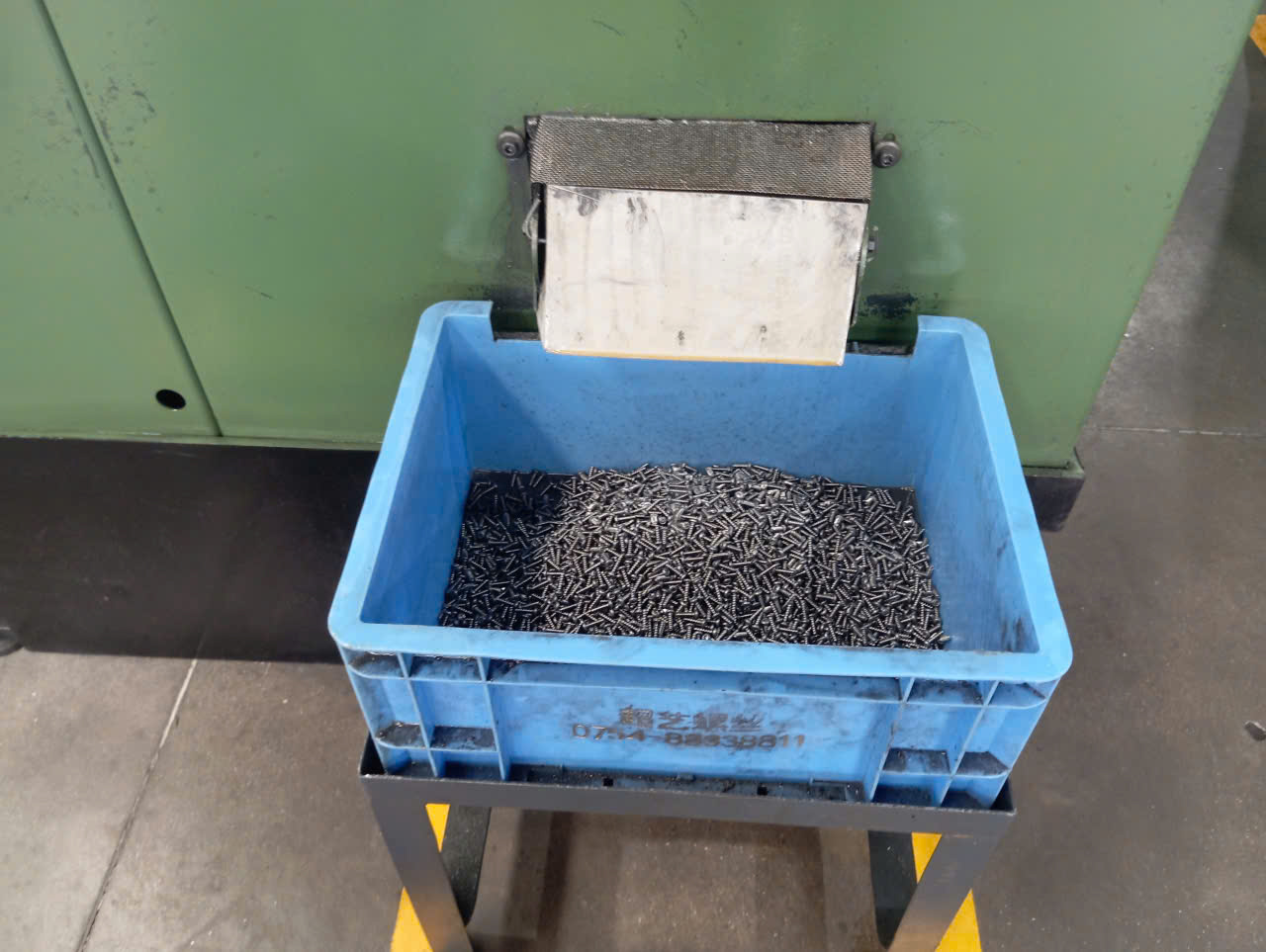

Evaluating a supplier’s deburring, cleaning, and rust prevention capabilities is where I have seen most sourcing projects quietly fail. Parts pass dimensional checks, then arrive burred, dirty, or rusted.
To evaluate a supplier’s deburring, cleaning, and rust prevention capabilities, audit their documented process route for each critical feature, verify cleanliness with measurable standards like ISO 16232, confirm transit-matched protection such as VCI packaging, and require QC records covering every step from edge review to final packing.
These three capabilities are linked. Deburring creates contamination. Cleaning removes it. Rust prevention protects the clean part until it reaches your dock. I will walk you through how to audit each one, then how to tie them together with documentation.
What Should I Look for When Auditing a Supplier's Deburring Process and Equipment?
A stamped bracket we sourced from a Vietnamese factory taught our team an expensive lesson. Every dimension passed, but sharp burrs on the punched holes cut assembly workers' gloves. The drawing said "break all edges." Nobody had read it.
When auditing deburring, verify the supplier reviews edge requirements from the drawing, matches the deburring method to each feature type, protects tolerance-critical surfaces, uses approved reference samples for acceptance, and relies on a documented process route rather than manual touch-up alone.
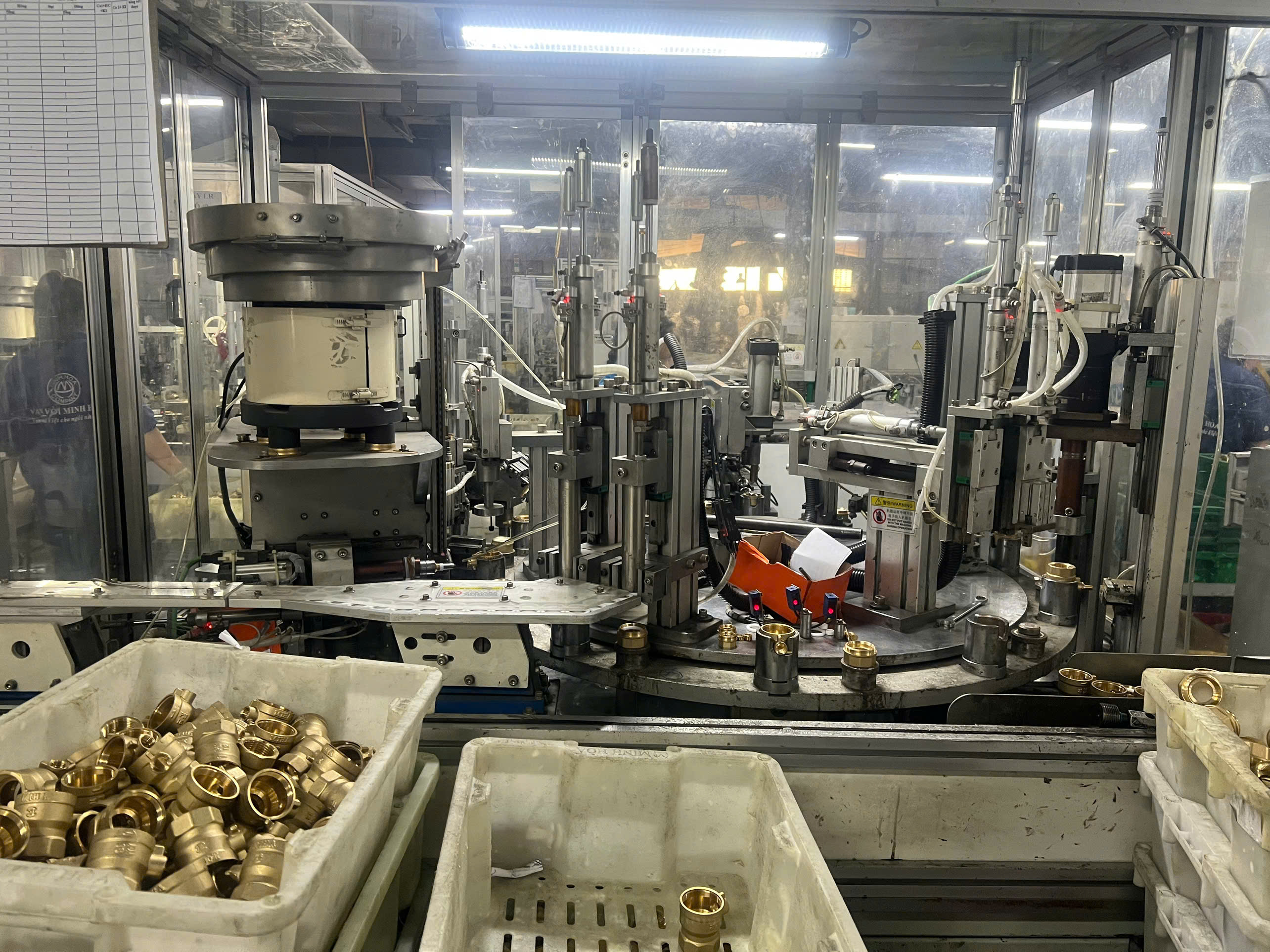
A capable supplier does not start with a machine. They start with the drawing. Before we release any stamping or machining project from our Vietnam team, we ask the factory to state the edge requirement for every critical feature. Is it "burr-free"? Is it a defined edge break? Is it a radius? If the supplier cannot answer that question, the audit is already telling you something.
Match the Method to the Feature
Different burr locations need different tools. During a factory walkthrough, ask the supplier to explain their method choice for each feature type. Here is the framework we use on our own audits:
| Feature Type | Typical Risk | Suitable Deburring Method |
|---|---|---|
| Open external edges | Sharp edges, cosmetic damage | In-machine edge break, belt or brush finishing |
| Punched holes and slots | Exit burrs on stamped parts | Vibratory finishing, brush deburring |
| Threads | Torn or rolled burrs blocking fasteners | Thread brushing, controlled chamfering |
| Cross-holes and intersections | Hidden internal burrs | Brush deburring, thermal or electrochemical deburring |
| Sealing surfaces | Scratches, dimensional loss | Light manual or masked media finishing |
Watch for Over-Reliance on Manual Work
Manual deburring is fine for low volume and prototypes. But if a supplier plans to hand-deburr thousands of stamped brackets, consistency will drift by operator, by shift, and by fatigue. We look for a controlled process, such as vibratory tumbling with defined media, cycle time, and load size, backed by a signed reference sample for visual acceptance.
Also check the trade-off in the other direction. Aggressive tumbling can round edges past tolerance or peen thin flanges. Ask how the supplier protects tolerance-critical zones. A good answer includes fixturing, masking, or a gentler method for those specific features.
How Can I Verify a Supplier's Cleaning Standards Meet My Precision Part Requirements?
One trade-off I weigh on every project is how much cleanliness control the part actually needs. A cosmetic bracket needs a wipe-down. A fluid-handling fitting needs particle-level verification. Paying for the wrong level wastes money either way.
Verify cleaning standards by requiring a defined post-deburr cleaning step, measurable cleanliness criteria based on ISO 16232 or VDA 19.1 for precision parts, particle inspection on functionally relevant surfaces, and documented drying controls, instead of accepting a visual "looks clean" judgment.

Deburring is a contamination-generating step. Tumbling media leaves dust. Brushing leaves bristle fragments and chips. Thermal deburring leaves oxide residue. So the first question I ask any factory is simple: what happens immediately after deburring? If the answer is "we blow it off and pack it," that supplier is only suitable for non-critical parts.
Ask for a Cleanliness Framework, Not a Promise
For sealing surfaces, fluid paths, and precision assemblies, "clean" must be measurable. Two recognized frameworks matter here. ISO 16232 1 covers methods and documentation for determining particulate contamination on functionally relevant components. VDA 19.1 2 covers technical cleanliness inspection. A supplier serving automotive or fluid-system customers should recognize both names without hesitation. In our supplier audits across Vietnam and the wider region, that recognition test alone filters out a surprising number of vendors.
The Three Checks We Run
- Process check. Ask for the written cleaning sequence: wash chemistry, rinse filtration, bath change frequency, and cycle parameters. Digital logs of bath concentration and temperature are a strong maturity signal.
- Inspection check. Ask how they verify particles on the surfaces that matter, not just visible faces. For critical parts, that means extraction and particle counting, not a white-glove wipe.
- Drying check. Moisture left after washing undermines both cleanliness and rust prevention. Confirm a defined drying step, such as heated air or vacuum drying, with a checked outcome.
Trapped debris is the hidden killer. Stamped brackets with folded flanges, like the Z-profile clips we handle regularly, can hold media dust in bend corners. Ask the supplier how they flush and verify those areas specifically.
What Rust Prevention Methods Should My Supplier Use for Long Transit Times to the US?
A buyer once emailed me photos of orange-spotted steel clips that had left the factory bright and clean. The container spent five weeks crossing the Pacific, then sat in a humid port. The factory had used plain poly bags. That was the whole protection plan.
For US-bound shipments, suppliers should apply rust prevention immediately after cleaning and drying, using VCI packaging, rust-preventive oil or wax coatings, or passivation for stainless steel, with the protection grade matched to transit duration, route humidity, and your downstream process.
Ocean freight from Asia to the US commonly takes four to eight weeks door to door, and parts may sit in warehouses afterward. That timeline, plus humidity swings inside a container, defines the protection requirement. When we manage door-to-door logistics for our US clients, we specify the rust prevention method in the purchase order, not at the packing bench.
Match the Method to Material and Next Process
The best method depends on what happens to the part after arrival. A coating that protects perfectly may contaminate a later painting or bonding step. Here is how we typically map it:
| Method | Best For | Protection Duration | Downstream Consideration |
|---|---|---|---|
| VCI paper or bags | Bare steel parts going straight to assembly | Months, if sealed properly | Leaves no residue; parts stay ready to use |
| Rust-preventive oil | Machined steel, threads, bare stamped parts | Long, depending on grade | May need degreasing before coating or bonding |
| Wax-based coatings | Long storage, harsh transit | Very long | Requires removal for most downstream processes |
| Passivation | Stainless steel parts | Effectively permanent | Compatible with most assembly steps |
| Zinc plating or galvanizing | Parts specified with permanent finish | Permanent | Must be on the drawing, not a substitute for it |
Questions That Expose Weak Suppliers
Ask how long parts sit between cleaning and protection. Hours matter with bare steel in humid workshops; a clean part can begin flash-rusting 4 the same day. Ask whether they seal VCI packaging 5 correctly, because torn or open VCI bags lose most of their effect. And ask for accelerated corrosion evidence, such as salt spray testing to ASTM B117, correlated to your real transit timeline, rather than a generic "we oil everything" claim. Finally, confirm they can adjust protection grade by destination. A shipment to Houston in August needs more margin than one to a dry inland warehouse.
How Do I Confirm a Supplier's QC Documentation Covers Deburring, Cleaning, and Rust Prevention Steps?
Early in our PPAP work with regional factories, our engineers noticed a pattern. Control plans covered dimensions in detail, but deburring, cleaning, and rust prevention appeared nowhere. Those steps lived in operators' heads. That is exactly where problems hide.
Confirm coverage by requiring these three steps to appear in the control plan, work instructions, and inspection records, with defined acceptance criteria, sampling plans, reference samples, traceability logs, and a documented nonconformance path such as 8D corrective action reports.

Documentation is where capability becomes verifiable. A supplier can demonstrate a beautiful vibratory tumbler during your video walkthrough. But if the tumbler's cycle time, media type, and acceptance check are not written into a controlled document, the process depends on whoever runs it that day. Our process-control team treats an undocumented step as an uncontrolled step, full stop.
The Document Trail to Request
Walk the paper trail from drawing to shipment. Each of the three capabilities should appear at every level:
| Document | What It Must Show |
|---|---|
| Control plan | Deburring, cleaning, and rust prevention listed as process steps with control methods and reaction plans |
| Work instructions | Method, parameters, media, chemistry, cycle times, and drying settings at each station |
| Inspection records | Edge checks under magnification, cleanliness results, protection verification, with sampling frequency |
| Reference samples | Signed boundary samples defining acceptable edge and surface condition |
| Traceability logs | Lot linkage from raw material through deburr, wash, protect, and pack |
| First-article report | Burr-free verification, surface roughness where specified, and packaging method approval |
| Nonconformance records | 8D or similar root-cause reports showing real corrective action, not blame notes |
Validation Before Production Release
Paper alone is not proof. Before mass production, we require a pilot run or first-article submission on actual parts, inspected against the documented criteria. For stamped brackets, that means checking hole exits and bend edges under magnification, verifying cleanliness on functional surfaces, and confirming the packed condition matches the approved packaging spec. Certifications such as ISO 9001 6 or IATF 16949 7 signal a mature system, but the pilot run tells you whether the system reaches your specific part. If a supplier resists a pilot run, that resistance is itself audit data.
Conclusion
Burrs, contamination, and rust travel together. One weak link ruins clean parts. Audit the full chain, demand documented proof, and validate before release. If you want help evaluating a supplier’s deburring, cleaning, and rust prevention capabilities, I am glad to share our audit
Frequently Asked Questions
What Should I Look for When Auditing a Supplier's Deburring Process and Equipment?
A stamped bracket we sourced from a Vietnamese factory taught our team an expensive lesson. Every dimension passed, but sharp burrs on the punched holes cut assembly workers' gloves. The drawing said "break all edges." Nobody had read it.
How Can I Verify a Supplier's Cleaning Standards Meet My Precision Part Requirements?
One trade-off I weigh on every project is how much cleanliness control the part actually needs. A cosmetic bracket needs a wipe-down. A fluid-handling fitting needs particle-level verification. Paying for the wrong level wastes money either way.
What Rust Prevention Methods Should My Supplier Use for Long Transit Times to the US?
A buyer once emailed me photos of orange-spotted steel clips that had left the factory bright and clean. The container spent five weeks crossing the Pacific, then sat in a humid port. The factory had used plain poly bags. That was the whole protection plan.