

Evaluating a supplier’s deburring, cleaning, and rust prevention for stamped parts saved one of our audit projects from disaster PPAP documentation 1. Burrs, oily residue, and flash rust 2 quietly destroy assembly schedules.
Evaluate deburring, cleaning, and rust prevention as controlled processes, not promises. Require defined burr height limits, verified cleanliness standards like ISO 16232, ASTM B117 salt spray data, protection matched to shipping duration, and documented inspection reports before approving any stamping supplier.
These three steps decide whether stamped brackets fit, coat, weld, and arrive rust-free. Below, I break down exactly what to check, section by section, with the questions I ask during real supplier audits.
What Deburring Standards Should I Require to Ensure Consistent Edge Quality on Stamped Parts?
A few years back, our Vietnam team rejected a full lot of stamped mounting clips. The drawing said "deburr all edges." The supplier's idea of deburring was very different from the client's.
Require a quantified burr height limit (commonly 10% of material thickness or a stated maximum in millimeters), a defined burr direction on the drawing, specified edge radii on functional surfaces, and a documented deburring method with process parameters that protect critical dimensions.

Vague deburring notes cause most edge-quality disputes I see. Burrs are not just cosmetic. They cut assembly workers, damage mating parts, block coating adhesion, trap contamination, and start corrosion. So the first thing I check is whether the supplier controls burrs at the source. Good tooling and correct press setup keep burrs small and pointed in a predictable direction. Secondary finishing then removes what remains.
Match the Deburring Method to the Part
Each method has trade-offs. A thin galvanized bracket cannot survive aggressive tumbling without coating damage. A precision clip with tight hole tolerances cannot tolerate heavy abrasive work.
| Deburring Method | Best For | Risk to Watch |
|---|---|---|
| Vibratory / tumbling | High-volume small brackets and clips vibratory tumbling 3 | Over-rounded edges, media lodged in holes |
| Manual (files, belts) | Low volume, large or delicate parts | Lot-to-lot inconsistency |
| Thermal deburring | Complex internal edges | Surface discoloration, cost |
| Abrasive brushing | Flat stamped parts, controlled edge break | Surface finish change |
| Chemical / electrochemical | Precision parts, uniform edge radii | Dimensional loss if uncontrolled |
Questions I Ask During Audits
First, are burr limits written down and measured, or judged by feel? Second, how does the supplier prevent over-deburring? Removing too much material rounds edges and ruins press-fit performance. Third, does the process preserve plating or galvanized layers? Finally, I ask to see their in-process checks: magnification tools, edge gauges, and sample retention. A supplier who cannot name their deburring method is a supplier who cannot repeat it.
How Can I Verify a Supplier's Cleaning Process Removes Oils and Contaminants Before Shipment?
During a pre-shipment inspection last year, our team wiped a stamped bracket with white cloth and it came back gray. The parts were headed for powder coating. We stopped the shipment.
Verify cleaning through a defined process (aqueous, ultrasonic, or solvent), documented residue limits tied to your end use, wipe or water-break tests at final inspection, monitored rinse-water quality, and confirmed full drying to prevent water spots and flash rust before packing.

Cleaning is contamination control, not a rinse at the end of the line. Stamped parts carry drawing oils, metal fines, tumbling media dust, coolant residue, and fingerprints. If your parts will be painted, plated, bonded, or welded, poor cleaning shows up later as adhesion failure or weld porosity. That failure lands on your desk, not the supplier's.
What a Mature Cleaning Process Looks Like
I walk the line in this order. First, I check the cleaning stage itself: is it aqueous alkaline, ultrasonic, solvent-based, or multi-stage? Each suits different oils and geometries. Second, I check rinse water. Dirty rinse water re-deposits contamination and is a leading cause of flash rust. Good suppliers monitor conductivity or TDS and change baths on a schedule. Third, I check drying. Parts must be fully dry before packing. Trapped moisture inside bent flanges causes rust in transit every time.
Simple Verification Tests You Can Require
- White-cloth wipe test on sample parts at final inspection.
- Water-break test for coating or bonding applications.
- Residue weight or particulate limits per ISO 16232 for critical parts.
- Time record between cleaning and rust preventive application.
Ask the supplier whether they clean before or after deburring, and why. The answer reveals whether they understand their own process or just follow habit.
What Rust Prevention Methods Should I Check for Long-Term Storage and Overseas Shipping?
Ocean freight from Asia to the US East Coast can take five to six weeks. I have opened containers in humid ports and seen the difference proper corrosion protection makes.
Check that the rust preventive matches the protection window: light oils for days, water-displacing protectants for weeks, VCI packaging with desiccants for months of ocean transit. Confirm compatibility with downstream painting or welding, and verify packaging is part of the corrosion-control system.
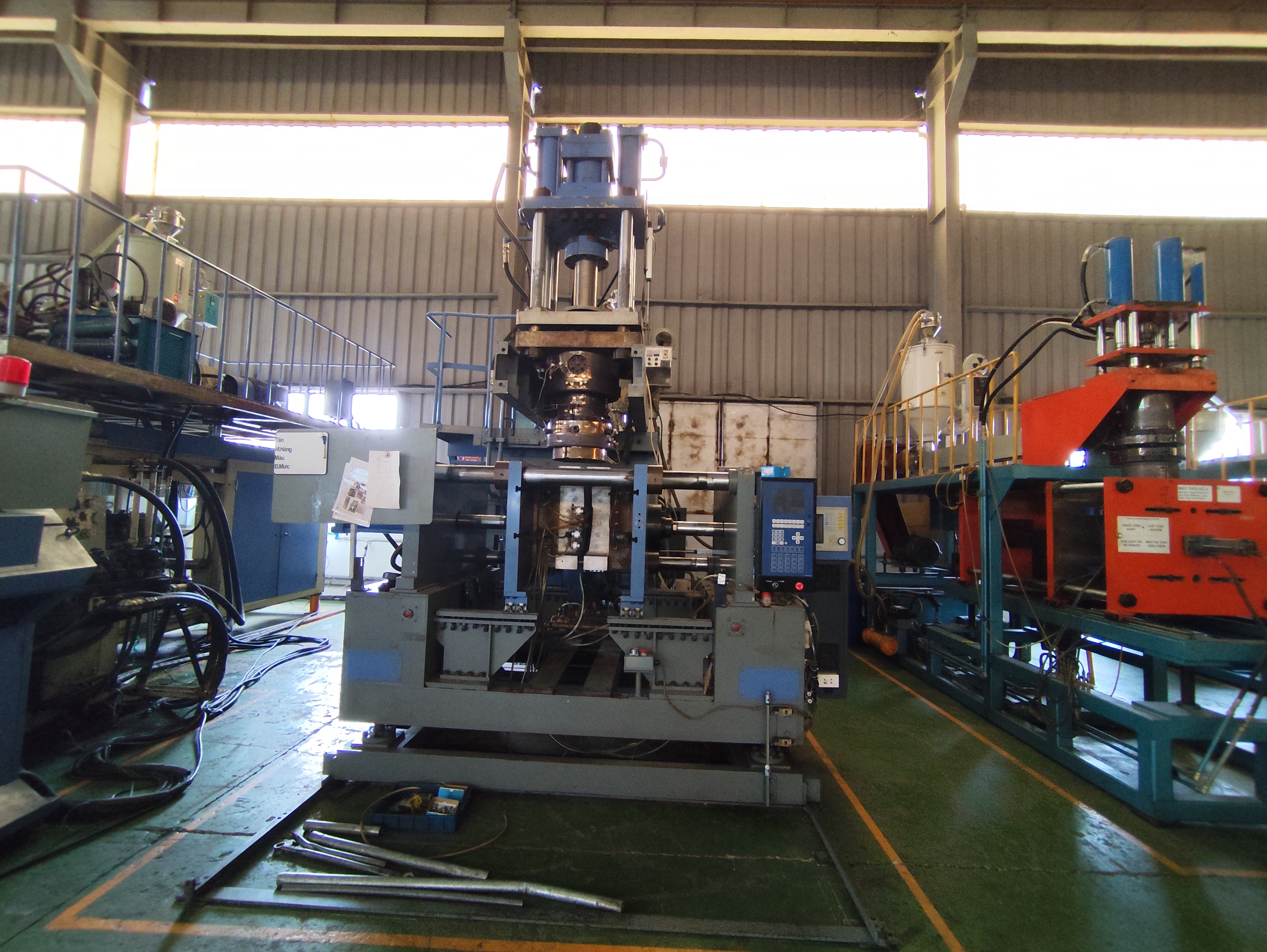
Rust prevention fails when it is generic. A supplier who applies the same light oil to every order ignores the real question: how long must protection last, and in what environment? Indoor domestic storage is one scenario. A container crossing the equator with daily condensation cycles is another. Your evaluation should force the supplier to state the intended protection duration in writing.
Match Protection to Duration and Downstream Use
| Method | Protection Window | Downstream Compatibility |
|---|---|---|
| Light rust-preventive oil | Days to a few weeks | Must be cleaned off before painting or bonding |
| Water-displacing protectant | Several weeks | Usually removable; check adhesive compatibility |
| VCI paper or film | Months (sealed packaging) | Excellent; leaves no residue on most metals |
| Dry-film / wax coatings | Long-term outdoor risk | Can complicate welding and coating; verify first |
| Desiccant + sealed barrier bags | Ocean transit and storage | Works with any method; controls humidity |
Packaging Is Half the System
The best oil fails if packaging traps moisture. I check whether parts are individually wrapped or bulk packed, whether steel and galvanized parts are segregated, and whether the supplier adjusts packaging for destination climate. Tropical humidity and dry inland storage are not the same problem. I also check the time gap between cleaning and protectant application. Cleaned parts sitting overnight in a humid shop can oxidize before any protection touches them. Finally, confirm the protectant is reversible if your parts will be painted, plated, or welded later. A strong permanent coating can create more downstream cost than the rust it prevents.
Which Inspection Reports or Certifications Should I Request to Confirm Post-Stamping Quality Control?
One purchasing manager we work with in the US told me his rule plainly: if it is not documented, it did not happen. After managing PPAP submissions 4 for years, I agree completely.
Request first article inspection reports, PPAP documentation for production parts, dimensional reports against drawing tolerances, ASTM B117 salt spray results supporting rust-protection claims, cleanliness test records, surface roughness data where coating adhesion matters, and historical PPM or corrosion-complaint data.

Documentation separates suppliers with real process control from suppliers with good sales talk. When our team qualifies a stamping supplier in Vietnam or elsewhere in Asia, we do not accept "we always deburr and oil our parts" as evidence. We ask for records, then we verify them on-site during audits.
The Document Checklist I Use
| Document | What It Proves | When to Require It |
|---|---|---|
| First Article Inspection (FAI) | Process can meet the drawing | Before production approval |
| PPAP package | Full process capability and control plan | Automotive or critical parts |
| Dimensional inspection report | Lot-level conformance | Every shipment or per sampling plan |
| Salt spray data (ASTM B117 5) | Rust protection performs as claimed | Long-term storage or ocean transit |
| Cleanliness test records | Residue and particulate limits met | Painted, bonded, or plated parts |
| Surface roughness (Ra) data | Finish suits coating adhesion | Cosmetic or coated surfaces |
| Historical PPM / complaint data | Real-world performance over time | Supplier qualification stage |
Read the Reports Critically
A report is only useful if it connects to your requirement. Salt spray hours mean nothing unless they match your shipping and storage window. Dimensional reports mean nothing if measured before deburring changed the edges. So I always check the sequence: when in the process was each measurement taken? I also ask for lot traceability. If rust appears three months after receipt, you need to trace the problem back to a cleaning bath, a protectant batch, or a packaging change. Suppliers who keep those records fix problems fast. Suppliers who do not will repeat them.
Conclusion
Judge suppliers on measurable finishing performance, not promises. Define burr limits, verify cleanliness, match rust prevention to transit conditions, and demand documentation. That discipline prevents costly rework later.
Frequently Asked Questions
What Deburring Standards Should I Require to Ensure Consistent Edge Quality on Stamped Parts?
A few years back, our Vietnam team rejected a full lot of stamped mounting clips. The drawing said "deburr all edges." The supplier's idea of deburring was very different from the client's.
How Can I Verify a Supplier's Cleaning Process Removes Oils and Contaminants Before Shipment?
During a pre-shipment inspection last year, our team wiped a stamped bracket with white cloth and it came back gray. The parts were headed for powder coating. We stopped the shipment.
What Rust Prevention Methods Should I Check for Long-Term Storage and Overseas Shipping?
Ocean freight from Asia to the US East Coast can take five to six weeks. I have opened containers in humid ports and seen the difference proper corrosion protection makes.
Footnotes
1. Background reference explaining production part approval process for automotive quality control. ↩︎
2. Background reference explaining rust formation supports the claim about oily residue and rust risks. ↩︎
3. Explains vibratory tumbling deburring method mentioned as best practice for small brackets. ↩︎
4. Explains the automotive PPAP standard referenced for verifying supplier documentation and process control. ↩︎
5. Official ASTM standard page for salt spray corrosion testing referenced repeatedly in article. ↩︎
6. Official ISO page clarifying quality management certification scope discussed in false claim section. ↩︎