A rushed order for custom sheet metal mounting brackets 1 nearly derailed one of our client’s data center builds last year — the original supplier simply couldn’t scale, and we had to scramble across our Asian supplier network to find a facility that could absorb the volume spike without sacrificing quality.
To evaluate supplier emergency capacity for large sheet metal infrastructure projects, assess multi-facility redundancy, scalable automation, raw material inventory depth, in-house finishing capabilities, rapid DFM feedback loops, and proven business continuity planning — not just quoted lead times or pricing alone.
This guide walks through the exact steps we use at DEWIN when qualifying sheet metal suppliers for surge-capacity readiness Scalable automation 2. Whether you source racks, enclosures, panels, or complex mounting brackets, these methods will help you protect your project timeline and your bottom line.
How can I verify if a supplier has the surge capacity to handle my urgent sheet metal infrastructure orders?
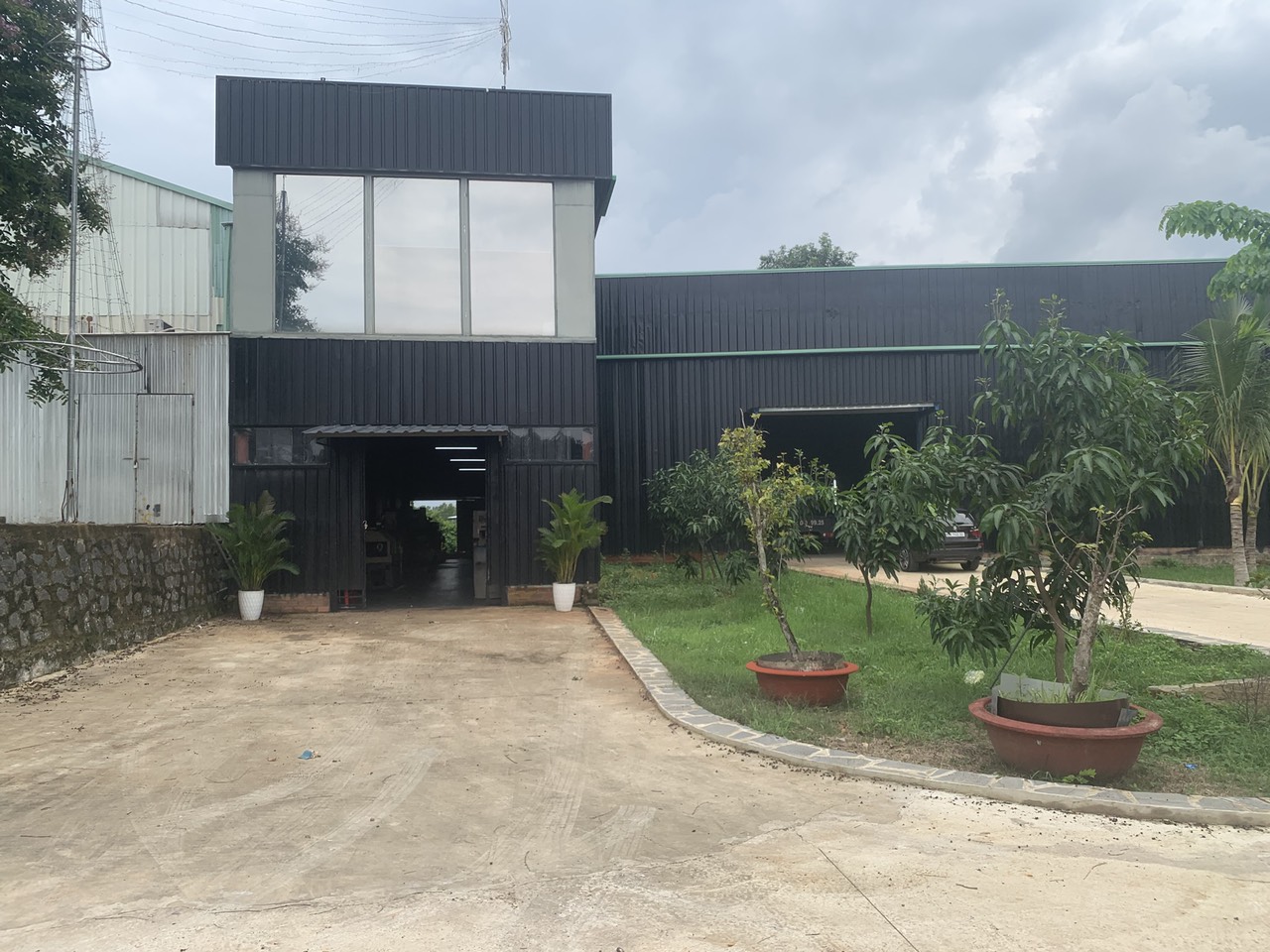
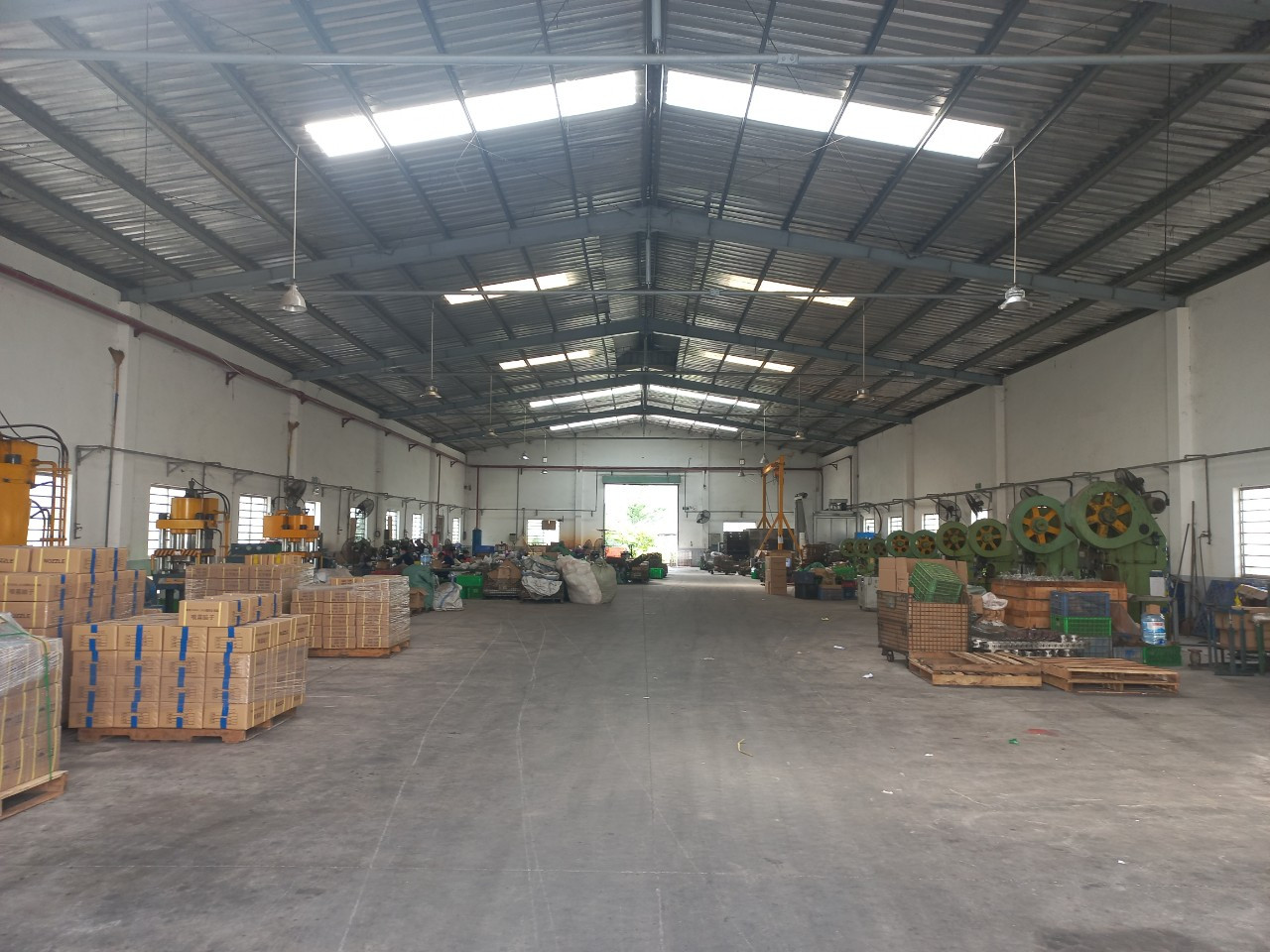
When we onboard a new sheet metal fabrication partner in Vietnam or elsewhere in Asia, the first thing our team does is request a facility walkthrough — not a sales presentation Rapid DFM feedback 3. We want to see idle machine time, second-shift staffing plans, and how the floor reacts when we ask about doubling an order quantity mid-run.
Verify surge capacity by auditing a supplier's multi-facility footprint, automation scalability, real-time production visibility, material flexibility between steel and aluminum, and their documented history of handling schedule compressions on comparable large-format sheet metal programs.
Why Speed Alone Is Not Emergency Capacity
Many buyers confuse fast quoting with true emergency capacity Material flexibility 4. A supplier may return a quote in 24 hours but still lack the floor space, equipment, or trained labor to actually deliver under compressed timelines. Emergency capacity is a system, not a promise.
True emergency capacity includes several layers:
- Multi-facility redundancy — the ability to shift work between plants based on volume, location, and process fit PPAP-level controls 5.
- Scalable automation — CNC laser cutters, press brakes, and robotic welders that can run additional shifts without proportional labor increases.
- Rapid DFM feedback — engineers who can review your drawings, flag forming or tolerance issues, and return actionable feedback within hours, not days.
- Material flexibility — the ability to pivot between steel and aluminum fabrication without major retooling or lead time penalties.
Tier-Based Supplier Framework
Not every project needs a Tier 1 giant. Matching your project volume and complexity to the right supplier tier is critical for supply chain resilience 6.
| Supplier Tier | Typical Revenue | Best For | Emergency Capacity Strength |
|---|---|---|---|
| Tier 1 (e.g., MEC, BTD) | $500M+ | Highest-volume, most complex programs | Multi-facility redundancy 7, deep automation |
| Tier 2 Regional Specialists | $50M–$500M | Multi-process builds, engineering-intensive work | Strong engineering support, scalable capacity |
| Digital Platforms (e.g., Komacut) | Varies | Mid-to-high volume OEM projects | Instant quoting, DFM feedback, factory-direct speed |
| Managed Sourcing Partners (e.g., DEWIN) | Varies | Custom mid-to-high quality requirements across Asia | Supplier audits, multi-country diversification, PPAP, process control |
When we manage sourcing for U.S. clients, we often recommend a blended strategy: a primary Tier 2 supplier paired with a qualified backup facility in a different country. This supplier diversification approach 8 is the backbone of true emergency readiness.
What to Look for During a Facility Audit
Here is a practical checklist we use during on-site supplier audits:
- Ask for shift schedules. Can they add a second or third shift within 48 hours?
- Count idle machines. A facility running at 95% utilization has no surge buffer.
- Review recent order logs. Have they successfully handled 30%+ volume spikes before?
- Check cross-training records. Can operators move between laser cutting, bending, and welding stations?
- Inspect WIP (work-in-progress) flow. Congested staging areas signal bottlenecks that will worsen under emergency conditions.
A supplier's production capability is only as strong as its weakest bottleneck. During one audit in Vietnam, our team discovered that a factory's powder coating line could only process 60% of the volume its cutting and bending lines could produce. That single constraint would have killed any emergency ramp-up. We flagged it before our client placed a single order.
What steps should I take to audit my supplier's raw material inventory for unexpected project spikes?
A lesson we learned the hard way: one of our partner factories quoted a 3-week lead time for a large batch of steel enclosure panels, then called us on day 5 to say their steel supplier had a 4-week backlog. The project slipped by over a month. Since then, raw material availability is the first thing we investigate during any vendor qualification process.
Audit your supplier's raw material inventory by requesting current stock reports for your specified grades and thicknesses, verifying backup vendor agreements, confirming consignment or buffer stock arrangements, and reviewing their historical material procurement lead times against your project timeline.

The Raw Material Audit Process
Raw material is the foundation of every sheet metal project. Without the right grade of steel or aluminum in stock — or on reliable, short-notice delivery — no amount of machine capacity matters.
Here is the step-by-step process we follow:
Step 1: Request a current inventory snapshot. Ask the supplier for a real-time report showing what materials they hold in stock right now. This should include grade (e.g., SGCC, SPCC, 5052 aluminum), thickness, width, and quantity in tons or sheets.
Step 2: Identify your project's material requirements. Cross-reference your bill of materials against the supplier's stock. Flag any gaps immediately.
Step 3: Verify backup material vendors. A supplier relying on a single steel service center is a single point of failure. Ask for the names and locations of at least two backup vendors.
Step 4: Ask about consignment or buffer stock programs. Some suppliers maintain buffer stock agreements with their material vendors for high-demand grades. This is a strong sign of disaster recovery planning maturity.
Step 5: Review historical procurement lead times. Ask the supplier how long it typically takes to source non-stock materials. Compare this against your project's critical path.
Material Type Impact on Emergency Response
The choice between steel and aluminum has a direct effect on emergency capacity. Here is how they compare:
| Factor | Steel (e.g., SPCC, galvanized) | Aluminum (e.g., 5052, 6061) |
|---|---|---|
| General availability | High — widely stocked in Asia | Moderate — fewer service centers carry large sheets |
| Lead time for non-stock grades | 1–3 weeks typical | 2–5 weeks typical |
| Forming complexity | Standard tooling | Requires adjusted bend radii, slower forming speeds |
| Finishing options | Powder coating, galvanization, plating | Anodizing, powder coating, chromate conversion |
| Weight advantage | Heavier, but stronger per cost unit | Lighter, but higher material cost |
| Emergency substitution flexibility | Easier to substitute between grades | Harder — alloy properties vary significantly |
When clients come to us needing speed above all else, we often recommend designing for commonly stocked steel grades unless weight is a critical constraint. This small design decision can save weeks during an emergency ramp-up. It is a practical example of how supply chain visibility — knowing what materials are actually available in the market right now — drives better project outcomes.
Red Flags During a Material Audit
Watch for these warning signs:
- The supplier cannot produce a current stock report within 24 hours.
- They rely on a single material vendor for more than 70% of their steel or aluminum.
- They have no buffer stock agreement and purchase material only after receiving your PO.
- They cannot name the specific service centers they source from.
Each of these signals fragility. In our experience, suppliers who invest in strong material procurement systems also tend to have stronger overall quality systems — the discipline carries over.
How do I ensure my custom sheet metal quality won't suffer if I request an emergency production speed-up?
This is the question that keeps purchasing managers up at night. I know because our clients — many of them sourcing managers at U.S. engineering firms — tell us directly. They need parts faster, but they cannot afford a single non-conforming batch of mounting brackets or enclosure panels showing up at a job site.
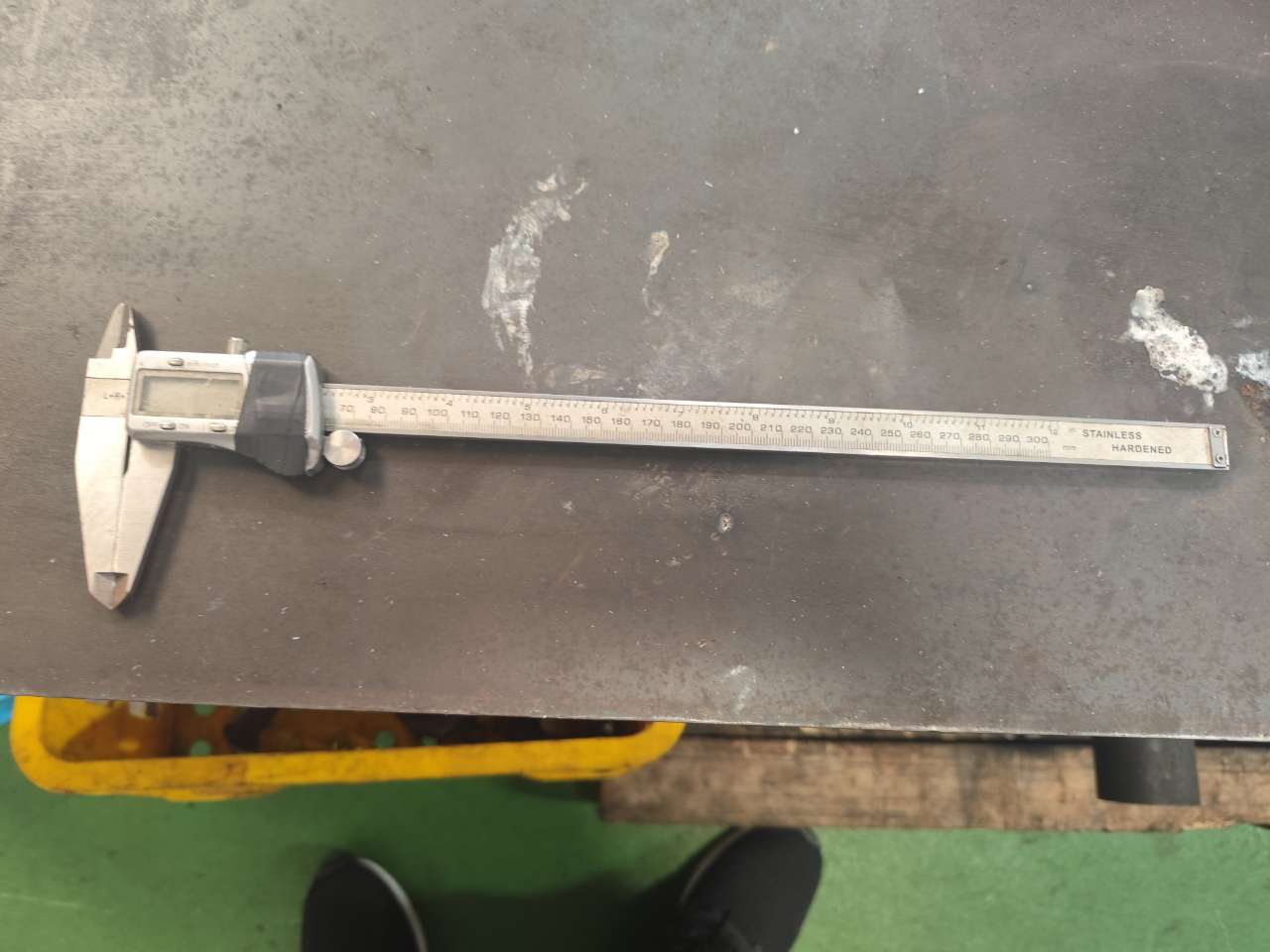
Ensure quality during emergency speed-ups by requiring pre-production samples with documented inspection reports, mandating in-process checkpoints at critical forming and welding stages, insisting on first article inspection (FAI) before full production, and maintaining the same PPAP-level controls regardless of timeline compression.
Why Speed and Quality Are Not Opposites
The common fear is that faster production means sloppier work. This is not automatically true. The real risk is that a supplier skips process steps to save time — steps like in-process dimensional checks, weld inspection, or coating thickness verification. The solution is not to slow down; it is to lock in which steps are non-negotiable before the emergency run begins.
At DEWIN, we use a scalability assessment approach. Before any emergency order, we sit down with the supplier and walk through every production step. We agree on which steps can be parallelized (like running laser cutting and hardware procurement simultaneously) and which steps must remain sequential (like bending before welding, or welding before powder coating). This preserves the critical path of quality while compressing the non-critical path of time.
Non-Negotiable Quality Gates for Emergency Runs
Here are the quality gates we enforce on every emergency sheet metal order, regardless of timeline:
| Quality Gate | When It Happens | What It Catches |
|---|---|---|
| Drawing review and DFM feedback | Before production starts | Tolerance conflicts, forming feasibility issues, material grade mismatches |
| First Article Inspection (FAI) 9 | After first 1–3 pieces | Dimensional errors, fixture problems, surface finish defects |
| In-process dimensional check | Every 50–100 pieces (or per shift) | Drift in bend angles, hole position, flatness |
| Weld inspection (visual + destructive sample) | During welding stage | Incomplete fusion, porosity, distortion |
| Coating thickness measurement | After finishing | Under-coating that leads to corrosion, over-coating that affects fit |
| Final inspection per AQL sampling | Before packing | Cosmetic defects, hardware missing, labeling errors |
The Role of Pilot Production
One of the most effective risk mitigation strategies we recommend is pilot production. Even under time pressure, producing 10–20 pieces first — before committing to a full run of 500 or 5,000 — catches problems that drawings alone cannot reveal. A bracket may look perfect in CAD but warp unpredictably when laser-cut from a specific lot of steel. A pilot run exposes these issues early.
For projects like the mirrored mounting bracket pairs shown in our product line — with their complex angular bends, multiple pre-drilled holes, and visible weld joints — pilot production is not optional. It is the only way to validate that weld marks meet cosmetic standards, that mirrored parts actually mirror correctly, and that powder coating coverage reaches all interior corners of the geometric form.
We also insist that suppliers openly discuss their limitations during emergency runs. A factory that admits "our powder coating line is the bottleneck, so we need to outsource finishing for orders above X units" is far more trustworthy than one that says yes to everything. Transparent communication is the foundation of a collaborative relationship — and collaborative suppliers consistently outperform transactional ones, especially under pressure. This is where a strong financial stability assessment of the supplier also matters: a financially healthy supplier is less likely to cut corners to save costs during a rush job.
What specific contingency plans should I look for to protect my project from sudden supply chain disruptions?
A few months ago, a logistics disruption at a major Asian port delayed raw steel shipments to three of our partner factories simultaneously. Because we had pre-qualified backup suppliers in a different country, we rerouted the affected orders within 72 hours. Our client's project stayed on schedule. That experience reinforced everything we believe about business continuity plan 10ning.
Look for contingency plans that include multi-facility production redundancy, pre-qualified backup material vendors in different regions, documented Emergency Action Plans with tested communication protocols, buffer inventory programs, and financial resilience evidence such as insurance coverage for business interruption and large-scale project delays.
Building a Contingency Framework That Actually Works
Contingency plans are only useful if they are specific, tested, and maintained. A PDF titled "Business Continuity Plan" sitting in a supplier's shared drive does not protect your project. You need to verify that the plan has been exercised — and that the people on the floor know what to do when things go wrong.
The Five Pillars of Supply Chain Contingency
Here is the framework we use when evaluating suppliers for our U.S. and European clients:
Pillar 1: Geographic Diversification. Your supply chain should not depend on a single country or region. We help clients maintain qualified suppliers in at least two countries — often Vietnam and another Asian market outside of China. This is not about politics; it is about reducing exposure to localized disruptions like floods, port closures, or policy changes.
Pillar 2: Documented and Tested Emergency Action Plans. Ask the supplier when they last conducted an emergency drill. Ask for records. A supplier that tests its EAP annually is far more prepared than one that wrote a plan five years ago and never revisited it. Regular drills ensure personnel are familiar with procedures and surface weaknesses before a real crisis hits.
Pillar 3: Communication Redundancy. During a disruption, information flow is everything. Verify that your supplier has designated emergency contacts, backup communication channels (not just email — think phone, messaging apps, video conferencing), and a clear escalation path. At our offices in Vietnam and China, we maintain redundant communication lines specifically for this reason.
Pillar 4: Financial Resilience. A supplier that is cash-strapped will cut corners during a crisis. Conduct a basic financial stability assessment: request recent financial statements, ask about credit lines, and verify insurance coverage for business interruption. A supplier that carries adequate insurance and maintains healthy cash reserves can absorb short-term disruptions without passing the pain to your project.
Pillar 5: Technology-Driven Early Warning. The best-prepared suppliers now use predictive analytics or at minimum monitor geopolitical and weather risks that could affect their operations or material supply. Some advanced facilities use digital twin technology to simulate production line resilience under various failure scenarios. While this level of sophistication is not universal, asking about it during the vendor qualification process signals to the supplier that you take disaster recovery planning seriously.
Comparing Global vs. Domestic Sourcing for Contingency Strength
The debate between global and domestic sourcing is nuanced. Neither is universally superior for emergency readiness.
| Dimension | Global Sourcing (Asia) | Domestic Sourcing (U.S.) |
|---|---|---|
| Cost | Generally lower for custom sheet metal | Higher labor and material costs |
| Emergency response speed | Slower logistics, but multi-country options | Faster shipping, but fewer facility options |
| Export readiness and documentation | Varies — must verify customs compliance, packaging standards | No export complexity |
| Supplier diversification potential | High — multiple countries available | Limited — fewer facilities, higher cost to dual-source |
| Quality system maturity | Requires rigorous audit — ranges widely | Generally consistent, but still requires audit |
| Engineering depth | Top suppliers match or exceed domestic capability | Strong, especially for prototype and low-volume |
The most resilient approach is a hybrid model. Use a primary Asian supplier for cost-effective volume production, with a qualified domestic or secondary-country backup for true emergencies. This is exactly the model we help our clients build a backup supplier list through our managed sourcing services. We handle the supplier audits, PPAP documentation, process control, final inspection, and logistics — so the buyer gets the cost benefit of global sourcing with the risk protection of a diversified supply chain.
The Data Center Boom and Why This Matters Now
The 2025–2026 surge in hyperscale and edge data center construction is driving unprecedented demand for custom sheet metal components — server racks, cooling system housings, containment panels, cable management brackets, and power distribution enclosures. This boom means suppliers are running closer to full capacity. The time to evaluate Vietnam sheet metal fabrication capacity for peak season is before the next wave hits, not during it.
Buyers who have already locked in collaborative relationships with suppliers — relationships built on shared DFM feedback, continuous process improvement, and transparent communication — will be far better positioned than those relying on transactional, low-cost deals. A collaborative partner will prioritize your order during a capacity crunch because the relationship has long-term value. A transactional supplier will simply sell to the highest bidder.
Conclusion
Evaluating supplier emergency capacity for sheet metal infrastructure projects requires looking far beyond lead time promises — audit facilities, verify material stocks, lock in quality gates, and demand tested contingency plans to protect your project.
Frequently Asked Questions
How can I verify if a supplier has the surge capacity to handle my urgent sheet metal infrastructure orders?
When we onboard a new sheet metal fabrication partner in Vietnam or elsewhere in Asia, the first thing our team does is request a facility walkthrough — not a sales presentation Rapid DFM feedback 3 . We want to see idle machine time, second-shift staffing plans, and how the floor reacts when we ask about doubling an order quantity mid-run.
What steps should I take to audit my supplier's raw material inventory for unexpected project spikes?
A lesson we learned the hard way: one of our partner factories quoted a 3-week lead time for a large batch of steel enclosure panels, then called us on day 5 to say their steel supplier had a 4-week backlog. The project slipped by over a month. Since then, raw material availability is the first thing we investigate during any vendor qualification process.
How do I ensure my custom sheet metal quality won't suffer if I request an emergency production speed-up?
This is the question that keeps purchasing managers up at night. I know because our clients — many of them sourcing managers at U.S. engineering firms — tell us directly. They need parts faster, but they cannot afford a single non-conforming batch of mounting brackets or enclosure panels showing up at a job site.
Footnotes
1. Guide to sheet metal brackets, types, applications, and manufacturing processes. ↩︎
2. Defines scalable automation and its importance in manufacturing systems. ↩︎
3. Explains DFM feedback and its role in optimizing part design and manufacturing. ↩︎
4. Discusses sourcing flexibility as a key aspect of a flexible supply chain. ↩︎
5. Found a comprehensive guide explaining the Production Part Approval Process (PPAP) and its levels, which includes PPAP-level controls. ↩︎
6. Defines supply chain resilience and its importance in managing disruptions. ↩︎
7. Explains multi-facility redundancy as a strategy for supply chain resilience. ↩︎
8. Explains supplier diversity as a strategy to enhance business resilience and reduce risks. ↩︎
9. Provides a comprehensive understanding of First Article Inspection in manufacturing. ↩︎
10. Defines a Business Continuity Plan and its purpose in managing disruptions. ↩︎