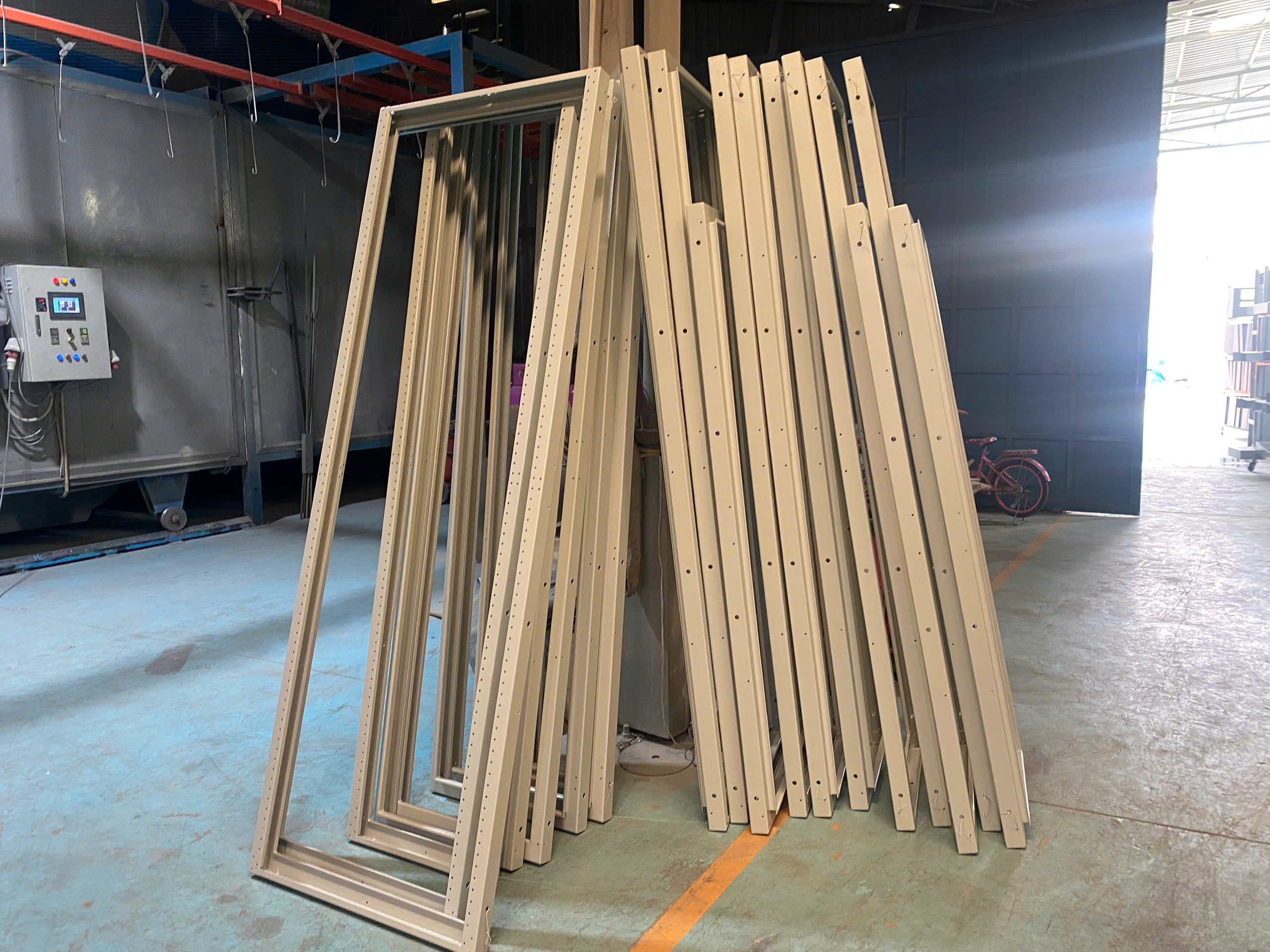
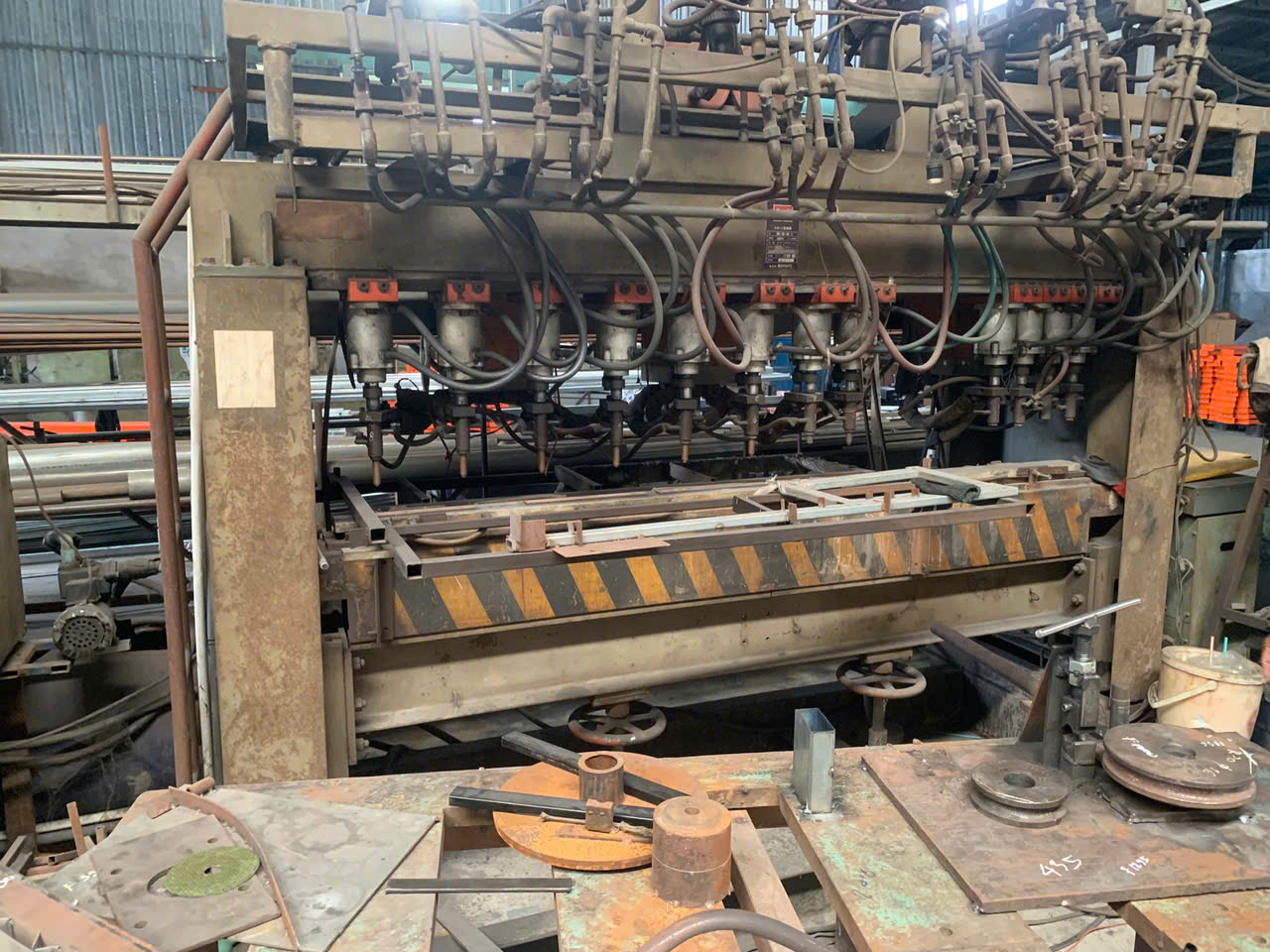
Late welding parts can shut down an entire production line technical capacity 1. I’ve watched U.S. clients lose weeks—and thousands of dollars—because a supplier missed a ship date on a custom steel frame assembly. The frustration compounds when you realize the delay was preventable OTD data 2. Through years of managing supplier networks 3 across Vietnam and broader Asia, our team at DEWIN has built a system to evaluate supplier on-time delivery before problems start, not after.
To evaluate supplier on-time delivery when sourcing welding parts, request verified OTD data, track production milestones, assess technical capacity and workforce depth, and audit logistics management. A strong supplier should exceed a 95% on-time delivery rate measured against confirmed promise dates, not just requested dates.
This article walks you through the exact process we use—from pre-contract verification to logistics oversight—so you can source welding parts with confidence and predictability. Let’s break it down step by step.
How can I verify a welding supplier's historical on-time delivery performance before I commit to a contract?
One lesson that reshaped how we vet suppliers came from a project involving custom mounting brackets with precision-drilled holes and reinforced gussets. The supplier quoted a 98% OTD rate. But when we dug into their records, we found they were measuring against their own revised dates—not the original promise dates. The real number was closer to 78%.
Verify a welding supplier's historical on-time delivery by requesting shipment logs with original promise dates, actual ship dates, and PO acknowledgment records. Cross-reference their data with customer references. True OTD should be measured between the supplier-confirmed promise date and the actual receipt date.
Define "On Time" Before You Ask for Data
Before you can verify anything, you need to agree on what "on time" means. There are three critical dates in every order:
| Date Type | Definition | Who Controls It |
|---|---|---|
| Desired Delivery Date | The date you want the parts | Buyer |
| Supplier Promise Date | The date the supplier confirms they will ship | Supplier |
| Actual Receipt Date | The date parts arrive at your dock | Shared (supplier + logistics) |
The true supplier performance metric is the gap between the promise date and the actual receipt date. Some suppliers prefer to measure against the desired date, which can make their numbers look better if they negotiated a later deadline. Others include early deliveries as "on time," which masks inventory management problems on your end. Be specific about your definition in the RFQ.
Request Hard Data, Not Just Claims
Ask for shipment logs covering the past 12 months. Look for patterns. A supplier who delivers 95 out of 100 orders on time hits the 95% OTD benchmark. But that number alone doesn't tell the full story. You also need to know:
- Late delivery frequency: How often do they miss? Once a quarter or once a week?
- Average days late: Missing by one day is different from missing by three weeks.
- Expedites per month: How often do buyers have to chase orders?
- Schedule stability: How often do ship dates change after PO acceptance?
One manufacturing group we studied reported just 53% OTD over six months, with a median delay of three weeks on parts with four-to-six-week lead times. That level of delivery reliability would cripple most U.S. production schedules.
Cross-Reference with Customer References
Supplier-provided data can be curated. Always ask for two or three customer references—ideally U.S.-based buyers sourcing similar welding parts. Ask those references pointed questions: Did the supplier flag delays early? Were corrective actions taken? Did performance improve over time? This step separates honest suppliers from those who just present good numbers.
Check PO Acknowledgment Practices
A supplier who doesn't formally acknowledge purchase orders 4—confirming quantity, price, and delivery date—creates hidden risk. If there's no written confirmation, there's no baseline to measure against. In our experience working with factories across Asia, we insist on formal PO acknowledgment within 48 hours. This single step eliminates a surprising number of downstream disputes.
What specific production milestones should I track to ensure my custom welding project stays on schedule?
A buyer we work with in the Midwest once told me, "I don't want to know there's a problem when my parts don't show up." That stuck with me. The whole point of milestone tracking is to catch delays before they become delivery failures. When we manage custom welding projects—multi-level steel frames, heavy-duty brackets, U-channel assemblies—we break every order into checkpoints.
Track these production milestones: raw material procurement, material certification receipt, cutting and forming completion, welding and assembly, post-weld treatments (heat treatment, coating), dimensional inspection and NDT, final packaging, and shipping handoff. Each milestone needs a target date and a status update from the supplier.
A Milestone Tracking Framework for Welding Parts
Welding projects have unique bottlenecks that general manufacturing doesn't. Material certification delays, heat-treatment scheduling, and non-destructive testing (NDT) 6 can each add days or weeks. Here is the milestone framework we use:
| Milestone | Typical Duration | Key Risk |
|---|---|---|
| PO Acknowledgment | 1–2 days | Unconfirmed specs or dates |
| Raw Material Procurement | 5–15 days | Material shortages, long lead time for specialty alloys |
| Material Certification (MTR) | 2–5 days | Missing or delayed test reports |
| Cutting & Forming | 3–7 days | Tooling issues, tolerance errors |
| Welding & Assembly | 5–15 days | Welder availability, weld quality rework |
| Post-Weld Treatment | 3–10 days | Heat treatment or coating queue backlog |
| Inspection & NDT | 2–5 days | Failed weld integrity tests requiring rework |
| Packaging & Shipping Prep | 1–3 days | Packaging damage risk for heavy parts |
| Logistics Handoff | 1–2 days | Booking delays, documentation errors |
Why Leading Indicators Matter More Than Lagging Ones
Most buyers only look at OTD after the fact. That's a lagging metric. By the time you know a delivery is late, it's too late to fix it. Leading indicators give you advance warning. Watch for these signals:
- Late PO acknowledgment: If the supplier takes a week to confirm, the project is already behind.
- Repeated date changes: If the promise date shifts more than once, the supplier may have capacity constraints they're not disclosing.
- Split shipments: When a supplier ships partial quantities, it often means they couldn't complete the full order on time.
- Capacity warnings: Any mention of "we're running at full capacity" should trigger a deeper conversation.
We recommend tracking three-month and twelve-month rolling averages for each supplier. This smooths out isolated events and reveals true trends in delivery reliability. A single late shipment might be an anomaly. Three late shipments in a quarter is a pattern.
Real-Time Visibility Through Supplier Portals
The shift from email-based communication to centralized supplier portals is one of the most impactful trends in procurement today. When our team manages a project, we use shared tracking tools so both our clients and the factory see the same milestone status in real time. This eliminates the "I thought you knew" problem and reduces the number of expedites per month. Digital integration with your supply chain systems enables proactive issue resolution rather than reactive firefighting.
How do I evaluate if a supplier has the technical capacity and workforce to meet my delivery deadlines?
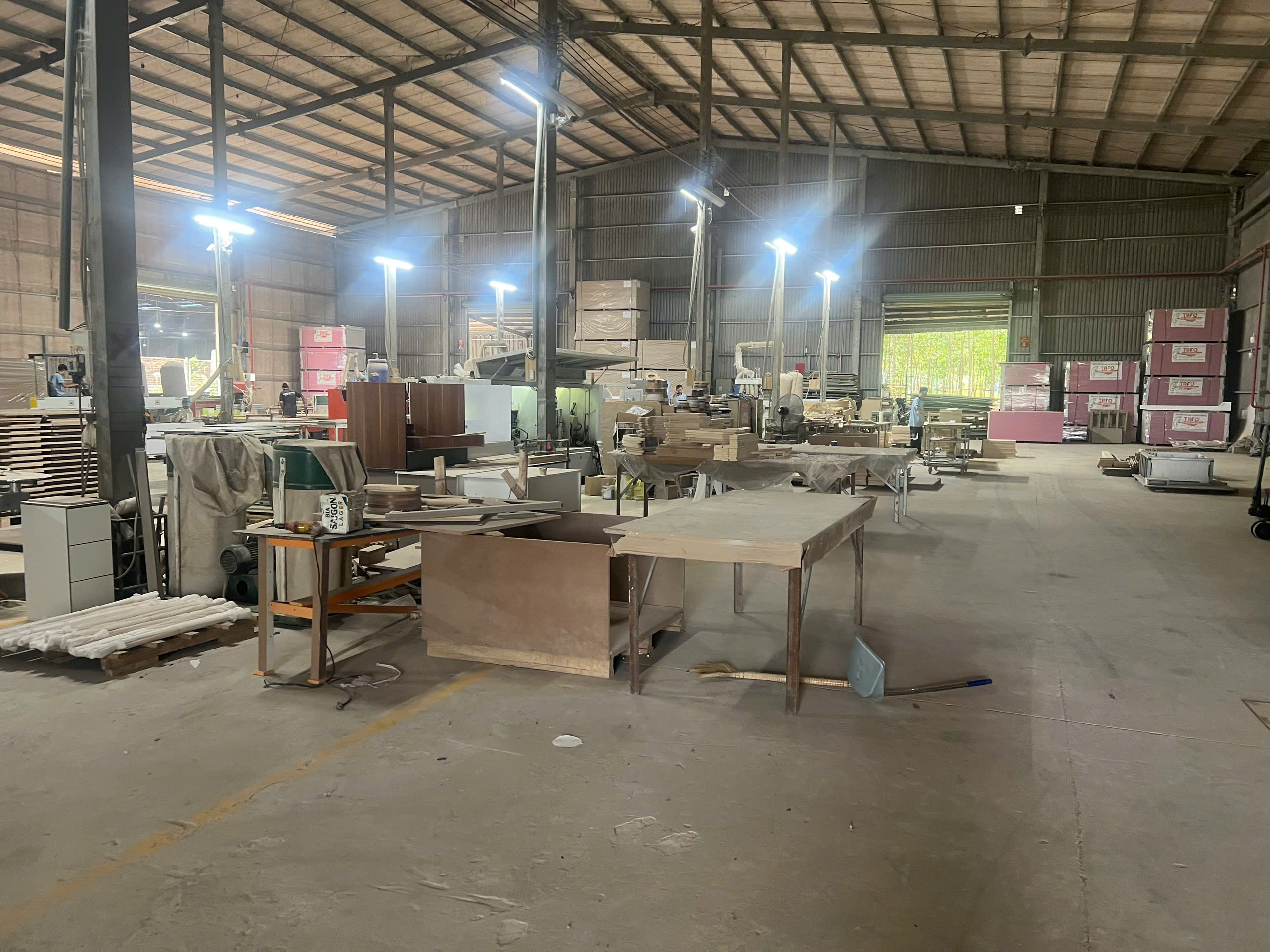
During a recent supplier audit in Vietnam, I walked through a welding shop that looked impressive on paper—modern equipment, clean facility, ISO certification on the wall. But when I counted the welders on the floor, there were only four. They were running two shifts to cover orders for six different customers. That's a capacity problem hiding behind good marketing.
Evaluate a supplier's technical capacity by auditing their equipment count, welding process certifications, workforce size and skill levels, current production load, and ability to handle rush orders. A supplier running above 85% capacity utilization has limited room to absorb your project without risking delays.
The Five Capacity Questions You Must Ask
When we assess a welding supplier's ability to meet deadlines, we focus on five areas. These go beyond standard supplier scorecards and dig into welding-specific risks:
-
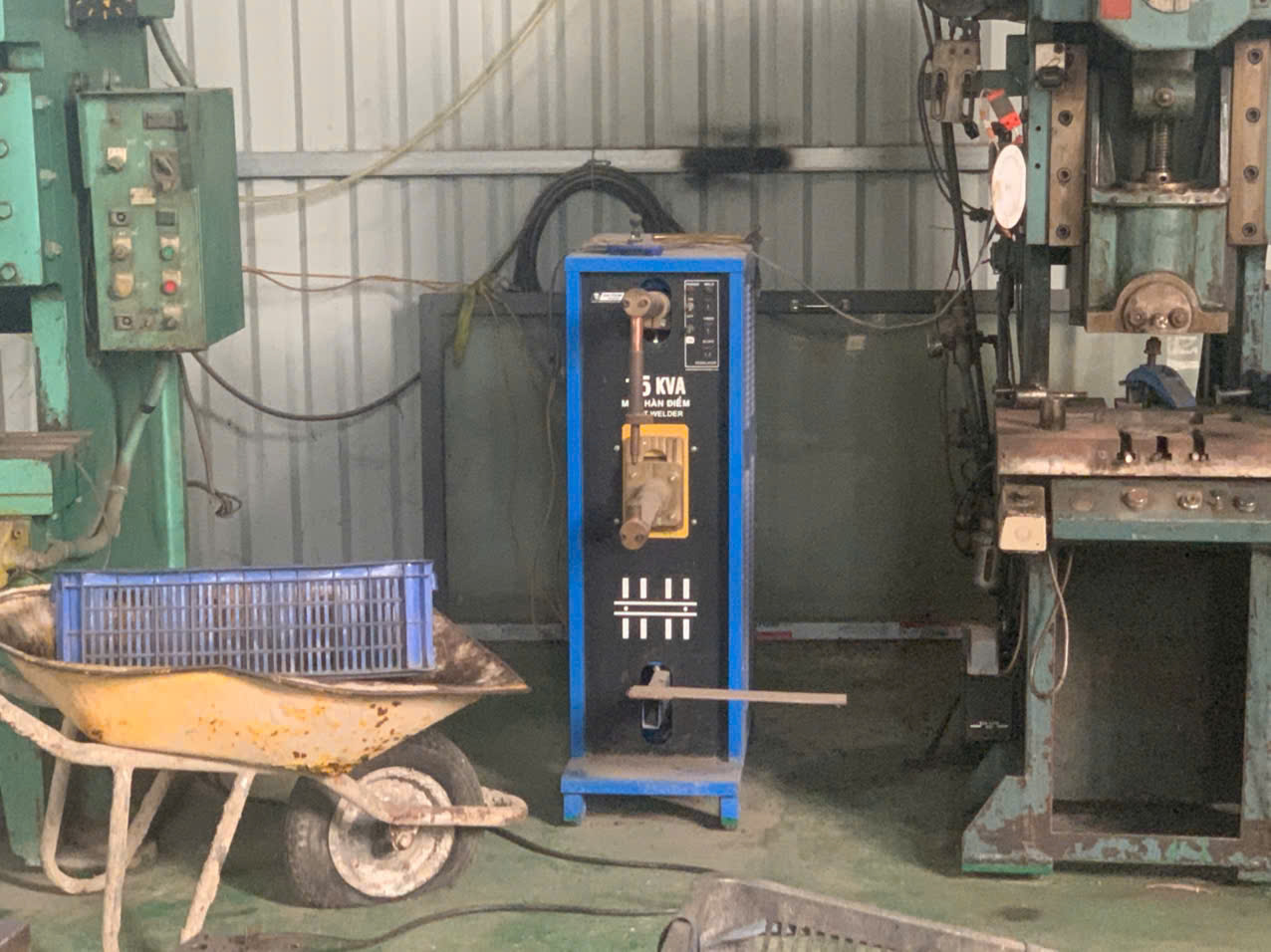
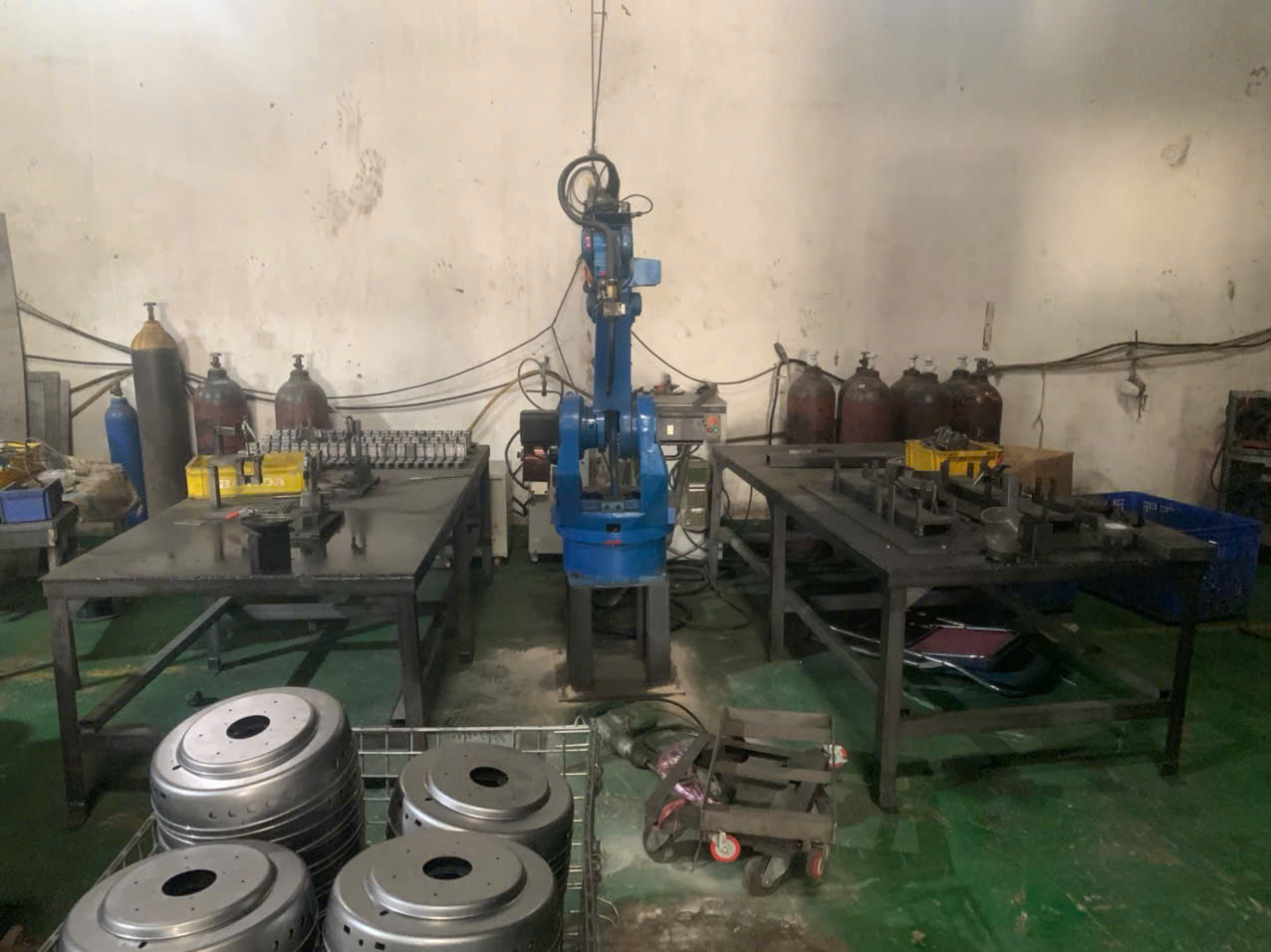
What welding processes do they run? MIG, TIG, stick, and robotic welding have very different throughput rates. A shop that relies on manual TIG welding for complex assemblies will have longer lead times than one with automated welding cells.
-
How many certified welders are on staff? Welder availability is one of the most common causes of delay. Certified welders for structural or pressure-rated work are in short supply globally.
-
What is their current backlog? A factory with a six-week backlog and a four-week lead time is already under stress. Ask to see their production schedule—not just their capacity in theory, but their capacity right now.
-
Can they handle engineering changes mid-production? Custom welding projects often involve design revisions. A supplier with rigid processes may need to restart a batch, adding weeks to the timeline.
-
Do they control all fabrication steps internally? If post-weld heat treatment, painting, or NDT is outsourced to subcontractors, the supplier's OTD depends on third parties they may not control. This is a significant source of supply chain disruptions 7.
First-Pass Quality and Its Impact on Delivery
First-pass yield rate 8 is directly tied to on-time delivery. If a supplier's first-pass quality on comparable welding assemblies is below 90%, they are spending significant time on rework. Every rework cycle adds days. For welding parts with custom tolerances—such as the geometric tube assemblies and mounting brackets we source for U.S. clients—rework can mean re-cutting, re-welding, and re-inspecting entire sub-assemblies.
Ask the supplier: "What is your first-pass yield rate on parts with similar complexity?" If they can't answer, that's a red flag. Our quality control process includes in-process checks at every milestone, not just final inspection, to catch issues early and protect the delivery date.
Welding-Specific Capacity Risks
| Risk Factor | Impact on Delivery | Mitigation |
|---|---|---|
| Limited certified welders | Bottleneck on complex joints | Verify welder certifications and headcount |
| Single-shift operation | 50% less throughput | Confirm shift schedule and overtime capability |
| Outsourced heat treatment | Queue delays at subcontractor | Ask for subcontractor lead time commitments |
| No in-house NDT | Waiting for third-party inspection | Prioritize suppliers with in-house testing |
| Aging equipment | Breakdowns, slower cycle times | Review maintenance logs and equipment age |
What role does the supplier's logistics management play in ensuring my welding parts reach the U.S. on time?
A perfectly welded steel frame that sits in a port warehouse for two weeks waiting for documentation is still a late delivery. I learned this the hard way early in my career when a shipment of custom brackets cleared production three days ahead of schedule—only to be held up because the material test reports weren't attached to the export paperwork. The customer didn't care that production was early. They cared that the parts were late.
Logistics management is the final mile of on-time delivery. A welding supplier's OTD depends on their ability to coordinate freight booking, export documentation, material certifications, customs clearance, and last-mile delivery. Suppliers who manage logistics in-house or through proven freight partners consistently outperform those who leave it to the buyer.
Why Logistics Failures Are Often the Real Cause of Late Deliveries
When we do root cause analysis on late deliveries, logistics is the culprit more often than most buyers expect. Production delays get the blame, but the actual breakdown frequently happens between the factory gate and the buyer's dock. Here are the most common logistics-related causes:
- Missing or incomplete documentation: Material certifications, commercial invoices, packing lists, and certificates of origin must be accurate and complete. A single missing Material Test Report (MTR) can hold a shipment at customs.
- Freight booking delays: During peak shipping seasons, container space fills up fast. Suppliers who don't book freight early enough lose their slot and wait for the next available vessel.
- Customs clearance issues: Incorrect HS codes, missing safety data sheets for welding consumables, or incorrect country-of-origin declarations can trigger inspections and delays.
- Packaging failures: Heavy welding parts like multi-level steel frames need custom crating and bracing. Poor packaging leads to transit damage, which leads to rejection and re-shipment.
What to Look for in a Supplier's Logistics Setup
Not every welding supplier has a logistics team. Many small and mid-sized shops hand off parts at their loading dock and consider their job done. When we manage door-to-door logistics for our U.S. clients, we own the process from factory floor to final delivery. This eliminates the gap between production completion and actual arrival.
Here's what to evaluate:
Documentation readiness: Can the supplier produce all required certifications and export documents within 24–48 hours of shipment completion? Delays in material traceability documentation are one of the most underestimated procurement challenges.
Freight partner relationships: Does the supplier have established relationships with reliable freight forwarders? Or do they shop for the cheapest option on every shipment?
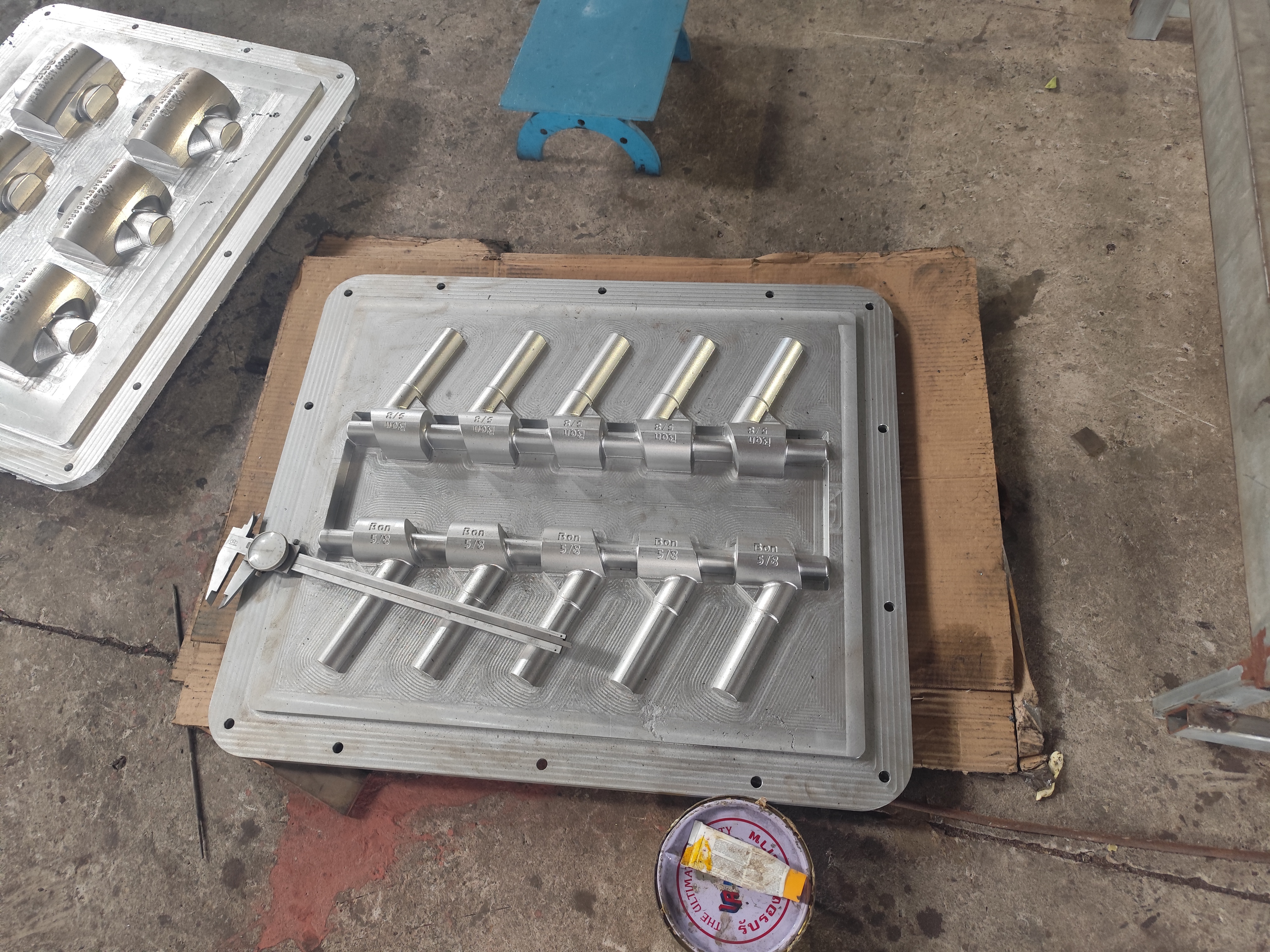
Packaging standards: For heavy-duty welding assemblies—like the industrial metal frames with thick-gauge steel components and visible weld beads—packaging must be engineered, not improvised. Ask to see photos of how they package similar parts.
Contingency planning: What happens if a vessel is delayed or a port closes? Suppliers near hurricane-prone regions or areas with seasonal port congestion need backup plans. This falls under broader disaster planning and risk management.
Embedding OTD Expectations into Your Supplier Relationship
The best time to set delivery expectations is before the contract is signed. Include these questions in every RFQ for welding parts:
- "How do you calculate and track your on-time delivery performance?"
- "What scheduling tools or systems do you use to manage capacity?"
- "What is your process when something threatens a ship date?"
- "Do you control all fabrication steps internally, or rely on outside processors?"
- "What is your first-pass yield rate on comparable welding parts?"
Beyond the RFQ, build OTD into your ongoing vendor management process. Use supplier scorecards that weight criteria by criticality. Here is the scoring framework we use:
| Score Range | Rating | Action |
|---|---|---|
| 22–25 | World-class, strategic partner | Maintain and grow relationship |
| 17–21 | Stable, reliable | Review periodically, monitor trends |
| 12–16 | Potential risk | Dig deeper, request corrective actions |
| Below 12 | High-risk supplier | Avoid for time-sensitive welding work |
This scorecard covers first-pass quality, delivery reliability, lead time accuracy, communication responsiveness, and documentation completeness. Weight each criterion based on how critical the welding parts are to your production. A sole-source supplier making production-critical weld assemblies should be scored more strictly than a secondary source for standard components.
Segmenting Suppliers by Risk
Not every late delivery matters equally. Use a Pareto analysis to identify which suppliers drive the most delays. Focus your improvement efforts on:
- High-spend welding suppliers
- Suppliers providing long lead time components like custom-forged weld fittings
- Sole-source suppliers for critical assemblies
- Historically low On-Time In-Full (OTIF) performers
This segmentation ensures you invest your time where it has the greatest impact on your supply chain. Track both three-month and twelve-month rolling averages to distinguish between a temporary hiccup and a systemic delivery problem. The goal is not to react to every isolated event but to identify and address the root causes that create recurring delays.
Conclusion
Evaluating supplier on-time delivery for welding parts requires a structured approach—verify historical data, track production milestones 10, audit capacity, and assess logistics management. Build these checks into every sourcing decision, and you'll avoid the costly surprises that derail production schedules.
Frequently Asked Questions
How can I verify a welding supplier's historical on-time delivery performance before I commit to a contract?
One lesson that reshaped how we vet suppliers came from a project involving custom mounting brackets with precision-drilled holes and reinforced gussets. The supplier quoted a 98% OTD rate. But when we dug into their records, we found they were measuring against their own revised dates—not the original promise dates. The real number was closer to 78%.
What specific production milestones should I track to ensure my custom welding project stays on schedule?
A buyer we work with in the Midwest once told me, "I don't want to know there's a problem when my parts don't show up." That stuck with me. The whole point of milestone tracking is to catch delays before they become delivery failures. When we manage custom welding projects—multi-level steel frames, heavy-duty brackets, U-channel assemblies—we break every order into checkpoints.
How do I evaluate if a supplier has the technical capacity and workforce to meet my delivery deadlines?
During a recent supplier audit in Vietnam, I walked through a welding shop that looked impressive on paper—modern equipment, clean facility, ISO certification on the wall. But when I counted the welders on the floor, there were only four. They were running two shifts to cover orders for six different customers. That's a capacity problem hiding behind good marketing.
Footnotes
1. Provides context for evaluating a supplier’s manufacturing capabilities and bottlenecks. ↩︎
2. Clarifies the meaning and importance of On-Time Delivery (OTD) as a metric. ↩︎
3. Explains the concept of managing interconnected suppliers for value. ↩︎
4. Explains the function and importance of formal purchase orders in business transactions. ↩︎
5. Describes the strategic approach to managing supplier relationships and performance. ↩︎
6. Defines a critical quality control method used to evaluate materials without damage. ↩︎
7. Describes events that interrupt the flow of goods and services, impacting delivery. ↩︎
8. Explains how quality at the first attempt impacts overall production efficiency and delivery. ↩︎
9. Explains the role of logistics in ensuring efficient flow and storage of goods. ↩︎
10. Replaced with an authoritative Wikipedia page on project management milestones. ↩︎