Last quarter, a client received a shipment of custom steel brackets with scratched powder-coat finishes and bent flanges — not because the parts were made wrong, but because the supplier’s packaging failed halfway across the Pacific.
To evaluate a supplier’s packaging design and prevent damage in transit, audit five areas: structural box strength (corrugated board grade and compression rating), internal void fill and cushioning depth, sealing method, environmental resilience against moisture and vibration, and compliance with ISTA testing standards or equivalent protocols.
Transit damage is not always a carrier problem. More often, it is a packaging design problem. The sections below walk through exactly what to inspect, what to test, and what to ask before you commit.
What Should I Look for in a Supplier's Packaging Materials to Prevent Damage in Transit?
A buyer once told me he assumed "a thick box is a good box." Then we showed him how a single-wall corrugated carton with the wrong flute orientation collapsed under its own pallet stack overnight Edge Crush Test 1.
Look for the correct corrugated board grade, an Edge Crush Test rating matched to your product weight, adequate flute type for stacking loads, moisture-resistant barriers where needed, and anti-static protection for sensitive components — not just general “sturdiness.”
Understanding Box Strength Metrics
The two main tests for corrugated box strength are the Edge Crush Test 2 (ECT) and the Mullen burst test. ECT measures how much vertical stacking pressure 3 a box can handle before it buckles. The Mullen burst test measures puncture resistance. For heavy custom parts like steel brackets or cast mounting hardware, ECT is usually more important because these parts sit on pallets under stacking loads for days or weeks international packaging test standard 4.
Here is a general guideline for matching ECT ratings to product weight:
| Product Weight per Box | Recommended ECT (lbs/in) | Board Type |
|---|---|---|
| Under 20 lbs | 32 ECT | Single-wall, C-flute |
| 20–40 lbs | 44 ECT | Single-wall, BC-flute |
| 40–65 lbs | 48 ECT | Double-wall, BC-flute |
| Over 65 lbs | 61+ ECT | Double-wall or triple-wall |
When our team audits a supplier's packaging for custom metal parts, we check the board grade printed on the box flap. If the supplier ships a 50-pound bracket assembly in a 32 ECT single-wall box, that is a red flag. The box will likely crush under stacking pressure during ocean freight.
Flute Orientation and Double-Wall Construction
Flute orientation matters more than most buyers realize. C-flute is the most common and offers good cushioning. B-flute is thinner but resists flat crush better. For fragile or high-value items, double-wall corrugated boxes combine two flute layers (often B and C) for superior compression strength.
Moisture and Static Barriers
Ocean freight exposes packaging to humidity cycles that weaken fiber strength in corrugated board. I always recommend checking whether the supplier uses moisture-resistant barriers like polyethylene liners or shrink wrap inside the box. For unpainted raw steel parts — like galvanized post base mounts — silica gel desiccant packets 5 are essential. A baseline is 1.2 units of desiccant per cubic foot of air space inside the carton. For electronic components or parts with sensitive coatings, anti-static packaging such as conductive foam or bags prevents static electricity damage.
Sizing and Clearance
The box must be sized with 2 to 3 inches of clearance on all six sides for cushioning material. Oversized cartons invite movement and increase dimensional weight charges. Undersized cartons risk crushing the product against the walls. Both cost money.
How Can I Test a Supplier's Packaging Design Before Committing to a Large Order?
One lesson we learned early in our supply chain work across Vietnam and China: what holds together for a sample shipment of five pieces often falls apart at five hundred. The vibration profile changes, the stacking height increases, and the handling gets rougher.
Test a supplier’s packaging by ordering a small pilot batch of 50 units, shipping them through actual transit routes, inspecting arrival condition with photos and data, and running drop and vibration testing on sample packages to simulate real-world last-mile delivery hazards and freight handling.
The Small-Volume Pilot Test
Before scaling, I always recommend a pilot run. Ship 50 packed units through your real logistics chain 6 — the same carrier, the same route, the same warehouse handling. When the shipment arrives, open every box. Photograph every part. Document any scratches, dents, shifted cushioning, crushed corners, or broken seals. This gives you real data, not assumptions.
Formal Lab Testing: ISTA and ASTM Protocols
If your product is high-value or if you ship in large volumes, formal testing is worth the investment. ISTA testing standards (International Safe Transit Association 7) provide standardized test sequences that simulate real-world transit hazards. ASTM D4169 8 is another widely used protocol. These tests subject the package to a combination of:
| Test Type | What It Simulates | Why It Matters |
|---|---|---|
| Random vibration | Road and air transport vibration over hours | Catches cumulative fatigue damage that single-drop tests miss |
| Free-fall drop | Package drops during loading/unloading | Tests corner, edge, and flat impact resistance |
| Compression / stacking | Weight of pallets stacked on top during storage | Validates the box's ECT rating under sustained load |
| Atmospheric conditioning | Humidity and temperature cycling | Reveals weakened corrugated fiber and adhesive failure |
One detail many buyers overlook is the resonance test. Every package has a natural vibration frequency. If that frequency matches the vibration frequency of the truck or container floor, the product inside can shake itself apart over a long haul. This is especially relevant for powder-coated metal parts, where micro-movements cause cosmetic dusting or surface scuffing. Checking the coefficient of friction of internal inserts helps prevent this.
Building a Feedback Loop
Testing is not a one-time event. We build feedback loops with our warehouse teams and 3PL partners. Packers on the floor see problems before anyone else does. A simple shared spreadsheet — logging box condition on arrival, cushioning displacement, and seal integrity — gives you trend data over weeks and months. This data-driven iteration replaces guesswork with evidence.
Creating a Living Spec Library
Every time a packaging configuration proves successful through pilot testing, we codify it. Box size, board grade, cushioning type, insert dimensions, tape width — all of it goes into a spec library. When a new custom part launches, we start from a proven design and adjust rather than starting from scratch. This saves time and prevents repeat failures.
What Questions Should I Ask My Supplier About Their Packaging Process for Custom Parts?
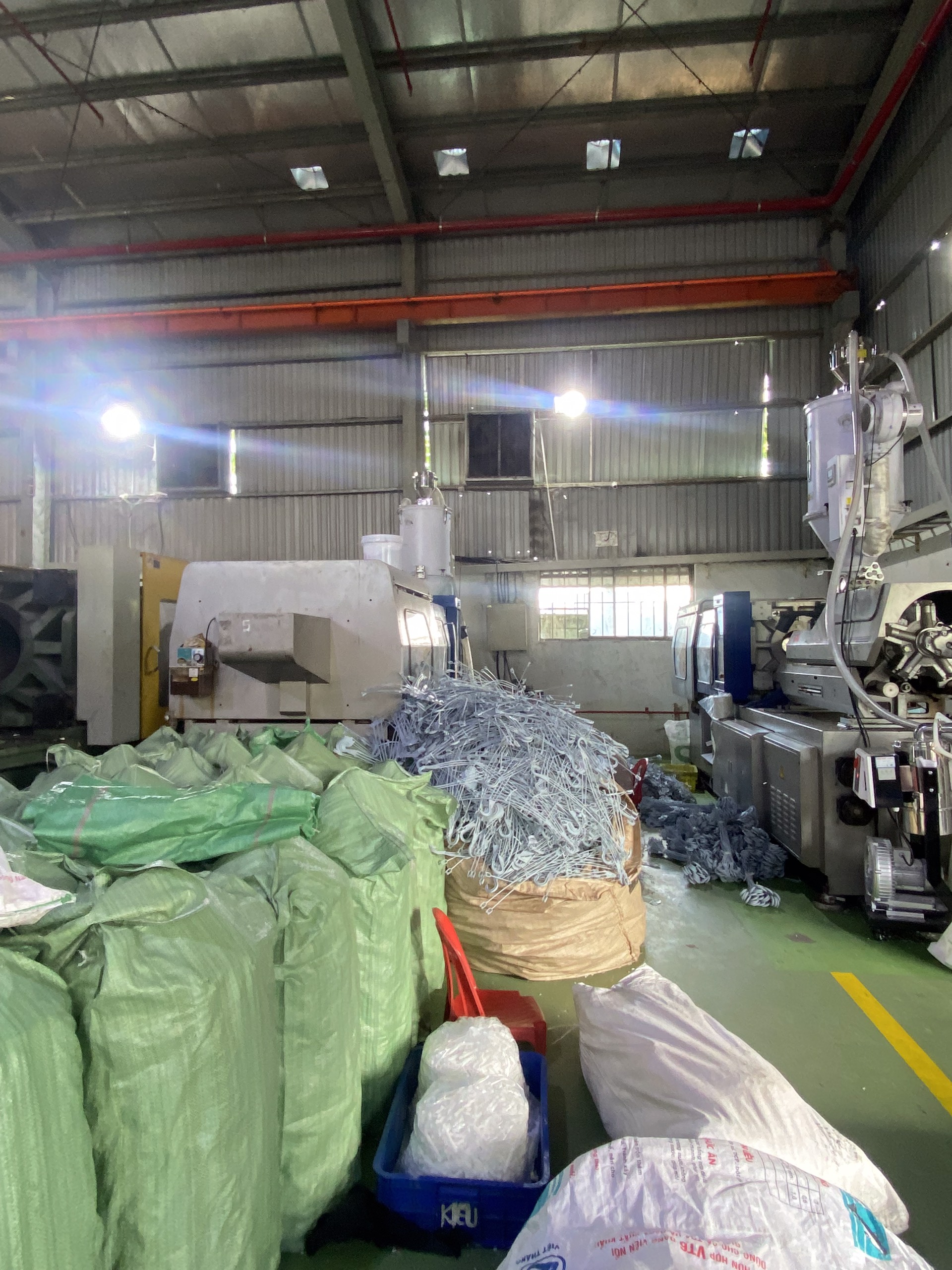
During a recent supplier audit at a factory in Vietnam, I noticed the production team had excellent machining tolerances but wrapped finished parts in thin plastic bags and tossed them into oversized cartons with crumpled newspaper. The parts arrived in the U.S. with chipped edges and scratched coatings.
Ask your supplier about their packaging specification documents, void fill methods, sealing techniques, how they handle fragile finishes, whether they use a packaging audit checklist, and if they have documented procedures for different product types — especially custom parts with tight tolerances or decorative coatings.
Essential Questions to Ask
Here is a practical list of questions to bring to your next supplier conversation. These are not theoretical — they come from real packaging failures I have seen on projects over the years.
On Materials and Design:
- What corrugated board grade and ECT rating do you use for boxes holding parts over 30 lbs?
- Do you use single-wall or double-wall corrugated for heavy or fragile items?
- How do you determine box sizing? What clearance do you leave for cushioning?
On Internal Protection:
- What is your dunnage and void fill strategy? Do you fill 100% of empty space?
- Do you use custom inserts (foam, honeycomb, molded pulp) or generic fill (peanuts, paper)?
- How do you prevent part-to-part contact when shipping multiple items in one box?
- For powder-coated or painted parts, do you wrap items in paper before bubble wrap to prevent surface scuffing?
On Sealing and Closure:
- Do you use the H-taping method on top and bottom?
- What tape width and type do you use? (Minimum should be 2-inch pressure-sensitive tape for standard boxes; 3-inch reinforced tape for heavy loads.)
- Do any of your box designs include easy-open perforations? If so, have you tested how those perforations affect the box compression test rating?
On Process Control:
- Do you have a written packaging specification or work instruction?
- Is packaging inspected as part of your final quality check?
- Do you maintain a packaging audit checklist?
The Layering Technique
For fragile or coated parts, the order of cushioning matters. Apply cushioning on the bottom first. Then place the wrapped product. Add side cushioning. Fill the top last. This layering technique ensures the product is suspended in the center of the box and does not contact any wall.
Sealing Best Practices
The H-taping method is the industry standard for box closure. One strip of tape runs along the center seam. Two more strips cover the side seams. Apply this pattern on both the top and the bottom of the box. Use water-activated kraft tape for better adhesion — it bonds to the corrugated fiber and is harder to accidentally peel open than standard plastic tape. Avoid duct tape entirely.
| Sealing Method | Best For | Weakness |
|---|---|---|
| H-taping with 2" tape | Standard weight boxes (under 30 lbs) | May not hold on heavy or palletized loads |
| H-taping with 3" reinforced tape | Heavy or palletized shipments | Slightly higher material cost |
| Water-activated kraft tape | Maximum adhesion on corrugated | Requires a dispenser; slower to apply |
| Standard clear packing tape | Light items, low-risk shipments | Peels under humidity; weakest option |
Labeling and Handling Instructions
Ask whether the supplier places "Fragile," "This Side Up," and "Handle With Care" labels on multiple faces of the box. Labels should go on the largest surface and stay away from seams so barcode scanners can read them without errors. Durable labels that resist moisture and abrasion are essential for ocean freight.
How Do I Know If My Supplier's Packaging Meets International Shipping Standards?
A trade-off I weigh on every project: the cost of upgrading packaging versus the cost of a single damaged shipment. For a recent batch of custom trailer-hitch-style mounts heading to the U.S., we calculated that one rejected pallet would cost more than upgrading every box to double-wall corrugated with custom foam inserts. The math was clear.
Verify that your supplier’s packaging meets international shipping standards by confirming ISTA or ASTM D4169 certification, checking carrier-specific requirements from FedEx, UPS, or freight forwarders, reviewing palletization best practices including stretch film and edge protectors, and auditing labeling for international compliance.
Certification and Compliance
The most widely recognized international packaging test standard is ISTA 3A 9, which simulates the full distribution cycle including vibration, drops, and atmospheric conditioning. ASTM D4169 is another benchmark used by military and commercial buyers. If your supplier claims their packaging "meets international standards," ask for the specific test report and certification number. A vague claim is not enough.
Carrier-Specific Requirements
Different carriers have different packaging guidelines. FedEx, for example, recommends 2 to 3 inches of cushioning clearance on all six sides for fragile items. UPS has similar requirements. For ocean freight containers, the packaging must also withstand extended stacking pressure — a shipment sitting under other pallets for weeks faces different stress than an air freight parcel moving through in a day or two.
Palletization Integrity
Palletization best practices are part of the overall packaging evaluation. Check whether the supplier uses:
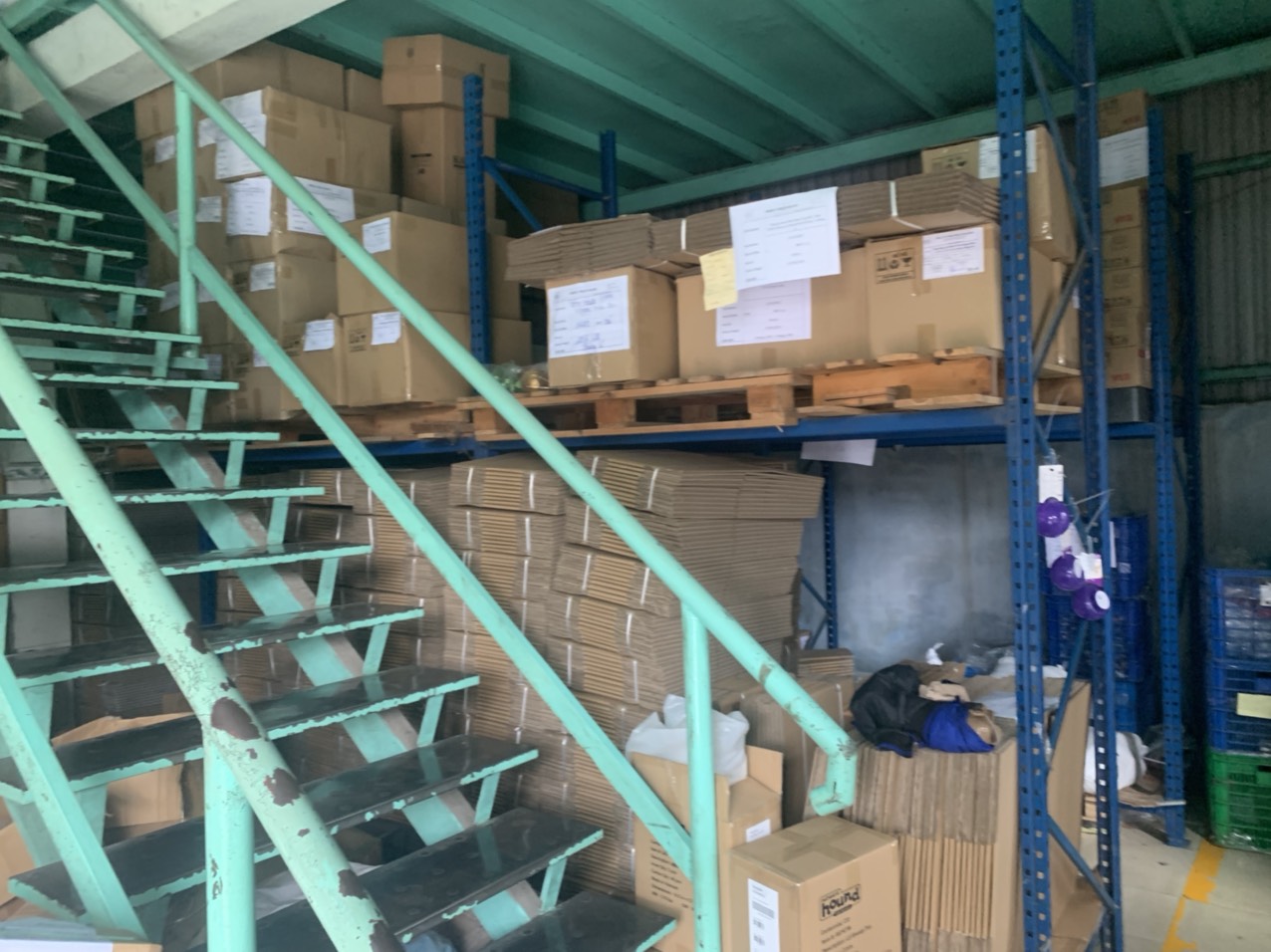
- Corner edge protectors to distribute stacking load and prevent crushing
- High-performance stretch film wrapped at the correct tension to stabilize the unit load
- Proper pallet overhang rules — boxes should not extend past the pallet edge
For international shipments, I also look at creep rupture potential. Adhesives and plastic stretch film can slowly fail under constant load in high-temperature shipping containers. If your freight route passes through tropical zones, this matters.
Environmental Testing for Long-Duration Transit
International shipping means longer exposure to environmental hazards. Ocean containers cycle through temperature and humidity extremes daily. This weakens corrugated fiber and can cause adhesive failure on tape and labels. A strong packaging design accounts for these conditions with moisture-resistant barriers, desiccant packets, and tape that maintains adhesion in high humidity.
For sensitive goods, some suppliers include temperature and humidity indicator cards inside boxes. These are inexpensive and give you objective evidence of what the package experienced during transit.
The Complete Packaging Audit Checklist
Before approving a supplier's packaging for international shipment, run through this checklist:
- Box corrugated board grade and ECT rating verified for product weight
- Double-wall construction used for items over 40 lbs or fragile coatings
- 2–3 inches of cushioning clearance on all six sides
- 100% void fill — no gaps, no shifting
- H-taping method applied top and bottom
- Tape width minimum 2 inches (3 inches for heavy loads)
- Moisture barriers and desiccant packets included for ocean freight
- Anti-static packaging for electronic or coated components
- Handling labels on multiple faces, away from seams
- Pallet edge protectors and proper stretch film application
- ISTA or ASTM test report on file
- Pilot test completed through actual shipping route
This is the packaging audit checklist we use internally at DEWIN when qualifying suppliers across Vietnam and other Asian manufacturing hubs. It has saved our clients significant cost on returns and rework. For specific guidance on evaluating supplier packaging for welding parts during long-distance transit, we have a dedicated deep-dive as well. Similarly, if you ship directly to end users, understanding how to ensure small sheet metal parts arrive undamaged to individual customers covers the last-mile packaging considerations that differ from bulk freight.
Conclusion
Evaluating a supplier's packaging design is not a visual judgment call — it is a structured audit. Check box strength, void fill, sealing, environmental resilience, and compliance. Test before you scale. The cost of getting packaging right is always less than the cost of getting it wrong.
Frequently Asked Questions
What Should I Look for in a Supplier's Packaging Materials to Prevent Damage in Transit?
A buyer once told me he assumed "a thick box is a good box." Then we showed him how a single-wall corrugated carton with the wrong flute orientation collapsed under its own pallet stack overnight Edge Crush Test 1 .
How Can I Test a Supplier's Packaging Design Before Committing to a Large Order?
One lesson we learned early in our supply chain work across Vietnam and China: what holds together for a sample shipment of five pieces often falls apart at five hundred. The vibration profile changes, the stacking height increases, and the handling gets rougher.
What Questions Should I Ask My Supplier About Their Packaging Process for Custom Parts?
During a recent supplier audit at a factory in Vietnam, I noticed the production team had excellent machining tolerances but wrapped finished parts in thin plastic bags and tossed them into oversized cartons with crumpled newspaper. The parts arrived in the U.S. with chipped edges and scratched coatings.
Footnotes
1. Explains the standardized method for measuring corrugated board compression strength. ↩︎
2. Explains the standard test for measuring the compressive strength of corrugated board. ↩︎
3. Explains the primary force measured by the Edge Crush Test in shipping environments. ↩︎
4. Scientific resource explaining the engineering principles behind standardized packaging performance tests. ↩︎
5. Technical background on the use of silica gel as a desiccant to control shipping humidity. ↩︎
6. Defines the components and management of a standard commercial supply chain. ↩︎
7. Official site for the organization that sets global standards for package performance testing. ↩︎
8. Official standards body source verifying the referenced transit testing protocol. ↩︎
9. Official ISTA site confirming details of this widely used transit simulation standard. ↩︎