
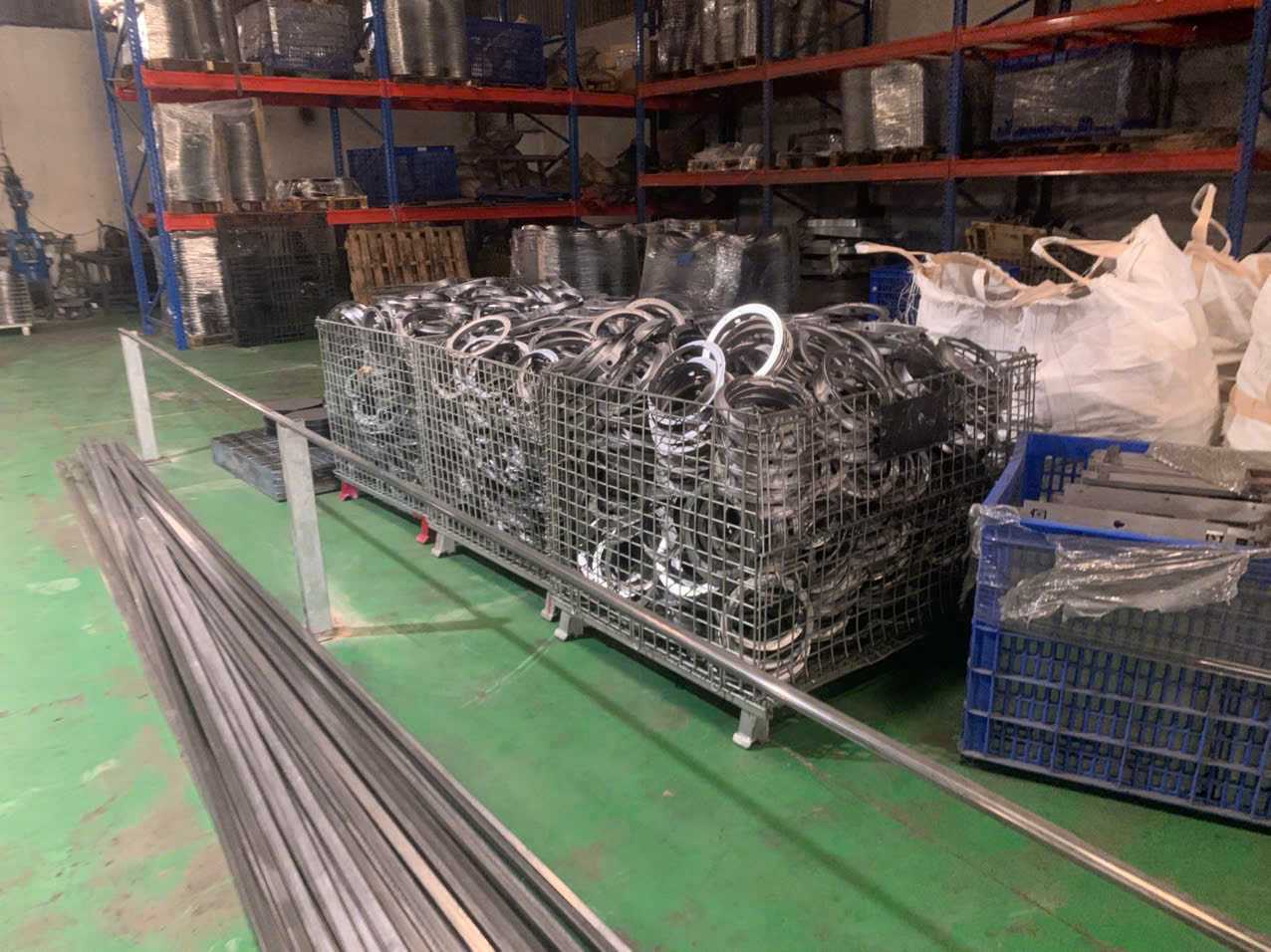
Last quarter, we lost a full container of welded steel frames to rust damage — and the root cause traced back to poor supplier packaging evaluation before shipment.
To evaluate supplier packaging for welding parts during long-distance transit, verify corrosion protection methods, structural integrity of crates and pallets, load securement practices, moisture barrier packaging, labeling accuracy, and hazmat compliance — then validate everything through documented test reports and on-site audits before production begins.
This article breaks down the exact criteria our team uses when auditing supplier packaging across Vietnam and broader Asia corrosion protection methods 1. Each section targets a specific risk area that purchasing managers face when importing custom welded components to the United States.
How can I ensure my welded components are protected from rust and corrosion during a 30-day ocean transit?
A single container crossing from Ho Chi Minh City to Los Angeles takes roughly 28–35 days hazmat compliance 2. During that window, our quality team has documented humidity levels inside containers exceeding 85% — more than enough to trigger surface oxidation on bare steel weld joints.
To protect welded components from rust during ocean transit, require suppliers to apply VCI films or papers, anti-rust oils on exposed surfaces, and desiccant packs inside sealed moisture barrier packaging. Verify these measures during final inspection before the container is loaded.
Why Ocean Transit Is Uniquely Dangerous for Welded Parts
Welded joints are especially vulnerable. The heat-affected zone 3 around a weld bead changes the metal's grain structure VCI films or papers 4. This makes it more reactive to moisture and salt air. A polished base metal may survive 30 days just fine, but the weld seam next to it can start pitting within two weeks if left unprotected internal cushioning and dunnage 5.
Our team in Vietnam learned this the hard way on a project involving heavy-duty mounting brackets. The supplier applied a light machine oil to the flat surfaces but skipped the weld joints entirely. By the time the container reached the US port, orange rust had formed along every seam. The buyer rejected the entire lot.
The Multi-Layer Corrosion Defense System
Effective corrosion protection is not one product. It is a system. Here is how we evaluate it:
| Layer | Material | Purpose | When to Verify |
|---|---|---|---|
| Layer 1 | Anti-rust oil or wax coating | Direct surface protection on weld beads and bare metal | During in-process inspection |
| Layer 2 | VCI (Volatile Corrosion Inhibitor) film or paper | Releases vapor molecules that form a protective layer on metal surfaces | During packing observation |
| Layer 3 | Desiccant packs 6 (silica gel or clay) | Absorbs moisture inside the sealed package | During final carton/crate audit |
| Layer 4 | Polyethylene moisture barrier bag | Seals the part in a controlled micro-environment | During final packing sign-off |
Each layer addresses a different failure mode. The oil handles direct contact corrosion. The VCI handles vapor-phase protection. The desiccant controls humidity. The barrier bag keeps external moisture out.
Materials to Avoid
One detail that many buyers overlook: packaging materials themselves can cause contamination. Certain foam fillers contain silicon-based compounds. If these come into contact with a welded surface that will later receive paint or powder coating, adhesion failure is almost guaranteed. We always confirm that protective packaging materials are silicon-free and fat-free before approving a supplier's packing method.
How Much Desiccant Is Enough?
A common question from our US clients. The rule of thumb is 1 unit of desiccant per cubic foot of sealed package volume. But for a 30-day ocean transit through tropical routes, we recommend 1.5 to 2 units per cubic foot. Over-specifying desiccant is cheap insurance compared to a rust claim.
What specific packaging criteria should I include in my supplier audit to prevent structural damage?
When we conduct supplier audits in Vietnam and across Asia, the packaging station is one of the first places our team visits. You can tell a lot about a supplier's quality mindset by looking at how they treat finished parts before they leave the factory floor.
Your supplier audit should evaluate pallet and crate construction, internal cushioning and dunnage design, void fill percentage, corner support methods, strap and shrink-wrap securement, and the maximum stacking load rating — all documented against the actual weight and geometry of your welded parts.
Start With the Part, Not the Box
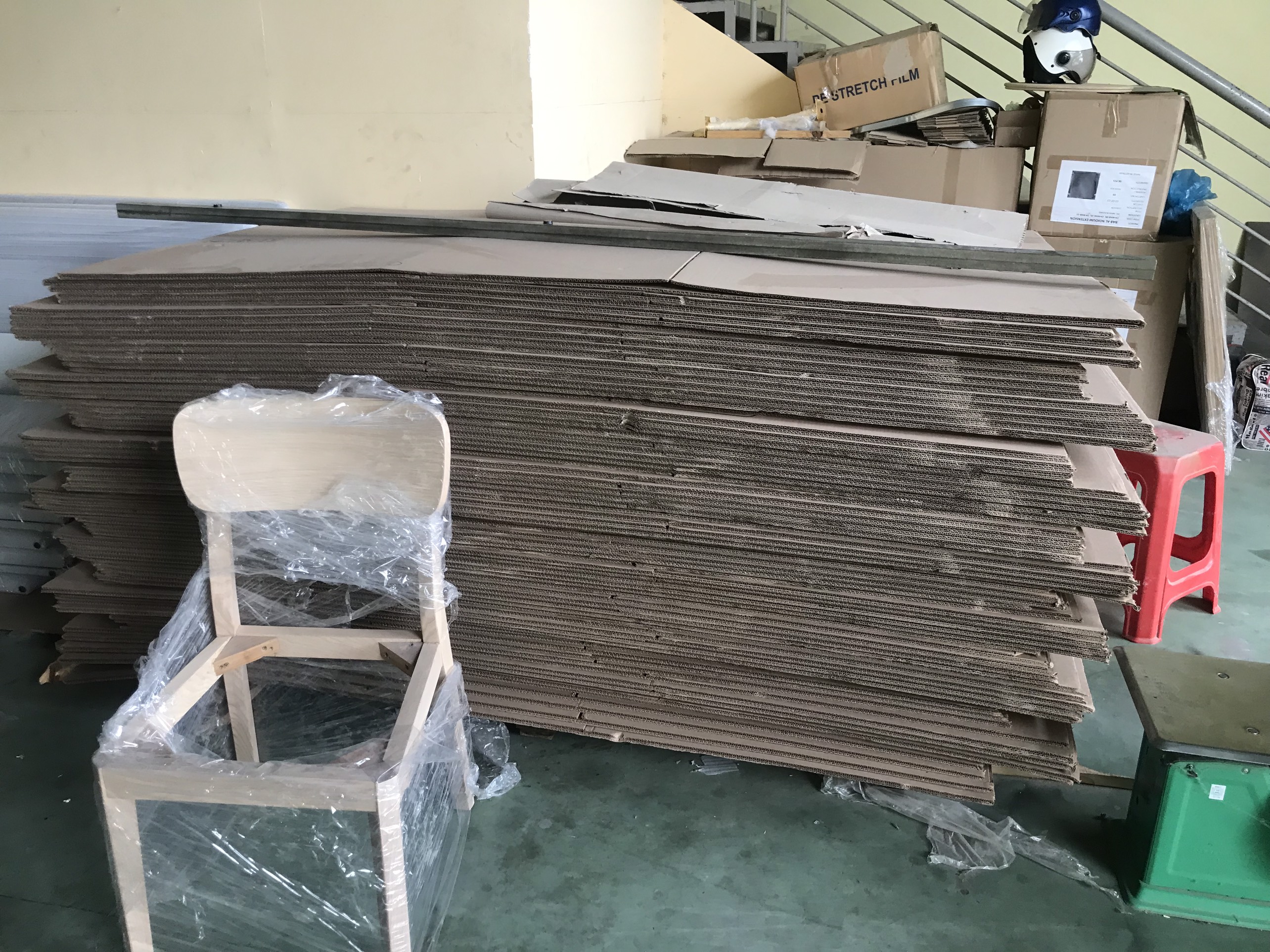
A common mistake in packaging design optimization is starting with a standard box size and trying to fit the part inside. The correct approach is the opposite. Start with the part geometry, weight, and fragile points. Then design the packaging around it.
For complex welded assemblies — like the multi-level metal frames and angular tube structures we source — the critical fragile points are the weld joints, protruding brackets, and pre-drilled mounting holes. Any impact or bending force on a cantilever section can crack a weld seam that passed inspection just days earlier.
The Audit Checklist
Here is the structural packaging criteria checklist we use during on-site supplier evaluations:
| Audit Item | What to Check | Pass Criteria |
|---|---|---|
| Pallet grade | Hardwood or heat-treated softwood | ISPM-15 compliant 7, no bark, no visible rot |
| Crate construction | Screwed (not nailed) joints, plywood panels | Minimum 12mm plywood for sides, 18mm for base |
| Internal dunnage | Foam blocks, wooden cradles, or custom jigs | Contact points align with structural beams, not weld joints |
| Void fill | Percentage of empty space inside the crate | ≤5% void after parts and dunnage are placed |
| Corner supports | Corrugated edge protectors or wooden braces | Present on all four vertical corners for stacked loads |
| Securement | Steel banding, ratchet straps, or shrink wrap | Parts do not shift when crate is tilted 15° |
| Stacking label | Maximum stack weight clearly marked | Label on two adjacent sides of the crate |
Why 95% Fill Matters
When a container is only 70% full, parts shift. Even with straps, the repeated acceleration and braking of a truck, the rolling of a ship, and the jolts from crane lifts create cumulative movement. Industrial packaging standards call for a minimum 95% fill rate inside each container or carton. Void fillers — whether foam, air pillows, or corrugated inserts — must fill the remaining space tightly.
Custom Crating for Irregular Shapes
Standard cardboard boxes do not work for L-shaped mounts, U-channels, or multi-level tube frames. Custom crating solutions are essential. We require suppliers to build wooden cradles that mirror the part's geometry. The part sits in the cradle and is held by contact on its strongest structural members — never by thin brackets or protruding tabs.
For a recent project involving heavy-duty base plates with reinforced gussets, our supplier built plywood cradles with routed grooves that matched each plate's profile. The result: zero shipping damage across three consecutive shipments. That kind of packaging design optimization takes upfront effort, but it eliminates rework costs downstream.
Shock and Impact Protection
Beyond static loads, welded parts face dynamic forces during transit. Forklifts drop pallets. Containers get shifted by cranes. Trucks hit potholes. Shock and impact protection starts with proper cushioning — closed-cell foam for heavy parts, bubble wrap for lighter components. But it also depends on how the part is oriented. A welded tube frame lying flat distributes impact across its entire base. Standing upright, all the force concentrates on two or three contact points.
We always specify the required orientation in our packaging instructions and verify compliance during final inspection.
How do I evaluate if my supplier's palletization is robust enough for multiple transshipments to the US?
A shipment from our Vietnam facility to a warehouse in Texas does not travel in a straight line. It goes by truck to the port, by vessel to a transshipment hub like Singapore or Busan, then by vessel again to Long Beach or Houston, then by rail or truck to the final destination. That is four to six handling events — each one a chance for damage.
Evaluate palletization robustness by confirming pallet load ratings exceed actual weight by at least 30%, verifying strapping patterns hold under simulated tilt and vibration testing, checking for ISPM-15 heat-treatment compliance, and requiring photographic evidence of the loaded pallet before container stuffing.
The Real-World Forces on a Pallet
Most suppliers design their palletization for static conditions — the pallet sitting still on a warehouse floor. But during multiple transshipments, pallets face dynamic forces that are far more severe.
Here is a comparison of forces during different handling stages:
| Handling Stage | Typical G-Force | Risk to Welded Parts |
|---|---|---|
| Forklift loading/unloading | 2–5 G (vertical shock) | Weld joint cracking, bracket bending |
| Ocean vessel (rolling seas) | 0.5–1.5 G (lateral) | Parts sliding off pallet, strap loosening |
| Rail transport (coupling) | 3–4 G (longitudinal) | Pallet collapse, stack toppling |
| Truck transport (potholes) | 1–3 G (vertical) | Cushioning compression, part-to-part contact |
These forces compound over multiple legs. A strap that was tight at origin may loosen after the first rail coupling event. A foam pad that absorbed the first forklift drop may be fully compressed by the third.
Load Securement Best Practices
Load securement is not just about strapping the parts to the pallet. It is about creating a unified load — where the parts, dunnage, and pallet move as one rigid body. Load securement best practices 8
We evaluate three levels of securement:
- Part to cradle: Each welded component is bolted, clamped, or wedged into its custom cradle or dunnage.
- Cradle to pallet: The cradle is screwed or banded to the pallet deck.
- Pallet to container: The pallet is chocked and braced against the container walls using lumber or airbags.
If any one level fails, the whole system fails. During our audits, we ask suppliers to demonstrate a tilt test — tipping the loaded pallet to 15 degrees. If anything shifts, the securement method needs revision.
ISPM-15 and US Customs Compliance
All wood packaging entering the US must comply with ISPM-15 — the international standard for heat-treating or fumigating solid wood to prevent pest introduction. Every pallet and crate must bear the ISPM-15 stamp. Without it, US Customs can hold or reject the entire shipment.
We verify this stamp during every final inspection. It is a simple check, but missing it causes costly delays at port.
Returnable vs. Expendable Packaging
For high-volume, recurring shipments, some of our clients ask about returnable packaging — reusable steel or plastic containers that travel back and forth between the supplier and the buyer. The environmental benefits are clear, and the per-unit cost drops over time. But for long-distance ocean transit with multiple transshipments, returnable containers add complexity. You need a reliable reverse logistics loop and 100% availability at both ends.
For most of our custom welding part projects, we recommend expendable packaging — purpose-built wooden crates that are recycled at destination. The upfront cost is modest, and it eliminates the return logistics headache.
Can I request a packaging test report as part of my PPAP or final inspection process?
During a recent PPAP submission 9 for a set of fabricated steel brackets, our client in the US asked a question that surprised the supplier: "Where is the packaging test report 10?" The supplier had never been asked for one before. But this is exactly the kind of documentation that separates professional supply chain management from guesswork.
Yes, you can and should request a packaging test report as part of PPAP or final inspection. This report should document drop tests, vibration testing results, compression tests, and corrosion simulation outcomes — proving the packaging design will protect your welded parts through the full transit cycle.
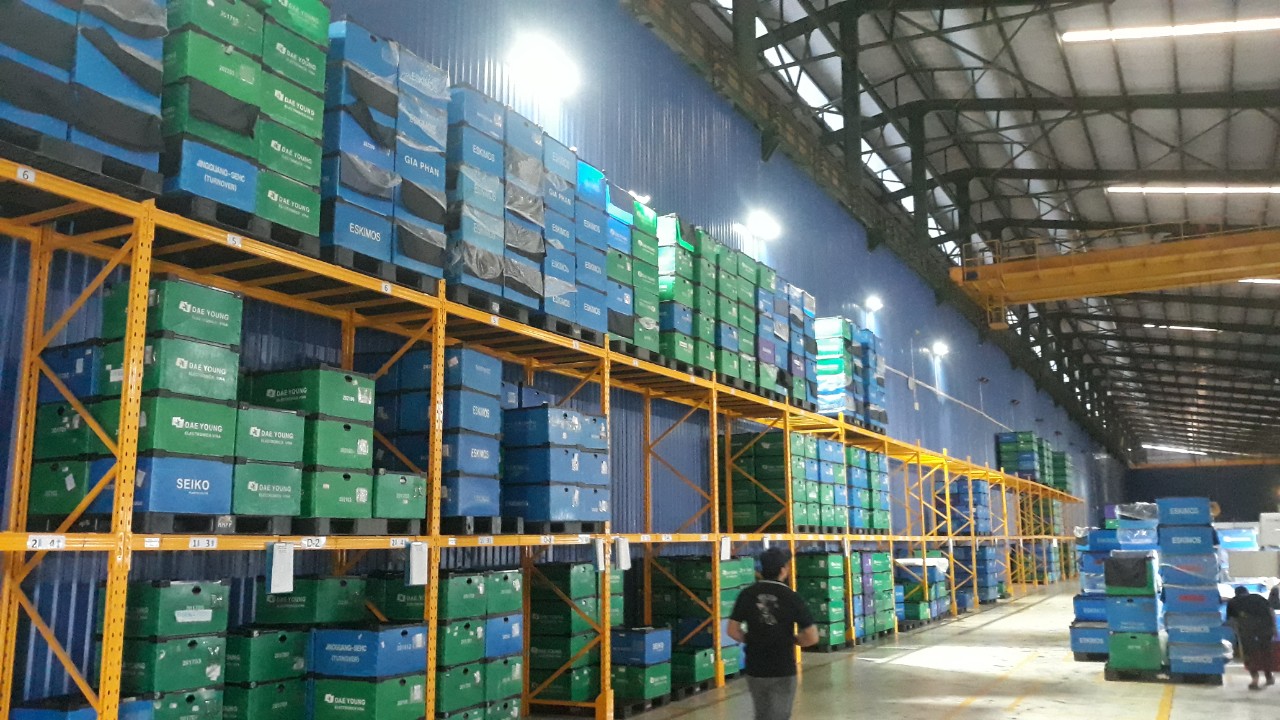
What a Packaging Test Report Should Include
A packaging test report is not a single document. It is a collection of evidence that the proposed packaging has been validated against real-world transit conditions. Here is what we require from suppliers:
| Test Type | Standard/Method | What It Proves |
|---|---|---|
| Drop test | ISTA 2A or ASTM D5276 | Package survives falls from 24–36 inches onto corners, edges, and flat surfaces |
| Vibration testing | ISTA 2A or ASTM D4728 | Parts remain secure and undamaged after simulated truck and rail vibration profiles |
| Compression/stack test | ASTM D642 | Crate withstands maximum expected stacking weight for 72 hours |
| Humidity/corrosion simulation | Salt spray (ASTM B117) or humidity chamber | Corrosion protection system remains effective after simulated 30-day exposure |
| Edge crush test (ECT) | TAPPI T811 | Corrugated material meets minimum crush resistance for stacking loads |
Integrating Packaging Validation Into PPAP
In a standard PPAP submission, most suppliers focus on dimensional reports, material certifications, and process flow diagrams. Packaging is often an afterthought. But for welded parts traveling 8,000+ miles across ocean routes, packaging is as critical as the weld itself.
We add packaging validation as a line item in our PPAP checklist. The supplier must submit:
- Photos of the packed unit from all sides
- A packing instruction document with material specifications
- Test report results from an accredited lab or internal testing facility
- A packaging checklist form that travels with each shipment
This ensures that shipping damage prevention is built into the quality system, not left to the packing crew's judgment on the day of shipment.
The Role of Final Inspection
Even with a validated packaging design, execution varies. A worker might skip a desiccant pack. A strap might not be tensioned properly. The foam insert might be placed upside down.
Our final inspection process includes a dedicated packaging verification step. The inspector opens a statistically sampled number of packed units and checks every element against the approved packing instruction. This is where we catch the gap between what was designed and what was actually done.
For high-value welded assemblies — like the complex geometric tube frames and multi-component bracket kits we handle — we require photographic documentation of every packed pallet before the container doors close. These photos go into a shipment file that the client can review before the vessel departs.
Digital Traceability and Condition Monitoring
For clients with the highest quality requirements, we can integrate digital tracking into the packaging itself. Shock indicators — small devices attached to the crate — record whether the package experienced impacts above a set threshold. Temperature and humidity loggers record conditions inside the sealed package throughout transit.
This data serves two purposes. First, it provides evidence for freight claims if damage occurs. Second, it gives the buyer visibility into what actually happens to their parts between the factory door and the receiving dock. This level of traceability is becoming standard in aerospace and medical device supply chains, and we see it spreading to industrial custom parts as well.
Conclusion
Evaluating supplier packaging for welding parts is not optional — it is a core quality control function that prevents costly damage, corrosion, and delivery failures across every mile of long-distance transit.
Frequently Asked Questions
How Much Desiccant Is Enough?
A common question from our US clients. The rule of thumb is 1 unit of desiccant per cubic foot of sealed package volume. But for a 30-day ocean transit through tropical routes, we recommend 1.5 to 2 units per cubic foot. Over-specifying desiccant is cheap insurance compared to a rust claim.
How can I ensure my welded components are protected from rust and corrosion during a 30-day ocean transit?
A single container crossing from Ho Chi Minh City to Los Angeles takes roughly 28–35 days hazmat compliance 2 . During that window, our quality team has documented humidity levels inside containers exceeding 85% — more than enough to trigger surface oxidation on bare steel weld joints.
What specific packaging criteria should I include in my supplier audit to prevent structural damage?
When we conduct supplier audits in Vietnam and across Asia, the packaging station is one of the first places our team visits. You can tell a lot about a supplier's quality mindset by looking at how they treat finished parts before they leave the factory floor.
Footnotes
1. Explains various techniques to prevent material degradation. ↩︎
2. Details regulations for safe transport of hazardous materials. ↩︎
3. Defines a critical area in welding susceptible to corrosion. ↩︎
4. Describes a specific material used for rust prevention. ↩︎
5. Describes materials used to protect goods inside packages. ↩︎
6. Explains the function of moisture-absorbing agents in packaging. ↩︎
7. Refers to an international standard for wood packaging. ↩︎
8. Outlines methods to prevent cargo shifting during transit. ↩︎
9. Authoritative Wikipedia page providing a comprehensive overview of the Production Part Approval Process (PPAP). ↩︎
10. Details documentation for validating packaging performance. ↩︎