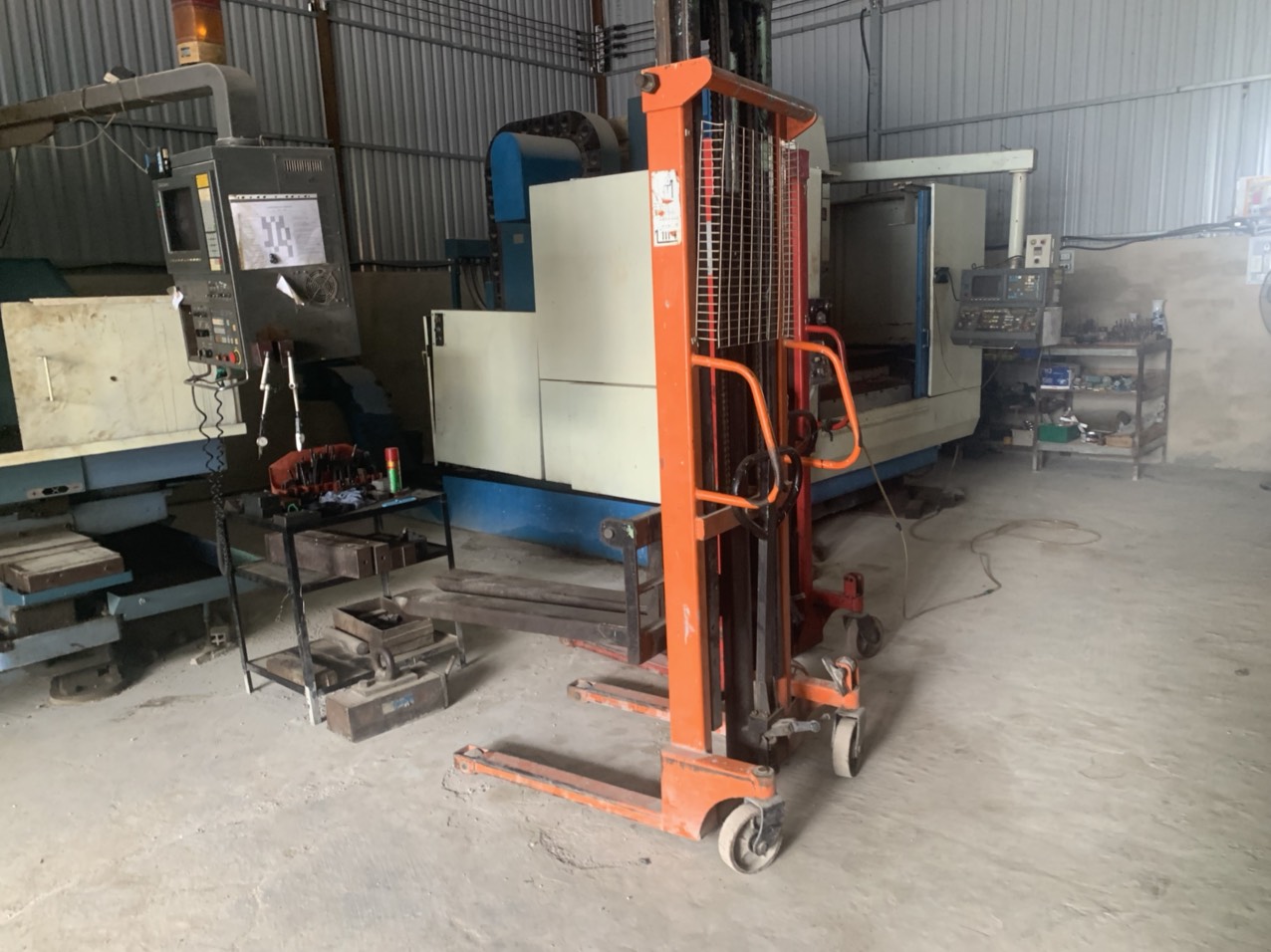

Evaluating supplier production environments for sheet metal fabrication 1 has cost our clients thousands when done poorly. I’ve walked through factories across Vietnam, China, and Taiwan where gleaming equipment masked broken processes — and modest shops delivered flawless parts every time.
To evaluate supplier production environments when sourcing sheet metal fabrication, prioritize process capability and quality management systems over equipment lists, verify in-house control of critical steps, assess facility organization and workforce training, and confirm engineering collaboration for design for manufacturability improvements.
This article breaks down the exact steps our team uses during supplier audits. Each section tackles a real question procurement managers face — from tolerance verification to co-development readiness. Let’s walk through it together.
How do I assess if a sheet metal supplier's machinery and facility layout can meet my strict tolerance requirements?
Last year, our Vietnam office audited a sheet metal shop with brand-new fiber laser cutters 2 and CNC press brakes — impressive on paper. But when we checked their actual dimensional inspection records, the tolerances drifted well beyond spec on bends over 300mm. The equipment was capable; the process was not.
Assess a supplier's tolerance capability by reviewing their process documentation, dimensional inspection records, and equipment maintenance logs — not just their machine specs. Request sample parts with your tightest tolerances and verify them with independent measurement before committing to production.

Why Equipment Lists Alone Are Misleading
A supplier might own a top-tier Trumpf laser cutter. But if the machine is poorly maintained, if operators lack training, or if there is no calibrated inspection step after cutting, you will still get bad parts. Equipment capabilities matter, but only when supported by disciplined processes.
When I tour a factory, I focus on three things: the condition of the machines, the flow of parts through the shop, and the inspection points between operations. A facility layout that forces parts to backtrack across the floor is a sign of poor planning. It also increases handling damage risk.
What to Check During a Facility Tour
Here is a practical checklist our audit team uses:
| Assessment Area | What to Look For | Red Flag |
|---|---|---|
| Machine condition | Clean, well-maintained, current calibration stickers | Visible rust, missing guards, outdated calibration |
| Facility layout | Logical flow from raw material to finished goods | Backtracking, cluttered aisles, mixed WIP areas |
| Inspection equipment | CMM, calipers, go/no-go gauges, surface roughness testers | No dedicated inspection area, no measurement tools visible |
| Operator skill | Certified welders, experienced brake operators | High turnover, no training records |
| Redundancy | Backup machines for critical processes | Single-point-of-failure equipment |
Tolerance Verification in Practice
Ask the supplier to run a small batch of your most challenging part. Measure the results yourself or through a third-party lab. This is the single most reliable way to confirm their process capability. We often request a Cpk study 3 for critical dimensions. If a supplier cannot explain what Cpk means, that is a red flag.
Also check how they handle material traceability 4. Can they tell you which coil of steel was used on which batch? If raw material properties vary and they cannot trace it, tolerance consistency will suffer.
For surface finishing requirements — whether it is powder coating 5, anodizing, or sandblasting like the gunmetal grey finish on heavy-duty mounting brackets — verify whether this is done in-house or subcontracted. Each handoff adds risk to dimensional accuracy.
What red flags should I look for in a production environment to ensure my custom parts won't have quality defects?
A buyer we work with in the Midwest once switched suppliers to save 12% on bracket pricing. Within three months, two shipments arrived with weld porosity and incorrect hole patterns. The root cause? The new supplier had no formal quality management system — the operator who fabricated the parts also inspected them. No second set of eyes. No documented process.
Key red flags include the absence of a formal quality management system, operator self-inspection with no independent checks, missing or outdated industry certifications, no root cause analysis process for non-conformances, and lack of process documentation for critical steps like welding processes and bending sequences.

The Self-Inspection Trap
When the same person who cuts, bends, or welds a part also inspects it, expect problems. It is human nature to overlook your own mistakes. A reliable supplier separates production from inspection. They have a dedicated quality team — even if it is just one or two people — who check parts at defined stages.
Critical Red Flags Checklist
Here are the warning signs our audit team watches for:
| Red Flag | Why It Matters | What to Ask |
|---|---|---|
| No ISO 9001 6 or equivalent certification | Indicates no systematic quality framework | "Can I see your current certificate and last audit report?" |
| Operator self-inspection only | Bias and oversight are inevitable | "Who inspects parts, and do they report to production or quality?" |
| No non-conformance process | Repeat defects are likely | "Show me your last three NCRs and corrective actions." |
| No incoming material inspection | Bad material enters the process undetected | "How do you verify raw material specs and certifications?" |
| Disorganized work-in-progress | Parts get mixed, wrong revisions get built | "How do you segregate conforming and non-conforming parts?" |
| No revision control system | Risk of building obsolete designs | "How do you ensure operators use the latest drawing revision?" |
Industry Certifications — Look Beyond the Certificate
ISO 9001 is a baseline, not a guarantee. I have seen factories with the certificate framed on the wall but no living quality system behind it. Check the audit recency. Ask to see corrective action reports. A supplier who can walk you through their last quality escape and explain what they changed is far more trustworthy than one who simply points to a plaque.
For aerospace or defense-adjacent work, AS9100 or IATF 16949 certifications 7 signal a higher level of discipline. But even without those, a well-run shop with documented inspection plans, calibrated gauges, and clear non-conformance procedures can deliver excellent quality.
Welding Quality Specifically
For sheet metal parts requiring welding — like the mirrored mounting brackets with visible weld marks at joints — pay close attention to welder qualifications. Are welders certified? Do they follow documented welding procedures (WPS)? Is there a post-weld inspection step? Welding processes are a common source of defects in sheet metal fabrication, and they deserve extra scrutiny.
Our team in China has learned that asking to see the welder qualification records and the last five weld inspection reports reveals more than any sales presentation.
How can I evaluate a factory's workflow and organization to confirm they can meet my on-time delivery needs?
One trade-off we weigh constantly is production capacity versus lead time reliability. A factory running at 95% capacity looks efficient on a spreadsheet. But it has zero buffer for rush orders, machine breakdowns, or material delays. When we audit suppliers for U.S. clients who need consistent on-time delivery, capacity utilization above 85% without a clear plan for surges is a concern.
Evaluate on-time delivery capability by examining the factory's production scheduling system, capacity utilization rate, work-in-progress flow, equipment redundancy, and historical delivery performance data. A well-organized workflow with visual management, clear staging areas, and buffer capacity is the strongest predictor of lead time reliability.
Reading the Shop Floor Like a Book
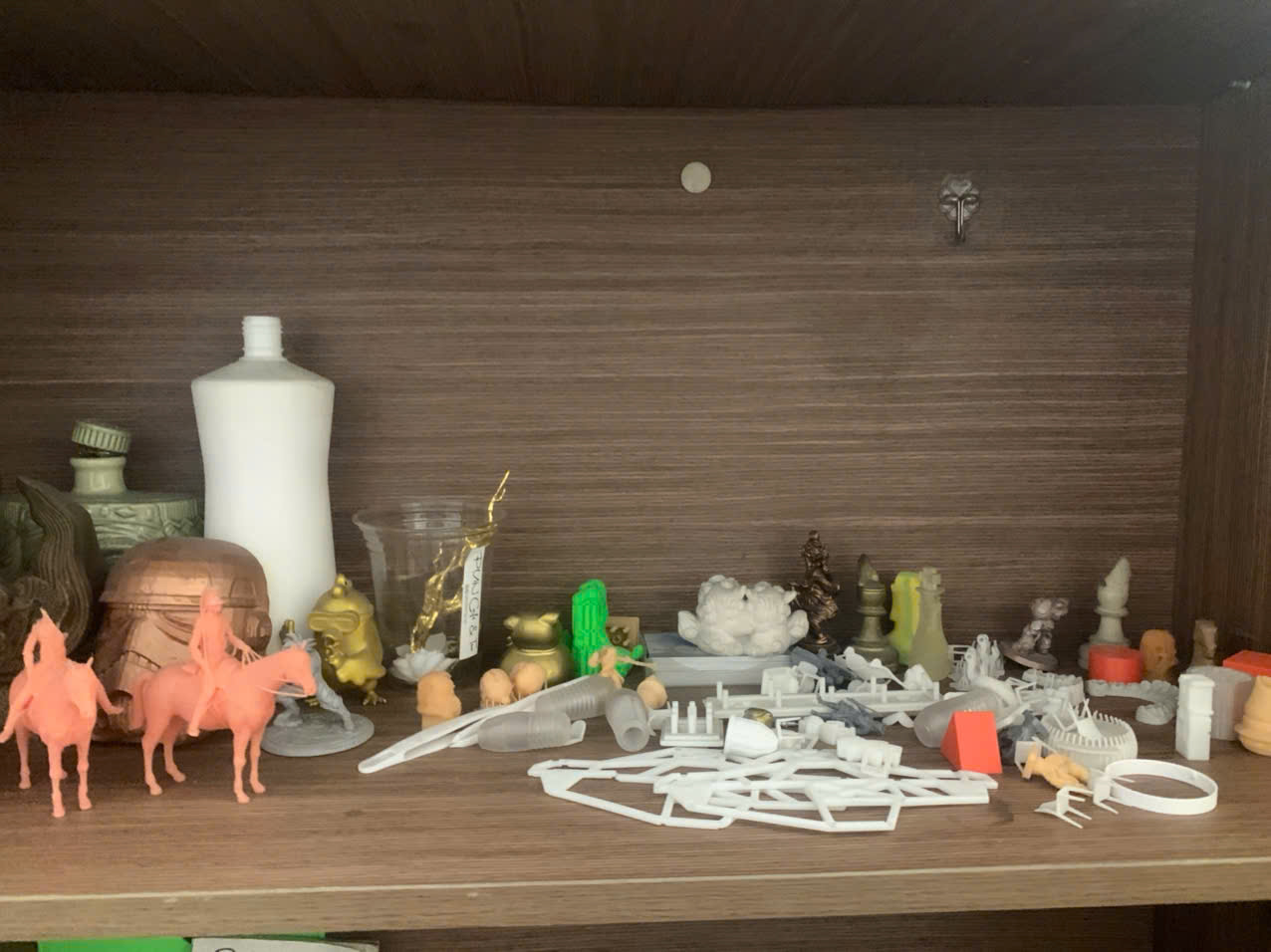
Walk the floor from raw material storage to shipping. Does the flow make sense? Are there clear staging areas between operations? Can you see what is in progress, what is waiting, and what is done? Factories that use visual management — kanban boards, color-coded tags, digital dashboards — tend to deliver on time because they can see problems before they cascade.
I look for simple things: Are racks labeled? Are finished parts separated from work-in-progress? Is there a shipping staging area, or do finished goods pile up randomly near the dock?
A Three-Step Workflow Assessment
Step 1: Map the production flow. Ask the supplier to walk you through the sequence of operations for a typical part — from nesting and laser cutting through bending, welding, surface finishing, and final inspection. Count the handoffs. Each handoff is a potential delay point.
Step 2: Check scheduling practices. Do they use an ERP or MRP system? Or is scheduling done on whiteboards and spreadsheets? Smaller shops can manage with simple tools, but they need a system. Ask how they prioritize orders when capacity is tight.
Step 3: Review delivery history. Request their on-time delivery rate for the past six months. If they cannot provide this data, their tracking is insufficient. Our standard benchmark is 95% or higher on-time delivery for an established supplier.
Capacity and Redundancy
| Factor | Good Sign | Warning Sign |
|---|---|---|
| Capacity utilization | 70–85% with room to flex | Above 90% with no overflow plan |
| Equipment redundancy | Backup press brake or laser available | Single machine for critical operations |
| Scheduling system | ERP/MRP with real-time tracking | Paper-based or ad hoc scheduling |
| Material inventory | Safety stock for common gauges | Ordering material only after PO received |
| Overtime policy | Structured overtime for peak demand | Chronic overtime indicating understaffing |
What Lead Time Really Depends On
Many buyers focus on quoted lead time. But the real question is: can the supplier consistently hit that lead time? Lead time reliability depends on material availability, scheduling discipline, and the supplier's relationship with their own sub-tier suppliers. When we manage supply chain projects for clients, we track not just the promised date but the actual ship date for every order. Patterns emerge quickly.
A factory with strong workflow organization will also handle engineering changes and revision updates more smoothly. Parts do not get built to the wrong revision. Orders do not sit waiting because someone lost a work order. These are the operational basics that separate reliable suppliers from unreliable ones.
What should I look for in a supplier's production environment to verify their ability to handle complex sheet metal co-development projects?
The first co-development project our team managed from Vietnam involved a precision-engineered mounting bracket with mirrored left and right components — multiple precise folds, sharp bends, irregular cutouts, and pre-drilled mounting holes that all had to align perfectly across both halves. The supplier needed to do more than follow a drawing. They needed to contribute ideas on bend sequence, material grain direction, and tolerance stacking.
For complex co-development projects, look for a supplier with in-house engineering staff who can provide design for manufacturability input, the ability to create prototypes and iterate quickly, strong revision control systems, experience with multi-step fabrication processes, and a collaborative communication style that surfaces problems early.
Engineering Capability Is Non-Negotiable
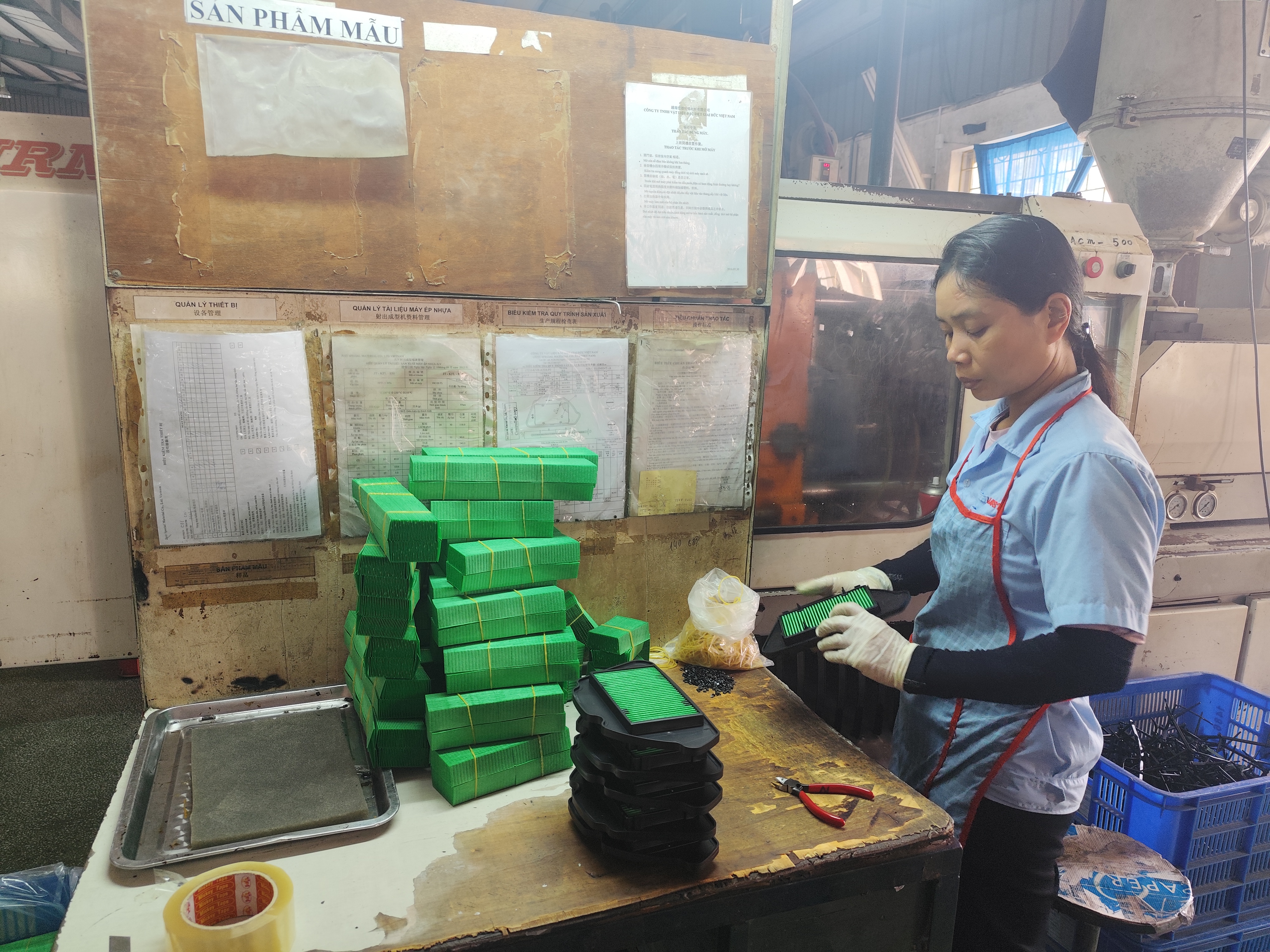
A co-development partner is not just a fabricator. They are an extension of your engineering team. Can they read your 3D models and translate them into flat patterns and shop drawings? Can they start from a concept sketch if needed? Do they proactively flag issues — like a bend radius that will crack the material, or a hole too close to a fold line?
When we evaluate supplier capabilities and qualifications for co-development, we ask them to review a sample drawing and provide design for manufacturability 8 feedback within 48 hours. The quality and speed of their response tells us more than any capability brochure.
In-House vs. Subcontracted Processes
For co-development, in-house control of critical steps is even more important than for standard production. If the supplier subcontracts laser cutting to one shop, bending to another, and powder coating to a third, iteration cycles become painfully slow. Every design change requires coordination across multiple parties. Delays compound.
Ask explicitly: which processes do you perform in-house, and which do you subcontract?
| Process | In-House (Ideal for Co-Dev) | Subcontracted (Higher Risk) |
|---|---|---|
| Laser/waterjet cutting | Fast iteration, direct feedback | Slower turnaround, less control |
| CNC bending | Immediate prototyping capability | Scheduling conflicts with sub-supplier |
| Welding | Direct quality control over joints | Weld quality varies by subcontractor |
| Surface finishing | Integrated quality loop | Additional logistics and lead time |
| CMM inspection | Real-time data for engineering changes | Delayed feedback on dimensional results |
| Assembly | Control over fit and function | Risk of miscommunication on assembly specs |
Communication and Revision Control
Co-development generates revisions. Lots of them. A supplier who cannot manage revision control will eventually build the wrong version. Ask how they handle engineering change notices. Do they have a system to retire old drawings and ensure only the current revision reaches the shop floor?
Our experience managing projects between U.S. engineering teams and Asian fabricators has shown that the biggest risk in co-development is not technical — it is communication. The best production environment in the world cannot compensate for a supplier who does not respond to emails, does not ask clarifying questions, and does not proactively share updates.
Prototyping Speed and PPAP Readiness
For complex parts like angular mounting brackets with multiple bends, cutouts, and weld joints, the prototyping phase is where you learn the most about a supplier's real capability. How fast can they produce a first article? Do they support a formal PPAP (Production Part Approval Process 9)? Can they provide a complete first article inspection report with balloon drawings and measurement data?
A supplier who embraces this rigor during development will deliver consistently in production. One who cuts corners during prototyping will cut corners everywhere.
We also look at how the supplier handles tooling. For sheet metal, this might include custom press brake dies, welding fixtures, or inspection jigs. Who designs the tooling? Who owns it? How is it maintained? These are practical questions that directly impact part quality over the life of a program.
Conclusion
Selecting the right sheet metal fabrication partner comes down to process discipline, quality systems, facility organization, and engineering collaboration — not just equipment or price. Start with a pilot project, verify what you see, and build a supplier evaluation system based on trust and shared accountability.
Frequently Asked Questions
How do I assess if a sheet metal supplier's machinery and facility layout can meet my strict tolerance requirements?
Last year, our Vietnam office audited a sheet metal shop with brand-new fiber laser cutters 2 and CNC press brakes — impressive on paper. But when we checked their actual dimensional inspection records, the tolerances drifted well beyond spec on bends over 300mm. The equipment was capable; the process was not.
What red flags should I look for in a production environment to ensure my custom parts won't have quality defects?
A buyer we work with in the Midwest once switched suppliers to save 12% on bracket pricing. Within three months, two shipments arrived with weld porosity and incorrect hole patterns. The root cause? The new supplier had no formal quality management system — the operator who fabricated the parts also inspected them. No second set of eyes. No documented process.
How can I evaluate a factory's workflow and organization to confirm they can meet my on-time delivery needs?
One trade-off we weigh constantly is production capacity versus lead time reliability. A factory running at 95% capacity looks efficient on a spreadsheet. But it has zero buffer for rush orders, machine breakdowns, or material delays. When we audit suppliers for U.S. clients who need consistent on-time delivery, capacity utilization above 85% without a clear plan for surges is a concern.
Footnotes
1. Replaced with a comprehensive explanation of sheet metal fabrication from a reputable manufacturing resource. ↩︎
2. Replaced with an article explaining how fiber laser cutters work, focusing on the technology and process. ↩︎
3. Defines Cpk as a statistical measure for process capability in quality control. ↩︎
4. Explains tracking materials and products through production and the supply chain. ↩︎
5. Describes the steps involved in the powder coating metal finishing process. ↩︎
6. Provides an overview of the globally recognized standard for quality management systems. ↩︎
7. Explains the quality management system requirements for the automotive industry. ↩︎
8. Describes the engineering practice of optimizing product designs for easier and cheaper manufacturing. ↩︎
9. Defines the standardized process for approving production parts in the automotive supply chain. ↩︎