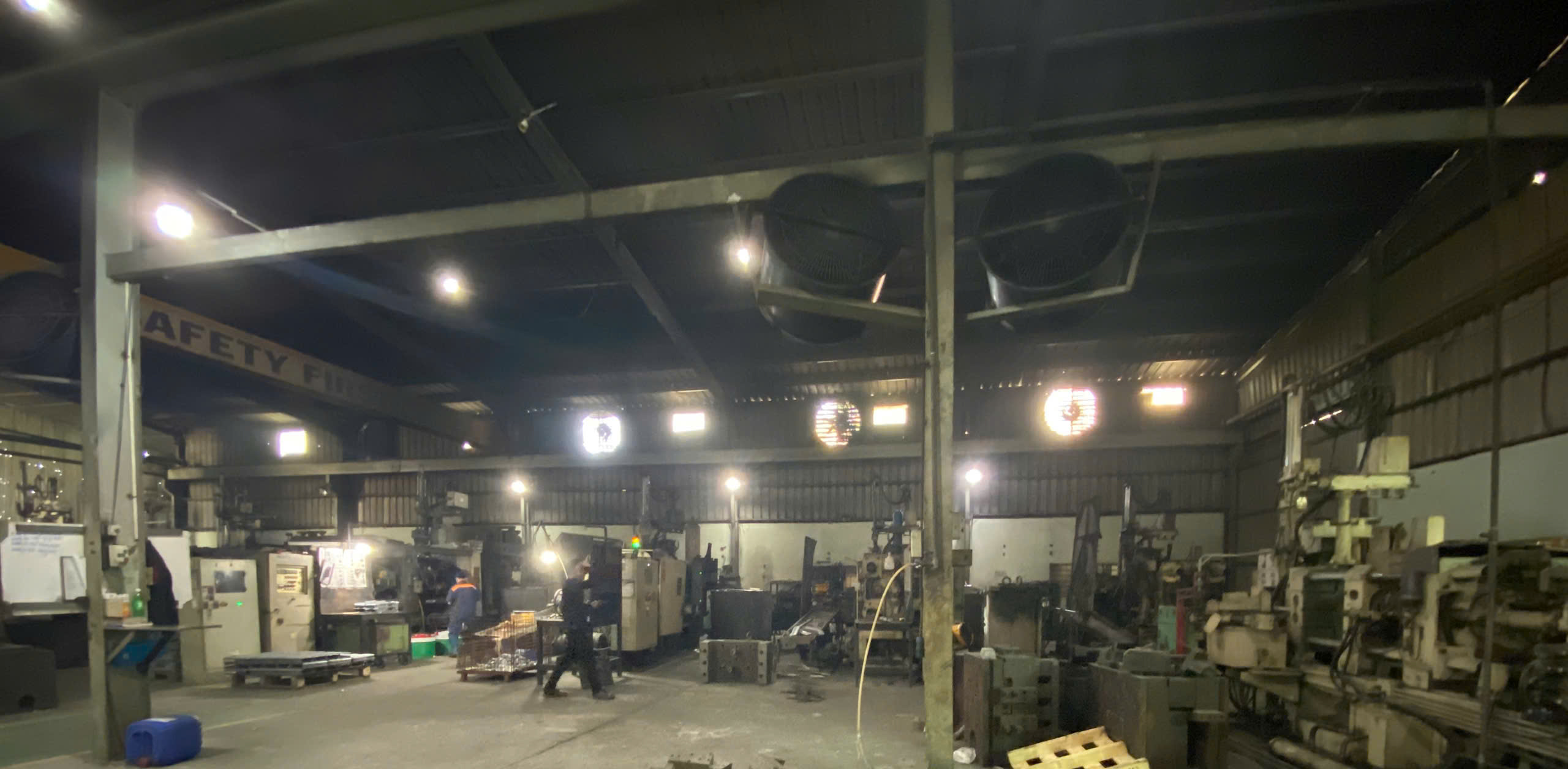

Evaluating a supplier’s progressive die 1 design skills saved one of our stamping programs from disaster. A weak die means scrap, delays, and endless rework — problems I see buyers face constantly.
To evaluate a supplier’s progressive die design skills, verify in-house engineering depth, simulation and DFM processes, strip layout examples for similar parts, tooling ownership, PPAP documentation, tryout procedures, and delivery track record. Score each criterion on a weighted scorecard rather than trusting marketing claims or equipment lists.
That answer covers the framework. Now let me walk you through each step, using lessons from the supplier audits we run across Vietnam, Taiwan, and other Asian manufacturing regions.
What questions should I ask to assess a supplier's progressive die engineering experience?
During a plant audit in Vietnam last year, I asked a stamping supplier one simple question — "who designs your dies?" — and the long silence told me everything I needed to know.
Ask who designs the dies and whether the work stays in-house, which simulation tools validate forming and springback, how DFM reviews run before tool steel is cut, what experience exists with your exact material and thickness, and how tryout, troubleshooting, and engineering changes are handled.

The questions you ask during an RFQ or site visit are your cheapest evaluation tool. They cost nothing, yet they expose engineering depth fast. In our sourcing work for U.S. clients, we group these questions into four buckets and listen for specifics, not slogans.
The four question buckets
First, ownership. Ask if die design engineers are on staff or if design gets outsourced. Outsourced design is not automatically bad. But it slows down every engineering change, and it weakens accountability when a die misbehaves at tryout.
Second, process. Ask about their DFM review. A strong supplier will proactively flag part geometry problems. They will suggest changes that reduce station count or improve part stability. If they only quote your print without comment, that is a passive shop, not an engineering partner.
Third, tools. Ask what simulation software they use. Names like AutoForm, DYNAFORM, or general FEA packages signal a mature process. Simulation predicts material flow, thinning, and springback 2 before anyone cuts expensive tool steel.
Fourth, experience fit. Ask for strip layouts from parts similar to yours in material, thickness, and complexity. For stamped brackets and mounting clips like the ones we source, I always ask how they placed pilot holes and designed the carrier strip.
| Question | Strong Answer Signal | Weak Answer Signal |
|---|---|---|
| Who designs your dies? | Named in-house team, years of tenure | "We work with partners" |
| What simulation do you use? | Specific software, sample reports | "We rely on experience" |
| How do you run DFM? | Written review before tooling, change suggestions | "We build to print" |
| Experience with our material? | Similar strip layouts shown | Generic capability list |
One more question reveals real depth: ask them to describe a past die failure and how they diagnosed it mid-production. Textbook knowledge cannot fake that story.
How can I verify a supplier's die design capabilities before awarding a stamping project?
There is a trade-off I weigh on every project: verification takes time and money upfront, but skipping it costs far more later. Our team learned to always verify before awarding tooling.
Verify capabilities by reviewing strip layouts from comparable jobs, requesting simulation reports and PPAP samples, auditing the toolroom in person, checking tool steel and heat treatment standards, confirming press fit for tonnage and bed size, and calling references from similar programs.

Words are cheap. Evidence is not. When we vet stamping suppliers for U.S. purchasing managers, we move from claims to proof in a structured sequence. Here is the process we follow, and you can adapt it even without a local team on the ground.
A five-step verification process
- Review real strip layouts. Ask for progressive die strip layouts from past parts with similar material, thickness, and bend complexity. Look at station count, carrier design, and scrap rate. A tight, logical layout shows disciplined engineering.
- Request simulation and documentation evidence. Ask for a redacted forming simulation report and a recent PPAP 3 package. Check for ballooned prints, dimensional reports, first article inspections, control plans, and FMEAs. Suppliers who produce these quickly do them routinely.
- Audit the toolroom. An in-house toolroom with wire EDM 4, surface grinders, and organized die storage signals real tooling ownership. Also check their tool steel selection and heat treatment standards against your expected volume. Soft punches on a million-piece program is a design failure waiting to happen.
- Match the press fleet to your part. Design skill cannot be separated from validation capability. Confirm press tonnage, stroke, bed size, and feed precision suit your part geometry and annual volume.
- Call references. Ask past customers about first-time-right rates, engineering change responsiveness, and delivery performance.
For brackets with tight hole positions and multiple bends — like the zigzag mounting clips we handle often — I also ask how they verify punch-to-die clearance. CMM checks and air gauging are good answers. "We eyeball it" is not.
Standardized parametric design templates for common features such as piercing and forming are another quiet signal. They show process maturity rather than dependence on one senior designer who might leave.
What red flags should I watch for when reviewing a supplier's die design proposals?
A buyer once forwarded me two quotes for the same galvanized bracket. One was thirty percent cheaper. The cheap proposal had no strip layout, no DFM notes — and that told the whole story.
Watch for vague answers about who designs the tooling, missing simulation or DFM evidence, no recent PPAP or dimensional records, unrealistic tooling prices or lead times, weak tool life and maintenance explanations, and zero experience with your specific material grade or tolerance level.

Red flags rarely appear as one big warning. They show up as small gaps that compound. In our audit work, I have learned to treat a proposal as a window into the supplier's engineering culture. A sloppy proposal predicts a sloppy die.
The red flags we screen for
| Red Flag | Why It Matters | What It Predicts |
|---|---|---|
| No strip layout in the quote | Design was not actually studied | Tryout surprises, requotes |
| Vague on design ownership | Outsourced, low accountability | Slow engineering changes |
| No simulation or DFM notes | Trial-and-error tooling approach | Multiple tryout loops, delays |
| Cannot show recent PPAP records | Weak documentation discipline | Failed launches, audit findings |
| No tool life or maintenance plan | Die longevity was never considered | Hidden costs, mid-program downtime |
| Suspiciously low tooling price | Cheap tool steel or skipped stations | Early wear, dimensional drift |
A few of these deserve extra attention. An unrealistic tooling price usually means compromised tool steel, skipped heat treatment, or a die with too few stations doing too much work per hit. That die may pass first articles, then drift out of tolerance within months.
Silence on maintenance is another quiet warning. A serious proposal states expected tool life, sharpening intervals, and spare component strategy. If the supplier cannot discuss die maintenance, they have not thought past the purchase order.
Finally, watch how they handle your drawing. Suppliers who overlook critical drawing requirements — a tight true-position callout, a burr direction note, a specific temper — cause the non-conformance headaches our clients complain about most. A proposal that repeats your critical specs back to you, with questions, is a green flag. A proposal that ignores them is a warning.
How do I confirm a supplier's progressive die skills will ensure consistent part quality and on-time delivery?
Early in our Vietnam operation, we approved a supplier whose first articles were perfect, yet month three brought dimensional drift. That lesson reshaped how we confirm long-term stability, not just launch quality.
Confirm long-term performance by requiring capability studies and in-process inspection plans, verifying preventive die maintenance schedules and spare tooling strategy, running a pilot production lot before full award, tracking on-time delivery history, and confirming cross-functional feedback between die designers, press operators, and quality teams.

First articles prove a die can make one good part. Consistency proves it can make the millionth good part on schedule. These are different tests, and buyers who only check the first one get burned in month six.
Separate launch quality from sustained quality
At launch, demand a full validation package: first article inspection, capability studies on critical dimensions, Gage R&R 5 on the measurement system, and a control plan tied to the process flow. For automotive-style discipline, full APQP 6 and PPAP deliverables are the standard we apply in our own process control work.
For sustained performance, look at three systems working together.
| Performance Area | What to Check | Evidence to Request |
|---|---|---|
| Process stability | In-process inspection frequency, SPC on key features statistical process control 7 | Control charts, in-process check sheets |
| Die health | Preventive maintenance schedule, sharpening logs | Maintenance records, spare punch inventory |
| Delivery reliability | On-time delivery tracking, capacity planning | OTD data, production scheduling method |
Run a pilot lot before full commitment
A pilot production run of a few thousand pieces at production speed reveals what samples hide: misfeeds, slug pulling, burr growth, and dimensional drift under heat. We build this step into most programs we manage. It costs a little time upfront and saves entire launch schedules.
Check the human feedback loop
Ask whether die designers talk directly with press operators and quality inspectors. Shops with that loop design dies that are easier to maintain and faster to fix. Some forward-looking suppliers also design dies to accept sensors for die protection and monitoring. That readiness signals a shop thinking about uptime, not just tooling delivery. Combine that with independent final inspection before shipment — something we insist on for every order we manage — and consistent quality plus on-time delivery stops being a hope and becomes a system.
Conclusion
Weak die design silently drains budgets through scrap, delays, and rework. Evaluate engineering depth, verify with evidence, watch red flags, and confirm sustained performance — then award with confidence.
Frequently Asked Questions
What questions should I ask to assess a supplier's progressive die engineering experience?
During a plant audit in Vietnam last year, I asked a stamping supplier one simple question — "who designs your dies?" — and the long silence told me everything I needed to know.
How can I verify a supplier's die design capabilities before awarding a stamping project?
There is a trade-off I weigh on every project: verification takes time and money upfront, but skipping it costs far more later. Our team learned to always verify before awarding tooling.
What red flags should I watch for when reviewing a supplier's die design proposals?
A buyer once forwarded me two quotes for the same galvanized bracket. One was thirty percent cheaper. The cheap proposal had no strip layout, no DFM notes — and that told the whole story.
Footnotes
1. Provides background definition for the core manufacturing concept discussed throughout the article. ↩︎
2. Springback is a key metal forming phenomenon predicted by simulation software discussed here. ↩︎
3. PPAP documentation ties to automotive quality standards governed by ISO frameworks. ↩︎