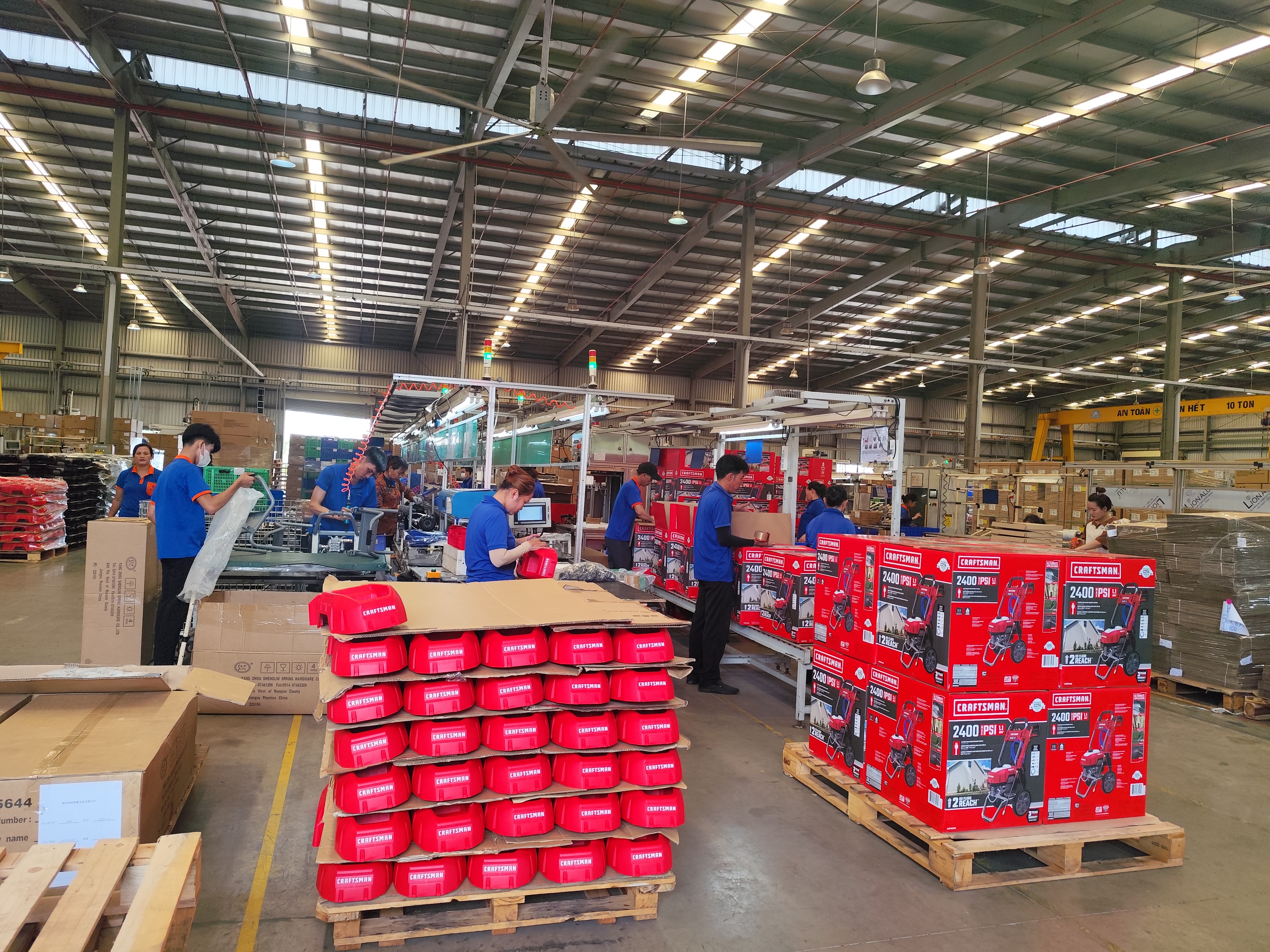

Evaluating supplier project management and teams when sourcing large sheet metal fabrication 1 is a challenge I see buyers struggle with constantly. A wrong choice doesn’t just waste money — it burns months of schedule time and can derail an entire product launch. The real pain hits when parts arrive out of spec, communication breaks down, and you’re left scrambling for a replacement supplier mid-program. Through years of managing custom fabrication projects across Vietnam and other Southeast Asian countries for U.S. clients, our team at DEWIN has developed a clear framework for what separates reliable fabrication partners from risky ones.
To evaluate supplier project management and teams for large sheet metal fabrication, assess their engineering team’s technical competency, verify quality management system certifications, review project milestone tracking processes, and confirm clear communication protocols — then validate everything through a pilot project before scaling up.
This article breaks down the exact criteria, questions, and red flags to look for. Each section targets a specific area of supplier evaluation so you can build a reliable shortlist and avoid costly mistakes.
How can I assess if the supplier's engineering team truly understands my complex sheet metal drawing requirements?
One lesson we learned early on was that a supplier's sales team will always say "yes, we can do it." The real test comes when you hand their engineering team a complex drawing with tight tolerances, multiple bend sequences, and specific material callouts — and watch how they respond.
Assess the supplier’s engineering team by submitting a complex drawing and evaluating the quality and speed of their technical questions. A capable team will flag potential design for manufacturability issues, ask about tolerances, and suggest cost-saving alternatives rather than simply accepting the drawing without comment.
Why the First Technical Exchange Matters Most
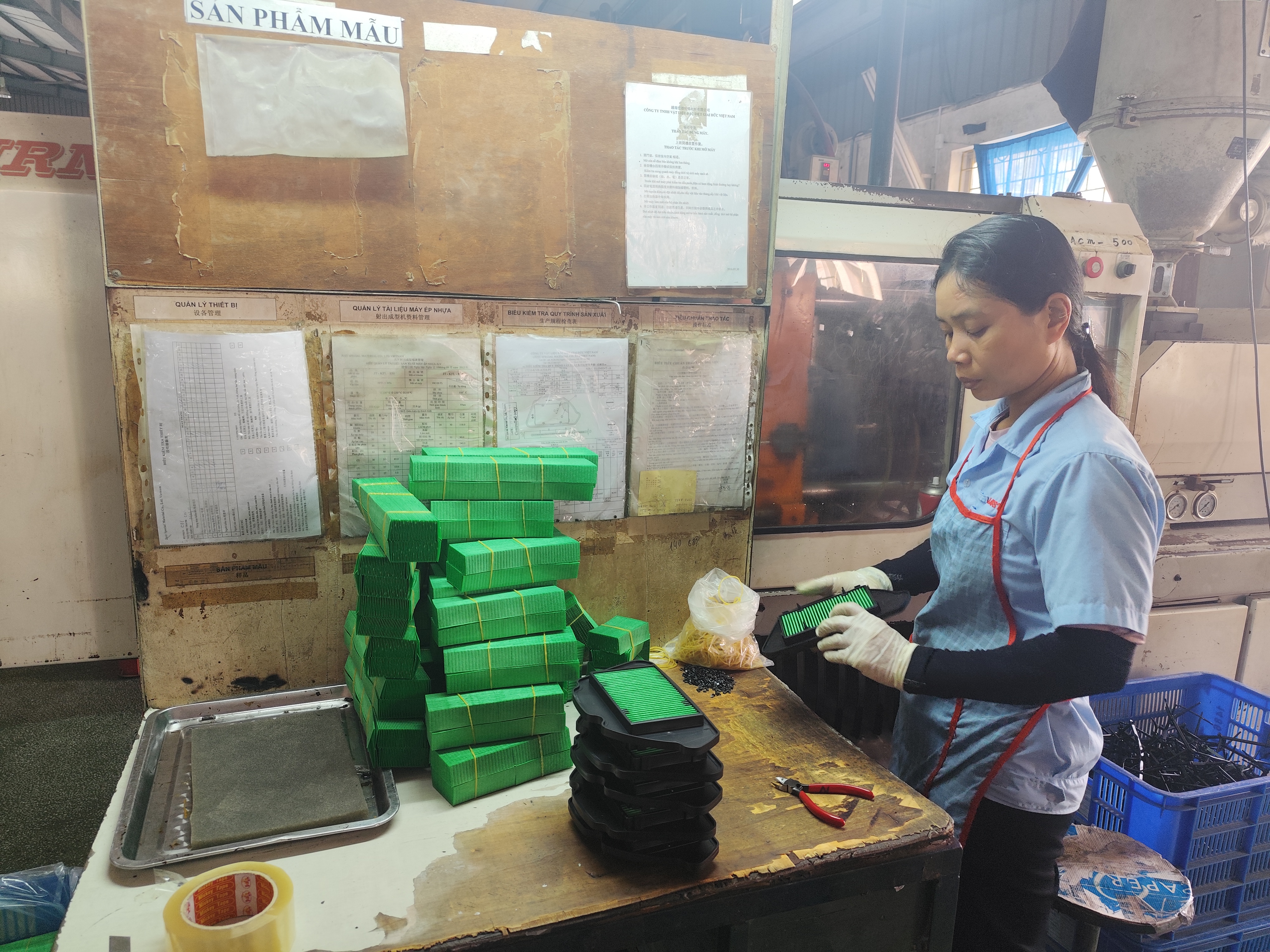
The first round of communication after you send a drawing reveals nearly everything. A strong engineering team will respond with specific, intelligent questions. They won't just ask "what material?" — they'll ask about grain direction, bend relief requirements, and whether certain tight tolerances are critical to function or can be relaxed for better manufacturing capabilities.
When our engineers in Vietnam receive a new sheet metal drawing from a U.S. client, the first thing they do is a full design for manufacturability review 2. This DFM review catches issues before they become expensive problems on the shop floor. For example, if a bracket design has a bend too close to a hole, the hole will deform during forming. A good engineering team spots this immediately.
What to Look for in Supplier Engineering Responses
Here's a practical scoring method I recommend to buyers:
| Evaluation Criteria | Strong Signal | Weak Signal |
|---|---|---|
| Response time to technical questions | Within 24–48 hours with detailed notes | Days of silence, then vague answers |
| DFM feedback provided | Proactive suggestions on tolerance, bend radius, material | No feedback; accepts drawing as-is |
| Understanding of GD&T | Correctly interprets symbols, asks clarifying questions | Ignores or misreads geometric tolerances 3 |
| Material knowledge | Recommends specific grades, discusses thickness impact | Only asks "what material do you want?" |
| Prototyping approach | Proposes a pilot run with inspection report | Jumps straight to production quoting |
Ask for a Sample DFM Report
Before committing, request a sample DFM report from a previous project (with confidential details removed). This shows whether the team has a structured review process or just wings it. In our experience, suppliers who provide documented DFM feedback tend to deliver conforming parts on the first production run far more consistently.
Also, pay attention to who you're talking to. Are you speaking directly with an engineer, or is everything filtered through a salesperson? Direct access to engineering support is critical for complex sheet metal projects with multi-step fabrication sequences like laser cutting 4, forming, welding, and powder coating.
What project management milestones should I expect to ensure my large-scale fabrication stays on schedule?
A buyer I work with once told me: "I don't mind if there's a delay — I mind if I find out about it after the ship date." That single statement captures why project management milestones matter more than promises. Without defined checkpoints, you're flying blind.
For large-scale sheet metal fabrication, expect milestones covering design confirmation, material procurement, first article inspection, production progress updates at defined intervals, final inspection, and shipping notification — each with clear deliverables, deadlines, and approval gates before the next phase begins.
A Standard Milestone Framework for Sheet Metal Programs
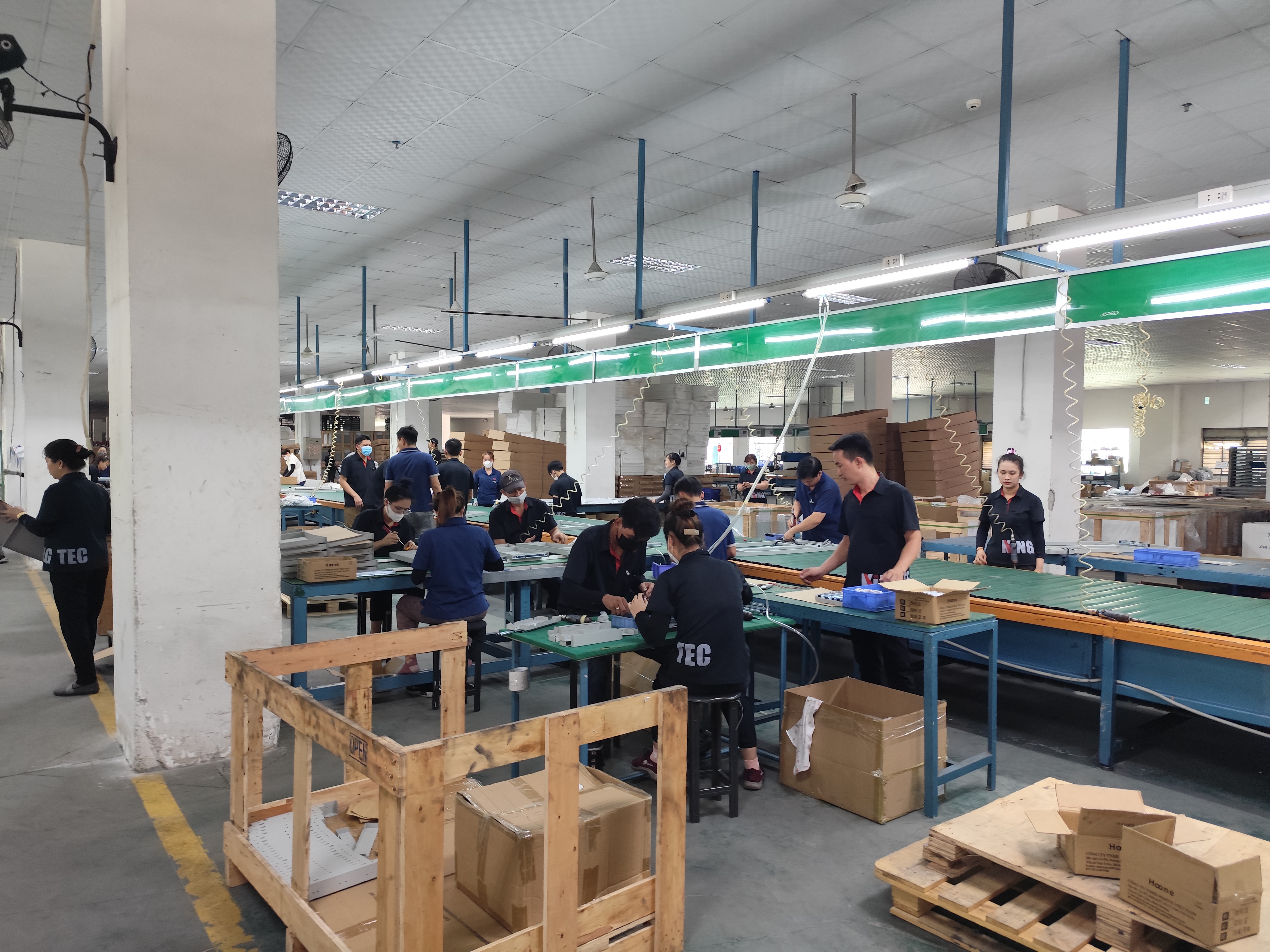
Every large fabrication program we manage follows a structured milestone plan. Here's the framework I recommend buyers demand from any supplier:
| Milestone | Deliverable | Typical Timing | Buyer Action Required |
|---|---|---|---|
| M1: Drawing Confirmation | Final approved drawing with DFM notes | Week 1 | Review and sign off |
| M2: Material Procurement | Mill cert or material test report | Week 2–3 | Verify material spec compliance |
| M3: Tooling / Fixture Setup | Photos or setup confirmation | Week 3–4 | Approve if custom tooling |
| M4: First Article Inspection 5 (FAI) | FAI report with dimensional data | Week 4–5 | Approve or request corrections |
| M5: Production Progress | In-process photos, quantity update | Weekly during production | Monitor and flag concerns |
| M6: Final QC & Packing | Final inspection report, packing list | Pre-shipment | Approve shipment release |
| M7: Shipping & Logistics | Bill of lading, tracking info | Ship date | Confirm receipt |
Why Approval Gates Prevent Costly Surprises
Each milestone should have an approval gate. This means the supplier cannot proceed to the next phase without your explicit sign-off. This is especially important at M1 (drawing confirmation) and M4 (first article inspection). If the supplier rushes past these gates, you lose your chance to catch errors before they multiply across hundreds or thousands of parts.
In our Vietnam operations, we enforce a strict gate process. If a client hasn't approved the FAI, production does not start. Period. This discipline is what separates professional project management from a supplier who simply pushes orders through as fast as possible.
Tracking Lead Time and Delivery Performance
Beyond milestones, ask for the supplier's on-time delivery rate. A reliable supplier tracks this metric. If they can't tell you their delivery performance, they probably aren't measuring it. Also clarify how engineering changes affect the schedule. A good supplier will have a formal change order procedure that includes revised timelines and cost impact — with your approval before proceeding. This kind of supply chain resilience protects your production planning.
How do I evaluate the supplier's internal QC team to ensure my parts are manufactured right the first time?
The most expensive word in manufacturing is "rework." I've seen programs where a supplier's lack of in-process quality control turned a straightforward bracket order into a three-month nightmare of returns, re-cuts, and re-welding. Evaluating the QC team before you place the order is the single best investment of your time.
Evaluate a supplier’s QC team by reviewing their quality management system documentation, verifying ISO 9001 certification, inspecting their measurement equipment (such as CMMs and calipers), asking about in-process inspection checkpoints, and requesting sample inspection reports from previous projects to confirm they have a systematic approach.
What a "Right First Time" QC System Actually Looks Like
"Right first time" isn't a slogan — it's a measurable outcome of a disciplined quality management system 6. Here's what to look for during a facility audit or virtual tour:
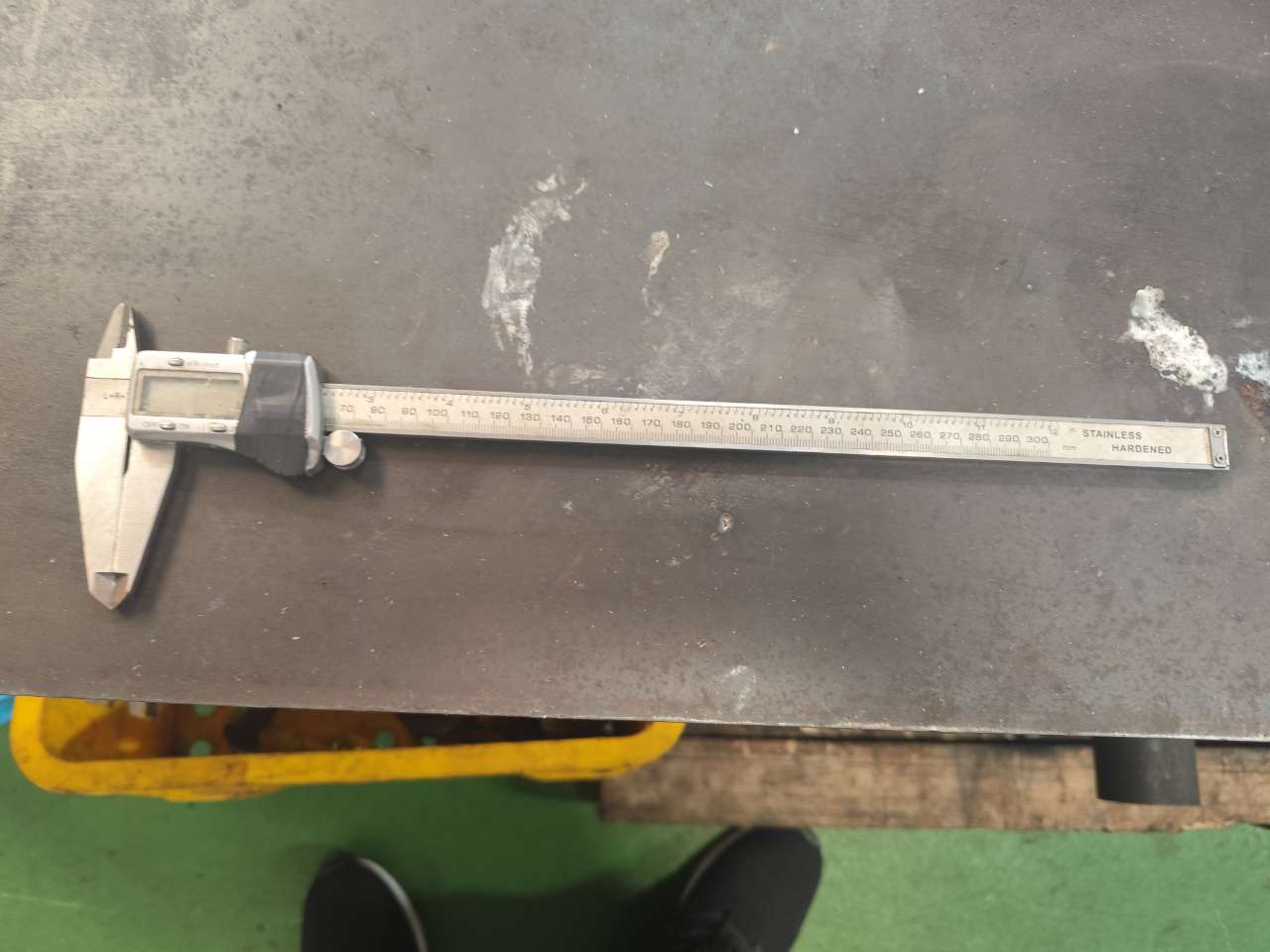
Inspection equipment matters. A supplier needs more than a tape measure. For precision sheet metal parts — like the heavy-duty mounting brackets with multiple bends, cutouts, and weld joints that we regularly produce — you need calipers, height gauges, surface plates, and ideally a CMM (coordinate measuring machine 7) for complex geometries.
In-process inspection is non-negotiable. The QC team should not just check parts at the end. They should inspect at critical stages: after laser cutting, after bending, after welding, and after finishing. Each stage has different failure modes.
Key Questions to Ask a Supplier's QC Department
- What is your non-conformance procedure? (They should have a documented process for handling out-of-spec parts.)
- Do you maintain raw material traceability 8? (Every piece of steel should trace back to a mill certificate.)
- How do you handle revision control on drawings? (Outdated drawings on the shop floor cause dimensional errors.)
- What is your inspector-to-operator ratio? (This tells you how seriously they take inspection.)
- Can you provide a sample PPAP (Production Part Approval Process) package?
QC Evaluation Checklist
| QC Area | What to Verify | Red Flag |
|---|---|---|
| ISO 9001 Certification 9 | Active certificate, not expired; audit records available | Certificate expired or from unknown registrar |
| Inspection Equipment | CMM, calipers, gauges calibrated with stickers showing dates | No calibration records; worn or damaged tools |
| In-Process Checkpoints | Documented inspection plan per part number | Inspection only at final stage |
| Non-Conformance Process | Written NCR procedure with root cause analysis | "We just fix it and move on" |
| Traceability | Material certs linked to part lots | No material documentation available |
| Final Inspection Reports | Detailed dimensional reports with pass/fail data | Generic "OK" stamp with no data |
In our work managing suppliers across Southeast Asia, I always conduct or arrange a facility audit that specifically focuses on the QC area. You can learn more about a supplier's real quality culture in 30 minutes on the shop floor than in 10 email exchanges. Look at how the QC station is organized. Look at whether operators actually stop when something is wrong. These are the signals that predict whether your parts will be right the first time.
Can I trust a Southeast Asian supplier's communication and co-development capabilities for my custom sheet metal projects?
A trade-off we weigh on every new project is cost advantage versus communication risk. Buyers often ask us directly: can a supplier in Vietnam or another Southeast Asian country really handle the back-and-forth that custom sheet metal projects demand? The honest answer is — some can, and many cannot. The difference comes down to people, processes, and infrastructure.
You can trust a Southeast Asian supplier’s communication and co-development capabilities if they have English-speaking engineering staff, structured project management processes, experience with international clients, and a proven track record — best confirmed through a pilot project before committing to full-scale production.
The Communication Gap Is Real — But Solvable
Let me be direct. Language barriers, time zone differences, and cultural differences in how problems are reported are real challenges when sourcing from Southeast Asia. I've seen cases where a supplier knew a dimension was off but didn't report it because they didn't want to "deliver bad news." This kind of communication gap can wreck a program.
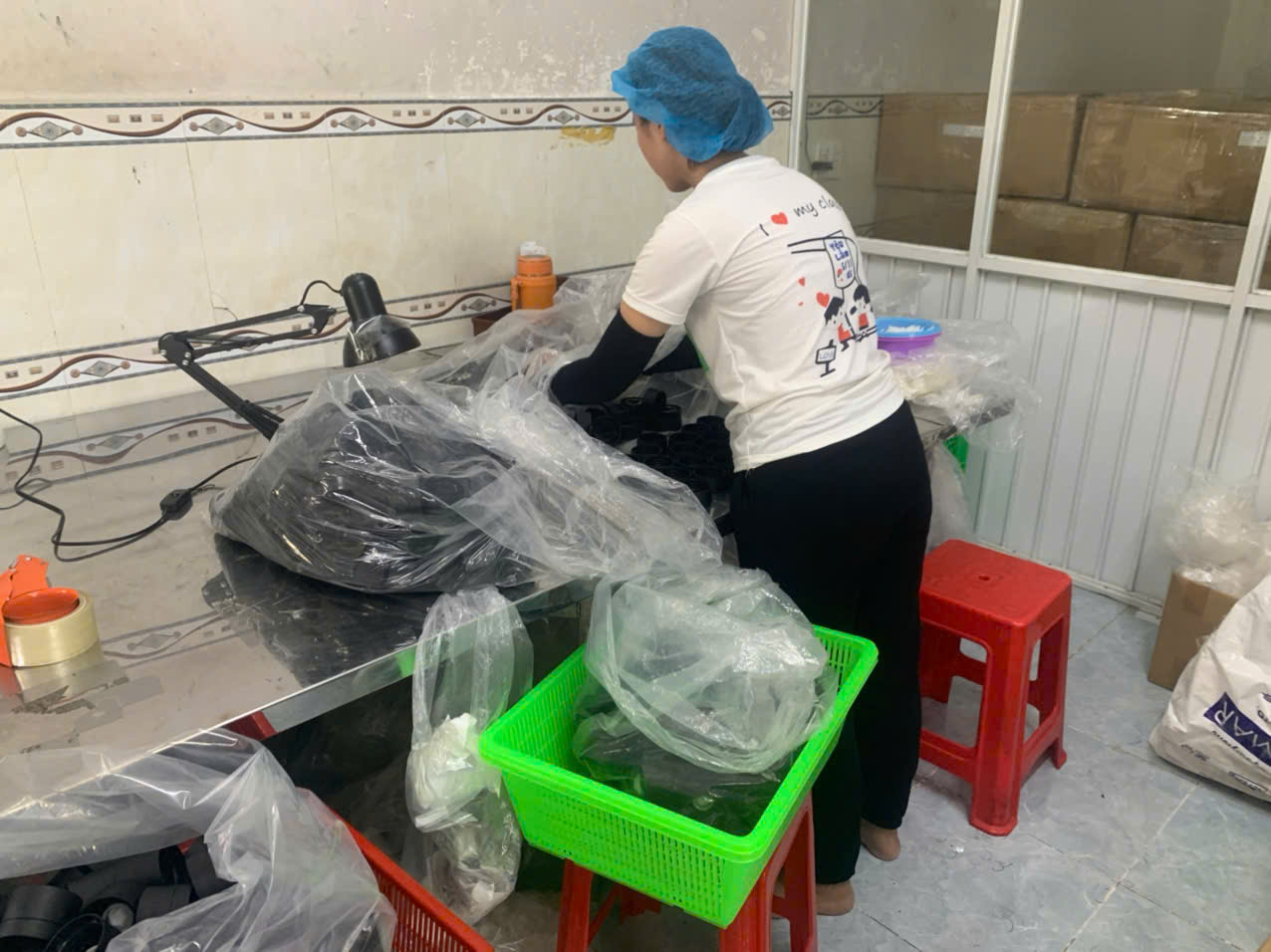
The solution is structural, not just linguistic. At our Vietnam office, we have a local team of seven people whose job is to bridge this gap. They conduct regular on-site supplier visits, attend production meetings, and ensure that issues are escalated immediately — not hidden. This is the kind of supplier communication infrastructure you should look for.
What Co-Development Really Means
Co-development goes beyond just making parts to a drawing. It means the supplier actively participates in optimizing your design for cost, quality, and lead time. For custom sheet metal projects — especially complex brackets with multiple bends, weld joints, and tight-tolerance mounting holes — co-development can save thousands of dollars per program.
Here's what genuine co-development looks like in practice:
- The supplier suggests a material change that reduces cost without sacrificing strength.
- The engineering team recommends combining two parts into one to eliminate a weld joint.
- The project manager flags a long lead time on a specific alloy and proposes an alternative with the same spec.
- The QC team recommends adding a datum reference to the drawing to improve inspection repeatability.
How to Verify Before You Commit
The best cost control measure for any new supplier relationship is a pilot project. Start small. Send one or two part numbers. Evaluate the full cycle: quoting accuracy, engineering feedback, production capacity, milestone communication, quality of the finished parts, and the final inspection report.
| Evaluation Factor | What to Observe During Pilot | Weight |
|---|---|---|
| Quoting Accuracy | Does the final invoice match the quote? Any hidden charges? | High |
| Engineering Responsiveness | Speed and quality of DFM feedback | High |
| Milestone Updates | Proactive status updates or only when you ask? | High |
| Part Quality | Dimensional accuracy, surface finish, weld quality | Critical |
| Packaging & Shipping | Parts arrive undamaged, correct quantity | Medium |
| Issue Handling | How do they respond when something goes wrong? | Critical |
One thing I always tell U.S. buyers: don't judge a Southeast Asian supplier solely by their website or Alibaba page. Judge them by how they perform on a real project. Our clients who start with a pilot and then scale up consistently report better outcomes than those who jump straight into large orders based on price alone. The total cost of ownership — including rework, delays, and management time — always matters more than the piece price on the quote.
A growing trend we see is the shift toward "one-stop" suppliers who integrate laser cutting, CNC bending, welding, surface finishing, and assembly under one roof. This reduces the number of handoffs, shortens lead time and delivery cycles, and gives you a single point of accountability. When evaluating supplier capabilities and qualifications, ask whether critical processes are performed in-house or subcontracted. In-house control over core processes is a strong indicator of production capacity and reliability.
Conclusion
Evaluating supplier project management and teams for large sheet metal fabrication requires a structured approach. Assess technical competency, verify quality systems through a facility audit, demand clear milestones, and always validate with a pilot project before scaling.
Frequently Asked Questions
How can I assess if the supplier's engineering team truly understands my complex sheet metal drawing requirements?
One lesson we learned early on was that a supplier's sales team will always say "yes, we can do it." The real test comes when you hand their engineering team a complex drawing with tight tolerances, multiple bend sequences, and specific material callouts — and watch how they respond.
What project management milestones should I expect to ensure my large-scale fabrication stays on schedule?
A buyer I work with once told me: "I don't mind if there's a delay — I mind if I find out about it after the ship date." That single statement captures why project management milestones matter more than promises. Without defined checkpoints, you're flying blind.
How do I evaluate the supplier's internal QC team to ensure my parts are manufactured right the first time?
The most expensive word in manufacturing is "rework." I've seen programs where a supplier's lack of in-process quality control turned a straightforward bracket order into a three-month nightmare of returns, re-cuts, and re-welding. Evaluating the QC team before you place the order is the single best investment of your time.
Footnotes
1. Explains the processes and industries served by sheet metal fabrication. ↩︎
2. Provides an overview of the DFM process and its benefits. ↩︎
3. Wikipedia provides a comprehensive and neutral overview of geometric dimensioning and tolerancing, including geometric tolerances. ↩︎
4. TWI Global offers a definitive guide to the laser cutting process, an authoritative source in welding and joining technology. ↩︎
5. Wikipedia provides a clear and concise explanation of First Article Inspection. ↩︎
6. Defines what a quality management system entails and its purpose. ↩︎
7. Explains the function and applications of a CMM in precision measurement. ↩︎
8. Highlights the importance of traceability in supply chains and manufacturing. ↩︎
9. Details the requirements and benefits of ISO 9001 quality management certification. ↩︎