
Last quarter, a client in Ohio asked our team to help them switch stamping suppliers — not because of quality issues, but because their end customer now required full carbon footprint data for every component in the assembly.
To evaluate a supplier’s sustainability and carbon footprint for stamping parts, you must assess their energy consumption per part, Scope 1–3 emissions data, material scrap rates, waste diversion practices, and environmental certifications like ISO 14001 — verified through third-party audits and embedded into contractual KPIs.
This shift is real. Sustainability is no longer a soft preference. It is a hard procurement requirement. Below, I walk through the exact methods our team uses when auditing stamping suppliers across Asia for U.S. buyers.
How can I verify a stamping supplier's carbon footprint data before signing a contract?
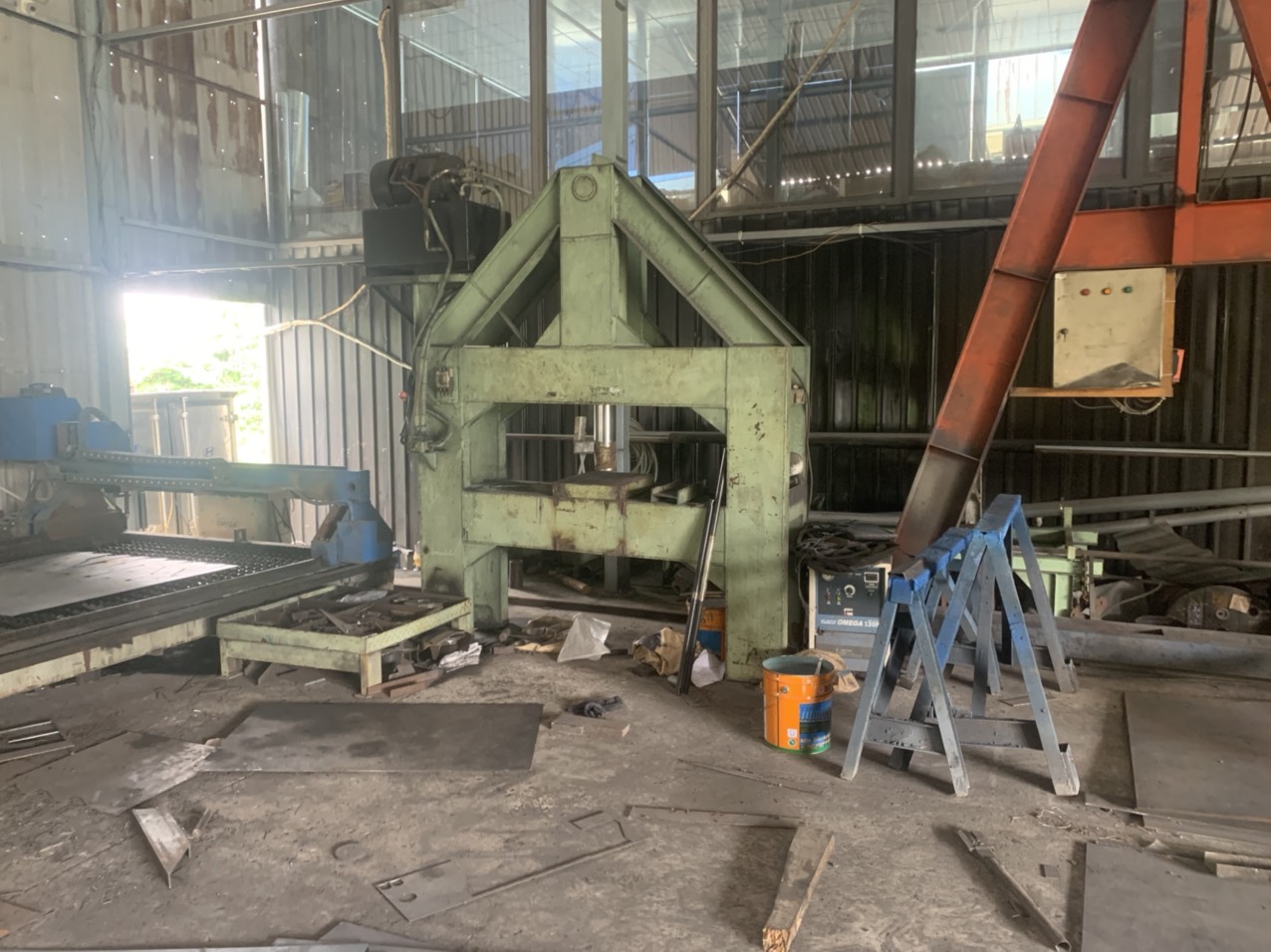
A few months ago, we visited a stamping facility in Vietnam that claimed "zero waste" on their website. When our team walked the floor, we found open drums of hydraulic fluid and no scrap tracking system in place.
Before signing a contract, verify a stamping supplier's carbon footprint data by requesting Scope 1, 2, and 3 emissions reports, cross-checking them against utility bills and material purchase records, and conducting a physical plant audit to validate energy meters, scrap logs, and waste disposal documentation.

Why Self-Reported Data Is Not Enough
Many stamping suppliers will hand you a sustainability brochure. Some will even share an annual environmental report. But in our experience sourcing custom parts from facilities across Vietnam, China, Taiwan, and India, self-reported data is unreliable at least half the time. The numbers look clean on paper. The reality on the shop floor tells a different story.
The core issue is that stamping is an energy-intensive process. Hydraulic and mechanical presses consume significant electricity. A supplier might report total factory energy use but fail to break it down per part or per ton of output. Without that granularity, you cannot compare suppliers fairly.
What to Request Before the Contract
Here is the data you should collect before any contract is signed:
| Data Category | What to Request | How to Verify |
|---|---|---|
| Scope 1 Emissions | Fuel consumption records (gas, diesel for furnaces, forklifts) | Cross-check with fuel purchase invoices |
| Scope 2 Emissions | Electricity bills, kWh per ton of output | Review utility bills for the past 12 months |
| Scope 3 Emissions | Raw material origin, steel/aluminum coil supplier data | Request mill certificates and material traceability records |
| Scrap Rate | Percentage of material wasted per production run | Review scrap logs and weigh station records on-site |
| Waste Diversion | Recycling contracts, waste hauler manifests | Ask for third-party recycling receipts |
The Plant Audit Is Non-Negotiable
Our team in Vietnam conducts physical audits 1 as a standard part of our supplier qualification process. We check energy meters, inspect recycling bins, review waste disposal contracts, and interview floor supervisors. We also look at the condition of the presses themselves. Older hydraulic presses without servo controls consume far more energy per stroke than modern servo-driven presses.
One thing I always tell our clients: a supplier who resists an audit is a supplier with something to hide. Transparency is the baseline. If they cannot show you their energy consumption per unit or their scrap tracking system, their carbon claims are not credible.
Carbon accounting software 2 is becoming more common in larger facilities. Some suppliers now use digital dashboards to track energy and emissions in real time. Ask if they have one. If they do, request a live demo during your audit.
What sustainability certifications should I require from my Asian stamping parts supplier?
During a recent project for a U.S. engineering firm, we shortlisted three stamping suppliers in Southeast Asia. All three claimed to be "green." Only one held a current ISO 14001 certification. The other two had expired certificates — one by over two years.
At minimum, require ISO 14001 for environmental management and ISO 50001 for energy management from your Asian stamping supplier. For stronger ESG performance metrics, look for an EcoVadis sustainability rating, IATF 16949 compliance for automotive parts, and documented adherence to the Greenhouse Gas Protocol.

The Certification Baseline
Certifications are a useful first filter. They tell you a supplier has built a management system 3 around environmental performance. But certifications alone do not guarantee results. Think of them as proof of intent, not proof of outcome.
Here is a practical breakdown of the certifications most relevant to stamping parts:
| Certification | What It Covers | Why It Matters for Stamping |
|---|---|---|
| ISO 14001 | Environmental management system | Ensures the supplier has a structured approach to reducing environmental impact |
| ISO 50001 | Energy management system | Directly relevant to press energy consumption and efficiency tracking |
| EcoVadis Rating | Broad ESG scoring (environment, labor, ethics, procurement) | Provides a third-party benchmark score for comparing suppliers |
| IATF 16949 | Automotive quality management | Required for automotive stamping; includes process control and traceability |
| RoHS / REACH Compliance | Restricted hazardous substances | Critical if stamped parts use coatings, platings, or powder coats |
Beyond the Certificate: What to Check
I always recommend clients verify three things about any certification:
- Is it current? Check the expiration date. An expired ISO 14001 certificate is meaningless.
- Who issued it? Look for accredited certification bodies recognized by IAF (International Accreditation Forum). Not all auditing firms carry equal weight.
- What is the scope? A supplier might hold ISO 14001 for their assembly line but not for their stamping division. Confirm the certificate covers the specific processes producing your parts.
The EcoVadis Advantage
An EcoVadis sustainability rating 4 is increasingly valuable for supply chain transparency. It provides a scored assessment across environment, labor practices, ethics, and sustainable procurement. Many large U.S. and European OEMs now require their Tier 1 suppliers to hold an EcoVadis rating above a certain threshold.
When we help clients evaluate ESG performance, we look at whether the supplier has a dedicated person responsible for environmental compliance. This is a simple but telling indicator. If no one owns the sustainability function, it is unlikely to be managed well. A green procurement strategy starts with holding suppliers to clear, verifiable standards — not just accepting a logo on a brochure.
How do I compare energy efficiency and waste management practices across multiple stamping suppliers?
One trade-off we weigh constantly is this: a supplier with lower piece prices may have terrible material utilization. That means more scrap, more wasted energy, and a higher carbon footprint per usable part — which increasingly matters to end customers.
Compare stamping suppliers by benchmarking their energy consumption per part (kWh/unit), material scrap rates, press technology (servo vs. hydraulic), waste diversion percentages, and use of renewable energy sources. Use a weighted scoring matrix that prioritizes stamping-specific metrics over generic environmental claims.

Building a Weighted Scoring Matrix
Not all sustainability criteria carry equal weight for stamping. Press energy consumption and scrap rates matter far more than, say, office recycling programs. When we build supplier comparison scorecards for our clients, we assign weights based on what actually drives the carbon footprint of a stamped bracket, mount, or custom part.
Here is a sample scoring matrix we have adapted for stamping evaluations:
| Criteria | Weight | Supplier A Score (1–10) | Supplier B Score (1–10) | Supplier C Score (1–10) |
|---|---|---|---|---|
| Energy consumption per part (kWh/unit) | 25% | 7 | 5 | 8 |
| Material scrap rate (%) | 20% | 6 | 8 | 7 |
| Press technology (servo vs. hydraulic) | 15% | 9 | 4 | 8 |
| Waste diversion / recycling rate | 15% | 7 | 7 | 9 |
| Renewable energy usage | 10% | 3 | 6 | 5 |
| Lubricant management (MQL / bio-based) | 10% | 5 | 5 | 7 |
| Heat recovery systems | 5% | 2 | 3 | 6 |
The weighted total gives you a clear, numerical comparison. This removes subjectivity. It also makes internal reporting easier when you need to justify a supplier selection to leadership.
Energy Efficiency: What to Look For
Servo-driven presses are the gold standard for energy efficiency 5 in stamping. They use energy only during the stroke, unlike traditional flywheel presses that consume power continuously. When we audit a stamping plant, press type is one of the first things we document.
Beyond the press itself, look at the facility's approach to idle power. Are machines shut down during breaks? Are air compressors optimized? Does the plant use variable frequency drives on motors? These details add up.
Life Cycle Assessment data 6, when available, provides the most complete picture. An LCA quantifies the cradle-to-gate environmental impact — from raw metal production through stamping and finishing. Ask your supplier if they have conducted an LCA on your specific part family.
Waste Management: The Scrap Rate Story
Metal stamping scrap is 100% recyclable. But the scrap rate itself is a critical efficiency metric. A supplier running a 30% scrap rate on your bracket means nearly a third of the raw steel coil is wasted. That wasted material carries embodied carbon from mining, smelting, and rolling — all Scope 3 emissions in your supply chain.
Ask suppliers about their nesting optimization software. Good suppliers use advanced nesting algorithms to maximize how many parts they cut from each coil, minimizing waste. Also ask whether they operate closed-loop recycling — meaning their metal scrap goes directly back to their steel supplier for reprocessing, supporting circular economy practices. For a deeper dive into this topic, see our guide on how to evaluate supplier scrap and yield rates when sourcing stamping parts from Vietnam.
Minimum Quantity Lubrication 7 and dry stamping techniques further reduce waste. Traditional flood-coolant systems generate contaminated fluids that require energy-intensive disposal. MQL systems use a fraction of the lubricant and eliminate most of that waste stream.
Can switching to a greener stamping supplier actually reduce my total supply chain costs?
A lesson we learned early in our work with U.S. clients: sustainability and cost reduction are not opposing forces. One client saved over 12% on annual material spend simply because their new supplier had a 15% lower scrap rate — meaning less raw material purchased per finished part.
Yes, switching to a greener stamping supplier can reduce total supply chain costs by lowering material waste, improving energy efficiency per part, reducing regulatory compliance risk, avoiding future carbon tariffs, and minimizing scrap-related rework — all of which contribute to a lower total cost of ownership.

The Hidden Costs of an Inefficient Supplier
Most procurement managers focus on piece price. But the total cost includes material waste, energy overhead, logistics emissions, rework rates, and regulatory exposure. A supplier with cheap per-unit pricing but a 35% scrap rate and aging hydraulic presses may actually cost you more when you account for all inputs.
Here is how the cost picture changes when you factor in sustainability metrics:
| Cost Factor | Inefficient Supplier | Efficient Green Supplier |
|---|---|---|
| Piece price | $0.85 | $0.92 |
| Material scrap rate | 30% | 12% |
| Effective material cost per part | Higher (more coil wasted) | Lower (better nesting, less waste) |
| Energy cost per 1,000 parts | Higher (old hydraulic press) | Lower (servo press, optimized cycles) |
| Rework / reject rate | 5% | 1.5% |
| Carbon tariff exposure (CBAM, future U.S. policy) | High risk | Low risk |
| Total cost of ownership | Higher | Lower |
The piece price is higher for the green supplier. But the total cost of ownership is lower. This is a conversation we have frequently with purchasing managers who are laser-focused on unit cost.
Regulatory and Market Access Benefits
The EU Carbon Border Adjustment Mechanism 8 is already in effect for certain materials. Similar mechanisms are under discussion in the United States. Suppliers who cannot provide verified emissions data may eventually lock you out of certain markets.
Beyond regulation, many OEMs now require their suppliers to demonstrate supply chain transparency 9 and material traceability. If your stamping supplier cannot provide mill certificates, energy data, or recycling documentation, your own customers may disqualify you. Choosing a greener supplier protects your market access.
The Long-Term View
When we manage supply chains for our clients, we think in terms of three-to-five-year cost trajectories. Energy prices rise. Carbon regulations tighten. Customer requirements escalate. A supplier who invests in servo presses, renewable energy procurement through Power Purchase Agreements, and modular refurbishable tooling is better positioned for the future.
Blockchain-enabled traceability is emerging as a way to verify the green credentials of raw materials through multiple tiers. While still early, some forward-thinking suppliers are already piloting these systems. It is worth asking during your evaluation.
The bottom line: a green procurement strategy is not a cost center. It is a risk mitigation strategy and, increasingly, a competitive advantage. Embedding sustainability KPIs into your supplier contracts — with clear SLAs and consequences — turns environmental performance into a measurable business outcome. Understanding how sheet metal fabrication suppliers meet environmental and green manufacturing standards can further inform your evaluation criteria. Industrial heat recovery systems, bio-based lubricants, and high-efficiency tooling are not just environmental wins. They are operational improvements that show up on the balance sheet.
Conclusion
Evaluating a stamping supplier's sustainability requires process-level data, physical audits, weighted scoring, and contractual enforcement — not just certificates. The investment in rigorous evaluation pays back through lower total costs, reduced risk, and stronger market positioning.
Frequently Asked Questions
How can I verify a stamping supplier's carbon footprint data before signing a contract?
A few months ago, we visited a stamping facility in Vietnam that claimed "zero waste" on their website. When our team walked the floor, we found open drums of hydraulic fluid and no scrap tracking system in place.
What sustainability certifications should I require from my Asian stamping parts supplier?
During a recent project for a U.S. engineering firm, we shortlisted three stamping suppliers in Southeast Asia. All three claimed to be "green." Only one held a current ISO 14001 certification. The other two had expired certificates — one by over two years.
How do I compare energy efficiency and waste management practices across multiple stamping suppliers?
One trade-off we weigh constantly is this: a supplier with lower piece prices may have terrible material utilization. That means more scrap, more wasted energy, and a higher carbon footprint per usable part — which increasingly matters to end customers.
Footnotes
1. Authoritative overview of the criteria and methods used in the supplier evaluation and qualification process. ↩︎
2. Official site for the Greenhouse Gas Protocol, providing global standards for carbon accounting and emissions reporting. ↩︎
3. Official ISO page for the 14001 standard, the global benchmark for environmental management systems. ↩︎
4. Primary source for understanding the EcoVadis methodology for assessing and rating global supply chain sustainability. ↩︎
5. U.S. Department of Energy resource defining energy efficiency and its importance in industrial applications. ↩︎
6. Detailed explanation of Life Cycle Assessment (LCA) methodology for evaluating environmental impacts of products. ↩︎
7. Direct section link within the authoritative Wikipedia article on cutting fluids and lubrication. ↩︎
8. Official European Commission page explaining the regulations and implementation of the Carbon Border Adjustment Mechanism. ↩︎
9. UN report highlighting the importance of transparency and sustainability in global procurement and supply chains. ↩︎