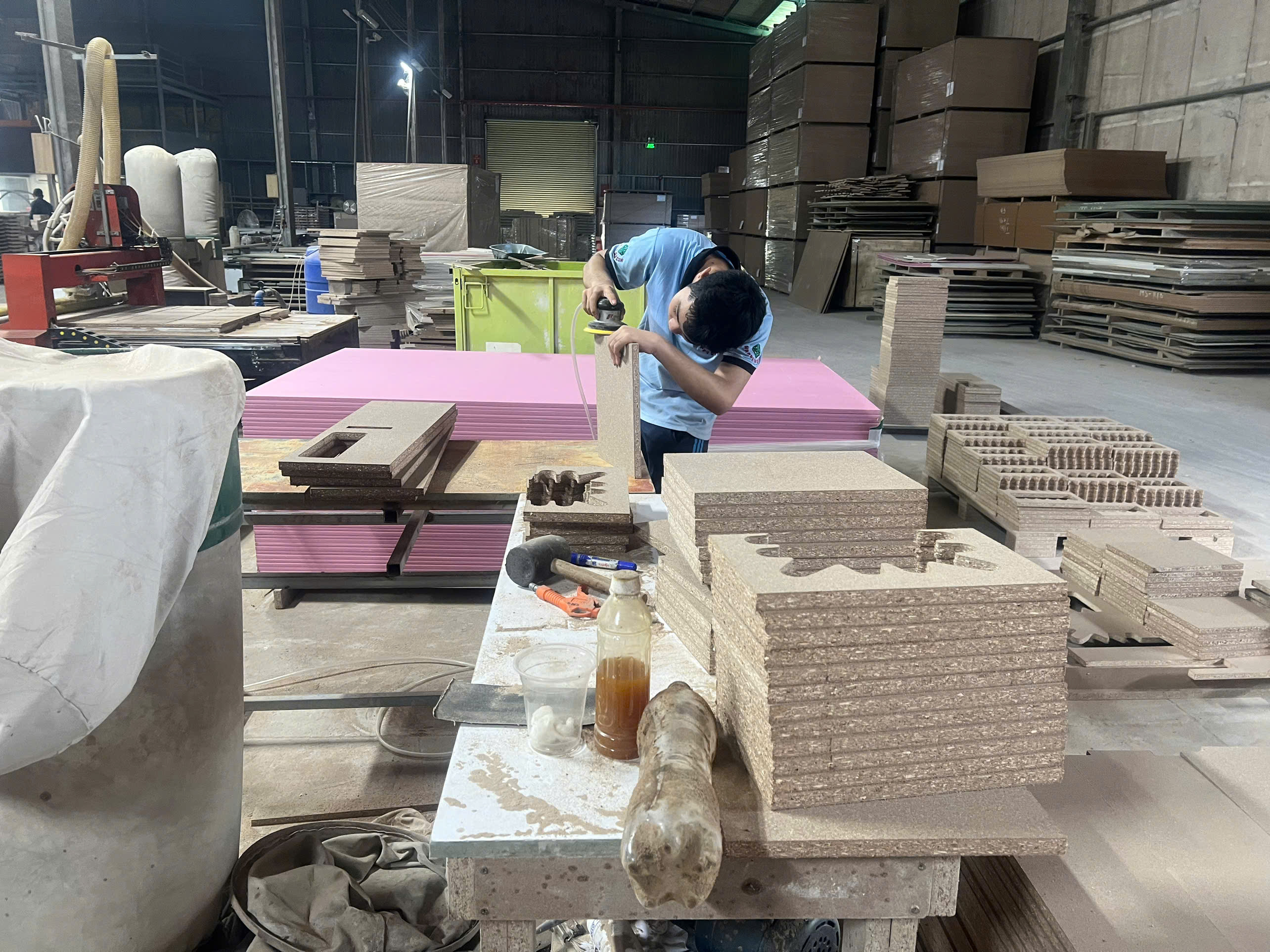

A few months ago, one of our U.S. clients received a batch of welded steel frames—every single joint failed ultrasonic inspection 1. The root cause? Their previous supplier had never updated their welding procedure specification 2 in over five years. No process optimization, no investment in advanced welding technology. That one shipment cost the client over $40,000 in rework and three weeks of production downtime Design for Manufacturability (DFM) 3. It was a painful reminder of something our engineering team in Vietnam and China sees regularly: evaluating supplier R&D and technical improvement when sourcing welding parts is not optional—it is the difference between a reliable supply chain and a costly disaster.
To evaluate supplier R&D and technical improvement when sourcing welding parts, assess their engineering team depth, process innovation track record, equipment modernity, quality management system maturity, and willingness to proactively suggest design optimizations—not just their certifications or price.
This article breaks down the specific questions you should ask, the indicators you should look for, and the red flags that signal a supplier lacks genuine technical capability ASME Section IX 4. Let’s walk through it section by section.
How can I assess if a welding supplier's R&D team truly understands my complex technical drawings?
When we onboard a new welding project at DEWIN, the first real test happens during our internal design review. Our engineers in China sit down with the client's drawings, mark up every critical dimension, and come back with questions—not silence. Silence is the biggest red flag.
You can assess a welding supplier's R&D understanding of complex drawings by reviewing their Design for Manufacturability (DFM) feedback, checking if they raise clarifying questions on tolerances and weld symbols, and examining their track record with similar technical projects.

Why DFM Feedback Is the Litmus Test
A supplier who truly understands your drawings will not just quote them. They will challenge them—constructively. In our experience exporting welded assemblies to the U.S., we have seen that the best engineering teams flag issues like inaccessible weld joints, unnecessarily tight tolerances on non-critical surfaces, and material choices that complicate the welding procedure specification. If a supplier accepts every drawing without a single question, that is a warning sign.
What to Look For in the First Technical Exchange
Here is what separates a capable R&D team from a passive one:
| Indicator | Strong R&D Team | Weak R&D Team |
|---|---|---|
| DFM feedback | Provides detailed markup within 3–5 days | Returns quote with no technical comments |
| Weld symbol interpretation | Asks clarifying questions on complex joints | Ignores or misreads AWS weld symbols 5 |
| Tolerance review | Flags tolerances that increase cost without function | Accepts all tolerances without discussion |
| Material knowledge | Suggests alternatives with better weldability | Uses whatever is cheapest available |
| Prototype approach | Proposes a sample run with inspection checkpoints | Jumps straight to production |
Checking Welder Qualification and Engineering Depth
Beyond the initial review, verify the credentials of the people who will actually touch your parts. Ask for welder qualification records. Check if engineers hold certifications relevant to your industry—AWS D1.1 6 for structural steel, ASME Section IX for pressure vessels, or NADCAP for aerospace. A supplier may have a beautiful facility, but if their welders lack current certifications, the R&D investment means little. During our supplier audits in Vietnam, we always ask to see both the welder's certification card and recent test records. One without the other is incomplete.
Ask for Past Project Examples
Request case studies or reference projects that involved similar complexity. Look at weld joint configurations, material types, and tolerance ranges. If a supplier has successfully delivered multi-level welded steel frames with pre-drilled mounting holes and V-shaped brackets—similar to the structural assemblies we manage—that is strong evidence. If they have only done simple flat-plate welds, the gap may be too wide to bridge on your project timeline.
What indicators show that a supplier is proactively suggesting technical improvements to optimize my part designs?
A conversation I had with a client in Texas last year sticks with me. He told me: "My old supplier built exactly what I drew—even when my drawing had a mistake. They never said a word." That single comment captures why proactive technical improvement matters. It is not about the supplier overriding your design. It is about them caring enough to make your product better.
Indicators of proactive technical improvement include formal DFM reports with cost-saving suggestions, documented process optimization proposals, evidence of adopting advanced welding technology like robotic or laser welding, and a history of reducing defect rates through engineering-driven changes.
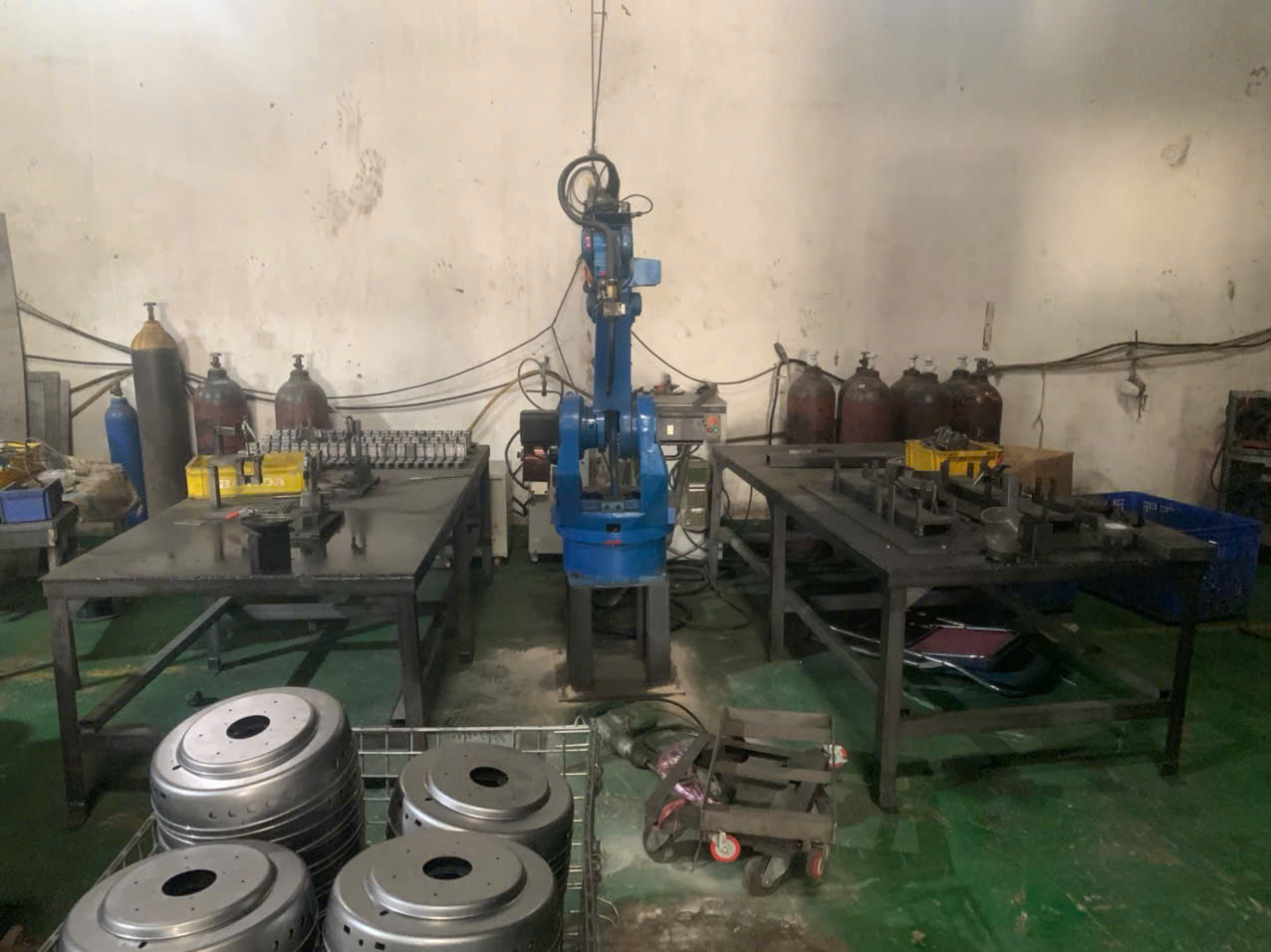
The Difference Between Reactive and Proactive Suppliers
Reactive suppliers wait for you to find problems. Proactive suppliers find problems before you do—and bring solutions. In our co-development projects, we track a supplier's improvement suggestions over time. A supplier that submits zero improvement ideas in six months is coasting. A supplier that submits two or three actionable ideas per quarter is invested in your success.
Concrete Signals to Watch For
Here are the specific behaviors that indicate a supplier is genuinely committed to process optimization and design improvement:
| Signal | What It Looks Like in Practice |
|---|---|
| Cost reduction proposals | "If we change this weld joint from a full penetration groove to a fillet, we save 15% on labor without affecting load capacity." |
| Material substitution ideas | "This alloy has better weldability and costs less than your current spec." |
| Fixture or tooling innovation | Supplier invests in custom jigs to improve repeatability on your parts. |
| Defect trend analysis | Supplier shares data showing how they reduced spatter or porosity over successive batches. |
| Technology upgrades | Supplier transitions from manual MIG to robotic welding 7 for your high-volume parts. |
How Innovation Capabilities Show Up on the Shop Floor
During a supplier audit, look beyond the conference room presentations. Walk the production floor. Are they using modern CNC-controlled welding positioners? Do they have calibrated, maintained equipment with visible preventive maintenance logs? Have they invested in non-destructive testing equipment 8 like ultrasonic or X-ray inspection in-house, or do they outsource everything? A supplier with in-house NDT capabilities can catch defects faster and feed data back into process optimization loops. That closed-loop approach is the hallmark of genuine innovation capabilities.
Also, ask them about their welding consumables. A supplier focused on technical improvement will track filler metal performance, test new shielding gas mixtures, and stay current with material traceability requirements. These are small details, but they reveal an engineering culture that cares about continuous improvement—not just meeting the minimum spec.
How do I verify that a supplier's engineering team is directly involved in the QC and PPAP process for my welded components?
One lesson we learned early at DEWIN was this: a supplier's quality control protocols are only as strong as the people behind them. We once worked with a welding supplier who had a beautiful quality management system 9 on paper. ISO 9001 certified. Detailed inspection checklists. But when we visited the shop, the QC inspector was a junior operator with no engineering background. He was checking boxes, not understanding weld integrity. That experience changed how we audit suppliers forever.
Verify engineering involvement in QC and PPAP by confirming that qualified engineers—not just inspectors—sign off on first article inspections, control plans, and PPAP submissions. Request org charts, review PPAP documentation signatures, and audit the actual inspection process on-site.

Why Engineering Involvement in QC Matters for Welded Parts
Welding is not like CNC machining where you can measure a dimension with a caliper and call it good. Weld quality depends on variables that only trained engineers understand: heat input, interpass temperature, distortion control, and microstructure. A quality inspector without engineering knowledge can miss a cold lap, accept excessive undercut, or fail to recognize a weld that will crack under fatigue loading. That is why engineering involvement in the PPAP process is non-negotiable for critical welded components.
What to Check in the PPAP Package
When reviewing a supplier's PPAP submission for welded parts, verify these elements:
- Control Plan — Does it list specific welding parameters (amperage, voltage, travel speed, gas flow) with tolerances? Are these signed by a welding engineer?
- Process Flow Diagram — Does it show where in-process inspection occurs during welding, not just at final assembly?
- MSA (Measurement System Analysis) — For weld inspections, has the supplier validated their NDT equipment and operator consistency?
- First Article Inspection Report — Is it signed by a qualified engineer, or just a QC technician?
- Material Certifications — Are mill certs traceable, and does an engineer verify they match the welding procedure specification?
A Practical Verification Approach
| Verification Step | What to Ask or Request | Red Flag |
|---|---|---|
| Org chart review | "Show me who reports to whom in QC." | No engineer on the QC team |
| PPAP signature audit | "Who signed off on the control plan?" | Signatures from non-technical staff only |
| On-site observation | Watch a first article inspection happen live | Inspector skips weld visual inspection steps |
| Corrective action records | "Show me your last three CARs for weld defects." | No root cause analysis by engineering |
| Welder qualification records | "Are WPQs current for all welders on my project?" | Expired certifications or missing retest records |
In our projects, we insist on being present for first article inspections whenever possible. Our team in Vietnam or China attends the inspection, reviews the data in real time, and confirms that the engineering team is genuinely driving the quality decisions—not just rubber-stamping paperwork. This hands-on approach is what gives our U.S. clients confidence that their welded components meet specification the first time.
Material traceability is another area where engineering involvement makes a real difference. A good quality management system will trace every piece of base metal and filler metal back to its heat number and mill certificate. But an engineer is needed to verify that those materials are compatible with the approved welding procedure specification and that no substitutions were made without formal approval.
How can I evaluate a supplier's capacity to support my long-term product development and technical scaling needs?
The hardest question in sourcing is not "Can this supplier make my part today?" It is "Will this supplier still be the right partner in three to five years?" We face this question constantly when helping our clients build supply chain reliability for welded components. A supplier might deliver a perfect first batch but lack the infrastructure to scale, adapt, or innovate alongside your product roadmap.
Evaluate long-term capacity by examining the supplier's capital investment history, workforce development programs, technology roadmap, financial stability, and willingness to engage in co-development projects. A supplier investing in advanced welding technology and people today is preparing to support you tomorrow.
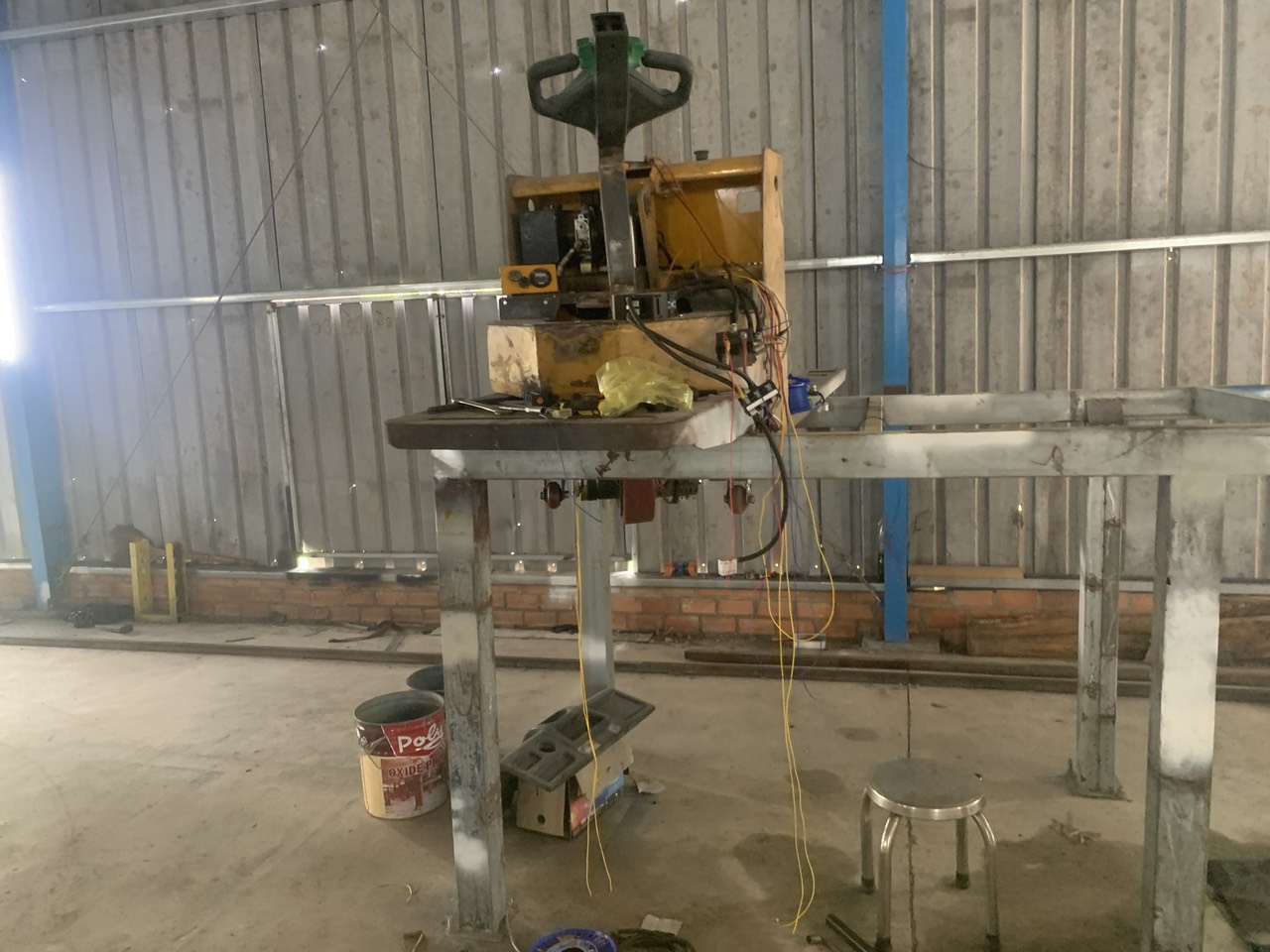
Assessing Technical Scaling Readiness
Technical scaling is not just about buying more machines. It is about building systems that maintain quality as volume increases. Here is what we look for during a supplier audit:
- Automation readiness: Does the supplier have robotic welding cells, or at least a clear plan to adopt them? Robotic welding reduces human error by roughly 70% in high-volume production. For complex structural assemblies with multiple weld joints—like the industrial metal frames and mounting brackets we source—automation is essential for consistency at scale.
- Engineering bench depth: How many engineers does the supplier have? If one engineer leaves, does the entire R&D capability walk out the door? We have seen this happen with smaller shops, and it is devastating to ongoing projects.
- Training programs: Does the supplier invest in ongoing welder qualification and certification upgrades? A workforce that is learning new welding techniques today will be ready for your next-generation product requirements.
Financial and Operational Stability Indicators
| Factor | What to Evaluate | Why It Matters |
|---|---|---|
| Capital expenditure | Recent equipment purchases, facility expansions | Shows willingness to invest in growth |
| Revenue diversification | Customer concentration (% of revenue from top client) | Over-reliance on one client = risk if they leave |
| Inventory management | Raw material turnover rates, multi-tier sourcing | Prevents supply chain bottlenecks |
| Workforce retention | Average tenure of engineers and skilled welders | High turnover = knowledge loss |
| Certifications pipeline | Plans to obtain higher-tier certifications (AS9100D, NADCAP) | Signals ambition and long-term commitment |
The Co-Development Test
One of the most telling indicators of long-term partnership potential is how a supplier responds to a co-development request. When we approach a supplier with an early-stage design concept—before final drawings are complete—their reaction reveals everything. A supplier with strong innovation capabilities will assign engineers, propose materials, suggest welding methods, and even build test samples at their own cost to win the business. A supplier without that mindset will ask you to come back when the drawings are finished.
We have also found that sustainable welding practices are becoming a meaningful differentiator. Suppliers who are investing in energy-efficient welding processes, tracking their environmental footprint, and adopting low-emission consumables are generally the ones thinking five to ten years ahead. This forward-thinking mindset directly benefits your supply chain reliability because it aligns with tightening global regulations and evolving end-customer expectations.
Total Cost of Ownership Perspective
Never evaluate a supplier's long-term value on price alone. Use a Total Cost of Ownership 10 framework:
TCO = Unit Price + Quality Failure Costs + Downtime Costs + Logistics Costs + Management Overhead
A supplier charging $0.06 per weld with a 0.5% defect rate is almost always cheaper in the long run than one charging $0.03 per weld with a 3% defect rate. In aerospace applications, a single defective weld can cost upward of $50,000 in rework, delays, and potential liability. The math is clear: R&D investment and technical capability save money over time.
When we present this analysis to our clients, the conversation shifts. It stops being about finding the cheapest supplier and starts being about finding the most capable one. That is the kind of evaluation that protects your business for years—not just for the next purchase order.
Conclusion
Evaluating supplier R&D and technical improvement when sourcing welding parts requires looking far beyond certifications and price quotes. Assess their engineering depth, DFM feedback quality, QC involvement, innovation culture, and long-term scaling readiness. At DEWIN, we perform these evaluations daily for our U.S. and European clients—because getting it right the first time is not luck; it is a system. If you are sourcing welded components from Asia, start with these questions before you sign your next contract.
Frequently Asked Questions
How can I assess if a welding supplier's R&D team truly understands my complex technical drawings?
When we onboard a new welding project at DEWIN, the first real test happens during our internal design review. Our engineers in China sit down with the client's drawings, mark up every critical dimension, and come back with questions—not silence. Silence is the biggest red flag.
What indicators show that a supplier is proactively suggesting technical improvements to optimize my part designs?
A conversation I had with a client in Texas last year sticks with me. He told me: "My old supplier built exactly what I drew—even when my drawing had a mistake. They never said a word." That single comment captures why proactive technical improvement matters. It is not about the supplier overriding your design. It is about them caring enough to make your product better.
How do I verify that a supplier's engineering team is directly involved in the QC and PPAP process for my welded components?
One lesson we learned early at DEWIN was this: a supplier's quality control protocols are only as strong as the people behind them. We once worked with a welding supplier who had a beautiful quality management system 9 on paper. ISO 9001 certified. Detailed inspection checklists. But when we visited the shop, the QC inspector was a junior operator with no engineering background. He was checking boxes, not understanding weld integrity. That experience changed how we audit suppliers forever.
Footnotes
1. Details the principles, techniques, and applications of ultrasonic testing for weld inspection. ↩︎
2. Provides a comprehensive overview of welding procedure specifications and their importance. ↩︎
3. Explains DFM as an engineering method to optimize product design for efficient and cost-effective manufacturing. ↩︎
4. Provides training information on the ASME code for welding, brazing, and fusing qualifications. ↩︎
5. Describes the standardized graphical representations used to communicate detailed weld information on drawings. ↩︎
6. Outlines the requirements for welding structural steel, including procedure and welder qualification. ↩︎
7. Discusses the types, benefits, and applications of robotic welding in industrial automation. ↩︎
8. Offers an overview of various non-destructive testing methods used to evaluate material integrity. ↩︎
9. Defines ISO 9001, a globally recognized standard for quality management systems. ↩︎
10. Explains TCO as a comprehensive estimate of all direct and indirect costs in procurement and supply. ↩︎