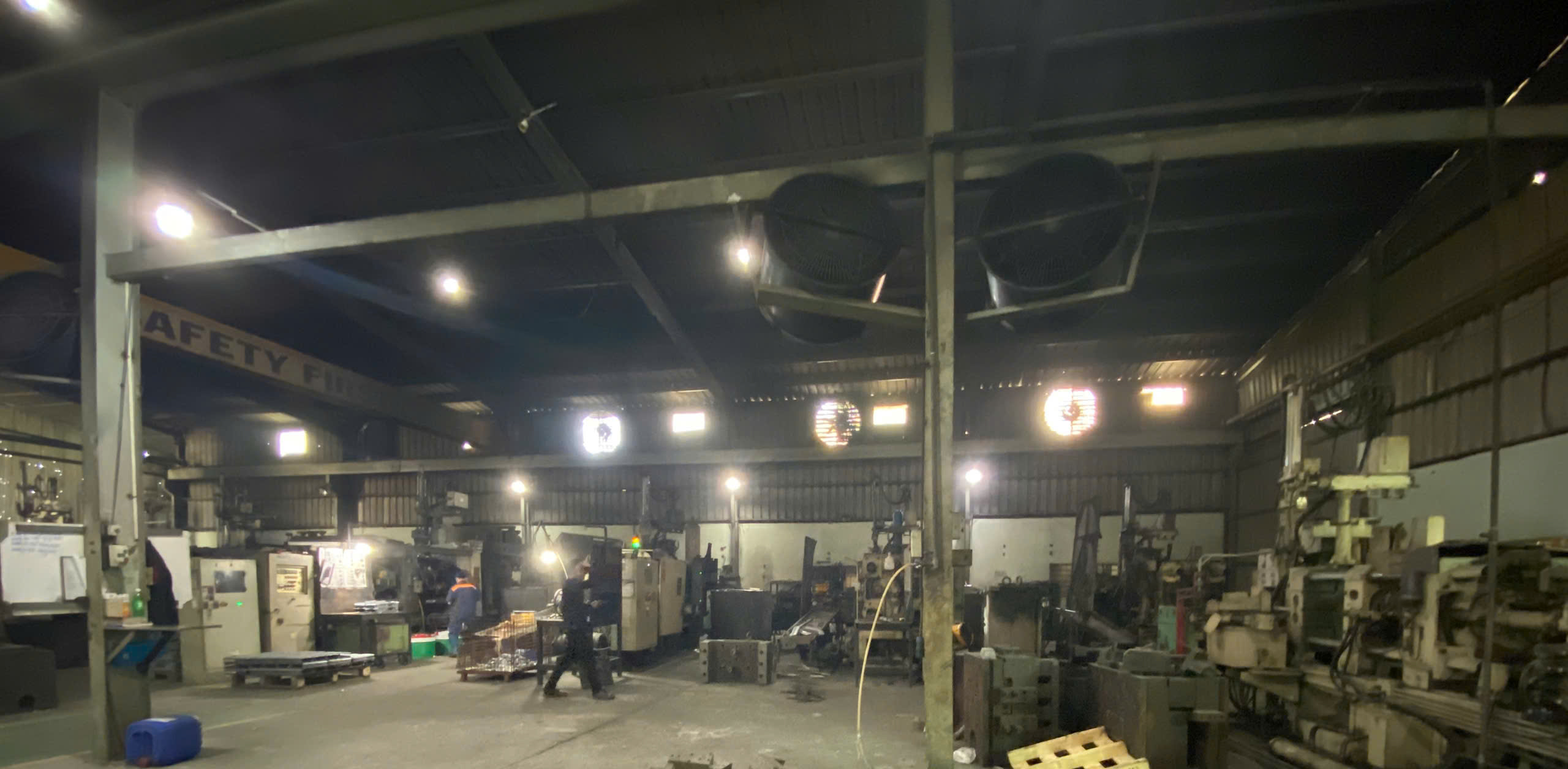
Last quarter, our team in Vietnam flagged a supplier whose plating line lacked basic fume controls — a problem that could have exposed our US client to serious import and liability risks.
To evaluate supplier US EPA electroplating compliance when sourcing sheet metal fabrication, verify adherence to 40 CFR Part 433 effluent guidelines, confirm hazardous air pollutant controls under Subpart WWWWWW, request annual compliance certifications, and audit wastewater treatment systems for heavy metal discharge limits before signing any contract.
This guide breaks down the exact regulations, documents, audit steps, and red flags you need to know 40 CFR Part 433 effluent guidelines 1. Whether you source from Asia or domestically, these compliance checkpoints protect your supply chain and your reputation.
How do I verify that my sheet metal supplier's electroplating process meets US EPA environmental standards?
A few months ago, a prospective client asked our Singapore team to re-source a set of heavy-duty mounting brackets — similar to the gunmetal grey, powder-coated components we regularly handle — because their previous supplier's plating shop had received an EPA violation notice.
Verify compliance by requesting the supplier's Notification of Compliance Status under 40 CFR Part 63 Subpart WWWWWW, reviewing their discharge permits against Part 433 effluent limits, and confirming they use approved emission controls like wetting agents, tank covers, or scrubbers for hazardous air pollutants.
Understanding the EPA Regulatory Framework
The US EPA governs electroplating through several interconnected rules. The most important one for sheet metal sourcing is the Electroplating Effluent Guidelines under 40 CFR Part 433. This rule sets discharge limits for metals like chromium, nickel, cadmium, lead, copper, zinc, and silver. It also limits cyanide. These limits apply to any facility that discharges to a Publicly Owned Treatment Works 2 (POTW) and processes more than 38,000 liters per day.
There is a common misconception that only independent plating shops fall under these rules. That is wrong. Captive operations — plating lines inside a fabrication facility — are equally covered. When our sourcing engineers visit a factory that does both stamping and plating under one roof, we apply the same compliance checklist we would use for a standalone plater.
Key Effluent and Emission Limits
Here is a quick reference table of critical limits every buyer should know:
| Parameter | Limit | Standard Source |
|---|---|---|
| pH | 6.5 – 8.5 | 40 CFR Part 433 |
| Cyanide (total) | ≤ 0.2 mg/L | 40 CFR Part 433 |
| Nickel | ≤ 3.0 mg/L | 40 CFR Part 433 |
| Chromium fume (air) | ≤ 0.1 mg/m³ | Subpart WWWWWW 3 |
| Nickel fume (air) | ≤ 0.5 mg/m³ | Subpart WWWWWW |
| Suspended solids | ≤ 100 mg/L | 40 CFR Part 433 |
| Temperature | < 40°C | 40 CFR Part 433 |
These numbers matter because parts finished outside these ranges can carry residual contamination. That creates downstream liability for the importer. From our experience coordinating PPAP documentation for US-bound shipments, we always cross-reference a supplier's internal test reports against these thresholds before we approve a production run.
Hazardous Air Pollutant Controls
The EPA's area source rule (Subpart WWWWWW) targets hazardous air pollutants 4 like hexavalent chromium and lead compounds. Suppliers must demonstrate they control these emissions using at least one of three methods:
- Wetting agents or fume suppressants applied per the chemical manufacturer's specifications.
- Emission control devices such as packed-bed scrubbers or HEPA filtration systems.
- Tank covers — at least 95% coverage for short-term batch processes and 75% for continuous or reel-to-reel operations.
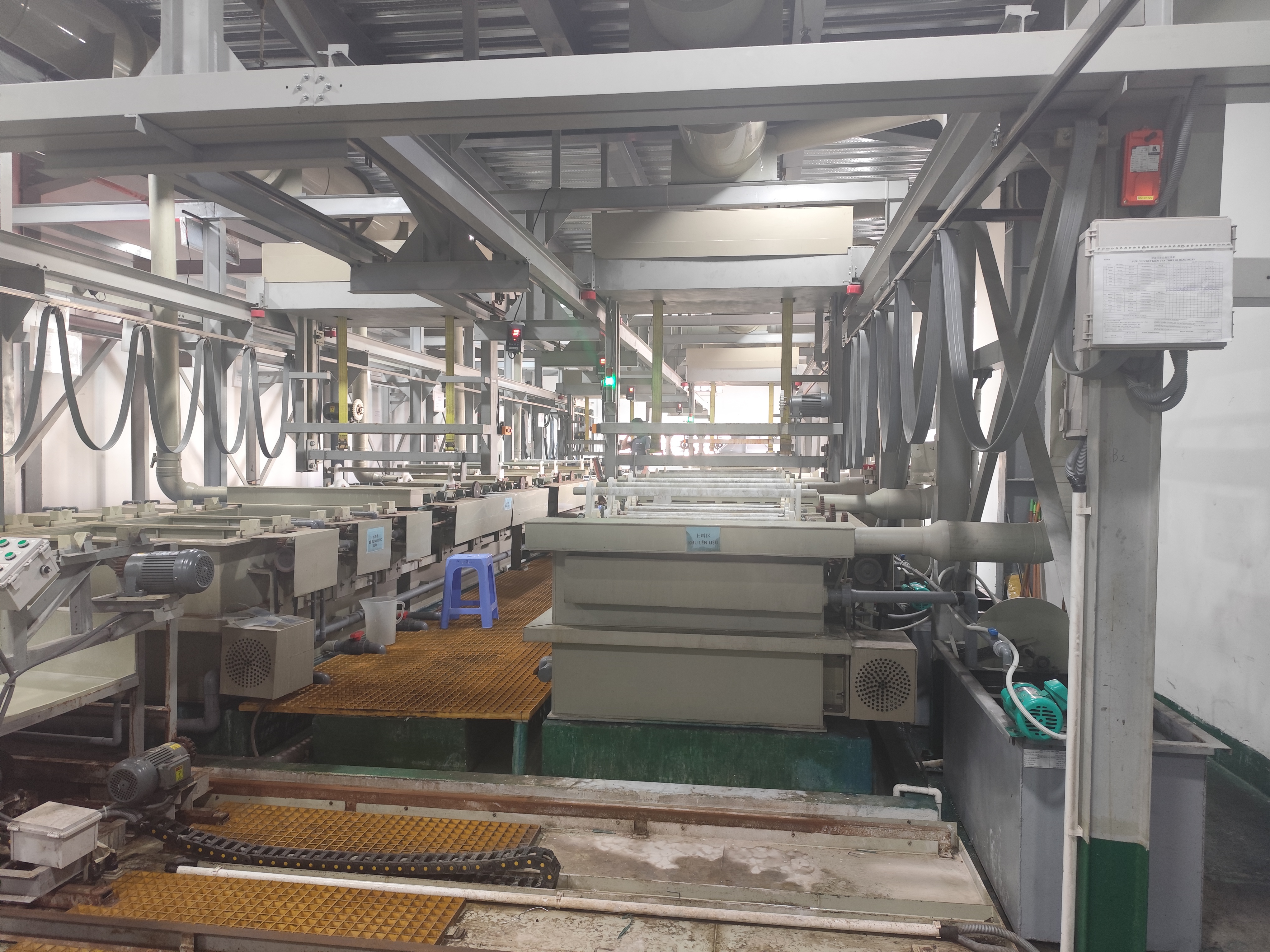
When we audit a plating facility, we physically inspect tank covers, check fume suppressant logs, and ask to see the emission control device maintenance schedule. A supplier who cannot show you these items on the shop floor is a risk.
Federal vs. State Enforcement
One trade-off we often discuss with clients: EPA sets federal baseline standards, but individual states can impose stricter limits. California, for example, enforces tighter hexavalent chromium 5 airborne limits than the federal rule. If your parts ship through or are used in a state with additional environmental regulations, verify that your supplier meets both the federal pretreatment standards and the applicable state requirements. Our team maintains a reference matrix for the most common destination states, so we can flag mismatches early.
What specific documentation should I request to prove my offshore manufacturer is compliant with EPA regulations?
During a recent supplier qualification project, our China-based quality team discovered that a plating subcontractor had valid ISO 9001 certification but no environmental management system documentation whatsoever — a gap that would have been invisible from a standard capability assessment.
Request the supplier's Notification of Compliance Status, Annual Certification of Compliance with deviation reports, discharge permits, process flow diagrams, wastewater test results using EPA SW-846 methods, ISO 14001 certification, and third-party environmental audit reports to prove EPA-aligned electroplating compliance.
The Core Document Checklist
Not every supplier will have every document. But the more items they can produce, the lower your risk. Here is the documentation framework we use internally when onboarding a new plating supplier:
| Document | What It Proves | Red Flag If Missing |
|---|---|---|
| Notification of Compliance Status | Identifies affected sources, HAPs emitted, and compliance method chosen | Supplier may not be registered with EPA or state authority |
| Annual Certification of Compliance | Confirms ongoing adherence; lists deviations and corrective actions | No continuous compliance tracking |
| Discharge Permit (POTW) | Authorizes wastewater release within legal limits | Possible illegal discharge |
| Process Flow Diagram | Maps chemical inputs, rinse stages, and waste streams | Lack of process transparency |
| Effluent Test Results (SW-846 methods) | Quantifies heavy metal discharge levels | Cannot verify actual pollutant concentrations |
| ISO 14001 Certificate 6 | Environmental management system is audited by a third party | No structured environmental oversight |
| Material Safety Data Sheets (current) | Shows chemicals in use and their hazard classifications | Outdated or missing chemical inventory |
| Tank Cover / Emission Device Logs | Tracks maintenance and coverage compliance | Equipment may be non-functional |
How to Evaluate the Documents
Collecting documents is only half the job. You need to read them critically. Here is what I look for:
Notification of Compliance Status: This document must identify every affected plating source at the facility, list the specific hazardous air pollutants emitted (chromium, lead, nickel, etc.), and state which compliance method the supplier uses — wetting agents, tank covers, or emission control devices. If the notification is generic or vague, push back and ask for specifics.
Annual Certification of Compliance: This is filed with the EPA or the relevant state authority each year. It must include a statement confirming no deviations, or if deviations occurred, a detailed report of what happened and what corrective actions were taken. Our project managers treat any supplier that cannot produce the last two years of certifications as high risk.
Effluent Test Results: The EPA's SW-846 manual defines the analytical methods for testing hazardous waste and wastewater. EPA SW-846 methods 7 Look for results from atomic absorption spectroscopy or inductively coupled plasma (ICP) analysis. These are the standard methods for measuring metals in wastewater. If a supplier shows you test results from a non-accredited lab or uses a non-standard method, treat those results with caution.
RoHS and Beyond
Many US buyers also require RoHS compliance 8 for their end products. While RoHS is a European directive, it overlaps with EPA concerns around lead, cadmium, and hexavalent chromium. When we manage sourcing for custom brackets and housings, we verify both EPA-aligned wastewater treatment practices and RoHS and REACH compliance requirements for sheet metal fabrication. This dual check ensures the parts meet environmental regulations on both sides of the Atlantic.
Third-Party Audits
An ISO 14001 certificate from a reputable registrar is a strong positive signal. But it is not a substitute for a supplier environmental audit. Our Vietnam office conducts on-site audits where we physically inspect the effluent treatment plant, check chemical storage areas for proper containment, and review monitoring logs. A third-party audit report from a recognized environmental consultancy adds another layer of verification. We recommend requesting both the certificate and the most recent audit report.
How can I ensure my custom parts won't face import delays due to non-compliant chemical finishing processes?
One lesson we learned the hard way: a shipment of precision-engineered brackets sat at a US port for three weeks because the finishing supplier had used a chrome plating process linked to PFAS-containing fume suppressants — and the buyer's compliance team had no documentation to clear the hold.
Ensure customs clearance by confirming your supplier's chemical finishing process avoids restricted substances, maintaining complete compliance documentation in your import file, verifying PFAS-free fume suppressant usage, and aligning all surface treatments with both EPA and TSCA requirements before production begins.

Why Import Delays Happen
Import delays tied to chemical finishing typically fall into three categories. First, a regulatory agency flags the shipment because the declared finish involves a substance under scrutiny — hexavalent chromium or PFAS compounds, for example. Second, Customs and Border Protection requests documentation that the importer cannot produce. Third, the parts themselves trigger a testing hold because they arrive with visible residue, unusual odors, or surface anomalies that suggest improper rinsing or treatment.
From our supply chain management experience, the best defense is prevention. That means building compliance verification into your sourcing process, not treating it as an afterthought.
The PFAS Factor: Preparing for 2026
PFAS regulations are the single biggest emerging risk in the metal finishing industry for chrome electroplating. The EPA has announced a planned July 2026 Notice of Proposed Rulemaking (NPRM) to regulate PFAS discharges from chromium electroplating facilities under Part 433. Suppliers that use PFAS-containing wetting agents in their chrome plating tanks will need to demonstrate they can control and treat these substances in their wastewater.
As of January 1 each year, suppliers must provide notifications for TRI-listed PFAS chemicals. If your supplier uses chrome plating and cannot tell you whether their fume suppressants contain PFAS, that is a serious red flag.
Pre-Shipment Compliance Steps
Here is the process our team follows to prevent import issues:
| Step | Action | Responsible Party |
|---|---|---|
| 1 | Confirm finish specification matches buyer requirements (e.g., trivalent chrome vs. hexavalent chrome) | Engineering / Quality |
| 2 | Request SDS for all plating chemicals used | Supplier |
| 3 | Verify no PFAS-containing fume suppressants are in use, or confirm treatment capability | Supplier / Auditor |
| 4 | Obtain effluent test results for the most recent quarter | Supplier |
| 5 | Compile compliance documentation package for customs | Logistics / Compliance |
| 6 | Conduct final inspection including surface finish verification | QC Team |
| 7 | Include compliance certificates in shipping documentation | Logistics |
Clean Water Act and Supply Chain Liability
The Clean Water Act 10 underpins much of the EPA's authority over electroplating discharges. As an importer, you may not be directly liable for a foreign supplier's wastewater violations. But if your parts are finished using processes that violate US environmental standards, you face reputational damage, customer complaints, and potential exclusion from contracts that require environmental compliance declarations. Several of our US clients in the defense and medical device sectors now include EPA compliance clauses in their supplier agreements. We help draft those clauses based on the specific finishing processes involved.
Hazardous Waste Management in the Finishing Process
Beyond wastewater, electroplating generates solid hazardous waste — sludge from treatment tanks, spent plating solutions, and contaminated rinse water concentrates. Proper hazardous waste management requires the supplier to classify, store, label, and dispose of these wastes according to EPA RCRA regulations (or equivalent local regulations if offshore). During our audits, we check for labeled waste containers, secondary containment around chemical storage, and documented waste disposal contracts with licensed haulers.
What steps should my local sourcing team take to audit a supplier's wastewater treatment and plating safety?
When our Vietnam team conducted their first plating facility audit two years ago, the biggest surprise was not what the supplier showed us — it was what they tried to hide behind a locked door: an undersized effluent treatment plant running at double its rated capacity.
Your sourcing team should conduct on-site inspections of the effluent treatment plant, verify wastewater monitoring records against EPA Part 433 limits, check tank cover compliance, review chemical storage and spill containment, and confirm the supplier files Annual Certifications of Compliance with no unresolved deviations.

Building an Effective Audit Protocol
An audit is only as good as its structure. We developed a standardized checklist after auditing dozens of plating and finishing facilities across Asia. The checklist covers five areas: wastewater treatment infrastructure, air emission controls, chemical storage and handling, documentation and recordkeeping, and worker safety.
Here is a simplified version of what we check:
Wastewater treatment: Is the effluent treatment plant (ETP) properly sized for the facility's daily flow? Does the ETP include pH adjustment, chemical precipitation, settling, and filtration stages? Are there continuous monitoring instruments for pH and flow rate? Does the supplier conduct periodic lab analysis using EPA-approved methods?
Air emission controls: Are plating tanks equipped with covers meeting the 95% or 75% thresholds? Are scrubbers installed and maintained for acid mist and chromium fume control? Are fume suppressant application logs up to date?
Chemical storage: Are chemicals stored in bunded (secondary containment) areas? Are drip pans in place under transfer points? Are Material Safety Data Sheets posted and current?
Common Violations Your Team Should Watch For
Based on our audit experience, here are the violations we encounter most often:
- Missing or damaged tank covers. Covers are sometimes removed for convenience and never replaced.
- No drip pans under chemical transfer areas. This leads to floor contamination and potential groundwater pollution.
- Unclean pre-plating surfaces. Poor surface preparation leads to plating defects and excess chemical consumption, which increases waste load.
- No continuous monitoring of effluent pH. Manual checks once a day are not sufficient for compliance.
- Inability to produce effluent test results. If a supplier says they test but cannot show you the lab reports, assume they do not test.
- Undersized or poorly maintained ETPs. An ETP designed for a smaller operation but now serving expanded capacity will consistently exceed discharge limits.
Integrating Environmental Metrics Into Supplier Scorecards
We recommend adding environmental performance metrics to your existing supplier scorecard. Track waste generation rates, water consumption per unit produced, and energy efficiency. These data points reveal whether a supplier is genuinely committed to pollution prevention or simply checking boxes. A supplier that reduces waste per unit over time is likely investing in process improvement. A supplier whose waste volumes increase proportionally with production volume is not.
Real-Time Monitoring and Automated Reporting
The metal finishing industry is shifting toward real-time monitoring systems that continuously track pH, temperature, flow rate, and specific metal concentrations in effluent streams. Some advanced facilities transmit this data directly to state environmental boards. When we evaluate suppliers, we view real-time monitoring capability as a strong differentiator. It demonstrates the supplier's investment in ongoing compliance, not just compliance at the time of audit.
Our team also looks for evidence of pollution prevention (P2) programs. P2 goes beyond end-of-pipe treatment. It includes quantifying waste costs, measuring process efficiency, training employees on chemical handling, and substituting less hazardous materials where possible. Suppliers with active P2 programs tend to have fewer compliance issues over time.
Conclusion
Evaluating supplier US EPA electroplating compliance protects your supply chain from delays, legal exposure, and quality failures. Build verification into your sourcing process from day one — not after problems surface.
Frequently Asked Questions
How do I verify that my sheet metal supplier's electroplating process meets US EPA environmental standards?
A few months ago, a prospective client asked our Singapore team to re-source a set of heavy-duty mounting brackets — similar to the gunmetal grey, powder-coated components we regularly handle — because their previous supplier's plating shop had received an EPA violation notice.
What specific documentation should I request to prove my offshore manufacturer is compliant with EPA regulations?
During a recent supplier qualification project, our China-based quality team discovered that a plating subcontractor had valid ISO 9001 certification but no environmental management system documentation whatsoever — a gap that would have been invisible from a standard capability assessment .
How can I ensure my custom parts won't face import delays due to non-compliant chemical finishing processes?
One lesson we learned the hard way: a shipment of precision-engineered brackets sat at a US port for three weeks because the finishing supplier had used a chrome plating process linked to PFAS-containing fume suppressants — and the buyer's compliance team had no documentation to clear the hold.
Footnotes
1. Provides official EPA regulations for metal finishing wastewater discharges. ↩︎
2. Explains the role of POTWs in the national pretreatment program under the Clean Water Act. ↩︎
3. Details EPA’s national emission standards for hazardous air pollutants from plating and polishing operations. ↩︎
4. Provides the official EPA list and information on hazardous air pollutants. ↩︎
5. Details the environmental and health effects of hexavalent chromium. ↩︎
6. Explains the international standard for environmental management systems and its benefits. ↩︎
7. Found a working and authoritative EPA.gov page dedicated to SW-846 Test Methods. ↩︎
8. Explains the European directive restricting hazardous substances in electronic equipment. ↩︎
9. Provides a detailed explanation of the analytical technique for measuring metal concentrations. ↩︎
10. Provides an overview of the foundational US law for water pollution control. ↩︎