
When we help U.S. clients evaluate supplier warehousing and inventory for lead times on sheet metal projects, the gap between a good supplier and a risky one often comes down to what sits on their shelves — and how they manage it.
To evaluate supplier warehousing and inventory for lead times when sourcing sheet metal, verify on-hand raw material depth, assess warehouse organization and storage conditions, review historical delivery reliability, confirm safety stock policies, and check whether the supplier uses a warehouse management system with real-time tracking capabilities.
This guide breaks down the specific checks, questions, and red flags you should watch for when auditing a sheet metal supplier’s warehousing and inventory practices SPCC 1. Each section targets a real pain point our clients face daily.
How can I verify that my sheet metal supplier maintains enough raw material inventory to avoid production delays?
A lesson we learned early in our Vietnam operations: a supplier who quotes a fast lead time but holds zero stock of the needed gauge will almost certainly miss the deadline aluminum 5052 2. Material availability is the first domino.
Verify raw material inventory by requesting current stock lists with material grades and thicknesses, asking for inventory turnover reports, conducting warehouse visits or video audits, and cross-checking supplier claims against actual order fulfillment history and on-time delivery rates.
Why On-Hand Inventory Depth Matters
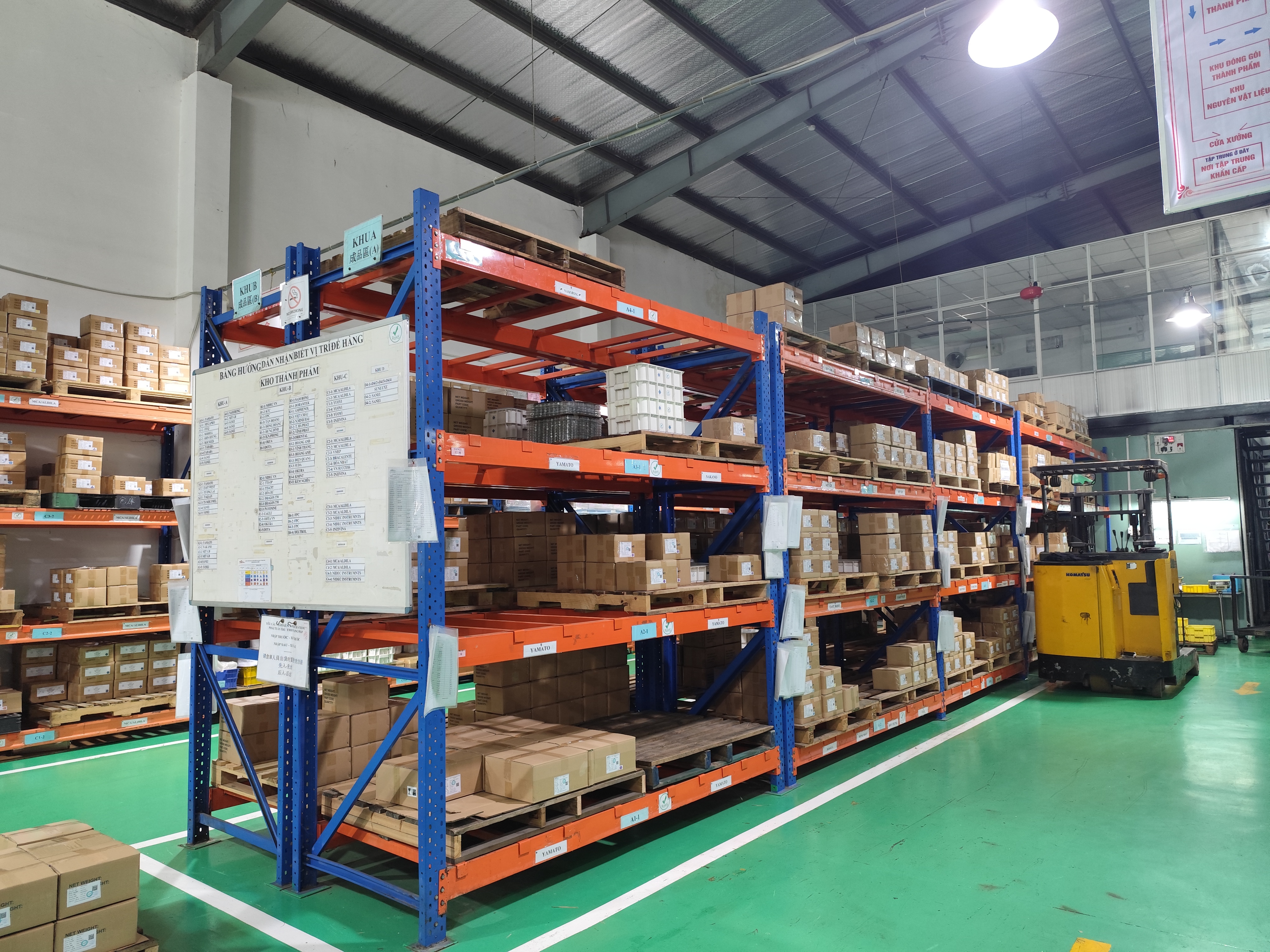
The simplest truth in sheet metal sourcing: more on-hand inventory means more accurate lead times. When a supplier stocks common grades like SUS304 3, SPCC, or aluminum 5052 in multiple thicknesses, they can start production the day your PO lands. When they don't, they must first procure raw material — and procurement lead time 4 alone can add 2 to 6 weeks depending on the region.
Our team in China tracks supplier stock levels as part of every supplier assessment criteria review. We ask for current inventory reports broken down by material type, grade, thickness, and quantity. A supplier who can produce this report quickly is typically one who manages inventory well. A supplier who hesitates or gives vague answers is a warning sign.
What to Request from Your Supplier
Here is a practical checklist for verifying inventory depth:
| Verification Item | What to Ask For | Red Flag |
|---|---|---|
| Stock list by material grade | Spreadsheet with grades, thicknesses, quantities | Supplier cannot provide within 24 hours |
| Inventory turnover rate | Monthly or quarterly turnover data | Very low turnover (stale stock risk) or very high turnover (stockout risk) |
| Reorder point policy | Minimum stock levels that trigger reorders | No defined reorder points |
| Supplier's own raw material sources | Names of steel mills or distributors they buy from | Single-source dependency |
| Lead time for restocking | Days needed to replenish common materials | More than 3 weeks for standard grades |
Assessing Inventory Variety
A supplier who only stocks one or two material types may struggle with your project if it requires multiple grades or specialty alloys 5. During our audits, we look at the breadth of material availability. For example, a shop that stocks carbon steel, stainless steel, and aluminum in at least three common thicknesses each is far more flexible than one limited to a single material family.
We also check whether the supplier keeps stock of common hardware and fasteners used in sheet metal assemblies — things like PEM nuts, rivets, and standoffs. These small items can cause surprising delays when they are out of stock.
Cross-Checking Claims Against Performance
Inventory claims mean nothing without delivery reliability data. We always ask for historical delivery performance — specifically, the percentage of orders delivered on time over the past 6 to 12 months. A supplier who claims deep inventory but has a 70% on-time rate has a problem somewhere in their system. We look for 90% or higher on-time delivery as a baseline supplier performance metric.
What inventory management practices should I look for to ensure my custom parts meet strict lead time requirements?
During a recent project for a U.S.-based engineering firm, we discovered that their previous supplier had no formal production scheduling system — orders were tracked on paper, and nothing was prioritized. The result was chronic delays on custom sheet metal brackets that should have been straightforward.
Look for suppliers who use ERP or warehouse management systems for real-time tracking, practice ABC analysis for inventory prioritization, maintain defined safety stock levels, employ demand forecasting based on historical data, and have documented reorder triggers to prevent stockouts on critical materials.
ERP Systems and Real-Time Visibility
A warehouse management system 6 is no longer optional for serious sheet metal suppliers. Whether they use SAP, Oracle, or a simpler cloud-based ERP, the key is real-time visibility into stock levels, order status, and production scheduling. When we audit suppliers, we ask for a live demonstration of their system. We want to see how they track a raw material sheet from receiving through cutting, bending, welding, finishing, and final inspection.
Suppliers who offer data integration — such as APIs or shared dashboards — give our clients a major advantage. Instead of sending emails asking "where is my order," buyers can log in and check status themselves. This transparency reduces communication overhead and builds trust.
ABC Analysis and Demand Forecasting
Smart suppliers categorize their inventory using ABC analysis 7:
| Category | Description | Inventory Strategy |
|---|---|---|
| A Items | High-value, low-volume materials (e.g., specialty alloys) | Tight control, frequent reviews, accurate demand forecasting 8 |
| B Items | Moderate value and volume (e.g., standard stainless steel) | Regular monitoring, moderate safety stock |
| C Items | Low-value, high-volume items (e.g., fasteners, hardware) | Bulk ordering, higher safety stock, less frequent review |
This approach ensures that resources are allocated efficiently. A supplier who treats all inventory the same — or worse, has no categorization at all — will struggle to meet strict lead time requirements on high-priority custom parts.
Demand forecasting is equally important. A supplier should analyze historical order patterns, seasonal trends, and client forecasts to predict future raw material needs. When we share rolling forecasts with our suppliers, they can pre-position materials and avoid the scramble that causes delays.
Just-in-Time vs. Safety Stock: Finding the Balance
Just-in-Time inventory 9 is popular because it reduces storage costs and waste. But for custom sheet metal parts, pure JIT can be risky. If a steel mill delays a shipment by even a week, the entire production schedule falls apart. Understanding how to ask sheet metal fabrication suppliers to support your JIT delivery is critical before committing to this approach.
The practical approach is to combine JIT principles with a safety stock buffer 10. Industry best practice suggests maintaining safety stock at 10 to 15 percent of usual demand for critical materials. This buffer absorbs small disruptions without the cost of warehousing excessive inventory.
We evaluate whether a supplier has a documented policy for safety stock. If they can articulate their buffer strategy and show how it connects to their reorder points, that is a strong sign of mature supply chain risk management.
Production Scheduling and Workflow
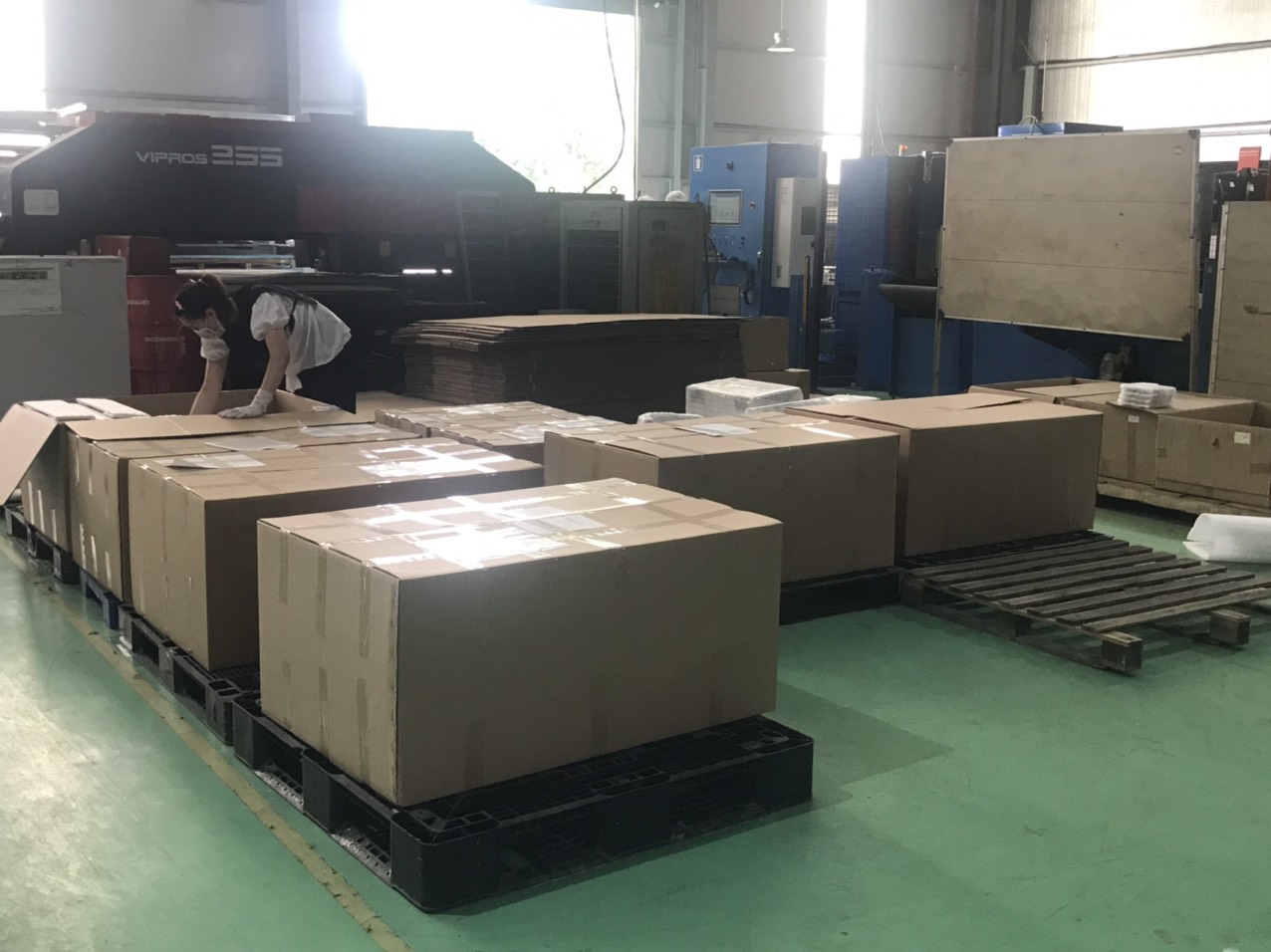
Beyond inventory, we look at how the supplier schedules production. A well-run shop uses a visual scheduling board or digital production planning tool. Orders are sequenced based on priority, material availability, and machine capacity. When we see a shop where the floor manager keeps the schedule in his head, we know delivery reliability will be inconsistent.
Can my supplier provide safety stock and warehousing solutions to help me mitigate shipping delays from Asia?
One trade-off we weigh constantly with our U.S. clients: the cost savings of sourcing sheet metal components from Asia versus the risk of 4- to 8-week ocean freight lead times. The question is not whether delays will happen — it is how you prepare for them.
Yes, many suppliers and third-party logistics providers offer safety stock warehousing solutions, including bonded warehousing in the U.S., consignment inventory programs, and 3PL partnerships that hold finished goods locally, reducing effective lead times from months to days for repeat orders.
The 3PL Advantage for U.S. Buyers
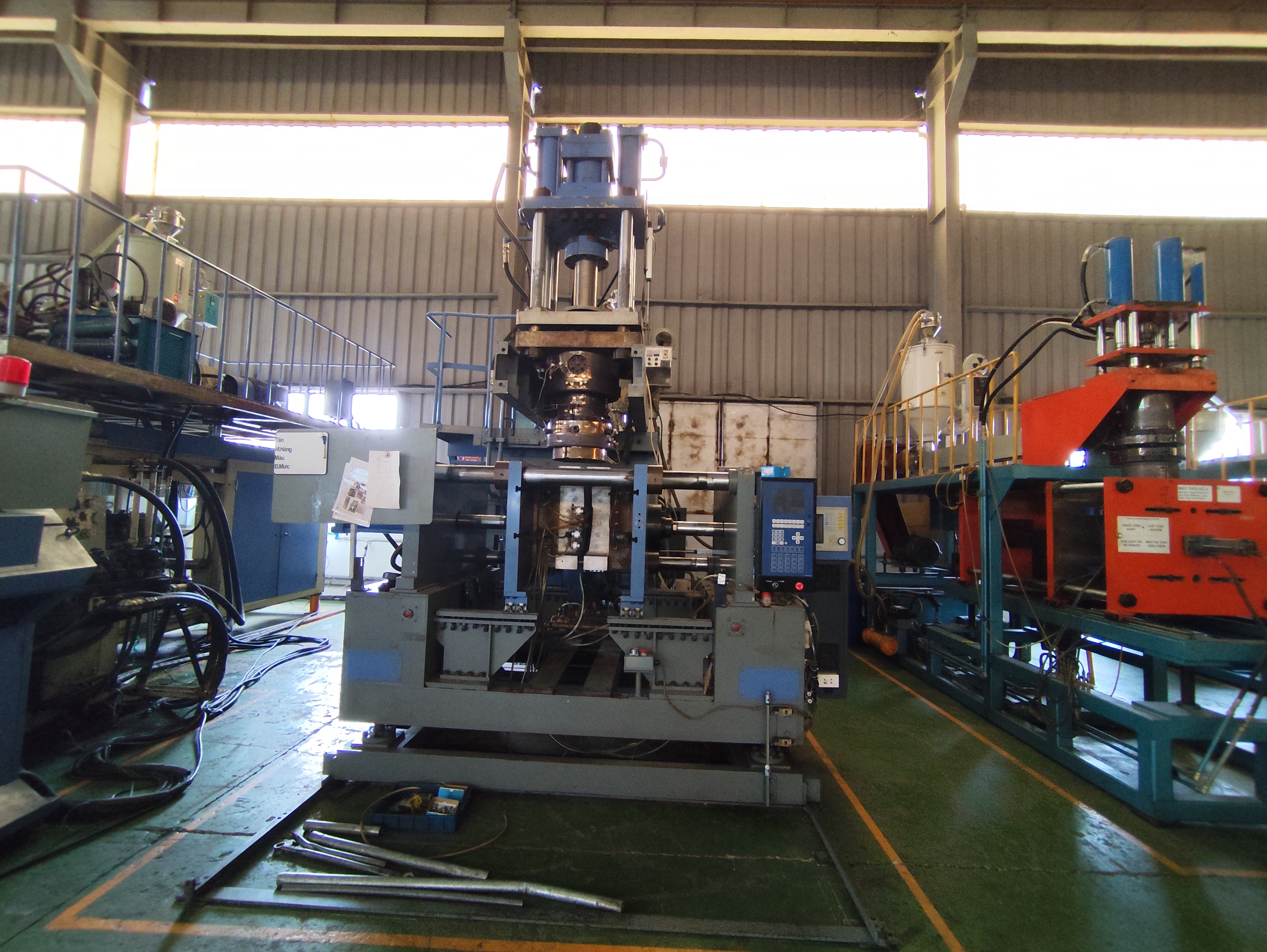
Third-party logistics providers play a critical role in bridging the gap between Asian manufacturing and U.S. delivery expectations. A 3PL warehouse located in a major U.S. port city — such as Los Angeles, Houston, or Savannah — can receive bulk shipments of finished sheet metal components from Asia and hold them for on-demand release to your facility.
This strategy works especially well for repeat-order custom parts like the precision-engineered mounting brackets shown in our product range. Once the design is finalized and PPAP approved, we can produce in batch quantities and ship to a 3PL facility. When you need parts, they ship domestically — typically arriving within 2 to 5 business days instead of 6 to 8 weeks.
Comparing Warehousing Strategies
| Strategy | Pros | Cons | Best For |
|---|---|---|---|
| Supplier holds safety stock in Asia | Low warehousing cost, supplier manages inventory | Long lead time for emergency orders, transit risk remains | Low-volume, non-critical parts |
| 3PL warehouse in the U.S. | Fast domestic delivery, reduced transit risk | Higher warehousing cost, requires volume commitment | High-volume repeat orders, critical components |
| Consignment inventory at buyer's facility | Immediate availability, zero lead time for release | Ties up supplier capital, requires trust and contract clarity | Strategic partnerships with stable demand |
| Buyer holds own buffer stock | Full control over inventory | Increases buyer's holding costs and working capital needs | Buyers with warehouse capacity and cash flow flexibility |
How We Support This at DEWIN
Our supply chain services include coordinating 3PL warehousing for clients who need it. We manage the logistics from factory door in Vietnam or other Asian countries to the 3PL facility in the U.S. We handle customs clearance, quality inspection before shipment, and inventory reporting. This end-to-end approach means our clients do not need to manage multiple vendors for manufacturing, quality control, and logistics separately.
For clients with predictable demand, we set up rolling production and shipment schedules. Each month, a new batch arrives at the 3PL warehouse while the previous batch is being consumed. This pipeline approach keeps sheet metal storage solutions lean while ensuring parts are always available domestically.
Mitigating Customs and Transit Risks
Delays from Asia are not just about ocean freight time. Customs clearance, port congestion, and documentation errors can add days or weeks. We mitigate these risks by preparing all export documentation in advance, using bonded warehouses when beneficial, and maintaining relationships with reliable freight forwarders who prioritize our shipments.
The key takeaway: safety stock and warehousing are not just about having parts on a shelf. They are part of a broader supply chain risk management strategy that accounts for transit variability, customs processing, and demand fluctuations.
How do I assess a supplier's warehouse capacity and organization during my remote audit process?
A buyer interaction that shaped how we conduct audits today: a client asked us to verify a supplier's claim of "10,000 square meters of warehouse space." When our team visited, we found half the space filled with scrap metal and obsolete inventory. Usable capacity was less than 4,000 square meters. Remote audits must be designed to catch exactly this kind of discrepancy.
Assess a supplier's warehouse remotely by requesting live video walkthroughs, reviewing warehouse layout drawings, asking for photos with timestamps, checking inventory management software screenshots, verifying material labeling and traceability systems, and comparing claimed capacity against actual throughput and order volume data.

Structuring a Remote Warehouse Audit
Remote audits have become standard practice, especially for buyers who source from multiple Asian countries. Our team in Vietnam and China conducts on-site audits on behalf of U.S. clients, but when a fully remote audit is needed, we follow a structured process.
The audit covers five key areas:
-
Physical space and layout — Request a floor plan showing raw material storage, work-in-progress staging, finished goods holding, and shipping areas. Ask for a live video walkthrough where the camera follows the material flow from receiving dock to shipping dock.
-
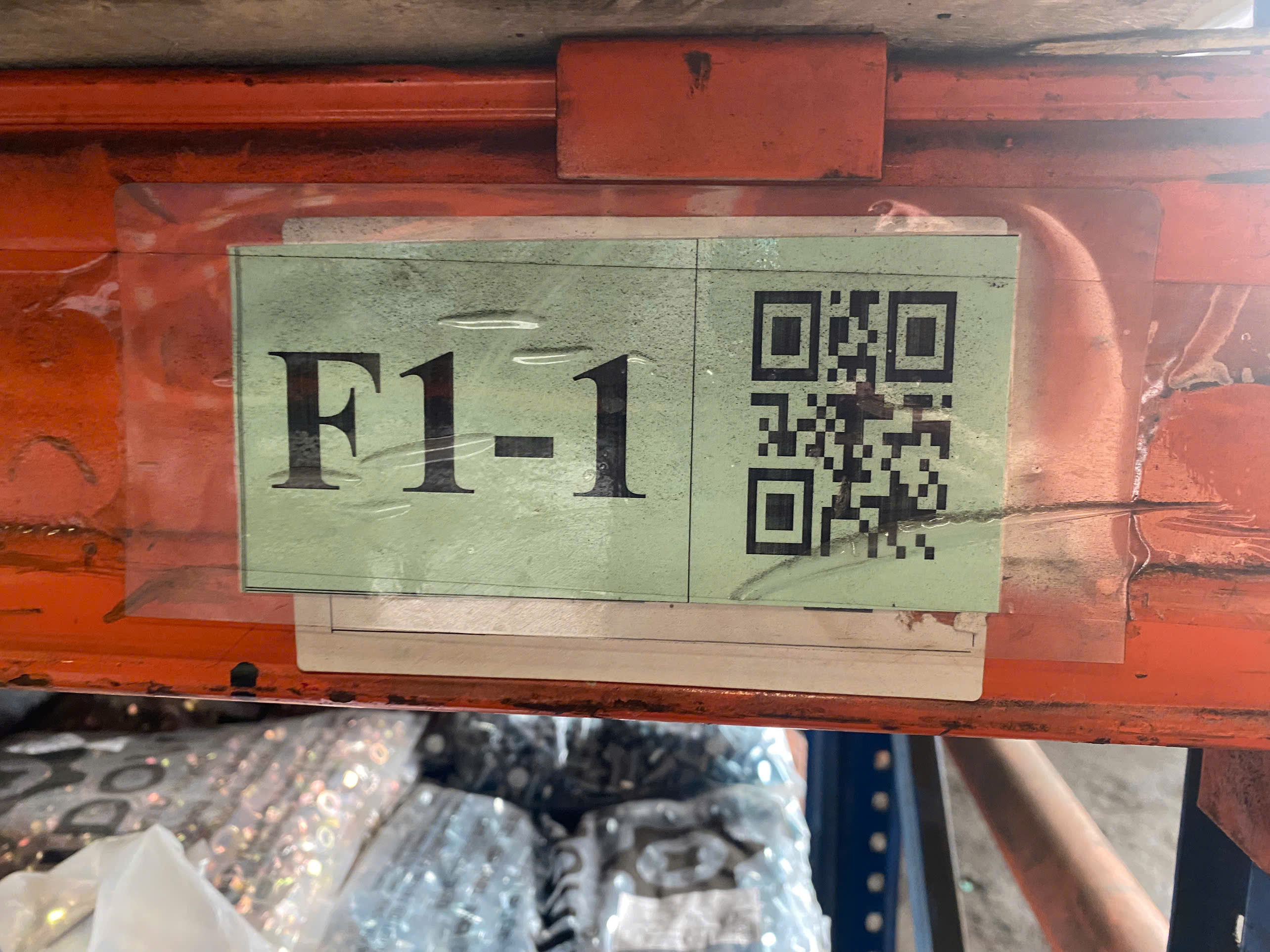
Material labeling and traceability — During the video walkthrough, zoom in on material labels. Each sheet metal coil or plate should have a tag showing material grade, heat number, thickness, supplier name, and receiving date. This traceability connects to quality assurance and regulatory compliance.
-
Storage conditions — Sheet metal must be stored in a clean, dry environment. Humidity and temperature extremes cause oxidation and surface defects. Look for climate control measures or at minimum, covered and ventilated storage areas. Stainless steel and aluminum are less sensitive, but carbon steel requires careful storage to prevent rust.
-
Organization and 5S practices — A well-organized warehouse uses 5S principles: Sort, Set in order, Shine, Standardize, Sustain. Materials should be arranged logically — by grade, thickness, or customer project. Aisles should be clear. There should be no mixed or unlabeled materials sitting on the floor.
-
Inventory system demonstration — Ask the supplier to share their screen and demonstrate how they look up current stock of a specific material grade. Can they show you real-time quantities? Can they pull a history of material movements? If their system cannot answer these basic questions, their inventory accuracy is suspect.
Remote Audit Checklist
| Audit Area | What to Check | Method |
|---|---|---|
| Warehouse size | Compare claimed vs. usable space | Floor plan review + live video |
| Material labeling | Heat numbers, grades, dates on tags | Close-up photos or video |
| Storage conditions | Temperature, humidity, cleanliness | Video walkthrough, environmental data logs |
| Organization (5S) | Clear aisles, logical arrangement, no mixed stock | Video walkthrough |
| Inventory system | Real-time stock lookup, material movement history | Screen-sharing demo |
| Throughput capacity | Monthly production volume vs. warehouse space | Data review and calculation |
| Finished goods handling | Packaging, protection against damage | Photos of packed finished parts |
Evaluating Financial Stability Through Warehouse Investment
A supplier's warehouse tells you about their financial health and long-term commitment. Suppliers who invest in modern racking systems, forklifts, climate control, and digital inventory management are signaling stability. Suppliers operating out of cramped, disorganized facilities with no technology investment may offer lower prices — but they carry higher risk of delivery delays and quality failures.
We assess this as part of our broader supplier evaluation system. A supplier who has been in business for 10+ years, serves a diverse customer base, and continually reinvests in infrastructure is far more likely to deliver on time and maintain consistent quality. Financial stability underpins every other capability — from material availability to production scheduling to delivery reliability.
Connecting Warehouse Assessment to Lead Time Accuracy
The ultimate goal of evaluating warehousing is to predict lead time accuracy. A supplier with organized, well-stocked, and professionally managed warehouse operations will give you lead time estimates you can trust. A supplier with chaotic warehousing will give you optimistic quotes that fall apart under real-world conditions.
The formula is simple: Lead Time = Delivery Date − Order Date. But the accuracy of that estimate depends entirely on whether the supplier truly has the materials, capacity, and systems to execute. Your remote audit is the tool that validates their claims before you commit your purchase order.
Conclusion
Evaluating supplier warehousing and inventory is essential for achieving reliable sheet metal lead times. Verify stock depth, audit storage systems, confirm safety stock policies, and use remote audits to validate every claim before placing your order.
Frequently Asked Questions
How can I verify that my sheet metal supplier maintains enough raw material inventory to avoid production delays?
A lesson we learned early in our Vietnam operations: a supplier who quotes a fast lead time but holds zero stock of the needed gauge will almost certainly miss the deadline aluminum 5052 2 . Material availability is the first domino.
What inventory management practices should I look for to ensure my custom parts meet strict lead time requirements?
During a recent project for a U.S.-based engineering firm, we discovered that their previous supplier had no formal production scheduling system — orders were tracked on paper, and nothing was prioritized. The result was chronic delays on custom sheet metal brackets that should have been straightforward.
Can my supplier provide safety stock and warehousing solutions to help me mitigate shipping delays from Asia?
One trade-off we weigh constantly with our U.S. clients: the cost savings of sourcing sheet metal components from Asia versus the risk of 4- to 8-week ocean freight lead times. The question is not whether delays will happen — it is how you prepare for them.
Footnotes
1. Details the mechanical properties and uses of SPCC cold-rolled steel. ↩︎
2. Offers comprehensive information on the characteristics and applications of aluminum 5052. ↩︎
3. Provides detailed properties and applications of SUS304 stainless steel. ↩︎
4. Explains the concept of lead time in procurement and its importance in supply chains. ↩︎
5. Provides a definition and examples of specialty alloys and their uses. ↩︎
6. SAP provides a comprehensive overview of WMS functionalities. ↩︎
7. Clearly defines ABC analysis and its application in inventory management. ↩︎
8. Explains the importance and methods of demand forecasting in supply chain operations. ↩︎
9. Defines Just-in-Time inventory and its benefits and drawbacks in manufacturing. ↩︎
10. Details the concept of safety stock and its role in mitigating supply chain disruptions. ↩︎