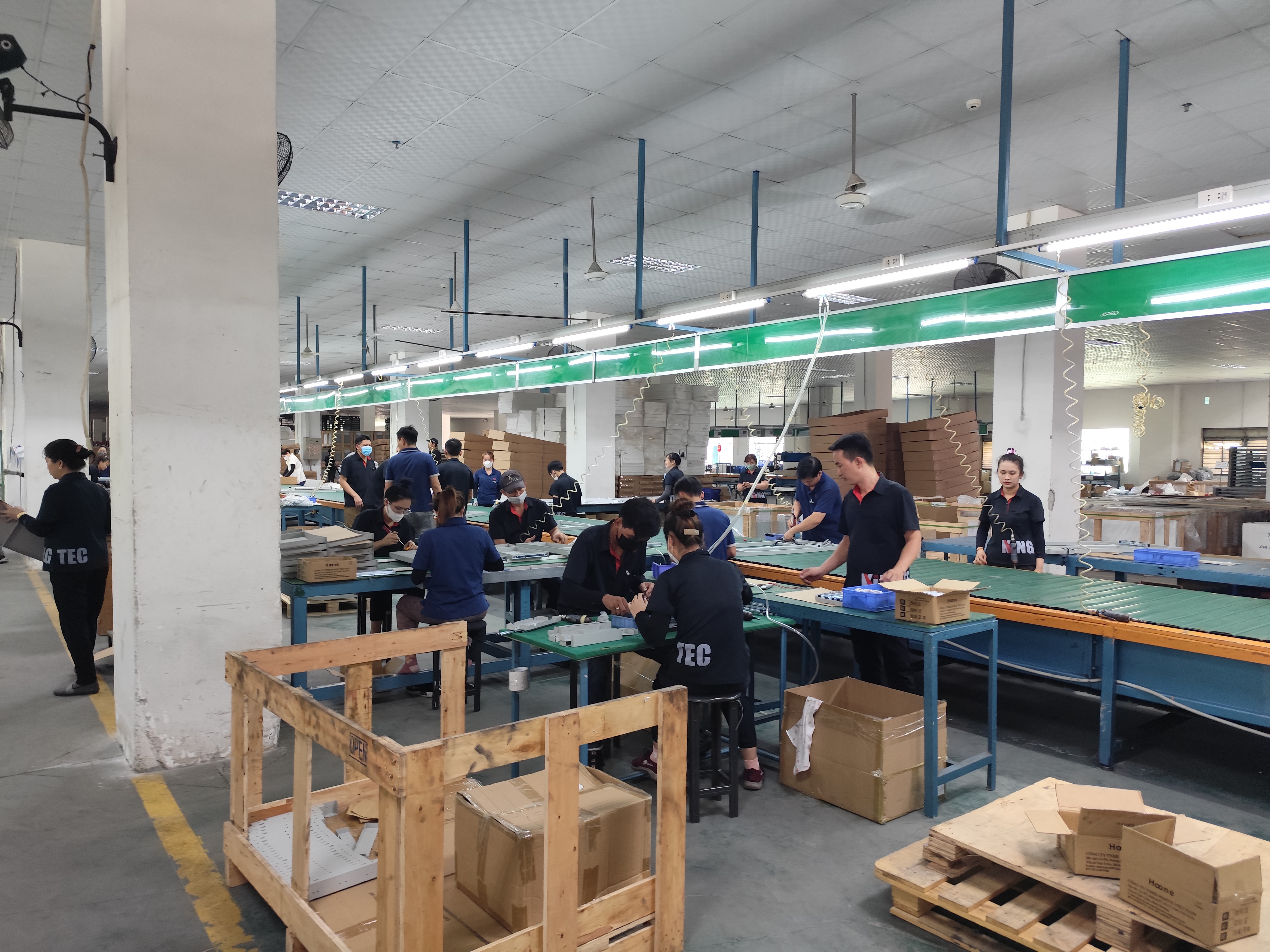

When our Vietnam office started auditing local sheet metal suppliers, one question kept surfacing from U.S. buyers: how do we know this factory truly practices sustainable production and scrap recycling 1?
To evaluate sustainable production and scrap recycling for Vietnam sheet metal fabrication, buyers should verify environmental certifications, inspect closed-loop recycling systems, audit energy-efficient equipment usage, review waste reduction strategies, and confirm ESG compliance through on-site assessments and documented performance data.
This guide breaks down the exact steps we follow when qualifying Vietnam-based fabricators for our clients environmental certifications 2. Each section addresses a specific concern purchasing managers raise during supplier selection.
How do I verify if a Vietnam sheet metal factory actually follows sustainable production practices?
A lesson we learned early in our Vietnam supplier audits: green claims on a website rarely match what happens on the factory floor. Verification demands boots on the ground and a structured checklist.
Verify sustainable production by conducting on-site audits that check energy-efficient equipment, waste segregation systems, documented scrap rates, water recycling practices, and valid ISO or environmental certifications — then cross-reference findings with production records and third-party audit reports.

Start With a Structured On-Site Audit
The most reliable way to verify green manufacturing practices is a physical visit. Our team in Vietnam uses a standardized audit form that covers five areas: equipment, materials, waste handling, energy, and documentation. We walk the production floor, talk to operators, and check if what management claims actually matches day-to-day operations.
For example, a factory may claim to use fiber laser cutting 3. But during one audit, we found the supplier still ran an older CO₂ laser on the main production line. That matters because fiber lasers use 30–40% less energy than CO₂ systems. The difference affects both the factory's carbon footprint and your ability to report accurate environmental data to stakeholders.
What to Look for During a Factory Walk-Through
Here is a checklist we use during on-site visits:
| Audit Area | What to Check | Red Flag |
|---|---|---|
| Equipment | Fiber laser cutters, energy-efficient press brakes, sleep-mode capability | Outdated CO₂ lasers, no power management |
| Scrap Handling | Segregated bins by metal type, weigh stations, scrap logs | Mixed scrap piles, no tracking records |
| Water Usage | Closed-loop water systems, recycling tanks | Open drainage, no water treatment |
| Energy Sources | Solar panels, grid energy mix documentation | No awareness of energy sourcing |
| Documentation | ISO 14001 4 certificate, internal environmental reports | Expired certificates, no internal tracking |
Cross-Reference Claims With Data
Ask for monthly scrap rate reports and energy consumption logs. A factory with genuine resource efficiency will track these numbers. If a supplier cannot produce at least six months of historical data, their sustainability program is likely immature.
We also request utility bills. A factory investing in renewable energy or energy efficiency manufacturing will show lower per-unit energy costs over time. This is a simple but powerful indicator.
Environmental regulations in Vietnam are tightening. The government now promotes Extended Producer Responsibility frameworks 5 and offers tax incentives for green projects. Factories that stay ahead of these rules tend to be more reliable long-term partners.
What specific scrap recycling processes should I look for to ensure my supplier is minimizing material waste?
During a recent project for a U.S. client ordering custom mounting brackets — similar to the heavy-duty, multi-bend components we regularly source — we discovered that one supplier was losing nearly 25% of raw sheet material as scrap. That number should have been under 15%.
Look for advanced nesting software, segregated scrap collection by alloy type, closed-loop recycling systems that feed scrap back into production, documented scrap-to-output ratios, and partnerships with certified secondary raw materials processors to ensure minimal material waste.
The Role of Nesting Software in Waste Reduction
Nesting software 6 arranges part shapes on a sheet to maximize material usage. The best factories use automated nesting algorithms that account for grain direction, bend allowances, and kerf width. This is a foundational waste reduction strategy.
When we evaluate a supplier, we ask to see their nesting layouts for a sample order. Good software will achieve material utilization rates above 85%. For complex parts — like the angular brackets with irregular cutouts and multiple mounting holes shown in our product range — nesting becomes even more critical.
Closed-Loop Recycling vs. Open Disposal
A closed-loop recycling system means scrap metal generated during fabrication is collected, sorted, and either reprocessed on-site or sold to a certified recycler who supplies secondary raw materials back to the steel or aluminum mill. This supports a circular economy 7 in Vietnam's manufacturing sector.
Here is how different scrap management approaches compare:
| Approach | Description | Material Recovery | Environmental Impact |
|---|---|---|---|
| Open Disposal | Scrap sent to general waste or unregulated buyers | Low (below 50%) | High — contributes to landfill and pollution |
| Partial Recycling | Scrap sold to local scrap dealers, no traceability | Medium (50–75%) | Moderate — some recovery but no quality control |
| Closed-Loop System | Segregated by alloy, tracked, sold to certified processors | High (above 90%) | Low — supports circular economy Vietnam goals |
Precision Cutting Techniques Matter
The cutting method directly affects how much scrap a factory generates. Fiber laser cutting produces a narrower kerf than plasma or CO₂ lasers. This means less material is vaporized during each cut. Over a production run of thousands of parts, the savings compound.
Precision cutting techniques also reduce the need for secondary finishing. When cuts are clean and accurate, there is less grinding waste and fewer rejected parts. Both factors contribute to overall metal scrap management efficiency.
We also look for factories that track scrap weight against raw material input for every job. Producing steel from scrap uses 60% less energy and reduces carbon emissions by 58% compared to virgin materials. So effective recycling does not just save material — it significantly lowers the environmental footprint of every custom part.
Life Cycle Assessment Thinking
Forward-thinking fabricators apply life cycle assessment principles 8 to their operations. This means they consider the environmental cost of raw material extraction, processing, fabrication, surface treatment, and end-of-life recycling. When a supplier can discuss their parts in these terms, it signals genuine commitment to resource efficiency — not just marketing.
How can I evaluate if a supplier's green initiatives will impact my custom part quality or lead times?
One trade-off we often discuss with buyers: will choosing a "green" supplier mean slower delivery or inconsistent part quality? This is a fair concern, and I have seen it go both ways depending on how mature the supplier's sustainability program is.
Well-implemented green initiatives — such as fiber laser cutting, lean manufacturing, and real-time monitoring — typically improve both quality and lead times. Poorly implemented programs may cause disruptions. Evaluate by reviewing defect rates, on-time delivery records, and process control documentation alongside sustainability metrics.
Why Green and Quality Are Not Opposites
A common misconception is that sustainable production sacrifices precision. In practice, the opposite is usually true. Factories that invest in energy-efficient equipment also invest in newer, more accurate machines. A fiber laser cutter does not just use less energy — it also cuts with tighter tolerances and cleaner edges than an older CO₂ system.
Lean manufacturing principles, which eliminate waste in all forms, also reduce process variation. When a factory streamlines its workflow and removes redundant steps, parts move faster through production with fewer errors. This is why we often find that factories with strong waste reduction strategies also have better on-time delivery records.
Evaluating the Impact: A Practical Framework
When our team assesses whether a supplier's green initiatives help or hinder production, we compare three categories of data:
| Metric | What It Reveals | How to Obtain |
|---|---|---|
| First Pass Yield (FPY) | Percentage of parts that pass inspection without rework | Request QC reports for past 6 months |
| On-Time Delivery Rate | Percentage of orders shipped by agreed date | Ask for shipping logs or customer scorecards |
| Scrap Rate Trend | Whether material waste is decreasing over time | Review monthly scrap tracking records |
| Energy Cost per Unit | Efficiency of production relative to output | Compare utility bills with production volume |
If a supplier's green initiatives are well-integrated, you should see improving trends across all four metrics. If you see rising scrap rates or declining on-time delivery after they implemented a new program, that signals growing pains.
Real-Time Monitoring as a Quality Tool
Some Vietnam fabricators now use digital monitoring systems that track energy consumption, machine utilization, and material usage in real time. These systems serve a dual purpose. They support sustainability reporting and they catch production anomalies early.
For example, if a press brake starts consuming abnormally high energy, it may indicate a tooling issue that could also produce out-of-tolerance bends. Catching that early prevents a batch of defective custom brackets from reaching final inspection. Digital twin technology takes this further by simulating production runs before they happen, predicting where scrap or defects might occur.
Our experience managing PPAP and process control for U.S. clients has shown that suppliers who embrace these digital tools deliver more consistent results. The green initiative is not the risk — the risk is choosing a supplier who adopts sustainability superficially without integrating it into their quality system.
Which environmental certifications should I require from my Vietnam fabrication partner to meet my company's ESG goals?
A buyer from a mid-sized U.S. distributor recently asked our team to help identify which certifications actually matter versus which ones are just "nice to have." The answer depends on your industry, your customers' requirements, and how deeply your company reports on ESG compliance.
At minimum, require ISO 14001 for environmental management and ISO 9001 for quality. For stronger ESG alignment, look for ISO 45001 (occupational health and safety), LEED-certified facilities, RoHS/REACH compliance, and documented alignment with the EU Carbon Border Adjustment Mechanism (CBAM) where applicable.
Matching Certifications to Your ESG Reporting Needs
Not every certification carries the same weight for every buyer. A company that sells to the European market faces different regulatory pressure than one focused solely on the U.S. domestic market. Here is a breakdown of the most relevant certifications and what they cover:
| Certification | Focus Area | Why It Matters for ESG |
|---|---|---|
| ISO 14001 | Environmental management systems | Demonstrates systematic approach to reducing environmental impact |
| ISO 9001 | Quality management systems | Ensures consistent product quality, reducing waste from defects |
| ISO 45001 | Occupational health and safety | Covers the "Social" pillar of ESG |
| RoHS / REACH | Hazardous substance restriction | Required for products entering EU markets |
| LEED (Facility) | Green building standards | Shows investment in energy-efficient operations |
| CBAM Alignment | Carbon border adjustment | Becoming critical for EU-bound metal products |
Beyond Certificates: Documented ESG Practices
Certifications are a starting point, but they do not tell the whole story. We recommend asking suppliers for their written sustainability policy, annual environmental performance reports, and employee training records related to green manufacturing practices.
Vietnam's government actively promotes sustainable manufacturing through national strategies, tax incentives, and preferential loans for green projects. Factories that participate in these programs tend to have more robust environmental management systems. Ask if the supplier has received any government incentives or recognition for environmental performance — this is a strong credibility signal.
The Growing Importance of Supply Chain Traceability
Some forward-thinking fabricators are beginning to explore blockchain technology for tracing recycled content through their supply chain. While this is still emerging in Vietnam's sheet metal sector, it is worth asking about. Buyers who need to verify sustainability claims for their own ESG reports will increasingly require this level of transparency.
Workforce training is another often-overlooked factor. A factory that invests in upskilling workers on green technologies, precision cutting techniques, and data analytics for sustainability metrics is more likely to sustain its environmental performance over time. Ask about training programs and frequency during your supplier qualification process.
Our role at DEWIN is to bridge the gap between what U.S. buyers need for ESG compliance and what Vietnam suppliers can realistically deliver. We help translate certification requirements into actionable audit criteria, then verify compliance through our local team. This ensures your supply chain supports your sustainability commitments without compromising on quality or delivery.
Conclusion
Evaluating sustainable production and scrap recycling in Vietnam sheet metal fabrication requires on-site verification, data-driven analysis, and clear certification standards — not just supplier promises. Partner with a team that audits these practices firsthand.
Frequently Asked Questions
How do I verify if a Vietnam sheet metal factory actually follows sustainable production practices?
A lesson we learned early in our Vietnam supplier audits: green claims on a website rarely match what happens on the factory floor. Verification demands boots on the ground and a structured checklist.
What specific scrap recycling processes should I look for to ensure my supplier is minimizing material waste?
During a recent project for a U.S. client ordering custom mounting brackets — similar to the heavy-duty, multi-bend components we regularly source — we discovered that one supplier was losing nearly 25% of raw sheet material as scrap. That number should have been under 15%.
How can I evaluate if a supplier's green initiatives will impact my custom part quality or lead times?
One trade-off we often discuss with buyers: will choosing a "green" supplier mean slower delivery or inconsistent part quality? This is a fair concern, and I have seen it go both ways depending on how mature the supplier's sustainability program is.
Footnotes
1. This URL directly addresses ‘scrap sustainability’ and its role in a circular economy, aligning perfectly with the anchor text and context. The original URL was a 404, but this is a new, working page on the same domain. ↩︎
2. Lists and describes key environmental certifications relevant to manufacturing sustainability. ↩︎
3. Provides a technical overview of fiber laser cutting technology and its advantages. ↩︎
4. Official source for the international standard on environmental management systems. ↩︎
5. Explains the concept and framework of Extended Producer Responsibility from a government perspective. ↩︎
6. Defines nesting software and explains its role in minimizing material waste in manufacturing. ↩︎
7. Provides a comprehensive definition and explanation of the circular economy concept. ↩︎
8. This is an authoritative .edu source that discusses Life Cycle Assessment (LCA) methodology and principles, providing a suitable replacement that is not a PDF. ↩︎