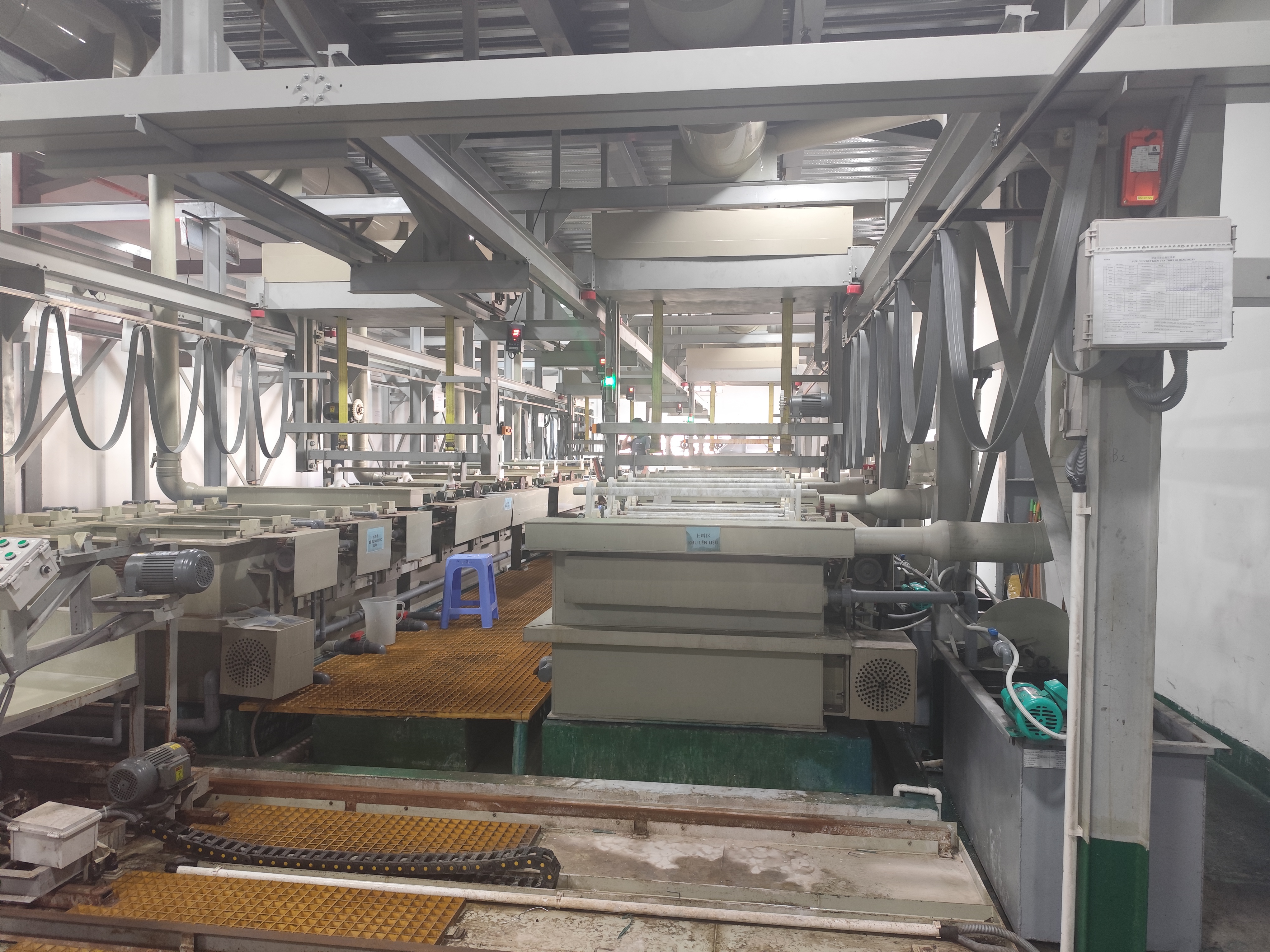

When our Vietnam office started vetting industrial parks for a U.S. client’s sheet metal bracket project, the gap between marketing brochures and ground-level reality hit hard.
To evaluate Vietnam industrial park infrastructure for sheet metal fabrication sourcing, verify power grid reliability above 99%, confirm deep-water port access within 60 km, assess specialized coating and finishing ecosystem availability, and benchmark quality control labs against ISO 9001 and IEC standards before committing to any facility.
Vietnam’s metal fabrication equipment market is valued at $900 million, and its total cost of ownership runs 42% lower than China and 17% lower than Thailand deep-water port access 1. But cost savings mean nothing if the infrastructure cannot support precision CNC work, timely delivery, and strict quality standards. This guide walks you through the exact criteria our team uses during supplier due diligence in Vietnam, drawn from years of coordinating custom parts production across Southeast Asia.
How can I evaluate if a Vietnam industrial park's power grid is stable enough for my CNC sheet metal fabrication?
A buyer we work with in Ohio once lost an entire batch of laser-cut mounting brackets because a voltage sag mid-cycle warped tolerances beyond spec — that experience reshaped how we audit power infrastructure.
Evaluate a Vietnam industrial park's power stability by confirming 99%+ grid uptime records, verifying dual-feed transformer stations, checking on-site UPS and generator backup capacity, and requesting documented power quality reports showing voltage fluctuation stays within ±5% during peak demand hours.
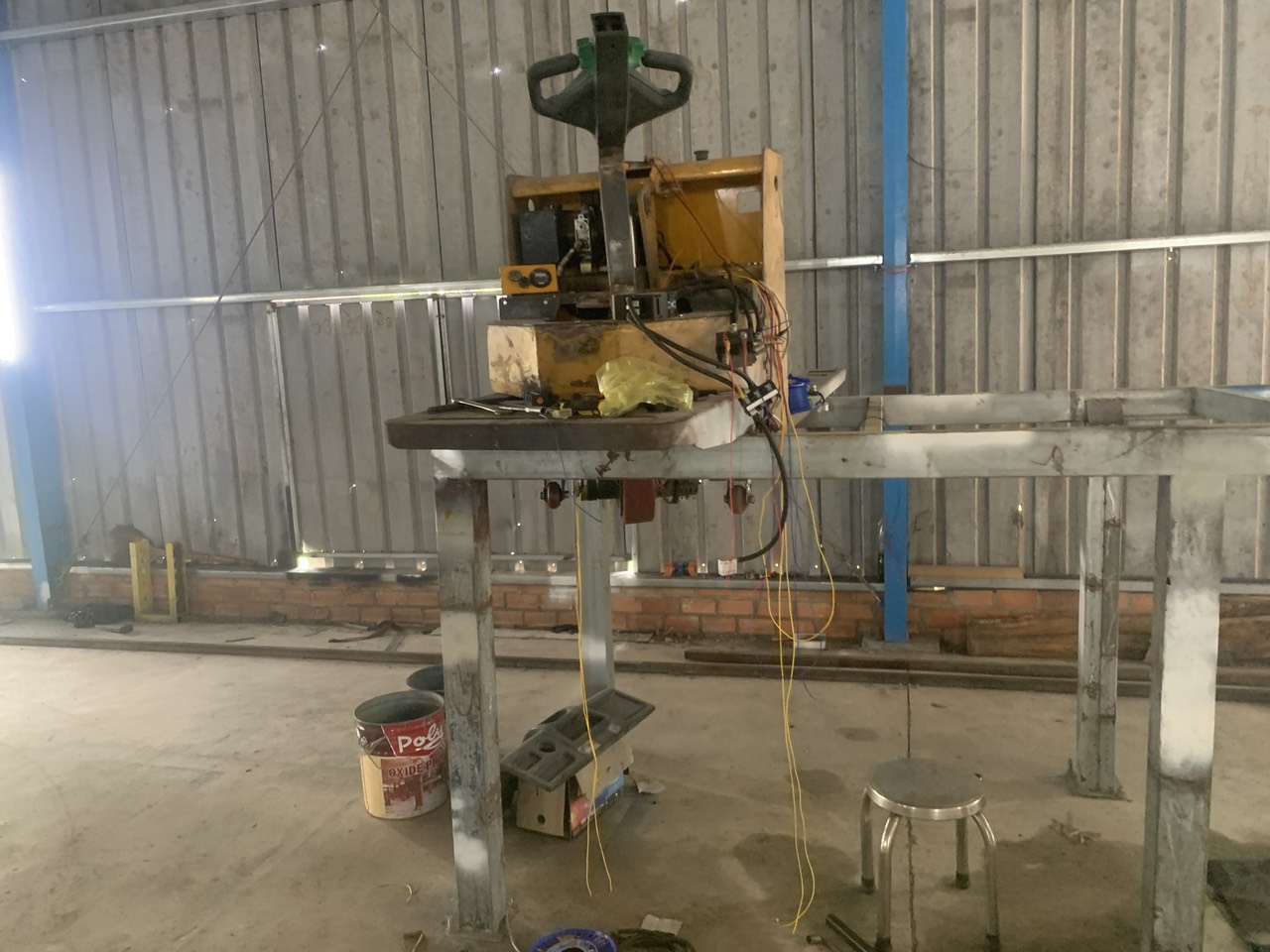
Why Power Matters More for Sheet Metal Than Other Industries
CNC laser cutters 2, press brakes, and fiber laser welders draw heavy, sustained loads. A TRUMPF laser cutter can pull 30–50 kW continuously. A voltage dip of even 8% can cause a servo error on a Bystronic fiber laser, ruining a part mid-cut. For precision sheet metal fabrication 3 capabilities, uninterrupted and clean power is non-negotiable.
Vietnam's government has invested heavily in industrial park utilities. Between 2021 and 2025, $120 billion in infrastructure spending is planned, a significant portion targeting power distribution. But not all industrial zones are equal.
What to Check On-Site
When our team visits a prospective facility, we run through a specific checklist:
- Transformer configuration. Does the park have a dedicated high-voltage feed (110 kV or 22 kV) with redundant lines? A single-feed park is a red flag.
- Backup generators. We look for diesel generators sized to cover at least 70% of the factory's peak load. Some ready-built factory units include this; many do not.
- Power quality logs. Ask the park management for 12 months of voltage and frequency logs. If they cannot provide them, that tells you something.
- UPS for CNC controllers. The factory itself should have UPS units protecting CNC controllers and PLC systems. A power blip that resets a controller can scrap hours of work.
Power Reliability Benchmarks by Zone Type
| Benchmark | Tier 1 Industrial Zone (e.g., Binh Duong, VSIP) | Tier 2 Industrial Zone (e.g., smaller provincial parks) | Minimum Acceptable for CNC Sheet Metal |
|---|---|---|---|
| Grid uptime | 99.5%+ | 97–99% | 99%+ |
| Voltage fluctuation | ±3% | ±5–8% | ±5% or better |
| Backup generator | On-site, auto-transfer | Often tenant-provided | Must be on-site |
| Dual power feed | Yes | Rare | Strongly recommended |
| UPS for CNC | Tenant responsibility | Tenant responsibility | Required |
Tier 1 zones like those in Binh Duong and Dong Nai generally meet these benchmarks. Parks in more remote provinces may offer lower land costs but carry real risk for power-sensitive operations. Manufacturing cost efficiency only holds if you are not scrapping parts due to power issues.
A Practical Tip
During our audits, we run a simple test: we ask the factory to operate its heaviest machines simultaneously while we monitor voltage at the panel with a portable power analyzer. If the voltage sags beyond 5%, we flag the site. This ten-minute test has saved our clients thousands in rejected parts.
What logistics and port access features should I prioritize to ensure my custom parts arrive in the US on time?
The trade-off I weigh most often with clients is this: a factory 20 km from a deep-water port at slightly higher rent versus a factory 150 km inland at half the cost — and the inland option almost always loses when you factor in transit risk, drayage cost, and delivery windows.
Prioritize industrial parks within 60 km of deep-water ports like Hai Phong or HCMC's Cat Lai, with direct expressway access, on-site container yards, proximity to bonded warehouses, and reliable freight forwarder networks offering weekly sailings to major U.S. West Coast and East Coast ports.
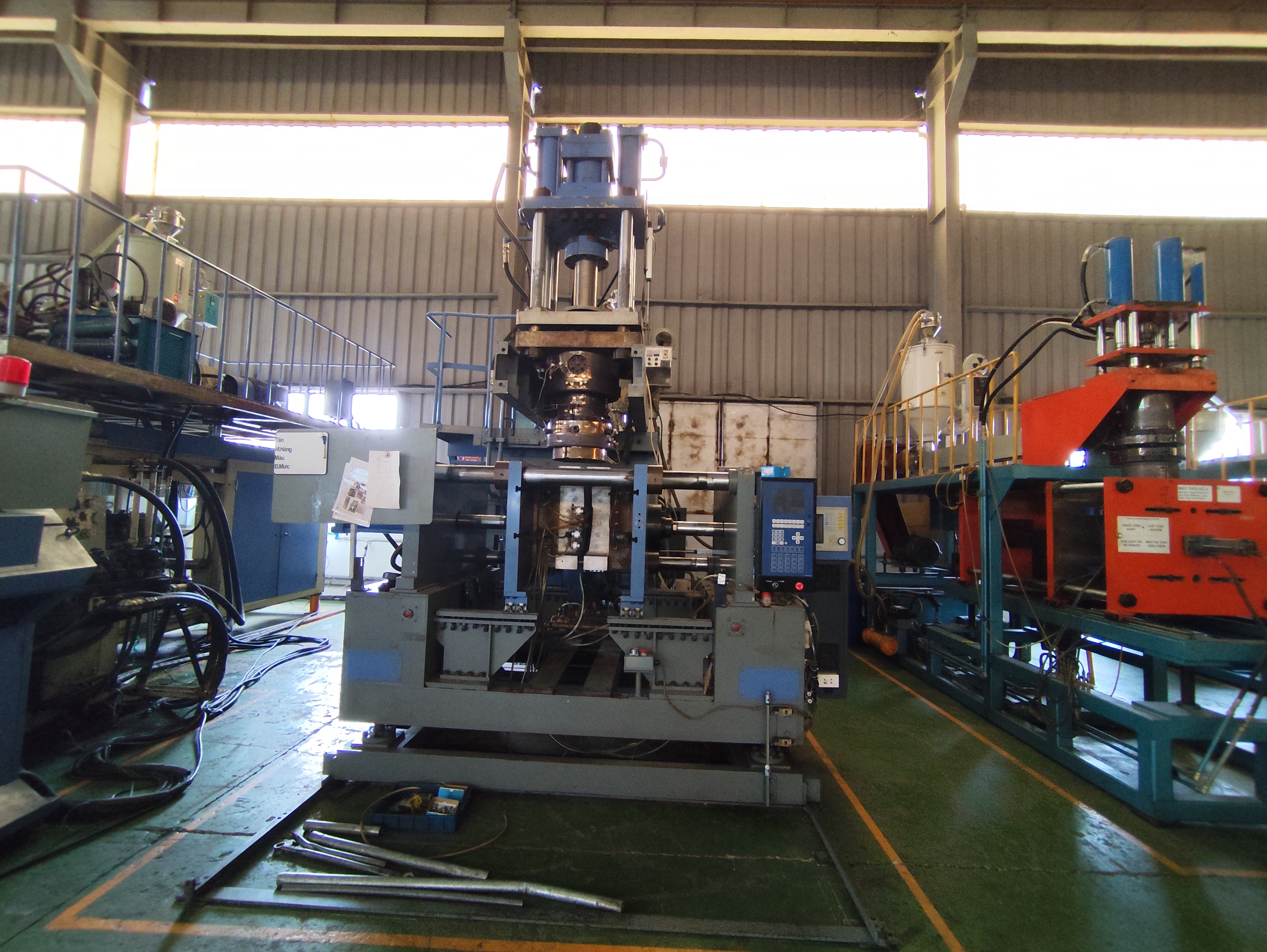
Port Capacity and Shipping Routes
Vietnam's logistics infrastructure has matured rapidly. Hai Phong's Lach Huyen deep-water terminal handles vessels up to 14,000 TEU. Ho Chi Minh City's Cat Lai terminal processes millions of TEUs annually. Da Nang serves the central region. For U.S.-bound shipments, the key metric is transit time and sailing frequency.
| Port | Region Served | Approx. Transit to U.S. West Coast | Approx. Transit to U.S. East Coast | Weekly Sailings to U.S. |
|---|---|---|---|---|
| Cat Lai / Cai Mep (HCMC) | Southern Vietnam | 18–22 days | 28–35 days | 10+ |
| Hai Phong (Lach Huyen) | Northern Vietnam | 20–25 days | 30–38 days | 6–8 |
| Da Nang | Central Vietnam | 22–28 days | 32–40 days | 2–4 |
For sheet metal parts — especially heavy mounting brackets, enclosures, and custom components — container weight limits matter. A 20-foot container of steel parts can max out on weight well before volume. Parks near ports minimize drayage cost and the risk of road damage to finished parts.
Inland Connectivity
Expressway access is the second priority. Vietnam's North-South Expressway and the HCMC–Long Thanh–Dau Giay Expressway have cut drive times significantly. Our team tracks actual truck transit times, not map distances, because congestion around industrial zones during morning shifts can add hours.
What We Look for in a Logistics Ecosystem
- Container yards within the park. This lets the factory stuff containers on-site, reducing handling and damage risk for powder-coated or finished parts.
- Bonded warehouse access. For clients importing raw steel or aluminum into Vietnam for fabrication, a nearby bonded facility streamlines customs.
- Freight forwarder presence. We partner with forwarders who have offices in the same province as the factory. Local presence means faster document turnaround and better container booking priority.
- Trade agreement leverage. Vietnam's CPTPP, RCEP, and EVFTA agreements 5 provide preferential tariff access. But the certificates of origin must be processed correctly, which requires proximity to customs offices and experienced brokers.
Supply chain resilience depends heavily on these logistics details. A factory with great machines but poor port access will miss delivery windows — and for our U.S. clients, a late shipment is often worse than a slightly higher unit cost.
Inland Distance and Drayage Cost Impact
| Distance to Port | Typical Drayage Cost (20-ft container) | Transit Time Risk | Recommended? |
|---|---|---|---|
| Under 30 km | $80–$150 | Low | Yes |
| 30–60 km | $150–$300 | Moderate | Acceptable |
| 60–120 km | $300–$500 | High | Only with dedicated logistics partner |
| Over 120 km | $500+ | Very high | Not recommended for time-sensitive orders |
How do I determine if the surrounding ecosystem in a Vietnam zone supports the specialized coating and finishing my project requires?
A lesson we learned early in our Vietnam operations: you can find a factory with a beautiful TRUMPF laser and skilled welders, but if the nearest powder-coating line is 200 km away, your project timeline and cost model collapse.
Determine ecosystem support by mapping specialized service providers — powder coaters, anodizers, platers, and heat treaters — within a 30 km radius of your target industrial park, verifying their certifications, inspecting their capacity and queue times, and confirming that raw material availability for coatings meets your spec requirements.
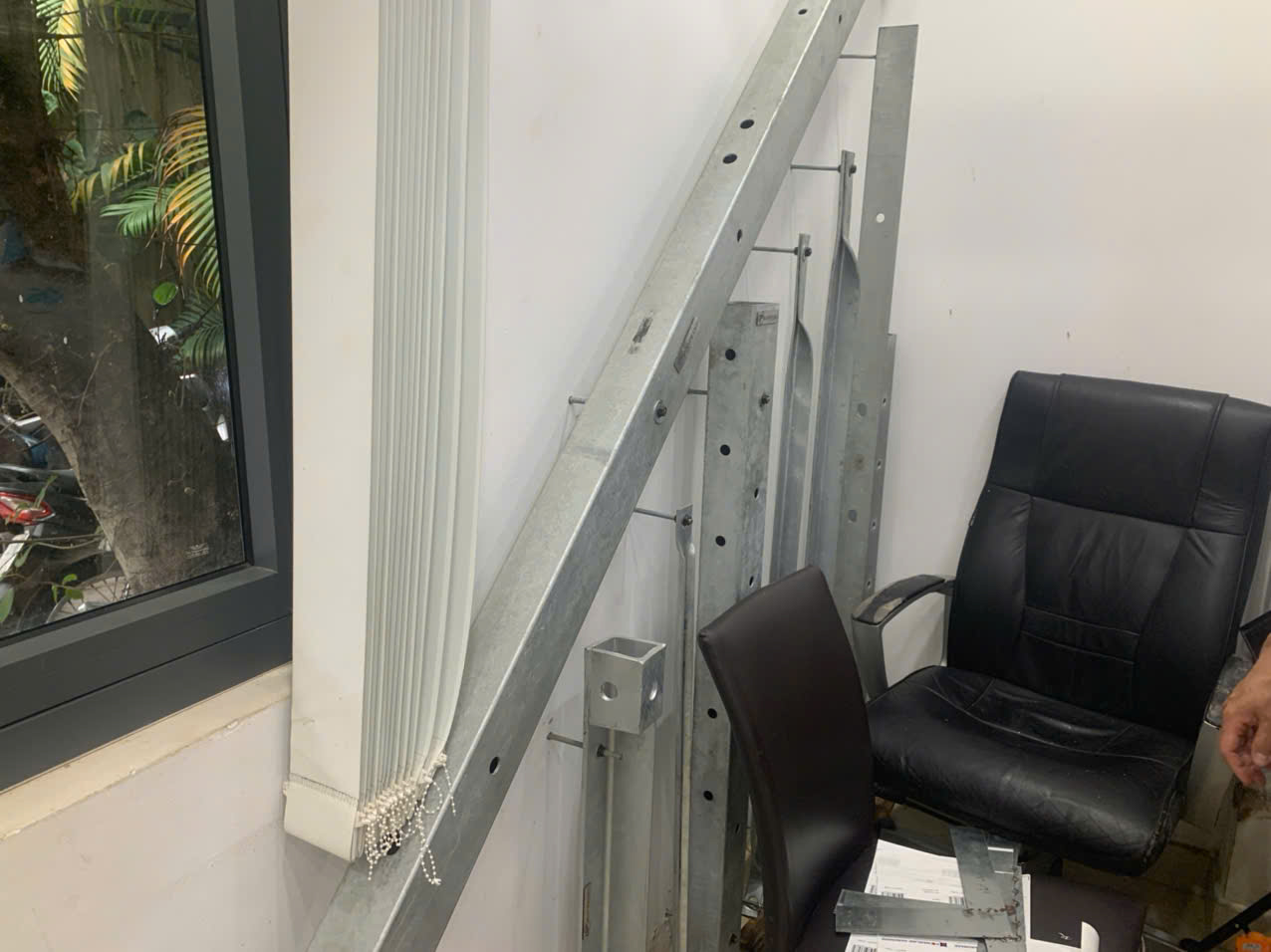
The Ecosystem Problem
Sheet metal fabrication is rarely a single-factory operation. A typical custom bracket project might require laser cutting, CNC bending, welding, deburring, and then powder coating or zinc plating. Many factories handle the first four steps in-house. But finishing — especially specialized finishes like chromate conversion, e-coating, or mil-spec anodizing — often requires subcontractors.
The industrial zone development in areas like Binh Duong and Dong Nai has created dense clusters of metalworking services. Long Binh Loteco Industrial Park, for example, hosts advanced sheet metal operations alongside coating and finishing providers. This clustering is intentional and it matters.
How We Map the Ecosystem
When we evaluate a zone for a new project, our Vietnam office physically visits every potential subcontractor within a 30 km radius. We check:
- Process capability. Can they handle the specific finish? Powder coating is widely available. MIL-DTL-5541 chromate conversion is not. Know what your project actually requires.
- Capacity and lead time. A coating shop that is booked three weeks out will delay your entire project. We ask for their current backlog and average turnaround.
- Environmental compliance standards. Plating and anodizing generate hazardous waste. A shop without proper wastewater treatment will eventually get shut down — taking your supply chain with it. We verify environmental permits.
- Quality systems. Does the finishing shop have its own QC process? Can they provide test reports — salt spray hours, adhesion pull-off, coating thickness measurements?
Binh Duong vs. Other Regions
Binh Duong province 6 has the densest ecosystem for sheet metal finishing in Vietnam. Its industrial zones host automated powder-coating lines, zinc plating facilities, and even specialized heat treatment shops. Factories there use equipment from leading brands — TRUMPF lasers, Swiss Bystronic fiber lasers — and the surrounding supply chain has grown up to serve them.
In contrast, zones in more northern or central regions may lack these subcontractors entirely. This does not make them bad choices for all manufacturing — but for multi-step sheet metal projects with finishing requirements, the ecosystem gap is a real constraint.
Raw material availability also plays into this. Steel and aluminum coil suppliers cluster near the same southern hubs. Having a metal service center within the zone that can provide pre-slit or pre-processed material reduces your lead time by days. The projected demand for customized metal products reaching 1.5 million tons is driving more service centers to open near major industrial zones.
Vietnam's renewable energy push — targeting 20% renewable capacity — is also creating over $1 billion in additional metal fabrication demand for solar and wind projects. This growth is pulling more finishing and coating providers into the market, which benefits all buyers.
What specific infrastructure benchmarks should I use to verify that a Vietnam facility can maintain my strict quality control processes?
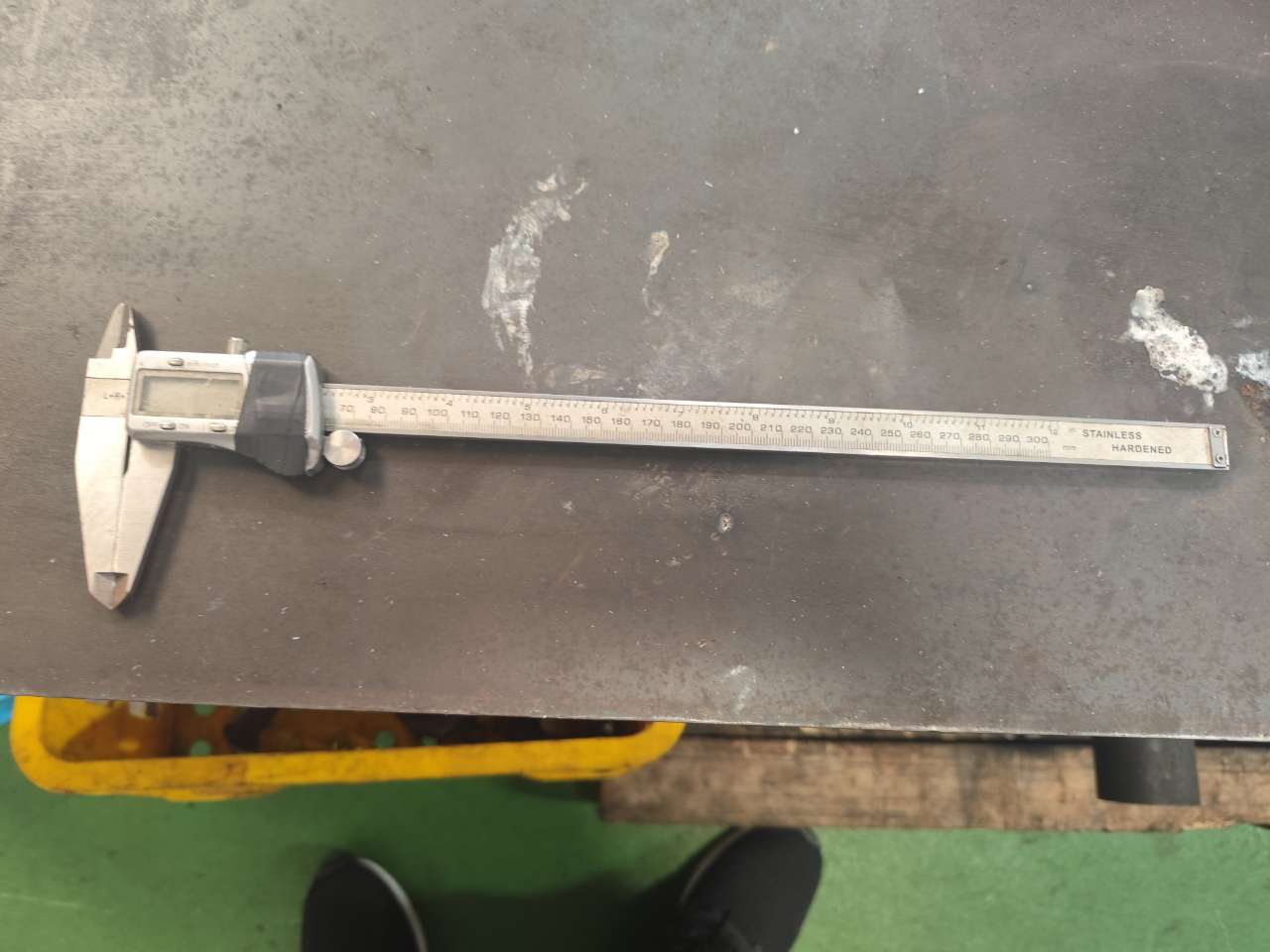
During a recent PPAP review for a U.S. client's electrical enclosure project, we discovered that the prospective factory had no CMM (coordinate measuring machine 7) and was relying on handheld calipers for critical dimensions — that single finding changed the entire supplier selection.
Verify quality control infrastructure by benchmarking against ISO 9001 certification status, on-site inspection equipment (CMM, optical comparators, coating thickness gauges), availability of third-party labs like SGS or TÜV Rheinland within the zone, documented QC procedures at each process stage, and factory acceptance testing capability.
Why Infrastructure Determines QC Capability
Quality control is not just about having a policy document. It requires physical tools, trained people, calibrated instruments, and access to third-party verification. For custom sheet metal parts — especially the kinds of precision-engineered mounting brackets and housing bases that our clients source — tolerances of ±0.1 mm on bends and ±0.05 mm on holes are common. You cannot verify those with a tape measure.
The Benchmarks We Use
Here is the framework our team applies during facility audits. We score each item and any facility that falls below our threshold does not move forward.
| QC Infrastructure Element | What to Verify | Minimum Benchmark |
|---|---|---|
| ISO 9001 certification 8 | Valid certificate, audit history | Current, issued by accredited body |
| CMM (Coordinate Measuring Machine) | On-site, calibrated within 12 months | Required for tolerances below ±0.15 mm |
| Optical comparator or vision system | Available for profile verification | Required for complex cutout geometries |
| Coating thickness gauge | Calibrated, appropriate type (magnetic/eddy current) | Required if parts receive any coating |
| Surface roughness tester | Available if Ra specification exists | Required for mating surfaces |
| Incoming material inspection | Mill certs checked, material thickness verified | Documented procedure with records |
| In-process inspection | Checkpoints at each major operation (cut, bend, weld) | Written control plan with sampling rates |
| Final inspection | Full dimensional check against drawing | 100% on critical dimensions |
| Third-party lab access | SGS, Bureau Veritas, or TÜV Rheinland 9 within region | Must be available within 50 km |
| Factory Acceptance Testing (FAT) | Documented FAT procedure for assemblies | Required for functional assemblies |
Layered QC Systems
The best Vietnam facilities we work with use layered quality systems. This means separate inspection checkpoints for each process stage: after laser cutting, after bending, after welding, and after finishing. At each checkpoint, a dedicated QC inspector uses calibrated tools to verify dimensions against the control plan.
For electrical control panels and enclosures, factories adhering to IEC standards implement even more rigorous protocols — including wiring checks, busbar fabrication verification, and full factory acceptance testing. Decree No. 57/2021/ND-CP in Vietnam mandates advanced equipment adoption in hi-tech parks and sets a minimum investment threshold of $15 million for priority projects, which correlates with better-equipped facilities.
The Role of Third-Party Labs
Local access to SGS Vietnam, Bureau Veritas, and TÜV Rheinland means your parts can be independently tested without shipping samples overseas. These labs provide ISO 9001 compliance auditing, material certification, salt spray testing, and dimensional verification. Having them within the industrial zone or nearby city cuts turnaround from weeks to days.
Digital Infrastructure for Quality
Modern quality control also depends on digital infrastructure. High-speed fiber optic networks in Vietnam's industrial zones support real-time data collection from CNC machines, SPC (statistical process control) software, and cloud-based quality management systems. Statistical Process Control software 10 Some Tier 1 zones are deploying IoT capabilities and preparing for 5G connectivity, enabling remote monitoring of production quality metrics — a feature our clients increasingly request.
Foreign direct investment in Vietnam has accelerated the adoption of these technologies. As more international OEMs establish operations, the surrounding supply base upgrades its quality infrastructure to meet global standards. This rising tide benefits sourcing companies and their U.S. clients.
Conclusion
Evaluating Vietnam industrial park infrastructure for sheet metal fabrication sourcing requires hands-on verification of power, logistics, finishing ecosystems, and quality systems — not just cost comparisons against alternatives like China. Our team at DEWIN helps U.S. buyers navigate this complexity with local expertise on the ground.
Frequently Asked Questions
How can I evaluate if a Vietnam industrial park's power grid is stable enough for my CNC sheet metal fabrication?
A buyer we work with in Ohio once lost an entire batch of laser-cut mounting brackets because a voltage sag mid-cycle warped tolerances beyond spec — that experience reshaped how we audit power infrastructure.
What logistics and port access features should I prioritize to ensure my custom parts arrive in the US on time?
The trade-off I weigh most often with clients is this: a factory 20 km from a deep-water port at slightly higher rent versus a factory 150 km inland at half the cost — and the inland option almost always loses when you factor in transit risk, drayage cost, and delivery windows.
How do I determine if the surrounding ecosystem in a Vietnam zone supports the specialized coating and finishing my project requires?
A lesson we learned early in our Vietnam operations: you can find a factory with a beautiful TRUMPF laser and skilled welders, but if the nearest powder-coating line is 200 km away, your project timeline and cost model collapse.
Footnotes
1. Defines deep-water ports and their importance in logistics and trade. ↩︎
2. Explains how CNC laser cutters work and their applications in manufacturing. ↩︎
3. Provides an overview of the sheet metal fabrication industry and its processes. ↩︎
4. Discusses the critical importance of a stable and reliable power grid for industrial operations. ↩︎
5. Provides an overview of Vietnam’s key free trade agreements and their impact. ↩︎
6. Highlights Binh Duong’s status as a major industrial and manufacturing hub in Vietnam. ↩︎
7. Comprehensive article explaining Coordinate Measuring Machines (CMMs) and their role in quality assurance. ↩︎
8. Explains the purpose and process of ISO 9001 certification. ↩︎
9. Introduces major third-party testing, inspection, and certification (TIC) companies. ↩︎
10. Describes how Statistical Process Control software is used to monitor and improve manufacturing quality. ↩︎