When our Vietnam office started fielding requests for large-scale steel fabrication Vietnam projects, we quickly learned that not every supplier could deliver what their brochure promised — and the cost of choosing wrong was enormous.
To evaluate Vietnam sheet metal suppliers for large infrastructure projects, verify their production capacity, industry certifications such as ISO 9001 and ISO 3834, quality control measures, financial stability, and logistics capabilities through on-site audits, third-party inspections, and documented track records on comparable projects.
This guide breaks down the exact steps our team uses when vetting sheet metal partners in Vietnam open account payment terms 1. Whether you are a purchasing manager or an engineering firm, these practical frameworks will help you source with confidence and avoid costly mistakes.
How do I verify if a Vietnam sheet metal supplier has the technical capacity to handle my large-scale infrastructure requirements?
A few years ago, one of our U.S. clients sent us drawings for heavy-duty mounting brackets — complex angular forms with multiple precise folds, pre-drilled mounting holes, and weld joints that had to pass strict structural load tests. The first supplier we visited had impressive marketing materials but only two aging press brakes on the floor.
Verify technical capacity by auditing the supplier's equipment list (CNC laser cutters, press brakes, welding stations), reviewing their maximum batch size, inspecting past projects of similar complexity, and confirming they hold relevant certifications like ISO 9001, ISO 3834, and ASTM compliance.
Start with an Equipment and Technology Audit
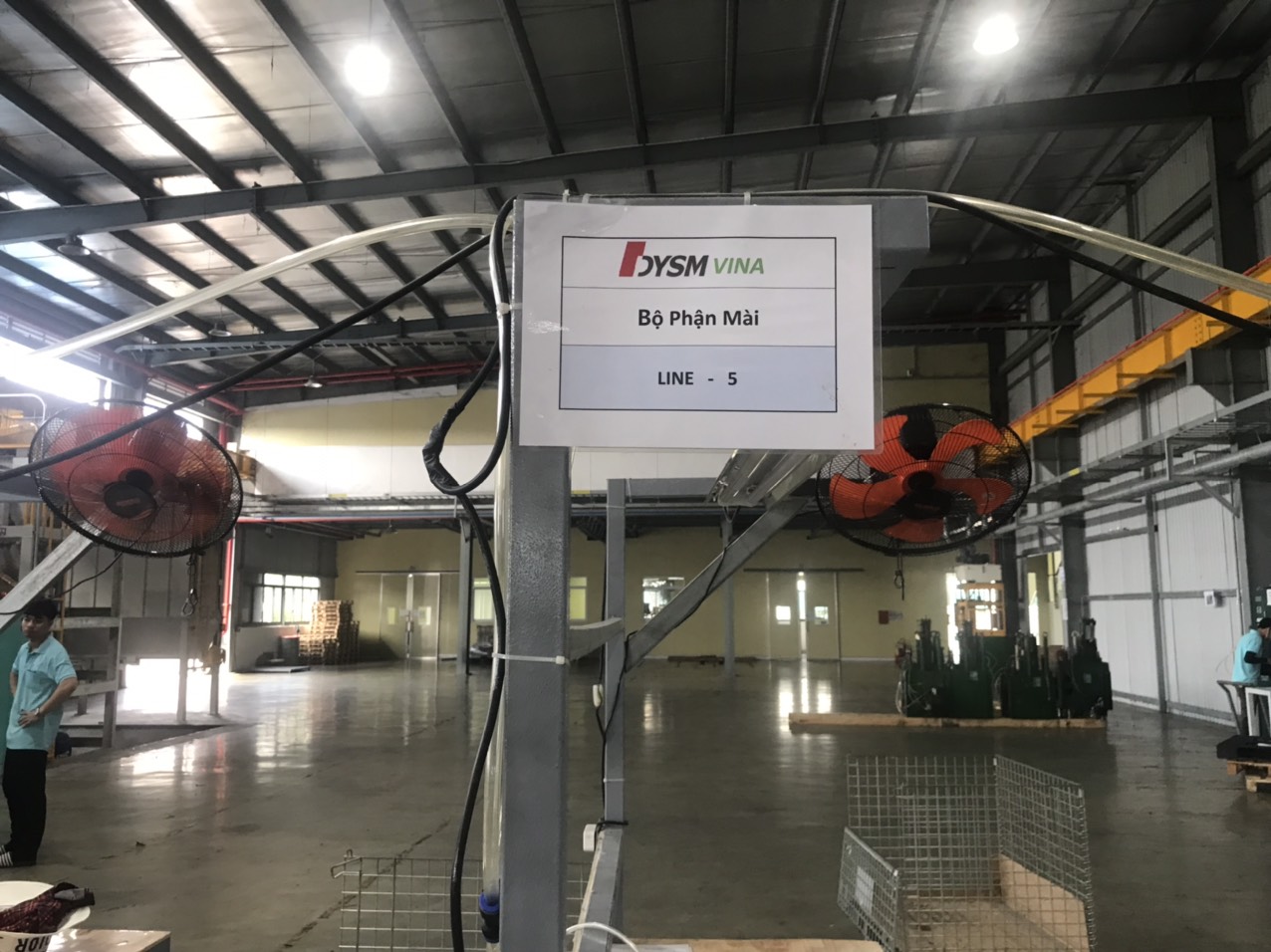
The backbone of any sheet metal supplier's capability is their machinery. For large infrastructure projects — think bridge supports, water pipeline fittings, structural brackets, and electrical enclosures — you need fabricators running modern CNC equipment. Look for brands like TRUMPF, Bystronic, or Amada for laser cutting, and confirm the presence of automated press brakes, robotic welding cells, and powder coating lines.
When our engineers walk a factory floor, we check not just the brand of the machine but also the maintenance logs. A five-year-old TRUMPF laser cutter running without regular calibration is a liability, not an asset.
Evaluate Production Capacity and Scalability
Infrastructure projects rarely involve small quantities. You need a partner who can ramp up without sacrificing quality. Ask for the supplier's monthly throughput in tons or units. Ask what their current utilization rate is. A factory running at 95% capacity may not have room for your order.
| Capacity Indicator | What to Ask | Red Flag |
|---|---|---|
| Monthly steel throughput | Tons processed per month | Less than 500 tons for large projects |
| Machine utilization rate | Current % of max capacity | Above 90% with no expansion plan |
| Shift structure | Single, double, or triple shift | Single shift only for urgent orders |
| Workforce size | Total operators and welders | Fewer than 50 for complex fabrication |
| Lead time for samples | Days to deliver first article | More than 30 days for standard parts |
Check Industry Certifications and Standards Compliance
For infrastructure applications, material specifications and process certifications are non-negotiable. The supplier must hold ISO 9001 2 for quality management. If welding is involved — and it almost always is for structural sheet metal — ISO 3834 3 is critical. For projects destined for the U.S. or Europe, ASTM material standards or EN equivalents must be traceable through Mill Test Reports 4.
Vietnam's sheet metal processing market has grown rapidly, driven by public infrastructure spending on water mains, bridges, railways, and industrial zones. Major players like Hoa Phat Group operate integrated steel mills, giving them cost stability. Meanwhile, agile fabricators offer faster turnaround and more flexibility for custom parts. The key is matching the supplier type to your project type.
Assess Industry 4.0 Readiness
Leading Vietnamese fabricators are adopting IoT-enabled machinery, real-time production dashboards, and digital quality tracking. This matters because it gives you visibility into your order's progress. When we manage contract manufacturing projects, we require suppliers to share real-time production data. Suppliers who resist this transparency often have something to hide.
Vietnam faces skilled labor shortages in advanced CNC operation and robotic welding. During your audit, ask about operator training programs and staff turnover rates. A supplier investing in workforce development is a supplier planning for the long term.
What quality control steps should I require to ensure my custom sheet metal parts meet my project drawings?
The most expensive lesson in sourcing is receiving a container of parts that do not match your drawings. I recall a project where the supplier missed a critical dimensional tolerance on a batch of mounting brackets — the kind with multiple angular folds, cutouts, and pre-drilled holes. Every single piece had to be scrapped. The root cause was simple: no one checked the first article before mass production began.
Require a structured quality control plan that includes incoming material inspection with Mill Test Reports, first article inspection (FAI) per AS9102 or equivalent, in-process dimensional checks at each fabrication stage, and final inspection with third-party verification from firms like SGS or Bureau Veritas.
Build a Quality Plan Before Production Starts
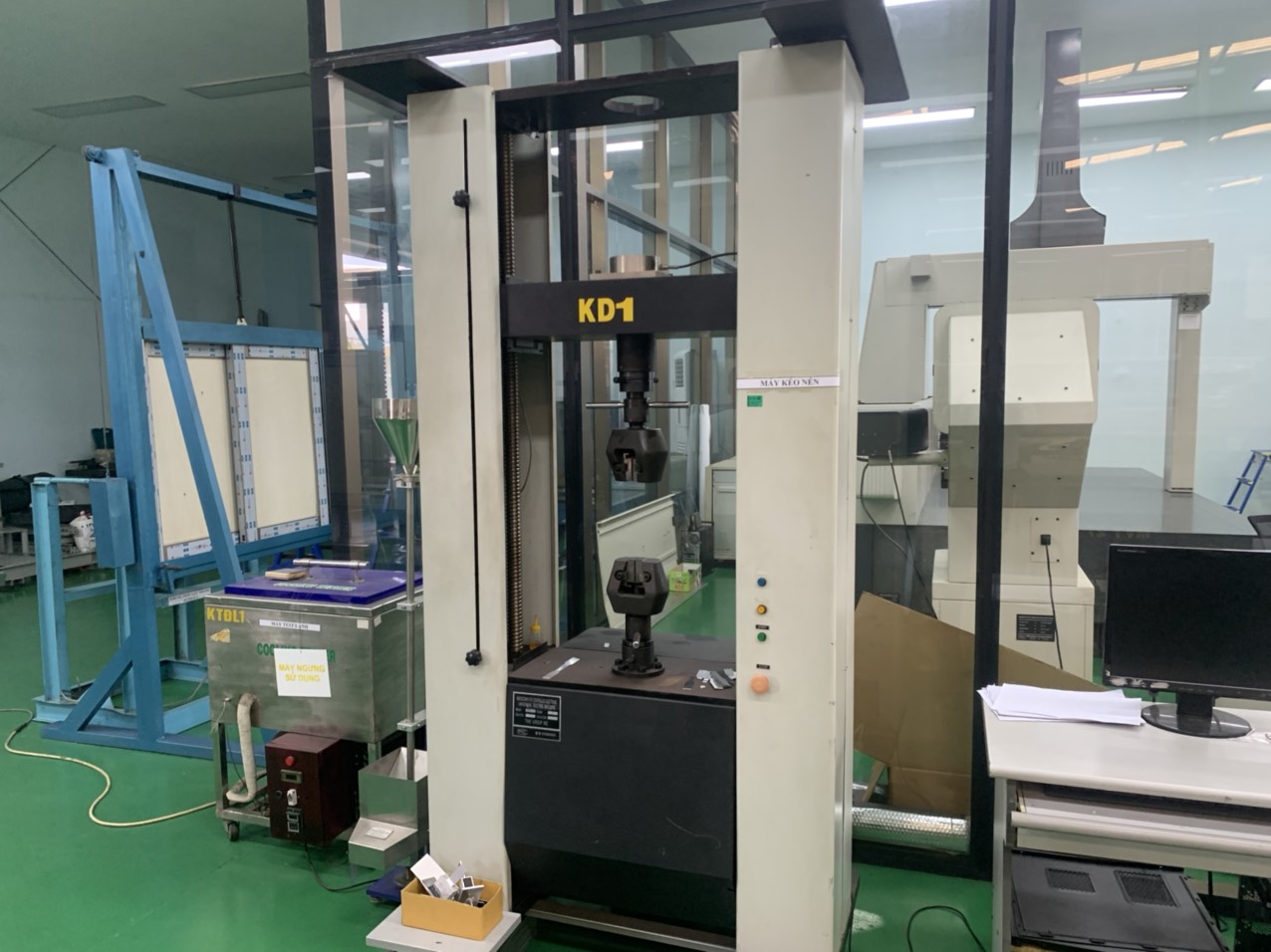
A quality plan is not optional for infrastructure-grade sheet metal. It should map every inspection point from raw material receipt to final packing. Our team creates a detailed quality plan for every project, specifying which dimensions are critical, what instruments to use, and what the acceptance criteria are. This document becomes the contract between us and the factory.
The Four-Gate Inspection Process
We use a four-gate approach that has proven effective across dozens of custom projects:
| Gate | Stage | What Is Checked | Who Checks |
|---|---|---|---|
| Gate 1 | Incoming Material | Steel grade, thickness, surface condition, Mill Test Report | Supplier QC + our team |
| Gate 2 | First Article Inspection 5 | All critical dimensions per drawing, weld quality, hole positions | Supplier QC + our engineer |
| Gate 3 | In-Process Inspection | Dimensional sampling every 50–100 pieces, bend angles, weld penetration | Supplier QC |
| Gate 4 | Final Inspection | 100% visual, AQL sampling for dimensions, coating adhesion, packing | Third-party inspector (SGS, Bureau Veritas) |
Why First Article Inspection Is Non-Negotiable
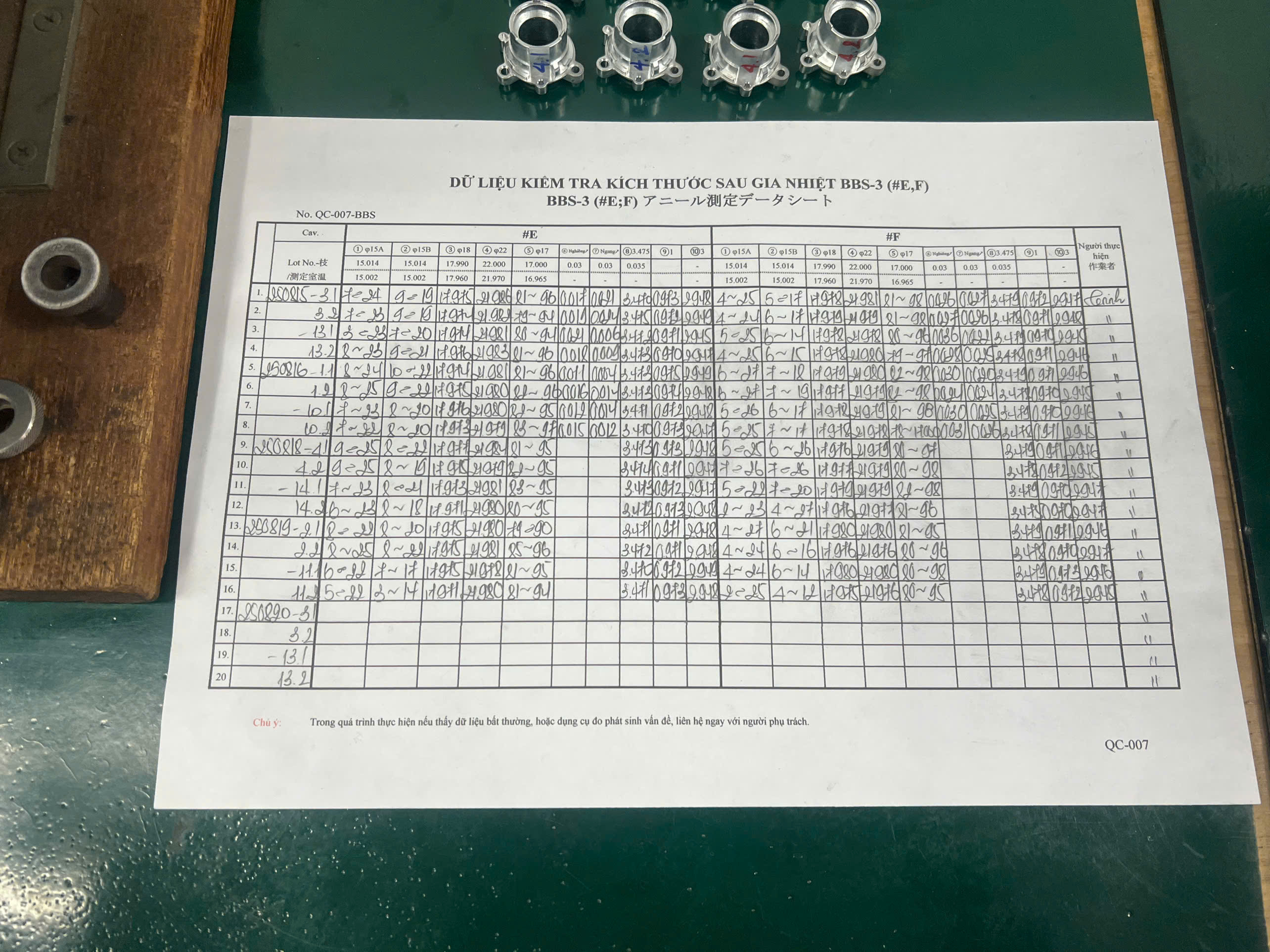
The first article inspection is where you catch errors before they multiply. For complex parts — like mirrored bracket pairs with sharp bends, irregular cutouts, and multiple mounting holes — even a 0.5mm deviation in a bend radius can make the part unusable. We require suppliers to produce 3–5 pieces first, measure every dimension against the drawing, and submit a formal FAI report with photos. AS9102 6 Only after our engineer approves this report does mass production begin.
Traceability and Material Verification
For infrastructure projects, you must trace every piece of steel back to its mill. This means requiring heat numbers on Mill Test Reports and matching them to the material actually used. We have encountered suppliers who present MTRs from reputable mills but substitute cheaper material on the floor. The only prevention is random material testing — either with a portable XRF analyzer during your audit or through lab testing of samples.
Third-Party Inspection Is Your Safety Net
Even with the best supplier relationship, independent verification matters. We recommend engaging a recognized third-party inspection firm to conduct final inspection before shipment. This adds a small cost — typically 0.5% to 1% of order value — but eliminates the risk of receiving non-conforming parts 8,000 miles away. For our U.S. clients, this step is non-negotiable because the cost of returning defective goods from America to Vietnam exceeds the part value many times over.
Quality control measures 7 must be documented and agreed upon in writing before the purchase order is issued. Verbal promises mean nothing when parts arrive out of spec.
How can I avoid delivery delays and manage logistics risks when sourcing from Vietnam for my time-sensitive projects?
Last quarter, a typhoon disrupted port operations in Hai Phong for nearly a week. One of our clients had a shipment of structural steel components sitting in a container yard, waiting. The project timeline in Texas did not care about Vietnamese weather. That experience reinforced something we already knew: supply chain resilience 8 requires planning, not luck.
Avoid delivery delays by building buffer time into your project schedule, requiring weekly production progress reports, splitting shipments across multiple sailing dates, pre-booking freight well in advance, and working with a sourcing partner who has a local team in Vietnam to monitor production and logistics in real time.

Understand the Typical Lead Time Breakdown
Most buyers underestimate how long the entire sourcing cycle takes — from order confirmation to parts arriving at their U.S. warehouse. Here is a realistic breakdown:
| Phase | Typical Duration | Variables |
|---|---|---|
| Material procurement | 7–21 days | Steel grade availability, supplier inventory |
| First article production and approval | 7–14 days | Complexity, revision cycles |
| Mass production | 14–30 days | Order quantity, factory workload |
| Surface treatment (powder coating, galvanizing) | 5–10 days | Subcontracted vs. in-house |
| Final inspection and packing | 3–5 days | Third-party inspector scheduling |
| Inland transport to port | 1–3 days | Factory location relative to port |
| Ocean freight (Vietnam to U.S. West Coast) | 18–25 days | Carrier, routing, port congestion |
| U.S. customs clearance and delivery | 3–7 days | Documentation accuracy, tariff classification |
| Total | 58–115 days |
For a project that needs parts in 90 days, you can see how tight the margins are. Any single delay — material shortage, failed FAI, missed vessel — can blow the schedule.
Practical Strategies to Protect Your Timeline
Pre-position critical materials. If you know your project will need specific grades of galvanized or color-coated steel sheets, ask the supplier to purchase material as soon as the order is confirmed — or even before, against a material deposit. Raw material volatility in Vietnam can cause sudden shortages. Locking in material early also protects your cost.
Require weekly progress reports. Our Vietnam team visits the factory or connects via video call at least once a week during production. We photograph parts at each stage and send reports to the client. This creates early warning for any deviation from the production plan.
Split shipments for large orders. Rather than waiting for the entire order to be complete, ship in batches. This gets the first parts to your site sooner and reduces the impact if one shipment is delayed.
Pre-book freight and use a reliable forwarder. Ocean freight rates and vessel availability fluctuate. Book your container space two to three weeks before the estimated packing date. We work with forwarders who specialize in Vietnam-to-U.S. lanes and can secure backup vessels if the primary booking falls through.
Leverage Free Trade Agreements for Cost Efficiency
Vietnam's participation in the CPTPP and EVFTA creates tariff advantages for sheet metal exports to many markets. Free Trade Agreements 9 While the U.S. is not a direct party to these agreements, understanding the tariff landscape helps you plan costs accurately. Work with a customs broker who understands Vietnam origin rules and can advise on Harmonized Tariff Schedule 10 classifications to avoid surprises at the port.
Project management on the logistics side is just as important as on the production side. We treat shipping as part of the manufacturing process, not an afterthought.
Can I secure open account payment terms with a Vietnam manufacturer to help me manage my project cash flow?
When we first started working with U.S. purchasing managers on large infrastructure projects, the payment conversation always came up early. "Can I get 60 or 90 days?" they would ask. And the honest answer from most Vietnamese factories is: no. Most manufacturers in Vietnam require 30% deposit before production and 70% before shipment, or they use letters of credit. This creates a real cash flow burden for buyers managing multi-phase infrastructure projects where payment from the end client may not arrive for months.
Yes, you can secure open account payment terms — typically Net 60 or Net 90 — but usually not directly from a Vietnam factory. A sourcing partner like DEWIN, headquartered in Singapore with a local Vietnam team, can extend credit terms to qualified buyers because we absorb the payment risk and pay the factory on your behalf.
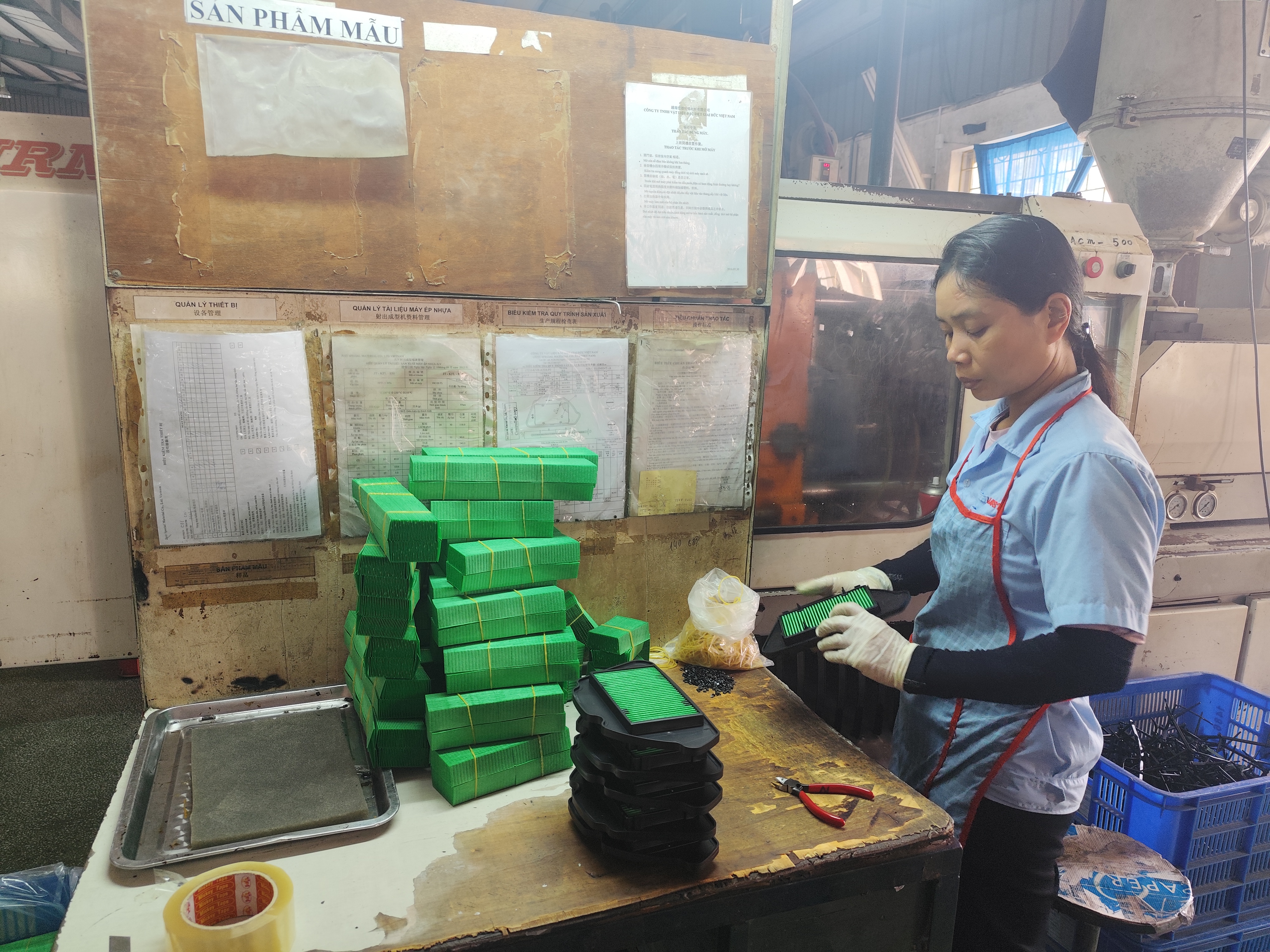
Why Most Vietnam Factories Cannot Offer Credit Terms
Vietnamese sheet metal manufacturers — whether large integrated producers like Hoa Phat or smaller precision fabricators — operate on thin margins and need working capital to purchase raw materials. Steel and aluminum prices fluctuate, and factories must pay their own suppliers quickly. Offering 60- or 90-day credit to overseas buyers introduces currency risk, collection risk, and cash flow pressure that most factories cannot absorb.
This is especially true for custom parts projects, where the finished goods have no resale value if the buyer defaults. A standard galvanized coil can be sold to another customer. A set of custom brackets with your specific hole patterns and fold angles cannot.
How a Sourcing Partner Bridges the Gap
Our model works because we sit between the factory and the buyer. We pay the factory according to their standard terms — usually T/T before shipment. We then extend open account terms to our U.S. and European clients. This arrangement works for several reasons:
- We have established relationships with factories built over years of repeat business.
- We conduct thorough credit assessments of our buyers before extending terms.
- We manage the entire supply chain — from supplier audits and PPAP through process control, final inspection, and door-to-door logistics — so we control risk at every stage.
- Our Singapore headquarters provides a stable legal and financial framework for international trade.
Comparing Payment Structures
| Payment Structure | Who Offers It | Cash Flow Impact on Buyer | Risk Level for Buyer |
|---|---|---|---|
| 30/70 T/T (deposit + balance before shipment) | Most Vietnam factories | High upfront outlay | Moderate — funds at risk if quality fails |
| Letter of Credit (L/C) | Banks, with factory cooperation | Moderate — tied up bank credit line | Low — bank controls release |
| Open Account Net 60 | Sourcing partners (e.g., DEWIN) | Low — pay after receiving goods | Low — inspect before payment is due |
| Open Account Net 90 | Sourcing partners (e.g., DEWIN) | Very low — aligns with project billing cycles | Low — maximum flexibility |
What Buyers Need to Qualify
We do not hand out credit terms blindly. Buyers typically need to demonstrate a track record of timely payments, provide business references, and agree to a credit limit. For new relationships, we might start with a smaller order on standard terms and move to open account once mutual trust is established. This supplier vetting process works both ways — just as you evaluate your supplier, a responsible sourcing partner evaluates you.
For purchasing managers at engineering firms or sourcing companies, open account terms can be the difference between winning and losing a project bid. When your competitor quotes the same parts but requires full prepayment, your ability to offer flexible terms to your own customers becomes a competitive advantage.
The key takeaway is that manufacturing capabilities and payment flexibility rarely come from the same entity. A factory excels at bending metal. A sourcing and supply chain partner excels at bridging the financial and operational gap between you and that factory.
Conclusion
Evaluating Vietnam sheet metal suppliers for infrastructure projects requires verifying technical capacity, enforcing rigorous quality control measures, managing logistics proactively, and securing payment terms that protect your cash flow — a process best supported by an experienced local sourcing partner.
Frequently Asked Questions
How do I verify if a Vietnam sheet metal supplier has the technical capacity to handle my large-scale infrastructure requirements?
A few years ago, one of our U.S. clients sent us drawings for heavy-duty mounting brackets — complex angular forms with multiple precise folds, pre-drilled mounting holes, and weld joints that had to pass strict structural load tests. The first supplier we visited had impressive marketing materials but only two aging press brakes on the floor.
What quality control steps should I require to ensure my custom sheet metal parts meet my project drawings?
The most expensive lesson in sourcing is receiving a container of parts that do not match your drawings. I recall a project where the supplier missed a critical dimensional tolerance on a batch of mounting brackets — the kind with multiple angular folds, cutouts, and pre-drilled holes. Every single piece had to be scrapped. The root cause was simple: no one checked the first article before mass production began.
How can I avoid delivery delays and manage logistics risks when sourcing from Vietnam for my time-sensitive projects?
Last quarter, a typhoon disrupted port operations in Hai Phong for nearly a week. One of our clients had a shipment of structural steel components sitting in a container yard, waiting. The project timeline in Texas did not care about Vietnamese weather. That experience reinforced something we already knew: supply chain resilience 8 requires planning, not luck.
Footnotes
1. Trade payment method where goods are shipped before payment is due. ↩︎
2. Official standard for quality management systems. ↩︎
3. International standard for quality requirements in fusion welding. ↩︎
4. Essential document verifying material chemical and mechanical properties. ↩︎
5. Critical process to verify initial production meets specifications. ↩︎
6. Standardizes First Article Inspection documentation in aerospace and defense. ↩︎
7. Explains fundamental practices for maintaining product quality. ↩︎
8. Replaced HTTP 404 link with a comprehensive explanation of supply chain resilience from a reputable technology and consulting company. ↩︎
9. International treaties reducing trade barriers between countries. ↩︎
10. Official classification system for goods imported into the U.S. ↩︎