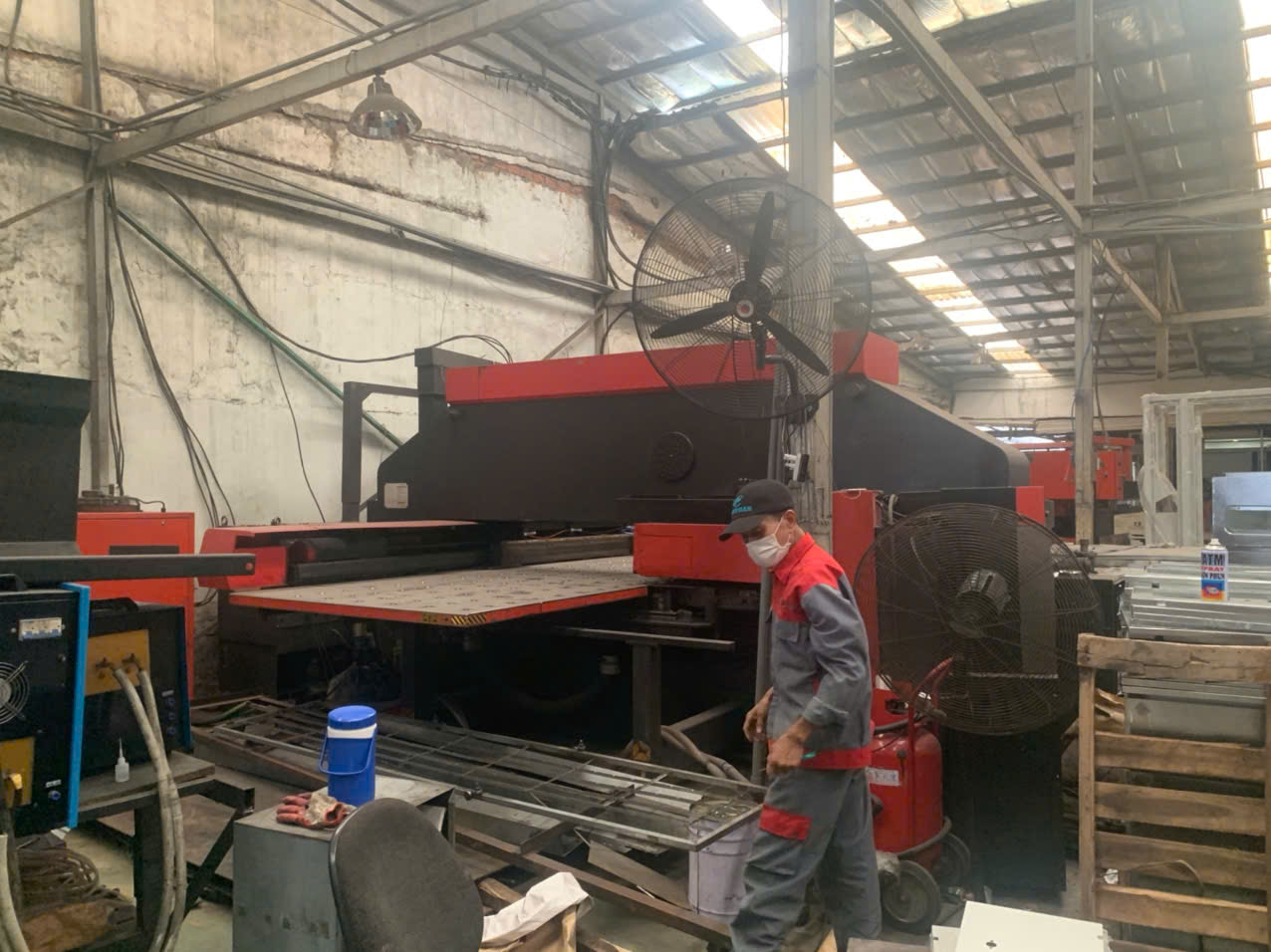

Evaluating a Vietnam supplier for electrical stamping parts nearly cost one of my clients an entire product launch statistical process control 1. The factory looked great on paper. The parts told a different story.
To evaluate a Vietnam supplier’s expertise in electrical stamping parts, verify ISO 9001 or IATF 16949 certification, inspect their in-house progressive die tooling and maintenance records, confirm CMM-based quality assurance protocols, and test their engineering feedback on your drawings before committing to production orders.
That is the short answer. But each of those checkpoints hides real risk if you skip the details. Let me walk you through how our Vietnam team actually vets these factories, step by step.
What Technical Certifications Should I Look for When Vetting a Vietnam Stamping Supplier?
A buyer once forwarded me a certificate that expired two years earlier. Our Vietnam office caught it in ten minutes. Certificates are a starting point, not a finish line.
Look for ISO 9001 as the baseline, IATF 16949 for automotive-grade electrical components, and RoHS compliance documentation for parts entering the EU or US electronics market. Always verify certificate validity directly with the issuing body, and confirm the certified scope covers stamping, not just assembly.

Certifications tell you whether a supplier has a documented system. They do not tell you whether the system is followed. In our audits across industrial zones near Ho Chi Minh City and Dong Nai, we have seen both extremes. Some factories live their quality manual daily. Others print it for visitor day.
The Certification Hierarchy That Matters
Here is how I rank certifications when screening a Vietnam stamping supplier for electrical parts:
| Certification | What It Proves | When You Need It |
|---|---|---|
| ISO 9001 2 | A basic quality management system exists | Minimum for any order |
| IATF 16949 3 | Automotive-grade process discipline, PPAP capability | Automotive connectors, terminals, sensor brackets |
| ISO 14001 | Environmental management | ESG-driven buyers, EU customers |
| RoHS compliance 4 | Restricted substances controlled in materials and plating | Any electrical part sold in EU or most US markets |
| UL recognition (material level) | Materials meet flammability or safety specs | Enclosures, insulated assemblies |
How to Verify, Not Just Collect
Do three things. First, check the certificate number on the certification body's public database. Second, read the certified scope line by line. A certificate covering "metal fabrication" may exclude progressive stamping entirely. Third, ask for the latest surveillance audit report. A supplier proud of their system will share it. A supplier hiding nonconformities will stall.
One more point from our experience helping US clients move sourcing out of China: foreign-invested factories in Vietnam often carry certifications transferred from their parent companies. That usually signals mature systems. Local workshops may hold ISO 9001 on paper while lacking the daily discipline behind it. The certificate opens the door. The factory audit checklist we run afterward tells the truth.
How Can I Verify a Supplier's Real Experience with Electrical Stamping Parts Before Placing an Order?
Marketing photos are cheap. During one factory visit in Dong Nai, I asked to see the parts actually running on the presses that day. They did not match the website at all.
Verify real experience by requesting sample parts similar to yours, reviewing their export track record and client industries, inspecting live production of comparable electrical components, and asking detailed questions about copper alloys, thin-gauge feeding, and plating coordination. Genuine experts answer with specifics, not slogans.

Electrical stamping is a niche inside a niche. A factory can be excellent at stamping structural brackets from galvanized steel and still fail at phosphor bronze 5 contacts with tight coplanarity requirements. So your verification must target the electrical specifics.
Questions That Expose Real Depth
I use a short interrogation script when qualifying stamping suppliers for our US clients. Try these:
- Which copper, brass, and phosphor bronze grades do you run most often, and at what thickness range?
- How do you handle burr direction on contact surfaces?
- Who does your reel-to-reel plating, and how do you manage material traceability through that outsourced step?
- Can you show me a progressive die currently running an electrical part?
- What is your fastest press speed for thin-gauge strip, and how do you monitor feed accuracy?
A supplier with real electrical experience answers immediately and often adds detail you did not ask for. A general stamper hesitates, deflects, or promises to "check with engineering."
Read the Evidence, Not the Brochure
Ask for redacted export documents showing shipments to electronics or automotive customers. Ask which international standards they work to, such as ASTM, DIN, or JIS. Review their sample room. In Vietnam, the strongest electrical stamping capacity sits in foreign-invested zones tied to electronics supply chains, so a client list heavy with Japanese or Korean electronics names is a good sign.
Finally, run a paid prototyping and sampling round before any production commitment. Small money, huge insight. Our Vietnam team treats the first sample submission as the real audit. How a supplier documents dimensions, handles a drawing question, and responds to one rejected sample tells us more than any presentation.
What Quality Control Processes Should I Expect from an Expert Vietnam Stamping Manufacturer?
Rework is the silent margin killer. One client came to us after two straight shipments failed incoming inspection at his US warehouse. His previous supplier had no measurable process control at all, only a final visual check.
Expect incoming material inspection with mill certificates, first-article inspection using CMM and optical comparators, in-process SPC monitoring at defined intervals, AQL-based final inspection, and full material traceability from coil to carton. Documented control plans should link every critical dimension to a specific gauge and frequency.
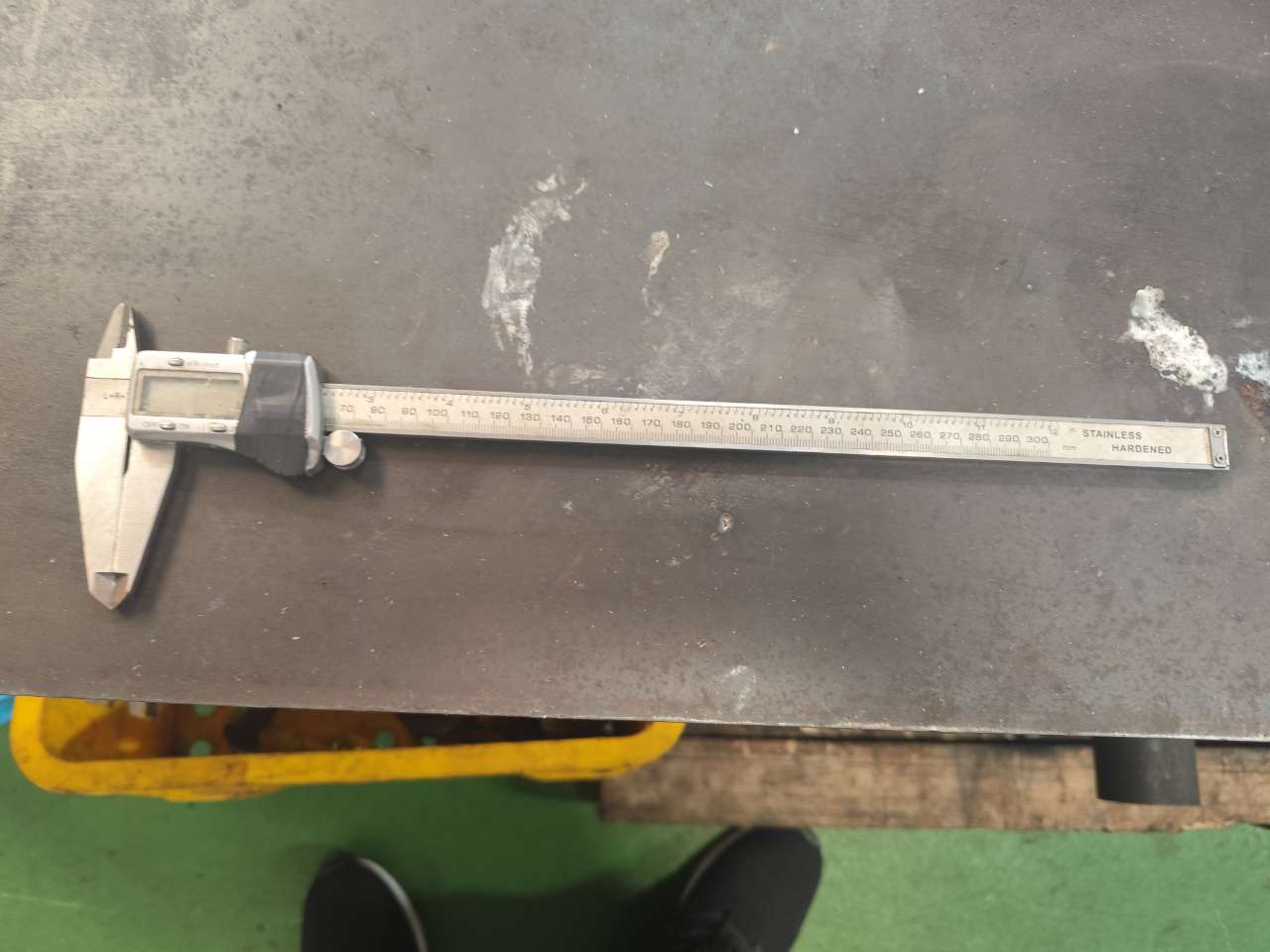
Quality in stamping is built into the process, not inspected in at the end. An expert Vietnam manufacturer proves this through structure. When we run supplier audits for clients, we walk the process backward, from packed cartons to the raw coil rack, and check for control at every stage.
The QC Chain, Stage by Stage
| Stage | What an Expert Supplier Does | Red Flag |
|---|---|---|
| Incoming material | Verifies mill certs, checks thickness and hardness, logs coil IDs for material traceability | Accepts coils on delivery note alone |
| Setup and first article | Full dimensional layout on CMM or optical comparator, approved before running | Operator "eyeballs" first parts |
| In-process | SPC charts on critical dimensions, checks every set interval, die condition logged | No records between setup and final |
| Surface treatment | Plating thickness verification, adhesion checks, RoHS compliance certificates from plating partners | No control over outsourced plating |
| Final inspection | AQL sampling per agreed level, packaging spec check, lot documentation | 100% claims with no data behind them |
Why Traceability Matters More for Electrical Parts
A conductivity or plating failure often surfaces months later, in the field. Without coil-level traceability, a supplier cannot isolate the affected lot, and you end up quarantining everything. We insist that suppliers link every carton back to a production date, die number, and material coil. It sounds bureaucratic. It saves entire shipments.
Also, watch how the factory handles nonconforming parts on the floor. Clearly marked red bins, quarantine areas, and disposition records signal a living system. Loose reject parts mixed near good stock signal trouble ahead. Since our clients typically require "right first time" performance to protect their own delivery promises, we walk away from factories that treat sorting and rework as normal operations rather than exceptions.
How Do I Assess a Supplier's Engineering Support and Co-Development Capabilities for Custom Stamping Projects?
There is a trade-off I weigh on every custom project: the cheapest quote almost never comes from the supplier who studied the drawing hardest. The one who asks smart questions before quoting usually saves you money later.
Assess engineering support by evaluating the supplier's RFQ feedback quality, in-house die design and simulation capability, DFM suggestions on tolerances and bend radii, prototyping speed, and their handling of technical drawing compliance. A true co-development partner challenges your design constructively before tooling begins.

For electrical stamping parts, the tooling is the product. Terminals, contacts, and precision brackets live or die by the progressive die tooling 6 behind them. So the first thing I check is whether the supplier has an in-house die shop with wire-cut EDM capability, proper tool steel selection, and documented die maintenance schedules. A factory that builds and maintains its own dies controls its own destiny. A factory that outsources tooling is at the mercy of someone else's queue.
Signals of a Genuine Co-Development Partner
- They mark up your drawing. Before quoting, they flag tight tolerances, question a bend radius, or suggest a grain direction change. This is technical drawing compliance in action.
- They run simulation. Advanced suppliers use forming simulation software 7 to predict springback and material thinning, cutting prototype iterations.
- They propose material alternatives. For example, a different brass temper that stamps cleaner without hurting conductivity.
- They quote tooling transparently. Die cost, strip layout, expected die life, and maintenance responsibility are stated up front.
- They commit to a sampling plan. Clear milestones from first-off tool samples through PPAP submission.
A Simple Scoring Framework
| Capability | Weak Supplier | Strong Supplier |
|---|---|---|
| RFQ response | Price only, no questions | Questions, DFM notes, options |
| Die design | Outsourced, no visibility | In-house, strip layout shared |
| Simulation | None | Springback and thinning analysis |
| Prototyping and sampling | Slow, undocumented | Scheduled, fully dimensioned reports |
| Production capacity planning | Vague promises | Press tonnage, speed, and slot data provided |
In our co-development projects linking US engineering teams with Vietnamese factories, the biggest failures happened when nobody translated intent, not just language. Drawings state dimensions. Engineers must understand function. A supplier who asks "what does this part actually do in the assembly?" is the one I shortlist. That single question predicts fewer revisions, fewer surprises, and a die that runs for millions of strokes instead of thousands.
Frequently Asked Questions
What Technical Certifications Should I Look for When Vetting a Vietnam Stamping Supplier?
A buyer once forwarded me a certificate that expired two years earlier. Our Vietnam office caught it in ten minutes. Certificates are a starting point, not a finish line.
How Can I Verify a Supplier's Real Experience with Electrical Stamping Parts Before Placing an Order?
Marketing photos are cheap. During one factory visit in Dong Nai, I asked to see the parts actually running on the presses that day. They did not match the website at all.
What Quality Control Processes Should I Expect from an Expert Vietnam Stamping Manufacturer?
Rework is the silent margin killer. One client came to us after two straight shipments failed incoming inspection at his US warehouse. His previous supplier had no measurable process control at all, only a final visual check.
Have a STEP Model or 2D Drawing for This Project?
Share your drawing, material, quantity and finishing requirements to begin a manufacturing quote. Confirm pricing, delivery and inspection requirements during the review.
This article is part of DEWIN's technical manufacturing engineering knowledge base. Factory-specific details come from each factory's profile page — please verify current information there or with our team.