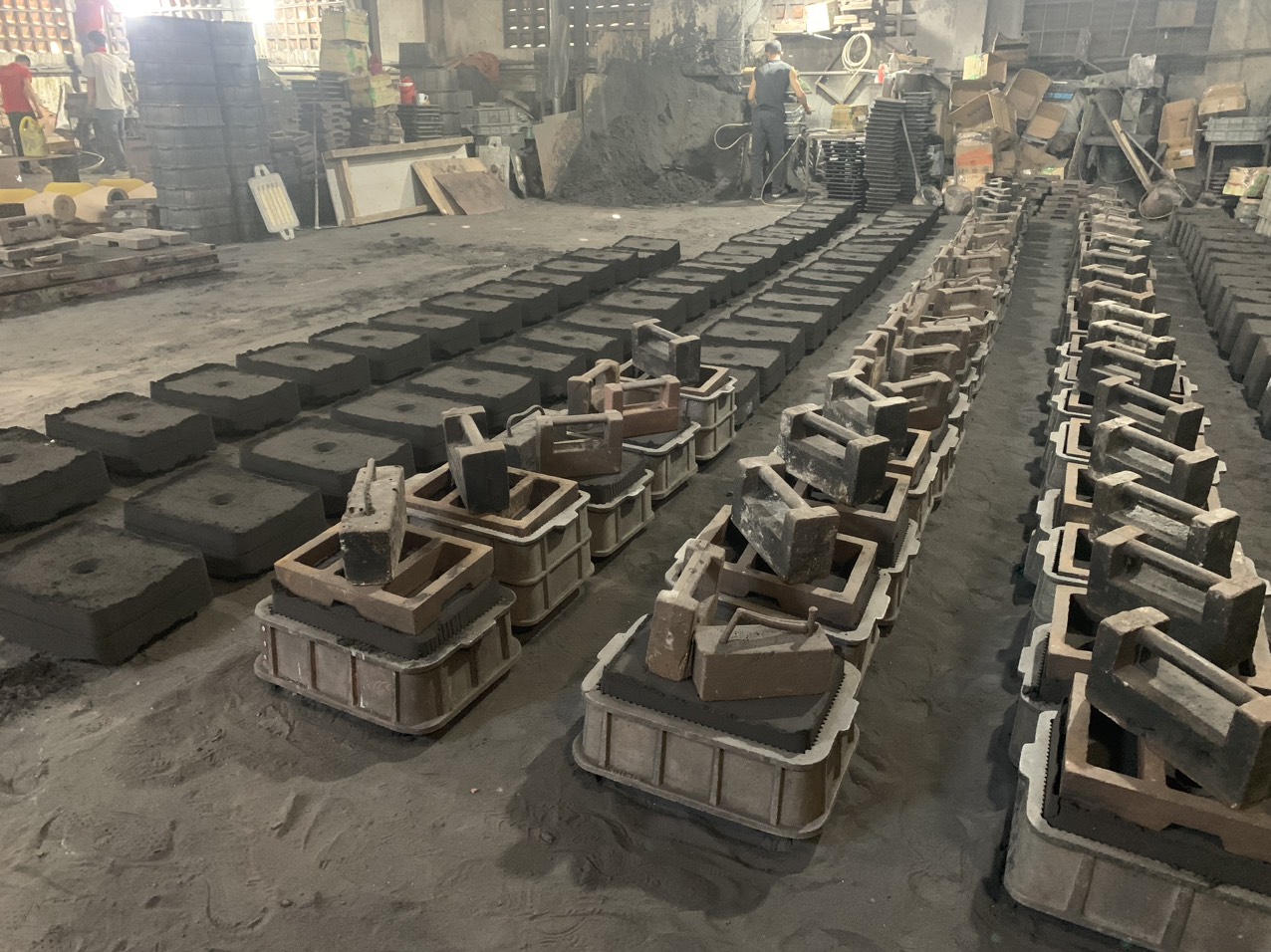
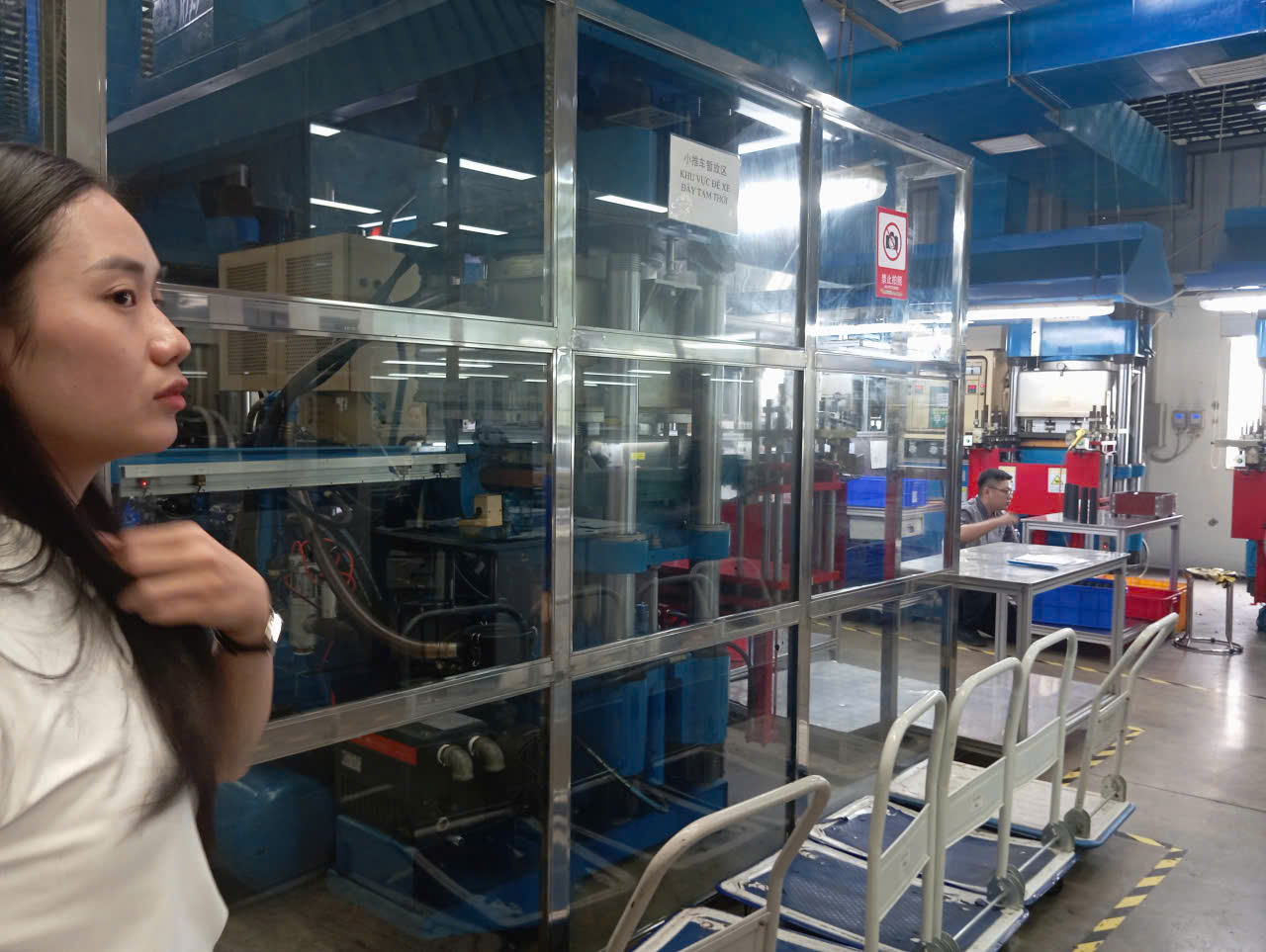
Finding the right Vietnam supplier for welding parts destined for the US market is a challenge I know well — our team in Vietnam has walked through dozens of factory floors, reviewed welding procedures, and caught drawing errors before they became costly container-loads of scrap.
To evaluate a Vietnam supplier’s US market and export experience for welding parts, verify their AWS certifications, request documented US export history with client references, audit their project management and quality control systems, and confirm they can handle FOB or DDP logistics with flexible payment terms that match your US distribution model.
The sections below break down each evaluation step AWS certifications 1. I will share what our team looks for during supplier audits, the red flags we flag immediately, and the data points that separate a capable partner from a risky one.
How do I verify if a Vietnam welding shop truly understands AWS standards and US quality expectations?
A lesson we learned early in our Vietnam operations: a welding shop can display an ISO 9001 certificate 2 on the wall and still fail a basic AWS D1.1 visual inspection. Certificates matter, but how a shop applies those standards on the floor matters more FOB or DDP logistics 3.
Verify a Vietnam welding shop’s understanding of AWS standards by reviewing their certified Welding Procedure Specifications (WPS), checking welder qualifications against AWS D1.1 requirements, auditing their non-destructive testing capabilities, and confirming they track US-specific quality documentation like material test reports and certificates of conformance.
Start with the WPS and PQR
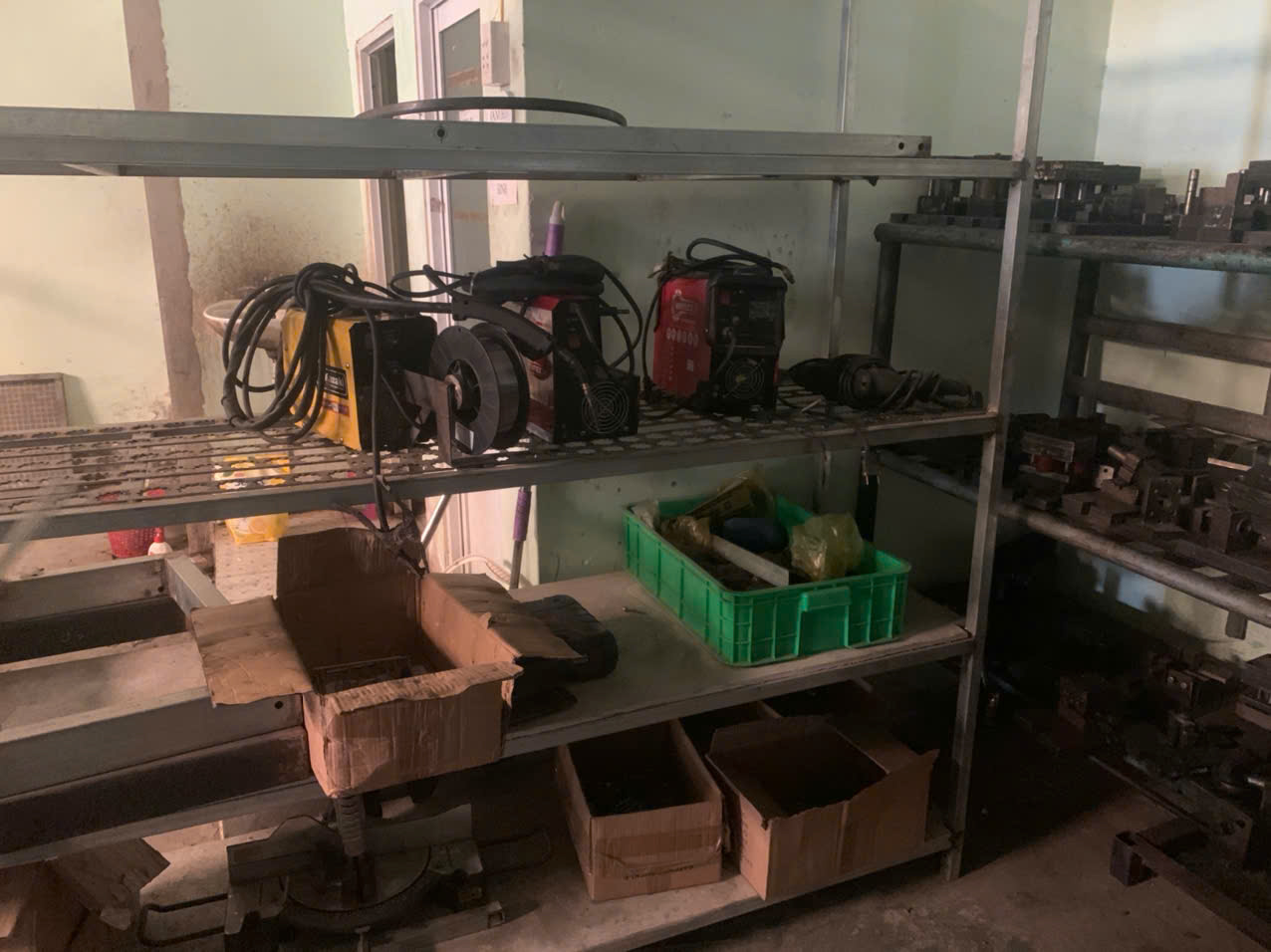
Every credible welding operation should maintain Welding Procedure Specifications 4 and Procedure Qualification Records. These documents prove the shop has tested and qualified its welding processes — not just claimed them. When our auditors visit a Vietnam facility, we ask to see the original PQR test coupons or, at minimum, the third-party lab reports. If a shop cannot produce these within an hour, that is a red flag.
Check Welder Qualifications Individually
AWS welding standards require that each welder be qualified for specific positions and processes. A welder certified for 3G (vertical) flat plate is not automatically qualified for 6G (pipe, all positions). During a factory audit checklist review, we verify individual welder qualification cards and cross-reference them with the positions your project actually needs.
| Welder Certification Grade | Qualified Position | Typical Welding Parts Application |
|---|---|---|
| 1G / 1F | Flat only | Simple flat brackets, base plates |
| 3G / 3F | Vertical | Structural frames, upright supports |
| 4G / 4F | Overhead | Overhead mounting assemblies |
| 6G | All positions (pipe) | Tubular frames, round-section assemblies |
Inspect Non-Destructive Testing Capabilities
US buyers expect non-destructive testing 5 — at minimum visual testing (VT) and often magnetic particle testing (MT), ultrasonic testing (UT), or radiographic testing (RT). Ask the shop which NDT methods they perform in-house and which they outsource. A shop that performs VT and MT in-house and uses an accredited lab for UT or RT is usually well-organized. A shop that does no NDT at all is not ready for the US market.
Review Documentation Practices
The US market demands paper trails. Material test reports 6 (MTRs) tied to specific heat numbers, certificates of conformance, dimensional inspection reports — these are non-negotiable. We have seen suppliers who weld beautiful parts but cannot tell you which steel heat lot went into which assembly. That lack of supply chain transparency will cause problems at US receiving docks. Ask for sample documentation packages from previous shipments. If they look clean and complete, you are on the right track.
Can I request a proven track record of their successful exports to other US-based industrial clients?
When I spoke with a US-based purchasing manager last year, his first question about a potential Vietnam welding supplier was blunt: "Who else in the States are they shipping to?" That single question cuts through marketing fluff faster than any factory brochure.
Yes — you should always request a proven track record of US exports, including verifiable client references, bills of lading showing US port destinations, export certificates, and evidence of participation in US trade shows like FABTECH. A supplier confident in their US experience will share this information willingly.
What Direct Evidence to Request
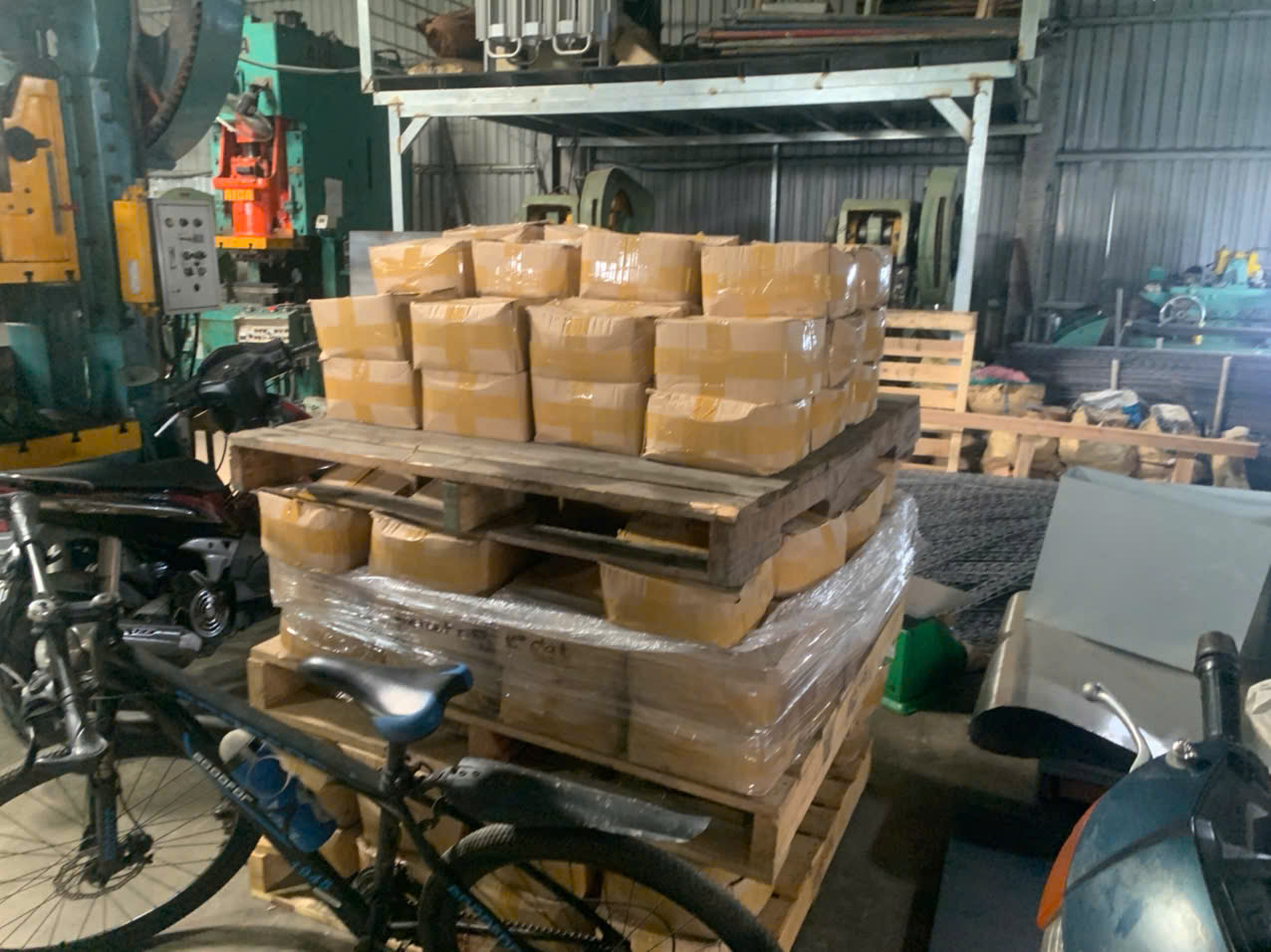
Start with tangible shipping documents. A bill of lading showing deliveries to US ports like Long Beach, Houston, or Savannah is hard to fake. Export certificates and customs records add another layer. During our supplier audit process, we also ask for packing lists and commercial invoices from past US shipments — these reveal whether the supplier understands US import regulations, including correct Harmonized System codes 8 and country-of-origin markings.
How to Verify Client References
Ask the supplier for two or three US-based client contacts. Then do your own homework. Call those contacts. Ask specific questions:
- Did parts arrive on time?
- Were there quality rejections?
- How did the supplier handle non-conformances?
- Would you reorder?
If a supplier hesitates to provide references, treat that as a warning. In our experience, strong suppliers are proud of their client relationships and share references freely.
Look Beyond the US — Other High-Standard Markets Count
Experience exporting to the EU, Japan, or Australia is a strong proxy for US readiness. These markets enforce strict technical and safety standards. A supplier who has delivered welding fabrications to a German automotive OEM or a Japanese construction firm has already cleared a high bar. Kim Tin Group, for example, built a path to capturing roughly 35% of annual US welding material imports partly by first proving itself in global markets with demanding certifications.
| Evidence Type | What It Proves | How to Verify |
|---|---|---|
| Bill of Lading to US port | Actual US shipping history | Request copy; cross-check port and consignee |
| US client references | Satisfied repeat buyers exist | Call references directly; ask about quality and delivery |
| FABTECH 9 or trade show participation | Industry engagement and US presence | Check exhibitor lists on trade show websites |
| Export license or customs records | Legal compliance with export regulations | Request copies; verify with freight forwarder |
| EU/Japan/Australia export history | Ability to meet high international standards | Request project list and client contacts from those regions |
Red Flags in Export Claims
Watch for vague statements like "We export to many countries" without specifics. A supplier listing 30 countries but unable to name a single US buyer is suspect. Similarly, if production capacity claims do not match the scale of claimed exports, the numbers do not add up. During third-party inspection visits we have arranged, we sometimes discover that a "factory" is actually a trading company subcontracting to small workshops. Verify that the entity you are evaluating is the actual producer.
How will the supplier's project management team ensure my custom welding drawings are followed without errors?
One of the most expensive mistakes I have witnessed was a container of structural steel frames where the supplier misread a critical GD&T callout on the drawing. The entire batch was out of tolerance. The root cause was not poor welding — it was poor project management. Nobody reviewed the drawing with the client before production started.
A capable supplier’s project management team ensures custom welding drawings are followed without errors by conducting a formal Design for Manufacturability review, issuing a First Article Inspection report tied to PPAP documentation, maintaining a checkpoint system through production, and assigning a dedicated English-speaking project engineer as your single point of contact.
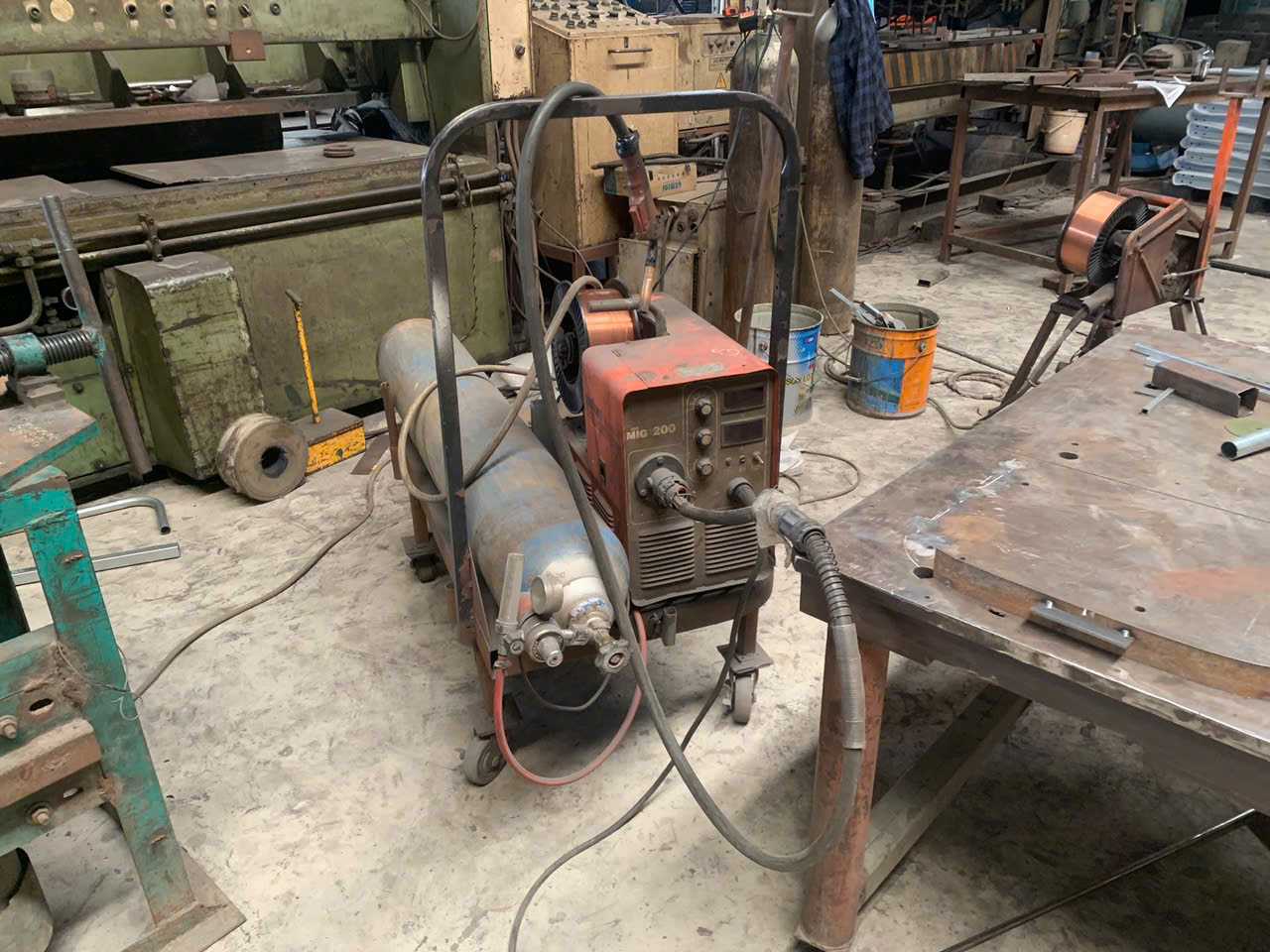
The DFM Review — Your First Line of Defense
Before any steel is cut, the supplier should conduct a Design for Manufacturability review. This is where their engineering team walks through your drawing — every dimension, every weld symbol, every surface finish callout — and asks questions. In our co-development process, we encourage suppliers to push back during DFM. If a tolerance is unnecessarily tight for a welded assembly, we want to hear that upfront. If a weld joint design will cause distortion, we want the supplier to say so before cutting material.
A good DFM review should produce a written summary of:
- Critical dimensions and how they will be measured
- Potential manufacturing challenges
- Proposed solutions or alternatives
- Agreed tolerances and acceptance criteria
PPAP and First Article Inspection
For US buyers sourcing custom parts, the Production Part Approval Process 10 is a familiar quality gate. A Vietnam supplier serving the US market should understand PPAP — or at minimum, produce a thorough First Article Inspection (FAI) report. The FAI ties every dimension on your drawing to an actual measured value on the first production sample. Our team reviews FAI reports before authorizing full production runs. This "right first time" approach prevents the rework cycles that plague suppliers without structured quality control systems.
Communication Structure Matters
Complex welding assemblies — like the multi-level tubular steel frames and heavy-duty mounting brackets we help source — require ongoing communication. The supplier should assign a dedicated project engineer who reads your drawings fluently and communicates in clear English. Weekly status updates with photos, measurement data, and a production timeline keep everyone aligned. We use shared folders and structured email threads so nothing gets lost. When a question about a drawing detail arises at 2 AM Vietnam time, having a documented communication trail means the answer is already waiting when the shop floor starts the next shift.
| Project Management Checkpoint | Purpose | Who Is Responsible |
|---|---|---|
| DFM review meeting | Identify drawing issues before production | Supplier engineering + buyer |
| Material procurement verification | Confirm correct grade and MTR traceability | Supplier QC + third-party inspector |
| In-process dimensional check | Catch deviations during fabrication | Supplier QC team |
| Weld inspection (VT, MT, UT as required) | Verify weld integrity per AWS standards | Supplier QC or third-party NDT |
| First Article Inspection report | Validate first sample against drawing | Supplier QC + buyer approval |
| Final inspection before packing | Full dimensional and visual check | Supplier QC or third-party inspection |
| Pre-shipment review | Confirm packing, labeling, documentation | Supplier logistics + buyer |
What Happens When Errors Occur
No process is perfect. The real test is how a supplier handles a non-conformance. Do they have a documented corrective action process? Do they issue 8D reports? When our team identifies a deviation during a final inspection, we expect the supplier to quarantine affected parts, investigate root cause, and implement corrective action before resuming shipment. A supplier who hides problems or ships questionable parts is not a partner — they are a liability.
What logistics and payment term capabilities should my Vietnam partner have to support my US distribution model?
A trade-off we weigh on nearly every project: a supplier might produce excellent welding parts, but if they cannot get those parts to a US warehouse on schedule and with clean documentation, the quality advantage evaporates. Logistics capability is not an afterthought — it is a core competency.
Your Vietnam welding parts partner should offer FOB or DDP shipping from major ports like Hai Phong or Ho Chi Minh City, handle US customs documentation including correct Harmonized System codes, provide ocean freight consolidation or full-container options, and extend open-account payment terms of 60–90 days to support your US distribution cash flow.
Port Proximity and Shipping Options
Vietnam's geography is a strategic advantage. Major industrial zones in the north (near Hai Phong port) and the south (near Ho Chi Minh City / Cat Lai port) provide direct ocean freight routes to US West Coast and East Coast ports. Transit times typically range from 18 to 30 days depending on the route and whether shipments go direct or through transshipment hubs. A supplier located far from a major port adds inland trucking cost and risk. During our factory audit checklist evaluations, we always note the distance to the nearest export port.
Documentation and Customs Compliance
US import regulations require precise paperwork. Commercial invoices, packing lists, bills of lading, certificates of origin, and material test reports must all be accurate and consistent. Incorrect Harmonized System codes can trigger customs delays, additional duties, or even seizure. A supplier experienced in US exports will know which HS codes apply to welded steel assemblies versus raw steel components. They will also understand anti-dumping and countervailing duty considerations — particularly relevant given that steel tariffs from Vietnam to the US remain significantly lower than those from China, a key reason many buyers are shifting sourcing to Vietnam.
Payment Terms That Support Your Cash Flow
This is where many Vietnam suppliers fall short. Most small and mid-size factories in Vietnam operate on a T/T (wire transfer) basis — typically 30% deposit, 70% before shipment. That structure puts all the cash flow pressure on the buyer. For US distributors who may not receive payment from their own customers for 60 to 90 days after delivery, this creates a painful gap.
Our approach at DEWIN is to offer open-account payment terms — net 60 or net 90 — to qualified US buyers. This aligns the payment cycle with the buyer's US distribution model. Not every Vietnam supplier can offer this, so it is an important capability to evaluate.
| Logistics & Payment Capability | Why It Matters for US Distribution | What to Verify |
|---|---|---|
| FOB major Vietnam port | Clean handoff; buyer controls freight cost | Confirm which port and inland transport arrangement |
| DDP to US warehouse | Supplier handles all logistics and duties | Verify supplier's freight forwarder and customs broker experience |
| Correct HS code classification | Avoids customs delays and unexpected duties | Ask supplier to provide HS codes for your specific parts |
| Ocean freight consolidation (LCL) | Cost-effective for smaller or trial orders | Confirm supplier works with reliable consolidators |
| Open account (net 60–90 days) | Aligns payment with US buyer's cash cycle | Review supplier's or intermediary's credit terms policy |
| Export license compliance | Legal requirement for certain controlled items | Confirm supplier understands Vietnam export regulations |
Tariff Advantage and Supply Chain Stability
One of the strongest arguments for Vietnam welding parts sourcing is the tariff environment. US steel tariffs on Chinese imports under Section 232 and anti-dumping duties have made China-sourced welded assemblies significantly more expensive. Vietnam offers a lower-tariff alternative without sacrificing production capacity or quality — especially as Vietnamese fabricators invest in robotic welding, laser cutting, and automated quality systems.
Supply chain stability also matters. Evaluate whether the supplier sources raw materials domestically or imports them. A supplier relying on Chinese steel imports may still face upstream cost volatility. Ask about their steel supply agreements and whether they maintain buffer stock for your project's material grades.
Start with a Trial Order
If a supplier checks most boxes but lacks a long US track record, mitigate risk with a small trial order. Ship one pallet or a partial container. Use a third-party inspection agency to verify quality before the container is sealed. Monitor the full cycle — from order confirmation to delivery at your US door. This approach gives you real data on lead time accuracy, documentation quality, and communication responsiveness without committing to a large purchase order.
Conclusion
Evaluating a Vietnam supplier's US market and export experience for welding parts requires checking certifications, verifying export history, auditing project management, and confirming logistics capabilities — every step protects your quality, timeline, and bottom line. To dig deeper into the evaluation process, learn how to compare Vietnamese supplier capabilities when sourcing welding parts and how to verify ISO 9001 and quality certifications for Vietnamese welding parts suppliers.
Frequently Asked Questions
How do I verify if a Vietnam welding shop truly understands AWS standards and US quality expectations?
A lesson we learned early in our Vietnam operations: a welding shop can display an ISO 9001 certificate 2 on the wall and still fail a basic AWS D1.1 visual inspection. Certificates matter, but how a shop applies those standards on the floor matters more FOB or DDP logistics 3 .
Can I request a proven track record of their successful exports to other US-based industrial clients?
When I spoke with a US-based purchasing manager last year, his first question about a potential Vietnam welding supplier was blunt: "Who else in the States are they shipping to?" That single question cuts through marketing fluff faster than any factory brochure.
How will the supplier's project management team ensure my custom welding drawings are followed without errors?
One of the most expensive mistakes I have witnessed was a container of structural steel frames where the supplier misread a critical GD&T callout on the drawing. The entire batch was out of tolerance. The root cause was not poor welding — it was poor project management. Nobody reviewed the drawing with the client before production started.
Footnotes
1. Official AWS site for cloud certifications. ↩︎
2. Replaced with the official ISO 9001:2015 standard page, an authoritative source. ↩︎
3. Government resource explaining Incoterms like FOB and DDP. ↩︎
4. Explains different types and importance of Welding Procedure Specifications. ↩︎
5. Authoritative source on NDT methods from the American Society for Nondestructive Testing. ↩︎
6. Detailed explanation of Material Test Reports and their contents. ↩︎
7. Official American Welding Society page for the D1.1 Structural Welding Code. ↩︎
8. Official World Customs Organization page explaining Harmonized System codes. ↩︎
9. Official website for FABTECH, North America’s largest metal forming, fabricating, welding and finishing event. ↩︎
10. Official AIAG page for the Production Part Approval Process (PPAP). ↩︎