

Choosing the wrong Vietnamese supplier to customize stamping 1 parts for Europe can cost you months. Our Vietnam-based sourcing team has seen tooling budgets wasted, shipments rejected, and EU launch dates missed—all avoidable with proper evaluation.
To evaluate a Vietnamese supplier’s ability to customize stamping parts for Europe, verify in-house die design and press capability, audit their quality system against ISO 9001 and EU standards, test their engineering feedback on your drawings, and confirm proven export capacity, stable lead times, and EVFTA documentation experience.
That is the short answer. But each of those checks has traps. Below, I walk through the four areas step by step, based on the supplier audits we run every month in Vietnam.
What Should I Check in a Vietnamese Supplier's Stamping Equipment and Tooling Capabilities?
A few months back, our Vietnam office audited a stamping factory that looked perfect on Alibaba 2. The press list was impressive. The die shop, however, was one man and a borrowed grinder. Photos lie; floors don't.
Check the actual press list (tonnage range, servo presses, progressive and transfer die capability), confirm in-house die design and die manufacturing, inspect tooling maintenance records, and review dies built for parts similar to yours in material, thickness, and tolerance. In-house tooling is the strongest customization signal.

Customization in stamping lives or dies in the tool room. A factory can only make your bracket, clip, or mounting plate repeatedly if it can design, build, and maintain the die that forms it. So when we audit a Vietnamese stamping supplier for a European client, we start on the shop floor, not in the meeting room.
Match the Press List to Your Part
First, ask for the real press list. Not the brochure version. You want machine brands, tonnage, bed size, and year of manufacture. Then map that list against your part. A small zigzag mounting clip with two punched slots needs very different equipment than a deep-drawn housing. Suppliers with a healthy mix of mechanical and servo presses handle complex geometry and thin gauges with fewer surprises.
| Capability to Verify | Why It Matters | What Good Looks Like |
|---|---|---|
| Press tonnage range | Determines part size and material thickness limits | Range covering your part with margin, e.g., 25T–400T |
| Progressive die stamping | Enables high-volume, multi-feature parts in one strip | Running progressive dies daily, not "on request" |
| Deep draw / transfer die | Needed for cup or shell geometries | Existing dies and reference parts on site |
| Servo presses | Better control for tight tolerances and thin gauges | At least some servo capacity for precision work |
| In-house die shop | Faster tooling changes and repairs | CNC, EDM, grinding, and dedicated die makers |
Look Hard at the Die Shop
Second, walk the die shop, or have someone do it for you. In our experience, factories that outsource all tooling struggle with engineering changes. A revision that should take one week takes five, because a third party owns the die knowledge. Ask who designed their last five dies. Ask to see die maintenance logs and spare punch inventories. A well-run die shop keeps records of shots per die, sharpening intervals, and die life estimates. If the answer to "what is the expected die life for this tool?" is a shrug, the customization claim is thin.
Third, ask for reference parts close to yours in material, thickness, tolerance band, and finish. Steel, galvanized steel, stainless, aluminum, and brass all behave differently in a die. Evidence beats promises.
How Can I Verify a Vietnamese Supplier Meets European Quality and Compliance Standards?
One European buyer once told me his previous supplier's parts measured perfectly—on the first shipment only. Batch three drifted out of tolerance. Nobody noticed until the parts hit his assembly line. That story shapes how our team audits quality systems today.
Verify ISO 9001 certification (IATF 16949 for automotive), then audit the working system behind it: first article inspection, calibrated CMM or optical measurement, incoming material checks, and in-process controls. For Europe, also confirm RoHS and REACH material compliance and full material traceability.
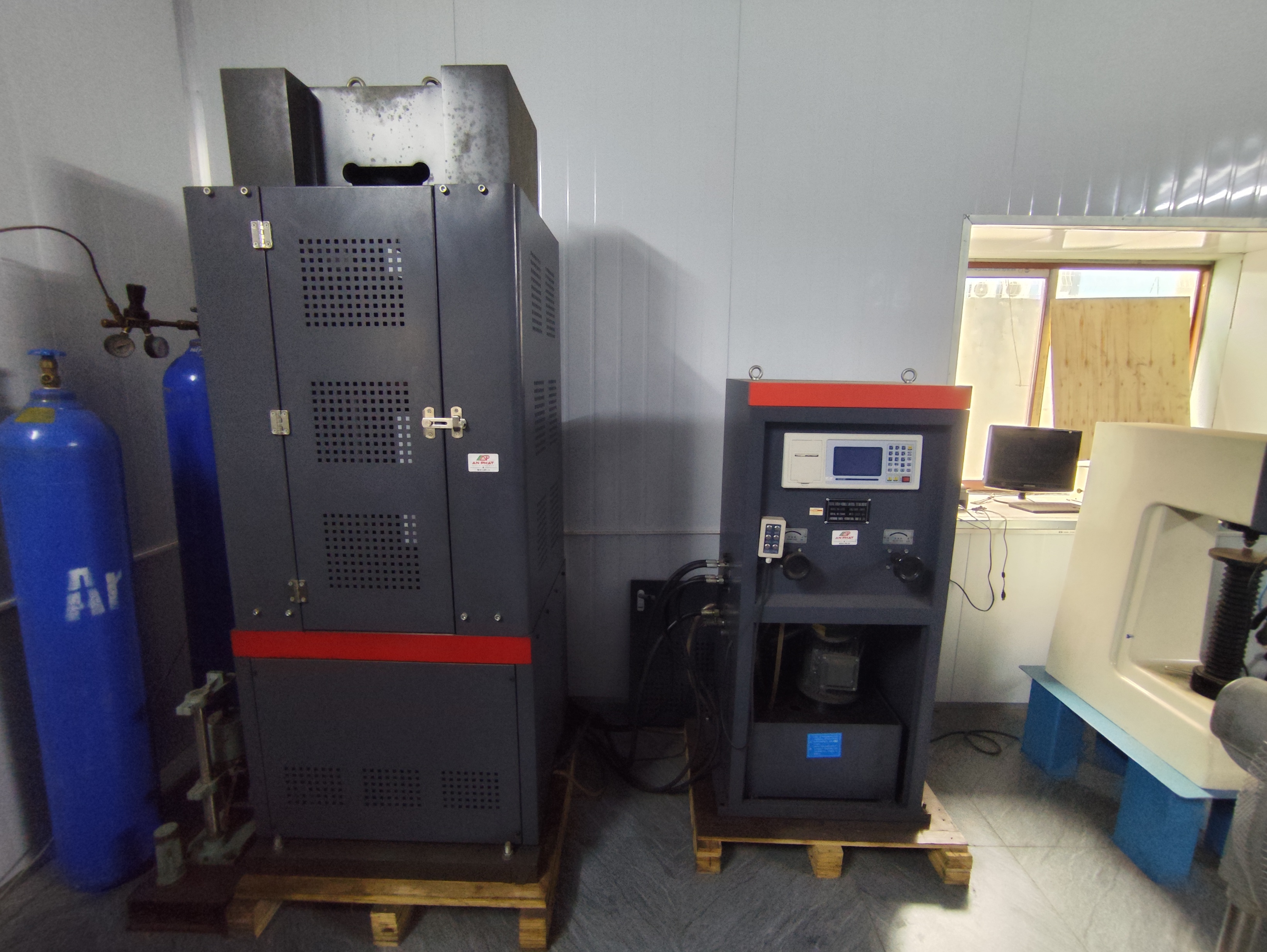
Certificates open the conversation; they never close it. When we run supplier audits in Vietnam, we treat the ISO 9001 3 certificate as a ticket to the next question: does the paperwork match the shop floor? Plenty of factories hold a valid certificate yet run inspection from memory. For European buyers, that gap is where rejected shipments come from.
Audit the Quality System, Not the Certificate
Here is the sequence we follow, and I recommend you follow it too:
- Incoming material inspection. Ask how they verify raw material chemistry and thickness. Request recent mill certificates and check that the grades match what was ordered.
- First Article Inspection (FAI). Ask for a completed FAI report from a recent custom project. It should reference drawing revisions, critical dimensions, and actual measured values.
- In-process inspection. Look for check sheets at the press, defined inspection frequencies, and clear reaction plans when a dimension drifts.
- Final inspection and measurement equipment. Confirm they own calibrated instruments—CMM 4, optical comparators, height gauges—and ask to see the calibration records with dates.
- Defect containment. Ask what happens when a bad batch is found. A real system quarantines, traces, and documents. A weak one reworks quietly and ships.
EU-Specific Compliance Checks
European projects add another layer. Dimensional conformity is not enough. You need material traceability from coil to carton, and you need proof that materials and finishes meet RoHS 5 and REACH restricted-substance rules. If your stamped bracket gets plated or coated, ask whether the finishing subcontractor is also controlled and documented. In our PPAP-based process control work, we build these compliance documents into the approval package from day one, because chasing them after production starts is painful. Also confirm the supplier can support customer audits and provide test reports in English. If a factory hesitates to share inspection records before you place an order, expect worse transparency after.
What Questions Should I Ask to Assess a Supplier's Custom Stamping Design and Engineering Support?
There is a trade-off I weigh on every project: a supplier who quotes fast versus one who questions the drawing first. Early in our sourcing work, I learned the questioning supplier is almost always the safer bet, even when the quote arrives three days later.
Ask how they review your 2D/3D files, what DFM feedback they provide, how they identify critical dimensions, and how they manage engineering changes after tooling. A supplier that challenges your drawing with specific manufacturability suggestions has real engineering depth; one that only quotes a price does not.

The fastest way to measure engineering depth is to send a real drawing and study the response. When our team qualifies stamping suppliers in Vietnam, we submit a complete RFQ package—3D CAD, 2D drawing with tolerances, material spec, surface finish, and annual volume—and then we grade the reply, not just the price.
Grade the DFM Response
A capable engineering team will come back with questions and suggestions. A weak one returns a number. Here is how the two typically compare:
| Signal | Strong Engineering Support | Weak Engineering Support |
|---|---|---|
| Drawing review | Flags tight tolerances, bend radii, hole-to-edge distances | Accepts everything without comment |
| DFM feedback | Suggests grain direction, relief cuts, or tolerance relaxation | No manufacturability input |
| Critical dimensions | Asks which dimensions are functional and proposes control plan | Never asks what matters most |
| Tooling proposal | Explains die concept, stations, and estimated die life | Quotes "tooling cost" as one opaque line |
| Change management | Describes ECN process and revision control | "Just send the new drawing" |
Questions Worth Asking Directly
Beyond the RFQ test, ask these in your first technical call. First, "Who will be my engineering contact, and can we speak in English about tolerances?" Communication gaps kill custom projects; a critical slot dimension misread once is scrap by the thousand. Second, "Walk me through your last engineering change on a live tool—what did it cost and how long did it take?" Real examples expose real process. Third, "What secondary operations do you run in-house?" Tapping, welding, plating, and assembly done under one roof shortens lead time to Europe and reduces handoff errors. Fourth, "Who owns the tooling, and what is your policy on die modifications and replacement?" For long-life EU programs, tooling ownership and die-life commitments matter as much as unit price. In our co-development projects, we insist these answers go into the contract, not just the meeting notes.
How Do I Confirm a Vietnamese Supplier Can Handle My Production Volume and Delivery Timelines?
A purchasing manager we work with in the US once summed up his pain in one line: "The samples were perfect; the schedule was fiction." His previous supplier nailed prototypes, then missed three consecutive mass-production deliveries. Volume capability is a separate skill, and it must be verified separately.
Confirm capacity by reviewing current press utilization, staffing, and existing customer load, then validate the full timeline: die design in 1–2 weeks, die build in 4–8 weeks, first article approval in 1–2 weeks, and volume production thereafter. Check EU export history, Incoterms fluency, and EVFTA origin documentation.

Prototype excellence and production reliability are different muscles. A factory can hand-finish ten beautiful samples and still collapse under a 50,000-piece monthly schedule. So we verify three things: capacity, timeline realism, and export discipline.
Test Capacity With Numbers
Ask for current press utilization by machine. If their key progressive press already runs at high utilization for existing customers, your parts will queue behind theirs every time demand spikes. Ask how many shifts they run, how they handle peak season, and what their largest current customer's monthly volume is. Then ask the uncomfortable question: "If my order doubles next quarter, show me exactly where the capacity comes from." Vague answers now become late shipments later.
Pressure-Test the Timeline
Use a realistic custom stamping timeline as your benchmark and make the supplier commit to each stage in writing:
| Stage | Typical Duration | What to Lock Down |
|---|---|---|
| Die design | 1–2 weeks | Design review meeting with your engineer |
| Die manufacturing | 4–8 weeks | Weekly progress photos or reports |
| First article approval | 1–2 weeks | FAI report format agreed in advance |
| Volume production (e.g., 50,000 pcs) | 2–4 weeks | Confirmed press allocation |
| Secondary operations | +1–2 weeks | In-house vs. subcontracted, stated clearly |
If a supplier promises a full custom program in five weeks total, they are guessing or cutting corners. Our project management work exists largely because these stage gates slip when nobody tracks them weekly.
Verify EU Export Discipline
Finally, exporting "somewhere" is not exporting to Europe. Ask for references or case studies involving European clients. Confirm they understand FOB and CIF terms 7, container loading plans, seaworthy packaging, and EU customs paperwork. Check whether your specific product qualifies for tariff preference under the EU-Vietnam Free Trade Agreement 8, and whether the supplier can issue correct origin documentation. From our Vietnam office, we have watched EVFTA savings evaporate because origin paperwork was filed wrong. Also weigh total cost of ownership—tooling, quality risk, rework, freight, and compliance effort—rather than the unit quote alone. The cheapest quote with a two-week delay per shipment is not cheap.
Conclusion
Evaluate tooling, quality systems, engineering depth, and delivery discipline—not the quote. The right Vietnamese supplier turns your drawing into repeatable, compliant, on-time parts for Europe. Verify before you commit.
Frequently Asked Questions
What Should I Check in a Vietnamese Supplier's Stamping Equipment and Tooling Capabilities?
A few months back, our Vietnam office audited a stamping factory that looked perfect on Alibaba 2 . The press list was impressive. The die shop, however, was one man and a borrowed grinder. Photos lie; floors don't.
How Can I Verify a Vietnamese Supplier Meets European Quality and Compliance Standards?
One European buyer once told me his previous supplier's parts measured perfectly—on the first shipment only. Batch three drifted out of tolerance. Nobody noticed until the parts hit his assembly line. That story shapes how our team audits quality systems today.
What Questions Should I Ask to Assess a Supplier's Custom Stamping Design and Engineering Support?
There is a trade-off I weigh on every project: a supplier who quotes fast versus one who questions the drawing first. Early in our sourcing work, I learned the questioning supplier is almost always the safer bet, even when the quote arrives three days later.
Footnotes
1. Background reference explaining the metal stamping manufacturing process discussed throughout. ↩︎
2. Alibaba is the sourcing platform mentioned where the misleading supplier listing was found. ↩︎
3. ISO 9001 is the internationally recognized quality management standard referenced for supplier audits. ↩︎
4. CMM is the precision measurement equipment referenced for verifying dimensional accuracy. ↩︎
5. RoHS is the EU directive restricting hazardous substances that stamped parts must comply with. ↩︎
6. REACH is the EU chemical regulation governing material compliance for exported parts. ↩︎
7. Incoterms define FOB and CIF shipping responsibilities critical for export negotiations. ↩︎
8. Official EU trade page explaining EVFTA terms and origin requirements for tariff preference. ↩︎