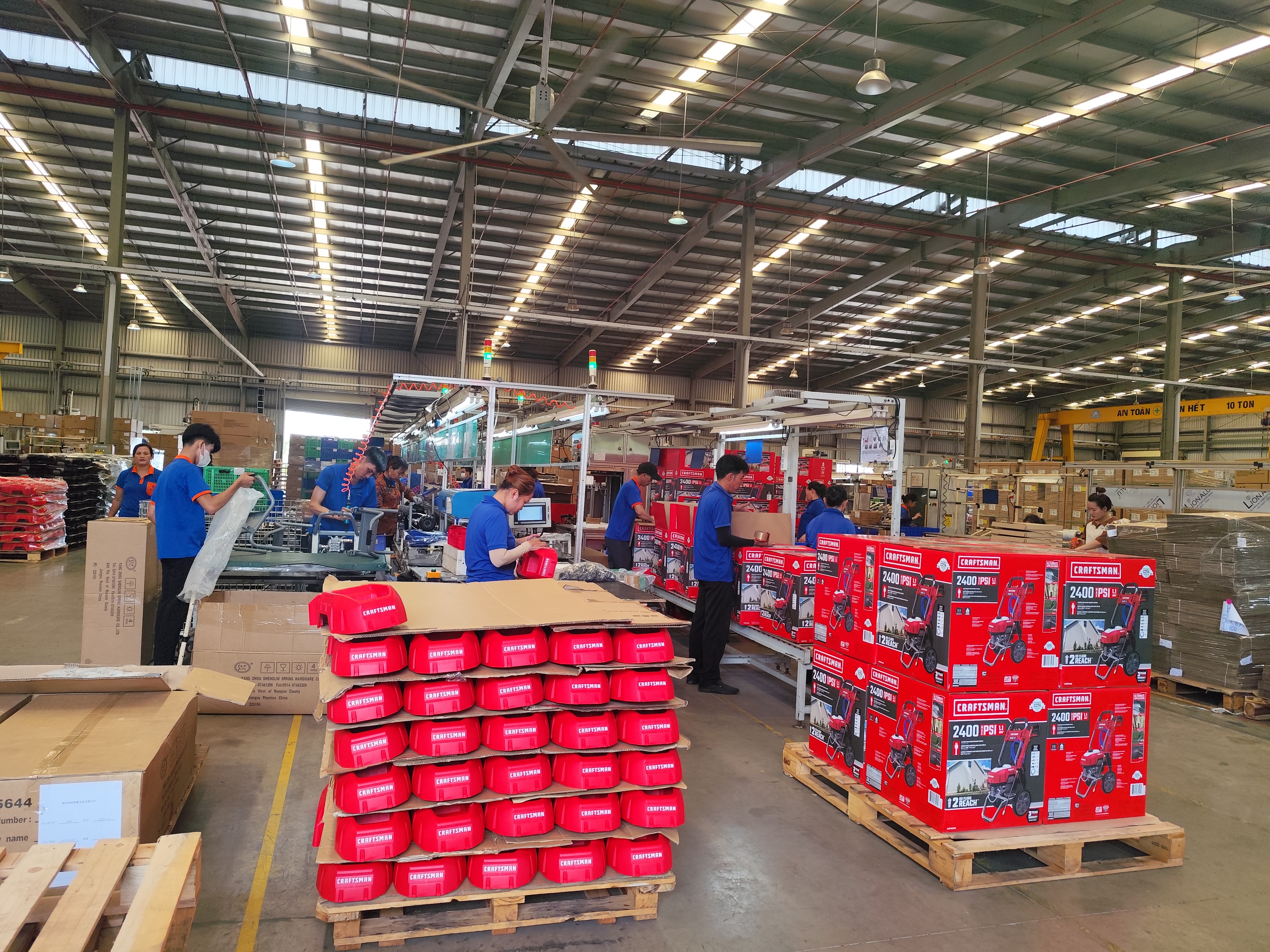

Evaluating Vietnamese supplier capacity for OEM welding parts is something our team in Vietnam does every month — and getting it wrong costs buyers months of rework and lost revenue.
To evaluate Vietnamese supplier capacity for OEM welding parts, verify international certifications (ISO 9001, ISO 3834, AWS), audit factory equipment and welding processes, assess workforce skills, review project management systems, and confirm the supplier’s ability to follow drawing requirements precisely before placing any order.
Vietnam has become a strategic sourcing destination for OEM welding parts, offering cost competitiveness, skilled certified welders, and modern automated technology ASME certifications 1. But not every factory delivers the same results. Below, I walk through the key evaluation criteria our team uses when qualifying welding suppliers across Vietnam.
How can I verify if a Vietnamese welding supplier meets my strict quality and certification standards?
One lesson we learned early in our Vietnam operations is that a certificate hanging on a factory wall does not always tell the full story — you need to dig into the details behind every certification claim.
Verify a Vietnamese welding supplier's quality standards by requesting current ISO 9001, ISO 3834, and AWS or ASME certificates, confirming their scope covers your specific welding processes, and conducting an on-site factory audit to validate that documented procedures match actual shop-floor practices.

Why Certifications Matter for OEM Welding
When you source OEM welding parts for the U.S. or European markets, technical compliance is non-negotiable. Certifications prove a supplier has systems in place to control quality. But the type of certification matters. ISO 9001:2015 2 covers general quality management. ISO 3834 is specific to welding quality. AWS (American Welding Society) 3 and ASME certifications confirm the supplier can meet North American structural and pressure vessel standards. DNV and Lloyd certifications are common among Vietnamese suppliers serving the marine and energy sectors.
Our team always checks two things: the certificate's scope and its expiry date. A supplier may hold ISO 9001, but the scope might cover only assembly — not welding. That gap can cause serious problems downstream.
What to Check During a Factory Audit
A factory audit in Vietnam should go beyond a walkthrough. Here is what we look for:
| Audit Area | What to Verify | Red Flag If Missing |
|---|---|---|
| Certification documents | ISO 9001, ISO 3834 4, AWS, ASME — valid and in-scope | Expired or scope mismatch |
| Welder qualifications | Individual welder certification records (AWS D1.1, 6G, etc.) | No individual records on file |
| Welding Procedure Specifications (WPS) 5 | Documented WPS for each welding process used | Generic or no WPS available |
| Incoming material inspection | Material test reports, traceability records | No incoming inspection system |
| Non-destructive testing (NDT) | MT, UT, or RT equipment and certified NDT inspectors | No NDT capability in-house |
| Calibration records | Equipment calibration schedules and records | Outdated or absent records |
Welder Certification Depth
In Vietnam, many welders hold internationally recognized certifications. We have seen factories where 80% or more of the welding team holds AWS or Lloyd qualifications. But the key question is whether the specific welders assigned to your project are certified for the exact process and position your parts require. A welder certified for flat-position MIG on carbon steel may not be qualified for 6G TIG on stainless steel pipe. Always ask for the welder qualification matrix and match it to your part requirements.
Quality Control Beyond Certificates
Certifications set the baseline. Real welding quality control happens on the shop floor. Look for suppliers that perform in-process checks — not just final inspection. Ask to see their first article inspection reports, dimensional check records, and weld visual inspection criteria. Suppliers who invest in non-destructive testing capabilities 6 like magnetic particle testing or ultrasonic testing demonstrate a serious commitment to quality.
What technical capabilities should I look for when assessing a Vietnamese factory's welding capacity?
A buyer we work with recently asked us to compare two Vietnamese factories for a structural steel bracket project — on paper they looked identical, but their actual technical capabilities were worlds apart.
Assess a Vietnamese factory's welding capacity by examining its welding processes (MIG, TIG, robotic welding), equipment age and condition, material handling versatility, dimensional tolerance capabilities, and supporting processes like laser cutting, CNC machining, and surface finishing that complete the OEM production chain.
Core Welding Processes to Evaluate
Vietnamese metal fabricators typically offer multiple welding methods. The right process depends on your part design, material, and production volume. Here is a comparison:
| Welding Process | Best For | Typical Application |
|---|---|---|
| MIG (GMAW) | High-speed production, carbon steel, aluminum | Structural frames, brackets, mounting hardware |
| TIG (GTAW) | Precision, thin materials, stainless steel | Aesthetic parts, food-grade components |
| Spot Welding | Sheet metal assemblies, high-volume runs | Enclosures, panels, automotive brackets |
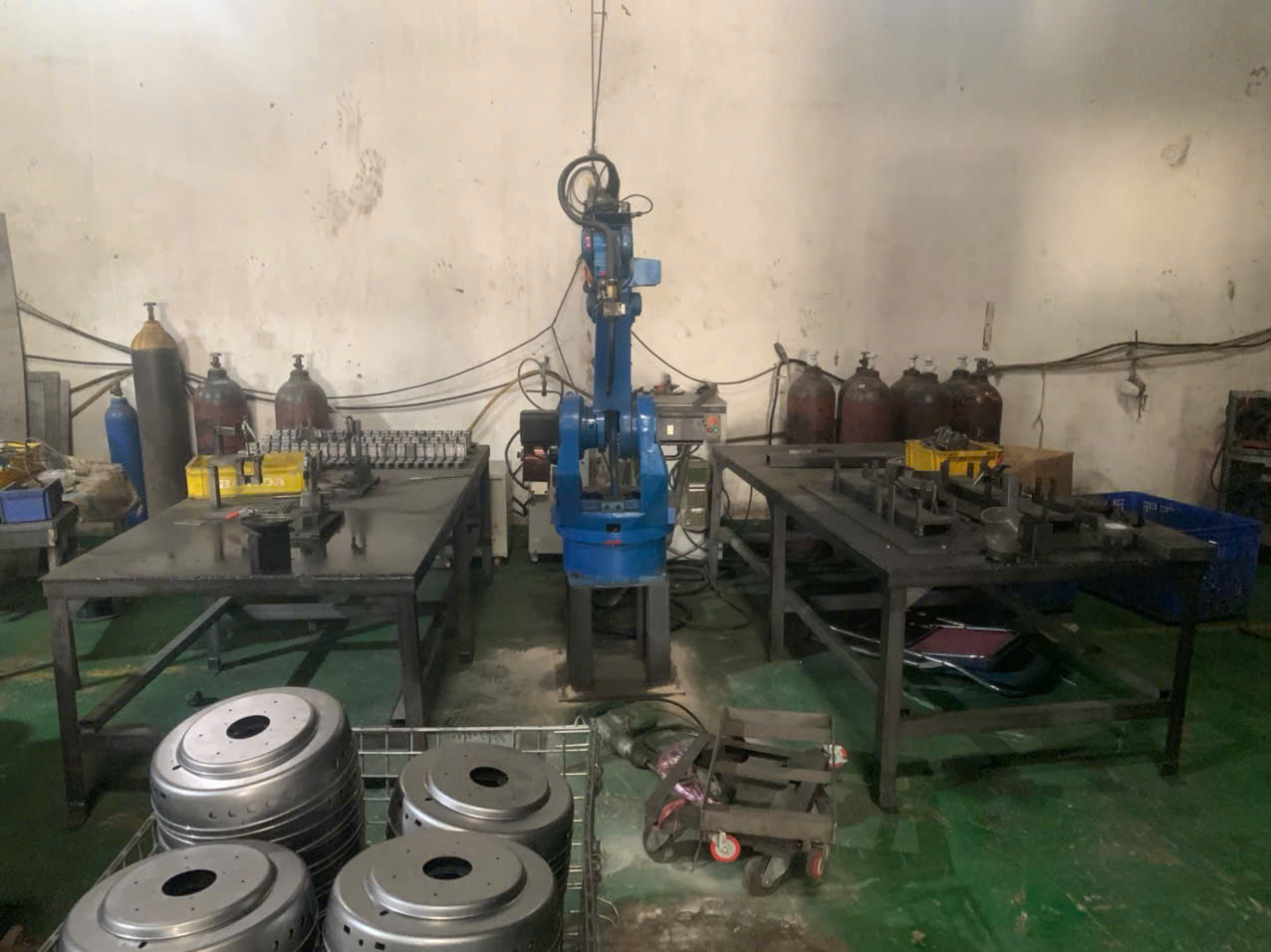
| Robotic Welding 7 | Repeatability, large batches, tight tolerances | OEM subassemblies, mass-production components |
| Laser Welding | Ultra-thin materials, minimal heat distortion | Electronics housings, precision instruments |
When we evaluate a factory's manufacturing capabilities in Vietnam, we look at whether they can handle the specific welding process your project demands. A factory with five robotic welding cells is ideal for high-volume bracket production. But if your project involves custom one-off stainless steel assemblies, you need skilled TIG welders with proper certification.
Equipment and Technology Check
Modern Vietnamese fabricators invest heavily in automated technology. Many facilities now use robotic welding lines, fiber laser cutting machines, and CNC stamping presses. During a factory audit in Vietnam, I always check:
- The brand, age, and condition of welding machines
- Whether robotic welding cells have proper fixturing for consistency
- Laser cutting table size and power (affects material thickness capacity)
- CNC equipment for secondary machining operations
Suppliers with robotic welding and laser cutting can deliver tighter tolerances and better repeatability. This is critical for OEM parts like the heavy-duty mounting brackets and structural frames described in complex geometric assemblies.
Material Versatility
Your welding supplier must handle the materials your design requires. Vietnamese factories commonly work with carbon steel, stainless steel (304, 316), and aluminum alloys. Some also handle copper, brass, and specialty alloys.
| Material | Strength | Corrosion Resistance | Cost | Common Use Case |
|---|---|---|---|---|
| Carbon Steel (A36, S355) | High | Low (needs coating) | Low | Structural frames, heavy-load brackets |
| Stainless Steel (304/316) | Medium-High | High | Medium-High | Food-grade, marine, chemical environments |
| Aluminum (6061, 5052) | Medium | High | Medium | Lightweight assemblies, electronics housings |
| Galvanized Steel | High | Medium | Low-Medium | Outdoor structures, industrial mounting hardware |
Ask the supplier where they source raw materials. Some Vietnamese factories import steel from Japan or Korea for premium grades. Others use domestic sources. Material traceability matters — especially for projects that require mill test certificates 8.
Supporting Processes
OEM welding parts rarely need welding alone. Look for suppliers that offer a complete production chain: laser cutting, stamping, bending, machining, and surface finishing (powder coating, galvanizing, polishing). This reduces your supply chain complexity and shortens lead times. Our experience managing supply chain operations in Vietnam has shown that single-source suppliers who handle everything from cutting to coating deliver more consistent results than multi-vendor setups.
How do I evaluate a supplier's project management to ensure my OEM parts are delivered on time?
Delivery delays are the number one complaint I hear from U.S. buyers sourcing custom parts from Asia — and in most cases, the root cause is weak project management, not lack of technical skill.
Evaluate a supplier's project management by reviewing their order tracking systems, communication responsiveness, production scheduling methods, capacity utilization rate, and history of on-time delivery performance with existing export clients, especially those shipping to the U.S. or Europe.
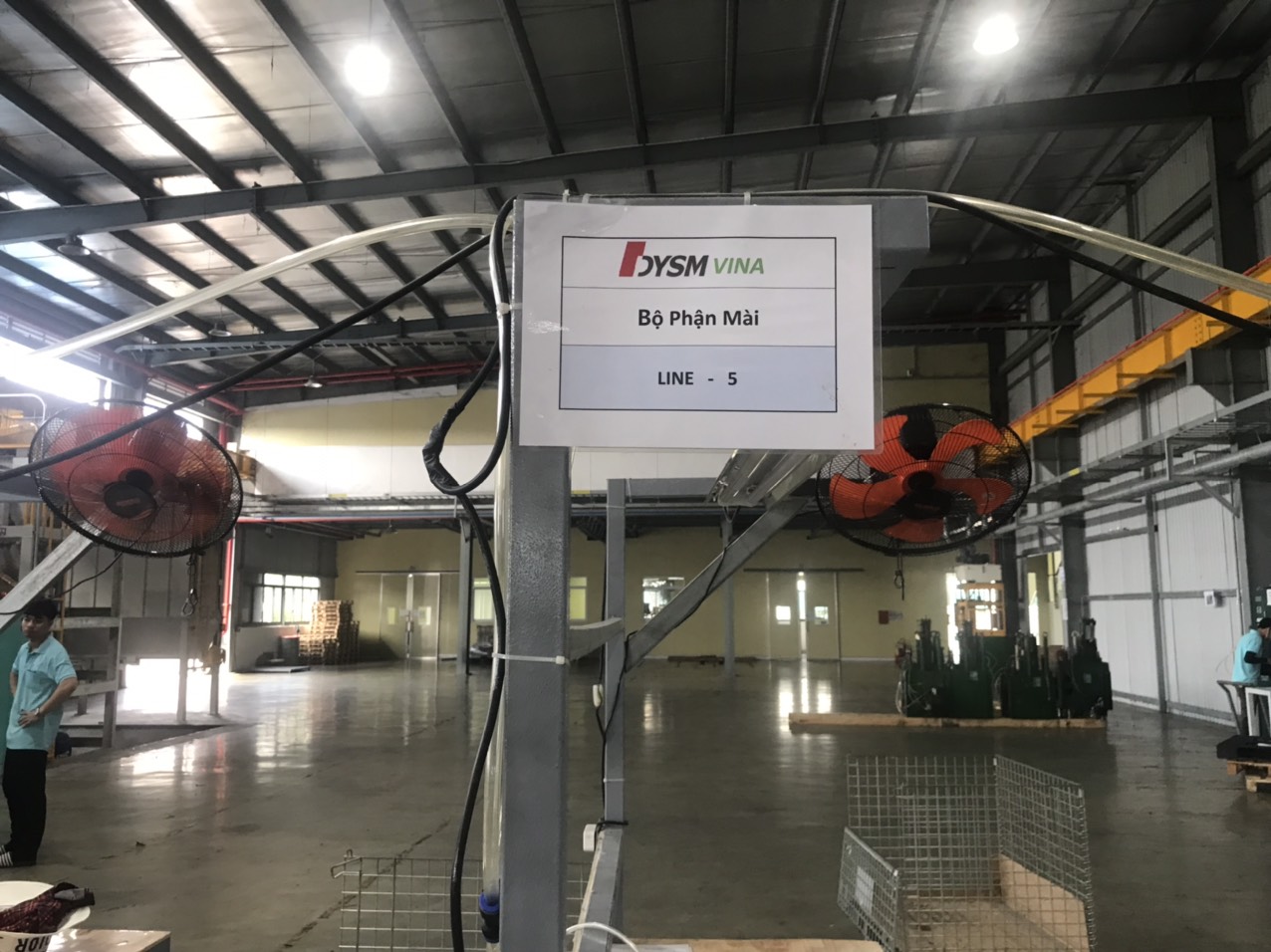
Why Project Management Determines Delivery Success
A factory might have excellent welding equipment and certified welders but still miss deadlines. The difference between on-time and late delivery often comes down to how well the supplier manages production planning, material procurement, and communication.
When our Vietnam team evaluates a new supplier, we ask to see their production schedule board or ERP system. We look at how they allocate capacity across multiple orders. A factory running at 95% capacity with no buffer is a delivery risk. We prefer suppliers operating at 70–80% capacity with room to absorb schedule changes.
Key Project Management Indicators
Here is a practical checklist we use:
Communication and responsiveness. Does the supplier have English-speaking project managers? Can they respond to emails within 24 hours? Do they proactively flag issues before they become problems? In our work supporting U.S. clients, we have found that communication gaps cause more project failures than technical issues.
Production tracking. Does the factory use any digital system to track order progress? Even a simple shared spreadsheet updated daily is better than verbal updates. Sophisticated suppliers use ERP systems that track each work order through cutting, welding, machining, finishing, and inspection stages.
Lead time accuracy. Ask the supplier for references from existing export clients. Contact those clients and ask one question: does this factory deliver on time? A supplier's track record with logistics and customs procedures for U.S. or European shipments is a strong indicator of reliability.
Capacity planning. Confirm the factory's annual production capacity. Some Vietnamese welding factories produce up to 800 tons per year. Compare that number to your order volume to assess whether your project fits comfortably within their capacity.
Mitigating Delivery Risk
Even with a good supplier, delays happen. The key is how quickly the supplier identifies and communicates problems. We build milestone checkpoints into every project — design confirmation, material arrival, first article completion, mid-production audit, final inspection, and shipment. Each milestone has a target date and an owner. This approach, which is central to our supplier project management and team evaluation, catches problems early when they are cheap to fix.
How can I ensure a Vietnamese supplier follows my drawing requirements to avoid non-conforming parts?
The most frustrating call I have ever taken from a client was about a batch of welding brackets where the supplier ignored three critical tolerances clearly marked on the drawing — costing weeks of rework and air freight charges to meet the end customer's deadline.
Ensure a Vietnamese supplier follows your drawing requirements by conducting a formal Design for Manufacturability (DFM) review before production, requiring a signed-off first article inspection report (FAIR), establishing a PPAP process, and defining clear acceptance criteria for every critical dimension and weld specification.
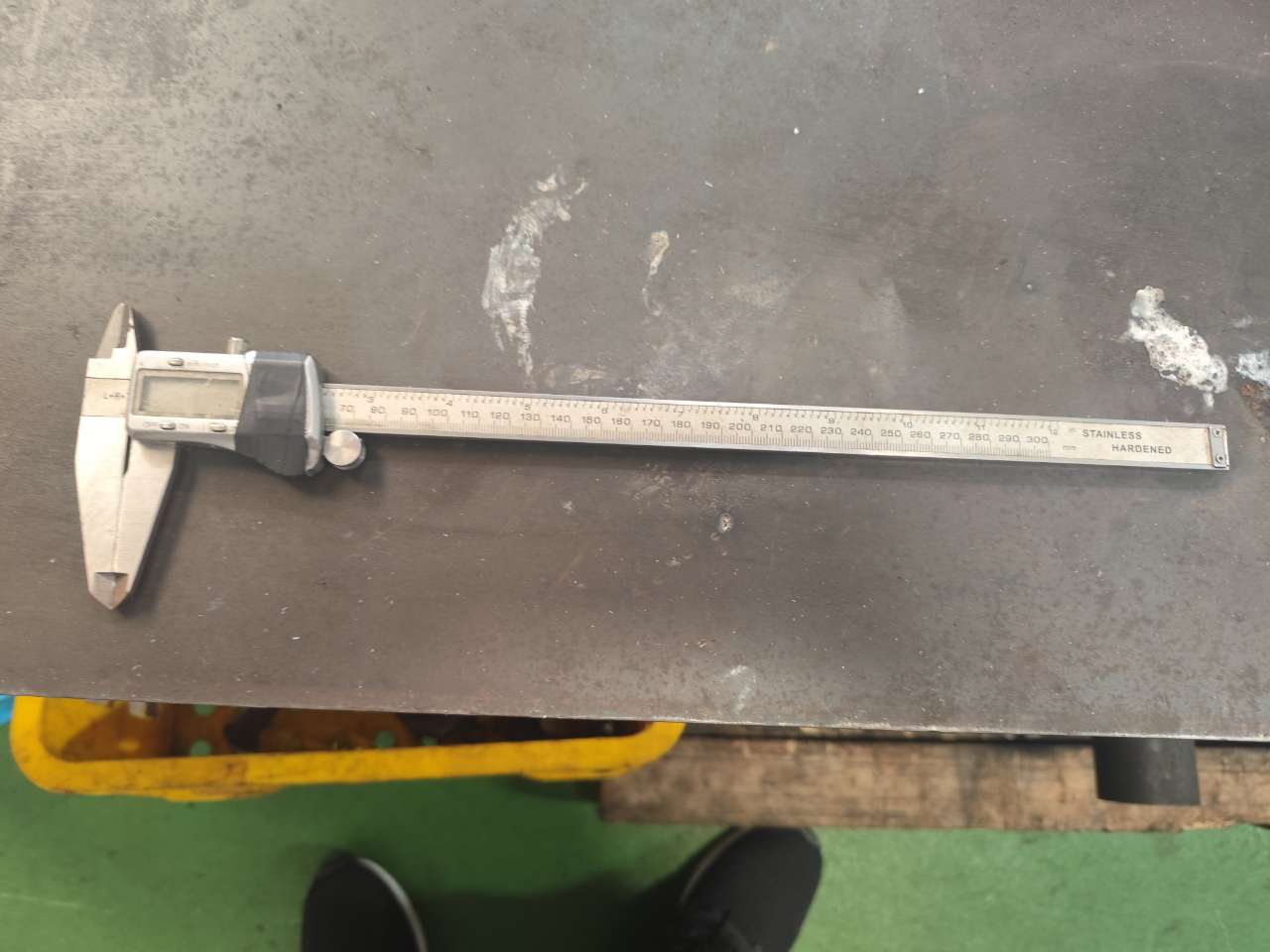
The Root Cause of Non-Conforming Parts
Non-conforming welding parts usually trace back to one of three causes: the supplier misread the drawing, the supplier lacked capability to hit the specified tolerance, or nobody verified the first piece before mass production started. All three are preventable.
In our work managing custom part projects between U.S. buyers and Vietnamese factories, we have built a process specifically to eliminate these failures. It starts before production even begins.
Step-by-Step Process to Protect Drawing Compliance
Step 1: DFM Review. Before quoting, share your drawings and have the supplier's engineering team review them. Design for Manufacturability (DFM) review 9 Ask them to mark up any dimensions they consider challenging or any features they would suggest modifying for manufacturability. This conversation reveals how well the supplier understands your requirements. If they accept everything without a single question, that is actually a warning sign — it may mean they did not read the drawing carefully.
Step 2: Welding Procedure Specification (WPS) Alignment. For each weld joint on your drawing, the supplier should have a qualified WPS that matches the material, thickness, joint type, and position. Ask to see the WPS and its supporting Procedure Qualification Record (PQR). This ensures the welding parameters are proven — not improvised on the shop floor.
Step 3: First Article Inspection. Before mass production, require the supplier to produce one or more sample parts and submit a complete first article inspection report. This report should include dimensional measurements for every critical feature, weld visual inspection results, and any required NDT results. Compare every measurement to your drawing tolerance. Approve the first article in writing before the supplier proceeds.
Step 4: In-Process Quality Gates. Define inspection checkpoints during production. For OEM welding parts like structural frames or mounting brackets, typical gates include: post-cutting dimensional check, post-welding visual and dimensional inspection, post-machining verification, and post-surface-treatment final check.
Step 5: Final Inspection and PPAP. For high-stakes projects, implement a Production Part Approval Process (PPAP) 10. This formal package includes the control plan, process flow, measurement system analysis, and initial production samples. It is the gold standard for ensuring a supplier can consistently reproduce conforming parts.
Common Drawing Misinterpretation Issues
| Drawing Feature | Common Supplier Error | How to Prevent It |
|---|---|---|
| Geometric tolerances (GD&T) | Ignored or misunderstood | Provide training or a marked-up inspection plan |
| Weld symbols | Wrong weld type or size applied | Verify WPS matches each weld callout |
| Surface finish requirements | Overlooked or substituted | Specify finish in both drawing and purchase order |
| Material grade callout | Substituted with similar but incorrect grade | Require mill test certificates for incoming material |
| Critical dimensions vs. reference dimensions | All treated equally | Clearly mark CTQ (Critical to Quality) dimensions |
When dealing with complex assemblies — like a multi-level geometric frame with V-shaped brackets and pre-drilled mounting holes — the risk of misinterpretation increases. We address this by creating a separate inspection plan document that lists every critical feature, its tolerance, the measurement method, and the acceptance criteria. This document becomes the single source of truth for both the supplier's QC team and our own inspectors.
The Cost of Getting It Wrong
Non-conforming parts do not just waste material. They trigger cascading costs: rework labor, delayed shipments, expedited freight, and damaged buyer-supplier trust. For U.S. importers who rely on just-in-time delivery to their own customers, a batch of bad welding parts can ripple through the entire supply chain. That is why we invest heavily in front-end processes like DFM review, PPAP, and first article inspection — the cost of prevention is a fraction of the cost of failure.
Conclusion
Evaluating Vietnamese supplier capacity for OEM welding parts requires a structured approach — verify certifications, audit technical capabilities, assess project management, and enforce drawing compliance to ensure quality, on-time delivery, and long-term sourcing success. For a broader framework on building your evaluation process, see how to develop qualification criteria for Vietnam sheet metal fabrication suppliers.
Frequently Asked Questions
How can I verify if a Vietnamese welding supplier meets my strict quality and certification standards?
One lesson we learned early in our Vietnam operations is that a certificate hanging on a factory wall does not always tell the full story — you need to dig into the details behind every certification claim.
What technical capabilities should I look for when assessing a Vietnamese factory's welding capacity?
A buyer we work with recently asked us to compare two Vietnamese factories for a structural steel bracket project — on paper they looked identical, but their actual technical capabilities were worlds apart.
How do I evaluate a supplier's project management to ensure my OEM parts are delivered on time?
Delivery delays are the number one complaint I hear from U.S. buyers sourcing custom parts from Asia — and in most cases, the root cause is weak project management, not lack of technical skill.
Footnotes
1. Official information on ASME standards and certifications relevant to welding. ↩︎
2. Official information on the ISO 9001:2015 quality management standard. ↩︎
3. Official website for the American Welding Society, a key certification body. ↩︎
4. Official information on the ISO 3834 quality requirements for fusion welding. ↩︎
5. Explains the purpose and importance of Welding Procedure Specifications in quality control. ↩︎
6. Provides an overview of non-destructive testing methods used in quality assurance. ↩︎
7. Explains the technology and benefits of robotic welding in manufacturing. ↩︎
8. Defines mill test certificates and their importance for material traceability and quality. ↩︎
9. Explains the concept and benefits of Design for Manufacturability in product development. ↩︎
10. Comprehensive guide to the Production Part Approval Process from a quality management expert. ↩︎