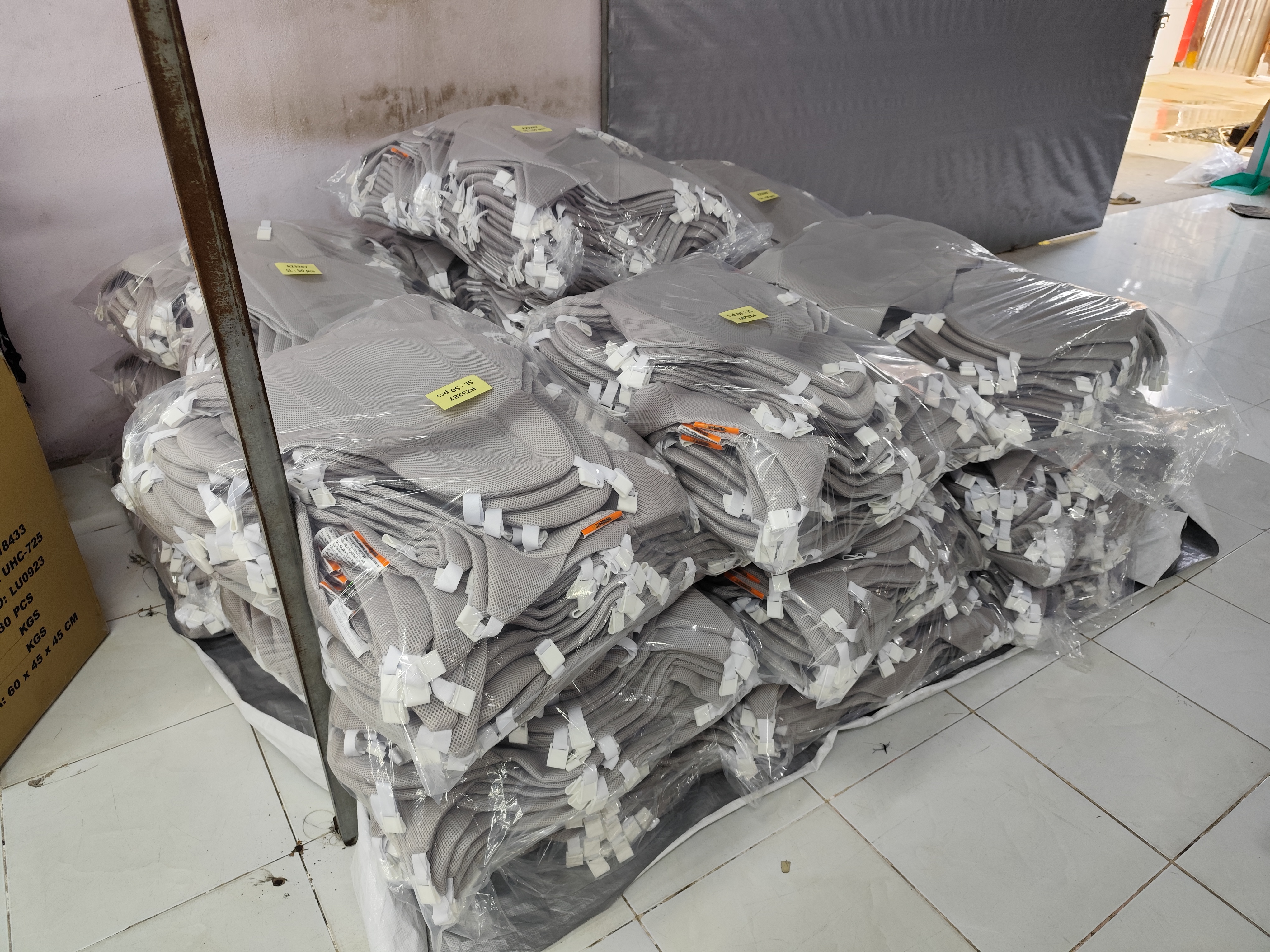
Evaluating a Vietnamese supplier’s flexibility for seasonal demand in Europe became personal for me after a peak-season bracket order nearly missed its ship date. Promises on paper meant nothing. What saved us was a structured audit, and I want to share that method here.
To evaluate a Vietnamese supplier’s flexibility for seasonal demand in Europe, verify five things: real production capacity under surge conditions, transparent capacity planning, negotiable minimum order quantities, backup material sources, and proven on-time delivery to European buyers during past peak seasons.
That answer sounds simple. In practice, each of those five points hides traps that only show up when your peak season arrives. Let me walk you through each one, based on real projects our Vietnam team has audited.
How can I tell if a Vietnamese supplier can scale production during my peak season?
A stamping supplier once showed me a spotless factory floor in Binh Duong 1. Every press was running. That was the problem — there was zero spare capacity for my surge.
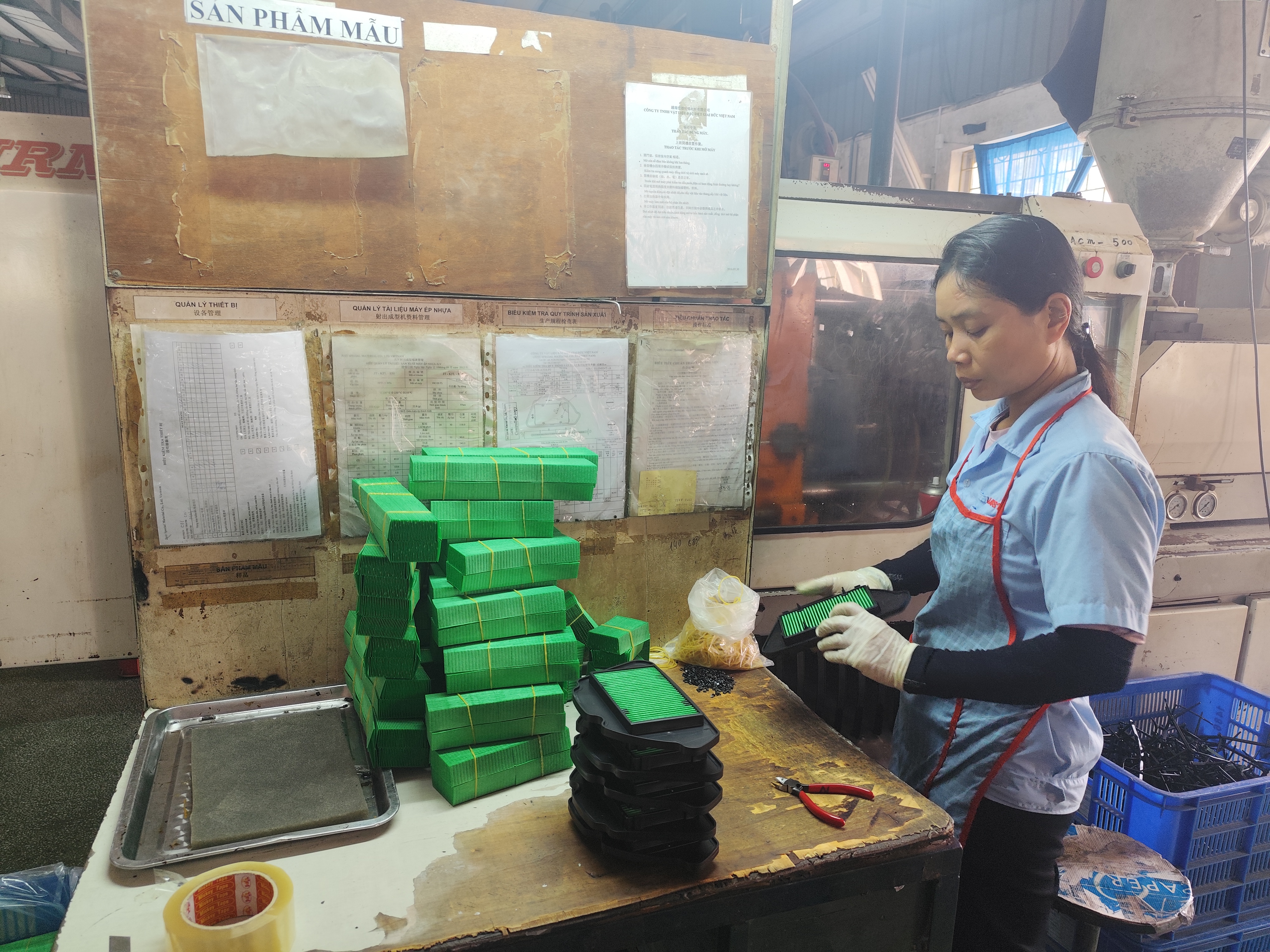
You can tell a Vietnamese supplier can scale by checking current machine utilization, shift structure, trained backup labor, subcontracting partners, and documented history of fulfilling surge orders for other export clients. Utilization above 85 percent with no overflow plan means they cannot absorb your peak.
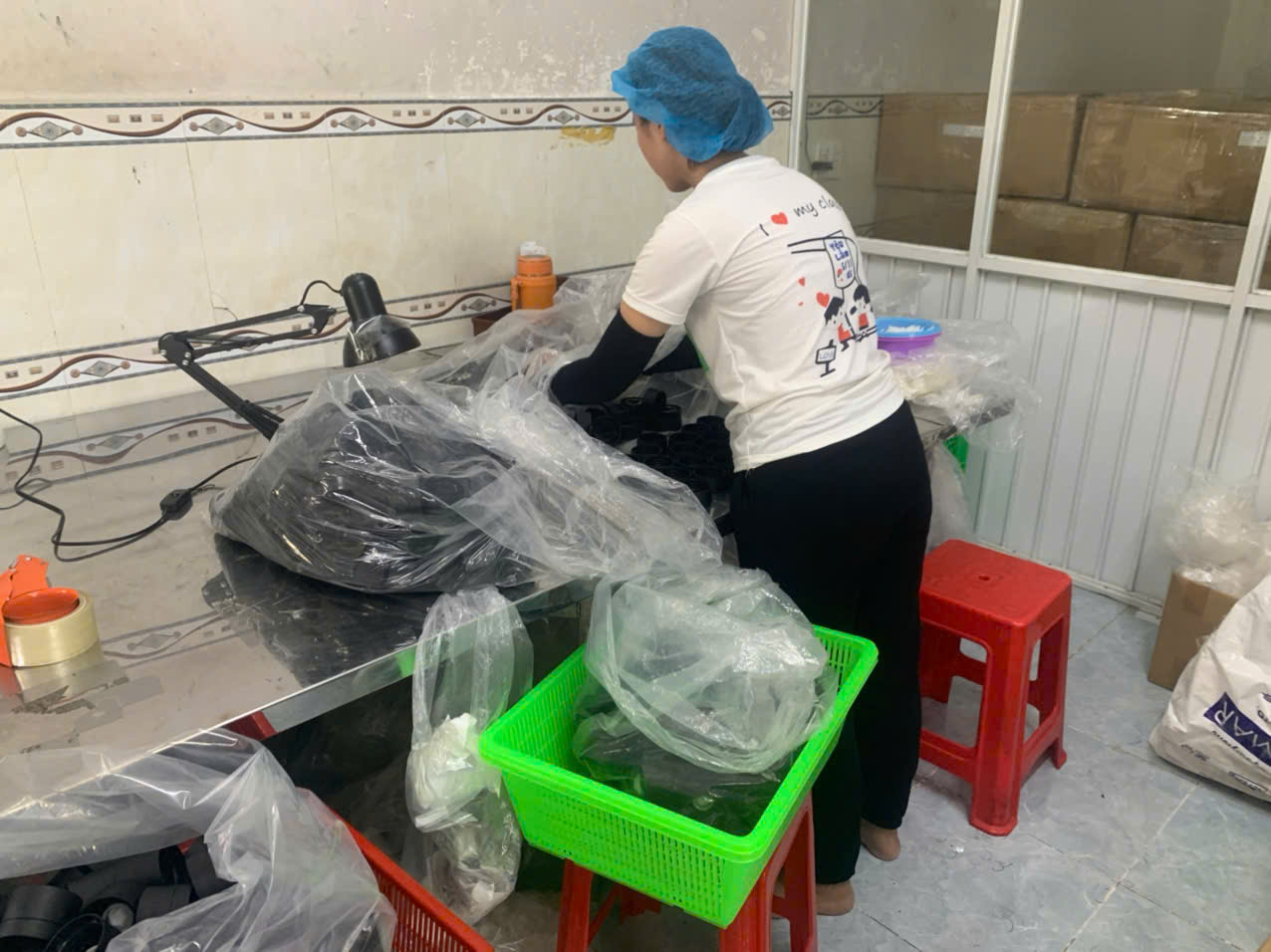
Scaling is not a promise. It is a set of physical and organizational facts you can inspect. When our engineers audit a stamping or fabrication plant in Vietnam, we look at hard numbers first, not the sales pitch.
Start with machine utilization
Ask for the current utilization rate of the equipment that will make your parts. For stamped brackets like the ones we source, that means the specific press tonnage range your dies require. A factory can be half empty overall but fully booked on the one 110-ton press your part needs. Ask them to show the production schedule for that machine, not the plant.
Check labor and shift depth
Vietnam's labor law caps overtime hours. That is a real legal ceiling, not a negotiating point. So the honest way to scale is a second or third shift with trained operators. Ask how many operators are certified on your process today, and how long it takes to train more. If the answer is vague, the scaling plan is vague.
Look for overflow arrangements
The strongest suppliers we work with maintain vetted subcontractors for overflow. That is fine, as long as quality control 2 travels with the work. We require the same inspection plan and PPAP-level documentation at any overflow site.
| Scaling Indicator | Good Sign | Warning Sign |
|---|---|---|
| Machine utilization | Under 75% on your process | Over 85%, no expansion plan |
| Shift structure | 2–3 shifts, trained backups | Single shift plus overtime only |
| Overflow capacity | Audited partner factories | "We will find a way" |
| Surge history | Named seasonal export projects | No examples offered |
| Tooling | Duplicate or fast-swap dies | One die, no spare plan |
What questions should I ask about their capacity planning for seasonal orders?
There is one question I always ask early in a supplier meeting: "Walk me through what happened at your factory last Tet." The answer tells me more than any brochure.
Ask how they plan capacity around Tet shutdowns, how far in advance they lock production slots, how they buffer raw material for surges, whether they accept rolling forecasts, and how they communicate schedule risk. Suppliers with written seasonal planning processes are far more reliable than those improvising.
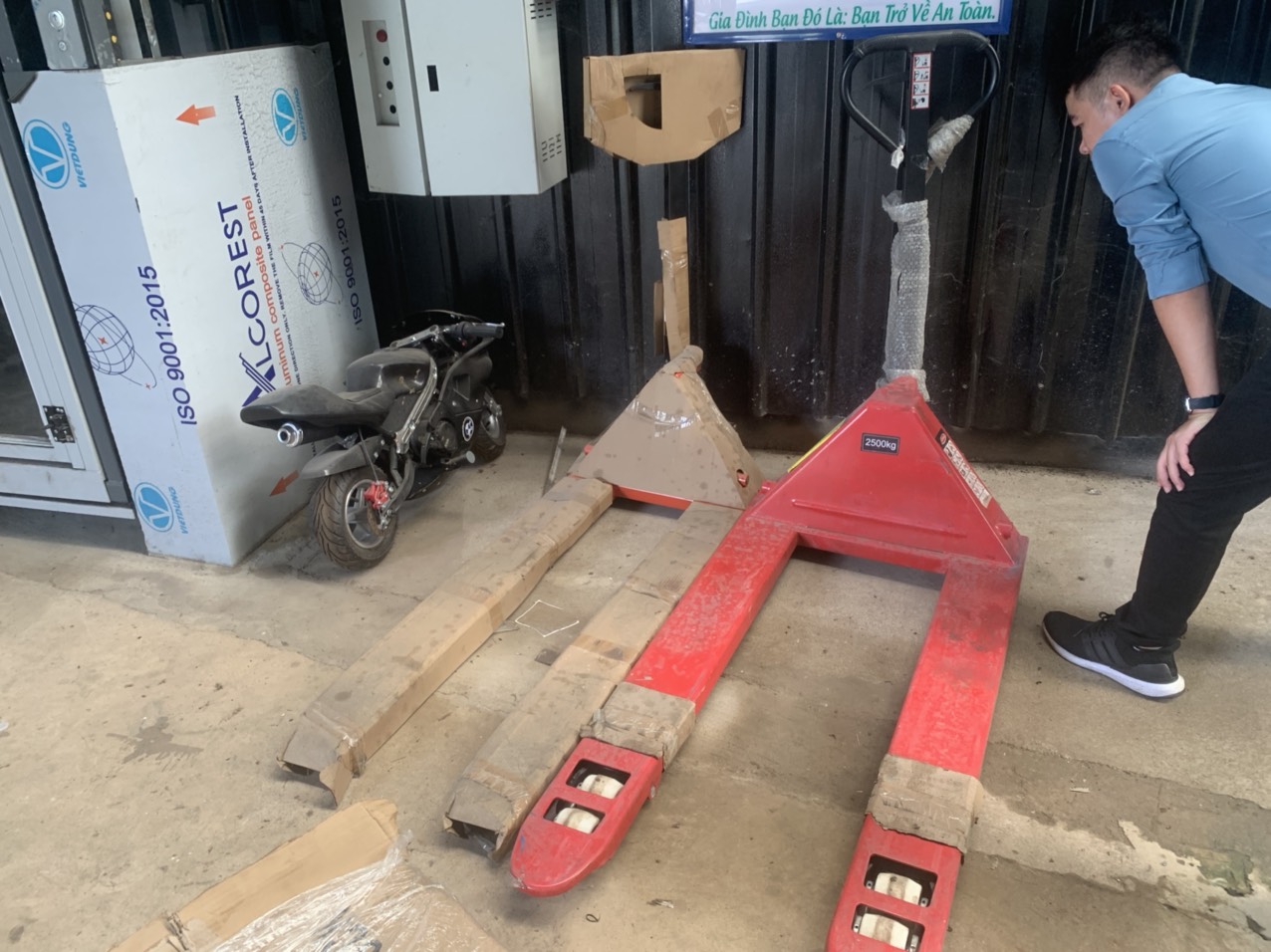
Good questions expose whether planning is a discipline or an afterthought. Over years of coordinating custom metal parts from our Vietnam office, I have refined a shortlist that separates planners from improvisers.
The Tet question comes first
Tet, the Lunar New Year 3, shuts most Vietnamese factories for one to two weeks. The real gap is longer. Workers leave early and return slowly, so effective downtime can stretch to three or four weeks. Worse, many Vietnamese factories import steel or components from China, and Chinese New Year 4 overlaps with Tet. Both supply chains pause at once. A serious supplier will tell you their pre-Tet order cutoff dates without being pushed.
Questions that reveal real planning
- What is your order cutoff date for delivery before Tet, and before Europe's Q4 peak?
- How many weeks of raw material do you hold for repeat customers, and can you hold a buffer for us?
- Do you accept rolling forecasts, and how do you convert them into reserved capacity?
- What happened the last time a European customer doubled an order mid-season? Show me the record.
- Who calls me when a schedule slips — and how early?
That last question matters most to buyers like the U.S. and European purchasing managers we serve. Delays happen. What kills seasonal campaigns is silence. In our own process, we send production status updates on a fixed cadence precisely because we learned that surprises cost more than problems.
Judge the answers, not the confidence
Confident vague answers are worse than cautious specific ones. A supplier who says "Tet is no problem" is a bigger risk than one who says "order by week 48 or wait until March."
How do I verify their flexibility with minimum order quantities during demand fluctuations?
Early in one bracket project, a client needed a 500-piece pre-season pilot before committing to 20,000 units. Two factories refused. The third agreed — and won three years of business.
Verify MOQ flexibility by requesting a small pilot order, asking for tiered pricing across volume bands, and testing whether they accept phased or split deliveries. A supplier who explains the cost logic behind their MOQ, then negotiates, is genuinely flexible; one who quotes a rigid number is not.
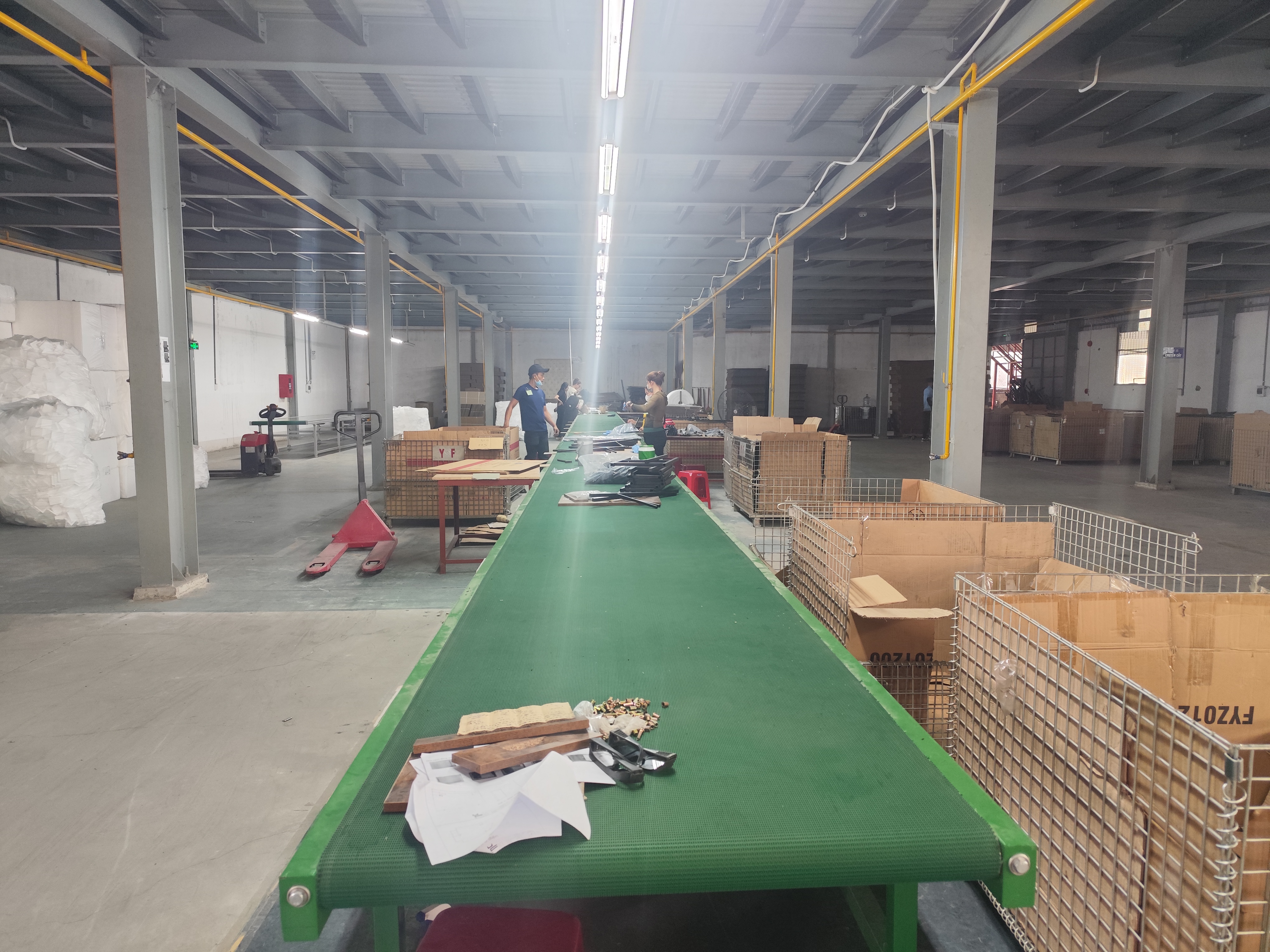
MOQs exist for real reasons, especially in stamped metalwork. A press setup and die changeover cost the same whether you run 300 parts or 30,000. Material often ships in minimum coil quantities. So I never expect a supplier to abandon MOQs. I expect them to explain and adapt them.
The three-part MOQ test
First, request a pilot run below their stated MOQ. Watch how they respond. The flexible ones offer a setup fee or a slightly higher unit price. The rigid ones simply say no. For seasonal European demand, pilots matter — you need samples validated and logistics tested before the peak, not during it.
Second, ask for tiered pricing. A supplier who prices 1,000, 5,000, and 20,000 pieces transparently is showing you their cost structure. That transparency predicts how they will behave when your volumes swing.
Third, test phased delivery. Seasonal demand rarely arrives in one clean lump. Can they produce your full seasonal quantity but ship it in three releases as your European warehouse pulls stock? For metal parts, this is usually easy — finished brackets store well — so refusal signals inflexibility, not physics.
| MOQ Flexibility Signal | Flexible Supplier | Rigid Supplier |
|---|---|---|
| Pilot orders | Accepted with setup fee | Refused outright |
| Pricing | Transparent volume tiers | Single take-it-or-leave-it MOQ |
| Deliveries | Split shipments accepted | Full quantity, one shipment |
| Reasoning | Explains setup and material costs | "Company policy" |
| Off-season orders | Discounted slots offered | Same terms year-round |
In our sourcing work, we sometimes bridge this gap ourselves — consolidating orders or using open account terms to ease the cash flow pressure that phased ordering creates for buyers. But the supplier's underlying attitude still has to be right.
What red flags indicate a Vietnamese supplier can't handle sudden volume changes for the European market?
The costliest lesson from our years running supplier audits in Vietnam: the red flags are almost always visible before the contract. Buyers just choose not to see them.
Red flags include single-factory dependence, heavy reliance on Chinese raw materials with no buffer, no documented Tet contingency plan, refusal of pilot orders, missing EU compliance or EVFTA origin documentation, optimistic lead times without European shipment evidence, and reactive rather than proactive communication.
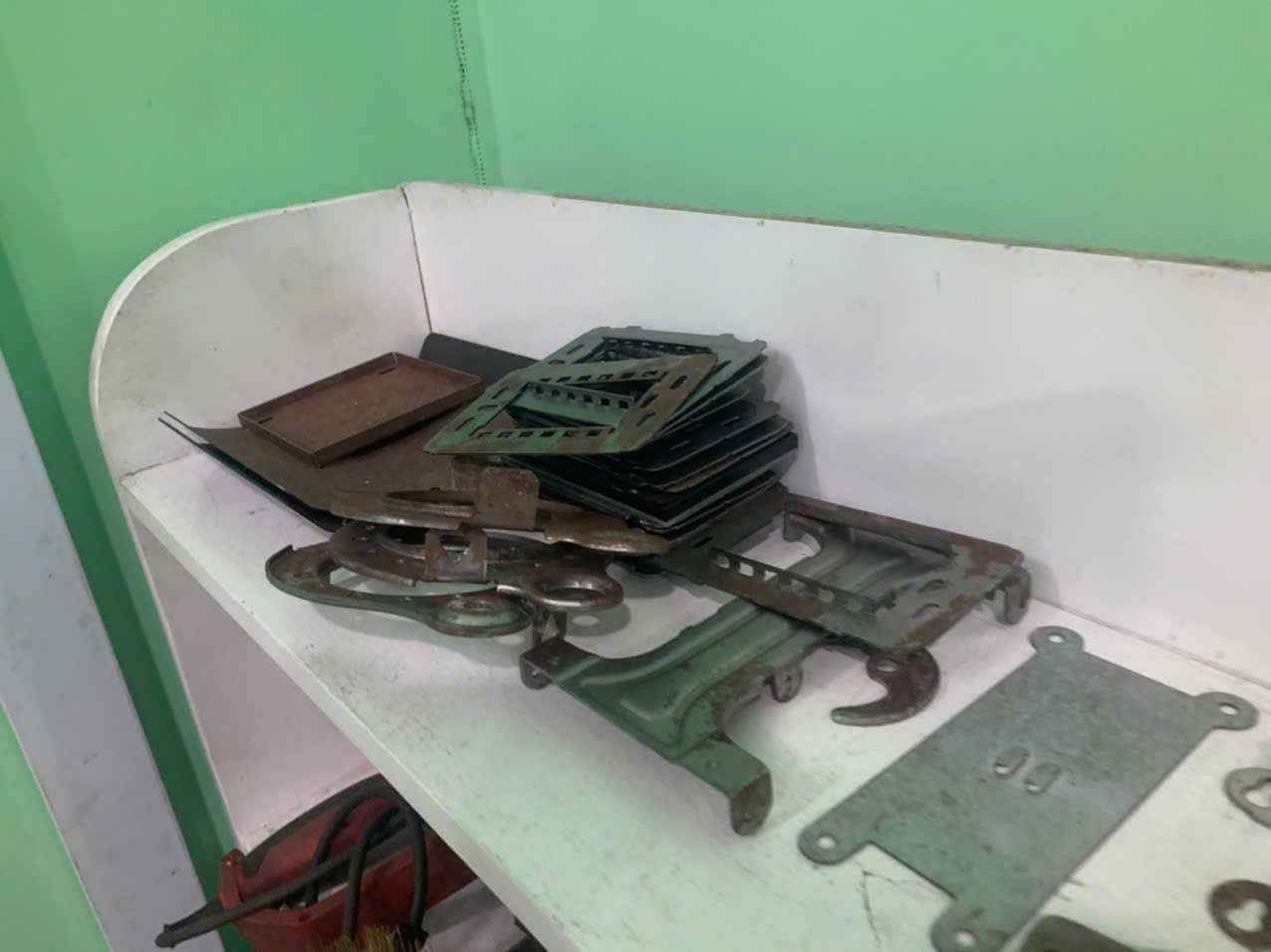
Each red flag maps to a failure mode that shows up precisely when European demand spikes. Let me break down the ones we screen for hardest.
Supply chain red flags
Single-source dependence is the most dangerous. One factory, one steel supplier, one shipping lane out of one port. Any disruption cascades straight into your peak season. Ask where the raw material comes from. Many Vietnamese metal fabricators buy steel coil from China. That is normal, but if they hold no buffer stock, the overlapping Tet and Chinese New Year closures compound into delays that no standard lead-time quote reveals.
Compliance and documentation red flags
For Europe specifically, flexibility dies at customs. If the supplier cannot produce EVFTA rules-of-origin documentation 5 correctly, your preferential tariff disappears — and with it the cost flexibility you were counting on when scaling volumes. Missing material certificates 6, weak traceability, or no audit history with European buyers all belong on the same list. A supplier scrambling for paperwork cannot also be scrambling for capacity.
Behavioral red flags
Some warnings are cultural, not technical. Watch for these:
| Red Flag | What It Predicts |
|---|---|
| "Yes" to every request, instantly | Overcommitment, then silent delays |
| No named contact for schedule issues | Nobody owns your order during a crisis |
| Cannot describe past peak-season overload | They have never actually handled one |
| Quotes lead times shorter than competitors by weeks | Optimism, not capability |
| No mention of Tet unless you ask | Planning gaps you will discover in February |
When we run supplier audits for clients, we weight behavioral flags as heavily as capacity data. Machines can be added. A culture of overpromising cannot be fixed by your purchase order.
Conclusion
Seasonal European demand punishes guesswork. Test capacity, question planning, probe MOQs, and screen red flags before peak season — or let a partner with boots in Vietnam do it for you.
Frequently Asked Questions
How can I tell if a Vietnamese supplier can scale production during my peak season?
A stamping supplier once showed me a spotless factory floor in Binh Duong 1 . Every press was running. That was the problem — there was zero spare capacity for my surge.
What questions should I ask about their capacity planning for seasonal orders?
There is one question I always ask early in a supplier meeting: "Walk me through what happened at your factory last Tet." The answer tells me more than any brochure.
How do I verify their flexibility with minimum order quantities during demand fluctuations?
Early in one bracket project, a client needed a 500-piece pre-season pilot before committing to 20,000 units. Two factories refused. The third agreed — and won three years of business.
Footnotes
1. Background on Binh Duong, a major Vietnamese manufacturing hub referenced in the article. ↩︎
2. ISO 9001 defines quality control processes relevant to overflow subcontractor audits. ↩︎
3. Background on the holiday causing extended Vietnamese factory shutdowns during Tet. ↩︎
4. Explains the overlapping holiday that disrupts Chinese raw material supply chains. ↩︎
5. Official EU source detailing EVFTA rules-of-origin requirements affecting Vietnamese export tariffs. ↩︎
6. ISO standards govern material certification and traceability documentation for exporters. ↩︎
7. Official EU source clarifies EVFTA origin rules affecting preferential tariffs for Vietnamese exports. ↩︎