

Extending [stamping parts’ service life](https://dewintech.com/blog/what-factors-affect-service-life-stamping-parts-the/) in harsh environments is a question I hear constantly from our U.S. clients. Parts corrode, wear out early, and replacement costs pile up fast.
To extend stamping parts’ service life in harsh environments, match the base material to the exposure conditions, apply protective coatings like zinc plating or powder coating, optimize die design to reduce stress points, and verify the supplier runs strict quality control with documented inspection at every stage.
There is no single magic fix. Long service life comes from a system: material, surface treatment, design, and process control working together. Let me walk you through each piece.
How can I choose the right material to withstand harsh operating conditions?
A few years back, our team in Vietnam helped a U.S. client whose mounting clips kept rusting in coastal installations. The root cause was simple: the wrong base material for a salty environment.
Choose the material based on the dominant threat: stainless steel (304 or 316) for salt and moisture, galvanized or zinc-coated steel for general outdoor corrosion, spring steel for repeated flexing, and aluminum alloys where weight and mild corrosion resistance both matter.

Material selection is the foundation of everything else. A coating can protect a part, but if the base metal is wrong for the load or the environment, the part will still fail early. On our sourcing projects, we always start by asking the client three questions. What touches the part? Water, salt, chemicals, or abrasive dust? What loads does it carry? Static, cyclic, or impact? And what temperature range does it see?
Match the material to the failure driver
Each environment attacks a part in a different way. Salt spray causes pitting corrosion. Abrasive dust wears surfaces. Vibration causes fatigue cracks at bends and holes. The table below shows how we guide clients through this choice.
| Environment | Main Threat | Recommended Material | Notes |
|---|---|---|---|
| Coastal / marine | Salt corrosion | 316 stainless steel 1 | 304 is a lower-cost option for milder exposure |
| Humid outdoor | General rust | Galvanized steel | Cost-effective; zinc layer sacrifices itself first |
| High vibration | Fatigue cracking | Spring steel, tempered | Needs proper heat treatment |
| Chemical exposure | Chemical attack | Stainless or coated alloys | Verify chemical compatibility charts |
| Abrasive dust | Surface wear | Hardened carbon steel | Balance hardness with toughness |
Harder is not always better
One trade-off we explain often: extreme hardness improves wear resistance but reduces toughness. A very hard part can crack under impact loading. For brackets and clips that flex in service, we usually specify a tempered condition that balances both properties. We also check galvanic compatibility. If your stamped bracket touches a dissimilar metal fastener, the contact point can corrode fast. Insulating washers or matched metals solve this cheaply at the design stage.
What surface treatments should I request to prevent corrosion and wear?
The trade-off I weigh most often on quoting calls is coating cost versus replacement cost. A few cents more per part for the right finish can eliminate years of warranty claims for our clients.
Request zinc electroplating or hot-dip galvanizing for general corrosion, powder coating for outdoor UV and chemical exposure, anodizing for aluminum parts, and hard treatments like nitriding or PVD coatings where abrasion and wear are the primary threats.
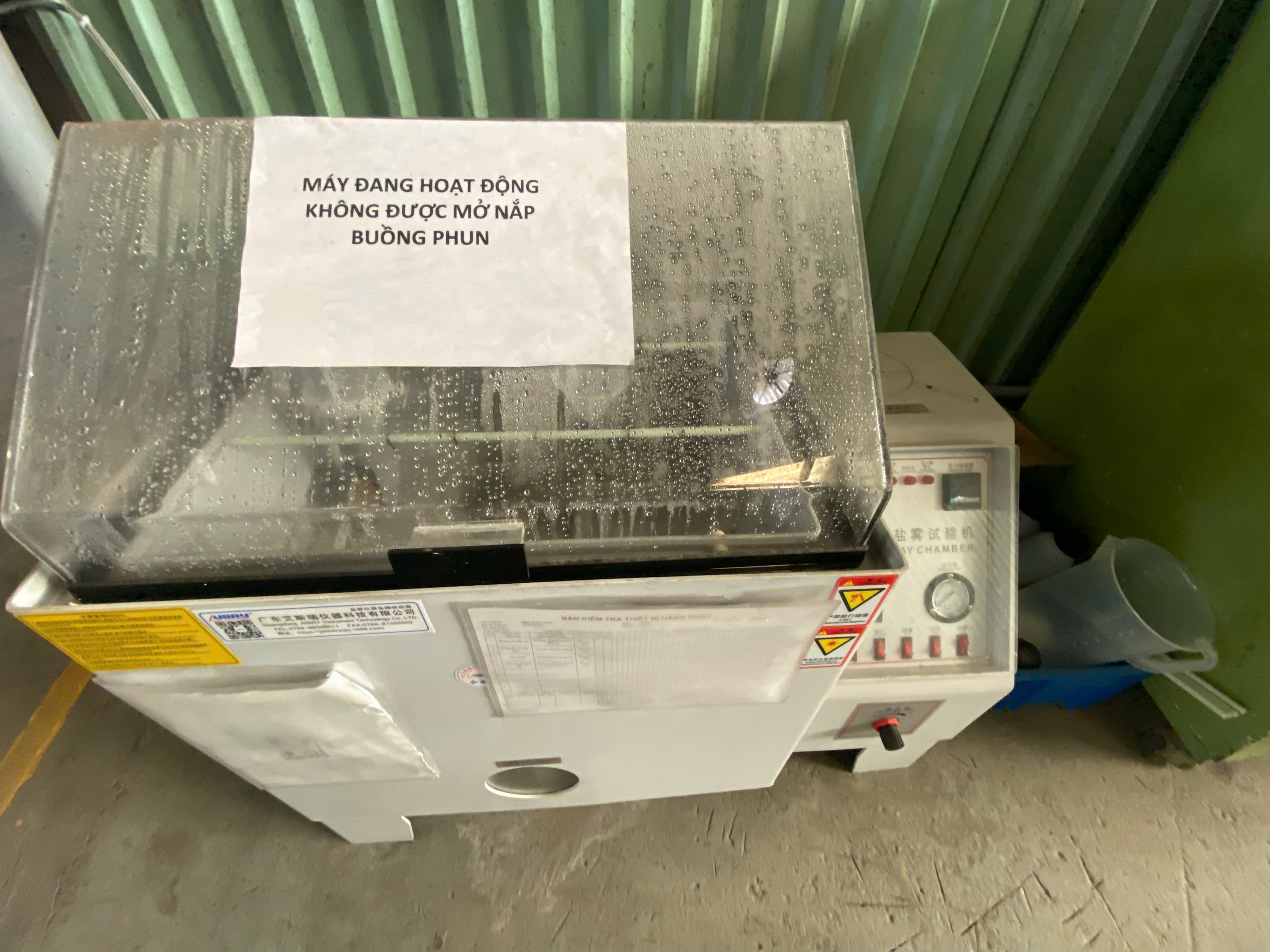
A coating is only as good as the process underneath it. Before we recommend any surface treatment, we make sure the stamping process itself is stable and repeatable. A coating applied over burrs, sharp edges, or inconsistent surfaces will fail early. That is why deburring and edge smoothing come first. Sharp burrs trap moisture and become corrosion starting points.
Common treatments and where they fit
| Treatment | Best For | Corrosion Protection | Wear Protection | Relative Cost |
|---|---|---|---|---|
| Zinc electroplating | Indoor / mild outdoor | Good | Low | Low |
| Hot-dip galvanizing 3 | Heavy outdoor exposure | Excellent | Moderate | Moderate |
| Powder coating | UV, chemicals, aesthetics | Very good | Moderate | Moderate |
| Anodizing 4 | Aluminum parts | Very good | Good | Moderate |
| Nitriding / PVD | Abrasion, tooling contact | Moderate | Excellent | High |
| Rust-preventive oil | Storage and transit only | Temporary | None | Very low |
Do not forget transit protection
Here is a detail many buyers miss. Parts can corrode before they ever reach the field. On our door-to-door logistics projects, we specify rust-preventive oil or VCI packaging for ocean freight. Sea containers experience condensation cycles, and bare steel parts can arrive with flash rust even when the final application is indoors. We learned this lesson early, and now it is a standard line item on our packing specifications.
For extreme conditions, newer options like nano-ceramic coatings offer stronger chemical and thermal resistance than conventional zinc. They cost more, so we recommend them only when the environment truly justifies the spend.
How do I verify a supplier's quality control process ensures long-term durability?
A purchasing manager in the U.S. once told me his biggest frustration: suppliers who ignore drawing notes and ship non-conforming parts. Our audit team hears this story on almost every new project.
Verify quality control by requesting the supplier's PPAP documentation, incoming material certificates, in-process inspection records, coating thickness reports, and final inspection data. Ask for their control plan and confirm they perform first-article inspection before every production run.

Durability is built during production, not tested in afterward. A supplier with weak process control will produce parts with inconsistent dimensions, missed tolerances, and coating defects. Those parts fail early even when the material and design are correct. When we audit stamping suppliers across Vietnam and other Asian countries for our clients, we follow a structured checklist.
The verification sequence we use
- Material traceability. Ask for mill certificates on every coil or sheet lot. No certificate, no production.
- First-article inspection. The supplier must measure and approve the first parts off the die before running volume.
- In-process checks. Look for documented checks at set intervals, including dimensions, burr height, and die condition.
- Coating verification. Request coating thickness measurements and, for critical parts, salt spray test 5 reports.
- Final inspection records. Confirm sampling plans exist and results are recorded, not just claimed.
- PPAP for critical parts. Full PPAP submission proves the process is capable PPAP documentation 6 and repeatable before mass production.
Red flags during a site visit
Watch for dies stored without rust protection, no maintenance logs on presses, operators without work instructions, and measuring tools without calibration labels. Each of these predicts future quality escapes. In our experience running supplier audits, a factory that maintains its tooling carefully almost always ships more consistent parts. Die condition directly controls part condition. Worn punch edges create burrs, and burrs become corrosion starting points in the field. So tooling maintenance records are actually a durability indicator for your parts, not just an internal factory matter.
What design and manufacturing factors affect the lifespan of my stamping parts?
During a co-development project for a bracket similar to the ones we produce today, our engineers cut field failures dramatically with one change: increasing a bend radius that was cracking under vibration.
Key factors include bend radius size, die clearance, grain direction relative to bends, hole-to-edge distance, burr control, and press stability. Generous radii, correct clearances, and stable, well-maintained tooling prevent the micro-cracks and stress points that cause early failure.

Design decisions made on the drawing determine most of a part's fatigue life. Manufacturing decisions determine whether the design intent is actually achieved. Both matter, and they interact.
Design factors you control on the drawing
Sharp inside corners concentrate stress. Under cyclic loading, cracks start there. We recommend inside bend radii of at least one material thickness, and more for high-strength steels. Holes placed too close to edges or bends also weaken the part. A common rule is to keep hole edges at least two material thicknesses from a bend line. Grain direction matters too. Bending parallel to the rolling direction increases cracking risk, so critical bends should run across the grain where possible.
Manufacturing factors your supplier controls
| Factor | If Done Wrong | Effect on Part Life |
|---|---|---|
| Die clearance | Too tight or too loose | Excessive burrs, edge cracking |
| Press tonnage | Insufficient reserve capacity | Inconsistent forming, dimensional drift |
| Die maintenance | Worn or chipped edges | Burrs, tears, stress risers |
| Lubrication | Wrong type or amount | Galling, surface scratches |
| Alignment | Punch-die misalignment | Uneven clearance, one-sided burrs |
A well-maintained press with tonnage reserve well above the required stamping force keeps loading stable. Servo presses 7 go further by controlling ram speed precisely, which reduces shock loading on both the die and the part. On our contract manufacturing projects, we also review deburring and edge finishing as a standard process step, because a smooth edge resists both fatigue and corrosion. Design and manufacturing are two halves of the same durability equation. Get both right and the parts last. Miss either one and even premium materials underperform.
Conclusion
Harsh environments punish weak links fast. Combine the right material, proper surface treatment, sound design, and verified quality control, and your stamping parts will deliver reliable long-term service.
Frequently Asked Questions
How can I choose the right material to withstand harsh operating conditions?
A few years back, our team in Vietnam helped a U.S. client whose mounting clips kept rusting in coastal installations. The root cause was simple: the wrong base material for a salty environment.
What surface treatments should I request to prevent corrosion and wear?
The trade-off I weigh most often on quoting calls is coating cost versus replacement cost. A few cents more per part for the right finish can eliminate years of warranty claims for our clients.
How do I verify a supplier's quality control process ensures long-term durability?
A purchasing manager in the U.S. once told me his biggest frustration: suppliers who ignore drawing notes and ship non-conforming parts. Our audit team hears this story on almost every new project.
Footnotes
1. Background reference on stainless steel grades relevant to marine corrosion resistance discussion. ↩︎
2. Explains the electrochemical mechanism referenced when dissimilar metals contact in wet environments. ↩︎
3. Technical background on this zinc coating process used for heavy outdoor exposure protection. ↩︎
4. Explains the electrochemical surface treatment process recommended for aluminum stamped parts. ↩︎
5. Standard corrosion testing method mentioned for verifying coating durability on critical parts. ↩︎
6. ISO relevance for production part approval process standards referenced in supplier quality verification. ↩︎
7. Background on servo press technology mentioned for controlling ram speed and reducing shock loading. ↩︎