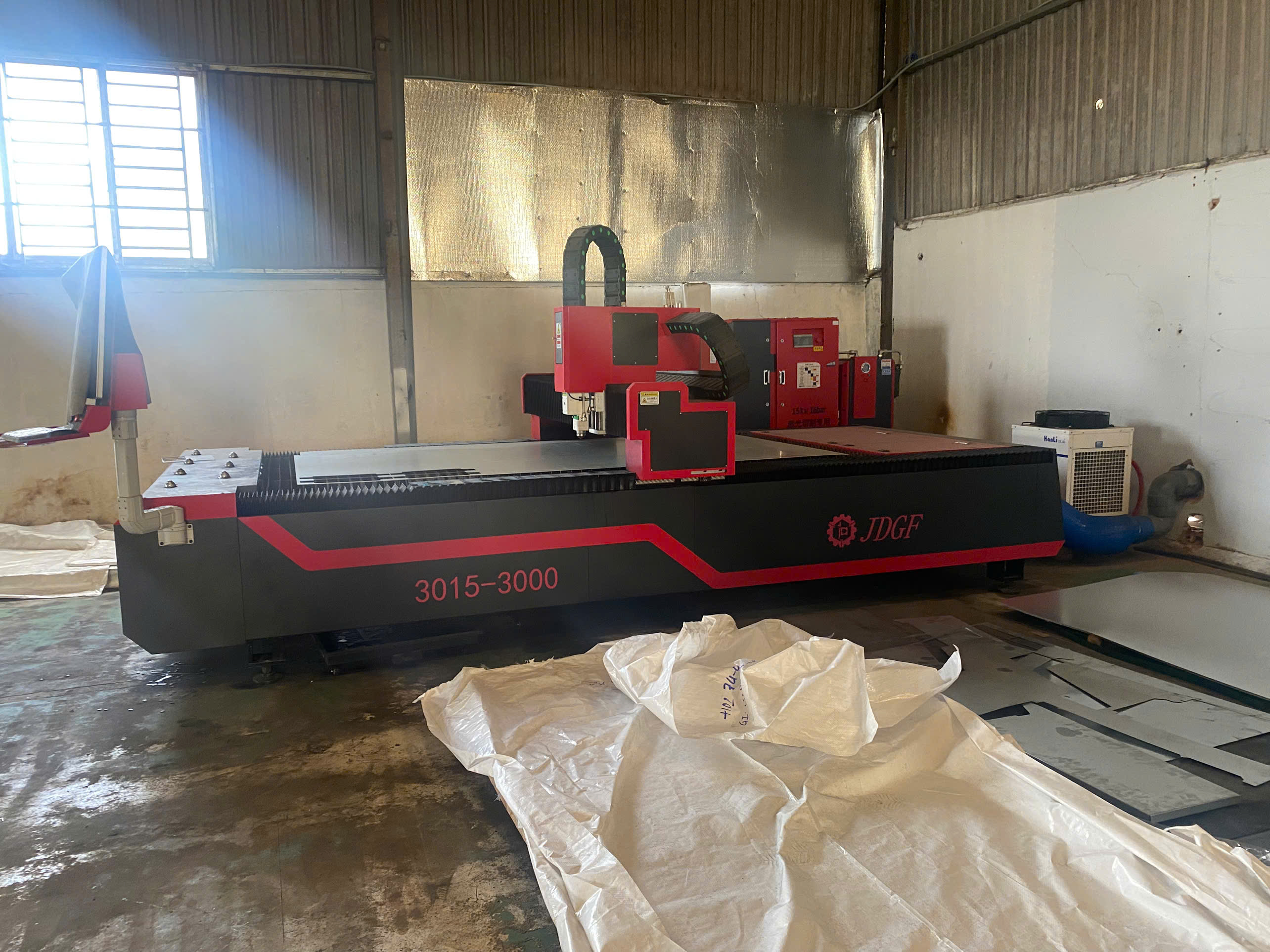
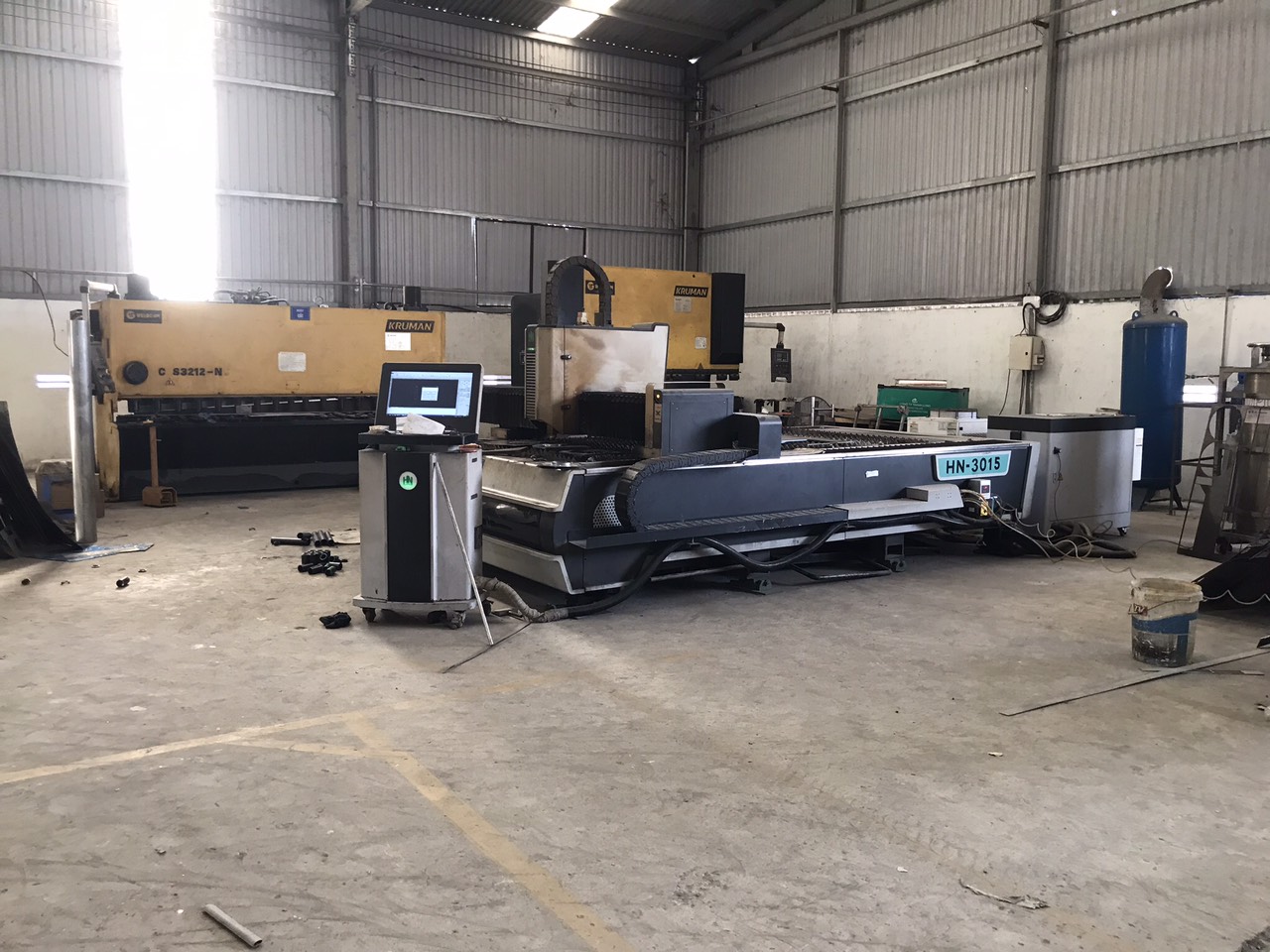
Finding reliable Vietnamese sheet metal fabrication 1 suppliers has become one of the most frequent requests we handle for U.S. purchasing managers — yet the process is riddled with costly missteps. Many buyers walk into FABTECH 2 with no clear evaluation framework, leave with a stack of brochures, and months later discover that their chosen supplier cannot hold a ±0.1 mm tolerance or meet a basic delivery window. The frustration compounds when rework eats into margins and delays ripple through the entire production schedule. Through our Vietnam office and years of managing factory-direct sourcing across Southeast Asia, we have developed a repeatable system that turns a four-day trade show visit into a shortlist of genuinely capable partners.
To find and evaluate Vietnamese sheet metal fabrication suppliers at FABTECH, walk the exhibitor directory for Vietnam-based fabricators, verify their laser cutting, stamping, welding, and surface-treatment capabilities on-site, confirm ISO 9001 and relevant certifications, request sample parts, and conduct structured post-show audits before committing to production orders.
The sections below break this process into four practical steps — identifying the right booths, asking the right technical questions, validating quality control processes, and negotiating payment terms that protect your cash flow.
How can I effectively identify the most capable Vietnamese sheet metal booths at FABTECH?
Last September our team walked every aisle of McCormick Place in Chicago, and the number of Vietnamese exhibitors had visibly grown compared to just two years earlier. The challenge was not finding them — it was separating the high-precision sheet metal specialists from the structural-steel generalists whose capabilities did not match our clients' tolerance requirements.
The most effective way to identify capable Vietnamese sheet metal booths at FABTECH is to pre-filter the exhibitor directory by country and service type, cross-reference with VASI member lists, and then visit only booths that display actual sample parts, certifications, and documented case studies of exported sheet metal components.
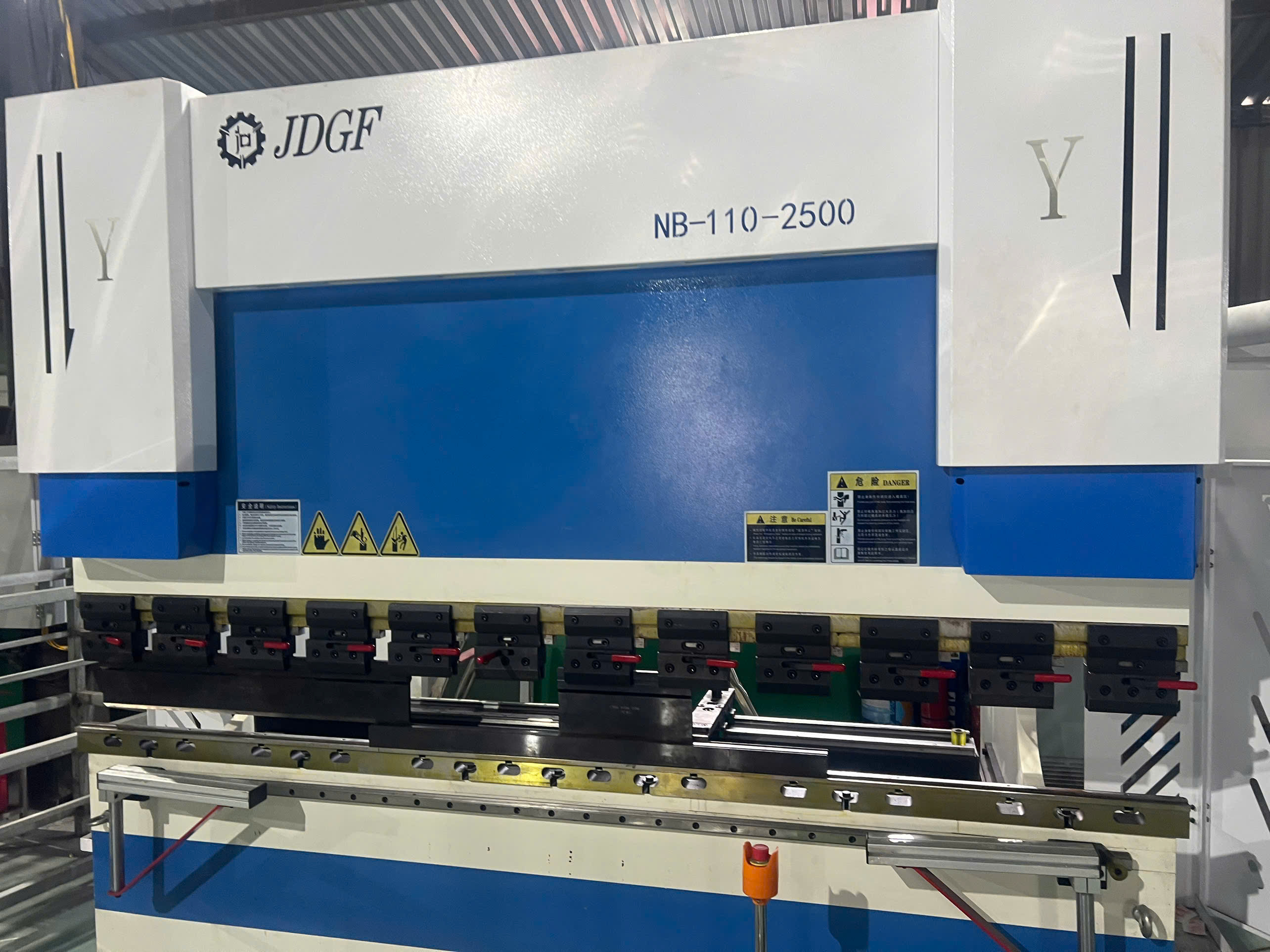
Start with the FABTECH Exhibitor Directory
FABTECH is North America's largest welding, metal forming, and fabricating event. Its online exhibitor directory lets you filter by product category and country of origin. Before the show, search for terms like "sheet metal fabrication," "laser cutting services 3," and "stamping" combined with "Vietnam." Export the results into a spreadsheet and add columns for the capabilities you need.
Cross-Reference with VASI and Industry Collectives
The Vietnam Association of Supporting Industries (VASI) 4 often organizes collectives of top-tier supporting-industry companies to attend sourcing events in Asia and the U.S. These collectives specialize in high-precision machining and metal fabrication. If a company is a VASI member, it has already passed a baseline vetting process.
Known Vietnamese Exhibitors Worth Visiting
| Company | Core Sheet Metal Capabilities | Notable Detail |
|---|---|---|
| Weldcom Industry, JSC | Sheet metal products, metal components, structural steel | First FABTECH appearance in 2025; 20-year track record |
| Newinds | High-quality sheet metal products, metal components | Specializes in precision assemblies |
| ABC Vietnam Manufacturing & Sourcing | Laser cutting, stamping, punching | 10+ years of export experience |
| Metalic Vietnam | Carbon steel, stainless steel, alloy welding | Skilled welding workforce with international certs |
| AM Industries Vietnam | OEM fabrication, metal casting | Australian-owned; AS/NZS 5131, ISO 9001 |
| FABTEK Vietnam | Steel, stainless steel, aluminum fabrication | 20+ years; turnkey from development to branding |
What to Look for at the Booth
Walk past the banner graphics. Look at the actual parts on the table. A capable supplier will display complex brackets with tight bend radii, multi-step weld assemblies, and surface finishes that match your requirements. Ask to hold the parts. Check weld bead consistency. Examine hole placement accuracy. If the booth only shows PowerPoint slides and no physical samples, that is a signal to move on.
Also observe the team. A supplier that sends engineers to the booth — not just sales staff — is signaling that they value technical dialogue. In our experience, the best factory-direct sourcing relationships start with an engineer-to-engineer conversation, not a price negotiation.
One practical tip: bring a small, representative part from your own product line. Hand it to the supplier's team and ask them to walk you through how they would fabricate it. Their response will reveal process knowledge, material awareness, and production capacity in Vietnam far more accurately than any brochure.
What technical questions should I ask to ensure a Vietnamese supplier understands my complex drawing requirements?
A buyer we work with in the Midwest once shared a painful lesson: he emailed drawings to three Vietnamese suppliers, all three quoted within 48 hours, and the cheapest quote won. The parts arrived eight weeks later with the wrong hole pattern — the supplier had not read the GD&T callouts 5 on page two. That single oversight triggered a $14,000 rework cycle and a two-month delay.
Ask Vietnamese suppliers to walk through your drawing markup in real time, explain how they interpret GD&T callouts, identify critical-to-quality dimensions, describe their DFM feedback process, and confirm which specific machines (laser wattage, press tonnage, weld type) they will use for each operation — this reveals true technical depth versus surface-level quoting.
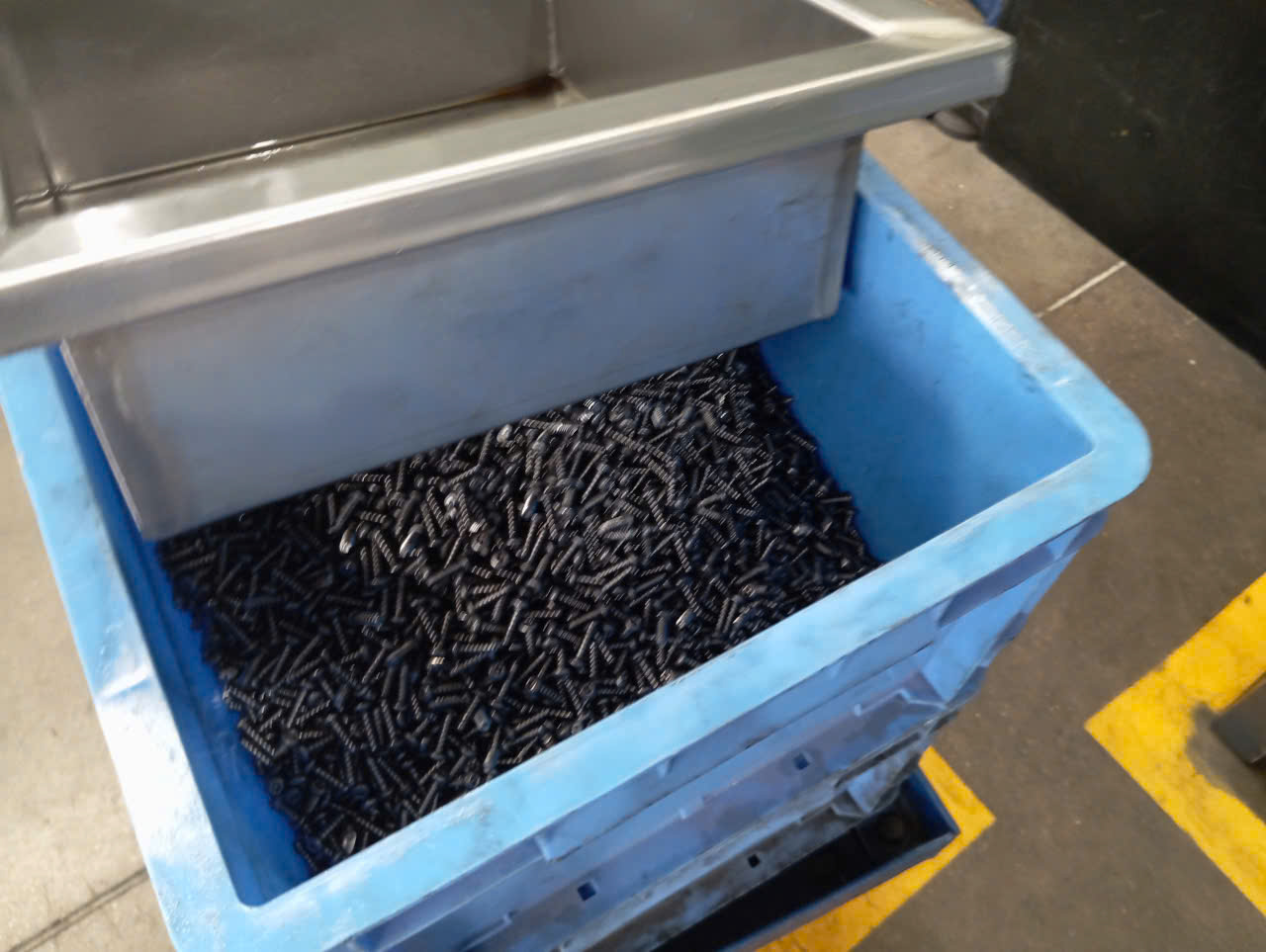
The Drawing Walkthrough Test
Hand the supplier a moderately complex drawing at the booth. Do not explain it. Ask them to read it back to you. Listen for whether they identify:
- Material specification and grade (e.g., SUS304 vs. SUS316)
- Critical tolerances and GD&T symbols
- Surface finish requirements and any RoHS-compliant coating callouts
- Bend sequence dependencies — where bending order affects final geometry
If they skip over a tight positional tolerance or miss a note about grain direction, they will likely miss it during production too.
Design for Manufacturability Feedback
A strong supplier does not just accept your drawing — they improve it. Ask: "Is there anything in this design you would suggest changing to reduce cost or improve quality?" Suppliers with genuine manufacturing capabilities will point out, for example, that a bend relief is too small for their press brake tooling, or that repositioning a hole 2 mm from a bend line will prevent distortion.
Capability Alignment Checklist
| Technical Question | What a Good Answer Sounds Like | Red Flag |
|---|---|---|
| What laser wattage do you run? | "We have 4 kW and 6 kW fiber lasers for different material thicknesses." | Vague answer or inability to specify machine brands/models. |
| How do you handle GD&T positional tolerances? | "We use CMM inspection per ASME Y14.5 for critical features." | "We check with calipers." (Insufficient for tight positional work.) |
| What welding processes do you certify to? | "Our welders hold AWS D1.1 / D1.6 certifications; we use TIG for stainless and MIG for carbon steel assemblies." | No mention of welder certifications or welding procedure specifications. |
| Can you process SUS316 and aluminum 5052? | "Yes, both are standard stock for us; we source CRS, HRS, aluminum, and stainless steel 304/316 locally at competitive prices." | "We mostly work with mild steel." (Limited material traceability and range.) |
| What surface treatments do you offer? | "Powder coating, zinc plating, nickel plating, chrome plating — all RoHS compliant." | No mention of RoHS or environmental compliance. |
Why Machine Specifications Matter
Vietnam's competitive labor costs are well documented, but labor alone does not produce precision parts. The machines matter. A supplier with a high-power fiber laser cutter can hold tighter kerf tolerances than one running an older CO₂ laser. A CNC turret punch with auto-index tooling can process complex hole patterns faster and more repeatably than a manual setup. When we conduct a supplier audit checklist review for our clients, machine vintage and maintenance logs are always on the list.
Ask for a machine list. A credible fabricator will have it ready. If they hesitate, that hesitancy tells you something about their transparency — and transparency is the foundation of every successful cross-border manufacturing relationship.
Also discuss production capacity in Vietnam openly. Ask about shift schedules, number of machines per process, and current utilization rates. A factory running at 95 percent capacity will struggle with your urgent orders. A factory at 60 percent has room to grow with you.
How do I verify that a Vietnamese fabricator has the strict QC processes needed to avoid costly rework?
The most expensive part is the one you make twice. One of our U.S. clients once received a full container of sheet metal brackets from a supplier who had no formal in-process inspection protocol. Every bracket had a 0.5 mm positional shift on the mounting holes — consistent across the entire lot, which meant the error was introduced at the CNC punch setup and never caught. The total cost of that quality failure, including rework, air freight for replacements, and production-line downtime at the end customer, exceeded the original purchase order value.
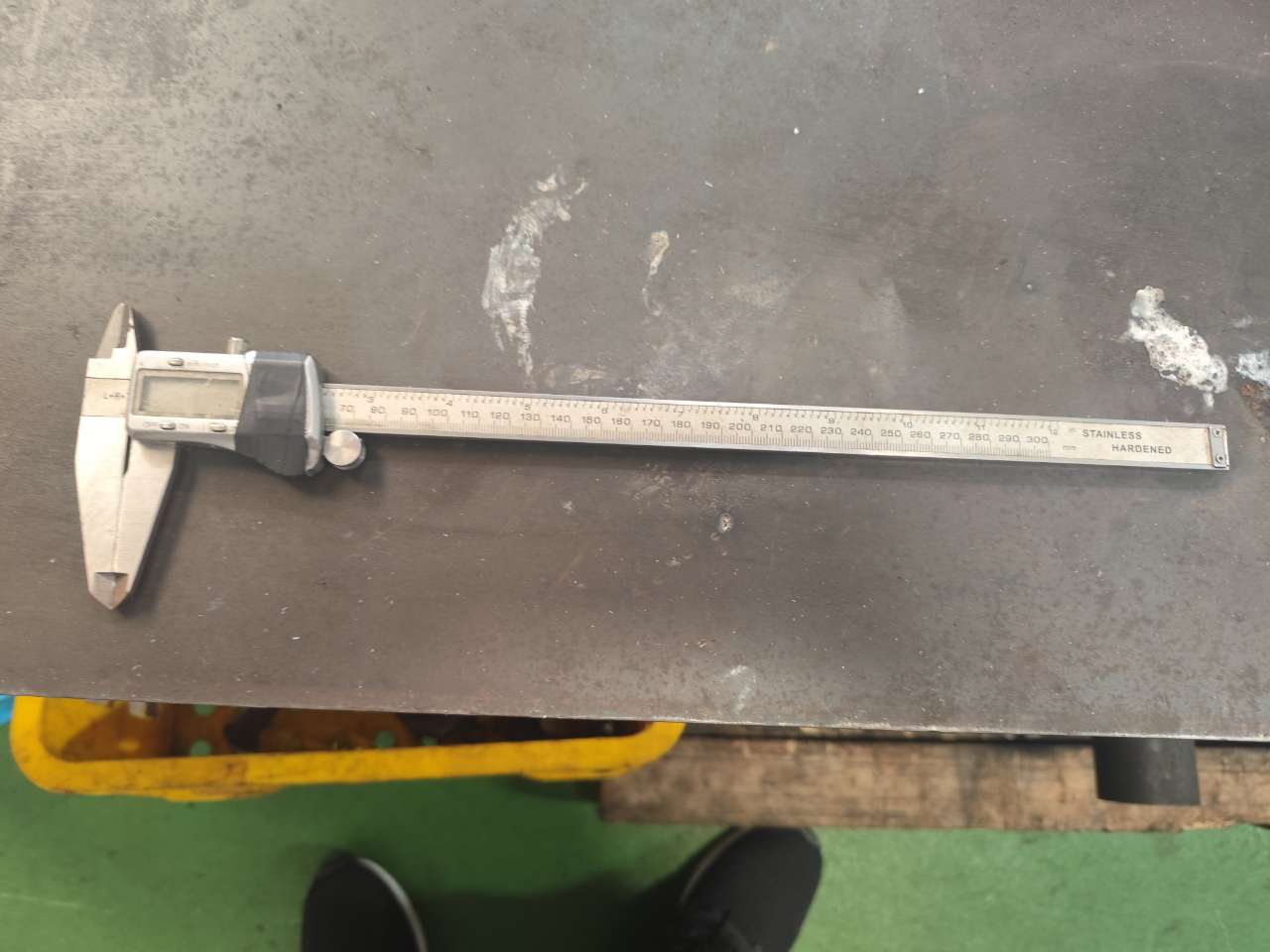
To verify strict quality control processes, request the supplier's ISO 9001 certification, ask to see their inspection plans and control points for a representative part, review their PPAP documentation capability, confirm they use calibrated instruments (CMM, height gauges, pin gauges), and insist on a first-article inspection report before full production begins.
Certifications Are the Starting Point, Not the Finish Line
ISO 9001 certification 6 tells you the supplier has a documented quality management system. It does not tell you whether that system is actually followed on the shop floor. At FABTECH, ask to see the certificate — check the issuing body, the scope, and the expiration date. Then go deeper.
Suppliers like AM Industries Vietnam hold AS/NZS 5131 (structural steel fabrication to Australian standards) alongside ISO 9001, which signals a higher bar. If your parts require compliance with ASTM or EN material standards, ask for mill certificates and material traceability records.
The PPAP Question
Production Part Approval Process (PPAP) 7 is standard in automotive, but it is equally valuable for any custom-part buyer who wants to get it right the first time. Ask the Vietnamese supplier: "Can you provide a Level 3 PPAP package?" This includes:
- Design records and engineering change documents
- Process flow diagram
- Control plan
- Measurement system analysis (gauge R&R)
- Dimensional results from the first-article inspection
- Material and performance test results
If the supplier has never heard of PPAP, that does not automatically disqualify them — but it means you will need to invest time training them, or work with an intermediary like our team that can implement these protocols on site.
What to Inspect and When
| Inspection Stage | What to Check | Tools Required |
|---|---|---|
| Incoming material | Mill cert verification, material thickness, surface condition | Micrometer, spectrometer (for alloy verification) |
| After laser cutting / punching | Profile dimensions, hole positions, burr condition | CMM or optical comparator, calipers |
| After bending / forming | Bend angles, flange lengths, springback compensation | Protractor, height gauge, go/no-go fixtures |
| After welding | Weld bead consistency, penetration, distortion | Visual inspection per AWS D1.1, weld gauge |
| After surface treatment | Coating thickness, adhesion, color match, RoHS compliance | DFT gauge, cross-hatch adhesion test |
| Final inspection | Full dimensional layout, cosmetic check, packaging integrity | CMM, visual standards, AQL sampling plan |
Supply Chain Resilience Through QC
Quality control processes do more than catch defects. They build supply chain resilience 8. When a supplier has robust in-process controls, you reduce the risk of surprise rejections at your warehouse. You reduce the need for 100 percent incoming inspection on your side. And you dramatically reduce the hidden costs of returns, expedited replacements, and damaged customer relationships.
During our supplier audits in Vietnam, we always walk the production floor — not just the showroom. We check whether calibration stickers on instruments are current. We look at whether operators are using the control plan or ignoring it. We ask line workers to explain their inspection steps. These small observations reveal more about a factory's true quality culture than any certificate hanging on the wall.
Can I find Vietnamese partners at trade shows who offer the 60-90 day payment terms my business requires?
When we first started helping U.S. sourcing companies set up supply chains in Vietnam, payment terms were the conversation nobody wanted to have at the trade show booth — but it was the conversation that determined whether a deal actually closed. Many Vietnamese fabricators, especially smaller ones, default to T/T 30 percent deposit with the balance before shipment. For a purchasing manager managing cash flow across dozens of SKUs, those terms can be a dealbreaker.
Yes, you can find Vietnamese sheet metal partners at trade shows who offer 60–90 day open-account payment terms, but these terms are typically extended through established intermediaries or trading companies with credit facilities — not directly from small factories — so ask explicitly about payment flexibility and the supplier's financial backing during your booth visit.
Why Payment Terms Matter More Than Unit Price
A part quoted at $2.50 with prepayment terms can be more expensive in practice than a part quoted at $2.80 with 90-day open-account terms 9. The reason is working capital 10. If you are importing custom parts from Vietnam, your cash is tied up for the production lead time plus ocean freight time plus your own distribution cycle. That can easily stretch to 120 days. Without favorable payment terms, you are financing the entire pipeline out of pocket.
Our clients in the United States consistently rank payment terms among their top three supplier selection criteria, alongside quality and on-time delivery.
How Payment Structures Typically Work
Most Vietnamese factories prefer upfront payment because their own working capital is limited. They need to purchase raw materials — cold rolled steel, hot rolled steel, aluminum, stainless steel 304/316 — before production begins. This creates a real financial constraint.
The solution often involves a third-party structure. Companies like ours, headquartered in Singapore with a local team in Vietnam, can bridge this gap. We extend open-account terms to qualified U.S. buyers while managing payment to the factory on shorter cycles. This arrangement protects both sides.
What to Ask at the Booth
At the FABTECH booth, do not wait until the third email to raise payment terms. Ask early. Here are the key questions:
- What are your standard payment terms for new customers?
- Do you offer open-account terms (net 60 or net 90) for established clients?
- If not, do you work with any trading companies or sourcing partners who can offer credit terms?
- What is your minimum order value to qualify for extended terms?
- Can you provide trade references from existing U.S. or European buyers?
Comparing Payment Structures
| Payment Model | Typical Terms | Cash Flow Impact on Buyer | Risk Level for Buyer |
|---|---|---|---|
| T/T deposit + balance before shipment | 30% upfront, 70% before ship | High negative impact; cash locked early | Low financial risk but high cash burden |
| Letter of Credit (L/C) | Payment upon document presentation | Moderate; bank fees add cost | Low; bank guarantees protect both sides |
| Open account via intermediary | Net 60 or Net 90 from invoice | Low negative impact; aligns with sales cycle | Moderate; depends on intermediary's reliability |
| Direct open account from factory | Rare for new relationships | Ideal for buyer | High risk for factory; seldom offered initially |
Building Toward Open-Account Terms
Even if a Vietnamese supplier cannot offer 60–90 day terms on the first order, many will consider it after two or three successful transactions. Start with a smaller order on standard terms. Deliver on your commitments — pay on time, communicate clearly, and provide forecasts. Over six to twelve months, the relationship matures, and terms improve.
Alternatively, working with an intermediary that already has established factory relationships — and the financial infrastructure to offer credit — can accelerate this timeline dramatically. Our Singapore-based operation was specifically designed to solve this problem. We manage the factory payment cycle while giving U.S. buyers the breathing room their cash flow requires.
Conclusion
Vietnamese sheet metal fabrication suppliers are increasingly visible at FABTECH, and the opportunity for U.S. buyers is real — but only if you approach the show with a structured evaluation plan. Pre-filter exhibitors, test technical depth with real drawings, verify quality control processes beyond the certificate, and address payment terms early. Whether you engage directly or through an experienced sourcing partner with boots on the ground in Vietnam, the goal is the same: build a supply chain that delivers the right parts, the first time, on time. For buyers who want to go beyond the trade show floor, learning how to develop qualification criteria for Vietnam sheet metal fabrication suppliers can further strengthen your vetting process.
Frequently Asked Questions
How can I effectively identify the most capable Vietnamese sheet metal booths at FABTECH?
Last September our team walked every aisle of McCormick Place in Chicago, and the number of Vietnamese exhibitors had visibly grown compared to just two years earlier. The challenge was not finding them — it was separating the high-precision sheet metal specialists from the structural-steel generalists whose capabilities did not match our clients' tolerance requirements.
What technical questions should I ask to ensure a Vietnamese supplier understands my complex drawing requirements?
A buyer we work with in the Midwest once shared a painful lesson: he emailed drawings to three Vietnamese suppliers, all three quoted within 48 hours, and the cheapest quote won. The parts arrived eight weeks later with the wrong hole pattern — the supplier had not read the GD&T callouts 5 on page two. That single oversight triggered a $14,000 rework cycle and a two-month delay.
How do I verify that a Vietnamese fabricator has the strict QC processes needed to avoid costly rework?
The most expensive part is the one you make twice. One of our U.S. clients once received a full container of sheet metal brackets from a supplier who had no formal in-process inspection protocol. Every bracket had a 0.5 mm positional shift on the mounting holes — consistent across the entire lot, which meant the error was introduced at the CNC punch setup and never caught. The total cost of that quality failure, including rework, air freight for replacements, and production-line downtime at the end customer, exceeded the original purchase order value.
Footnotes
1. Defines the process of transforming flat sheets of metal into specific shapes. ↩︎
2. Official website for North America’s largest metal forming, fabricating, welding, and finishing event. ↩︎
3. Replaced with a comprehensive and authoritative guide to laser cutting technology and its process from TWI Global. ↩︎
4. Official website of the non-government, non-profit organization representing Vietnamese manufacturing enterprises. ↩︎
5. Explains the system for defining and communicating engineering dimensions and tolerances. ↩︎
6. Official source defining the international standard for quality management systems. ↩︎
7. Wikipedia provides a comprehensive overview of this standardized quality assurance process. ↩︎
8. Defines a supply chain’s ability to anticipate, adapt, and recover from disruptions. ↩︎
9. Replaced with an authoritative page from trade.gov that includes a section on open-account terms as a method of payment. ↩︎
10. Explains the financial metric representing operating liquidity available to a business. ↩︎