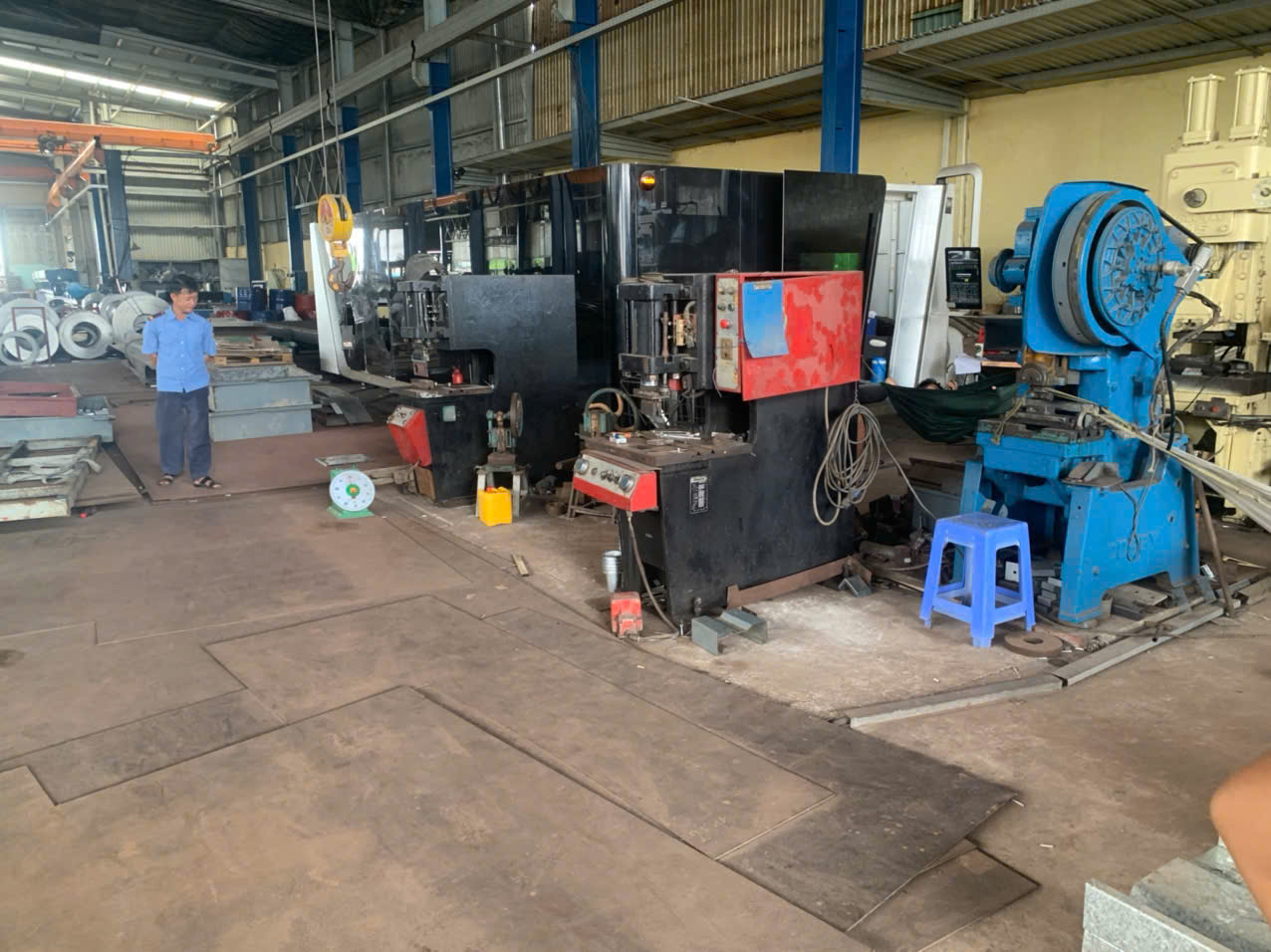

Finding reliable stamping parts suppliers in Vietnam is harder than it looks. Our Vietnam sourcing team has watched buyers waste entire trade show trips collecting brochures from brokers, not factories.
To find stamping parts suppliers at Vietnam trade shows, attend METALEX Vietnam, VME, or VIMAF, pre-screen exhibitor lists, bring RFQ packages with drawings, verify ISO certifications and press capabilities on-site, then qualify finalists through factory audits and First Article Inspections before contracting.
Trade shows are entry points, not endpoints. Below, I walk through which shows to attend, what to ask, how to verify quality, and which warning signs to avoid.
Which Vietnam trade shows should I attend to find reliable stamping parts suppliers?
Our team in Vietnam walks these show floors every year for client projects. Some shows deliver dozens of genuine stamping factories. Others waste your visa and your airfare.
**The best Vietnam trade shows for stamping parts suppliers are METALEX Vietnam (Ho Chi Minh City), Vietnam Manufacturing Expo (Hanoi), VIMAF, the Vietnam-Japan Supporting Industries Exhibition, and the Vietnam Metal & Metallurgical Expo. METALEX is the most specialized for metal stamping and tooling.

Not all shows serve the same purpose. Some focus on machinery. Others focus on component suppliers. You need the second kind. Here is how we compare the main options when we plan sourcing trips for our U.S. clients.
The five shows worth your time
| Trade Show | Location | Best For | Our Take |
|---|---|---|---|
| METALEX Vietnam | Ho Chi Minh City | Metalworking, stamping, tooling | The most specialized show for stamping suppliers |
| Vietnam Manufacturing Expo (VME) | Hanoi | Supporting industries: stamping, molds, plating | Strong for northern industrial clusters like Bac Ninh |
| VIMAF | Ho Chi Minh City | Broad manufacturing and assembly | Good for meeting mid-size local factories |
| Vietnam-Japan Supporting Industries Exhibition (SIE) | Hanoi | Japanese-Vietnamese component supply | High QC culture; past editions generated 8,500+ trading agreements |
| Vietnam Metal & Metallurgical Expo | Ho Chi Minh City | Stamping, punching, cutting equipment | Useful for checking what machinery suppliers actually run |
Match the show to the region
Location matters more than most buyers realize. Southern shows draw factories from Binh Duong and Dong Nai. Northern shows draw factories from Bac Ninh and Hai Phong. If your logistics plan favors the port of Hai Phong 1, prioritize Hanoi shows. If you ship from Cat Lai, focus on Ho Chi Minh City. We cross-reference every exhibitor’s factory address against these industrial zones before we recommend a visit.
Practical planning tips
Fly into Tan Son Nhat 2 for HCMC shows or Noi Bai for Hanoi. Register as a visitor online in advance; most shows offer free trade-visitor badges. Book two full days per show. Day one is for scanning booths. Day two is for deeper conversations with your shortlist. Bring a bilingual colleague or agent. English levels vary widely on the floor, and critical technical details get lost without translation support.
What questions should I ask stamping parts suppliers when meeting them at a trade show?
A purchasing manager once told me he judged booths by their sample trays. That works until a broker borrows samples from three different factories and presents them as his own.
**Ask about press tonnage range, in-house die-making capability, tooling ownership terms, current capacity utilization, material sourcing, ISO 9001 or IATF 16949 status, export experience with FOB/CIF terms, and typical lead times. True manufacturers answer instantly; trading companies hesitate or deflect.

The booth conversation is your first filter. You have maybe fifteen minutes. Use them on questions that separate real factories from middlemen. Over years of walking these floors for clients, we have refined our question list down to what actually predicts a good supplier.
The core question checklist
| Question | What a Good Answer Sounds Like | Red Flag Answer |
|---|---|---|
| What is your press tonnage range? | Specific numbers, e.g., 25 to 400 tons | Vague: "We can do anything" |
| Do you make dies in-house? | Yes, with named equipment and a tooling team | "We work with partners for tooling" |
| Who owns the tooling I pay for? | You do, with written confirmation | Evasive or "company policy" excuses |
| What is your current capacity load? | A percentage plus honest lead-time impact | "We always have capacity" |
| Where do you source raw material? | Named mills or distributors, plus certs | No clear answer |
| Which export terms do you use? | FOB, CIF, with container loading experience | Only EXW or domestic terms |
Go beyond the checklist
Bring your drawings. Hand over a 2D print and watch what happens. A real stamping engineer will study bend radii, ask about tolerances, and flag tricky features on the spot. A broker will just say yes to everything. In our experience assisting U.S. clients, the supplier who asks hard questions at the booth is usually the one who gets parts right the first time.
Also ask about tooling lead time and First Article Inspection 3 procedure. A factory that mentions FAI without prompting has real process discipline. One that has never heard the term will struggle with your PPAP requirements 4 later. Finally, ask how they handle steel and aluminum price swings. Raw material volatility is real in Vietnam, and a supplier with no pricing mechanism will surprise you mid-contract.
How can I verify a Vietnamese stamping supplier's quality control before signing a contract?
During one audit near Dong Nai, our engineers found calibration stickers on measuring tools that were two years expired. The booth presentation had been flawless. The factory floor told the truth.
**Verify quality control through an on-site factory audit checking calibrated inspection equipment, documented in-process controls, and First Article Inspection procedures. Confirm ISO 9001 certificates directly with the issuing body, then run a sample order and a second validation batch before any production contract.

A certificate on a booth wall proves very little. Real verification happens after the show, inside the factory. Here is the qualification sequence we run for every client project before a contract gets signed.
A five-step verification process
- Certificate validation. Take the ISO 9001 5 or IATF 16949 certificate number and verify it with the certification body. Fake and expired certificates exist. This check takes ten minutes and filters out pretenders.
- Factory audit. Visit in person or commission a local team. Check press condition, die storage, calibration records, and inspection stations. Look for measuring equipment with current calibration stickers. Ask to see recent inspection reports for a running job.
- Process documentation review. Request their control plan template, FAI report format, and non-conformance handling procedure. A factory with real QC produces these documents within a day. A factory without them stalls for a week.
- Sample order with FAI. Place a small tooling and sample order. Require a full First Article Inspection report against your drawing, dimension by dimension. Review it before approving anything.
- Second batch validation. Order a second sample run weeks later. Consistency between batches predicts production stability far better than one perfect sample ever will.
Why the second batch matters
Anyone can hand-finish ten perfect samples. Our team has seen it repeatedly. The second batch, made without special attention, shows you the factory's true process capability. When we manage PPAP and process control for clients, this repeat validation step catches more future problems than any other check. It costs a few weeks. It saves months of rework, returns, and missed deliveries.
What red flags should I watch for when evaluating stamping parts suppliers at trade shows?
One trade-off we weigh constantly for clients is price against transparency. The cheapest quote on the show floor is often the one hiding the biggest problem behind it.
**Watch for trading companies posing as factories, refusal to disclose the factory address, no in-house die-making, evasive answers on press tonnage, unverifiable certifications, unrealistic pricing, no export documentation experience, and Vietnamese-registered shells fronting for foreign-owned factories that cannot issue valid Made-in-Vietnam origin certificates.

Red flags rarely announce themselves. They hide in small evasions and answers that almost sound right. After years of screening suppliers for U.S. purchasing managers, we group the warning signs into three categories.
Category one: identity red flags
The biggest risk is the broker in factory clothing. Some booths are trading companies with borrowed samples. Others are Vietnamese-registered shells fronting for foreign-owned operations. This matters enormously if you need CPTPP or EVFTA 6 tariff benefits, because the stamped parts must genuinely qualify as Made in Vietnam under Rules of Origin 7. Ask for the exact factory address. Ask who signs the C/O Form. Ask to video-call the production floor from the booth. A real factory owner will do it on the spot.
Category two: capability red flags
| Red Flag | Why It Matters |
|---|---|
| Cannot state press tonnage range | Suggests they do not own the presses |
| No in-house tooling or die shop | Long lead times and no accountability on tool quality |
| "We can make anything" claims | Real factories know their limits and say so |
| No FAI or control plan knowledge | Your drawing requirements will be missed |
| Only EXW terms offered | No real export experience; logistics risk lands on you |
Category three: commercial red flags
Be cautious with quotes far below the market. Stamping economics are transparent: material, press time, tooling amortization. A quote 30 percent under everyone else means a corner will be cut, usually in material grade or inspection. Also watch for suppliers who dodge tooling ownership questions or refuse reasonable payment structures. In our work arranging credit terms for clients, we have found that financially healthy factories discuss payment terms calmly. Desperate ones demand everything upfront.
Conclusion
Vietnam trade shows open doors, but qualification wins contracts. Prepare RFQs early, ask hard questions on-site, audit before signing, and validate twice. Do that, and Vietnam rewards you.
Frequently Asked Questions
Which Vietnam trade shows should I attend to find reliable stamping parts suppliers?
Our team in Vietnam walks these show floors every year for client projects. Some shows deliver dozens of genuine stamping factories. Others waste your visa and your airfare.
What questions should I ask stamping parts suppliers when meeting them at a trade show?
A purchasing manager once told me he judged booths by their sample trays. That works until a broker borrows samples from three different factories and presents them as his own.
How can I verify a Vietnamese stamping supplier's quality control before signing a contract?
During one audit near Dong Nai, our engineers found calibration stickers on measuring tools that were two years expired. The booth presentation had been flawless. The factory floor told the truth.
Footnotes
1. Wikipedia background on the northern Vietnamese port city referenced for logistics planning. ↩︎
2. Wikipedia entry on the Ho Chi Minh City airport mentioned for trade show travel. ↩︎
3. ASQ resource defines the FAI process referenced for stamping quality verification. ↩︎
4. ASQ explains PPAP, the process control documentation buyers expect from suppliers. ↩︎
5. Official ISO page explains the quality management standard suppliers must certify against. ↩︎
6. Background on the trade agreements granting tariff benefits mentioned in the article. ↩︎
7. WTO reference explains origin rules needed for Made-in-Vietnam tariff qualification. ↩︎