Shipping damage when sourcing welding parts from Vietnam is a problem our team sees regularly—and it costs buyers thousands in rework, delays, and lost trust with their own customers.
To handle shipping damage when sourcing welding parts from Vietnam, you must document damage immediately upon receipt, report it within 14 days, file claims with both the supplier and freight carrier, and invest in preventive packaging, pre-shipment inspections, and clear Incoterms in your purchase contract.
The sections below walk through each step. I will share what our Vietnam-based team does on the ground and what you, as the buyer, should demand at every stage.
How can I ensure my custom welding parts are packaged correctly to survive the journey from Vietnam?
A lesson we learned early on: a perfectly welded steel frame can arrive bent, scratched, or corroded if the packaging is an afterthought. Our Hanoi office now reviews every packaging plan before production even starts.
To ensure your custom welding parts survive transit from Vietnam, require your supplier to use rigid wooden crating, moisture-resistant VCI wrapping, foam cushioning, and steel strapping—then verify compliance through a third-party pre-shipment inspection before the container is sealed.
Why Packaging Fails—and What to Specify Instead
Most packaging failures we trace back to the same root causes. The supplier uses thin cardboard instead of plywood crates. Parts shift because there is no internal bracing. Or moisture gets in during the 20-to-30-day ocean voyage and causes surface rust on bare steel.
Here is what we specify for every welding parts shipment leaving our partner factories in Vietnam:
| Packaging Element | Common Mistake | Best Practice |
|---|---|---|
| Outer container | Single-wall cardboard box | Plywood or fumigated wooden crate |
| Internal cushioning | Loose newspaper or nothing | Closed-cell foam blocks or custom-cut PE foam |
| Moisture protection | None | VCI (Volatile Corrosion Inhibitor) poly bags 1 + silica gel desiccant packets |
| Part separation | Parts stacked directly on each other | Divider boards, individual wrapping, or custom foam inserts |
| Strapping | Plastic tape only | Steel banding with corner protectors |
| Labeling | Generic markings | "FRAGILE," "THIS SIDE UP," weight, and handling pictograms per ISO 780 2 |
The Role of Pre-Shipment Inspection
We station quality control inspectors at the factory during final packing. They check every crate against the approved packaging specification. They photograph the interior layout and the sealed crate. This creates an evidence trail that is critical if a freight claims process ever starts.
If you do not have a team on the ground, hire a third-party inspection agency in Vietnam. Companies like SGS, Bureau Veritas, or smaller local firms can do a loading supervision check. The cost is usually a few hundred dollars—far less than a single damaged shipment.
IoT Monitoring Is No Longer Optional
For high-value welding assemblies, we now place shock and tilt indicators inside crates. Some clients request IoT sensors 3 that log impact events, temperature, and humidity in real time. When a claim arises, this data pinpoints exactly where in the supply chain the damage occurred. It removes guesswork and speeds up settlement.
Good packaging is the cheapest form of cargo insurance you can buy. Get it right, and most of the problems in the rest of this article never happen.
What steps should I take if my shipment from Vietnam arrives with visible transit damage?
When one of our U.S. clients called about a bent mounting bracket that arrived with a crushed crate corner, the first thing we asked was: "Did you note the damage on the bill of lading 4 before signing?" That single step determined whether the claim succeeded or failed.
If your shipment from Vietnam arrives with visible damage, do not sign the delivery receipt without noting the damage, photograph everything immediately, notify your supplier and freight carrier within 24 hours, and file a formal claim within the 14-day window to preserve your right to compensation.
Step-by-Step Damage Response Protocol
Here is the exact sequence we walk our clients through:
-
Inspect before signing. Look at every pallet and crate while the driver is still there. If the external packaging shows dents, tears, water stains, or crushed corners, write "DAMAGED" on the delivery receipt and the bill of lading. Be specific: "Crate #3 — top panel crushed, visible dent on steel frame."
-
Photograph and video. Capture the truck, the crate in situ, close-ups of damage, and shipping labels. Include something that shows the date—a phone screenshot or a newspaper.
-
Open and inspect internally. Sometimes the crate looks fine but parts inside shifted. Check weld joints, mounting holes, and surface finish. If you find internal damage, report it within 14 days of receipt. After 14 days, most carriers and suppliers will refuse the claim.
-
Notify all parties. Send an email—not just a phone call—to your supplier, freight forwarder, and cargo insurance provider. Attach photos, the delivery receipt, and a written description.
-
Request an RMA number. If the supplier agrees to replace or repair, get a Return Merchandise Authorization number 5 before shipping anything back. Clarify who pays the return freight.
What Happens If You Miss the Window?
| Action | Deadline | Consequence of Missing It |
|---|---|---|
| Note damage on delivery receipt | At time of delivery | Carrier may deny the claim entirely |
| Report hidden damage to carrier | Within 14 days of receipt | Claim refused; buyer absorbs the loss |
| File formal freight claim | Per carrier's terms (often 9 months) | Legal right to recovery expires |
| Report to supplier | Within 14 days (per most contracts) | Supplier may refuse replacement or refund |
The 14-day rule is strict. I have seen buyers lose claims worth thousands of dollars simply because they waited 16 days. Treat it as a hard deadline.
Coordinate the Claim on Two Tracks
Many buyers do not realize that a supplier claim and a freight carrier claim are separate processes. The carrier evaluates whether the damage happened in transit. The supplier evaluates whether the part was defective or improperly packed. You may need to pursue both channels simultaneously to get full recovery. Understanding international shipping liability across these two tracks is essential.
How do I determine if my supplier or the freight forwarder is liable for my damaged welding components?
This is the question that causes the most friction in our industry. I have sat on calls where the supplier says, "It left our factory in perfect condition," the carrier says, "We delivered what we received," and the buyer is stuck in the middle holding a cracked weld bead and no clear answer.
Liability for damaged welding components depends on your agreed Incoterms: under FOB, risk transfers to the buyer once goods pass the ship's rail; under DDP, the supplier bears risk until your door. Review your contract, cross-reference delivery documents, and use pre-shipment photos to pinpoint where damage occurred.
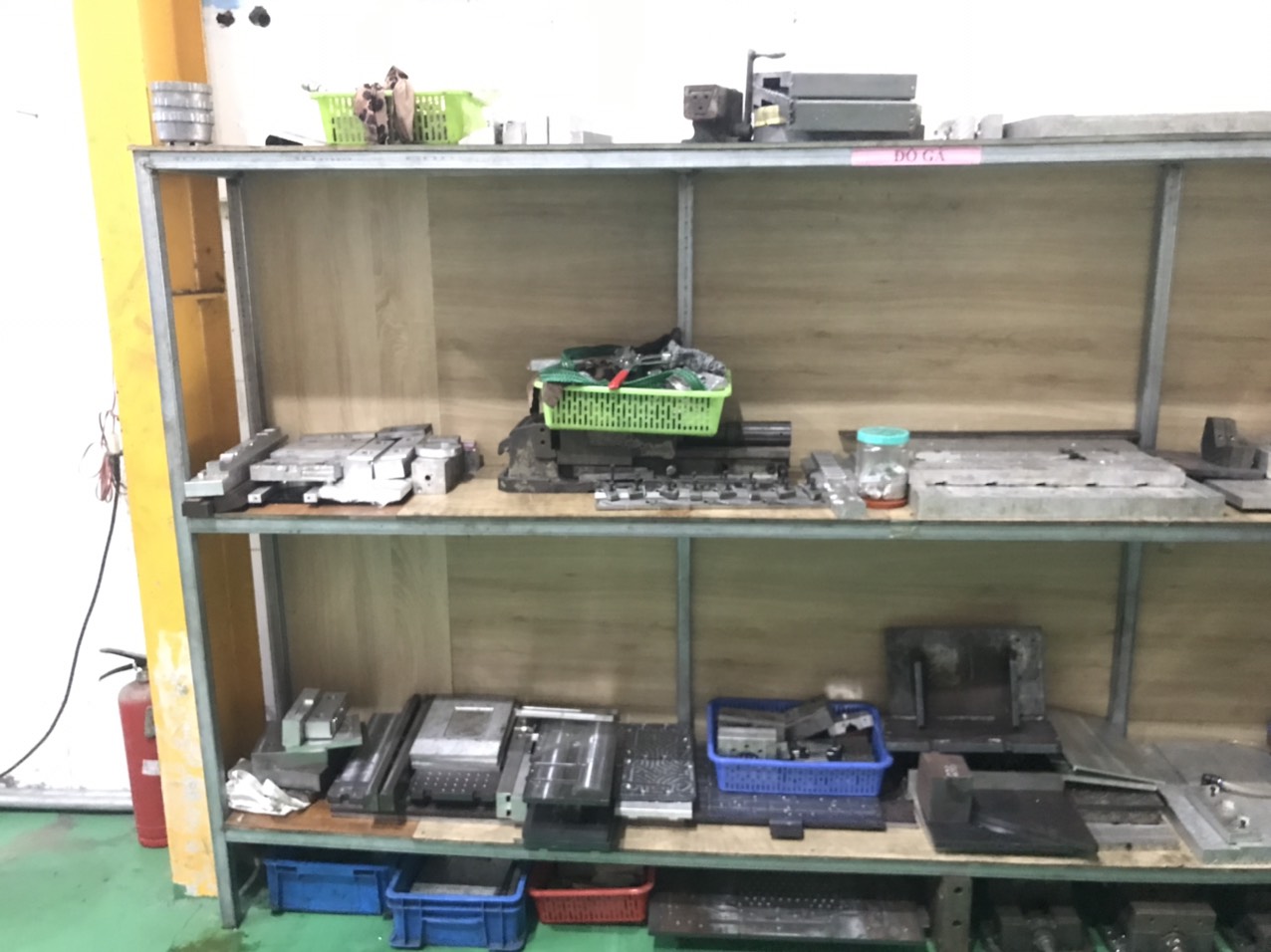
How Incoterms Define the Handoff
The single most important clause in your purchase order is the Incoterm. It determines exactly when responsibility shifts from seller to buyer. Understanding which Incoterms best mitigate risk when sourcing welding parts from Vietnam can make or break your damage recovery process.
| Incoterm | Risk Transfers To Buyer At | Who Arranges Freight? | Who Files Carrier Claim? |
|---|---|---|---|
| EXW (Ex Works) | Supplier's factory door | Buyer | Buyer |
| FOB (Free On Board) | Port of origin (once loaded on vessel) | Buyer | Buyer |
| CIF (Cost, Insurance, Freight) | Port of origin (once loaded), but seller pays insurance | Seller arranges; buyer owns risk after loading | Buyer (using seller-arranged insurance) |
| DDP (Delivered Duty Paid) | Buyer's door | Seller | Seller |
Most of our Vietnam sourcing projects use FOB Ho Chi Minh City or FOB Hai Phong. That means once the container is loaded onto the vessel, the risk is yours. If damage happens during the ocean voyage, you claim against the carrier or your cargo insurance—not the supplier.
Building the Evidence Chain
To determine liability, you need a timeline of the goods' condition at each handoff point:
- At the factory: Our quality control inspections include final photos of packed goods, dimensional checks, and surface finish verification. These photos are timestamped and shared with the client before the container is sealed.
- At the port of origin: The freight forwarder's dock receipt or mate's receipt notes the external condition of the cargo.
- At the port of destination: The container seal number is checked. If the seal is intact, damage likely occurred from vibration, stacking, or moisture—not theft or mishandling during transshipment.
- At the buyer's warehouse: Your delivery receipt notes and photos complete the chain.
If our factory photos show pristine parts and your receiving photos show a cracked bracket, and the container seal was intact, the damage happened in transit. The carrier is liable. If the factory photos already show a questionable weld, the supplier is liable regardless of the Incoterm.
When It Is Not Clear-Cut
Sometimes damage is marginal. A slight bend, minor surface scratches, or cosmetic weld spatter that may or may not have existed before shipping. In these grey areas, the relationship matters. We negotiate with our partner factories to split the cost or issue a credit on the next order. A good supplier values the long-term account over a single disputed bracket. Supplier vetting in Vietnam should include evaluating how a factory handles disputes, not just how they handle production.
How can a local Vietnam sourcing team help me prevent shipping damage before my order leaves the factory?
One of our Vietnam team members once caught a packer using recycled foam that crumbled when pressed. The parts were heavy L-shaped brackets with exposed weld beads—exactly the kind of component that gouges its neighbor when foam collapses during transit. We stopped the line and repacked everything. The client never even knew there was a near-miss.
A local Vietnam sourcing team prevents shipping damage by conducting in-factory quality control inspections, verifying packaging against approved specifications, supervising container loading, and documenting every step with photos and reports—catching problems before they become costly claims.
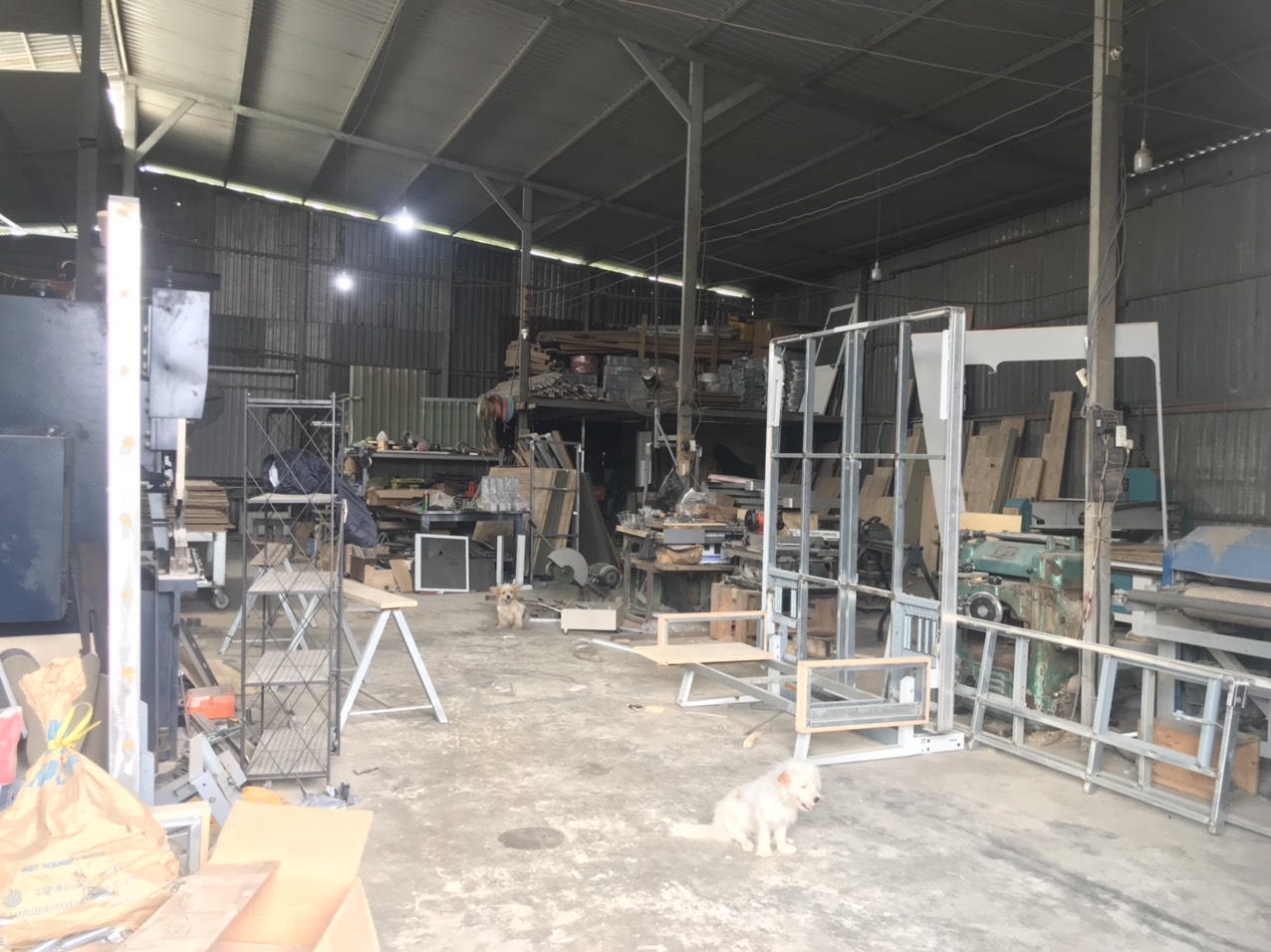
What a Ground Team Actually Does
Having seven employees in Vietnam is not a luxury—it is a necessity for the kind of custom welding work our clients order. Here is what the team covers at each project stage:
During Production
Our inspectors visit the factory floor to check weld quality, dimensional accuracy, and surface treatment. They use calibrated tools and follow the client's drawing tolerances. If a part fails, it gets flagged before it ever reaches the packing area. This "right first time" approach is what supply chain resilience 6 looks like in practice.
During Packing
The team cross-references the packing plan against the approved specification. They check crate construction, internal bracing, VCI wrap application, and labeling. They also verify that customs regulations Vietnam requires—such as ISPM-15 heat-treated wood stamps 7 on crates—are in place. Missing that stamp can get your entire shipment held at U.S. customs.
During Loading
Container loading supervision is often overlooked. Our team watches how the forklift operator handles each crate. They confirm that heavy crates go on the bottom, that lashing and chocking are adequate, and that the container is clean and dry. They record the container seal number and photograph the closed doors.
The ROI of Prevention
Consider the math. A single damaged shipment of custom welding brackets might cost $5,000 in parts, $1,200 in return freight, and weeks of production delay for your end customer. A pre-shipment inspection 8 costs $300–$500. Loading supervision adds another $200–$400. The prevention cost is roughly one-tenth of the damage cost.
Beyond direct cost, there is the issue of welding material tariffs and customs. If a damaged shipment has to be re-exported and re-imported, you may face double duty charges and additional customs paperwork. Prevention eliminates that risk entirely.
Choosing the Right Sourcing Partner
Not all sourcing agents offer the same depth of service. When evaluating partners, ask these questions:
- Do you have full-time staff in Vietnam, or do you subcontract inspections?
- Can you share sample inspection reports from similar welding projects?
- Do you supervise container loading, or only final product inspection?
- What is your process if you find a defect during packing?
- Can you manage the freight claims process on my behalf if damage occurs?
A sourcing partner with a local team, clear quality control processes, and experience with packaging standards for heavy steel parts will save you far more than their fee costs. Equally important is knowing how to choose a reliable freight forwarder when sourcing welding parts from Vietnam, since the right logistics partner dramatically reduces your damage risk. That is the model we built DEWIN around—and it is why our U.S. clients keep coming back for projects that demand zero-defect delivery.
Conclusion
Handling shipping damage when sourcing welding parts from Vietnam requires proactive packaging, fast documentation, clear Incoterms 9, and a local team that catches problems before they leave the factory.
Frequently Asked Questions
How can I ensure my custom welding parts are packaged correctly to survive the journey from Vietnam?
A lesson we learned early on: a perfectly welded steel frame can arrive bent, scratched, or corroded if the packaging is an afterthought. Our Hanoi office now reviews every packaging plan before production even starts.
What steps should I take if my shipment from Vietnam arrives with visible transit damage?
When one of our U.S. clients called about a bent mounting bracket that arrived with a crushed crate corner, the first thing we asked was: "Did you note the damage on the bill of lading 4 before signing?" That single step determined whether the claim succeeded or failed.
How do I determine if my supplier or the freight forwarder is liable for my damaged welding components?
This is the question that causes the most friction in our industry. I have sat on calls where the supplier says, "It left our factory in perfect condition," the carrier says, "We delivered what we received," and the buyer is stuck in the middle holding a cracked weld bead and no clear answer.
Footnotes
1. Replaced with a working and relevant page from a VCI packaging manufacturer. ↩︎
2. Specifies graphical symbols for handling and storage of packages in distribution. ↩︎
3. Explains how IoT sensors provide real-time data for logistics and supply chain monitoring. ↩︎
4. Replaced with a comprehensive and authoritative Wikipedia page. ↩︎
5. Explains the formal process and importance of an RMA for product returns. ↩︎
6. Defines supply chain resilience and its importance in mitigating disruptions. ↩︎
7. Official standard for wood packaging material in international trade to prevent pest spread. ↩︎
8. Explains the process and importance of pre-shipment inspections for quality control. ↩︎
9. Replaced with an authoritative government source (.gov) explaining Incoterms. ↩︎