

Heat treatment quietly decides whether stamping parts survive real-world loads martensite formation 1. I have watched buyers approve perfect-looking brackets from our audited factories, only to face field failures because the treatment route was wrong.
Heat treatment directly affects stamping parts performance by increasing hardness, strength, and wear resistance while relieving residual stress from cold forming. When procuring, buyers must match the treatment route—annealing, quenching, tempering, or hot stamping—to the part’s material, geometry, and end-use loads.
The good news is that this risk is manageable. You just need to know what to specify, what to verify, and where the trade-offs sit. Let me walk you through each step.
What Heat Treatment Processes Should I Specify for My Stamping Parts?
A drawing landed on my desk last spring with one vague note: "harden after forming." Our engineers in Vietnam sent it back with six clarifying questions. That vague note could have produced six different parts.
Specify the process by function: annealing for formability and stress relief, quenching and tempering for hardness with toughness, normalizing for uniform grain structure, and hot stamping for ultra-high-strength structural parts. Always state target hardness, strength, and elongation values, not just the process name.

The right process depends on what your stamping part must do in service. A spring clip needs elasticity. A structural bracket needs strength. A deep-drawn housing needs formability first and hardness second. So the specification should always start with the end-use requirement.
The Main Processes at a Glance
Here is how I explain the common options to purchasing managers who are not metallurgists:
| Process | What It Does | Best For | Key Risk |
|---|---|---|---|
| Annealing | Softens metal, relieves stress | Deep draws, complex bends before forming | Too soft for wear applications |
| Quenching + Tempering | Raises hardness, then restores toughness | Brackets, fasteners, high-stress parts | Distortion, brittleness if tempering is skipped |
| Normalizing | Refines and evens out grain structure | Parts needing consistent machinability | Limited hardness gain |
| Stress Relieving | Removes residual stress from cold work | Thin parts prone to spring-back or warping | Slight dimensional shift during treatment |
| Hot Stamping | Forms and quenches in one die cycle | Ultra-high-strength automotive structures | Requires tight cooling-rate control |
Pre-Tempered vs. Post-Stamp Treatment
One decision matters more than any other. Should the supplier stamp from pre-tempered material, or stamp soft material and heat treat afterward? Pre-tempered stock gives better dimensional stability. Parts leave the press at final hardness with no later distortion risk. Post-stamp treatment allows deeper draws and sharper bends without cracking. But it adds thermal steps, lead time, and warping risk after forming.
In our sourcing projects for U.S. clients, we push this question early. For the zigzag spring clips we manage, pre-tempered stainless 2 usually wins. For heavy structural brackets with tight bends, post-stamp quench and temper is often the only viable route. Your drawing should state which path applies, plus acceptable hardness ranges in HRC or HV.
How Can I Verify My Supplier's Heat Treatment Quality Control Meets Specifications?
During a supplier audit in Vietnam two years ago, our team found a furnace with no calibrated thermocouple records for six months. The parts looked fine. The paperwork told a different story. That audit saved our client a costly recall.
Verify heat treatment quality by requiring furnace calibration records, batch-level hardness test reports, microstructure analysis for critical parts, and material certifications. Audit whether treatment is done in-house or outsourced, and confirm the supplier documents temperature, soak time, and cooling rate for every lot.
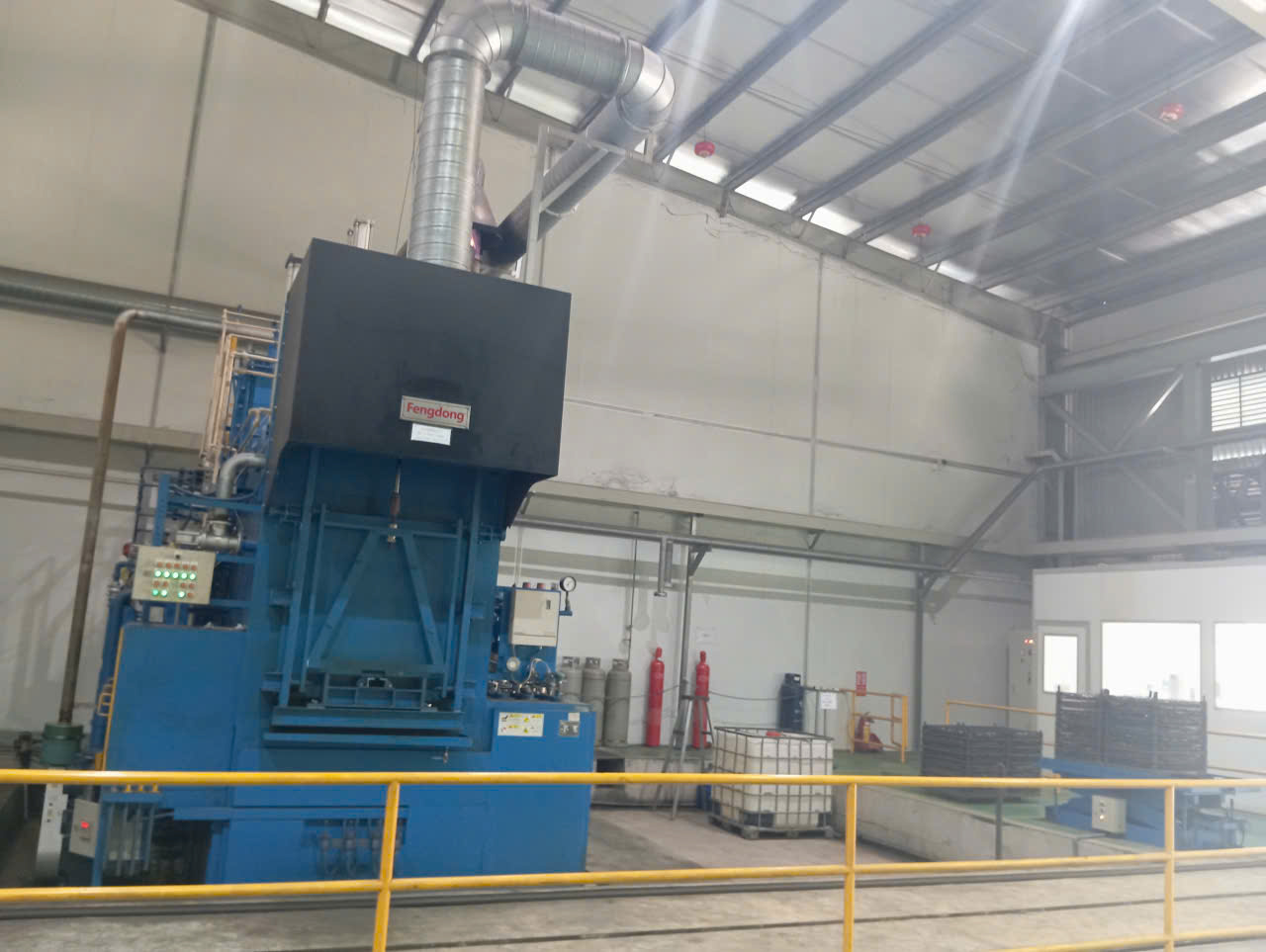
Trusting a certificate is not the same as verifying a process. Heat treatment happens inside a furnace where nobody can see the transformation. So your assurance comes entirely from process control and testing discipline.
The Three Variables That Decide Everything
Every heat treatment outcome traces back to three parameters. Temperature determines which metallurgical transformation occurs. Soak time determines whether that transformation completes through the full section thickness. Cooling rate determines the final microstructure, especially martensite formation 3 in hardening and hot stamping. If a supplier cannot show you records for all three, per batch, they are guessing.
A Practical Verification Checklist
When we run supplier audits for our U.S. clients, we work through these points:
- Ask whether heat treatment is in-house or outsourced. Outsourcing adds lead-time variability and batch-to-batch inconsistency, which matters for just-in-time schedules.
- Request furnace calibration certificates 4 and thermocouple survey records.
- Require hardness testing on a defined sample size per lot, with results tied to lot numbers.
- For critical parts, request microstructure photos to confirm proper transformation and check for decarburization at the surface 5.
- Check atmosphere control. Open-atmosphere furnaces cause scale and oxidation, which creates hidden costs in secondary cleaning or plating.
- Confirm the supplier records distortion checks after treatment, not just before.
We build these requirements into PPAP submissions 6 and process control plans before the first production order. A first-article report should include hardness maps, dimensional data after treatment, and the actual furnace recipe. Once that baseline exists, ongoing lots can be verified against it quickly. Without the baseline, every shipment is a fresh gamble.
What Performance Issues Might I Face If Heat Treatment Is Done Incorrectly?
The most expensive lesson I have learned in this business involved a batch of mounting clips that passed every dimensional check. Three months later, they snapped in the field. The tempering step had been shortened to save furnace time.
Incorrect heat treatment causes brittleness and cracking from insufficient tempering, warping and dimensional drift from uneven heating or cooling, soft spots from incomplete transformation, decarburized surfaces with poor fatigue life, and residual stress that leads to spring-back, distortion, or premature failure in service.
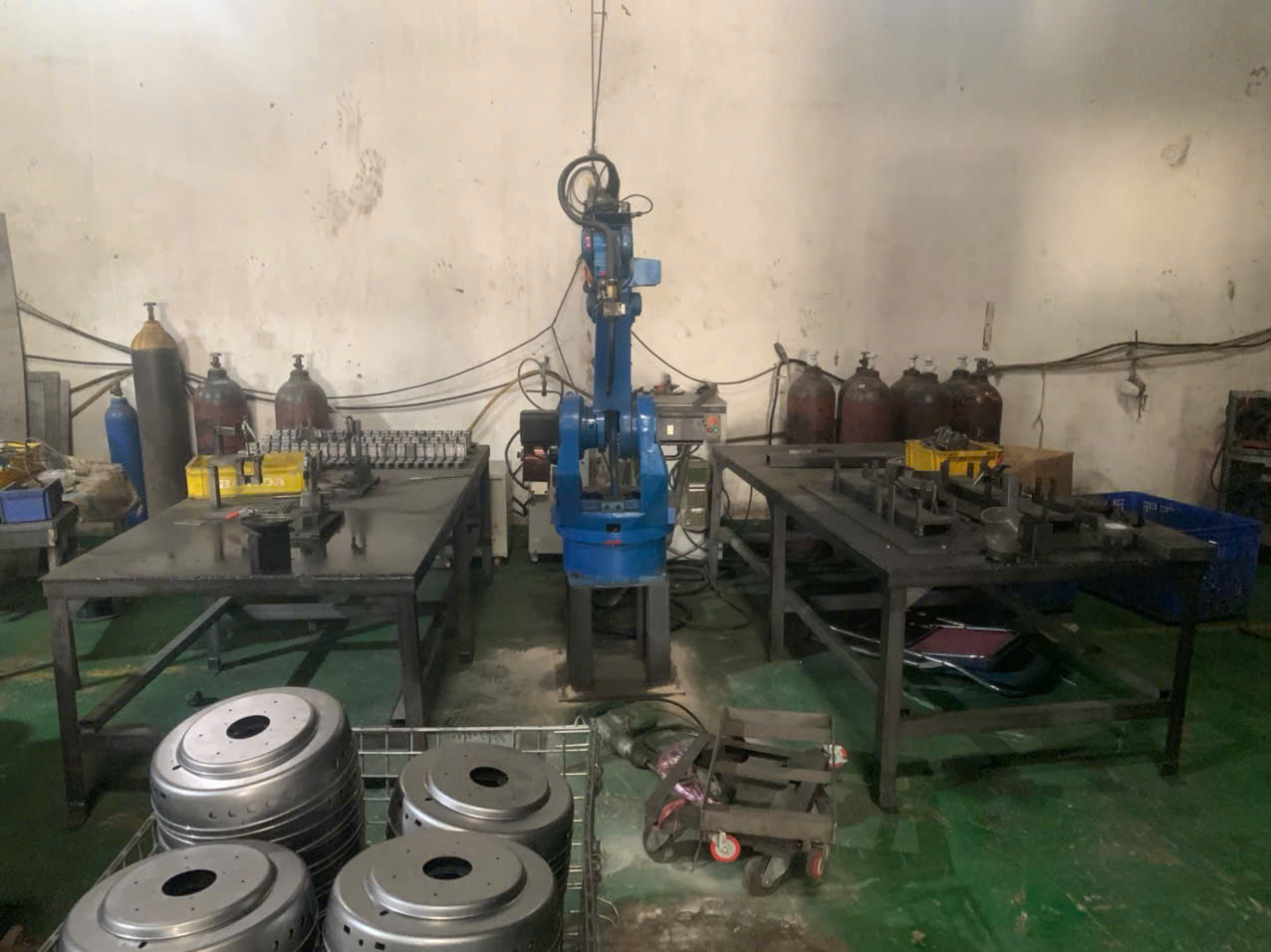
Failure modes from bad heat treatment are sneaky. Most of them are invisible at incoming inspection. The part measures correctly, looks clean, and still fails under load. That is why this topic deserves procurement attention, not just engineering attention.
Common Failure Modes and Their Root Causes
| Performance Issue | Likely Root Cause | When It Shows Up |
|---|---|---|
| Cracking under load | Over-hardening without tempering | In service, often under shock loads |
| Warping or twist | Uneven cooling, unsupported thin sections | After treatment or during assembly |
| Soft spots | Incomplete austenitization, dense furnace loading | Wear failures over months |
| Surface decarburization | Poor atmosphere control | Fatigue cracking at the surface |
| Excessive spring-back | Residual stress not relieved | Immediately, during assembly fit-up |
| Plating adhesion problems | Scale and oxidation from open furnaces | During finishing or after coating peels |
The Downstream Ripple Effects
Bad heat treatment does not stay contained. Over-hardened parts crack during downstream welding or machining. They also chew through stamping dies and assembly tooling faster, which quietly raises long-term unit costs. Under-treated parts wear out early and generate warranty claims. Thin, complex geometries like our stepped brackets are the most vulnerable, because thin sections heat and cool faster than thick ones, creating internal stress gradients.
There is also a formability angle. Heat becomes harmful inside the stamping process itself when excessive temperature breaks down lubrication or damages tool steel 7. That leads to galling, splitting, and tool failure. So the treatment plan has to be coordinated across the full production chain, from coil to final finish. When we manage contract manufacturing projects, we map every thermal step against every downstream operation before tooling is cut. It is far cheaper to catch a conflict on paper than in a returned container.
How Do I Balance Heat Treatment Costs Against My Stamping Parts' Durability Requirements?
A purchasing manager in Texas once asked me to quote his bracket two ways: with and without post-stamp hardening. The hardened version cost more per piece. Then we modeled replacement frequency, and the hardened part won on total cost within the first year.
Balance costs by matching treatment intensity to actual service loads. Skip or minimize treatment for static, low-stress parts; invest in quenching and tempering for wear and fatigue applications. Compare total lifecycle cost—including failures, warranty, and tooling wear—rather than piece price alone.

Heat treatment is a performance multiplier, but it multiplies cost and lead time too. The honest answer is that some parts do not need it, some parts absolutely do, and a large middle group needs a deliberate trade-off analysis.
A Simple Decision Framework
I use this logic with our clients before quoting:
| Application Profile | Recommended Approach | Cost Impact |
|---|---|---|
| Static bracket, light load, indoor | Pre-tempered or untreated stock | Lowest |
| Spring clip, repeated flexing | Pre-tempered spring steel or stainless | Moderate |
| Structural mount, vibration and fatigue | Post-stamp quench and temper | Higher, justified |
| Wear surface, sliding contact | Hardening plus controlled tempering | Higher, justified |
| Ultra-high-strength safety part | Hot stamping with die quenching | Highest, essential |
Where Modern Process Trends Help Your Budget
The industry is moving away from one-size-fits-all treatment, and that trend favors buyers. Lower-temperature hot stamping can cut quenching time substantially, which reduces cycle cost. Tailored regional heating lets a supplier harden the high-stress zone of a part while keeping other zones ductile, avoiding the cost of over-treating the whole component. When we co-develop parts with our clients' engineering teams, we look for exactly these opportunities. Sometimes a material change to pre-tempered stock eliminates a furnace step entirely. Sometimes redesigning a bend radius allows harder incoming material, removing post-treatment altogether.
Also factor in the hidden line items. Treatment adds freight between facilities if outsourced. Scale from open furnaces adds cleaning or plating prep cost. Hardened incoming material accelerates die wear, which belongs in your long-term pricing negotiation. Piece price is the visible tip. Durability, warranty exposure, and tooling life sit below the waterline. We help clients quote both scenarios so the decision is data-driven, and our credit payment terms give them room to invest in the better route without straining cash flow.
Conclusion
Heat treatment can make or break stamping parts performance. Specify measurable targets, verify furnace-level records, anticipate failure modes, and weigh lifecycle cost. Source with partners who control the process, not just the paperwork.
Frequently Asked Questions
What Heat Treatment Processes Should I Specify for My Stamping Parts?
A drawing landed on my desk last spring with one vague note: "harden after forming." Our engineers in Vietnam sent it back with six clarifying questions. That vague note could have produced six different parts.
How Can I Verify My Supplier's Heat Treatment Quality Control Meets Specifications?
During a supplier audit in Vietnam two years ago, our team found a furnace with no calibrated thermocouple records for six months. The parts looked fine. The paperwork told a different story. That audit saved our client a costly recall.
What Performance Issues Might I Face If Heat Treatment Is Done Incorrectly?
The most expensive lesson I have learned in this business involved a batch of mounting clips that passed every dimensional check. Three months later, they snapped in the field. The tempering step had been shortened to save furnace time.
Footnotes
1. Background on the microstructure formed during rapid cooling referenced in hardening. ↩︎
2. Authoritative stainless steel industry body relevant to pre-tempered stainless spring clip sourcing.