Finding the right laser cutting equipment can feel overwhelming — especially when a wrong choice means wasted budgets, missed tolerances, and delayed shipments that ripple through your entire supply chain 1.
Advanced laser cutting equipment for sheet metal fabrication is identified by its fiber laser technology, appropriate laser power levels matched to material thickness capacity, high cutting precision with tight tolerances, integrated CNC control system, automation features like AI nesting, and consistent edge quality with minimal heat affected zone — all of which reduce costs and ensure repeatable accuracy.
In this guide, I will walk you through the exact criteria our engineering team uses when auditing supplier equipment across Asia — from verifying laser sources to inspecting cut-edge quality on real production parts. Whether you are sourcing custom brackets, mounting components, or complex sheet metal assemblies, these insights will help you make confident decisions.
How do I evaluate the technical specifications of a supplier's laser cutting equipment to ensure precision?
A lesson we learned early in our supplier audit work: spec sheets alone never tell the full story. One factory in Vietnam listed a "high-power fiber laser" but was actually running a refurbished CO2 unit with outdated optics.
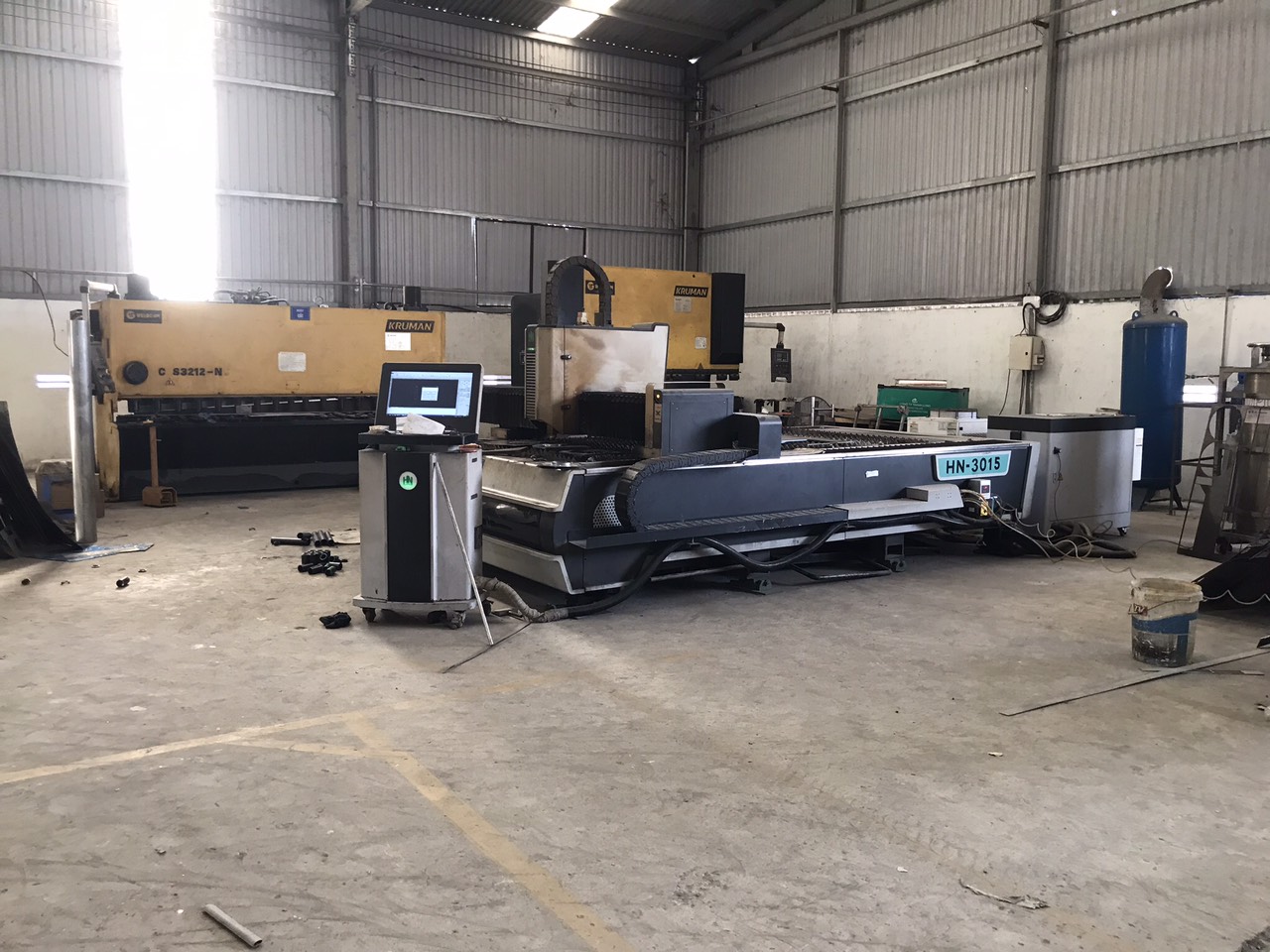
Evaluate a supplier's laser cutting equipment by checking the laser source type (fiber vs. CO2), power output in kilowatts, CNC control system brand and generation, positional repeatability, beam quality rating, and maximum material thickness capacity — then verify these specs against actual sample cuts rather than trusting documentation alone.
Fiber Laser vs. CO2: The First Checkpoint
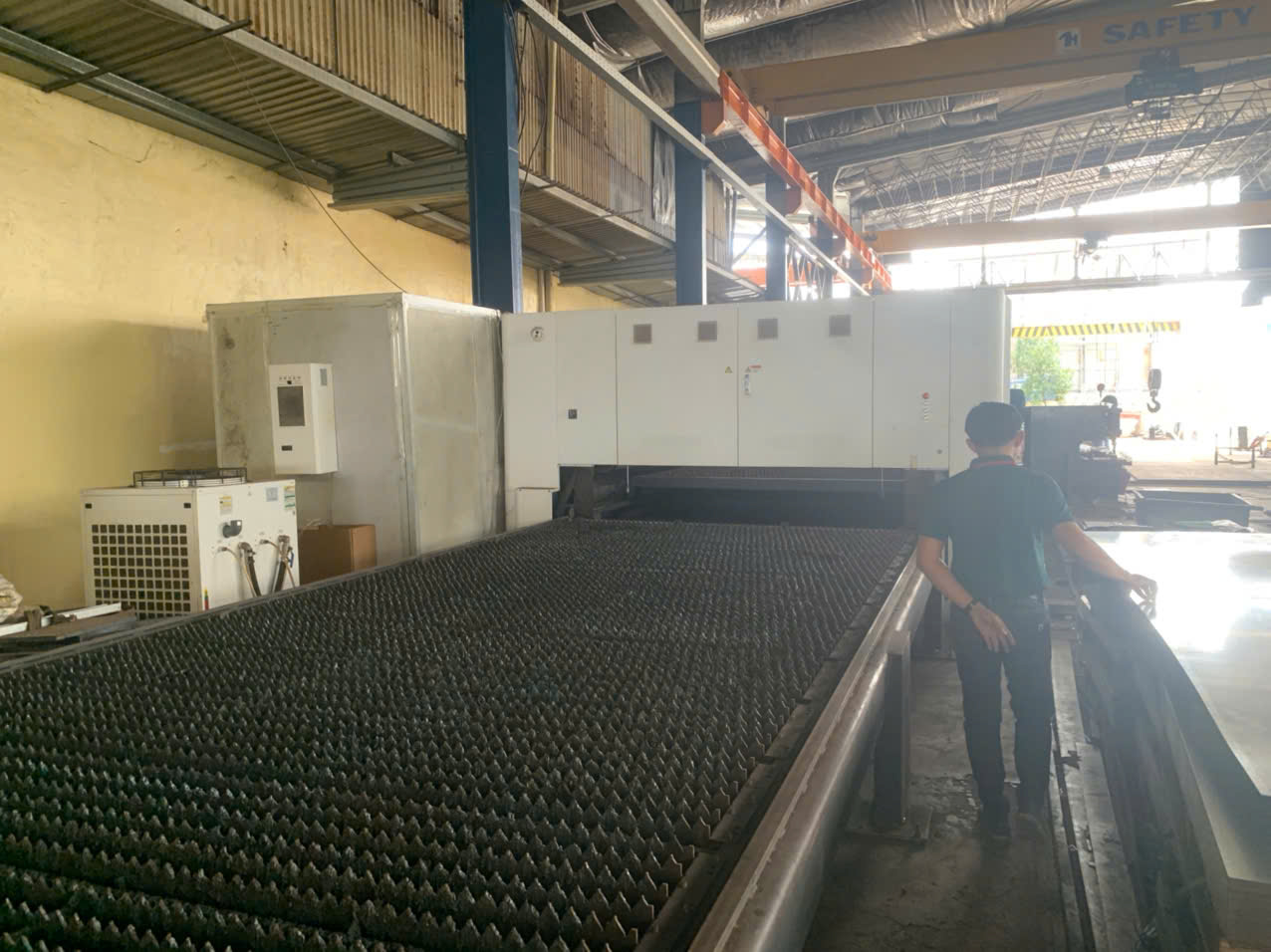
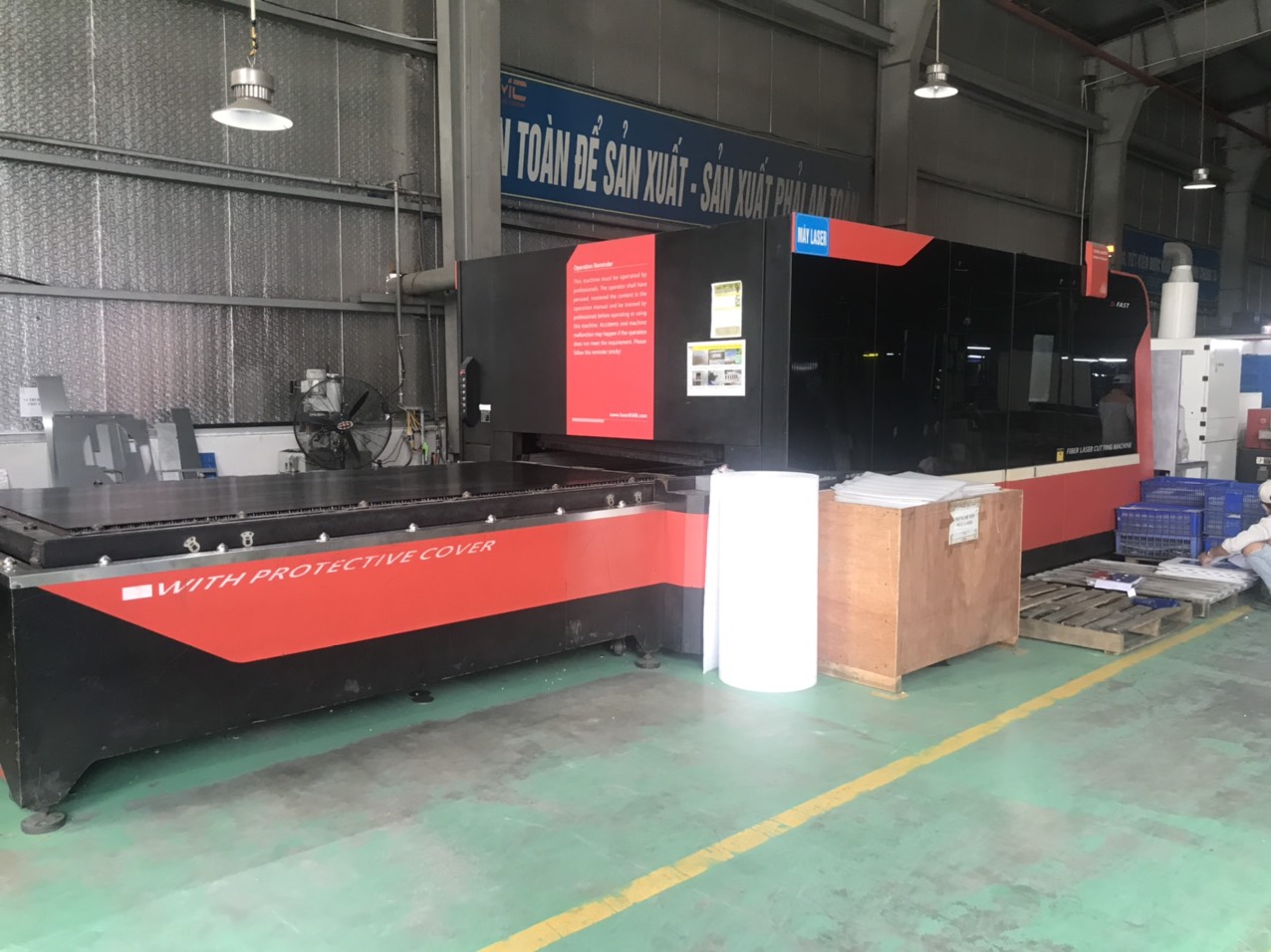
The single most important specification is the laser source. Fiber laser technology 2 has become the industry standard in 2026. It generates the beam through optical fibers, delivering 3–5x faster cutting speeds and roughly 50% lower operational costs compared to older CO2 systems. When we audit factories, the first thing our engineers check is whether the machine uses a true fiber source.
CO2 lasers still exist, mostly in smaller shops cutting thin mild steel. But they struggle with reflective metals like copper and brass. If your project involves aluminum brackets or brass fittings, a CO2 laser is a red flag.
Power Rating and What It Means for Your Parts
Power is measured in kilowatts (kW). It directly determines what the machine can cut. Here is a practical reference chart:
| Laser Power | Mild Steel Max Thickness | Stainless Steel Max Thickness | Aluminum Max Thickness | Best For |
|---|---|---|---|---|
| 1.5–2 kW | 6 mm | 4 mm | 3 mm | Signage, thin enclosures |
| 3–6 kW | 12.7 mm (1/2″) | 10 mm | 8 mm | General sheet metal, brackets |
| 10–15 kW | 30 mm | 25 mm | 20 mm | Structural components |
| 15–20 kW | 40 mm | 30 mm | 25 mm | Heavy plate, industrial frames |
When we source custom mounting brackets like the ones shown above — with precise folds, mounting holes, and angular cutouts — a 3–6 kW fiber laser is typically the sweet spot. It gives you clean edges on standard gauge steel without overpaying for excess power.
CNC Control System and Positional Accuracy
The CNC control system 3 is the brain of the machine. Leading brands like Fanuc, Siemens, and Beckhoff offer sub-millimeter positional repeatability 4. Ask your supplier which controller they use and what the rated repeatability is. For precision sheet metal work, you want ±0.03 mm or better.
Beam quality also matters. It is expressed as a BPP (Beam Parameter Product 5) value. Lower BPP means a tighter, more focused beam, which translates to narrower kerf widths and finer detail on intricate cuts.
What to Verify Beyond the Spec Sheet
During our factory audits, we always request three things:
- Live cutting demonstration on a material similar to the buyer's part.
- Dimensional inspection report of sample parts using a CMM or optical comparator 6.
- Machine maintenance logs showing recent calibration and lens replacement dates.
Spec sheets can be copied. Sample parts cannot be faked.
Can I trust that the laser cutting technology will meet my strict tolerance and quality requirements?
One of our U.S.-based purchasing managers once received a batch of custom sheet metal housings with edges so rough they needed full secondary deburring — doubling his cost. That experience is more common than most buyers realize.
You can trust a supplier's laser cutting technology to meet strict tolerances only after verifying cut-edge quality through physical samples, confirming the machine's positional repeatability (±0.03 mm or tighter), checking for minimal heat affected zone on test pieces, and ensuring the supplier has documented quality control processes like PPAP and in-process inspection.
Edge Quality: Your Best Visual Indicator
The physical cut edge tells you almost everything. On a well-maintained fiber laser running correct parameters, you should see:
- Smooth, striation-free surfaces on the cut wall.
- No dross or slag clinging to the bottom edge.
- Sharp, clean top edges without burn marks.
- Consistent kerf width across the entire part perimeter.
When we inspect sample parts from potential suppliers, we use a 10x loupe and a surface roughness gauge. If the edge roughness exceeds Ra 12.5 μm on mild steel under 6 mm, we question whether the machine is properly maintained or the operator is running incorrect parameters.
Tolerances: What Is Realistic?
Many buyers ask for ±0.05 mm tolerances on laser-cut parts. That is achievable — but only under the right conditions. Here is what influences tolerance in practice:
| Factor | Impact on Tolerance |
|---|---|
| Machine repeatability | Sets the baseline; ±0.03 mm on modern fiber lasers |
| Material flatness | Warped sheets shift the focal point, widening the kerf |
| Thermal distortion | Thin parts near large cutouts can warp from heat buildup |
| Assist gas selection | Nitrogen gives cleaner edges on stainless; oxygen cuts faster on mild steel but adds an oxide layer |
| Operator skill | Proper focus setting and speed adjustment are critical |
Assist gases play a larger role than most buyers expect. Nitrogen as the assist gas produces oxide-free edges on stainless steel — essential if the part goes directly to welding or coating without cleaning. Oxygen is cheaper and faster on mild steel but leaves a thin oxide layer.
Heat Affected Zone and Part Integrity
The heat affected zone (HAZ) is the area adjacent to the cut where the metal's properties change due to thermal exposure. A smaller HAZ means less risk of warping, hardness changes, or micro-cracking.
Fiber lasers inherently produce a smaller HAZ than CO2 lasers because of their shorter wavelength and tighter beam focus. On thin gauge stainless steel (1–2 mm), a properly tuned fiber laser can keep the HAZ under 0.1 mm.
For the angular mounting brackets shown in our product images — with multiple bends, pilot holes, and close-tolerance cutouts — minimizing HAZ is critical. Excessive heat near a bend line can cause cracking during the subsequent forming operation.
Our Quality Control Approach
In our process, every first article goes through a PPAP 8-style review. We measure critical dimensions, photograph edge quality at magnification, and document the results before approving mass production. This "right first time" discipline prevents the costly rework cycles that plague so many cross-border sourcing projects.
What questions should I ask my supplier about their equipment maintenance and operator expertise?
A trade-off we weigh on every project is whether a factory with a brand-new machine but inexperienced operators is better than a shop with an older machine and a veteran team. Nine times out of ten, we pick the experienced operators.
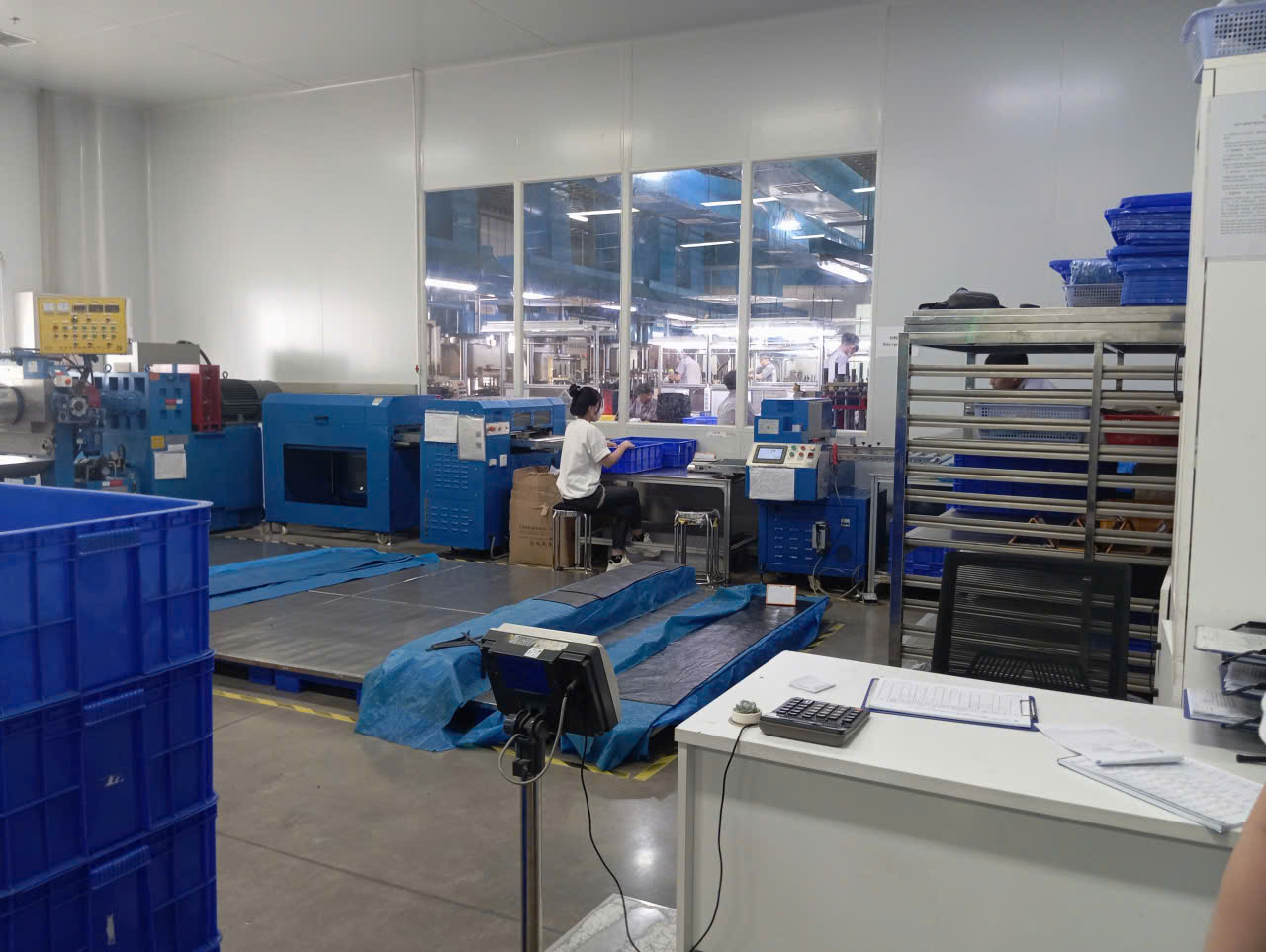
Ask your supplier how often they calibrate their laser cutting equipment, what their preventive maintenance schedule covers (optics, nozzles, gas systems), whether operators hold formal training certifications, how many years of cutting experience each operator has, and whether they track machine uptime and downtime data — these answers reveal operational discipline far better than equipment age alone.
The Questions That Actually Matter
Most buyers ask "What brand is your laser?" and stop there. That question barely scratches the surface. Here are the questions our audit team asks during every factory visit:
Maintenance questions:
- When was the last time the cutting head lens and protective window were replaced?
- Do you follow the OEM's recommended preventive maintenance schedule 9?
- How do you track consumable replacement (nozzles, lenses, mirrors)?
- What is your average machine uptime percentage over the last 6 months?
- Do you use IoT sensors or cloud-based platforms for predictive maintenance?
Operator questions:
- How many operators are trained to run this machine?
- Do operators hold certifications from the machine manufacturer (e.g., Trumpf, Bystronic, Bodor)?
- Can the operator adjust cutting parameters for different materials without relying on pre-set programs?
- How does the operator verify cut quality during a production run?
Why Maintenance Drives Quality More Than Machine Brand
Modern fiber lasers boast laser source lifespans of 100,000+ hours. But the cutting head, nozzles, and optics need regular attention. A dirty protective window reduces beam quality. A worn nozzle creates turbulent gas flow that produces uneven edges. A misaligned cutting head shifts the focal point.
Here is a basic maintenance frequency table for reference:
| Component | Recommended Check/Replace Interval | Consequence of Neglect |
|---|---|---|
| Protective window | Every 40–80 hours of cutting | Reduced beam quality, poor edge finish |
| Cutting nozzle | Every 8–24 hours (varies by material) | Inconsistent gas flow, dross buildup |
| Lens assembly | Every 2,000–4,000 hours | Focal shift, wider kerf, reduced precision |
| Chiller system | Monthly inspection | Overheating, laser shutdown |
| Linear guides & drives | Quarterly lubrication | Positional drift, reduced repeatability |
| Full calibration | Semi-annual or after relocation | Dimensional inaccuracy across all parts |
Operator Expertise: The Human Variable
In the metal fabrication industry, operator skill remains a critical variable even with highly automated equipment. An experienced operator knows how to read the cut edge mid-run and adjust feed rate or gas pressure on the fly. A novice follows the program blindly and may not notice dross buildup until hundreds of parts are affected.
During one of our audits in Vietnam, we watched an operator switch from 3 mm stainless steel to 6 mm mild steel. He changed the nozzle, adjusted the focal position, switched from nitrogen to oxygen assist gas, and recalibrated the pierce delay — all within five minutes. That level of fluency comes from years of hands-on work and it directly impacts whether your parts come out right the first time.
Predictive Maintenance and IoT Integration
Leading fabrication shops now use IoT sensors and cloud-based platforms for predictive maintenance. These systems monitor cutting head temperature, gas pressure, beam alignment, and motor current in real time. When a parameter drifts outside the acceptable range, the system alerts the maintenance team before a failure occurs. This reduces unexpected downtime and keeps cut quality consistent across long production runs.
Ask your supplier if they have any form of remote diagnostics or real-time monitoring. If the answer is yes, it signals a mature operation that prioritizes uptime and consistency.
How do I determine if a supplier's advanced laser cutting capabilities align with my project's complexity and budget?
A buyer interaction that sticks with me: a client needed complex mirrored mounting brackets — similar to the pair shown in our product images — with angular folds, irregular cutouts, and multiple pre-drilled holes. He had received quotes from three suppliers, ranging from $2.80 to $8.50 per piece. The cheapest supplier did not even have a fiber laser.
Determine alignment by matching the supplier's laser power to your material thickness, confirming their machine can handle your part geometry (complex cutouts, small holes, tight radii), verifying they use AI nesting and automation features to minimize waste on your production volume, and comparing the total cost of ownership — not just the per-piece price — across multiple qualified suppliers.
Matching Equipment to Part Complexity
Not every part needs a 20 kW laser. And not every shop with a 20 kW laser knows how to run complex geometries efficiently. The key is matching the machine's capabilities to your specific part features.
For the precision brackets in our product portfolio — featuring sharp bends, multi-dimensional geometric forms, strategic mounting holes, and irregular cutouts — the laser must deliver:
- Clean small-diameter holes (down to 1x material thickness).
- Sharp internal corners without over-burn.
- Consistent edge quality on both straight runs and tight curves.
- Minimal thermal distortion near bend lines.
A 3–6 kW fiber laser with a high-quality cutting head and modern CNC control system handles this type of work well. Going to 10+ kW would be unnecessary for typical 2–4 mm sheet metal brackets and could actually cause more thermal distortion on thin materials.
AI Nesting and Material Utilization
Advanced laser cutting is not just about the beam. It is about the software that positions your parts on the sheet. AI nesting software 10 optimizes part placement to minimize scrap. On high-volume runs, this can reduce material waste by 25–30%.
Here is what this means in dollar terms for a hypothetical production run:
| Scenario | Sheet Utilization | Material Cost per 1,000 Parts | Waste Savings |
|---|---|---|---|
| Manual nesting | 68% | $4,200 | Baseline |
| Basic auto-nesting | 78% | $3,600 | $600 (14%) |
| AI-optimized nesting | 88% | $3,150 | $1,050 (25%) |
For buyers running 5,000+ pieces per order, those savings compound fast. Ask your supplier what nesting software they use and whether it supports narrow kerf optimization for your specific material.
Automation and Throughput
Beyond nesting, automation features like robotic sheet loading, automated pallet changers, and integrated sorting systems affect both lead time and cost. Factories running integrated manufacturing cells — where cutting feeds directly into bending and sorting — can deliver faster with fewer handling-related defects.
When we evaluate suppliers for our U.S. clients, we look for these automation indicators:
- Automated material handling — reduces manual loading errors and speeds changeover.
- Real-time monitoring — adaptive control algorithms adjust cutting parameters automatically when material thickness varies.
- Integrated post-processing — parts move from cutting to bending to finishing without manual re-staging.
Budget Considerations: Total Cost of Ownership
The per-piece price is only part of the equation. A supplier with a newer, more efficient fiber laser may quote higher per-piece rates but deliver parts that need zero secondary finishing. A cheaper supplier running an older machine may deliver parts that require deburring, rework, or even rejection.
Our recommendation is to evaluate laser cutting power for material thickness across your part range, then compare the total cost: piece price + finishing cost + quality risk + lead time reliability. In our experience managing supply chains across Vietnam, China, and other Asian markets, the supplier with the best-maintained 6 kW fiber laser and experienced operators almost always delivers the lowest total cost — even if the initial quote is not the cheapest.
Energy efficiency also plays into long-term budgeting. Fiber lasers consume significantly less electricity per cut than CO2 systems. For high-volume buyers, this translates to lower surcharges and more stable pricing over time.
ROI for the Buyer
Enterprise-grade laser cutting systems — like the Trumpf TruLaser 3030 or Bystronic ByStar — typically pay for themselves in 18–24 months for the factory. That matters to you as a buyer because factories with fully amortized equipment can offer more competitive pricing without cutting corners on quality. When a supplier is still paying off a brand-new machine, they may accept jobs outside their capability range just to keep cash flowing. That is a risk to your project.
Conclusion
Identifying advanced laser cutting equipment comes down to verifying fiber laser technology, matching power to your material needs, inspecting real cut quality, and confirming maintenance discipline and operator expertise — then partnering with a supplier who manages the full process.
Frequently Asked Questions
Tolerances: What Is Realistic?
Many buyers ask for ±0.05 mm tolerances on laser-cut parts. That is achievable — but only under the right conditions. Here is what influences tolerance in practice:
How do I evaluate the technical specifications of a supplier's laser cutting equipment to ensure precision?
A lesson we learned early in our supplier audit work: spec sheets alone never tell the full story. One factory in Vietnam listed a "high-power fiber laser" but was actually running a refurbished CO2 unit with outdated optics.
Can I trust that the laser cutting technology will meet my strict tolerance and quality requirements?
One of our U.S.-based purchasing managers once received a batch of custom sheet metal housings with edges so rough they needed full secondary deburring — doubling his cost. That experience is more common than most buyers realize.
Footnotes
1. Replaced HTTP 404 with authoritative Wikipedia page for supply chain management. ↩︎
2. Explains the functionality and advantages of fiber laser technology. ↩︎
3. Defines CNC control systems and their function in automated manufacturing. ↩︎
4. Clarifies the definition of positional repeatability in CNC machining. ↩︎
5. Defines Beam Parameter Product (BPP) as a measure of laser beam quality. ↩︎
6. Compares CMMs and optical comparators for dimensional inspection applications. ↩︎
7. Replaced HTTP 404 with authoritative Wikipedia page for Heat Affected Zone. ↩︎
8. Replaced HTTP 404 with authoritative Wikipedia page for Production Part Approval Process (PPAP). Shortened anchor to ‘PPAP’ for conciseness. ↩︎
9. Details how manufacturers create and benefit from preventive maintenance schedules. ↩︎
10. Discusses how AI nesting software optimizes material utilization in sheet metal fabrication. ↩︎