
Last quarter, a client forwarded us three quotes for the same sheet metal bracket — the lowest bid ended up costing 40% more after rejects, rework, and air freight charges piled up.
Hidden costs in sheet metal fabrication unit prices typically stem from excessive bends, inefficient material utilization, unquoted secondary operations, tight tolerance requirements, tooling and setup costs buried in line items, and the gap between a quoted per-part price and the true total landed cost including logistics, rework, and quality failures.
This article breaks down the specific cost traps we see most often when helping U.S. buyers source custom parts from Asia. Each section targets a different layer of hidden expense — from quality and logistics to communication gaps and payment terms — so you can audit your next quote with confidence.
How do I factor the potential cost of quality failures and rework into my initial unit price?
A buyer we work with in the Midwest once approved a supplier based purely on piece price. Within two shipments, his reject rate hit 12%, and the rework labor on his shop floor wiped out every dollar he thought he saved.
Factor quality failure costs by adding your historical reject rate, incoming inspection labor, rework time, and scrap material value to the quoted unit price. A supplier with a 2% reject rate at a slightly higher price almost always delivers a lower total cost than a low-bid supplier running at 8–10% rejects.
Why the Quoted Price Hides Quality Risk
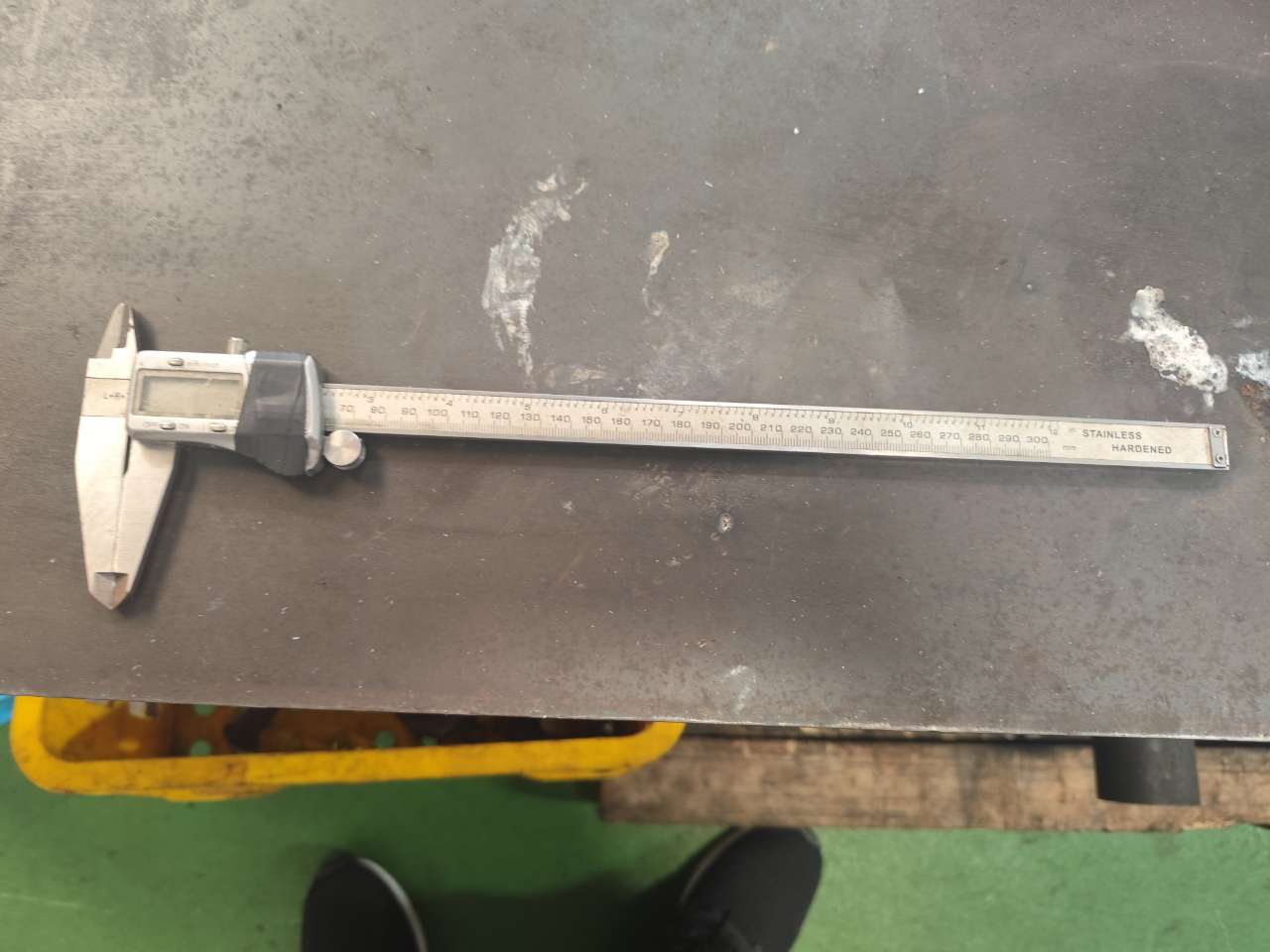
Most fabrication quotes assume zero defects. The unit price covers material type and thickness, laser cutting, bending, and maybe a basic surface finish. What it does not cover is what happens when tolerances drift, welds crack, or hardware gets installed in the wrong hole. Those costs land on your desk, not the supplier's.
When our team in Vietnam runs a new sheet metal project, we build a Process Failure Mode and Effects Analysis 1 (PFMEA) before quoting. That exercise exposes where defects are likely to occur — and lets us price in prevention rather than reaction. Most low-cost suppliers skip this step entirely.
Calculating the Real Cost of Rejects
Here is a simple framework you can use to estimate quality-related hidden costs per part:
| Cost Element | How to Estimate | Example (per part) |
|---|---|---|
| Incoming inspection labor | Inspector hourly rate ÷ parts inspected per hour | $0.50 |
| Reject rate cost | Unit price × reject percentage | $0.80 (at 8% on a $10 part) |
| Rework labor (your side) | Rework time × your shop rate | $3.00 |
| Scrap / disposal | Material weight × scrap value loss | $0.30 |
| Production delay penalty | Downtime cost ÷ affected batch size | $1.50 |
| Total hidden quality cost | $6.10 |
A $10 part suddenly costs $16.10 when quality is poor. Compare that to a $12 part from a supplier with robust process control and a 1–2% reject rate. The math speaks for itself.
The "Right First Time" Principle
Design complexity plays a big role here. Parts with multiple bends on different axes, tight tolerances below ±0.1 mm, and welded joints are where defects concentrate. Our engineers review every drawing before production to flag features that increase failure risk. We call this value engineering 2 — simplifying the design where possible so the process is more repeatable and the reject rate stays low.
If your supplier is not asking questions about your design, that is a red flag. A quiet supplier is not an easy supplier — they are a supplier who will ship whatever comes off the press and let you sort out the problems.
What hidden logistics and import duty expenses am I missing when comparing quotes from different Asian regions?
When we helped a U.S. buyer shift production from China to Vietnam two years ago, his unit price dropped by 7%. But his first shipment arrived with a surprise: new HS code classifications 3, different duty rates, and an inland trucking leg that nobody had quoted.
Hidden logistics costs include inland freight from the factory to the port, export documentation fees, ocean or air freight rate volatility, customs brokerage, import duties that vary by country of origin and HS code, specialized packaging for delicate surface finishes, and demurrage charges from port delays — all of which can add 15–30% on top of the quoted unit price.
The Total Landed Cost Equation
The total landed cost 4 is the only number that matters. Here is the formula we walk every new client through:
Total Landed Cost = Unit Price + Tooling (amortized) + Packaging + Inland Freight + Ocean/Air Freight + Insurance + Customs Duty + Brokerage Fees + Last-Mile Delivery
Each element varies by region. A part made in Vietnam may carry a 0% duty under certain trade agreements, while the same part from China could face a 25% tariff. That single variable can flip which quote is actually cheaper.
Regional Cost Comparison
| Cost Factor | China (Typical) | Vietnam (Typical) | Taiwan (Typical) |
|---|---|---|---|
| Base unit price (example) | $8.00 | $8.50 | $10.00 |
| Inland freight to port | $0.20 | $0.35 | $0.15 |
| Ocean freight (per part, est.) | $0.40 | $0.45 | $0.50 |
| Import duty to U.S. | 25% ($2.00) | 0–5% ($0.40) | 0–3% ($0.30) |
| Packaging (protective) | $0.15 | $0.20 | $0.25 |
| Brokerage & handling | $0.10 | $0.10 | $0.10 |
| Estimated landed cost | $10.85 | $10.00 | $11.30 |
The numbers above are illustrative, but the pattern is real. China's low unit price gets eroded by tariffs. Vietnam's slightly higher piece price wins on duty savings. Taiwan's premium reflects tighter tolerances and faster lead time impact for complex parts. You need to run this math for your specific HS codes and shipment volumes.
Packaging You Did Not Budget For
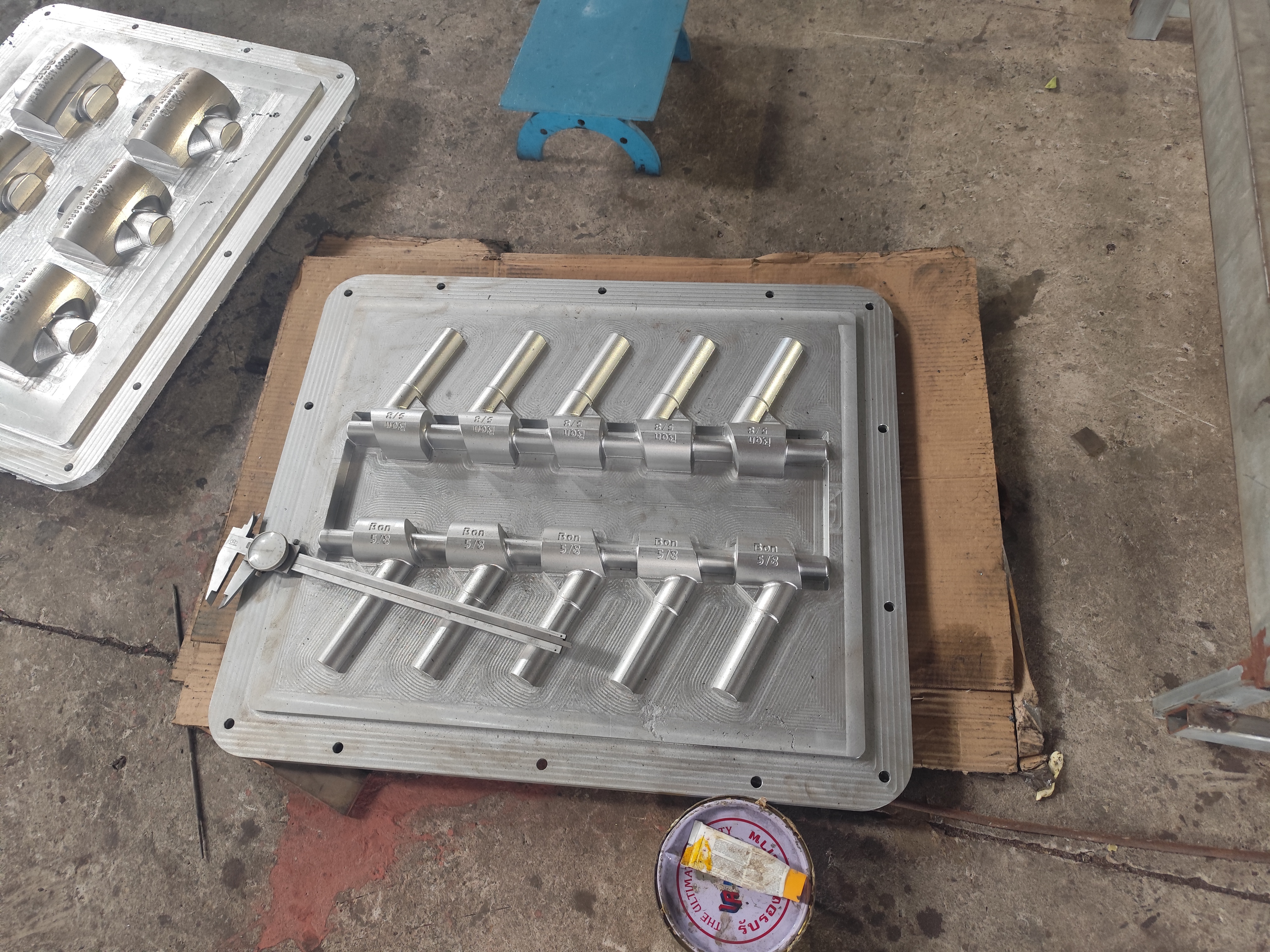
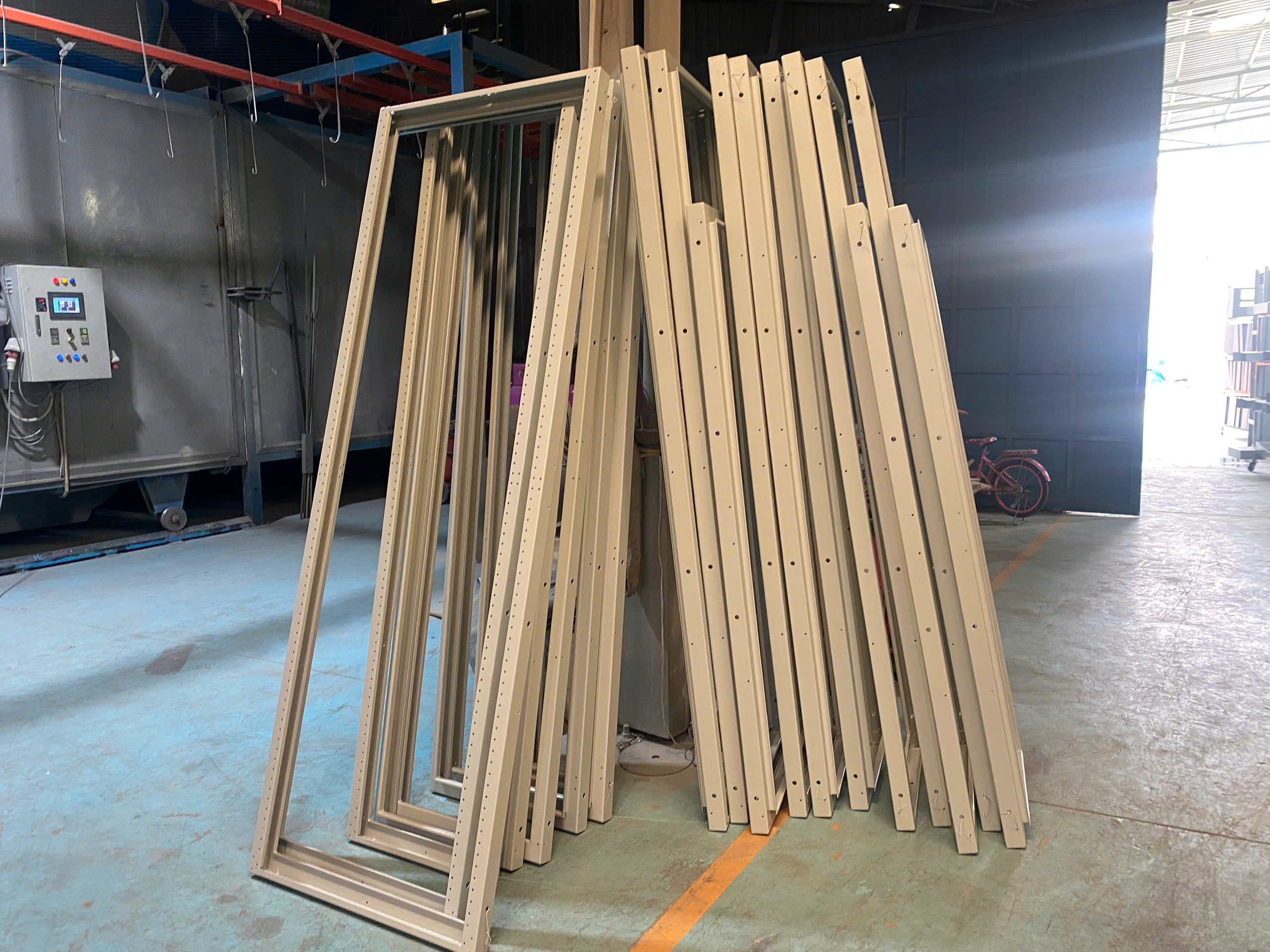
Sheet metal parts with powder-coated 5 or sandblasted finishes — like the mounting brackets we produce with multiple precise folds and pre-drilled holes — require specialized protective packaging. Foam inserts, VCI paper for corrosion prevention, and custom crating add cost. If the quote says "standard export packaging," ask exactly what that means. We have seen parts arrive with scratched finishes because the supplier used generic cartons with no internal protection.
Freight Mode and Lead Time Trade-Offs
Production volume affects your freight strategy. Large batches justify full container loads 6 (FCL) with lower per-part shipping costs. Small orders often ship as less-than-container loads (LCL) or even air freight, which can double or triple the logistics and shipping expense. If your supplier's lead time slips, you may be forced into air freight to meet your customer's deadline — and that cost is rarely recoverable.
Our logistics team in Singapore coordinates shipments door-to-door specifically to prevent these surprises. We confirm HS codes, duty rates, and freight modes before the purchase order is signed, not after the container is on the water.
Am I overlooking the long-term financial impact of poor supplier communication and weak engineering support?
One lesson we learned early in our custom parts business: the most expensive supplier is the one who says "yes" to everything and then delivers something different. A client once sent a detailed drawing for a sheet metal housing base with six different bend angles. The supplier confirmed the drawing without a single question. The first samples came back with two bends reversed — a $4,000 tooling write-off and a six-week delay.
Poor supplier communication and weak engineering support create hidden costs through misinterpreted drawings, avoidable design errors, repeated sample iterations, production delays, and non-conforming parts — expenses that compound over time and can exceed the original unit price savings by a factor of three to five on complex custom projects.
The Cost of Silence
When a supplier does not ask questions about your drawing, it usually means one of two things: they do not understand the drawing, or they plan to fabricate it exactly as drawn without flagging issues. Both outcomes are expensive.
Design complexity in sheet metal — features like irregular cutouts, weld joints at multiple angles, countersunk hardware holes, and tight tolerance requirements — demands a conversation. Our engineering team in China reviews every drawing before quoting. They flag potential issues: bend radii that are too tight for the specified material type and thickness, hole placements too close to bend lines, or tolerance call-outs that require secondary grinding operations.
This review process is not a courtesy. It is value engineering. It saves the buyer money by catching problems before they become steel on the shop floor.
What Poor Communication Actually Costs
Consider the lifecycle of a single engineering error:
- Drawing misinterpretation — Supplier fabricates parts to their assumption, not your intent.
- First article rejection — You inspect, find the error, and send a corrective action request.
- Re-tooling or re-programming — The supplier adjusts CNC programs, bend sequences, or fixtures.
- Second sample run — New material consumed, new labor and machine time spent.
- Schedule delay — Your production line or end customer waits 4–8 weeks.
- Expedited shipping — Air freight to recover lost time.
Each step has a dollar value. On a mid-complexity bracket with multiple bends and welded tabs, we have seen a single communication failure generate $5,000–$15,000 in waste — on a part with a $12 unit price.
What Strong Engineering Support Looks Like
Strong support means the supplier proactively reviews your design, suggests alternatives, and documents their feedback in a formal Design for Manufacturability 7 (DFM) report. Here is what to look for:
- The supplier asks about functional requirements, not just dimensions.
- They suggest standard punch-form features to replace custom tooling.
- They flag quoting accuracy risks — areas where the drawing is ambiguous or incomplete.
- They provide a clear Hardware Bill of Materials (BOM) that matches your drawing.
- They confirm material grades, surface finish specifications, and tolerance capabilities before quoting.
Our team treats the DFM review as step one of every project. It is the single most effective way to reduce hidden costs downstream.
How do the payment terms offered by my supplier affect my total cost of ownership and company cash flow?
A conversation with a purchasing manager in Texas last year brought this into sharp focus. He had two quotes for identical parts. Supplier A wanted 50% deposit, 50% before shipment. Supplier B offered net-60 after delivery. Supplier B's unit price was 5% higher — but the cash flow impact of Supplier A's terms made the "cheaper" option far more expensive on his balance sheet.
Payment terms directly affect total cost of ownership by tying up working capital, increasing financing costs, and creating cash flow gaps between when you pay your supplier and when your customer pays you. Open account terms like net-60 or net-90 reduce these hidden financial burdens and improve your company's liquidity position.
Why Payment Terms Are a Hidden Cost Driver
Most buyers focus on unit price and lead time impact when comparing quotes. Payment terms rarely get the same scrutiny. But the timing of cash outflows has a real financial cost.
If you pay 50% upfront and 50% before shipment, your money is locked up for the entire production and shipping cycle — often 8 to 14 weeks. During that time, you cannot use that capital for other purchases, payroll, or growth investments. If you are financing that working capital 8 through a line of credit, you are paying interest on money that is sitting in your supplier's account.
Comparing Payment Term Structures
| Payment Term | Cash Outflow Timing | Working Capital Impact | Risk to Buyer |
|---|---|---|---|
| 100% advance | Before production starts | Maximum cash lockup | Highest — no leverage if quality fails |
| 50/50 (deposit + pre-shipment) | Split across 4–8 weeks | High cash lockup | High — limited inspection window |
| 30/70 (deposit + after shipment) | Split across 8–12 weeks | Moderate | Moderate — inspection possible before final payment |
| Net-30 after delivery | 30 days post-receipt | Low | Low — full inspection before payment |
| Net-60 or Net-90 (open account) | 60–90 days post-receipt | Minimal | Lowest — aligns with your receivables cycle |
The Cash Flow Alignment Problem
Here is the core issue: most U.S. buyers sell to their own customers on net-30 or net-45 terms. If you are paying your Asian supplier 50% upfront and 50% before shipment, you are funding the entire production cycle out of pocket — weeks or months before your customer pays you.
This mismatch creates a cash flow gap. The larger your production volume, the wider the gap. For a $50,000 order, a 50/50 payment structure means $25,000 leaves your account immediately, and the remaining $25,000 goes out before you have received or sold a single part.
We offer open account terms — net-60 and net-90 — to qualified U.S. clients specifically because we understand this dynamic. It is one of the most tangible ways we reduce our clients' total cost of ownership, even if our unit price is not the absolute lowest on the table.
Calculating the Hidden Finance Cost
If your cost of capital is 8% annually and you tie up $50,000 for 12 weeks under a prepayment structure, the implicit financing cost is approximately:
$50,000 × 8% × (12/52) = $923
On a 5,000-piece order, that adds roughly $0.18 per part in hidden cost. It does not appear on any quote. It does not show up in any supplier comparison spreadsheet. But it is real, and it compounds across multiple orders throughout the year.
Conclusion
Hidden costs in sheet metal fabrication 9 unit prices live in quality failures, logistics gaps, communication breakdowns, and unfavorable payment terms. Audit every quote against total landed cost — not just piece price — and partner with a supplier who makes these costs visible before production begins.
Frequently Asked Questions
How do I factor the potential cost of quality failures and rework into my initial unit price?
A buyer we work with in the Midwest once approved a supplier based purely on piece price. Within two shipments, his reject rate hit 12%, and the rework labor on his shop floor wiped out every dollar he thought he saved.
What hidden logistics and import duty expenses am I missing when comparing quotes from different Asian regions?
When we helped a U.S. buyer shift production from China to Vietnam two years ago, his unit price dropped by 7%. But his first shipment arrived with a surprise: new HS code classifications 3 , different duty rates, and an inland trucking leg that nobody had quoted.
Am I overlooking the long-term financial impact of poor supplier communication and weak engineering support?
One lesson we learned early in our custom parts business: the most expensive supplier is the one who says "yes" to everything and then delivers something different. A client once sent a detailed drawing for a sheet metal housing base with six different bend angles. The supplier confirmed the drawing without a single question. The first samples came back with two bends reversed — a $4,000 tooling write-off and a six-week delay.
Footnotes
1. Authoritative source defining FMEA, its purpose, and application in process design. ↩︎
2. Explains the systematic analysis of functions to improve value and reduce costs. ↩︎
3. Official source explaining the Harmonized System for classifying traded products. ↩︎
4. Defines total landed cost and its key components for supply chain management. ↩︎
5. Describes the process and benefits of applying a powder coating finish. ↩︎
6. Explains FCL shipping, its benefits, and how it differs from LCL. ↩︎
7. Explains the engineering practice of designing products for easier and cheaper manufacturing. ↩︎
8. Defines working capital as a measure of a company’s short-term liquidity. ↩︎
9. Provides a comprehensive overview of sheet metal as a material and its fabrication processes. ↩︎