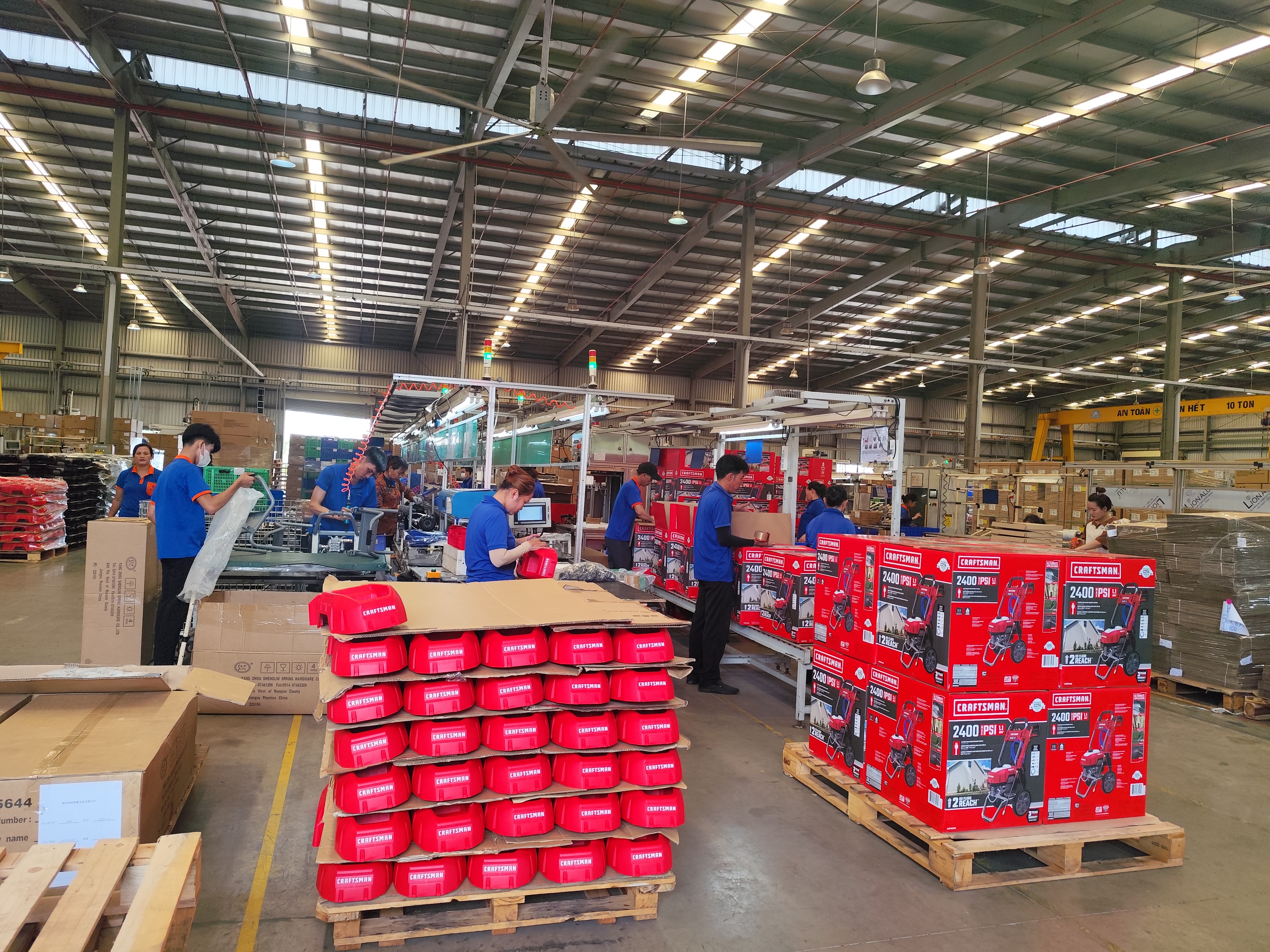

Small-batch custom sheet metal fabrication 1 costs catch many buyers off guard. I’ve watched clients receive quotes ten times higher than expected — all because of avoidable design choices, material over-specification, or ordering just one piece at a time. The frustration compounds when rework eats into budgets that were already tight design for manufacturability 2. But after years of managing custom part sourcing from our offices in Vietnam and working alongside engineering teams, I’ve seen a clear pattern: the biggest savings happen before any metal gets cut.
Individual users can reduce small-batch custom sheet metal fabrication costs by simplifying part geometry, relaxing non-critical tolerances, choosing common materials and standard gauges, batching orders to unlock volume discounts, and collaborating early with fabrication partners who provide design for manufacturability feedback before production begins.
This article walks through every lever you can pull — from design tweaks and material swaps to sourcing strategy. Each section gives you practical steps, real trade-offs, and data points so you can cut costs without sacrificing the quality your end-use demands.
How can I optimize my part design to lower my custom sheet metal fabrication prices?
A lesson I learned early in our custom parts business: the single biggest cost driver is part complexity. One U.S. client sent us a bracket design with twelve small ventilation cutouts, three different bend radii 3, and welded reinforcements. We re-drew it together, and the quote dropped by over 40%.
Optimize your part design by reducing geometric complexity, replacing multiple small cutouts with fewer large ones, using fasteners instead of welding, consolidating same-material parts, and standardizing feature sizes — these design for manufacturability steps directly lower setup time, tooling needs, and scrap rates.
Simplify Your Geometry First
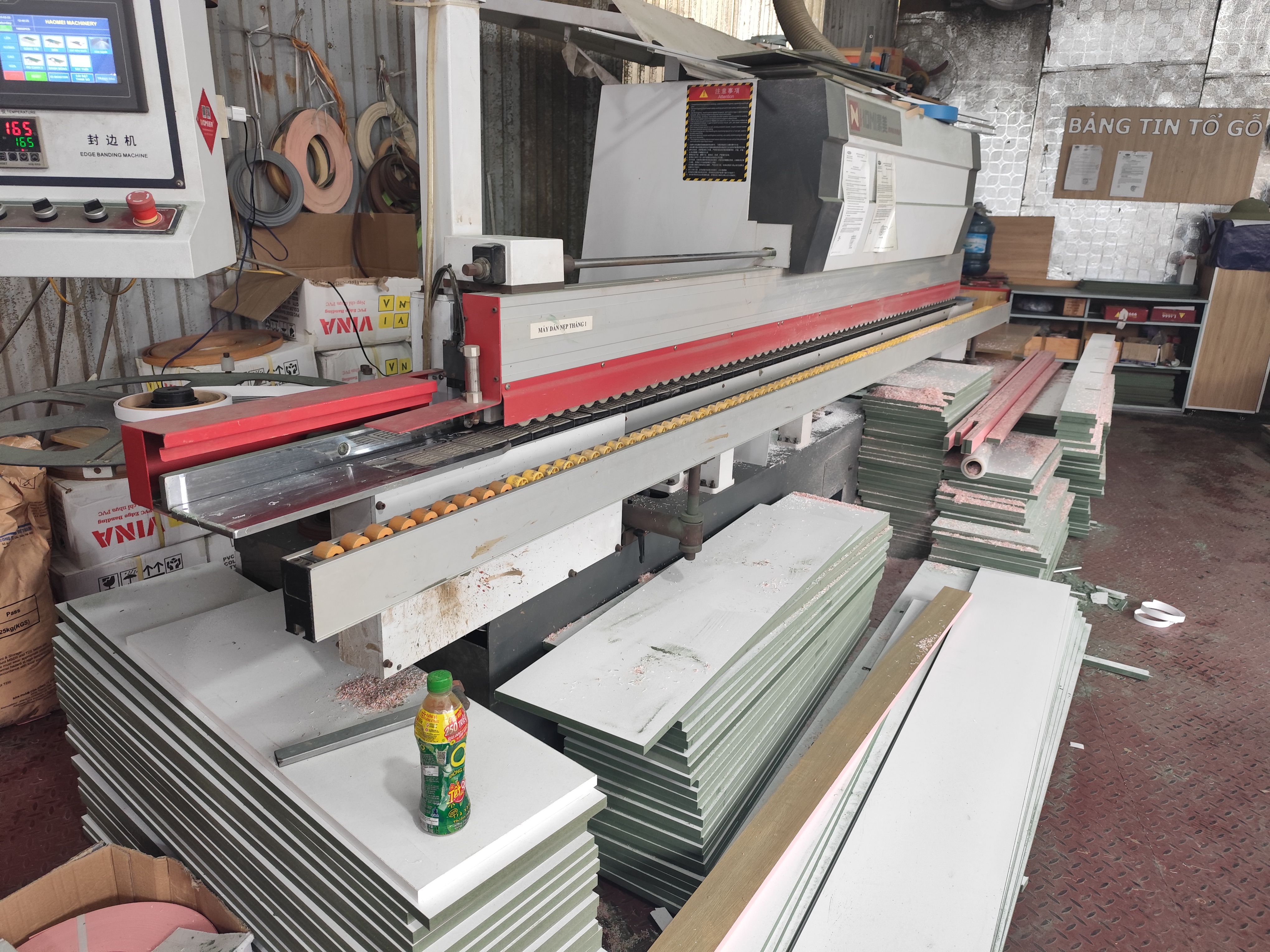
The fastest path to savings is removing features that do not serve a functional purpose. Sharp internal corners force the fabricator to switch to smaller tools or use EDM, both of which add time and cost. Replace sharp corners with radiused ones. If your part has many small cutouts for ventilation, combine them into a single long rectangular slot. This reduces the number of laser or punch operations from dozens to just a few.
Part consolidation is another powerful lever. If your assembly uses three brackets made from the same material and gauge, ask whether they can become one folded part. Fewer parts mean fewer setups, fewer quality checks, and simpler assembly downstream.
Fasteners vs. Welding: A Cost Trade-Off
Many designers default to welding because it feels stronger. But welding is a secondary operation. It requires fixturing, a skilled welder, and often post-weld grinding or finishing. When structural loads allow, PEM inserts 4, rivets, or self-clinching fasteners can join parts at a fraction of the cost. Our engineering team in Vietnam frequently suggests welding alternatives during co-development reviews, and buyers are often surprised by the savings.
Standardize Features and Use DFM Software
Standardized features — uniform hole sizes, consistent bend radii, and common slot dimensions — let fabricators use existing tooling without changeovers. Sheet-metal-specific CAD tools with unfolding views generate accurate flat patterns, which reduces programming time. Nesting software 5 then arranges those flat patterns on standard sheets to minimize scrap.
| Design Change | Typical Cost Impact | Why It Helps |
|---|---|---|
| Replace 12 small cutouts with 2 large slots | –15% to –25% | Fewer laser/punch operations |
| Use fasteners instead of welding | –10% to –20% | Eliminates secondary welding operation |
| Consolidate 3 same-material parts into 1 | –20% to –35% | Fewer setups and quality inspections |
| Standardize hole sizes to 2–3 common diameters | –5% to –10% | No tooling changeover needed |
| Add proper radii to all internal corners | –5% to –15% | Avoids slow, specialized cutting |
Tolerances and Bend Radii: Where Precision Actually Matters
Tight tolerances 6 are expensive. Every decimal place you add to a dimension can double the inspection time and require slower machine feeds. Yet I see drawings regularly where every dimension is held to ±0.005 inches — even on non-functional edges.
Assign tight tolerances only to mating surfaces, hole positions for alignment pins, or features that interface with other components. Everything else can follow standard sheet metal tolerances, which are typically ±0.010 inches or looser.
For bend radii, stay between 0.030 inches (0.762 mm) and the material thickness. A bend radius equal to the material thickness is a safe default. Also, keep all bends in the same orientation when possible. Each time the operator flips the part, you add reorientation time — and that time multiplies across a batch.
| Tolerance Level | Typical Range | Cost Multiplier | When to Use |
|---|---|---|---|
| Standard | ±0.010 in or looser | 1× (baseline) | Non-functional edges, cosmetic surfaces |
| Moderate | ±0.005 in | 1.5×–2× | Assembly interfaces, moderate fit |
| Tight | ±0.002 in or tighter | 3×–5× | Precision alignment, critical sealing |
What material and finish choices will help me minimize my small-batch production costs?
During a recent project review with a U.S. buyer, we compared two approaches for the same enclosure: 304 stainless steel with a brushed finish versus G90 zinc-plated mild steel. The G90 option was 38% cheaper — not because the raw material cost differed dramatically, but because the pre-finished surface eliminated an entire finishing step.
Choose common, readily available materials like mild steel or 5052 aluminum, use standard gauges and stock sheet sizes, consider pre-finished options such as G90 zinc-plated steel to skip secondary finishing, and optimize material thickness based on geometry rather than over-specifying for strength.
Common Materials vs. Specialty Grades
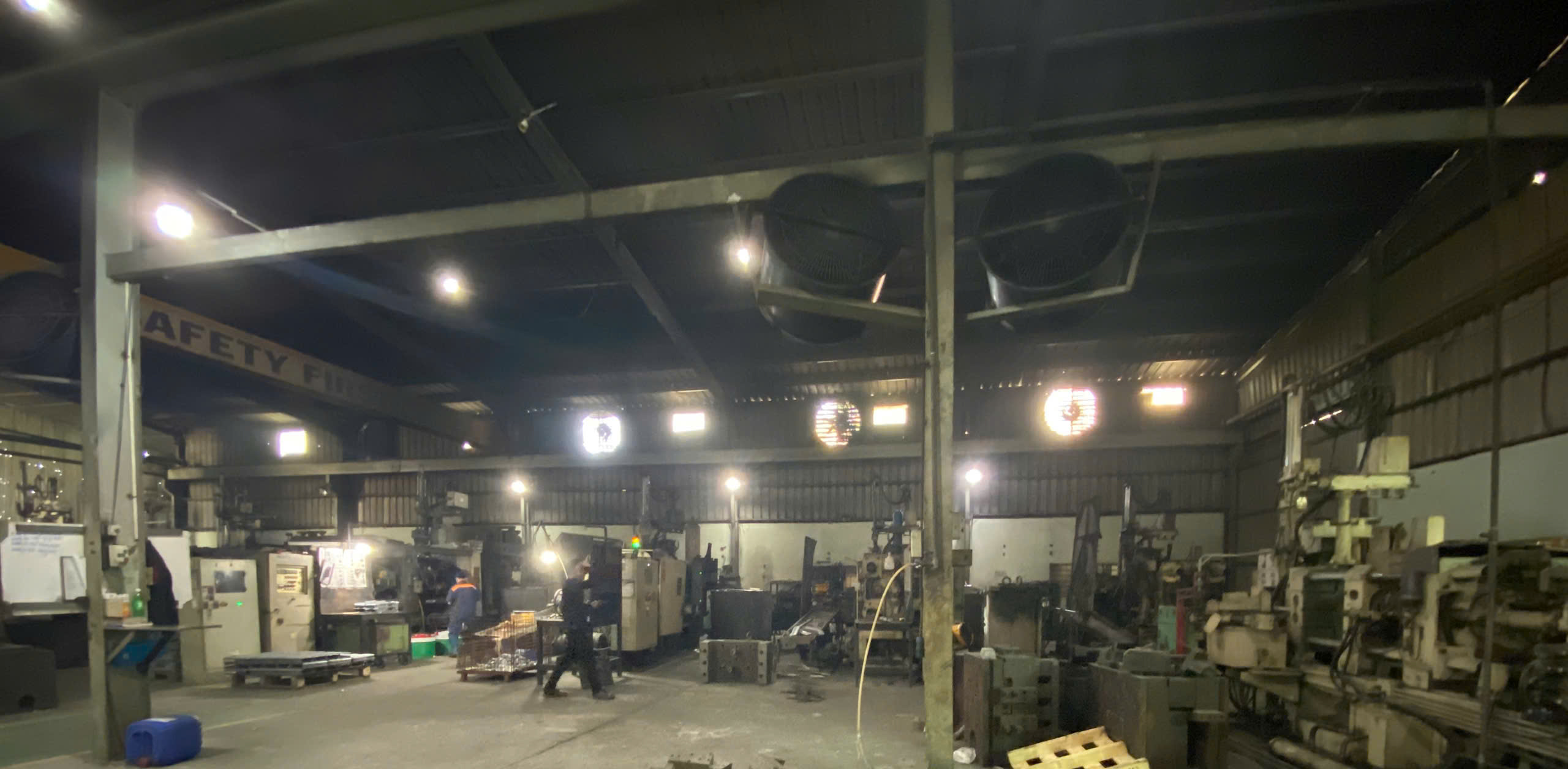
Material selection is about matching performance to actual need — not picking the highest grade available. Many prototyping costs balloon because designers specify 316 stainless steel when 304 would suffice, or 6061-T6 aluminum when 5052-H32 delivers adequate strength at a lower price. The 5052 alloy is easier to form, more available in standard gauges, and does not require heat treatment 7.
If corrosion resistance is genuinely required — say, for outdoor marine hardware — then stainless steel justifies its premium over the product's lifetime. But for indoor brackets, enclosures, and mounting plates, mild steel with a zinc or powder coat finish often performs identically at half the material cost.
Material Thickness and Standard Gauges
Thinner gauges cost less per square foot and are faster to cut and bend. More importantly, a well-designed sheet metal part draws its structural integrity from its geometry — bends, flanges, and ribs — not from raw material thickness alone. If your current design uses 14-gauge steel (0.075 in), ask whether 16-gauge (0.060 in) with an added bend flange achieves the same stiffness.
Design to common gauges. Fabricators stock standard thicknesses. When you specify a non-standard gauge, they must order it specially, adding lead time and minimum order quantity surcharges. Stock sheet sizes (48 × 96 inches, 48 × 120 inches) also matter. If your part's flat pattern fits neatly into a standard sheet, nesting efficiency goes up and waste goes down. Understanding what size limits apply to different sheet metal fabrication materials can help you design within standard stock dimensions from the start.
Pre-Finished Materials Save a Step
Pre-finished materials like G90 galvanized steel arrive with a protective zinc coating already applied. This means you skip the separate galvanizing or plating operation after fabrication. For parts that need basic corrosion protection without cosmetic requirements, this is a straightforward cost reduction.
| Material Option | Relative Cost | Best Use Case | Finish Needed? |
|---|---|---|---|
| Mild steel (CRS) | Low | Indoor brackets, non-corrosive environments | Yes — paint or plate |
| G90 zinc-plated steel 8 | Low–Medium | Indoor/outdoor, moderate corrosion exposure | No — pre-finished |
| 5052 Aluminum | Medium | Lightweight parts, prototypes, marine trim | Optional anodize |
| 6061-T6 Aluminum | Medium–High | Structural parts requiring higher strength | Optional anodize |
| 304 Stainless Steel | High | Food-grade, chemical exposure, high corrosion | Usually passivation only |
| 316 Stainless Steel | Very High | Marine, pharmaceutical, extreme corrosion | Usually passivation only |
How do I find a fabrication partner who can guarantee quality to avoid my rework expenses?
One of our U.S. clients once shared a painful story: he ordered 200 mounting brackets from a low-cost shop overseas. Half arrived with holes punched 2mm off-position. The rework and re-order cost more than the original job. That experience is exactly why he now insists on a partner with documented quality control processes — and why he eventually started working with our team.
Find a quality-focused fabrication partner by verifying their in-process inspection procedures, requesting PPAP documentation, confirming they have in-house engineering for DFM review, checking references from similar small-batch projects, and ensuring they provide detailed final inspection reports before shipment.
Why Quality Failures Cost More Than Premium Quotes
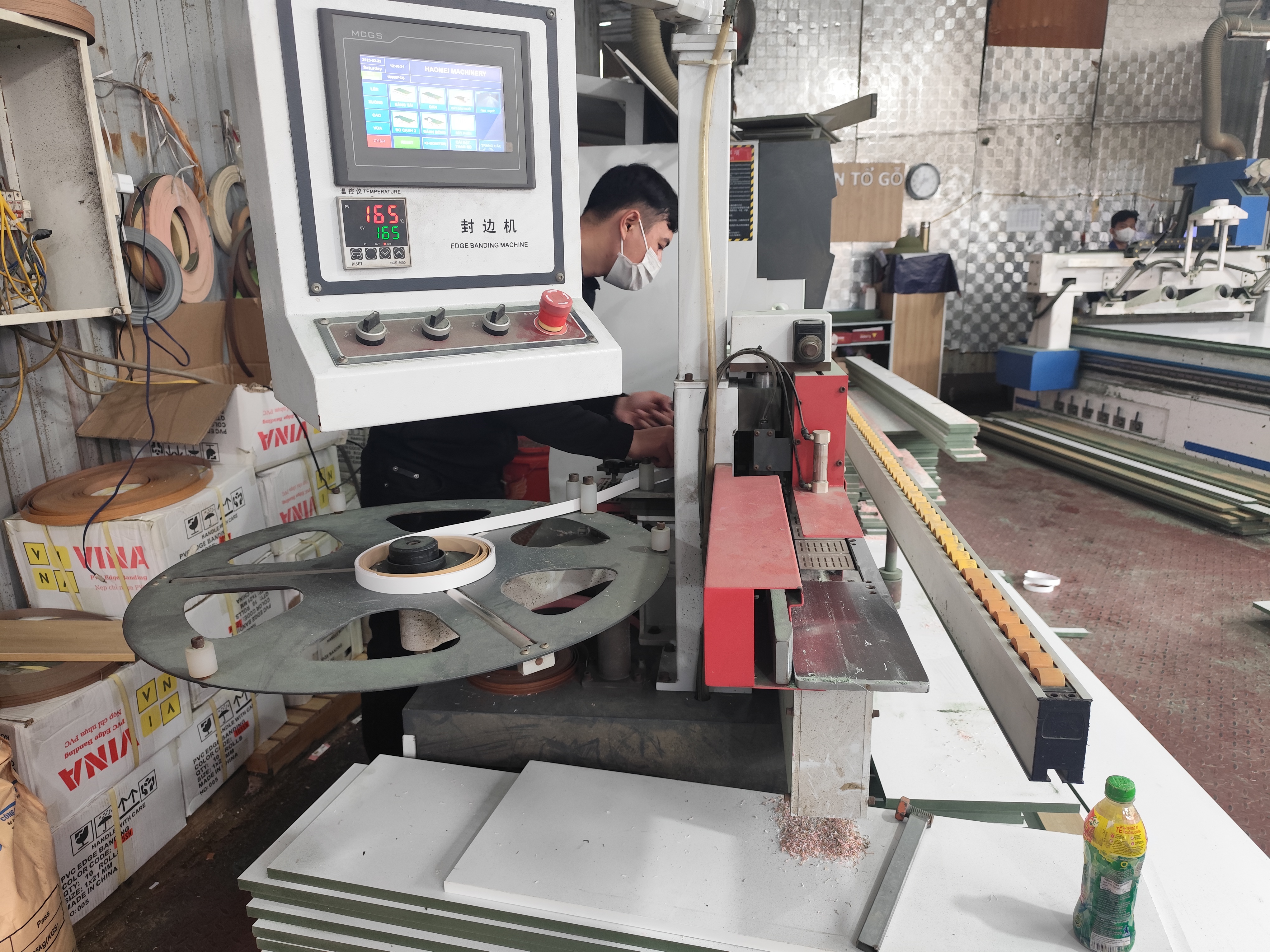
Rework is the hidden cost killer in small-batch production. A single non-conforming batch can trigger re-fabrication, expedited shipping, production-line delays at the buyer's facility, and damaged supplier trust. For individual users and small purchasing teams, the time spent managing a quality failure often exceeds the dollar cost of the defective parts themselves.
What to Look for in a Fabrication Partner
Start by asking how the shop handles first-article inspection. A competent partner will produce a first piece, measure all critical dimensions against your drawing, and share the results before running the rest of the batch. This is the essence of "right first time" — catching errors on piece number one, not piece number 200.
Next, look for in-house engineering capability. A partner with engineers on staff can review your drawings, flag potential issues, and suggest cost-saving design changes before quoting. This early collaboration eliminates surprises. At our Vietnam office, our engineers routinely perform DFM checks and send annotated drawings back to clients within 48 hours. If you're sourcing sheet metal fabrication for the first time, this kind of proactive support is especially valuable.
Ask about documentation. A professional fabricator should provide:
- Detailed drawings with GD&T callouts confirmed
- In-process inspection records at key operations (cutting, bending, welding)
- Final dimensional inspection report with measured values
- Material certifications and test reports
Many instant quoting platforms now offer real-time DFM feedback, which is helpful for quick estimates. But for parts with moderate-to-high complexity, direct collaboration with an experienced engineer still outperforms automated tools.
Send Complete Documentation to Avoid Engineering Fees
Incomplete drawings are a common source of added cost. When a fabricator receives a sketch without tolerances, bend callouts, or material specifications, their engineering team must fill in the gaps — and they charge for that time. Send detailed 2D drawings with all required tolerances, surface finish callouts, and material specs. Include a 3D STEP or IGES file so the fabricator can verify geometry and generate flat patterns directly.
This upfront effort saves money twice: once by eliminating engineering fees, and again by reducing the chance of misinterpretation that leads to rework.
Can I reduce my total procurement spend by sourcing my custom parts from Vietnam?
When we opened our Vietnam office seven years ago, we did it because several long-time clients asked for a credible alternative to China-based sourcing. They wanted competitive pricing, shorter lead times for ASEAN markets, and a hedge against tariff volatility. What we found was a manufacturing ecosystem that has matured rapidly — especially for custom sheet metal work.
Yes, sourcing custom sheet metal parts from Vietnam can meaningfully reduce your total procurement spend through lower labor costs, favorable trade tariffs for U.S. importers, and a growing base of skilled fabricators — especially when managed through a partner with local quality control and logistics capabilities.
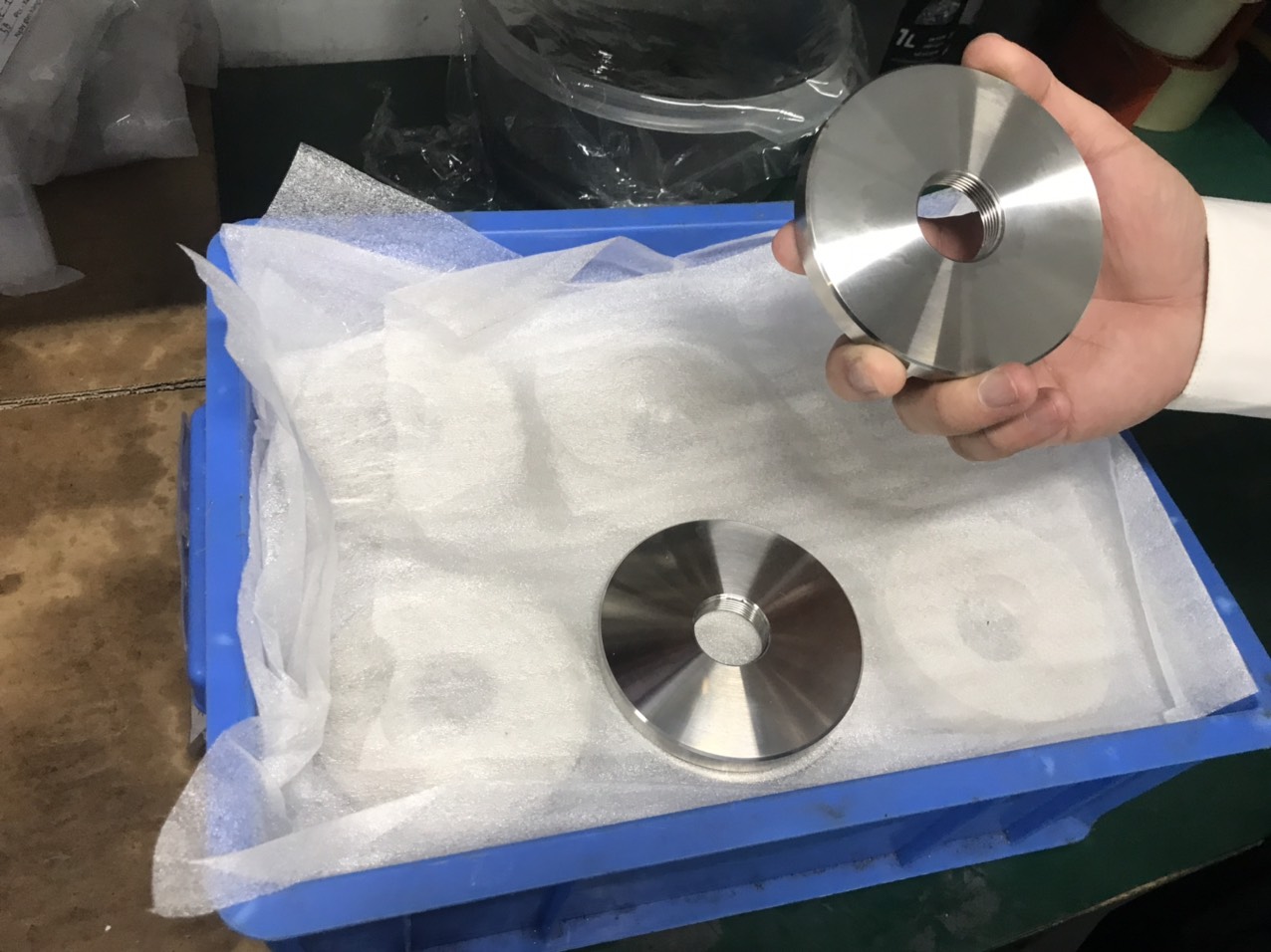
Vietnam's Cost Advantages for Sheet Metal Fabrication
Vietnam's labor costs remain significantly lower than those in China's coastal manufacturing hubs, and well below U.S. or European rates. For labor-intensive operations like welding, grinding, assembly, and inspection, this translates directly into lower per-part pricing. Raw material costs are comparable because steel and aluminum are globally traded commodities, but the processing cost — where human skill and time dominate — is where Vietnam delivers savings.
Additionally, Vietnam benefits from multiple free trade agreements, including the Comprehensive and Progressive Agreement for Trans-Pacific Partnership (CPTPP) 9 and various bilateral agreements with the U.S. that result in lower import duties on manufactured goods compared to Chinese-origin products. For U.S. buyers navigating Section 301 tariffs, Vietnam-sourced parts can avoid the 25% additional duty that applies to many Chinese-manufactured metal components.
Batch Strategy and Volume Economics
Whether you source domestically or from Vietnam, batch production remains one of the most powerful cost levers. Setup time — programming the laser cutter, configuring the press brake, building fixtures — is a fixed cost. Spread that cost across 10 parts instead of 1, and the per-unit price drops dramatically. Understanding why unit prices vary for low vs. high volumes can help you plan your order quantities more strategically.
Here is a real-world example from a recent quoting exercise we ran for a simple L-bracket in 14-gauge mild steel:
| Quantity | Price per Part | Setup Cost Spread | Total Order Cost |
|---|---|---|---|
| 1 | ~$29.00 | 100% on one part | $29.00 |
| 5 | ~$7.50 | 20% per part | $37.50 |
| 10 | ~$3.00 | 10% per part | $30.00 |
| 25 | ~$2.20 | 4% per part | $55.00 |
| 50 | ~$1.80 | 2% per part | $90.00 |
Notice that ordering 10 parts costs roughly the same total as ordering 1 — but you get ten pieces. Secondary operations like bending, tapping, and countersinking also receive quantity discounts because the operator batches those tasks.
Even if you do not need 50 parts immediately, consider whether your next 12 months of demand justifies a single batch order. Inventory carrying cost is almost always lower than the per-part premium of repeated one-off runs.
Managing Quality Across Borders
The risk with offshore sourcing is always quality. Distance makes inspection harder, and cultural or language gaps can cause drawing requirements to be overlooked. This is exactly the problem our business was built to solve. With our local team of seven people in Vietnam, we perform supplier audits, PPAP documentation 10, in-process inspections, and final checks before any shipment leaves the factory.
We also manage door-to-door logistics, so the buyer receives parts at their U.S. facility without coordinating freight forwarders, customs brokers, or import paperwork. For purchasing managers who have been burned by overseas quality failures, this end-to-end control is what makes the cost savings actually stick.
Our payment terms — open account with 60 to 90 day terms — also reduce the cash flow pressure that small-batch buyers feel when prepaying overseas suppliers. You receive and verify the parts before payment is due.
Conclusion
Reducing small-batch custom sheet metal fabrication costs comes down to decisions made before production starts — smarter designs, appropriate materials, batched quantities, and a quality-focused fabrication partner who catches errors early and delivers right the first time.
Frequently Asked Questions
How can I optimize my part design to lower my custom sheet metal fabrication prices?
A lesson I learned early in our custom parts business: the single biggest cost driver is part complexity. One U.S. client sent us a bracket design with twelve small ventilation cutouts, three different bend radii 3 , and welded reinforcements. We re-drew it together, and the quote dropped by over 40%.
What material and finish choices will help me minimize my small-batch production costs?
During a recent project review with a U.S. buyer, we compared two approaches for the same enclosure: 304 stainless steel with a brushed finish versus G90 zinc-plated mild steel. The G90 option was 38% cheaper — not because the raw material cost differed dramatically, but because the pre-finished surface eliminated an entire finishing step.
How do I find a fabrication partner who can guarantee quality to avoid my rework expenses?
One of our U.S. clients once shared a painful story: he ordered 200 mounting brackets from a low-cost shop overseas. Half arrived with holes punched 2mm off-position. The rework and re-order cost more than the original job. That experience is exactly why he now insists on a partner with documented quality control processes — and why he eventually started working with our team.
Footnotes
1. Explains the fundamental processes and applications of sheet metal fabrication. ↩︎
2. Defines DFM and its importance in optimizing product design for efficient manufacturing. ↩︎
3. Provides guidelines and best practices for specifying bend radii in sheet metal design. ↩︎
4. Links to the official manufacturer’s page for PEM inserts, a specific type of fastener. ↩︎
5. Explains how nesting software optimizes material utilization and reduces waste in cutting processes. ↩︎
6. Discusses the implications and importance of maintaining tight tolerances in precision manufacturing. ↩︎
7. Describes the processes and purposes of heat treatment in altering metal properties. ↩︎
8. Explains the specifications, coating, and applications of G90 galvanized steel. ↩︎
9. Provides official information and text regarding this significant international trade agreement. ↩︎
10. Outlines the requirements and importance of Production Part Approval Process documentation in quality control. ↩︎