Reducing tariffs on welding parts from Vietnam through FTAs is something our team in Ho Chi Minh City navigates with clients every quarter.
To leverage FTAs and reduce tariffs when sourcing welding parts from Vietnam, buyers must correctly classify their HS codes, verify rules of origin compliance, secure valid certificates of origin from suppliers, and select the most beneficial agreement—such as EVFTA, CPTPP, or RCEP—for their target market.
This guide walks through the practical steps, documentation, cost comparisons, and compliance checks you need. Each section tackles a specific question purchasing managers ask us regularly. Let’s get into it.
How do I determine if my custom welding parts qualify for duty-free status under Vietnam's active trade agreements?
A U.S. purchasing manager recently sent us drawings for a multi-level steel frame assembly and asked a simple question: "Can I get this tariff-free from Vietnam?" The answer was not simple at all.
Your custom welding parts qualify for duty-free status under Vietnam's FTAs only if they meet the specific rules of origin for the applicable agreement, which requires correct HS code classification, sufficient local value-added manufacturing in Vietnam, and compliance with either Change in Tariff Classification or Regional Value Content thresholds.
Start With the HS Code
Everything begins with the Harmonized System code 1. Your welding parts—whether they are structural steel frames, mounting brackets, or fabricated hardware—each fall under a specific HS heading. Get this wrong, and the entire FTA benefit collapses. For example, a welded steel frame might sit under HS 7308 (structures and parts of structures of iron or steel), while a small mounting bracket might be classified under HS 7326 (other articles of iron or steel). The HS code classification determines which Product Specific Rules apply under each FTA.
Our Vietnam office regularly works with customs brokers to pre-verify codes before production even starts. This saves weeks of delays at the destination port.
Map Your Product to the Right FTA
Vietnam has 17 active FTAs. Not all of them help your specific product or your specific market. Here is a quick comparison of the most relevant agreements for welding parts:
| FTA | Key Partners | Tariff Elimination | Timeline | Best For |
|---|---|---|---|---|
| EVFTA 2 | EU–Vietnam | Up to 99% of tariff lines | By 2027 (EU side) | Exporting welding parts to EU markets |
| CPTPP 3 | 11 Pacific Rim nations | 95%+ of tariff lines | Varies by member | Markets like Canada, Japan, Australia |
| RCEP 4 | 15 Asia-Pacific nations | ~90% of tariff lines | Within 20 years | Integrated Asian supply chains |
| AFTA | 10 ASEAN nations | Most industrial tariffs at 0–5% | Already in effect | Intra-ASEAN sourcing |
If you are importing welding parts into the U.S., none of these FTAs directly apply because the U.S. is not a member of EVFTA, CPTPP, or RCEP. However, Vietnam's bilateral trade status with the U.S. still offers significantly lower tariffs than Chinese goods currently face under Section 301. For EU-bound shipments, the EVFTA is extraordinarily powerful.
Understand the Rules of Origin Requirements
Each FTA has its own rules of origin 5. These rules define what "made in Vietnam" actually means. There are three common tests:
-
Change in Tariff Classification (CTC): The finished welding part must be classified under a different HS heading than the imported raw materials. If you import steel coils (HS 7208) and cut, bend, and weld them into a structural frame (HS 7308), that tariff heading change often satisfies the CTC rule. Change in Tariff Classification 6
-
Regional Value Content (RVC): The product must contain a minimum percentage of value added within Vietnam or FTA member countries. Typical thresholds range from 40% to 50%. Labor, overhead, profit, and locally sourced materials all count toward this percentage.
-
Specific Process Rule: Some FTAs require that certain manufacturing processes occur locally. For welding parts, this could mean that the actual welding, machining, surface treatment, and assembly must happen in Vietnam.
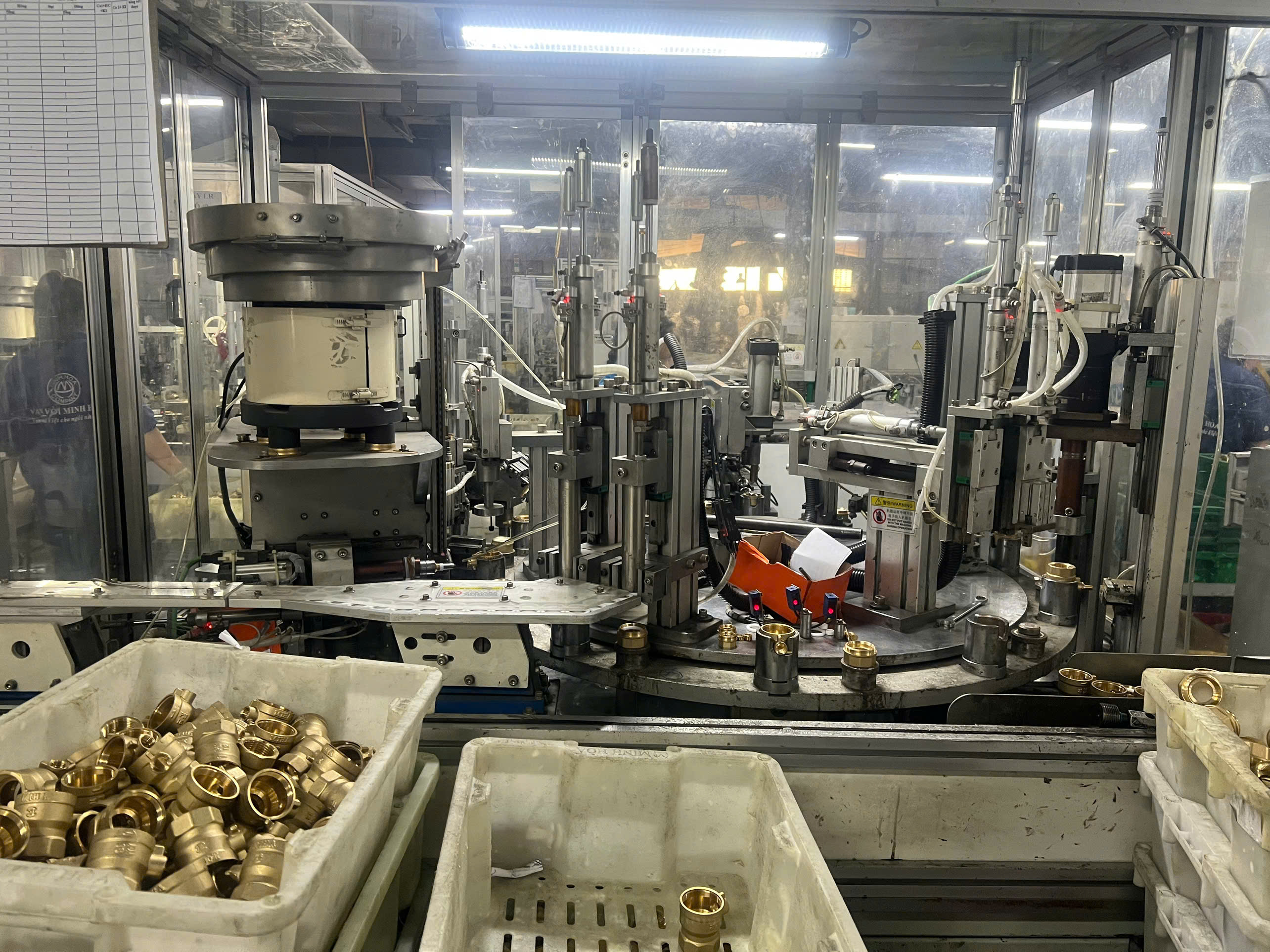
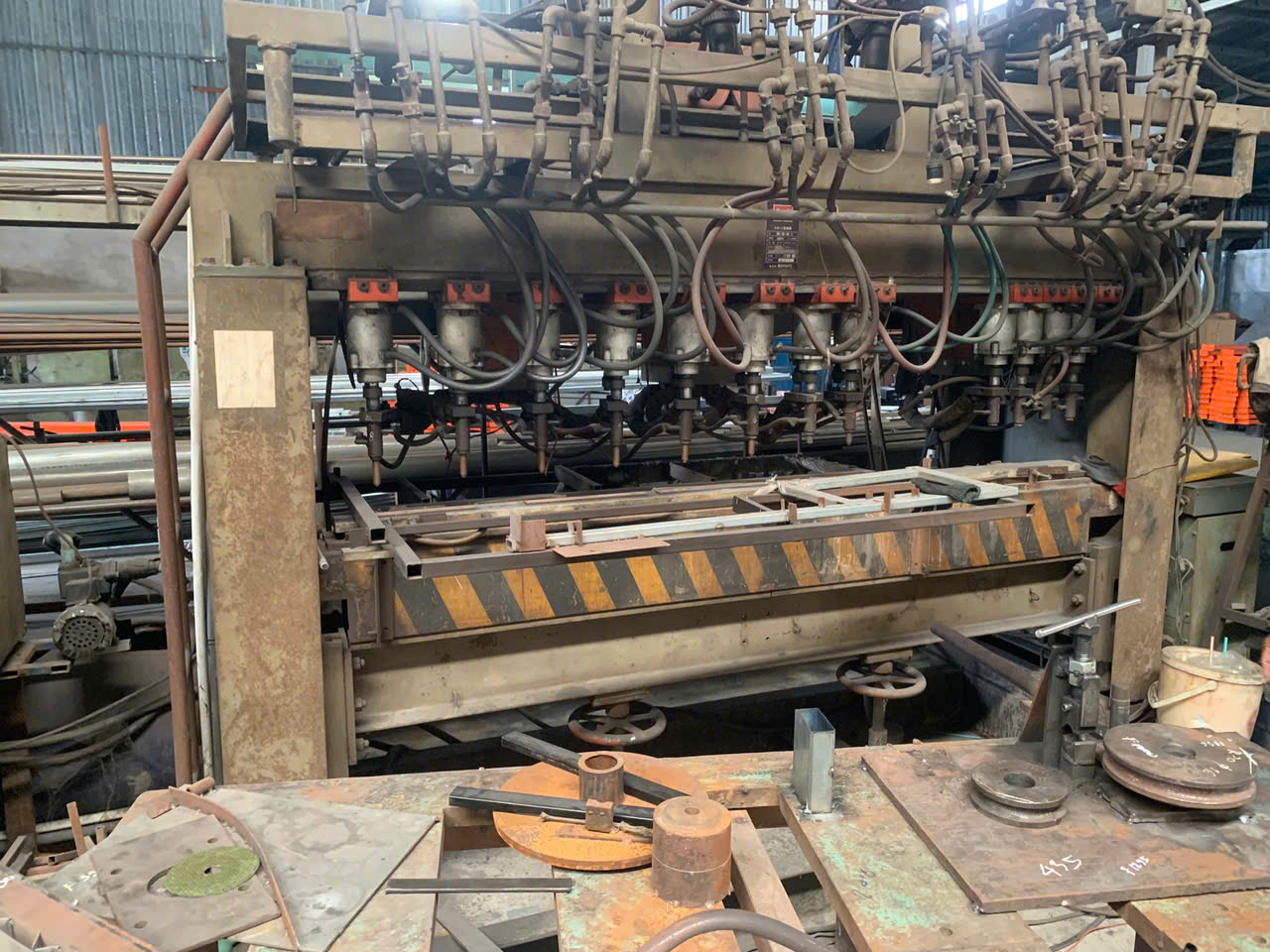
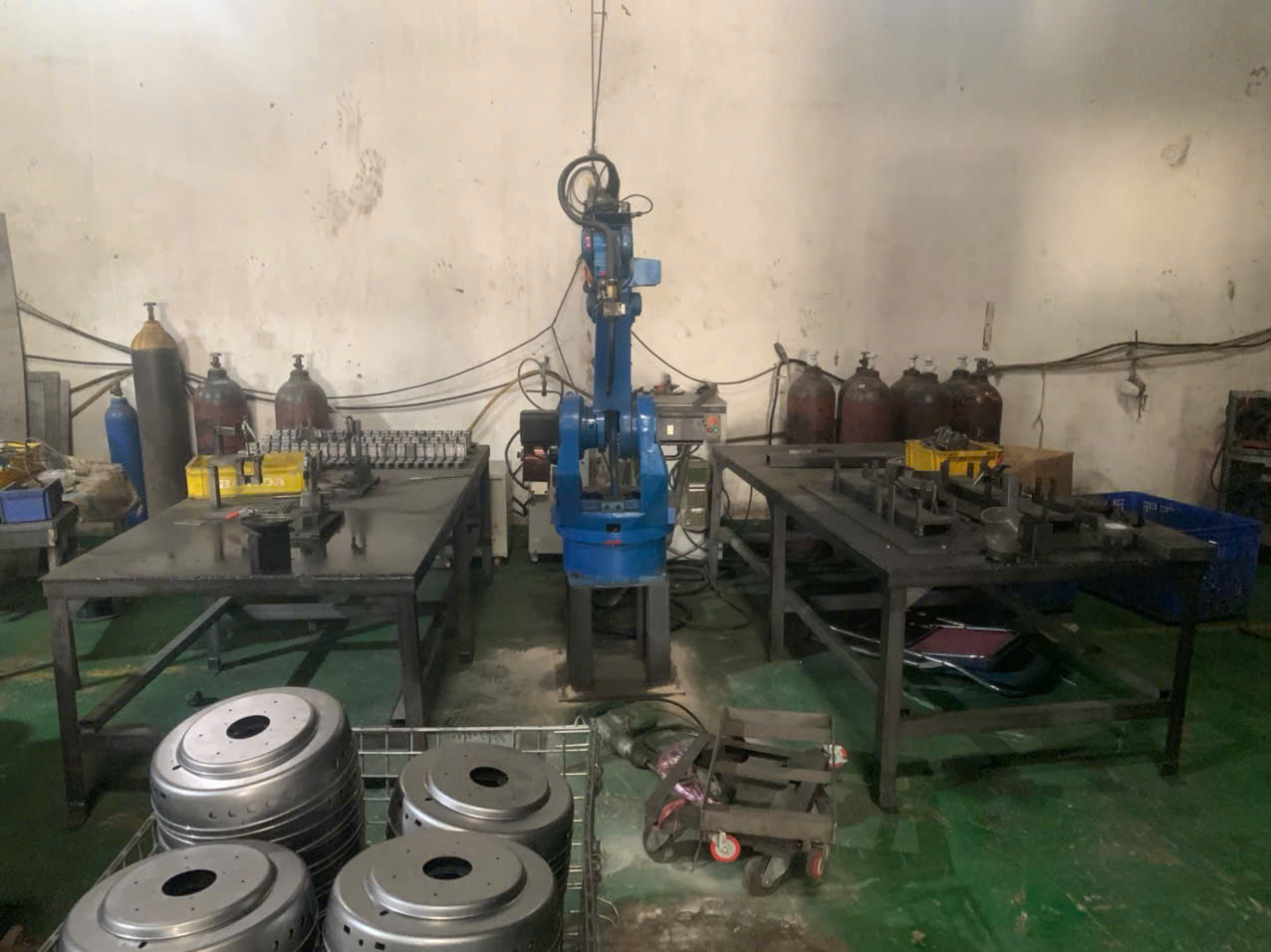
Our production partners in Vietnam perform cutting, bending, welding, drilling, surface finishing, and final inspection locally. This level of processing typically satisfies all three tests. But if a supplier is merely importing pre-welded assemblies from China and bolting on a small bracket in Vietnam, that will not qualify.
Cumulation Provisions Can Help
FTAs like RCEP and CPTPP include cumulation rules. This means raw materials sourced from other member countries count toward your local content calculation. If your Vietnamese supplier buys steel from Japan (a CPTPP member), that steel's value can be included as "originating" content. This is a major advantage for complex welding assemblies that require specialty alloys or welding consumables not produced in Vietnam.
What documentation must I collect from my Vietnam supplier to ensure my tariff exemptions are valid during a customs audit?
One lesson we learned early on: a missing certificate of origin 7 can cost a buyer tens of thousands of dollars in unexpected duties. We had a client who assumed their freight forwarder would handle everything. The shipment cleared, but months later, customs requested audit documentation—and the supplier had never issued the right form.
To ensure valid tariff exemptions during a customs audit, you must collect a proper Certificate of Origin (C/O) matching the specific FTA used, a commercial invoice with origin declarations, a bill of materials showing local and imported content, manufacturing process records, and supplier declarations confirming where raw materials were sourced.
The Certificate of Origin Is Non-Negotiable
The certificate of origin is the single most important document for claiming preferential treatment under any FTA. Each agreement has its own form:
| FTA | Certificate Form | Issuing Authority | Key Requirement |
|---|---|---|---|
| EVFTA | EUR.1 or self-certification | Vietnam Chamber of Commerce (VCCI) or exporter | Must reference specific EVFTA origin criteria |
| CPTPP | Self-certification by exporter/producer | Exporter or producer directly | Must include specific data elements per CPTPP Annex |
| RCEP | Form RCEP (or self-certification for approved exporters) | VCCI or authorized body | Must specify origin criteria code (WO, RVC, CTC, etc.) |
| AFTA | Form D | VCCI | Must state ASEAN origin criteria met |
Our team in Vietnam coordinates directly with the VCCI to ensure every C/O is issued correctly before shipment. We review the forms against the actual bill of materials. This step catches errors before they become audit problems.
Build a Complete Audit File
Beyond the C/O, customs authorities may request supporting evidence. Here is the documentation package we prepare for every shipment:
- Commercial invoice with clear product descriptions matching the HS code
- Packing list with weights, dimensions, and part numbers
- Bill of materials showing the origin of each raw material and component
- Supplier declarations confirming where steel, welding consumables, and other inputs were sourced
- Manufacturing process records showing that cutting, welding, machining, and finishing occurred in Vietnam
- Quality inspection reports (these also serve as evidence of local processing)
- Photos of production at the Vietnamese facility
Common Audit Triggers
Customs authorities pay close attention to shipments that appear to involve transshipment risk. If your welding parts contain Chinese-origin steel and the finished goods are shipped to the U.S., auditors may investigate whether sufficient transformation occurred in Vietnam. The recent U.S.-Vietnam trade framework imposes a 40% tariff on goods suspected of being Chinese products merely routed through Vietnam, compared to 20% for legitimate Vietnamese exports.
Keep your records clean and detailed. If your supplier cannot provide a clear paper trail, that is a red flag. Our procurement team audits every new supplier's documentation capability before we sign a manufacturing agreement.
Proactive Steps With Customs Authorities
In some cases, you can seek a pre-ruling or advance ruling from customs authorities on the origin status of your welding parts. This gives you a binding determination before you ship, which eliminates uncertainty during customs clearance. We recommend this approach for high-value or recurring orders.
How will shifting my welding part sourcing to Vietnam impact my total landed cost compared to current Section 301 tariffs on Chinese goods?
The trade-off between staying with a known Chinese supplier and moving to Vietnam is something we discuss with U.S. buyers almost weekly. The math looks compelling on paper, but landed cost includes more than just the tariff line.
Shifting welding part sourcing from China to Vietnam can reduce your total landed cost by 15–35% or more, primarily by avoiding Section 301 tariffs (up to 25% on Chinese goods) and potential anti-dumping duties, while Vietnam-origin goods currently face a baseline tariff rate of approximately 20% under the recent U.S.-Vietnam trade framework.
Breaking Down the Landed Cost
Total landed cost is not just FOB price plus duty. It includes freight, insurance, customs brokerage, warehousing, quality risk, and lead time costs. Here is a simplified comparison for a typical welding bracket order:
| Cost Element | China Source (with Section 301) | Vietnam Source (Legitimate Origin) | Notes |
|---|---|---|---|
| FOB Unit Price | $10.00 | $10.50–$11.00 | Vietnam may be slightly higher for some processes |
| Ocean Freight (per unit, est.) | $0.80 | $0.90 | Slightly longer transit from some Vietnam ports |
| Import Duty Rate | 25% (Section 301) + possible anti-dumping duties 8 | ~20% (U.S.-Vietnam framework) | Vietnam rate is for legitimate, non-transshipment goods |
| Duty Cost (per unit) | $2.50+ | $2.10 | Significant savings; anti-dumping duties on Chinese steel products can add more |
| Customs Brokerage | $0.15 | $0.15 | Similar |
| Total Landed (est.) | $13.45+ | $13.65–$14.15 | Close, but China risk is rising |
At first glance, the numbers may appear close. But this table does not capture several critical factors.
Hidden Costs of Staying With China
Section 301 tariffs 9 are not the only risk. Anti-dumping duties on Chinese steel and aluminum products can add 20–200% or more, depending on the specific material and HS code. If your welding parts use Chinese-origin steel, you may face compounding duties.
There is also the unpredictability factor. Tariff rates on Chinese goods have changed multiple times in recent years. Supply chain diversification to Vietnam provides a hedge against future escalation.
Where Vietnam Wins on Cost
When you source welding parts for EU markets, the EVFTA eliminates up to 99% of tariffs. For machinery and appliance components, tariffs up to 35% were removed by August 2025. For car parts, tariffs up to 32% are being eliminated by August 2027. If your welding brackets or frames are classified under these categories, the savings are massive.
Even for U.S.-bound goods, the combination of lower baseline tariffs, no Section 301 exposure, and no anti-dumping duties on Vietnamese steel products makes Vietnam increasingly attractive. Our clients who shifted production 18 months ago are now seeing 20–30% lower landed costs on comparable welding assemblies. For a detailed breakdown of US import tariffs and customs policies when sourcing welding parts from Vietnam, we have published a comprehensive guide.
Quality and Lead Time Considerations
Cost savings mean nothing if parts arrive late or out of spec. Our Vietnam office runs PPAP documentation, in-process inspections, and final dimensional checks on every welding order. We have found that Vietnamese welding shops with proper training produce consistent quality on structural steel frames, mounting brackets, and fabricated hardware. The key is rigorous process control—something we built our service model around precisely because our clients told us their biggest pain points were delivery delays and first-time quality failures.
How can I confirm that my Vietnamese partner is meeting the specific Rules of Origin required for my project's FTA benefits?
During a recent supplier audit at a fabrication shop outside Hanoi, we discovered that the shop was purchasing pre-cut and pre-bent steel components from a Chinese border trader and only performing final welding and painting locally. On paper, the finished product looked Vietnamese. In practice, it would fail most rules of origin tests.
To confirm your Vietnamese partner meets FTA rules of origin, you must conduct supplier audits verifying local manufacturing processes, review bills of materials for raw material sourcing, calculate Regional Value Content independently, and require transparent documentation of every production step from cutting to final inspection.
A Practical Verification Process
Confirming origin compliance is not a one-time checkbox. It requires ongoing oversight. Here is the process we follow for every welding project:
-
Pre-qualification audit: Visit the supplier's facility. Verify that cutting, forming, welding, machining, and finishing equipment exists and is operational. Check staffing levels against claimed production capacity.
-
Bill of materials review: Request a complete BOM showing every raw material, its origin country, its HS code, and its cost. Flag any materials sourced from non-FTA countries.
-
RVC calculation: Independently calculate the Regional Value Content 10 using either the build-up or build-down method specified by the target FTA. Ensure the result exceeds the minimum threshold (typically 40–50%).
-
Process documentation: Require photos, time stamps, and inspection records at each production stage. This creates an evidence trail that supports the certificate of origin.
-
Ongoing monitoring: Repeat BOM reviews and spot audits quarterly. Suppliers sometimes change sub-suppliers without notifying buyers.
Red Flags That Indicate Non-Compliance
Watch for these warning signs:
- Supplier cannot provide raw material purchase invoices from Vietnamese or FTA-member sources
- Production lead times are suspiciously short for the complexity of the welding assembly
- Facility lacks the equipment needed for claimed processes (e.g., no CNC plasma cutter, no welding stations)
- Supplier is located near the Chinese border with minimal permanent workforce
- Multiple product types are offered with no clear specialization
Any of these should trigger a deeper investigation. The transshipment risk is real. U.S. customs has increased enforcement, and goods flagged for suspected transshipment face the 40% tariff rate rather than 20%.
The Role of Third-Party Verification
For high-value or high-volume welding programs, consider engaging a third-party inspection and compliance firm. We serve this function for many of our clients—our team in Vietnam conducts on-site audits, reviews documentation, and signs off on origin compliance before each shipment. This gives our U.S. clients confidence during customs clearance and audit preparedness that a remote purchasing relationship cannot provide.
Cumulation Strategy for Complex Assemblies
If your welding assembly requires specialty steel grades, imported welding consumables, or electronic components, use the cumulation provisions in CPTPP or RCEP. Materials from member countries count as originating. This can make the difference between passing and failing the RVC threshold. Buyers sourcing sheet metal fabrication can similarly leverage Vietnam’s FTAs to reduce import duties using the same cumulation strategies.
For example, if 30% of your bracket's value comes from Japanese stainless steel (CPTPP member) and 25% from Vietnamese labor and overhead, you reach 55% originating content—well above the typical 40% threshold.
| Verification Method | What It Confirms | When to Use |
|---|---|---|
| On-site facility audit | Equipment, staffing, process capability | Before first order and annually |
| BOM and invoice review | Raw material origin and cost breakdown | Every order or quarterly |
| Independent RVC calculation | Value content meets FTA threshold | Every new product or material change |
| Production stage photography | Local processing actually occurred | Every shipment for audit file |
| Third-party inspection | Independent compliance confirmation | High-value or audit-sensitive orders |
Conclusion
Leveraging FTAs to reduce tariffs on welding parts from Vietnam requires correct HS code classification, strict rules of origin compliance, thorough documentation, and ongoing supplier verification—but the cost savings and supply chain diversification make the effort worthwhile.
Frequently Asked Questions
How do I determine if my custom welding parts qualify for duty-free status under Vietnam's active trade agreements?
A U.S. purchasing manager recently sent us drawings for a multi-level steel frame assembly and asked a simple question: "Can I get this tariff-free from Vietnam?" The answer was not simple at all.
What documentation must I collect from my Vietnam supplier to ensure my tariff exemptions are valid during a customs audit?
One lesson we learned early on: a missing certificate of origin 7 can cost a buyer tens of thousands of dollars in unexpected duties. We had a client who assumed their freight forwarder would handle everything. The shipment cleared, but months later, customs requested audit documentation—and the supplier had never issued the right form.
How will shifting my welding part sourcing to Vietnam impact my total landed cost compared to current Section 301 tariffs on Chinese goods?
The trade-off between staying with a known Chinese supplier and moving to Vietnam is something we discuss with U.S. buyers almost weekly. The math looks compelling on paper, but landed cost includes more than just the tariff line.
Footnotes
1. Explains the international system for classifying goods for customs. ↩︎
2. Provides an overview of the EU-Vietnam Free Trade Agreement. ↩︎
3. Details the Comprehensive and Progressive Agreement for Trans-Pacific Partnership. ↩︎
4. Explains the Regional Comprehensive Economic Partnership agreement. ↩︎
5. Replaced with the World Customs Organization’s (WCO) overview page on ‘Origin’, providing a general and authoritative explanation of rules of origin. ↩︎
6. Explains a common method for determining product origin in trade agreements. ↩︎
7. Explains the purpose and importance of a Certificate of Origin. ↩︎
8. Replaced with a trade guide on anti-dumping from the International Trade Administration, a highly authoritative U.S. government source. ↩︎
9. Provides background on the U.S. trade tariffs imposed under Section 301. ↩︎
10. Describes a method for calculating the local content of a product. ↩︎