Every week, our project managers field the same urgent question from US purchasing teams: how long does custom sheet metal fabrication 1 really take? Missed deadlines ripple through entire product launches — delayed assemblies, idle production lines, and frustrated end customers. When your supplier can’t give you a clear, honest timeline, the anxiety only compounds. We built our Vietnam-based fabrication workflow specifically to solve this pain point with transparent, phase-by-phase scheduling.
Custom sheet metal fabrication typically takes 2–5 days for expedited prototypes and 5–15 business days for standard production runs, with an additional 5–15 days for door-to-door shipping from Vietnam to the US — totaling roughly 2–5 weeks from design approval to delivery.
That range is wide because every project is different. Material availability, design complexity, surface finishing, and order volume all push the timeline shorter or longer. Below, I will break down each phase so you can plan your next project with confidence.
How long will it take to finalize my design and receive a functional prototype?
A lesson we learned early in our Vietnam operations: the design validation phase is where most hidden delays live. Clients sometimes submit incomplete drawings, and every round of back-and-forth revision adds days before fabrication even starts.
Finalizing a design and producing a functional prototype typically takes 3–10 business days. If you submit shop-ready CAD files with clear tolerances and material specs, we can often deliver a first prototype within 5 days using in-stock materials like aluminum or stainless steel.
What happens during the design phase?
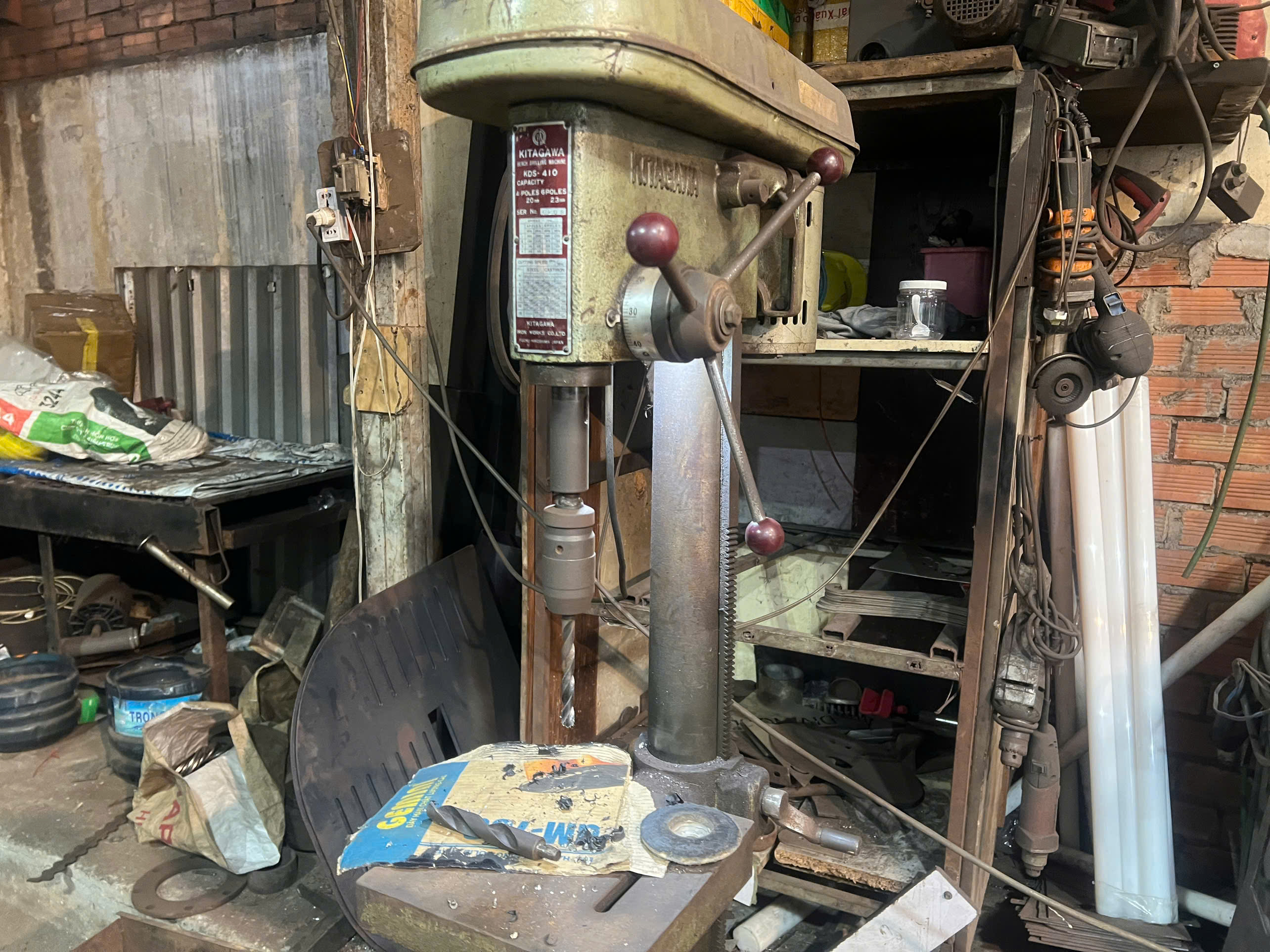
The design phase is not just about making a part look right on screen. It is about making sure the part can actually be manufactured — a concept known as design for manufacturability 2, or DFM. Our engineering team reviews every file for potential issues: wall thickness too thin for CNC bending 3, features that require custom tooling, or tolerances that push beyond standard capability.
Here is what a typical design-to-prototype timeline looks like:
| Phase | Activity | Typical Duration |
|---|---|---|
| RFQ Submission | Client uploads CAD files, drawings, specs | Day 1 |
| DFM Review | Engineers check geometry, material thickness, tolerances | 1–2 days |
| Quote & Revision | Price confirmation, design adjustments if needed | 1–2 days |
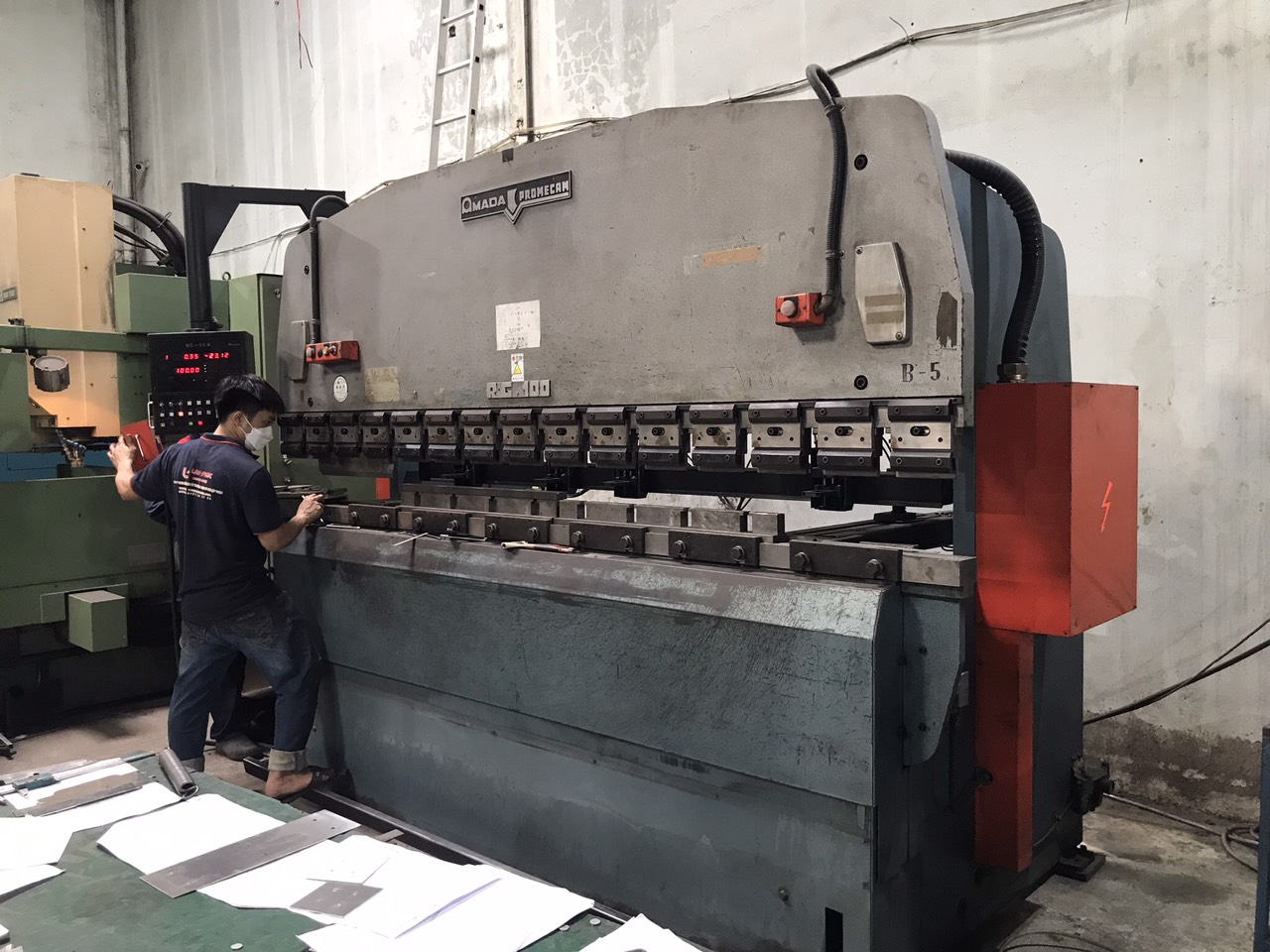
| Prototype Fabrication | Cutting, CNC bending, welding, basic finishing | 2–5 days |
| Inspection & Shipping | Quality control checks, packing, dispatch | 1 day |
How design readiness affects speed
The single biggest factor in this phase is how complete your files are when you submit them. A shop-ready drawing package includes 3D CAD models 4 (STEP or IGES format), 2D dimensioned drawings with GD&T callouts 5, material and finish specifications, and a target delivery date.
When we receive a complete package, our team can generate a quote within hours. But when drawings are missing critical information — say, no callout for material thickness or an unclear bend radius — we have to go back to the client. Each email exchange can add a full day, especially across time zones.
Rapid prototyping: how fast is fast?
For simple flat parts with no bending or finishing, some digital-first platforms can deliver in as little as 24 hours. That speed is impressive but comes with limits. Complex geometries, tight tolerances, or multi-step processes like cutting, bending, welding, and machining require more time.
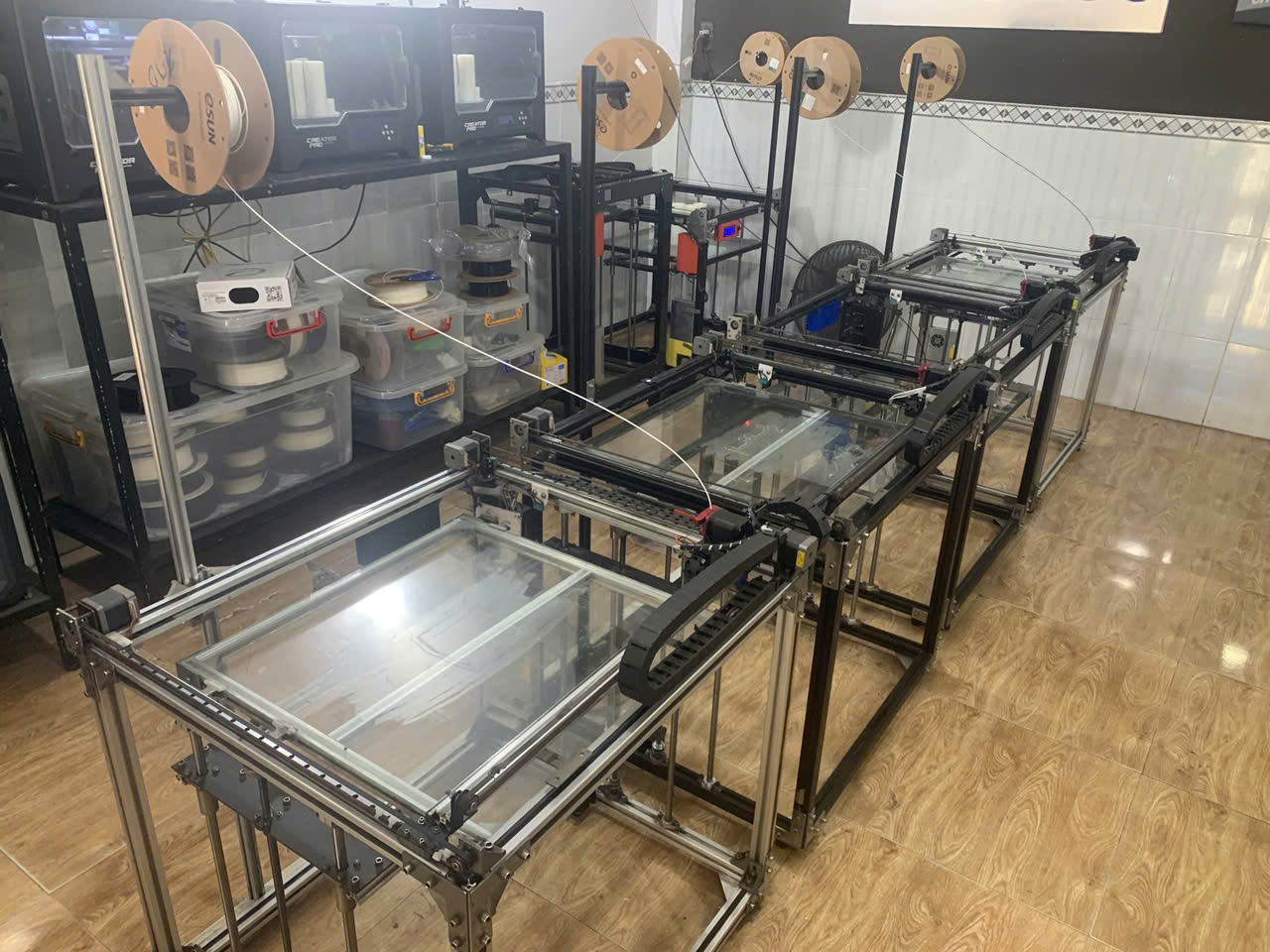
In our experience, a realistic rapid prototyping 6 timeline for a moderately complex bracket — say, a mounting bracket with three bends, two welded tabs, and a powder coat finish — is about 5–7 business days. Trying to compress that into 24 hours risks compromising weld quality or dimensional accuracy. We have seen competitors deliver "fast" prototypes that required rework, which ultimately cost the client more time than doing it right the first time. Understanding how prototyping and mass production differ can help you set realistic expectations for each phase.
What factors will impact the production lead time for my custom sheet metal parts?
One trade-off we discuss with every new client is the tension between speed, cost, and quality. You can optimize for two of the three — but rarely all three at once. Understanding which factors drive production lead time helps you make smarter decisions.
Production lead time is shaped by five key factors: material availability, design complexity, tooling requirements, surface finishing processes, and your fabricator's current shop capacity. Any one of these can add days or even weeks to your schedule.
Material availability
Standard materials like mild steel, 304 stainless steel, galvanized steel, and 6061 aluminum are typically in stock at most fabrication shops. When you specify these, the production clock starts immediately. But when a project calls for specialized alloys — Inconel, titanium, or a specific temper of copper — sourcing can add one to three weeks.
Our Vietnam facility keeps a running inventory of the most commonly requested sheet metals in popular gauges. We track consumption patterns from our US clients so we can pre-order materials before they run out. Still, if your project requires an unusual material thickness or grade, plan for extra lead time.
| Material Type | Typical Stock Status | Impact on Lead Time |
|---|---|---|
| Mild Steel (1018, A36) | Commonly in stock | No delay |
| Stainless Steel (304, 316) | Commonly in stock | No delay |
| Aluminum (6061, 5052) | Commonly in stock | No delay |
| Galvanized Steel | Usually in stock | 0–2 days |
| Copper / Brass | Sometimes in stock | 3–7 days |
| Titanium / Inconel / Specialty Alloys | Rarely in stock | 7–21 days |
Design complexity and tolerances
A simple flat bracket with a few holes can be laser-cut and shipped in two days. A multi-bend enclosure with welded inserts, threaded standoffs, and ±0.05 mm tolerances is a different story. Each additional operation — cutting, CNC bending, welding, machining, deburring — adds time to the production sequence.
Tight tolerances also slow things down. They demand more careful setup, slower machine feeds, and additional in-process inspection. We always encourage clients to specify only the tolerances that truly matter for function. Over-tolerancing a non-critical dimension wastes time and money.
Tooling requirements
Most standard sheet metal operations use universal tooling — press brake dies, standard punch sets, and common laser profiles. But if your part requires a custom die for stamping or a specialized fixture for welding, that tooling must be designed and manufactured first. Custom tooling can add 5–15 days to the front end of a project.
Surface finishing
Surface finishing is often the most underestimated time factor. Powder coating 7, anodizing, plating, and painting each have their own process cycles — including surface prep, application, curing, and quality checks. Here is a rough guide:
| Finishing Process | Additional Time | Notes |
|---|---|---|
| Deburring / Tumbling | 0.5–1 day | Usually done in-house |
| Powder Coating | 1–3 days | Includes masking, coating, and oven curing |
| Wet Painting | 2–3 days | May require multiple coats and drying cycles |
| Anodizing 8 (Aluminum) | 2–5 days | Often outsourced to a specialist |
| Zinc / Nickel Plating | 3–7 days | Usually outsourced; bath scheduling varies |
| Passivation (Stainless) | 1–2 days | Chemical treatment and rinse cycle |
When finishing is performed in-house, turnaround is faster because there is no handoff logistics. Our facility handles powder coating and basic painting internally, but plating and anodizing are sent to vetted local partners. We coordinate pickup and delivery schedules tightly, but outsourced finishing always carries a coordination overhead.
Shop capacity and production queue
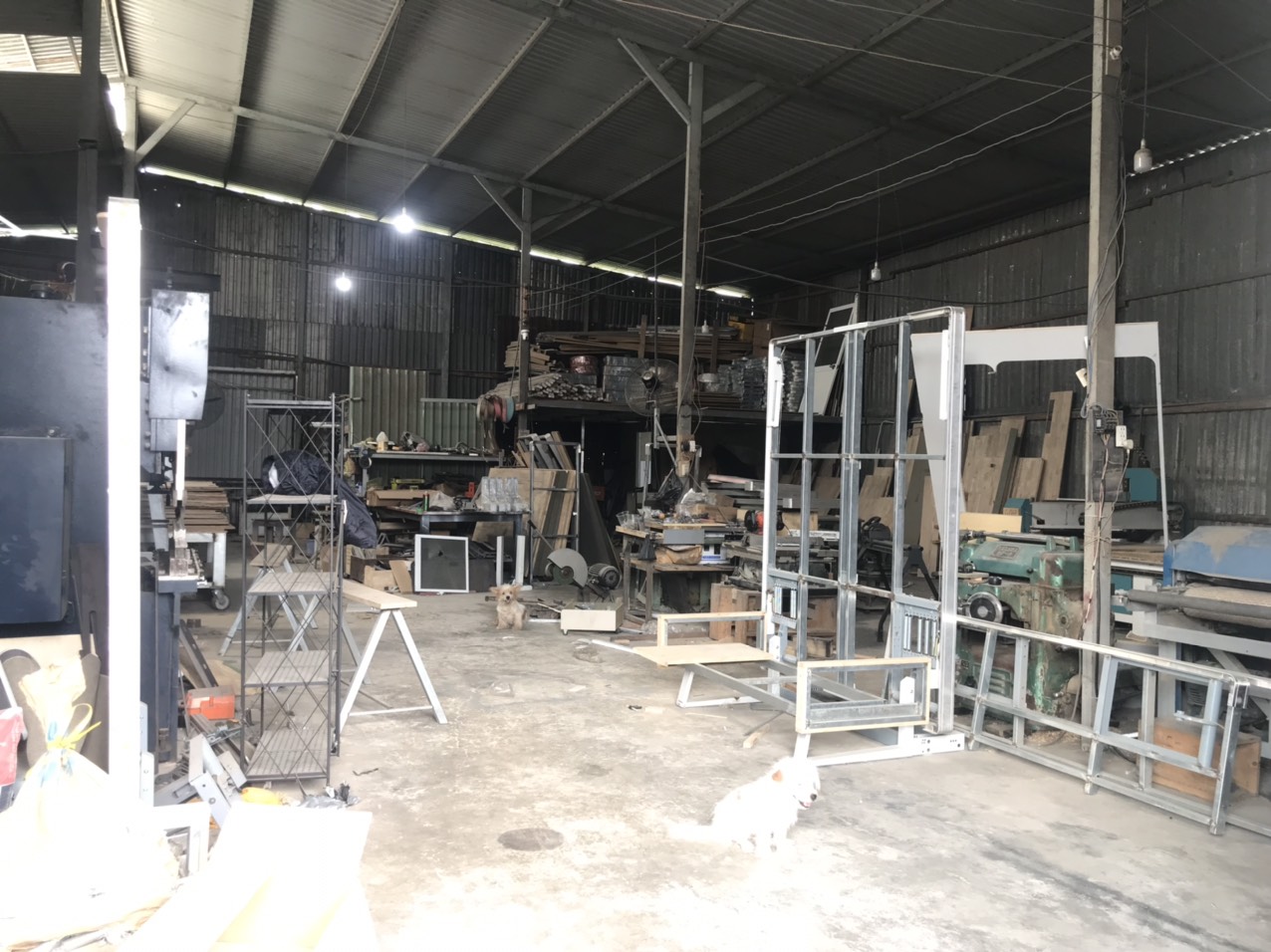
Even the simplest project can be delayed if the fabricator's machines are fully booked. High-demand seasons — such as Q4 rushes before year-end — can push standard lead times by 30–50%. We manage this by maintaining a transparent production schedule and communicating realistic timelines at the quoting stage. We would rather give you an honest date than promise something we cannot deliver. For a deeper dive into evaluating timelines, learn how to determine if a sheet metal fabrication lead time is reasonable.
Assembly and post-production
If your fabrication includes post-production assembly, kitting, or integration with purchased components (fasteners, gaskets, inserts), those steps extend the schedule. An assembly process that involves riveting, hardware installation, and functional testing can add one to three days beyond fabrication.
How much transit time should I expect for door-to-door delivery from Vietnam to the US?
A question that came up in a recent call with a purchasing manager in Ohio caught me off guard: "Can't you just air-freight everything?" The answer is yes — but the cost difference between air and sea freight from Vietnam is dramatic. Choosing the right shipping mode is a strategic decision, not just a logistics checkbox.
Door-to-door delivery from Vietnam to the US typically takes 5–10 days by air freight or 25–40 days by sea freight. Including customs clearance and last-mile trucking, most clients should plan for 7–12 days (air) or 30–45 days (sea) total transit time.
Air freight vs. sea freight: a practical comparison
For custom sheet metal parts, the shipping mode depends on urgency, weight, and budget. Prototypes and small urgent orders almost always go by air. Large production runs with flexible timelines are better suited for sea freight.
| Factor | Air Freight | Sea Freight |
|---|---|---|
| Transit Time (Vietnam → US port) | 3–5 days | 20–30 days |
| Customs Clearance | 1–3 days | 2–5 days |
| Last-Mile Delivery | 1–3 days | 3–7 days |
| Total Door-to-Door | 7–12 days | 30–45 days |
| Cost per kg (approximate) | $4–$8 | $0.30–$0.80 |
| Best For | Prototypes, urgent orders | Production runs, heavy shipments |
What we handle on our end
Our logistics team in Vietnam manages export documentation, packing, crating, and carrier coordination. We work with established freight forwarders who specialize in the Vietnam-US corridor. For sea freight, we ship from Ho Chi Minh City (Cat Lai port) to major US ports like Los Angeles, Long Beach, Houston, and Savannah.
For air freight, shipments go through Tan Son Nhat International Airport with connections to all major US airports. We provide real-time tracking numbers and proactive status updates so you are never guessing where your parts are.
Customs and compliance considerations
US customs clearance typically adds one to five days depending on port congestion, the Harmonized Tariff Schedule 9 classification of your parts, and whether any additional documentation is required. We prepare commercial invoices, packing lists, certificates of origin, and material test reports in advance to minimize clearance delays.
One thing worth noting: supply chain disruptions 10 — port congestion, carrier schedule changes, or geopolitical events — can introduce unpredictable delays. We mitigate this by building buffer time into our delivery commitments and communicating any disruptions immediately.
Combining production and shipping timelines
To give you the full picture, here is how a typical project timeline breaks down from order confirmation to delivery at your US facility:
- Design and prototype approval: 3–10 days
- Production run: 5–15 days
- Quality control and packing: 1–3 days
- Shipping (air): 7–12 days
- Shipping (sea): 30–45 days
For an air-shipped production order of moderate complexity, the total timeline from order confirmation to your dock is roughly 16–40 days. For sea-shipped orders, plan for 39–73 days. These are realistic ranges — not best-case fantasies.
What can I do to minimize delays and ensure my project stays on schedule?
During a recent project debrief, a client in Texas shared that our on-time delivery was the main reason they moved their sourcing from China to Vietnam through us. That feedback reinforced something we already knew: staying on schedule is not just about fast machines — it is about disciplined project management on both sides.
To minimize delays, submit complete RFQ packages with shop-ready CAD files, specify in-stock materials, approve designs promptly, discuss finishing requirements upfront, and request both standard and expedited bids so you can make informed cost-speed decisions.
Build a complete RFQ package
The most effective way to accelerate your project is to front-load the information your fabricator needs. A complete RFQ package should include:
- 3D CAD model (STEP, IGES, or Parasolid format)
- 2D dimensioned drawing with GD&T callouts
- Material specification (grade, temper, thickness)
- Surface finish requirements
- Quantity and lot size
- Target delivery date
- Shipping address
When all of this arrives together, our team can quote within hours and move directly into DFM review. Missing even one item — say, the material thickness — forces a pause and an email exchange that can cost a full business day or more.
Choose materials strategically
If your design allows flexibility in material selection, ask your fabricator what they have in stock. Switching from a specialty alloy to a standard grade of stainless or aluminum can shave days off your lead time without compromising function. Our engineers often suggest material alternatives during DFM review — not to cut corners, but to help you hit your delivery window.
Respond to approvals quickly
Client communication speed is one of the most overlooked schedule drivers. When we send a prototype photo, a DFM feedback report, or a first-article inspection result, every day of delayed response pushes the delivery date by at least one day. We recommend designating a single point of contact with decision-making authority to keep approvals flowing.
Plan finishing early
Do not leave surface finishing as an afterthought. If you know your parts need powder coating or plating, specify it in the RFQ. This allows us to schedule finishing capacity in parallel with fabrication setup, rather than adding it sequentially after parts are already cut and bent.
Request dual bids
Many experienced purchasing managers request two quotes: one for standard scheduling and one for expedited. This gives you a clear picture of the cost-speed trade-off so you can make an informed decision. In our experience, expedited scheduling typically adds 15–30% to the fabrication cost, but it can cut your lead time by 30–50%. Understanding why unit prices vary for low vs. high volumes can also help you weigh these trade-offs more effectively.
Leverage digital tools
The fabrication industry has evolved dramatically. Digital-first quoting platforms can generate quotes in minutes. Real-time shipping estimates let you see delivery dates before you even place an order. We use project management tools that give clients visibility into each production stage — from material cutting to final quality control inspection — so there are no surprises.
Build buffer into your schedule
Finally, always build buffer time into your project plan. Even with the best planning, unforeseen issues — a material shipment delayed by weather, a machine requiring unscheduled maintenance, a customs hold — can introduce small delays. We recommend adding 3–5 business days of buffer to your critical path. It is better to receive parts early than to scramble when they arrive late.
Conclusion
Custom sheet metal fabrication timelines depend on design readiness, material choices, finishing, and shipping mode. Plan for 2–5 weeks total from Vietnam to the US. Submit complete RFQs, choose in-stock materials, and build schedule buffer to keep your project on track.
Frequently Asked Questions
What happens during the design phase?
The design phase is not just about making a part look right on screen. It is about making sure the part can actually be manufactured — a concept known as design for manufacturability 2 , or DFM. Our engineering team reviews every file for potential issues: wall thickness too thin for CNC bending 3 , features that require custom tooling, or tolerances that push beyond standard capability.
Rapid prototyping: how fast is fast?
For simple flat parts with no bending or finishing, some digital-first platforms can deliver in as little as 24 hours. That speed is impressive but comes with limits. Complex geometries, tight tolerances, or multi-step processes like cutting, bending, welding, and machining require more time.
How long will it take to finalize my design and receive a functional prototype?
A lesson we learned early in our Vietnam operations: the design validation phase is where most hidden delays live. Clients sometimes submit incomplete drawings, and every round of back-and-forth revision adds days before fabrication even starts.
Footnotes
1. Explains the processes and steps involved in custom sheet metal fabrication. ↩︎
2. Defines DFM and explains its importance in optimizing product design for manufacturing. ↩︎
3. Explains the definition and process of CNC bending in metal fabrication. ↩︎
4. Explains what 3D CAD modeling is and its importance in product design and development. ↩︎
5. Provides a guide to Geometric Dimensioning and Tolerancing (GD&T) and its symbols. ↩︎
6. Defines rapid prototyping and discusses its methods, tools, and advantages in product development. ↩︎
7. Provides a complete guide to the powder coating process, its definition, and how it works. ↩︎
8. Explains the anodizing process, its benefits, and how it works for metal surfaces. ↩︎
9. Official source defining the Harmonized Tariff Schedule for imported merchandise. ↩︎
10. Explains what supply chain disruptions are, their causes, and how to manage risks. ↩︎