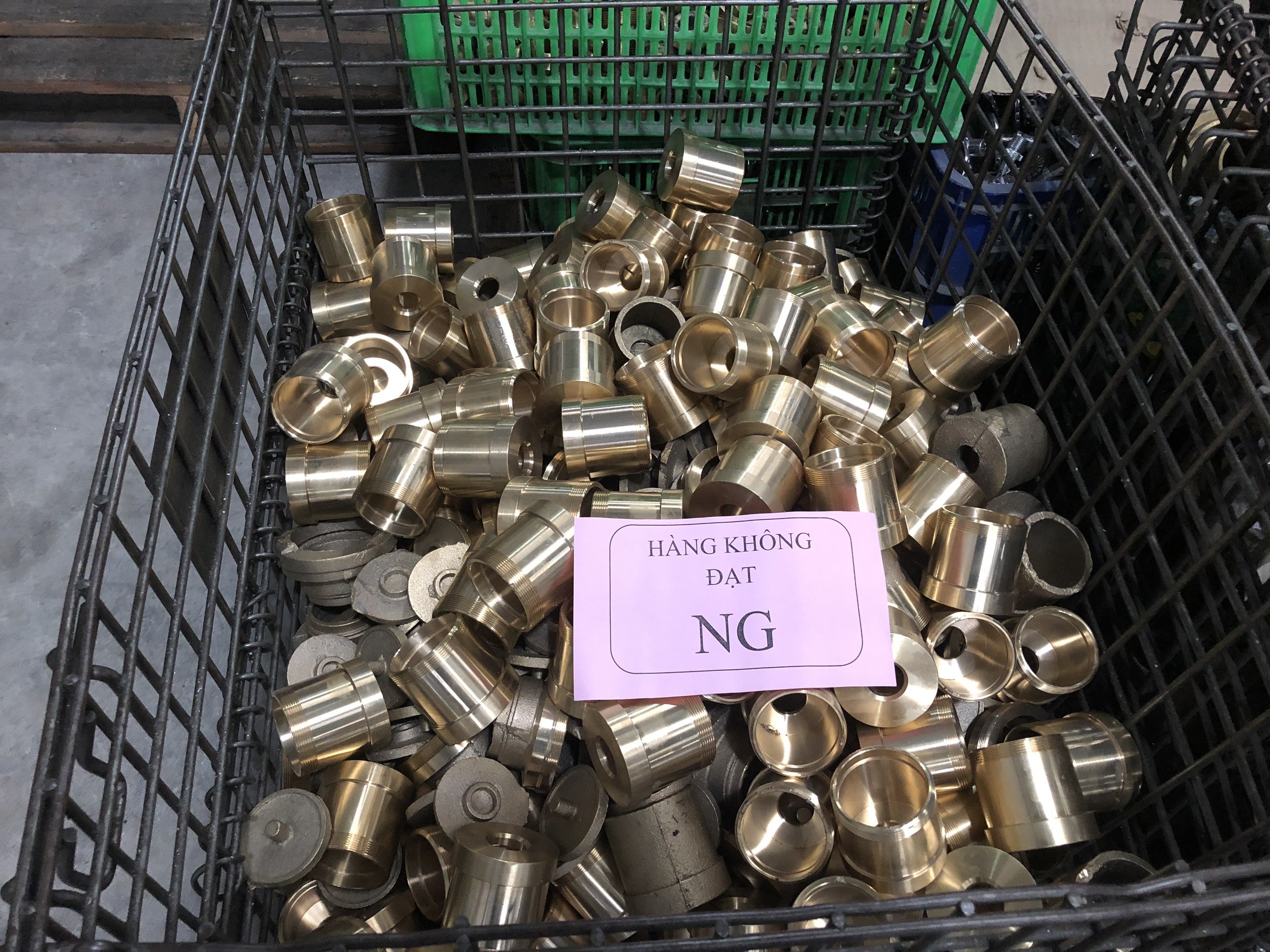

A client once asked us to trace the origin of sheet metal brackets they’d been importing — and what we found nearly triggered a customs audit that could have cost them hundreds of thousands of dollars.
Managing Vietnam transshipment risks in sheet metal fabrication demands verifying genuine substantial transformation, auditing supplier equipment and production logs, maintaining meticulous origin documentation, and deploying a local supply chain team to monitor every stage — protecting your business from punitive 40% tariffs.
The stakes are real. U.S. Customs 1 is intensifying scrutiny on Vietnamese exports, especially steel and aluminum products. If your sheet metal parts are merely passing through Vietnam without genuine manufacturing, you face the 40% tariff instead of the standard 20%. This article breaks down exactly how to protect yourself — step by step, based on what our team in Vietnam sees on the ground every week.
How do I verify that my Vietnam sheet metal supplier is actually manufacturing the parts and not just transshipping them?
A purchasing manager we work with in Texas once discovered his "Vietnam supplier" was actually importing pre-formed brackets from Guangdong, slapping on a Vietnamese Certificate of Origin 2, and shipping them straight to the U.S. — the parts never touched a press brake 3 in Vietnam.
To verify genuine manufacturing, request detailed production logs, raw material purchase records from local Vietnamese or ASEAN mills, in-process inspection photos with timestamps, and cross-reference the bill of materials against actual equipment on the factory floor.
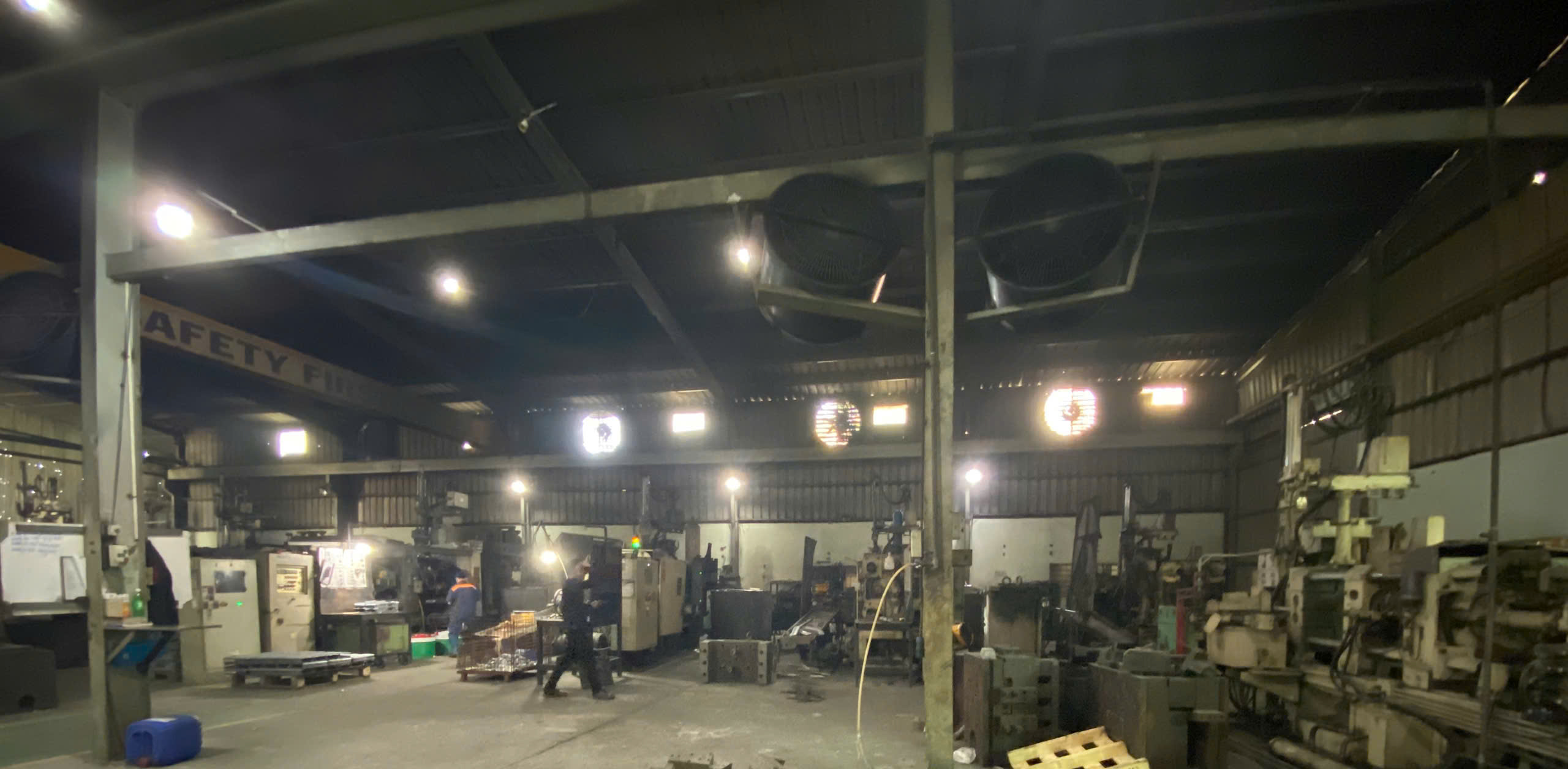
Why Verification Matters More Than Ever
The difference between a 20% base tariff and a 40% punitive tariff on transshipped goods is not trivial. For a $500,000 annual sheet metal order, that gap is $100,000 in additional duties. And if U.S. Customs flags your shipments retroactively, you could owe back-duties plus penalties.
Our Vietnam office runs supplier verifications regularly. Here is what we look for — and what you should demand.
Red Flags That Signal Transshipment
Not every Vietnam supplier is transshipping. But certain patterns should raise immediate concern:
- Sudden export surges without a corresponding increase in workforce or equipment.
- Minimal factory floor activity during unannounced visits.
- Inconsistent bills of materials — the raw material grades or thicknesses don't match what the factory claims to process.
- Third-party "origin services" offering to arrange Certificates of Origin for a fee.
- Import records showing nearly finished goods arriving from China, then re-exported under a VN origin label.
A Practical Verification Checklist
When our team audits a potential partner, we follow a structured process. Here is a simplified version you can adapt:
| Verification Step | What to Check | Red Flag If Missing |
|---|---|---|
| Raw material receipts | Purchase orders from Vietnamese or ASEAN steel mills | All materials sourced from Chinese suppliers |
| Production logs | Daily shift records with operator names and machine IDs | No logs, or logs that appear fabricated |
| In-process photos | Timestamped images of cutting, bending, welding stages | Only photos of finished goods |
| Utility bills | Electricity consumption consistent with running CNC, laser cutters, press brakes | Unusually low power usage for claimed output |
| Employee records | Social insurance filings for production workers | Skeleton crew inconsistent with production volume |
| Customs import data | HS codes 4 of incoming materials vs. outgoing products | Importing finished or semi-finished sheet metal parts |
Cross-Referencing the Bill of Materials
One of the most reliable checks is to compare the BOM your supplier provides against what you observe on the factory floor. If your part requires 3mm SUS304 stainless steel sheet and the factory only has coils of mild steel, something is wrong. We ask for mill test reports tied to specific heat numbers, then match those to the material actually being processed during our visit.
The goal is to establish a clear chain: raw material enters the factory → substantial transformation 5 occurs (cutting, bending, welding, surface treatment) → finished part ships out. If any link in that chain is missing or unclear, your country of origin claim is vulnerable.
What specific factory audit steps should I take to confirm my Vietnam partner has the actual equipment for sheet metal fabrication?
Last quarter, we walked into a factory outside Ho Chi Minh City that claimed full sheet metal fabrication 6 capability — but the laser cutter had dust on it, and the press brake had no tooling marks. That visit saved our client from a costly compliance mistake.
Conduct an equipment-focused factory audit by verifying machine nameplates, checking maintenance logs, observing live production runs, counting tooling inventory, and confirming the facility's power infrastructure supports the claimed manufacturing processes.
The Equipment Tells the Truth
Sheet metal fabrication is equipment-intensive. You cannot fake a fully operational laser cutting station or a 200-ton press brake. When our team audits factories, we focus on whether the machines are real, operational, and consistent with the supplier's claimed capacity.
Key Equipment for Sheet Metal Fabrication
Understanding what equipment is required helps you know what to look for. Here is a reference table:
| Process | Required Equipment | What to Verify |
|---|---|---|
| Cutting | Laser cutter, plasma cutter, or shearing machine | Check cutting bed wear patterns, scrap bins, gas supply lines |
| Bending | Press brake (CNC or manual) | Inspect tooling marks on the ram, check die inventory |
| Welding | TIG, MIG, or spot welding stations | Look for welding wire spools, gas bottles, fume extraction |
| Forming | Stamping press, roll forming machine | Verify die storage, inspect recent formed parts |
| Surface treatment | Powder coating 7 line, sandblasting booth, anodizing tanks | Check chemical supply, curing oven condition |
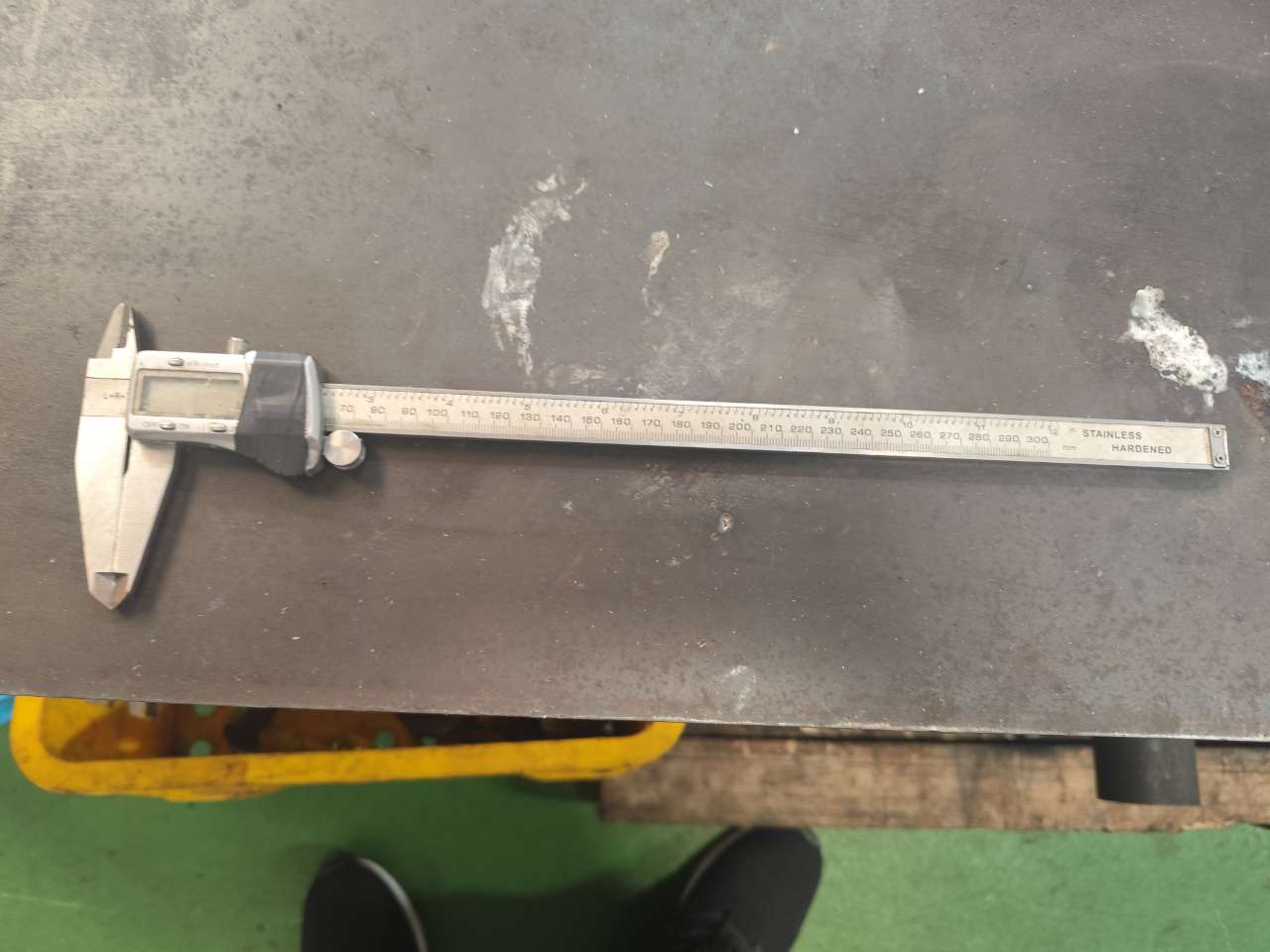
| Quality inspection | CMM, calipers, go/no-go gauges, surface roughness tester | Ask for calibration certificates |
Live Production Observation
The single most important audit step is watching a live production run. Ask your supplier to run your part — or a similar part — while you observe. Pay attention to:
- Does the operator know how to set up the machine?
- Are the programs already loaded, or do they need to call someone?
- Is the workflow logical — cutting first, then bending, then welding?
- Do they have jigs and fixtures for your specific part geometry?
For example, those mirrored mounting brackets with complex angular folds, multiple pre-drilled holes, and visible weld marks at the joints — fabricating parts like that requires precision CNC press brakes with multi-axis backgauges, programmed laser cutting for the irregular cutouts, and skilled welders. If a factory claims to make such parts but lacks even a basic CNC press brake, walk away.
Infrastructure Checks
Beyond machines, check the facility's power supply. A factory running multiple laser cutters and CNC press brakes needs significant electrical capacity. Ask to see the transformer rating. If it is undersized for the equipment they claim to operate, that is a red flag.
Also check compressed air systems, material handling equipment (overhead cranes, forklifts), and raw material storage. A legitimate sheet metal shop will have organized sheet storage racks, not empty warehouse space.
Workforce Assessment
Count the production workers. A factory producing 10,000 sheet metal brackets per month needs a certain number of operators, welders, and QC inspectors. If you see three people on the floor and they claim high-volume output, the math does not work. Our Vietnam team cross-checks employee headcount against social insurance filings — a data point that is difficult to fabricate.
Which shipping and origin documents do I need to review to protect my business from transshipment-related customs audits?
We learned this the hard way during a project two years ago: a shipment of custom metal brackets was held at U.S. Customs for three weeks because the supplier's Certificate of Origin did not align with the HS codes on the commercial invoice. The documentation gap cost our client expediting fees and delayed their production schedule.
Review Certificates of Origin, commercial invoices, packing lists, bills of lading, detailed bills of materials with cost breakdowns, import declarations for raw materials, and production logs — all must form a consistent, traceable chain proving substantial transformation occurred in Vietnam.
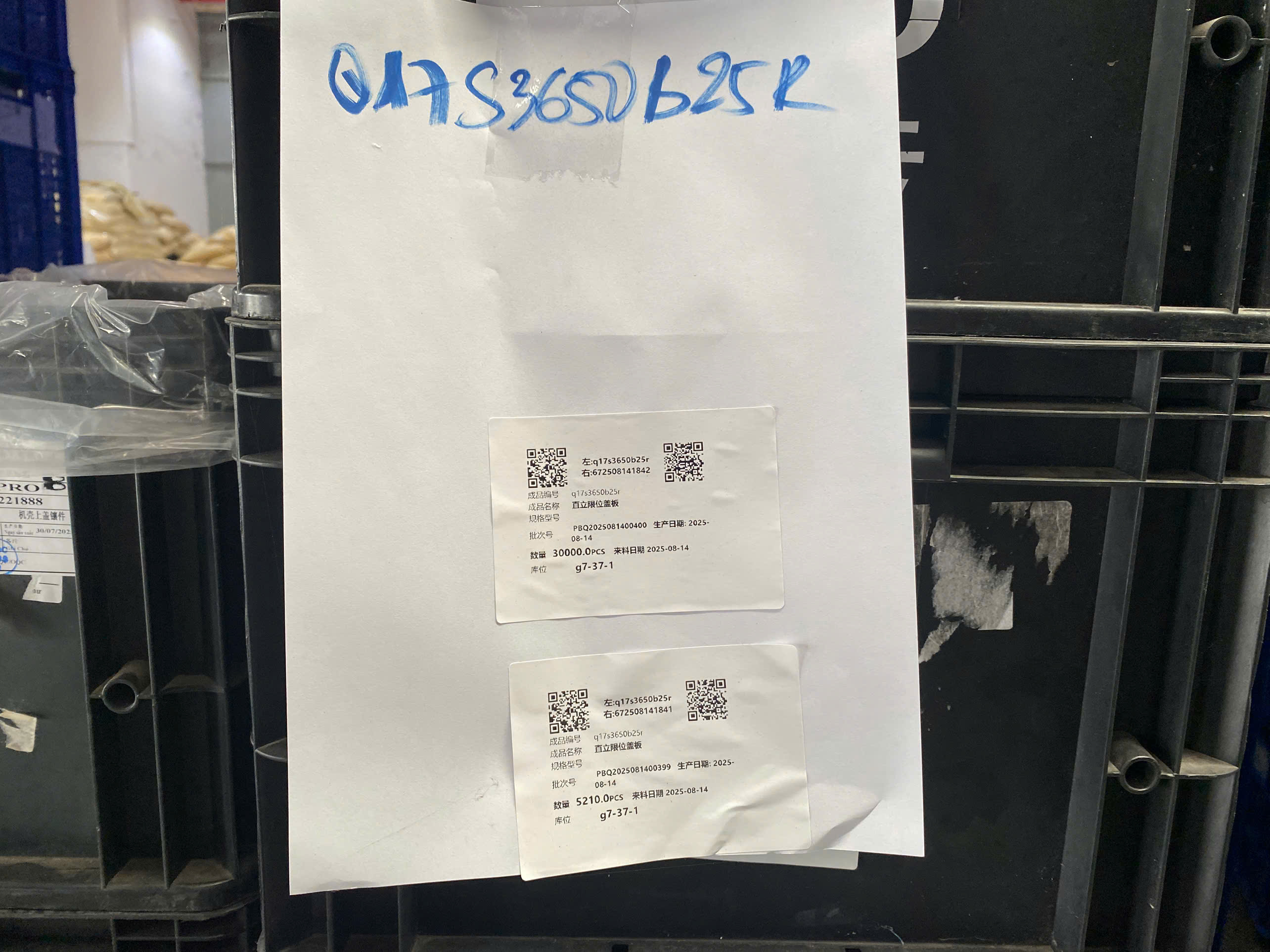
The Documentation Chain
Customs compliance starts with paperwork. But not just any paperwork — the documents must tell a coherent story. If your Certificate of Origin says "Made in Vietnam" but your supplier's import records show finished sheet metal assemblies arriving from China, you have a problem.
Here is the full documentation set you need:
Essential Document Checklist
| Document | Purpose | Key Details to Verify |
|---|---|---|
| Certificate of Origin (C/O) | Proves country of origin for tariff purposes | Issuing authority, HS code accuracy, product description match |
| Commercial Invoice | States value, origin, and product details | Consistent with C/O and BOM, no under-valuation |
| Packing List | Details contents of each shipment | Quantities match invoice and production records |
| Bill of Lading | Shipping record from origin to destination | Port of loading is Vietnam, not transshipped via third port |
| Bill of Materials 8 (BOM) | Lists all components and their origin | Percentage of local vs. imported content, cost breakdown |
| Raw Material Import Declarations | Shows what materials the factory brought into Vietnam | HS codes of raw materials vs. finished goods must differ |
| Production Logs | Records manufacturing steps with dates and operators | Timestamps should align with shipment dates |
| Quality Inspection Reports | Documents in-process and final QC | Inspection dates should fall between material receipt and shipment |
Rules of Origin and Substantial Transformation
Under most free trade agreements 9 and U.S. customs law, a product's country of origin is where the last substantial transformation occurred. For sheet metal fabrication, this means the manufacturing processes that change the essential character of the material must happen in Vietnam.
What counts as substantial transformation:
- Cutting flat sheet into specific shapes
- Bending or forming sheet metal into three-dimensional parts
- Welding multiple components into an assembly
- Surface treatment like powder coating or sandblasting
What does not count:
- Repackaging Chinese-made parts
- Simple relabeling
- Minor trimming or drilling of pre-formed components
- Attaching fasteners to an already completed assembly
How to Spot Document Inconsistencies
When we review supplier documentation, we look for mismatches. For instance:
- The BOM shows 70% of the part's value comes from a Chinese sub-assembly — this likely means the product does not qualify as Vietnamese origin.
- The raw material import declaration shows HS code 7308 (steel structures) coming in, and the export declaration shows the same HS code going out — no transformation occurred.
- Production logs show a two-day turnaround from material receipt to shipment for a complex welded bracket — physically impossible for genuine fabrication.
Protecting Yourself Proactively
Keep copies of all documents yourself. Do not rely solely on your supplier to provide them during an audit. We maintain a digital archive for every shipment — import declarations, material certs, production photos, and inspection reports — so that if U.S. Customs ever requests evidence, we can respond within 48 hours. This level of supply chain visibility 10 is not optional anymore; it is the baseline for any serious importer.
How can I leverage a local Vietnam supply chain team to monitor production and mitigate the risks of non-compliant transshipment?
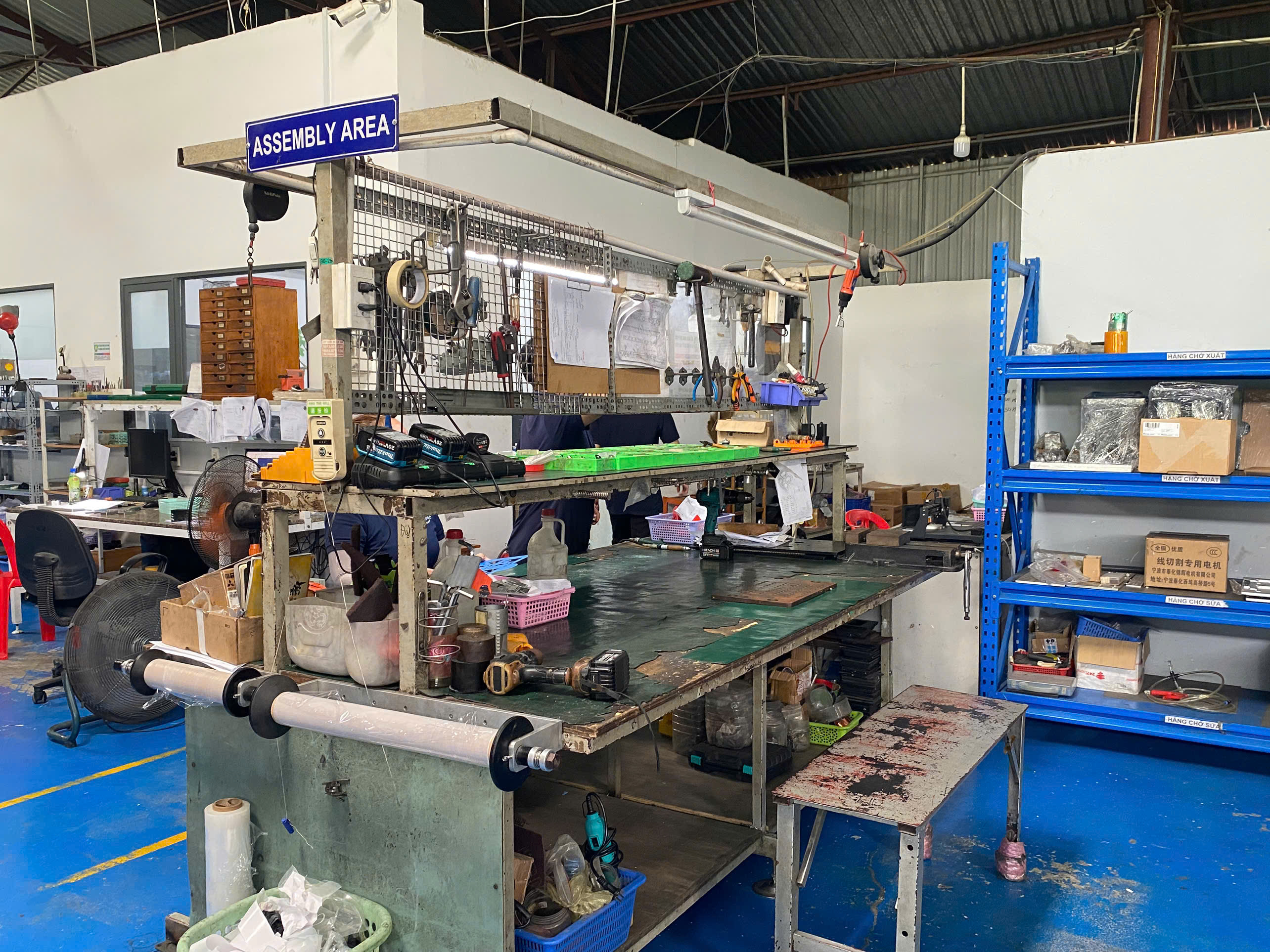
One of the most valuable lessons from running our seven-person Vietnam office is this: no amount of remote communication replaces having someone who can drive to the factory on a Tuesday morning, unannounced, and see what is actually happening on the production floor.
A local Vietnam supply chain team provides real-time production monitoring, conducts unannounced factory visits, verifies raw material origins at the source, manages in-process inspections, and serves as your first line of defense against transshipment fraud and export regulation violations.
Why Remote Management Falls Short
Many U.S. buyers try to manage their Vietnam supply chain from 8,000 miles away. They rely on email updates, supplier-provided photos, and occasional video calls. This approach has three critical weaknesses:
- Photos can be staged. A supplier can photograph someone else's production line and send it as their own.
- Email updates are curated. You only hear what the supplier wants you to hear. Delays, quality issues, and material substitutions get hidden.
- Time zone gaps slow responses. By the time you learn about a problem, it may be too late to fix.
What a Local Team Actually Does
Our Vietnam team's daily work covers the full spectrum of supply chain resilience. Here is how their activities directly address transshipment risks:
Production Monitoring Activities
The team visits active suppliers multiple times per month. During each visit, they verify that the correct raw materials are being used, the right machines are running, and the output matches what was promised. They take timestamped photos and videos that become part of the project file.
For sheet metal projects specifically, they check:
- Are the steel sheets on the floor the same grade and thickness specified in the BOM?
- Is the laser cutter programmed for the correct part geometry?
- Are weld joints being inspected according to the quality plan?
- Is the powder coating or surface treatment happening on-site or being outsourced?
Unannounced Visits as a Deterrent
The mere fact that a local team exists and can show up without warning changes supplier behavior. Suppliers who know they are being watched are far less likely to substitute materials, skip QC steps, or quietly subcontract to a Chinese factory.
Navigating Geopolitical Risks and Logistics Bottlenecks
Having people on the ground means we can respond quickly to disruptions. When port congestion in Ho Chi Minh City delayed shipments last year, our team rerouted through Hai Phong within 48 hours. When trade tariffs shifted and HS code classifications changed, our local staff coordinated with customs brokers in real time.
Building Relationships with Local Suppliers
A local team can identify and qualify Vietnamese or ASEAN-based raw material suppliers, reducing dependence on Chinese-origin steel. This is one of the most effective supply chain diversification strategies available. Instead of importing Chinese steel coils and hoping the transformation is "substantial enough," you source Vietnamese or Taiwanese steel from the start. The rules of origin question becomes much simpler.
Cost-Benefit of a Local Team
Some buyers hesitate at the cost of maintaining a local presence. Consider the alternative:
| Scenario | Potential Cost |
|---|---|
| 40% tariff on a $500K annual order (instead of 20%) | $100,000 per year in extra duties |
| Customs audit with retroactive duties and penalties | $200,000–$500,000+ |
| Product recall due to non-conforming material substitution | $50,000–$300,000 |
| Cost of a local supply chain coordinator in Vietnam | $15,000–$25,000 per year |
The math is clear. A local team is not an expense — it is insurance against catastrophic trade compliance failures.
Engaging Legal and Trade Experts
Beyond our own team, we work with local Vietnamese trade compliance consultants who monitor changes in export regulations, free trade agreements, and HS code classifications. This prevents surprises. Preventive compliance planning is always cheaper than post-investigation defense. When the U.S. tightens scrutiny on steel and aluminum — as it has been doing — our clients are already prepared. Understanding how to navigate US trade sanctions when sourcing from Vietnam is a critical part of that preparation.
Conclusion
Vietnam transshipment risks in sheet metal fabrication are manageable — but only with verified manufacturing, rigorous documentation, systematic audits, and a local team on the ground. Protect your supply chain now, before customs comes knocking.
Frequently Asked Questions
How do I verify that my Vietnam sheet metal supplier is actually manufacturing the parts and not just transshipping them?
A purchasing manager we work with in Texas once discovered his "Vietnam supplier" was actually importing pre-formed brackets from Guangdong, slapping on a Vietnamese Certificate of Origin 2 , and shipping them straight to the U.S. — the parts never touched a press brake 3 in Vietnam.
What specific factory audit steps should I take to confirm my Vietnam partner has the actual equipment for sheet metal fabrication?
Last quarter, we walked into a factory outside Ho Chi Minh City that claimed full sheet metal fabrication 6 capability — but the laser cutter had dust on it, and the press brake had no tooling marks. That visit saved our client from a costly compliance mistake.
Which shipping and origin documents do I need to review to protect my business from transshipment-related customs audits?
We learned this the hard way during a project two years ago: a shipment of custom metal brackets was held at U.S. Customs for three weeks because the supplier's Certificate of Origin did not align with the HS codes on the commercial invoice. The documentation gap cost our client expediting fees and delayed their production schedule.
Footnotes
1. Official source for U.S. Customs and Border Protection regulations and enforcement. ↩︎
2. Provides official information on Certificates of Origin for trade compliance. ↩︎
3. Explains the machine tool used for bending sheet metal and metal plate. ↩︎
4. Official source for the Harmonized System codes used in international trade. ↩︎
5. Defines the legal principle for determining a product’s country of origin. ↩︎
6. Defines the core manufacturing process of transforming flat metal sheets. ↩︎
7. Replaced 403 link with a comprehensive and authoritative Wikipedia article. ↩︎
8. Replaced 403 link with a comprehensive and authoritative Wikipedia article. ↩︎
9. Official source for U.S. free trade agreements and related policies. ↩︎
10. Defines the ability to track products and information across the supply chain. ↩︎